
What is hibiscus tea? benefits, market demand, and rtd beverage potential

Hibiscus Tea is quickly becoming one of the most talked-about herbal beverages in the global wellness drink category. Buyers are seeing it appear in supermarkets, café chains, convenience stores, and ready-to-drink product portfolios aimed at younger health-conscious consumers. What used to be a traditional herbal infusion in regions like Africa, the Caribbean, Southeast Asia, and Latin America is now being reformulated into modern canned beverages with cleaner labels and more approachable flavors.

The shift is happening for a reason. Consumers are paying closer attention to ingredients, sugar content, and functional benefits than they did five years ago. In many markets, brightly colored botanical drinks are replacing overly sweet carbonated beverages. Hibiscus Tea fits directly into that movement because it delivers a naturally vibrant appearance, tart refreshing flavor, and a health-focused image without needing complicated positioning.

For beverage importers, distributors, and private label brands, the category is becoming difficult to ignore. The demand is no longer limited to specialty tea shelves. It is expanding into mainstream retail.

Understanding hibiscus tea

Hibiscus Tea is an herbal beverage made from the dried calyces of the hibiscus flower, most commonly Hibiscus sabdariffa. When steeped in hot or cold water, the flower releases a deep ruby-red color and a tart flavor often compared to cranberry or pomegranate. Some consumers drink it hot as a traditional herbal tea, while others prefer it chilled in sparkling or ready-to-drink formats.

In different parts of the world, Hibiscus Tea has different names and cultural backgrounds. In Mexico, it is widely known as Agua de Jamaica. In West Africa, hibiscus drinks have been consumed for generations. In parts of Southeast Asia, hibiscus is already familiar in herbal beverage culture, which helps explain why the transition into canned RTD products feels natural rather than forced.

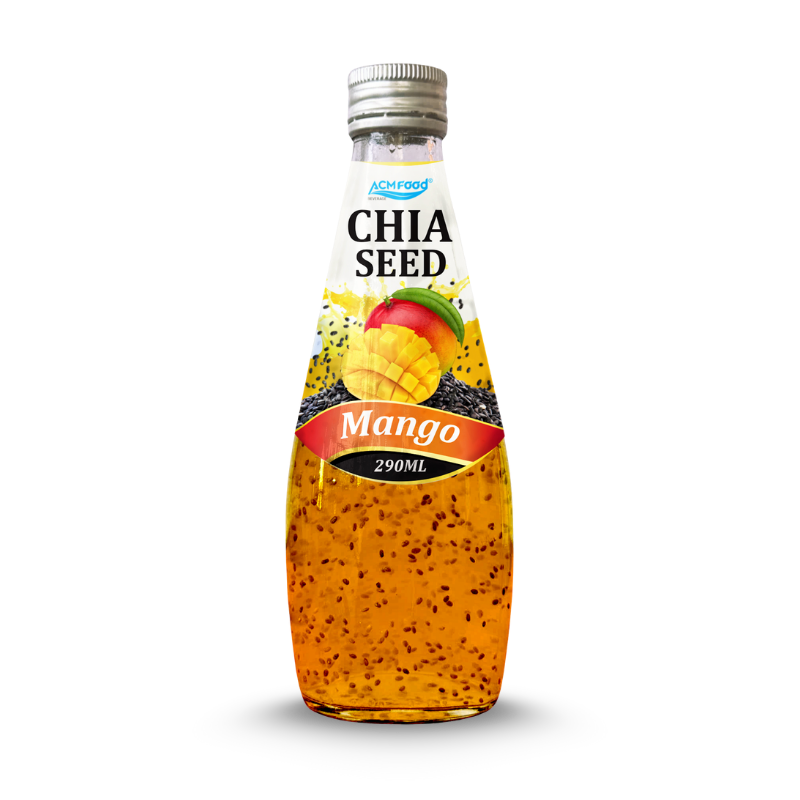
What makes the drink commercially interesting is its flexibility. The tartness allows manufacturers to combine it with tropical fruit flavors like mango, passion fruit, lychee, strawberry, or pomegranate without losing its identity. It works in still drinks. It works in sparkling beverages too.

We have also seen buyers become increasingly interested in beverages that look visually attractive on shelves and social media. Hibiscus Tea has a naturally intense red color that photographs well without depending heavily on artificial coloring. That matters more than many people realize. Younger consumers often discover beverages through visual content before they ever read a nutrition label.

Another factor is formulation simplicity. A canned Hibiscus Tea beverage can often be positioned around a relatively short ingredient list: water, hibiscus extract, fruit juice, natural flavor, and sweetener. That cleaner presentation aligns well with current retail trends in North America, Europe, and parts of Asia.

Benefits of hibiscus tea

One reason Hibiscus Tea continues gaining traction is that consumers already associate it with wellness. Even shoppers who are not deeply familiar with the ingredient often recognize hibiscus as something botanical and plant-based. That perception influences purchasing behavior.

Research commonly cited in health and nutrition discussions connects hibiscus with antioxidants, polyphenols, and compounds linked to cardiovascular wellness. Some studies have explored its potential relationship with blood pressure support and metabolic health. Consumers may not read academic journals directly, but they encounter these ideas constantly through wellness media, social platforms, and health-focused retail marketing.

That context matters because beverage purchasing today is emotional as much as nutritional. People want drinks that feel lighter, cleaner, and less artificial. A canned Hibiscus Tea product can fit that expectation more naturally than many traditional soft drinks.

The flavor profile also helps. Hibiscus delivers acidity and brightness without relying entirely on citrus. That creates opportunities for reduced-sugar formulations that still taste refreshing. In practical product development terms, this is valuable because lowering sugar while maintaining flavor intensity is one of the hardest problems in RTD beverages.

There is another advantage that buyers often overlook at first. Hibiscus Tea crosses multiple beverage categories at the same time. It can be marketed as herbal tea, wellness drink, botanical beverage, fruit infusion, functional drink, or premium refreshment depending on the target market. Few ingredients can comfortably move between all those positioning strategies.

We have noticed that many private label buyers initially approach hibiscus products as niche wellness items. Then they realize the drink appeals to broader audiences once flavor testing begins. Consumers who may never actively search for herbal tea are still willing to purchase a hibiscus beverage because the taste feels approachable and modern.

Cold consumption also supports commercial growth. Some herbal teas struggle in ready-to-drink applications because they are traditionally consumed hot. Hibiscus naturally performs well chilled, especially in warmer climates and convenience-driven retail channels.

Market demand for hibiscus tea

What is hibiscus tea? benefits, market demand, and rtd beverage potential - 1

The global herbal beverage market has changed significantly since 2020. Functional drinks, plant-based beverages, and low-sugar refreshment categories have all expanded as consumers reassessed their daily consumption habits. Hibiscus Tea entered the market at the right moment.

Search interest around hibiscus beverages has increased steadily across many English-speaking markets, particularly in the United States, Canada, Australia, and parts of Europe. At the same time, retailers are dedicating more shelf space to botanical and adaptogenic drinks. That combination creates visibility that smaller herbal categories rarely achieved in the past.

But visibility alone does not create long-term demand. The reason buyers continue exploring Hibiscus Tea is because the category solves several retail problems simultaneously.

First, it offers flavor differentiation. Many beverage shelves are saturated with lemon, peach, cola, and green tea variants. Hibiscus stands out immediately because of both color and taste profile.

Second, it supports health-oriented branding without becoming overly clinical. Consumers increasingly avoid products that sound medicinal or complicated. Hibiscus feels natural and familiar enough to remain approachable.

Third, it adapts well across price segments. A hibiscus beverage can be sold as an affordable convenience-store refreshment or positioned as a premium wellness drink in upscale supermarkets. That flexibility is commercially useful for distributors serving multiple retail channels.

There is also growing demand from younger demographics. Gen Z and Millennial consumers tend to experiment more with botanical ingredients than older beverage buyers. They are already familiar with drinks containing matcha, kombucha, yerba mate, and floral infusions. Hibiscus enters a market where botanical experimentation is already normalized.

Social media has accelerated this trend. Brightly colored beverages receive stronger engagement online, especially when paired with wellness-oriented messaging. A ruby-red canned Hibiscus Tea product naturally performs well in visual marketing campaigns. That reduces some of the friction brands face when launching unfamiliar beverage categories.

From a B2B perspective, another important factor is manufacturing scalability. Hibiscus Tea formulations are generally easier to commercialize than highly unstable dairy-based functional drinks or products requiring refrigerated logistics. Shelf-stable canned formats simplify export operations and retail distribution.

Concentrate availability has improved too. Ingredient sourcing networks are stronger today than they were several years ago, making large-scale production more realistic for OEM and private label beverage companies.

Ready-to-drink canned hibiscus tea products

The shift from traditional brewed tea to canned Hibiscus Tea products reflects how consumers actually buy beverages today. Convenience matters. Even health-conscious shoppers do not always want to brew loose herbal tea at home.

Ready-to-drink formats remove that barrier. A consumer can pick up a chilled hibiscus beverage from a supermarket refrigerator, convenience store, gym café, or vending machine and consume it immediately. That sounds simple, but convenience often determines whether a category reaches mainstream retail scale.

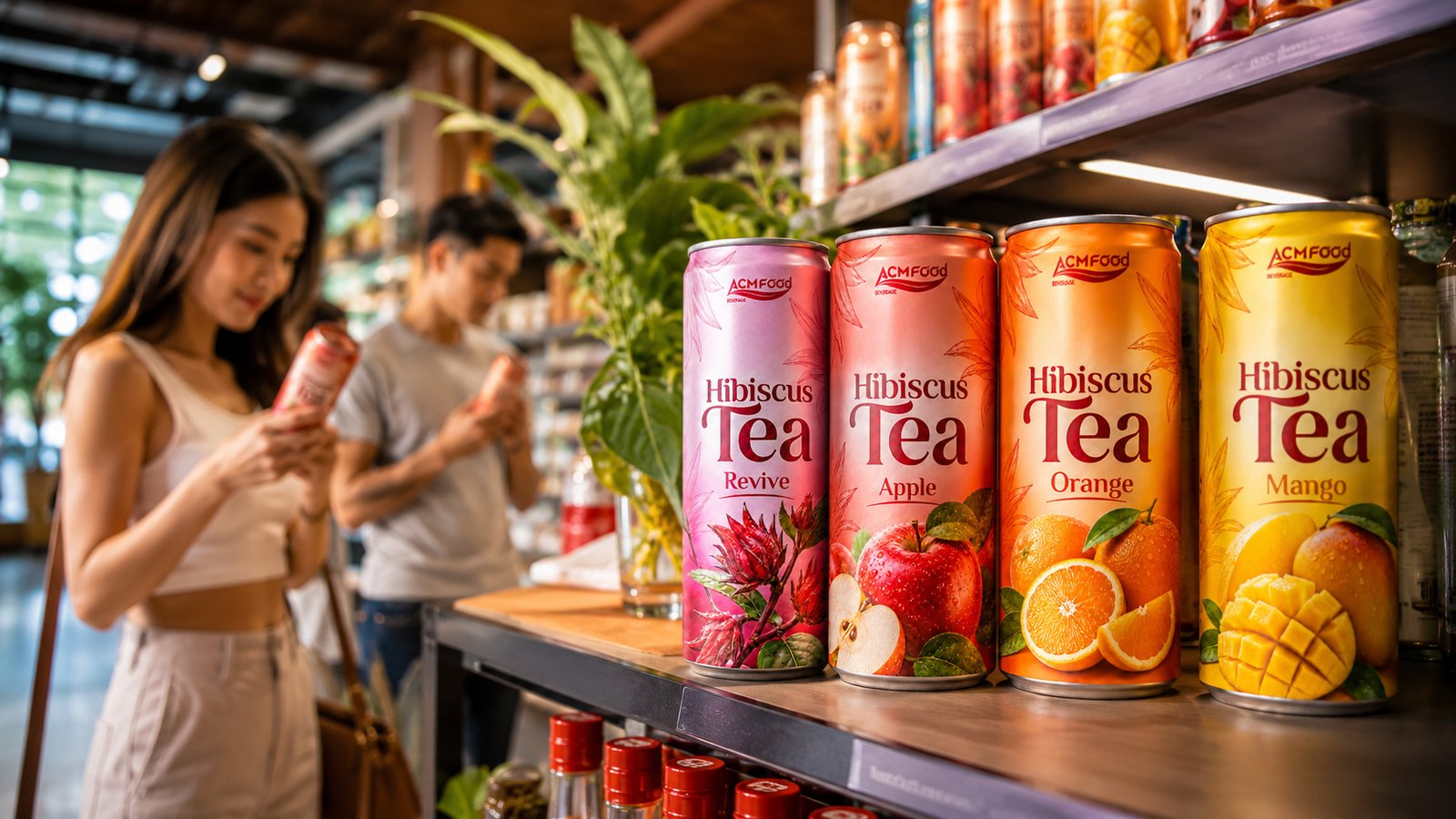
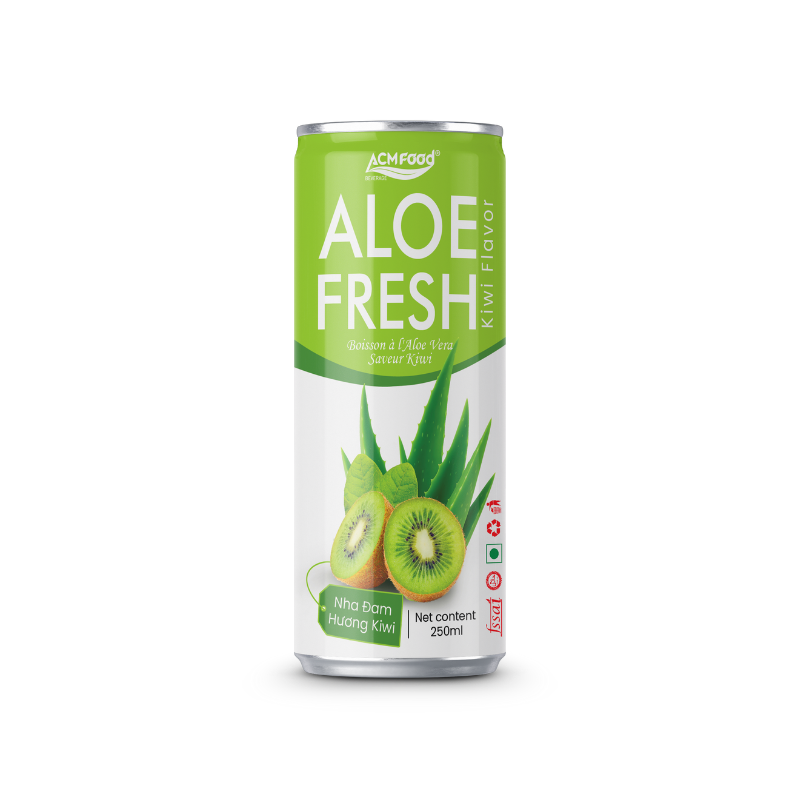
Modern canned Hibiscus Tea products now appear in several directions. Some brands focus on low-calorie sparkling botanical drinks. Others blend hibiscus with tropical fruits for broader flavor appeal. Some products position themselves as wellness beverages with vitamin fortification or functional ingredients. Others stay minimal and emphasize clean-label simplicity.

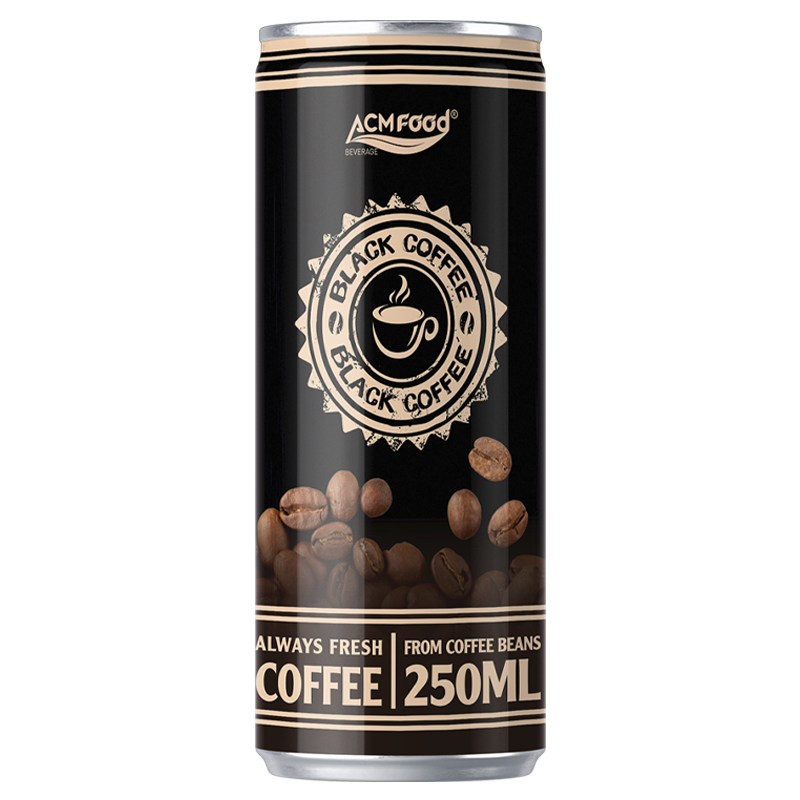
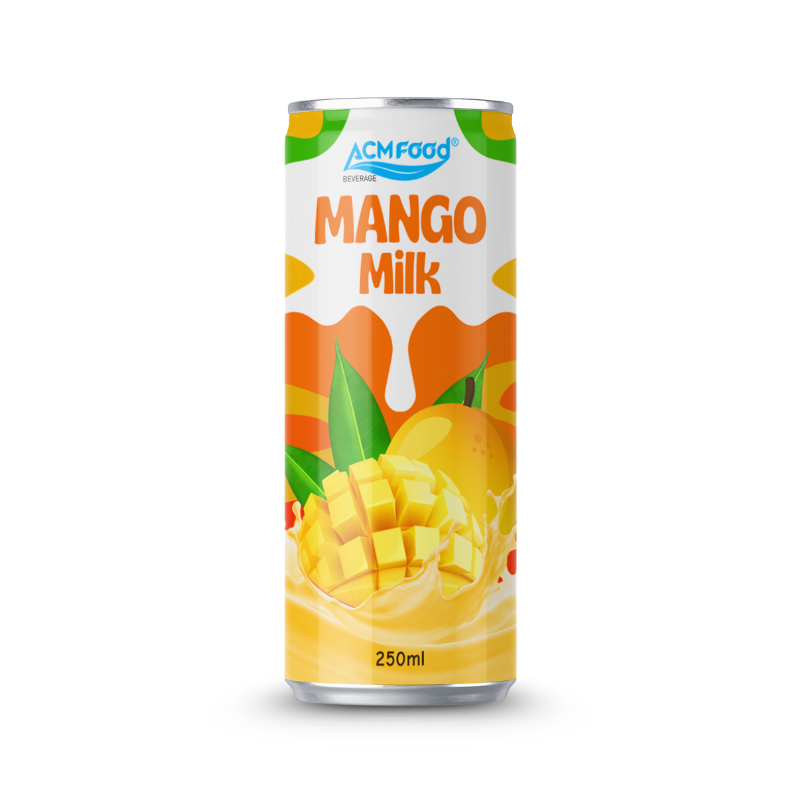
Packaging design plays a major role here. Hibiscus beverages tend to use vibrant visual identities because the ingredient itself already communicates color and freshness. Slim cans are especially common because they align with premium wellness positioning and younger urban consumers.

One interesting development is the crossover between tea and energy-adjacent beverages. Some manufacturers are combining Hibiscus Tea with green tea extract, guarana, or natural caffeine sources to create lighter alternatives to traditional energy drinks. The category is still evolving, but buyer interest is clearly increasing.

Flavor pairing is another area where the RTD segment continues expanding. Hibiscus blends well with:

Passion fruit for tropical acidity.

Strawberry for softer sweetness.

Pomegranate for antioxidant-focused positioning.

Lychee for Asian-inspired premium beverage concepts.

Lemon and mint for lighter refreshment profiles.

These combinations allow beverage brands to localize products for different regions while still maintaining the recognizable identity of Hibiscus Tea.

Shelf stability also matters commercially. Canned herbal beverages generally support longer distribution timelines than fresh juice products, which helps importers manage inventory more efficiently. For export-focused businesses, this becomes a practical advantage rather than just a technical specification.

Private label demand is increasing as well. Retailers and beverage startups increasingly want differentiated products that are not directly competing with mass-market soda giants. Hibiscus Tea gives them room to create something that feels modern without needing to educate consumers from zero.

Hibiscus tea supplier and manufacturing partner

Finding the right Hibiscus Tea supplier is about more than ingredient access. Buyers increasingly want manufacturing partners who understand flavor development, export compliance, shelf stability, and branding expectations across different markets.

That is where experience becomes important. A beverage formulation that performs well in one country may require sweetness adjustments, packaging modifications, or labeling changes for another region. The difference between a product that succeeds and one that disappears after six months is often hidden inside those operational details.

At ACMFOOD, we work with international beverage businesses looking for OEM, ODM, and private label canned drink solutions. Hibiscus Tea is one of the categories attracting strong attention because it connects wellness positioning with mainstream beverage accessibility.

Our manufacturing approach focuses on practical commercial outcomes. Flavor balance matters. Shelf appearance matters. Export-ready production matters too. A product may taste excellent during sampling, but if the formulation cannot maintain consistency at scale, the business opportunity becomes difficult to sustain.

We have seen growing interest from distributors, supermarket buyers, café supply chains, and startup beverage brands searching for products outside the traditional carbonated soft drink space. Many are specifically looking for beverages that feel cleaner, more contemporary, and visually attractive to younger consumers.

Hibiscus Tea fits that direction naturally.

ACMFOOD supports product development across different positioning strategies, including low-sugar beverages, fruit-infused herbal drinks, sparkling formats, and premium wellness-oriented concepts. Packaging customization is also increasingly important because many buyers want products tailored to local retail trends rather than generic stock designs.

The market is moving quickly. Consumers are becoming more selective about what they drink, and retailers are responding by expanding shelf space for botanical and functional beverages. Hibiscus Tea is no longer just a traditional herbal infusion sitting quietly in specialty stores. It is entering mainstream ready-to-drink retail.

For businesses evaluating future beverage categories, this creates a real opportunity. The combination of visual appeal, wellness positioning, flexible flavor pairing, and RTD compatibility gives Hibiscus Tea strong commercial potential across multiple regions.

And honestly, the category still feels early enough that brands entering now can build meaningful differentiation before the market becomes overcrowded.

Share this article: