


 Français
 Español
 العربية
 한국어
한국어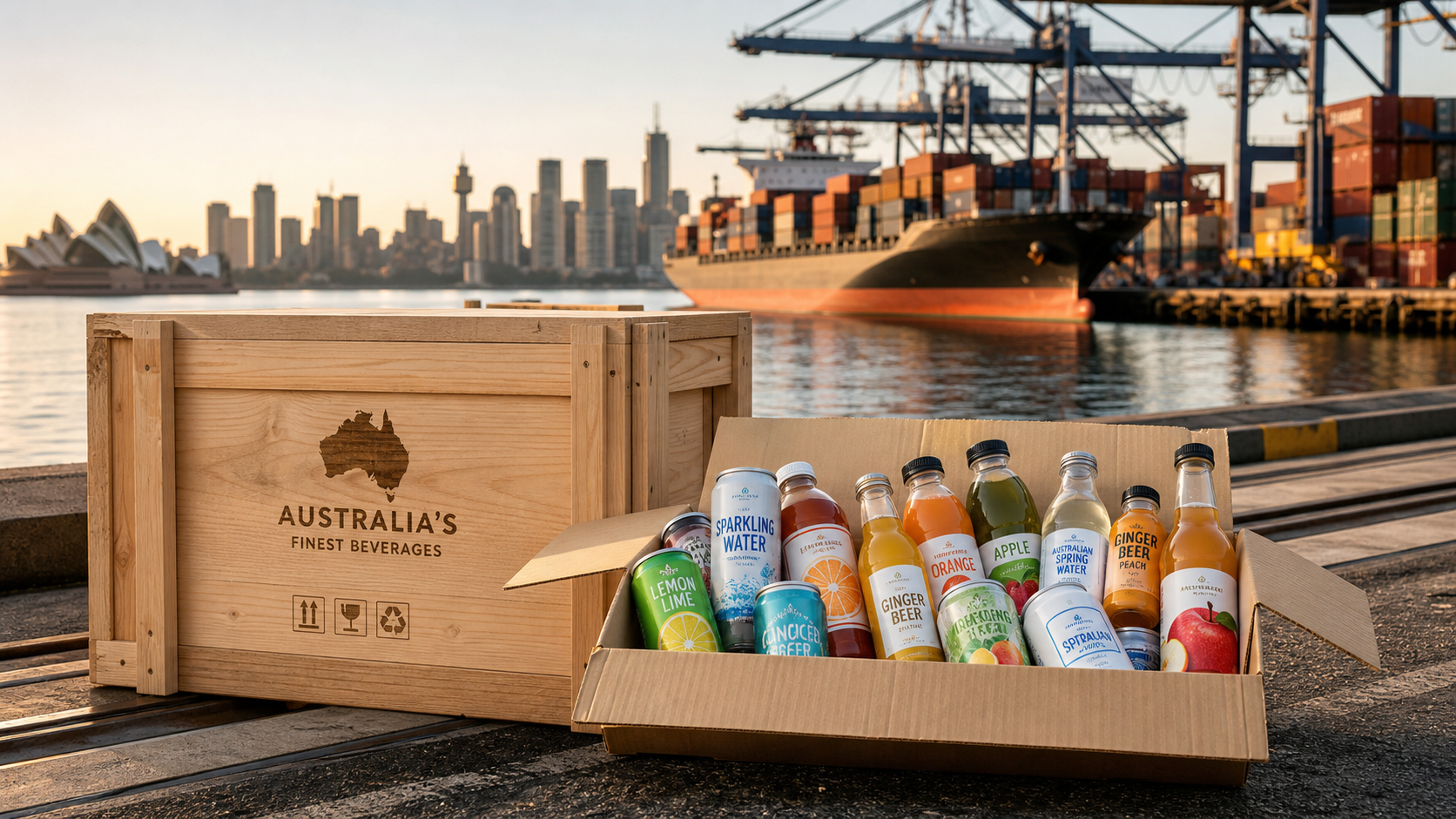
Beverage supplier Australia refers to companies that source, manufacture, consolidate, and deliver finished drinks into the Australian market for importers, distributors, and retail partners. For buyers, the right supplier is the one that can consistently meet compliance, quality, lead time, and commercial targets across changing demand and regulatory conditions.
This guide distills what matters when selecting or switching a drinks supplier for Australia: supplier models and how they differ, compliance with the Food Standards Code and local labelling rules, logistics to major ports, landed-cost fundamentals, quality assurance for long-haul shipments, and options for private label or custom beverages. It is written for importers, wholesalers, and distributors building reliable portfolios for Australian channels.
What does a beverage supplier for Australia do?
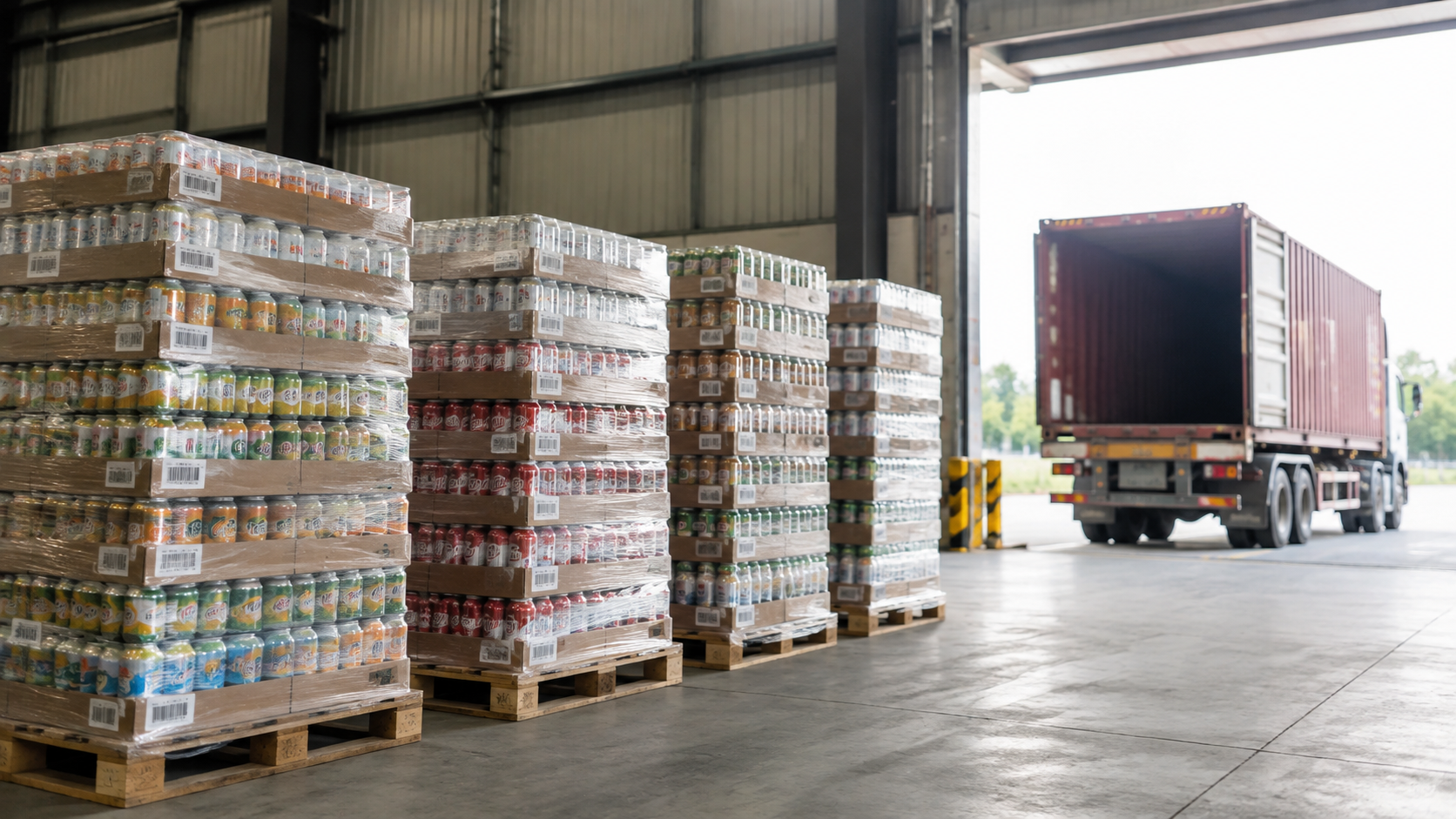
A beverage supplier for Australia sources or produces finished drinks that meet the Australian market’s compliance, quality, and commercial requirements, then ships them via agreed Incoterms to importers or distributors who handle local clearance and sales. Depending on the model, the supplier may own brands, provide private label, or act as a consolidator for multi-brand portfolios.
In practice, a strong supplier can help you with: product scoping and feasibility; formulation and packaging suited to long-haul transport; documentation that aligns with Australian customs and biosecurity needs; compliant labelling; container planning; and post-shipment support such as retention samples, stability documentation, and batch traceability.
How should Australian importers evaluate a beverage supplier?
Start with market fit and risk. The best supplier for your category is the one that can repeatedly deliver compliant product, predictable lead times, and transparent documentation at the right landed cost for your channels. Shortlist partners who demonstrate proven category know‑how and provide clear answers on shelf life, stability, and change-control.
- Compliance readiness: Ingredient listing, allergens, nutrition information (where applicable), date marking, storage instructions, and importer details ready for Australian sale; documentation mapped to customs & biosecurity needs.
- Commercial model: Clarity on pricing tiers, batch sizes, MOQs, change fees, rebates, and who pays for new labels, pre‑production samples, and audits.
- Supply reliability: Forecasting cadence, safety-stock options, peak-season capacity, and alternatives if a line goes down or raw materials shift.
- Quality & testing: COAs as relevant, micro & shelf-life data, sensory specifications, packaging integrity checks, retention samples, and recall readiness.
- Logistics competence: Pallet patterns, container planning, temperature guidance, reefer vs dry, VGM/weight limits, fumigation/ISPM 15 for pallets, and route options.
- Communication: Single point of contact, change-control workflow, and response times when demand changes or nonconformance occurs.
If your priority is a partner overview tailored to your role, see this resource: beverage supplier for Australian importers.
Supplier models and how they compare
Different supplier types suit different portfolio strategies. Map your channel needs (grocery, independents, foodservice, convenience, e‑commerce) to the model that best balances control, speed, and capital.
| Supplier type | Typical offering | When it fits | Positioning & notes |
|---|---|---|---|
| Brand owner / exporter | Finished branded products, often with marketing assets | Quick range expansion; leverage existing brand equity | Fewer variables to manage; watch for regional labels that need updates |
| Multi-brand consolidator | Assortment across categories; single shipment paperwork | Broad test-and-learn assortments; smaller drops per SKU | Simplifies logistics; may add consolidator margin and mixed MOQ rules |
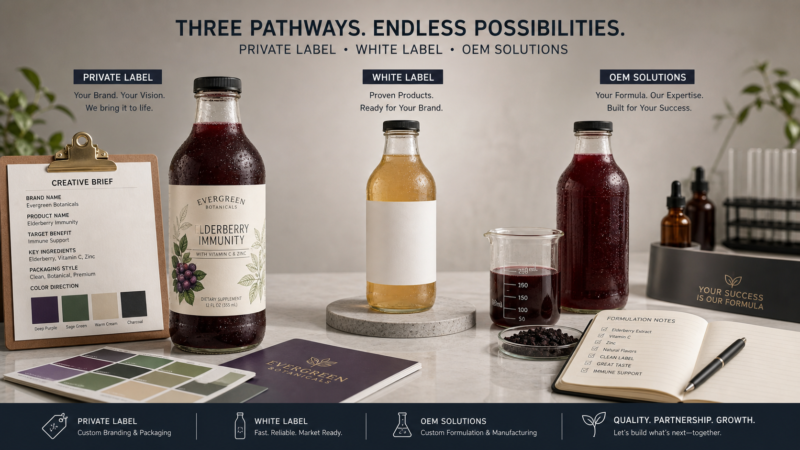
| OEM / private label producer | Custom formulas, own-brand labels, exclusive packs | Retailer or distributor house brands; differentiation and margin | Requires detailed brief; change-control and lead time matter |
| Co‑packer / contract packer | Fills your formula or provided concentrate/base | When you own IP or want flexible packaging runs | QA ownership and input material specs are critical |
| Licensed local bottler (AU) | Local filling under license or tolling | Speed to shelf, avoid long-haul constraints | Higher local costs; may reduce freight & shelf-life risk |
Regulatory basics for beverages imported into Australia
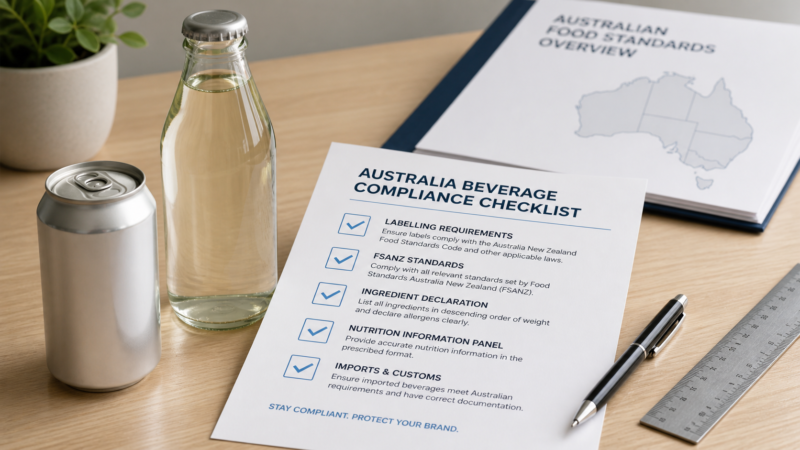
Imported beverages sold in Australia must comply with the Australia New Zealand Food Standards Code and broader consumer law. Labelling, claims, and composition requirements vary by product type, so align early with your compliance adviser and ensure supplier documents match the finished labels you will sell.
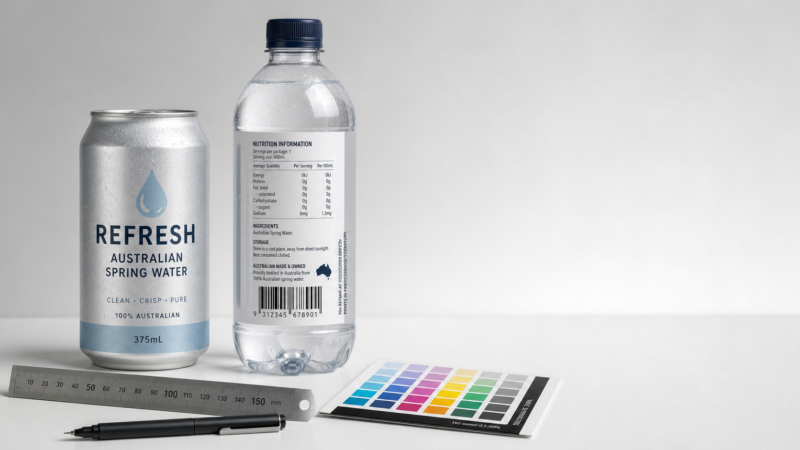
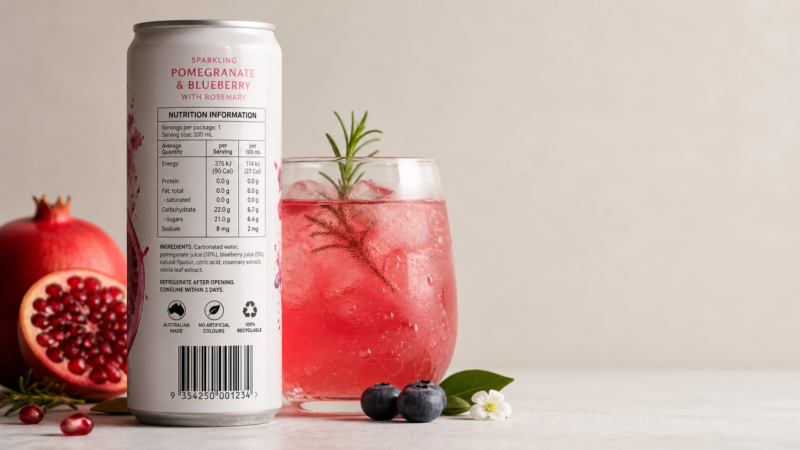
- Label essentials: Product name/description, ingredient list in descending order, allergen declarations where applicable, nutrition information (where required), net contents (metric), date marking, storage instructions, and the name and address of the Australian importer or supplier.
- Claims discipline: Nutrition content and other on‑pack claims must align with relevant standards and be supportable for the final product and serving size. Avoid implying therapeutic effects.
- Additives & composition: Only use permitted additives and processing aids as allowed for the beverage type. Confirm caffeine limits, sweetener permissions, and compositional standards that may apply to juices, waters, or other drinks.
- Documentation: Maintain specification sheets, batch COAs where relevant, and traceability records. Ensure certificates and test methods are clear and can be furnished during inspection.
- Biosecurity & customs: Confirm import conditions and any inspection requirements ahead of shipping. Provide complete, consistent paperwork to reduce delays.
Formulation considerations for the Australian market
Formulation choices influence compliance, shipping stability, and consumer acceptance. Align with category norms and retailer expectations while planning for long-haul transport and variable ambient conditions.
- Stability & shelf life: Choose processes and packaging that support the intended shelf life through sea freight and distribution (e.g., hot‑fill PET, aseptic, retort, nitrogen dosing for cans, oxygen barriers).
- Sweetness & calories: If reducing sugar, confirm permitted sweeteners and their labelling implications. Sensory trials are important for Australian palates and usage occasions.
- Caffeine & stimulants: Energy and functional drinks need careful specification and compliant statements. Validate caffeine levels and any advisory statements required for the product category.
- Acidity & heat stability: Match pH, Brix, and acid profile to thermal process parameters; verify no post‑process precipitation, floc, or haze that could trigger returns.
- Allergens & traces: Map potential cross‑contact at the plant level and align labels accordingly.
Packaging and labelling execution
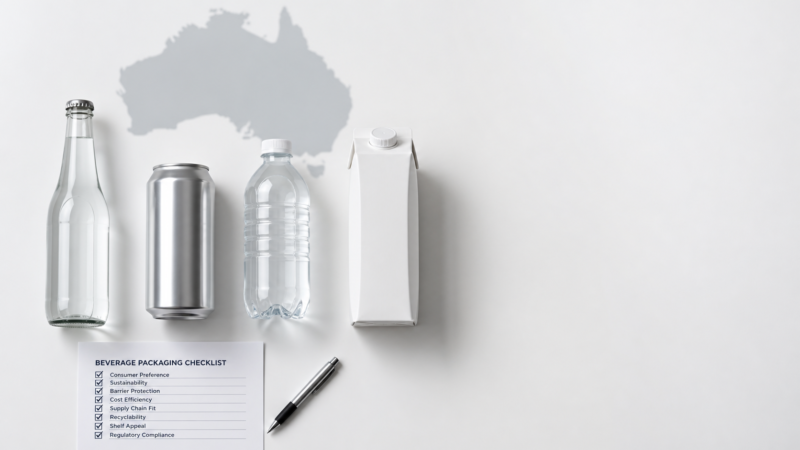
Packaging protects the product through ocean freight, handling, and retail display, while labels carry legally required information and brand cues. Ensure both are engineered for distance and clarity.
- Primary packaging: Select bottle/can structures with proven performance in your process (e.g., closure torque, seam integrity, barrier properties). Validate with transport simulation where practical.
- Secondary & tertiary: Carton strength, pallet patterns, and wrap tension should prevent crushing or scuffing through transhipments.
- Label workflow: Freeze claims and mandatory copy before artwork. Build change-control with revision numbers and a bilingual check if applicable.
- Importer details: Include the Australian business name and contact details responsible for sale in Australia.
Logistics to Australia: planning routes, containers, and lead times
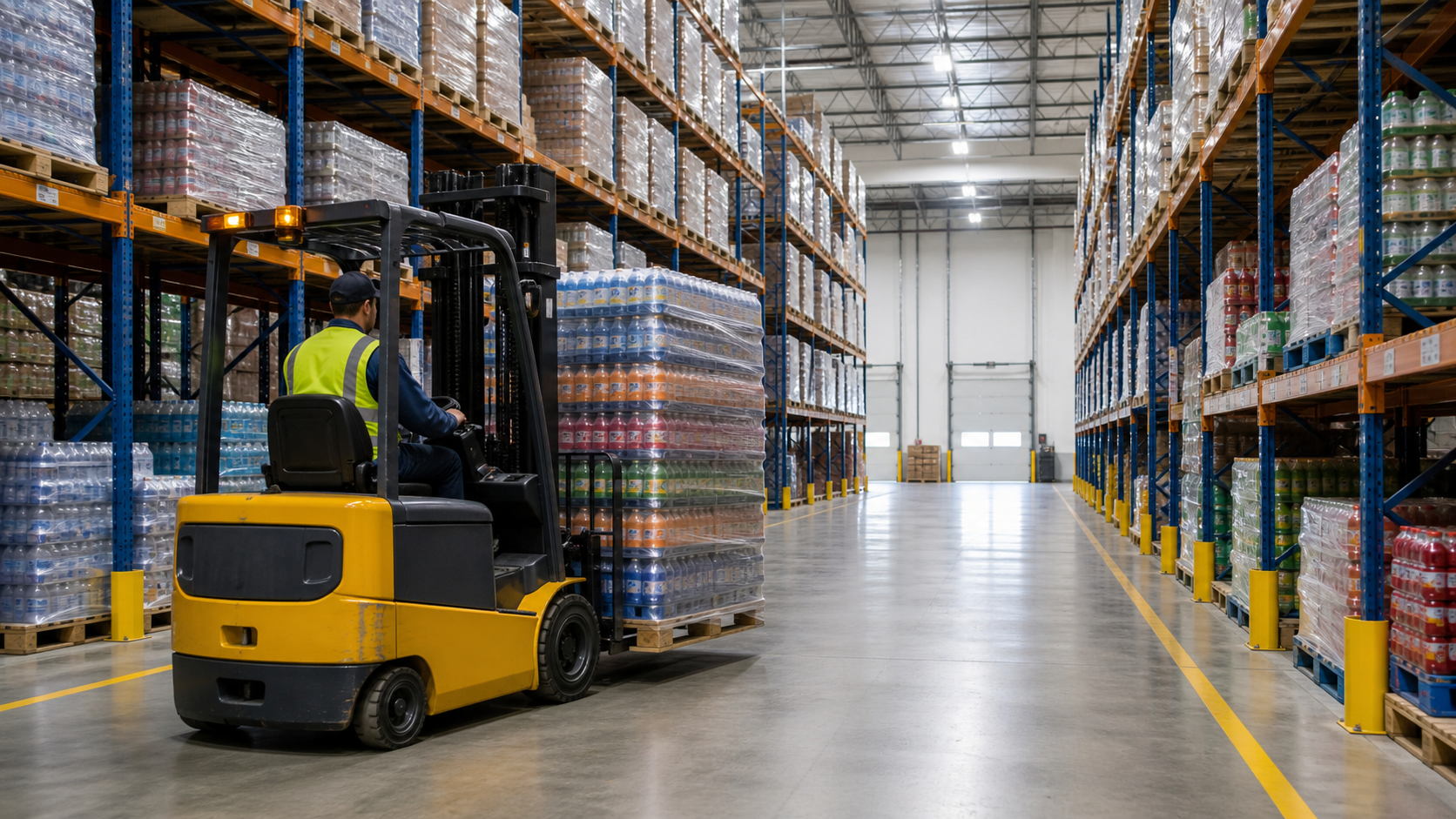
Most shipments move by sea to major ports such as Sydney, Melbourne, Brisbane, Adelaide, or Fremantle, then by linehaul to state distribution centers. Transit and dwell times vary by origin, season, and port congestion; build buffer time and safety stock into your planning, especially around holidays and peak seasons.
- Container strategy: Decide between FCL for control and lower unit freight vs. LCL for smaller volumes. For sensitive SKUs, consider reefer or thermal liners.
- Load design: Confirm pallet footprint, height, and weight against carrier and port constraints. Share pallet patterns and CTN plans with your supplier.
- Documentation accuracy: Keep invoices, packing lists, and certificates consistent. Small mismatches create costly delays.
- Inspection readiness: Prepare for possible examinations; have batch data and SDS (if applicable) ready.
- Warehousing: Pre‑book inbound slots and ensure labels/barcodes scan correctly at receiving.
Building a landed‑cost model you can trust
Landed cost will determine competitiveness more than ex‑factory price alone. Model each cost element from origin to shelf and run scenarios for volume, route, and service level changes.
- Product cost: EXW/FOB/CIF price, packaging upgrades, and any artwork or tooling fees.
- Freight & insurance: Ocean/air, bunker/fuel, peak surcharges, and coverage aligned with cargo value.
- Customs duties & taxes: Duty rate by HS code and applicable trade agreements; GST typically applies at import for most beverages—confirm the current rate and treatment with your broker.
- Port & terminal: THC, wharfage, container detention risks, demurrage buffers, and cartage to DC.
- Domestic handling: Inbound receiving, palletisation changes, compliance relabelling or stickering if required.
- Overheads: Forecast error costs, wastage, shrink, and QA sampling.
Quality assurance for long‑haul beverage imports
QA starts at the brief and continues through the final case delivered. Specify what success looks like and build test points into the schedule.
- Signed specs: Sensory profile, Brix/pH ranges, fill weights, seam/closure targets, torque, and visual standards with photos.
- Pre‑shipment checks: Golden samples, transit tests, and stability data for the exact recipe and packaging.
- Certificates & records: Batch COAs where relevant, micro results, and packaging QC documentation. Keep retention samples by lot.
- Arrival QA: Temperature logging where practical, random sampling for seal integrity, leakage, and label adhesion.
- Nonconformance handling: Clear RMA thresholds, quarantine process, and corrective action timelines.
Private label and custom beverage options
Private label can deliver margin, exclusivity, and control—but it requires disciplined briefing, regulatory alignment, and robust change management. If you plan to create or adapt a formula, map each step to decision gates and samples.
- Brief & feasibility: Define target consumer, channel, price point, claims strategy, pack formats, and shelf‑life goals.
- Bench & pilot samples: Iterate on taste, color, aroma, carbonation (if applicable), and sweetness. Confirm stability across intended storage conditions.
- Compliance review: Validate ingredients, additives, and statements for the final formula and serving size.
- Artwork & proofing: Lock mandatory copy and barcodes; run print proofs under real process conditions.
- Production trials: Validate line speeds, yields, and QC sampling frequency.
- Scale & reorder: Implement forecasting and change-control for continuous improvement.
For manufacturing-focused guidance, explore: beverage manufacturer for Australian brands, OEM beverage manufacturer for Australian brands, and contract beverage manufacturing for Australian brands.
Category and channel fit: what sells where?
Success depends on matching product type, pack, and price to the retail reality of each channel. Use small trials to confirm pull‑through before scaling.
- Grocery & mass: Focus on familiar formats and clean, compliant labels. Pallet efficiency and reliable supply are essential.
- Convenience & petrol: Single‑serve, bold flavours, and clear value cues; rapid restock cycles reward dependable lead times.
- Independents & specialty: Niche, premium, or ethnic beverages can win on authenticity and discovery.
- Foodservice: Larger formats, back‑of‑house friendliness, and consistent flavour are key.
- E‑commerce: Robust packaging and clear content (ingredients, storage, usage) drive conversion and reduce returns.
Retail‑ready labelling: build once, use many times
A reusable label system reduces cost across future flavours and pack sizes. Design templates that scale and guardrails that protect claims and mandatory copy.
- Master copy deck: Centralise approved phrases, translations (if used), allergen statements, and variable fields.
- Version control: Track changes with dates and responsible approvers; keep a sample library with matching revision numbers.
- Printer and substrate tests: Validate ink adhesion, scuff resistance, and legibility after condensation.
Forecasting, MOQs, and inventory balance
Right‑sizing orders prevents stockouts and write‑offs. Balance MOQ realities with demand variability and shelf-life constraints.
- Rolling forecast: Share a 3–6‑month view with monthly true‑ups and clearly marked promotional spikes.
- Run‑size economics: Larger runs lower unit cost but add inventory risk; model cash, expiry, and storage.
- Safety stock: Set different buffers for core vs. seasonal SKUs; revisit after each cycle of actuals.
Sourcing playbook: a de‑risked brief
Use this checklist to accelerate supplier onboarding while containing risk.
- Product definition: Category, pack, target price band, flavour callouts, and on‑pack must‑haves.
- Regulatory alignment: Confirm ingredient and claim feasibility for Australia; define serving size and any advisory statements.
- Technical specs: Brix/pH ranges, carbonation, torque/seam, fill weights, and sensory anchors.
- Packaging & logistics: Pallet pattern, carton strength, container loading plan, and temperature sensitivity.
- QA plan: Sampling, COAs where applicable, arrival checks, and nonconformance procedure.
- Artwork workflow: Responsibilities, timelines, and print tests.
- Commercial terms: Pricing, payment terms, Incoterms, claims handling, and service levels.
If you’re mapping suppliers specifically to Australian routes to market, this overview may help: beverage supplier for Australian importers.
Example scenarios to guide supplier choice
Consider how these scenarios align with your portfolio goals:
- Ethnic grocery distributor testing 12 SKUs: A consolidator can combine mixed cases into one container, with label stickering if needed. Tight control of MOQ per flavour limits risk.
- National distributor launching RTD tea exclusive: An OEM/private label producer builds your recipe and pack sizes. Plan a thorough pilot, stability verification, and retailer sell‑in calendar.
- E‑commerce beverage marketplace: Mix of branded imports for quick range plus a few own‑brand hero SKUs. Prioritise durable packaging and clear on‑site product information.
Risk management and contingency planning
Resilience reduces both cost and customer disruption. Shape your plan before the first PO.
- Dual options: Where practical, qualify an alternate route or supplier for critical SKUs.
- Expiry and rotation: Track FEFO and heat exposure; implement quick holds if temperature loggers flag issues.
- Recall readiness: Maintain batch traceability, contacts, and a tested communication plan with customers.
- Change-control: Any formula, pack, or supplier‑site changes trigger a documented review and updated labels/specs.
FAQ: beverage supplier Australia
What information should be in my first supplier brief?
Define the category, flavours, target channels, desired pack sizes, shelf‑life goal, pricing band, and any must‑have ingredients or claims. Add your expected Incoterms, initial volume, and timelines. Include labelling constraints and a draft compliance checklist for Australia.
Which Incoterms work best for Australian imports?
Many buyers use FOB or CIF for ocean freight, but the right choice depends on freight control, insurance, and your broker arrangements. Align responsibilities clearly in the contract and ensure documents match the chosen term.
How do I minimise delays at Australian ports?
Accurate, consistent paperwork; pre‑advice to your customs broker; realistic transit buffers; and readiness for inspections all help. Share pallet patterns and carton labels in advance with receiving DCs.
Can labels be finalised after pricing?
Yes, but freeze mandatory copy early to avoid rework. Agree who pays for artwork rounds, plates, or print changes. Link the approved label revision to the PO and to the batch documentation.
What QA evidence should I request before first shipment?
Signed specifications, shelf‑life or stability data for the exact recipe and pack, relevant COAs, and pre‑shipment photos or inspection reports. Arrange retention samples by lot and define arrival checks.
Is private label feasible on small volumes?
It depends on the plant and format. Some lines have flexible MOQs or seasonal windows. Test demand with a focused SKU set and scale as forecasts stabilise.
Conclusion
Choosing a beverage supplier for Australia is about predictable compliance, quality, and total delivered cost—not just ex‑factory price. Anchor your process with a sharp brief, disciplined labelling, robust QA, and a logistics plan that tolerates seasonal variability. For deeper dives into manufacturing options, see beverage manufacturer for Australian brands and contract beverage manufacturing for Australian brands. If you are refining your sourcing plan, this page may help position your next steps: beverage supplier for Australian importers.