


 Français
 Español
 العربية
 한국어
한국어Private label vs white label beverages compares two common routes for bringing drinks to market, while OEM adds a third option focused on custom formulation and manufacturing. This guide defines each model, contrasts how they work in practice, and helps you choose the right approach for your brand and retail channels.
Because terminology can blur across markets, we’ll use neutral, widely accepted definitions and highlight decision points that matter for Australian brands, exporters and importers—from customization scope and exclusivity to time-to-market, formulation control and long-term cost structures.
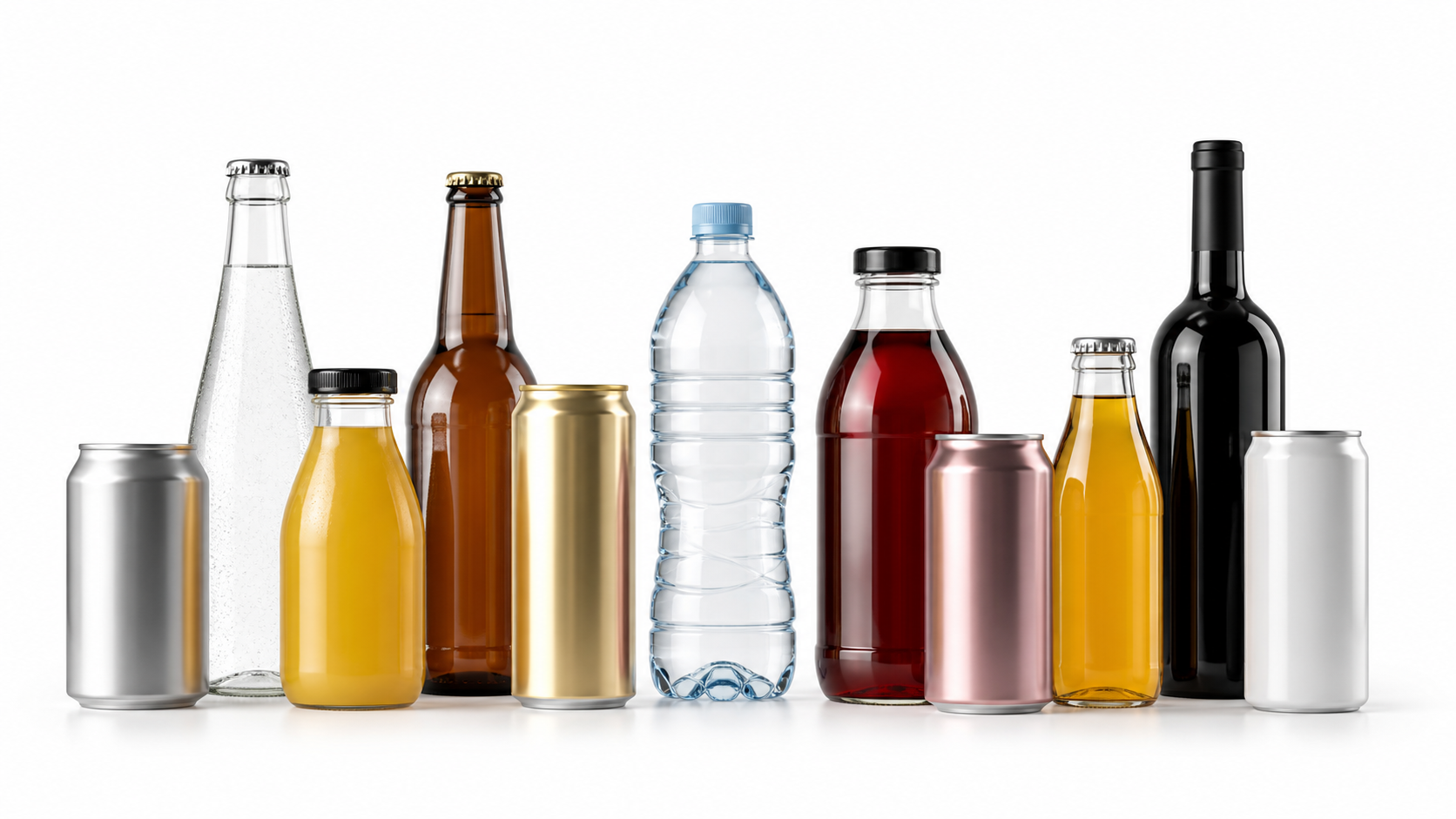
What do private label, white label and OEM mean in beverages?
In beverages, private label typically means a retailer or brand owner markets products made by a manufacturer under the brand owner’s name, with some level of customization. White label refers to standardized products sold broadly to multiple buyers who apply their own branding. OEM (original equipment manufacturer) focuses on producing to a brand’s specified recipe, process and packaging.
While these terms overlap in everyday use, you can think of them along a spectrum of customization and exclusivity. Private label often provides moderate to high brand differentiation; white label prioritizes speed and cost on established formulas; OEM centers on a custom spec owned or tightly controlled by the brand owner.
How do private label vs white label beverages differ?
White label beverages are pre-developed, standardized products you can brand quickly with limited changes, ideal for fast launches and cost efficiency. Private label beverages allow deeper customization—from flavor and sweetness to packaging and SKU strategy—which supports differentiation, but usually requires more development steps and brand-side decisions.
Key points of difference include:
- Ownership of formula: White label uses the manufacturer’s standard recipe; private label ranges from lightly customized to a unique formula owned by the brand owner or governed by contract.
- Exclusivity: White label is typically non-exclusive. Private label can be exclusive by customer, channel or region if commercially agreed.
- Speed-to-market: White label is usually fastest; private label timelines depend on customization, validations and packaging lead times.
- Product development: White label minimizes R&D; private label involves sensory alignment, packaging choices and claim strategy suitable for target markets.
- Cost structure: White label leverages scale on standard SKUs; private label may carry higher upfront development or packaging costs but can unlock stronger margins and positioning.
- Quality control inputs: Both require QA; private label may add sensory targets, ingredient preferences and brand-specific checks.
- Portfolio fit: White label suits fast gap-fills and price-focused lines; private label suits retailer ranges or brands aiming for unique positioning.
Side-by-side comparison: private label, white label, OEM, ODM and contract manufacturing
Different partners and contracts use overlapping terms. This qualitative table groups common meanings so buyers can align expectations before briefing.
| Model | Definition (common use) | Customization scope | Time to market | Brand & formula control | Typical use cases |
|---|---|---|---|---|---|
| White label | Standard formula made by a manufacturer; multiple buyers brand it | Low: label/artwork, limited variant tweaks | Fast | Branding controlled by buyer; formula by manufacturer | Rapid listings, price-entry SKUs, trial ranges |
| Private label | Manufacturer produces for one retailer/brand under their name | Medium to high: flavor, sweetness, pack, SKU plan | Moderate | Branding by buyer; formula control varies by agreement | Retailer ranges, differentiated brand portfolios |
| OEM | Manufacturer produces to buyer’s custom specifications | High: recipe, process, packaging, documentation | Moderate to longer | Brand and spec tightly controlled by buyer | Unique formulas, premium or functional concepts |
| ODM | Manufacturer develops a concept the buyer can adopt/adapt | Medium: co-development from a base concept | Moderate | Shared input; final brand owned by buyer | Fast innovation with partial customization |
| Contract manufacturing | Manufacturer makes product per buyer’s provided formula/process | Variable: usually fixed to an agreed master spec | Moderate | Brand/formula generally controlled by buyer | Scale-up, multi-site supply, technical builds |
What is ODM beverage meaning?
ODM (original design manufacturer) beverages are concepts the manufacturer has developed and can tailor for different buyers. Think of it as a jump-start for innovation: you adopt a proven base and co-develop flavor, nutrition profile, and packaging to fit your positioning and compliance needs.
For buyers, ODM can reduce risk and time because sensory groundwork and process stability exist from day one. You still shape the brief—for example, juice content direction, sweetener policy, or pack size—but you rarely start from a blank page.
Which model fits your beverage strategy?
Choose the model that maps to your business goals, retail expectations and internal capabilities. Speed and cost often pull you toward white label; brand-led differentiation or technical requirements usually favor private label, ODM or OEM. The best choice is the one that gets you on-shelf with acceptable risk and margin.
- Retailers building tiered ranges: Use private label for mid/premium tiers and white label for entry price points.
- Startups testing demand: Start with white label to launch quickly; graduate to private label or OEM as traction and funding grow.
- Functional or premium concepts: OEM (or contract manufacturing to your spec) supports distinct recipes and packaging.
- Seasonal or limited editions: ODM or private label variants help compress timelines while still feeling fresh.
- Export plays: Private label or OEM lets you localize pack, language, and regulatory disclosures for target markets.
- Procurement-led range refresh: White label can rebalance costs while keeping core SKUs available.
If you operate in Australia, aligning your brief with retailer expectations and local labelling rules is essential. For tailored context, see our page on private label for Australian brands. U.S.-focused readers can review private label for U.S. brands for market nuances.
OEM vs private label drinks: pros and cons
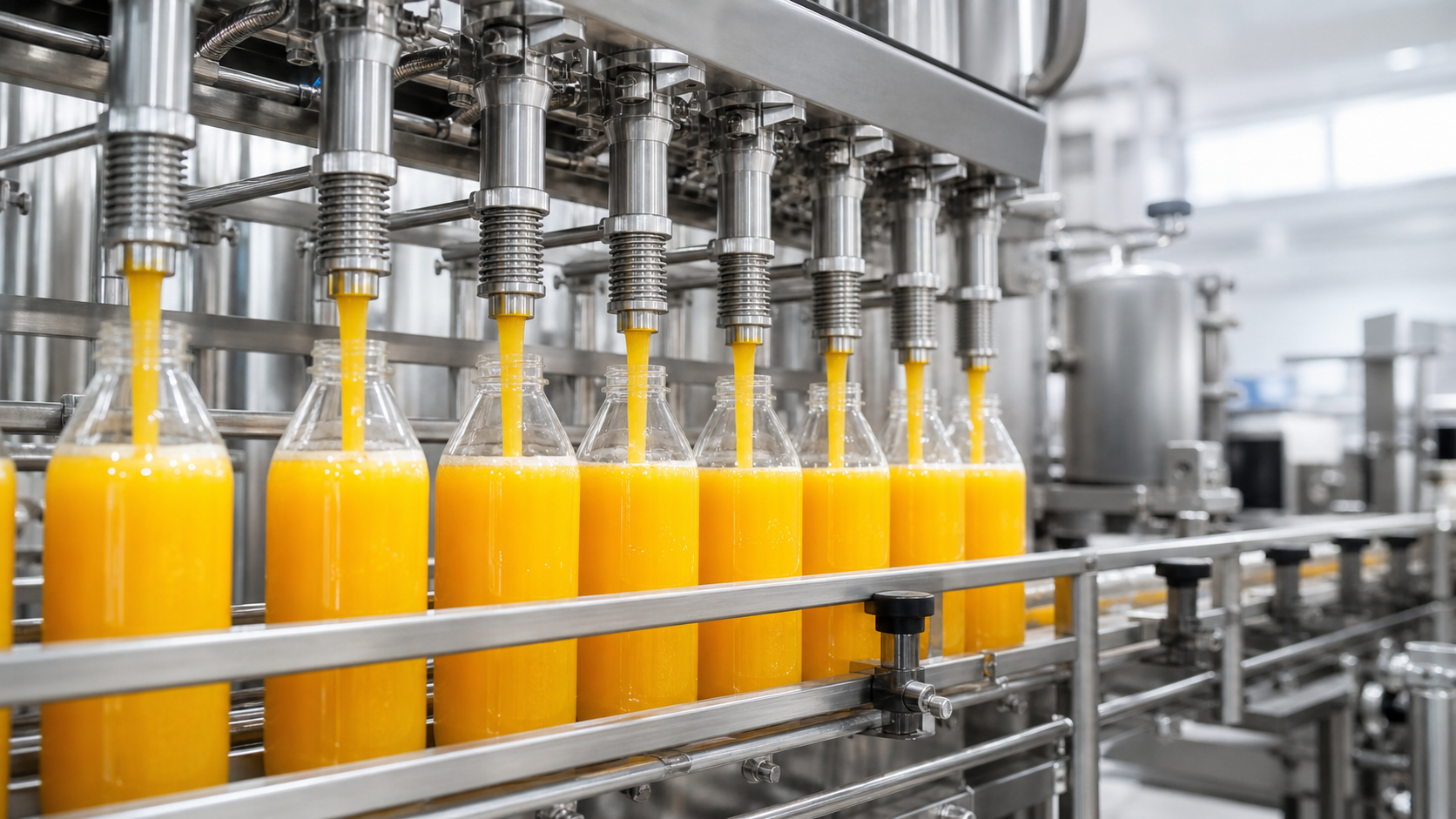
OEM suits brands that want deeper control of formulation, processing and packaging, trading extra setup steps for stronger differentiation. Private label suits brands and retailers seeking a custom-branded outcome with pragmatic development—often less complex than OEM and faster than fully bespoke builds.
OEM advantages
- Custom recipe & process: Aligns exactly to your sensory targets, ingredient policies and packaging needs.
- Technical documentation: Specifications, COAs and validations can be designed around your customers’ requirements.
- Brand moat: Unique formulas and formats can strengthen positioning and reduce direct comparability.
OEM considerations
- Development path: Briefing, benchtop trials, pilot runs and packaging procurement can extend timelines.
- Commercial commitments: Tooling, artwork, and component buys may require careful phasing with demand.
- Operational input: Your team needs time for tastings, approvals and regulatory checks.
Private label advantages
- Balanced customization: Flavor, sweetness and pack choices without starting from scratch.
- Faster listings: Pragmatic changes often enable earlier retail submissions.
- Cost efficiency: Uses proven processes and components to help manage COGS.
Private label considerations
- Differentiation band: There can be limits to how far you alter the base system.
- Exclusivity terms: Confirm channel or territory protections if required by your plan.
- Claim strategy: Marketing claims must match the final tested product and market rules.
Buyer checklist: from concept to on-shelf
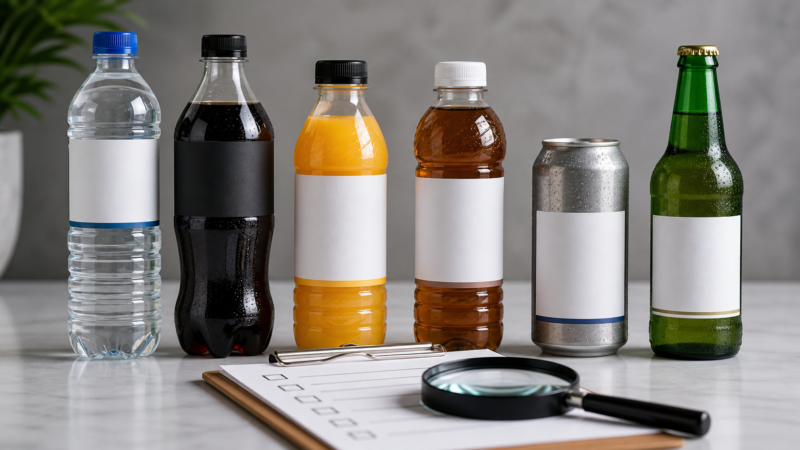
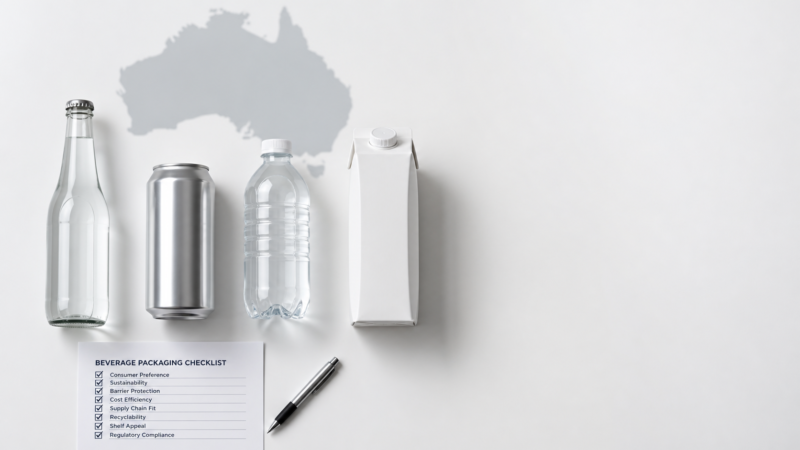
Use this working list to structure your brief and speed approvals with your manufacturing partner:
- Target role: Who will buy it, at what price tier, and what’s the on-shelf story?
- Product type: 100% juice, nectar, juice drink, flavored water, RTD tea/coffee, plant-based, functional, or sparkling.
- Sensory targets: Fruit profile, sweetness, acidity, mouthfeel, aroma and color.
- Formulation boundaries: Juice content direction, sweetener policy, added ingredients and allergens.
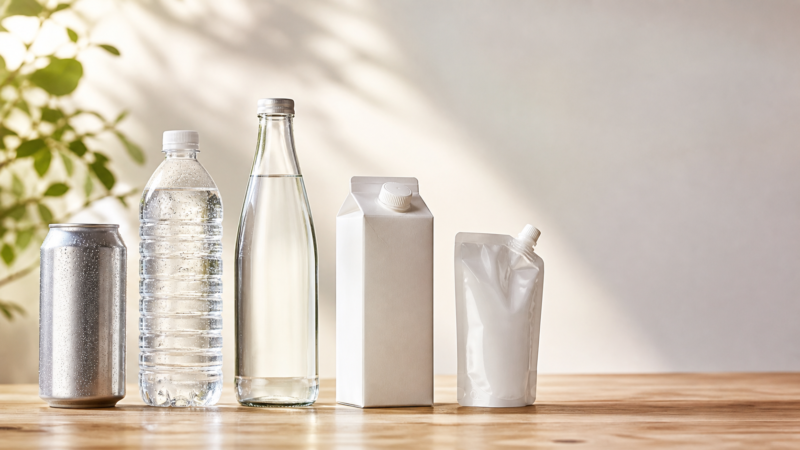
- Packaging: Size, material, closure, multipack strategy, secondary and tertiary packaging.
- Shelf life & storage: Ambient vs chilled distribution, display conditions and rotation expectations.
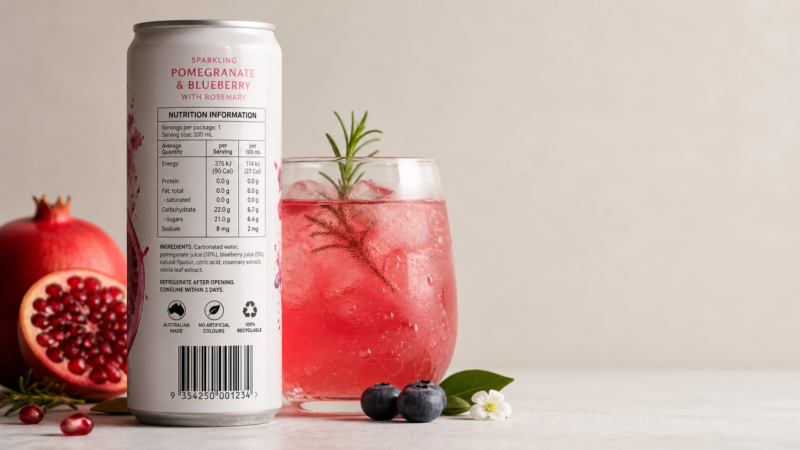
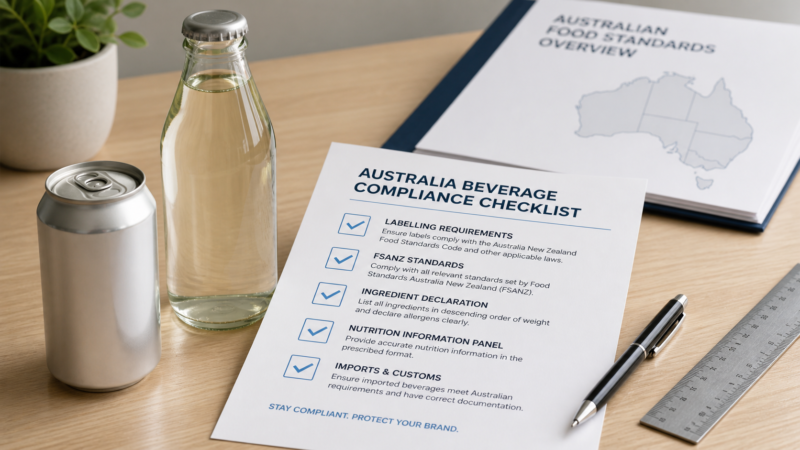
- Regulatory & artwork: Labelling elements required for your destination market.
- Quality & testing: Specifications, release criteria and documentation needed by buyers.
- Logistics: Shipping lanes, pallets, lead times, inventory planning and launch windows.
- Commercials: Price targets, forecast ranges and promotional cadence.
100% juice, nectar and juice drink: positioning overview
Definitions and thresholds vary by market. Treat the following as positioning guidance and confirm the precise regulatory meaning for your destination country before making claims or finalizing labels.
| Format | Typical composition | Positioning & notes |
|---|---|---|
| 100% juice | Only juice from fruit/vegetables (single or blends) | Focus on natural juice content; labeling and claims depend on local regulations |
| Nectar | Juice or puree plus water and permitted ingredients | Often used for thicker fruits; sweetness and labeling rules vary by market |
| Juice drink | Juice plus water and other ingredients | Flexible flavor systems and price-points; check local naming conventions |
Commercial implications Australian beverage brands should consider
Australian brands balancing domestic retail and export can benefit from a structured path: pilot with a format you can defend on-shelf, ensure labelling and documentation match the destination market, and keep a practical cadence for new SKUs. Private label, white label and OEM each support these goals in different ways.
- Market fit: Validate flavor, sweetness and pack sizes with local palates and retailer planograms.
- Regulatory labelling: Confirm permitted names, ingredient statements and any mandatory declarations for each destination.
- Documentation: Align specifications and quality paperwork with buyer requirements early to avoid relabelling or delays.
- Supply planning: Consider harvest windows for fruit inputs and lead times for components and freight.
- Sustainability: Retailers may expect clarity on packaging recyclability and sourcing policies.
- Forecasting: Build phased volume ramps with your manufacturer to protect supply continuity.
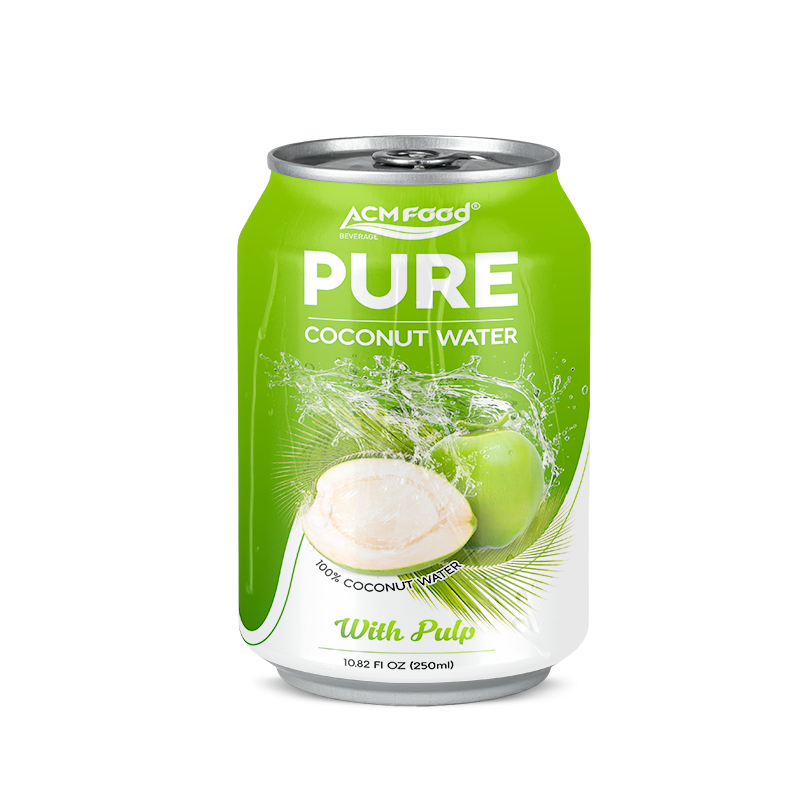
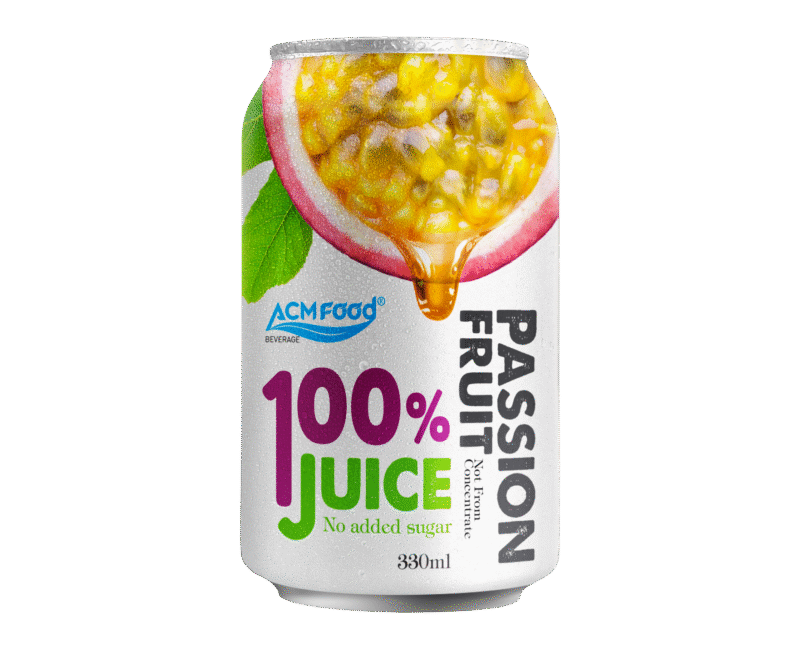
If you are exploring fruit-forward concepts, these deep dives may help shape your brief: a category look at coconut water OEM & private label and a case-led view on passion fruit OEM & white label. They illustrate how different models apply to specific ingredients and formats.
Packaging and artwork: what changes per model?
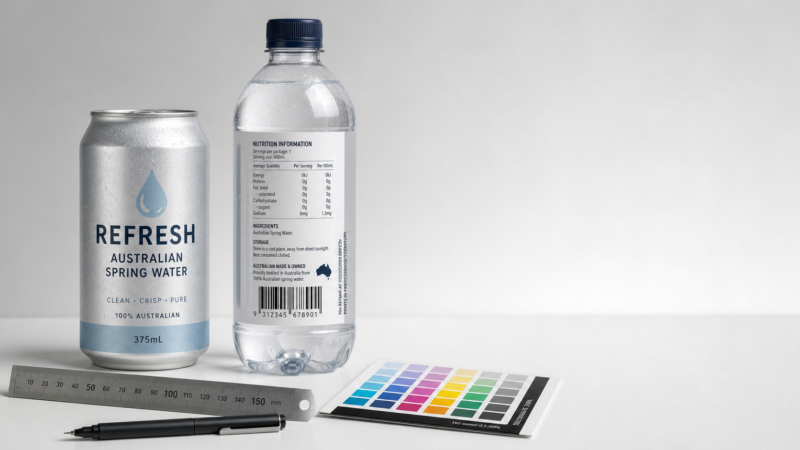
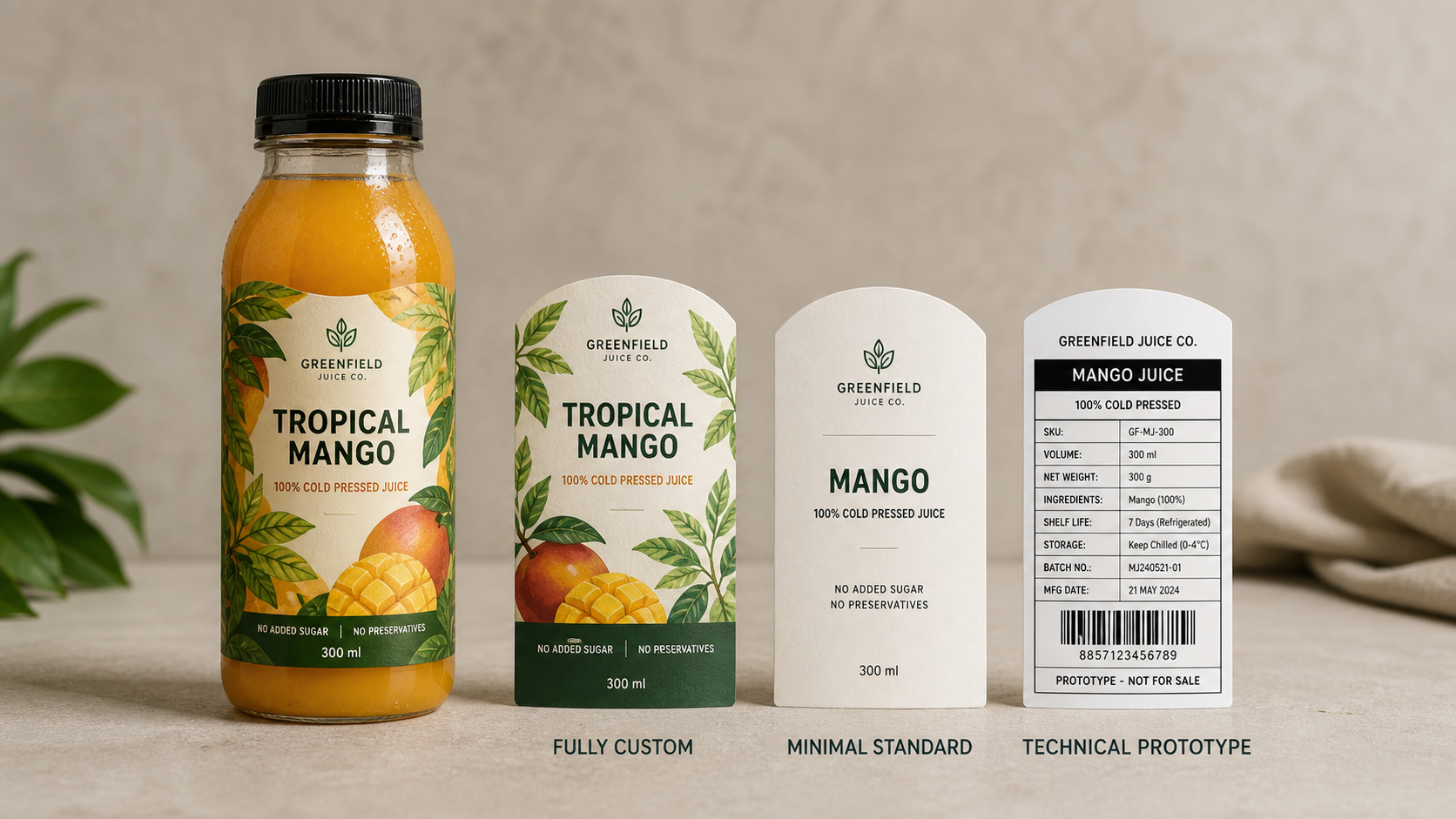
Across white label, private label and OEM, artwork is always your brand’s signature—yet each model affects how much else can change around it.
- White label: Usually the fastest path; artworks adapt to a standard dieline, colorways and product naming conventions are aligned to an existing spec.
- Private label: Greater freedom on dieline, closures, label stocks and finishes, within feasible component choices.
- OEM: Potential to define custom bottles, closures or secondary packaging; plan for tooling timelines where applicable.
Regardless of route, coordinate copy, claims and mandatory information together, so legal, marketing and retail teams sign off on the same version of truth.
Quality, safety and documentation
All models require fit-for-purpose quality management. Your brief should specify the documents and tests buyers expect. Examples include product specifications, batch-specific certificates, shelf-life validation studies and, where relevant, allergen management summaries. Aligning on terminology and scope during contracting prevents misinterpretation later.
R&D and sensory: de-risking decisions
Private label and OEM benefit from structured tastings. Calibrate against gold standards, define acceptance bands for sweetness and acidity, and test packaging ergonomics under real conditions. If your product depends on seasonal fruit, agree how vintage or origin shifts will be handled to keep sensory consistent.
Commercial planning: pricing, promotion and lifecycle
A sustainable program looks beyond first production. Balance ongoing COGS with promotional plans, evaluate pack-size architecture, and stage future line extensions. White label helps fill value positions quickly; private label and OEM create space to premiumize when the time is right.
For brands active in North America, see how terminology aligns with retailer expectations on beverage supplier for U.S. importers and our page covering private label for U.S. brands.
Briefing template: the details manufacturers need
A concise, complete brief saves weeks. Consider including:
- Product role and target shopper
- Format and pack sizes, closures and case configuration
- Sensory targets, examples to match or avoid
- Ingredient policies (sweeteners, concentrates, flavors)
- Allergen stance and cross-contact expectations
- Label copy draft and regulatory checklist per market
- Quality documents required by customers
- Forecast, initial order phasing and target launch dates
When comparing private label vs white label beverages, use the same template to capture differences clearly: where you are flexible, where you need exclusivity, and what can move post-launch.
Innovation pathways: moving from white label to OEM
Many brands start with white label to validate demand, then graduate to private label or OEM as they scale and need stronger differentiation. The transition can be staged: lock label and pack first, then iterate flavor or sweetness within existing approvals, and later commission a deeper formula or pack change when volumes justify it.
For fruit-led launches, you can explore an ingredient-first roadmap (for instance, coconut water, tropical blends or passion fruit SKUs) and use ODM or private label to compress timelines, then shift to OEM for a flagship formula once repeat rates confirm the opportunity. See examples on coconut water OEM & private label and passion fruit OEM & white label.
Risk management across models
Different models carry different operational risks. Address them early:
- Demand variability: Phase orders, keep artwork adaptable to prevent obsolescence, and plan B SKUs for retailer resets.
- Supply variability: Confirm fruit origin policies and hedging plans for seasonality and weather effects.
- Regulatory shifts: Maintain a watchlist for labelling changes in target markets.
- Packaging availability: Validate lead times for bottles, closures and labels; dual-source where feasible.
- Sensory drift: Agree on acceptance ranges and rework policies.
Working with retailers and distributors
Retailers frequently request consistent documentation and submission packs. Whether white label, private label or OEM, align on specification formats, artwork proofing, pre-shipment approvals and any shelf-ready packaging rules. Distributors may require additional data sheets to satisfy local customer standards.
Sustainability and ESG considerations
Whichever route you choose, sustainability expectations are increasing. Brands often evaluate packaging recyclability, waste minimization, ethical sourcing frameworks and energy footprints across the supply chain. Capture these goals early in your brief so product, packaging and supplier practices can evolve together.
Typical timelines: what really drives speed?
Artwork readiness, component procurement, regulatory approvals and retail submission windows usually define when you can launch. White label can be swift if artwork is final; private label and OEM need time for trials and documentation. Build a critical path with realistic buffer for approvals and inbound logistics.
Cost levers by model
Each model has different cost drivers. White label leverages existing economies of scale on formula and components. Private label spreads modest development across differentiated SKUs. OEM can require additional development activities but may unlock price realization through unique positioning. Balance per-unit COGS with lifecycle margins and retailer expectations.
FAQ
Is white label the same as private label?
No. White label generally means standardized products multiple buyers can brand, while private label is produced for one retailer or brand, often with deeper customization and potential exclusivity depending on the agreement.
Can I start with white label and later move to OEM?
Yes. Many brands validate demand using white label, then shift to private label or OEM to create a more differentiated formula and packaging once volumes and retail commitments justify additional development.
Do I own the formula in private label?
Ownership varies. Some private label programs use manufacturer-controlled recipes with buyer branding; others create a custom spec controlled by the buyer. Clarify formula ownership, access to test results and change-control procedures in your contract.
What documentation will retailers expect?
Expect requests for product specifications, certificates, shelf-life validation summaries and compliant labels for the destination market. Requirements vary by retailer and country, so confirm the exact list during onboarding.
How do MOQs and lead times compare?
They vary by product type, packaging, seasonality and manufacturer capacity. As a general pattern, white label is fastest, private label is moderate, and OEM can require more time for development and component procurement.
Where does ODM fit in?
ODM provides manufacturer-developed concepts you can adapt. It’s a middle ground: faster than a blank-slate OEM build, with more differentiation than most white label programs.
Conclusion
White label, private label and OEM each solve different problems. White label accelerates speed and simplifies entry. Private label balances customization with practical timelines. OEM maximizes control for distinctive portfolios. Choose the path that fits your retailer strategy, documentation needs, and brand narrative—then lock a clear brief to keep decisions fast and auditable.
If you’re planning an Australia-first strategy, explore our overview for private label for Australian brands. For U.S. context and retail engagement norms, review private label for U.S. brands. Ingredient-led roadmaps like coconut water OEM & private label and passion fruit OEM & white label show how models translate into real SKUs.
Manufacturing for Australian brands
If you are sourcing for the Australian market, start with OEM beverage manufacturing services for how contract production is run, certifications and food safety systems for the evidence importers and retailers require, and export and logistics for shipping terms and documentation. To price a programme, request a quote.
Request a quote