


 Français
 Español
 العربية
 한국어
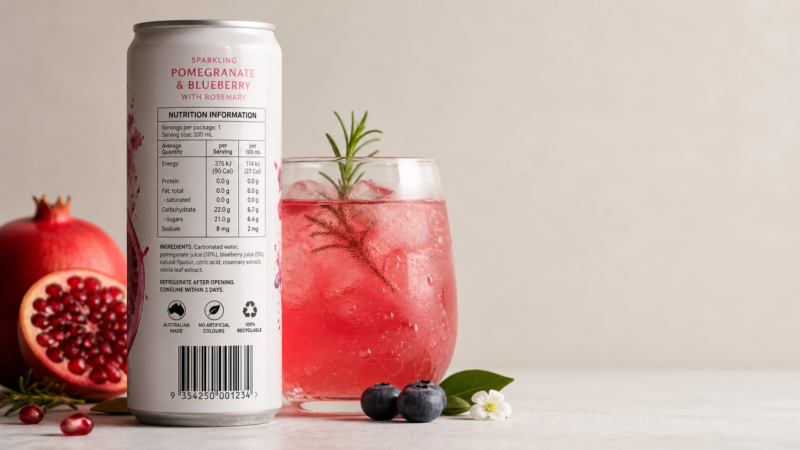
한국어Contract beverage manufacturing in Australia refers to partnering with a specialist co-packer to develop, produce, fill and pack drinks under your brand, in compliance with Australian market requirements. For Australian brands, this route can accelerate speed-to-market, reduce capex and tap into packaging formats and quality systems that would be cost-prohibitive to build in-house.
This guide explains how contract beverage manufacturing Australia works, what to evaluate in a co-packer (domestic or offshore), packaging choices, compliance checkpoints, cost components and how to write a product brief that reduces risk. Use it as a practical checklist from concept to launch while keeping label claims and formulations aligned with the Australia New Zealand Food Standards Code.
What does contract beverage manufacturing include for Australian brands?
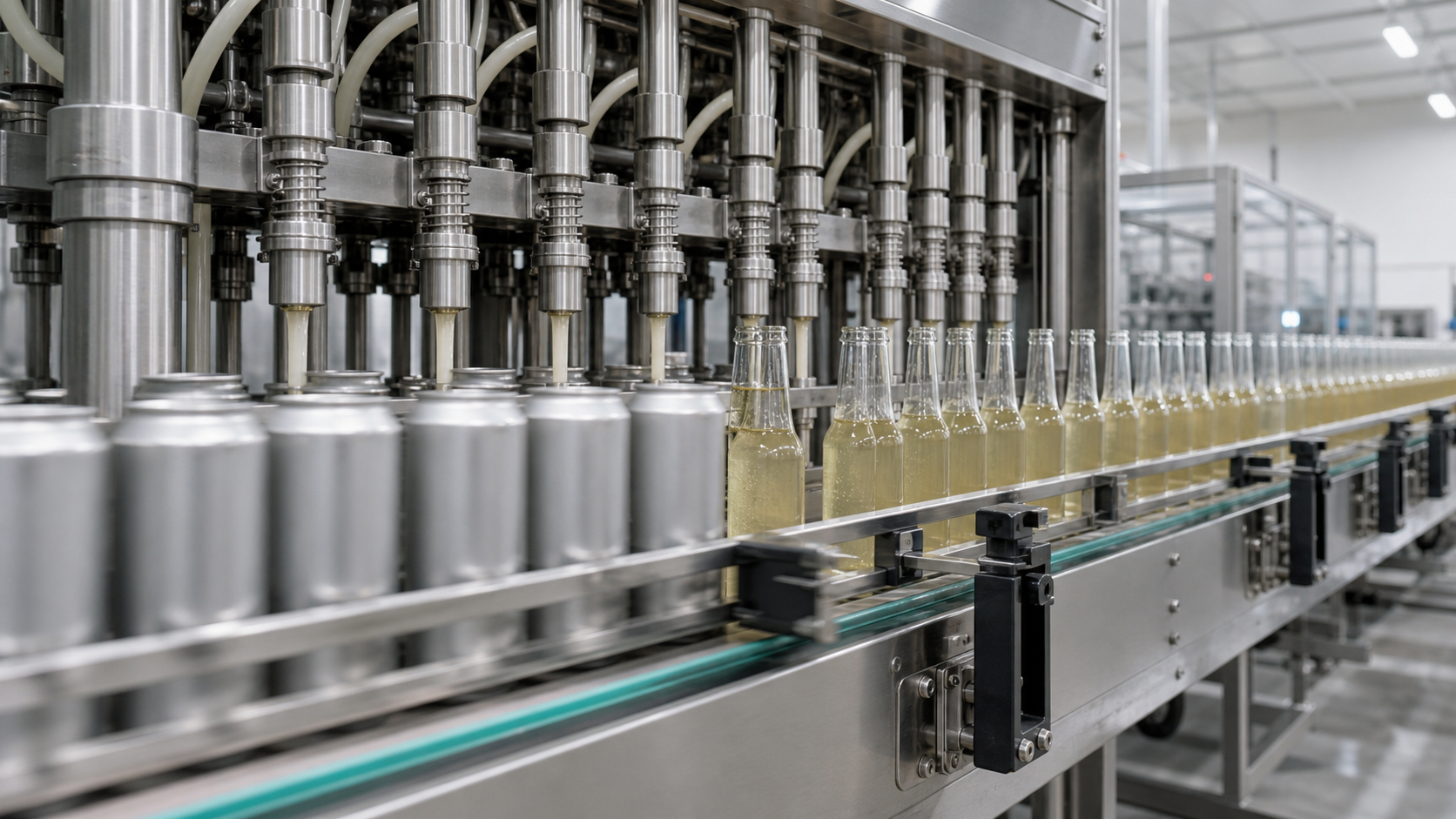
A reputable co-packer typically offers development support, ingredient sourcing, processing, filling, packaging, quality control and logistics coordination to deliver finished goods that meet your brief and applicable regulations. The exact scope varies by facility capabilities, product category and your commercial needs.
In practice, the engagement can cover:
- Brief & feasibility: Align on target product(s), packaging, shelf-life, markets and estimated volumes; confirm the co-packer’s fit by category and process.
- R&D samples: Iterative bench samples and pilot runs to lock formula, sweetness, acidity, color and carbonation where relevant.
- Ingredient procurement: Sourcing juices, concentrates, coconut water, flavors, sweeteners, acidulants, stabilizers or botanicals per your brief and permitted uses.
- Processing: Hot-fill, tunnel pasteurization, retort, aseptic or cold-chain processes depending on product and shelf-life goals.
- Filling & packaging: Cans, PET, glass, cartons or pouches; secondary packaging; date coding and palletization.
- Quality & release: In-process and finished product checks, micro testing where applicable, documentation and lot traceability.
- Logistics: Domestic distribution or export/import coordination; freight, customs brokerage and warehousing as needed.
Which beverage categories are commonly co-packed?
Most drink types can be co-packed if the manufacturer’s equipment and quality systems match the product’s processing needs. Category fit is a critical early filter.
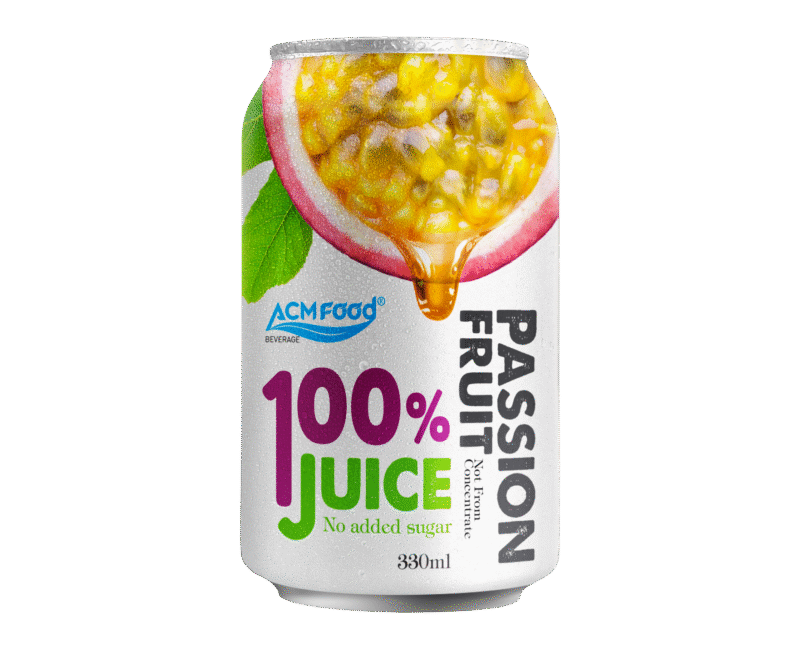
- Juices & juice blends: 100% juice, nectar and juice drinks with varying fruit content.
- Coconut water & tropicals: Pure, blended, flavored or lightly sweetened where permitted.
- RTD tea, coffee & botanicals: Still or lightly sparkling, with or without sweeteners.
- Energy & electrolyte drinks: Caffeine and electrolytes if permitted and correctly labeled.
- Flavored waters & seltzers: Low- and no-sugar formats with natural or nature-identical flavors.
- Plant-based & dairy-style beverages: Oat, almond or other bases where facilities are suitable.
- Kids’ and better-for-you lines: Reduced-sugar positioning with careful flavor design.
100% juice, nectar or juice drink — what is the difference?
These terms reflect different juice contents, sweetening strategies and product positions. While definitions can differ by jurisdiction, the distinctions below help you frame a clear brief and align expectations with your co-packer.
| Format | Typical juice content | Positioning & notes |
|---|---|---|
| 100% juice | Made entirely from fruit juice | Often no added sugar; flavor and color vary by fruit, crop and processing. |
| Nectar | Fruit puree/juice plus water | Common for pulpy fruits; may include permitted sweeteners or acids to balance taste. |
| Juice drink | Lower juice percentage | Broader flavor palette and cost targets; labeling must accurately state juice content. |
How should I evaluate a contract drink manufacturer in Australia or offshore?
Start with category fit and process capability, then verify quality systems, packaging formats and regulatory experience. Finally, align on commercial terms, volumes, logistics and communication pace that match your route-to-market.
- Category & process fit: Has the co-packer produced similar products under similar thermal or aseptic conditions?
- Packaging formats: Confirm the exact can sizes, PET/gauge options, glass types, carton or pouch formats and closures they can run.
- Quality systems: Ask about their quality management approach, micro controls, traceability and change control procedures.
- Regulatory familiarity: Experience producing for Australia and other export markets can reduce rework during label reviews.
- Ingredient supply: Ability to source at scale and manage alternates if crops fluctuate.
- Pilot & scale-up: Access to pilot equipment and a structured pathway to full-scale production.
- Commercial terms: Transparent costing, clear assumptions, and defined responsibilities for packaging procurement and inventory.
- Service levels: Project management cadence, sample turnaround, responsiveness and documentation rigor.
- Risk management: Redundancy on critical equipment, utility backups and incident escalation workflows.
For additional perspective on selecting partners, see how category-specific criteria shape choices in this guide to choose the right peach juice OEM manufacturer.
What packaging formats are available with beverage co-packing in Australia?
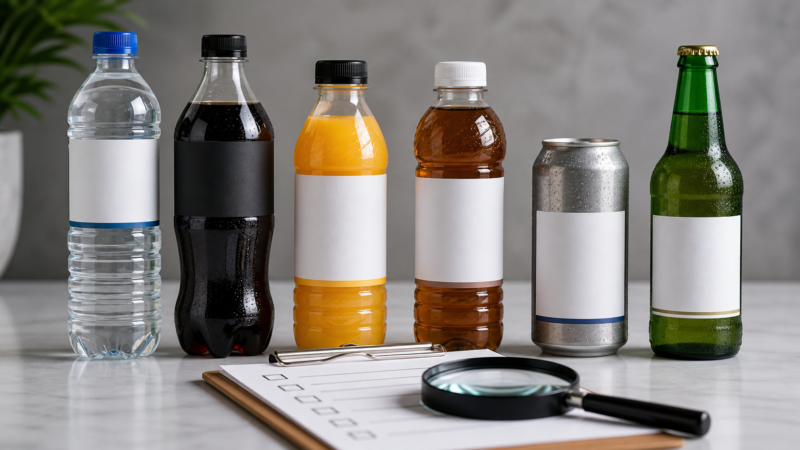
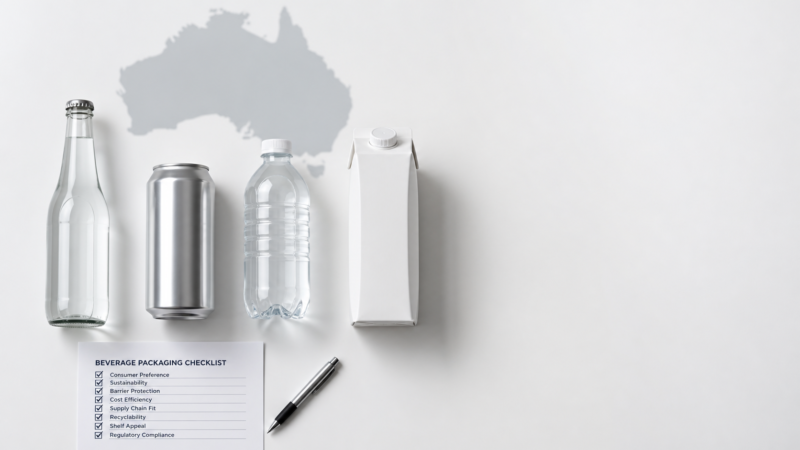
Most Australian-focused projects consider aluminum cans, PET or glass, with aseptic cartons and pouches as alternatives. Your choice depends on shelf-life, sensory goals, distribution temperature and brand positioning.
| Format | Common use | Ambient vs chilled | Positioning & notes |
|---|---|---|---|
| Aluminum cans | Carbonated & still RTDs | Ambient | Fast chill, lightweight, excellent for seltzers, energy drinks and coconut water. |
| PET bottles | Still juices & flavored waters | Often ambient | Clarity and shatter resistance; consider light/oxygen barriers for sensitive products. |
| Glass bottles | Premium juices & teas | Ambient or chilled | Premium look and feel; heavier and more fragile than PET or cans. |
| Aseptic cartons | Long-life juices & kids’ drinks | Ambient | Good for pantry packs; consider straw vs cap and recycling infrastructure. |
| Pouches | Kids’ & on-the-go | Ambient | Convenient; check cap safety, shelf impact and merchandising options. |
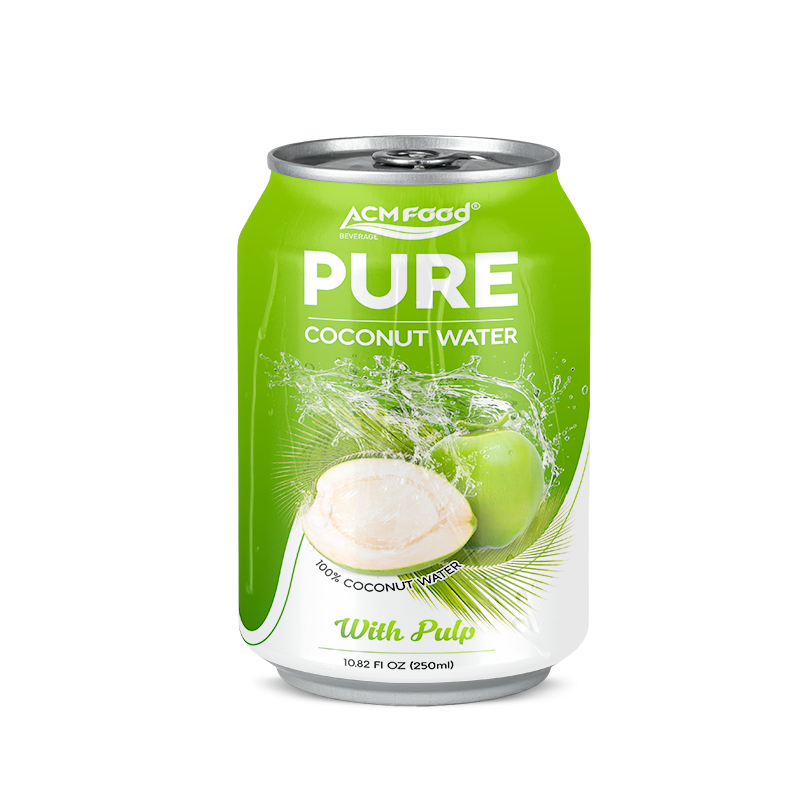
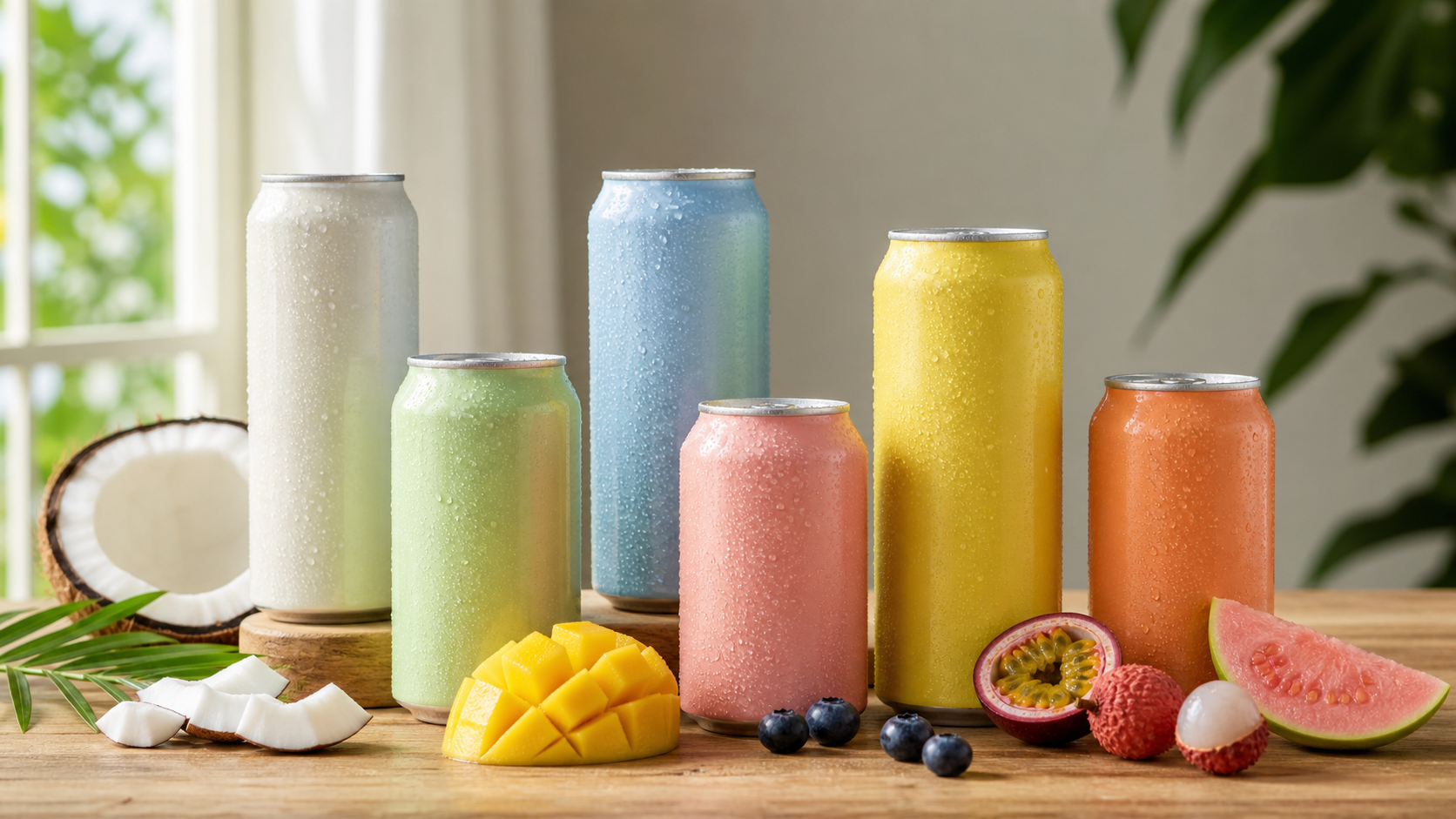
If you are considering cans, evaluate supply security, lining compatibility and artwork constraints. Many brands are switching to coconut drink can packaging for portability, fast chilling and strong shelf presence.
What are the key formulation & labeling considerations for Australia?
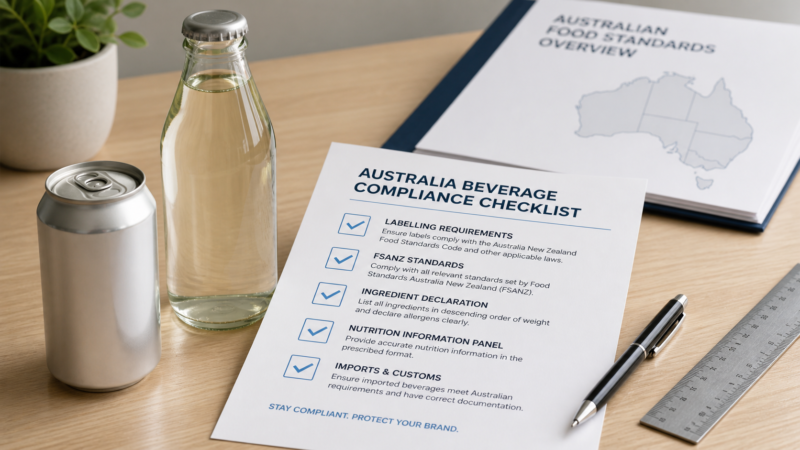
Formulations for Australia must comply with applicable parts of the Australia New Zealand Food Standards Code and relevant national guidance. Labels should reflect permitted ingredients, additive limits and accurate nutrition and ingredient declarations for the final product.
- Permitted ingredients & additives: Confirm allowed sweeteners, colors, acids, stabilizers and their conditions of use for the target category.
- Statements & claims: Any on-pack statements depend on the tested composition, serving size and market rules. Claims should be verified for the final formula.
- Allergen & advisory statements: Ensure clear declarations where applicable and manage cross-contact risks through your co-packer’s systems.
- Country-of-origin & legibility: Follow applicable country-of-origin guidance and ensure label readability and durability.
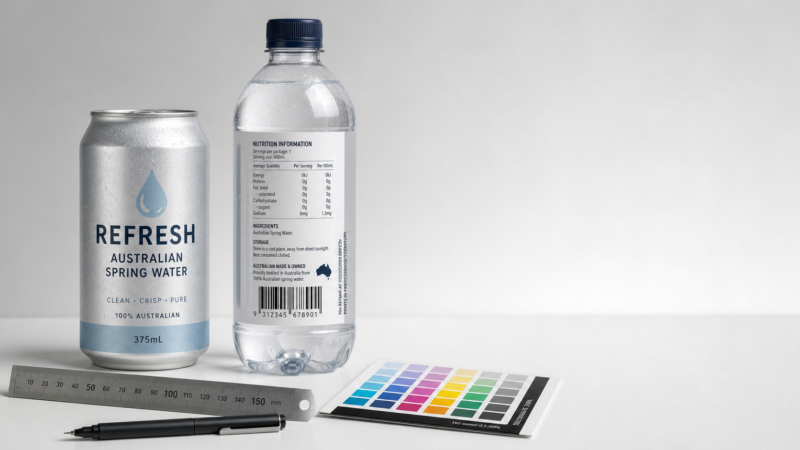
- Nutrition Information Panel (NIP): Align serving size, nutrients and rounding with Australian expectations for your category.
- Record-keeping: Many buyers request a structured product information form and batch documentation for traceability.
Because labeling and formulation rules can change, involve a qualified regulatory reviewer during development and artwork sign-off. Final responsibilities for compliance should be clear in your brief and supply agreement.
Domestic vs Vietnam co-packing: when does each make sense?
Producing in Australia can simplify local logistics and support faster replenishment, while qualified Vietnam partners may provide proximity to tropical ingredients, competitive costs and large-scale canning capacity. The best choice depends on category fit, volumes, lead times and your import capabilities.
| Option | Potential advantages | Considerations |
|---|---|---|
| Australia (domestic) | Shorter domestic transit, local oversight, labels aligned to AU market from the start. | Capacity and format availability may be limited at peak; cost structures vary by plant and run size. |
| Vietnam (offshore) | Access to tropical raw materials and competitive co-packing; suitable for export-ready canned and shelf-stable lines. | Import logistics, duties and biosecurity checks apply; ensure specs and testing meet Australian requirements. |
| Hybrid (pilot AU, scale VN) | Pilot and validate locally; scale large runs offshore once specs are locked and supply chain is proven. | Requires robust tech transfer, documentation and artwork version control across facilities. |
If coconut water is core to your range, review ingredient origins and canning capabilities. This market snapshot of Sourcing the best coconut water from Vietnam provides helpful context for supplier mapping and format choices.
Project timeline & critical risk checkpoints
Every project is different, but successful launches follow a structured path with defined decision gates. The aim is to de-risk before committing major packaging and production spend.
- Product brief: Align on category, target sensory, packaging, shelf-life goal and markets.
- Feasibility: Co-packer confirms process fit, line availability and preliminary cost structure.
- Bench samples: Iterate flavor, aroma, color, sweetness/acidity balance and carbonation where relevant.
- Pilot run: Validate process parameters, filling behavior and immediate post-fill quality.
- Stability & shelf-life study: Check sensory, color and micro at defined intervals under intended storage conditions.
- Artwork & label review: Confirm technical drawings, die-lines, legal copy and print constraints before mass printing.
- Pre-production meeting: Freeze specs, packaging inventory, production plan, QC checks and acceptance criteria.
- Production & QC release: Execute, test and release product against agreed specs and documentation.
- Logistics & import (if offshore): Manage shipping, customs brokerage, duties and receiving checks.
- Post-launch monitoring: Track consumer feedback, returns and corrective actions.
Insert formal hold points before printing packaging and before the first commercial run. Require written sign-off on the final formula, specs and label files.
Cost model and landed cost for Australia — what to include?
Total landed cost blends ingredient costs, tolling fees, packaging, wastage assumptions and logistics. Mapping each component early helps you compare domestic and offshore proposals on equal terms.
- Ingredients: Juices, concentrates, flavors, sweeteners, acids, stabilizers and processing aids.
- Tolling & processing: Blending, pasteurization/aseptic, filling, coding and line labor.
- Primary packaging: Cans/bottles, ends/caps, sleeves/labels, cartons or pouches, and trays.
- Secondary packaging: Shrink, cartons, dividers, pallets and corner boards.
- Quality & testing: In-process checks and finished product verification where applicable.
- Freight: Inbound ingredients, plant-to-DC transport, or international shipping and port charges if offshore.
- Duties, taxes & compliance: Import duties per HS code, customs brokerage, GST at the appropriate stage.
- Warehousing & handling: Storage, inventory carrying costs and pick fees.
- Commercial allowances: Marketing, trade spend and returns provisions in your P&L model.
When comparing quotes, ensure identical assumptions on run size, yield, pack copy freeze date, packaging procurement responsibility and payment terms.
Building a strong product brief for a drinks co-packer
A precise brief reduces rework, shortens development and clarifies responsibilities. Treat it as a living document until final sign-off.
- Product definition: Category, flavor(s), still or carbonated, intended sweetness and acidity profile.
- Ingredient principles: Juice percentage targets, coconut water use, natural/artificial flavor policy, color strategy.
- Nutrition & claims: Any intended statements must be validated against the final tested formula and serving size for the Australian market.
- Packaging: Format, sizes, closures, tamper evidence, labels/sleeves vs direct print, pallet pattern.
- Shelf-life & storage: Target duration and whether ambient or chilled distribution is intended.
- Quality specs: Sensory benchmarks, appearance, carbonation range where applicable and acceptance criteria.
- Regulatory scope: Market(s), required documentation and label language(s).
- Volumes & forecasts: Launch batch, replenishment cadence and seasonal peaks.
- Timelines: Decision gates for samples, packaging print and production windows.
- Commercials: Budget range, payment terms, responsibilities for ingredients and packaging ownership.
Practical notes on coconut water & fruit beverages for Australia
Australian consumers respond to authentic taste, clear labeling and convenient packaging. For coconut water and fruit beverages, consider the following positioning cues during development.
- Clean, refreshing flavor: Calibrate sweetness and acidity for local palates; avoid over-flavoring.
- Transparency: Disclose juice content and flavor sources accurately on pack.
- Pack convenience: Cans and small PET sizes fit on-the-go; pantry cartons suit family formats.
- Portfolio planning: Anchor with a hero SKU, extend into flavors after establishing velocity.
- Supply assurance: Secure ingredient pipelines and alternates to manage seasonality.
When coconut is central to your roadmap, the analysis in Sourcing the best coconut water from Vietnam complements supplier scouting and packaging decisions for Australian distribution.
Artwork, specifications and change control
Successful co-packing programs rely on accurate specs and disciplined versioning. Mismatches between formula, artwork and packaging components are a common source of delays.
- Spec pack: Freeze the final formula, processing parameters and QC plan before commercial print runs.
- Artwork control: Use a single source of truth for die-lines, colors, barcodes and regulatory copy to avoid outdated versions at print.
- Component approvals: Approve can ends, caps, label materials and adhesives that match line speeds and thermal processes.
- Deviation handling: Define who authorizes substitutions and how they are recorded and communicated.
Documentation and traceability essentials
Clear documentation shortens audits and accelerates releases. Align early on the paperwork you require and the timing of each deliverable.
- Ingredients: Specifications and supplier declarations, plus certificates where applicable.
- Batch records: Time, temperature, fill volume, codes and holds/releases captured by lot.
- Testing results: In-process and finished product data consistent with the QC plan.
- Change logs: Version history for specs, artwork and process settings.
- Incident reports: Root cause and corrective actions documented and shared.
How offshore manufacturing reaches Australia compliantly
Offshore production can be a fit if you manage compliance, logistics and quality releases with the same rigor as domestic manufacturing. Treat the import pathway as part of your quality plan.
- Pre-shipment checks: Confirm specs, label correctness for Australia and packaging integrity before dispatch.
- Import logistics: Work with a broker on HS code classification, duties and any biosecurity inspections.
- Receiving QC: Inspect pallets, codes and random samples on arrival to verify condition and conformity.
- Market monitoring: Track in-market performance and address any deviations quickly with your co-packer.
Who owns what? Roles and responsibilities
Clarity on responsibilities prevents gaps during scale-up and steady-state production. Document these in the master supply agreement or quality technical agreement.
- Brand owner: Product brief, approvals, artwork, commercial terms and sales/distribution.
- Co-packer: Processing, filling, in-line QC and batch documentation; procurement if agreed.
- Shared: Specification maintenance, risk assessments, recalls/withdrawals and continuous improvement.
Carbonation, sweetness and acidity — process-aware choices
Flavor balance must work with the chosen process and pack. Some ingredients shift during heat or hold times, so pilot runs are invaluable.
- Carbonation: Confirm CO2 targets that suit your can/bottle and filling line to maintain consistent sensory.
- Sweetness: Match brix and sweetness type to category expectations and label rules.
- Acidity: Calibrate acid types and levels for taste and microbiological stability per process needs.
Retail, foodservice and e-commerce pack planning
Plan formats and case configurations for each channel. E-commerce may require extra protective packaging; foodservice often favors larger or multi-pack formats.
- Retail: Focus on shelf-ready visibility and manageable case weights.
- Foodservice: Consider larger packs, cartons or multipacks with efficient storage footprints.
- E-commerce: Reinforce breakage prevention and code legibility for fulfillment.
Three common pitfalls and how to avoid them
Many delays stem from avoidable misalignments. Address these early and explicitly.
- Ambiguous briefs: Provide sensory benchmarks, target juice %, carbonation and color expectations.
- Artwork before formula freeze: Lock the final formula and regulatory copy before mass printing.
- Packaging assumptions: Validate every component with the co-packer’s specific line and process.
A quick comparison: aluminum cans vs PET vs glass
Use this at-a-glance view to align packaging choices with your product and channel strategy.
| Format | Strengths | Watch-outs |
|---|---|---|
| Aluminum cans | Lightweight, fast chill, strong shelf blocking, good for seltzers and coconut water. | Liner compatibility, denting risk; artwork requires precise prepress. |
| PET bottles | Shatter-resistant, clear product view, versatile closures. | Barrier needs for sensitive flavors/colors; paneling if hot-filled without design mitigation. |
| Glass bottles | Premium cues, excellent oxygen barrier, heat tolerance. | Weight and breakage risk; higher freight and handling care. |
How to brief stability & shelf-life studies
Agree on study conditions that mirror real-world distribution. Define test intervals and acceptance criteria upfront so data can support your launch plan.
- Conditions: Ambient vs chilled, exposure to light, and time points relevant to intended shelf-life.
- Metrics: Sensory, color, carbonation stability (if applicable) and micro results aligned to your QC plan.
- Reporting: Structured tables, photos where helpful and a clear release recommendation.
When to choose cans for coconut water and fruit lines
Cans offer portability and fast chilling, and they pair well with lightly flavored seltzers and coconut water blends. Artwork can deliver strong shelf blocking, especially in multi-SKU ranges.
Explore operational and design considerations in this note on brands switching to coconut drink can packaging to assess if cans fit your roadmap.
Frequently asked questions
Quick answers to common queries about drinks contract manufacturing for Australian brands.
Can I produce offshore and sell in Australia?
Yes, many brands do. Ensure the product and labels meet Australian requirements, set clear QC and documentation expectations with your co-packer, and plan import logistics, duties and biosecurity steps with a licensed broker.
What is the difference between a co-packer and a contract manufacturer?
In beverages, the terms are often used interchangeably. Some facilities focus on toll filling only, while others offer broader services including ingredient sourcing, R&D support and packaging procurement. Clarify scope in your agreement.
How do I choose packaging for my drink?
Match shelf-life, sensory and channel to format. Cans suit seltzers and coconut water; PET offers clarity and durability; glass signals premium. Validate compatibility with your process and co-packer’s line.
What order volumes do co-packers accept?
Minimums vary widely by format, line speed and changeover complexity. Share realistic forecasts and discuss run-size options early to find a fit.
Who is responsible for label compliance?
Brand owners typically own label content and approvals. Many co-packers can flag common issues, but final responsibility should be defined in your brief and contracts, with qualified regulatory review before print.
How long does development take?
Timelines depend on complexity, packaging lead times and line access. Build buffers for samples, pilot runs, shelf-life checks and artwork sign-off before committing to large-scale production.
Conclusion: Set your project up for a confident launch
Contract beverage manufacturing can help Australian brands scale faster while controlling risk and cost. The strongest programs align category fit, packaging, compliance and documentation early, then move through samples, pilot and stability with disciplined sign-offs. Whether you produce domestically or offshore, insist on clear specs, change control and transparent costing. With a sharp brief and the right partner, you can deliver quality beverages that meet Australian expectations and support sustainable growth.
Manufacturing for Australian brands
If you are sourcing for the Australian market, start with OEM beverage manufacturing for how contract production is structured, certifications and food safety systems for the evidence importers and retailers require, and export and logistics for shipping terms and documentation. To price a programme, request a quote.
Request a quoteWhere to go next
Planning an Australian launch? The Australia beverage market page covers the full OEM and private label programme for Australian brands and importers: MOQ 500 cartons per SKU, 15-30 day production, HACCP / ISO 22000 / FSSC 22000, and shipping from Ho Chi Minh City. Request a quote and we reply within 24 hours.