


 Français
 Español
 العربية
 한국어
한국어A beverage supplier for Australian importers and distributors is a company that manufactures or consolidates drink products and delivers them in formats, documents, and compliance-ready labels suitable for the Australian market. If you are searching for a reliable partner, this guide explains how to evaluate a beverage supplier Australia buyers can depend on, from regulatory fit and sourcing models to quality assurance, logistics, and trend-aligned portfolios.
Below you will find a practical framework to brief suppliers, compare formats and Incoterms, plan your landed cost, and reduce risk before committing to scale. Where relevant, we also link to deeper resources on manufacturing and private label pathways for Australian brands.
What do Australian importers expect from a beverage supplier?
Australian importers and distributors typically look for suppliers that can provide compliant labels, stable quality, transparent pricing and terms, and reliable delivery windows, while supporting category growth with new product development when required. The right supplier is one that reduces operational friction and helps you move from sample to shelf with confidence.
- Compliance readiness: Familiarity with the Australia New Zealand Food Standards Code (labelling, ingredient lists, allergen declarations, and nutrition information panel) and state-based container deposit requirements where applicable.
- Clear product specs: Documented sensory profile, ingredients, processing method (e.g., aseptic, hot-fill), shelf-life, pack sizes, and storage conditions.
- Predictable operations: Transparent production scheduling and a realistic view of capacity and changeover constraints; dependable batch coding and traceability.
- Documentation pack: Product specification, Certificate of Analysis per batch, allergen and GMO statements where applicable, and artwork templates for labels.
- Commercial clarity: Pricing breakdown (product, packaging, and logistics components), Incoterms alignment, and a path to optimize landed cost by pallet configuration and container loading.
- Innovation support: Ability to tweak formulations, scale line-extensions, and maintain flavor and color stability under Australian distribution conditions.
For teams considering localisation or co-development, this overview on beverage manufacturing for Australian brands offers additional context on process and decision points.
How do I check that products and labels will comply in Australia?
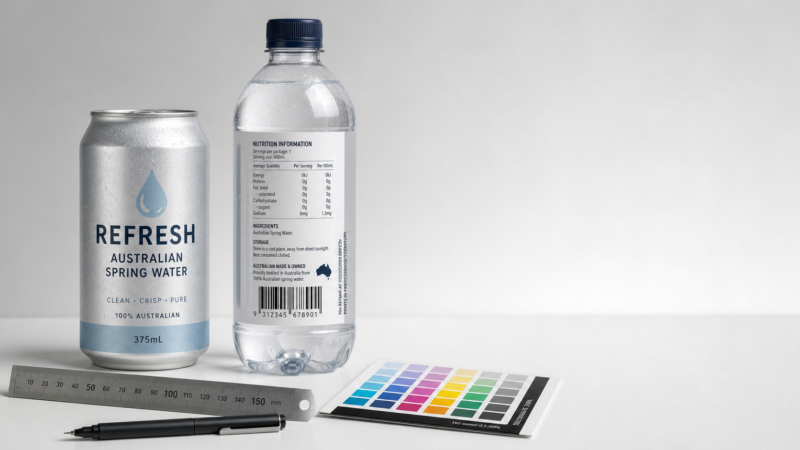
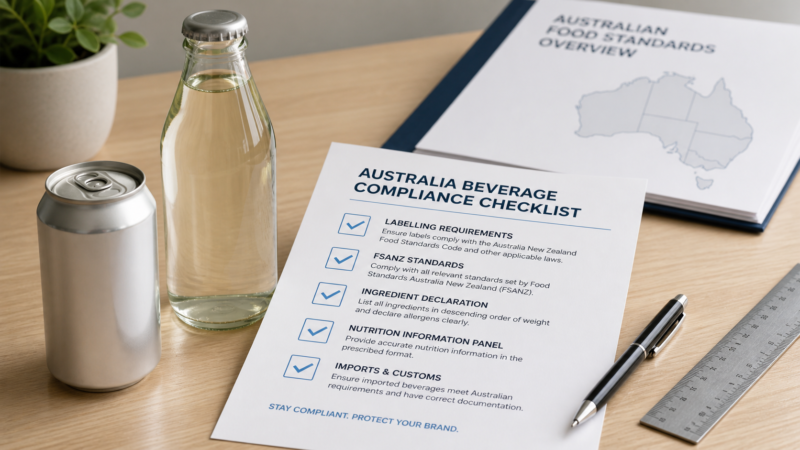
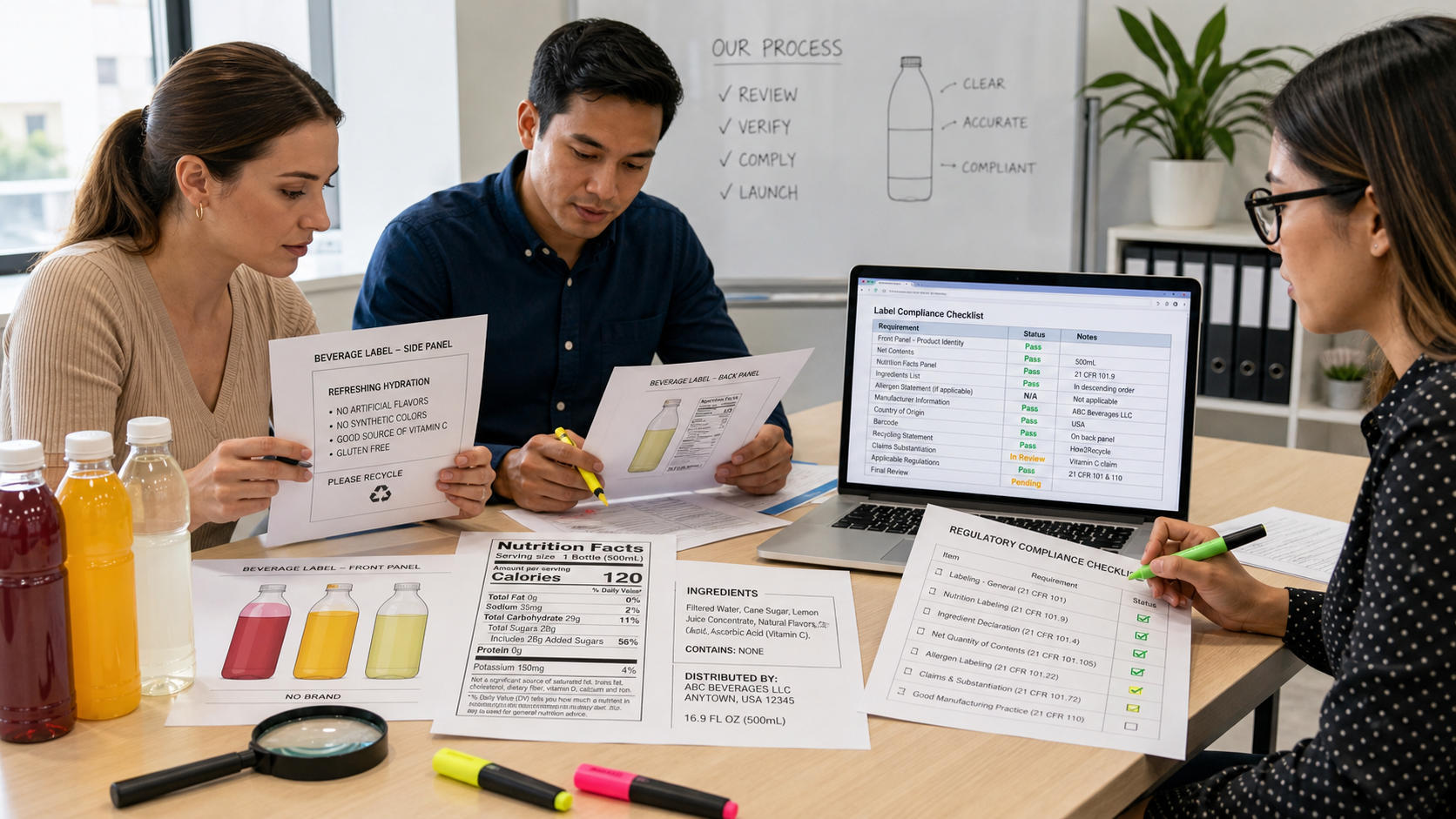
Start by aligning your supplier to the Australia New Zealand Food Standards Code for naming, ingredient lists, allergen declarations, and the nutrition information panel, and confirm that any voluntary or mandatory symbols and statements are used correctly. A pre-launch label review helps identify issues early.
- Product naming and description: Ensure the common or customary name reflects the product (e.g., juice, nectar, drink).
- Ingredient list formatting: Ingredients typically listed in descending order by ingoing weight; include compound ingredients where relevant.
- Allergen declaration: Check for the presence of priority allergens and ensure prominence and wording align with the Code.
- Nutrition information panel (NIP): Confirm layout, serving size logic, and mandatory nutrients align with the Code’s requirements.
- Percentage labelling: Include percentage of characterising ingredients where required to support fair description.
- Claims discipline: Nutrition or other claims must follow relevant standards; avoid therapeutic or disease-related claims.
- Country of origin statement: Imported food generally requires a clear origin statement; ensure your pack reflects the correct statement style.
- State container deposit schemes (CDS): Some states and territories require specific refund text or identifiers on beverage containers; plan artwork and timelines to accommodate these differences.
A structured pre-artwork checklist reduces rework. Ask your supplier for editable artwork templates, typographic guidelines, and a label sign-off process that includes regulatory review and print proof approval.
Which beverage formats are best for Australian distribution?
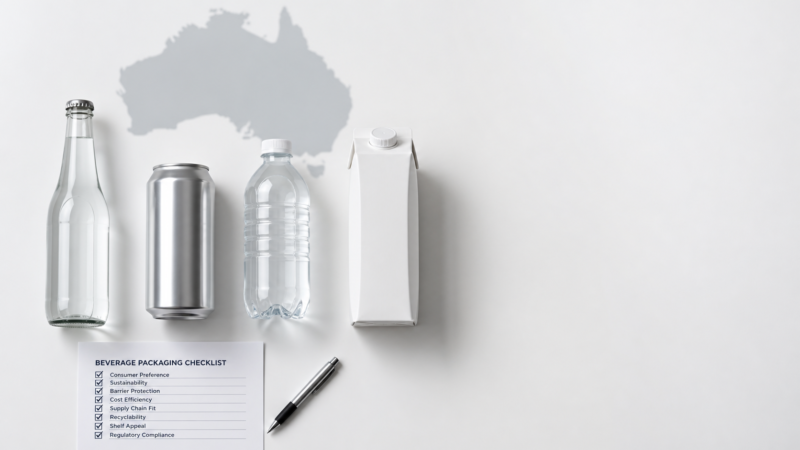
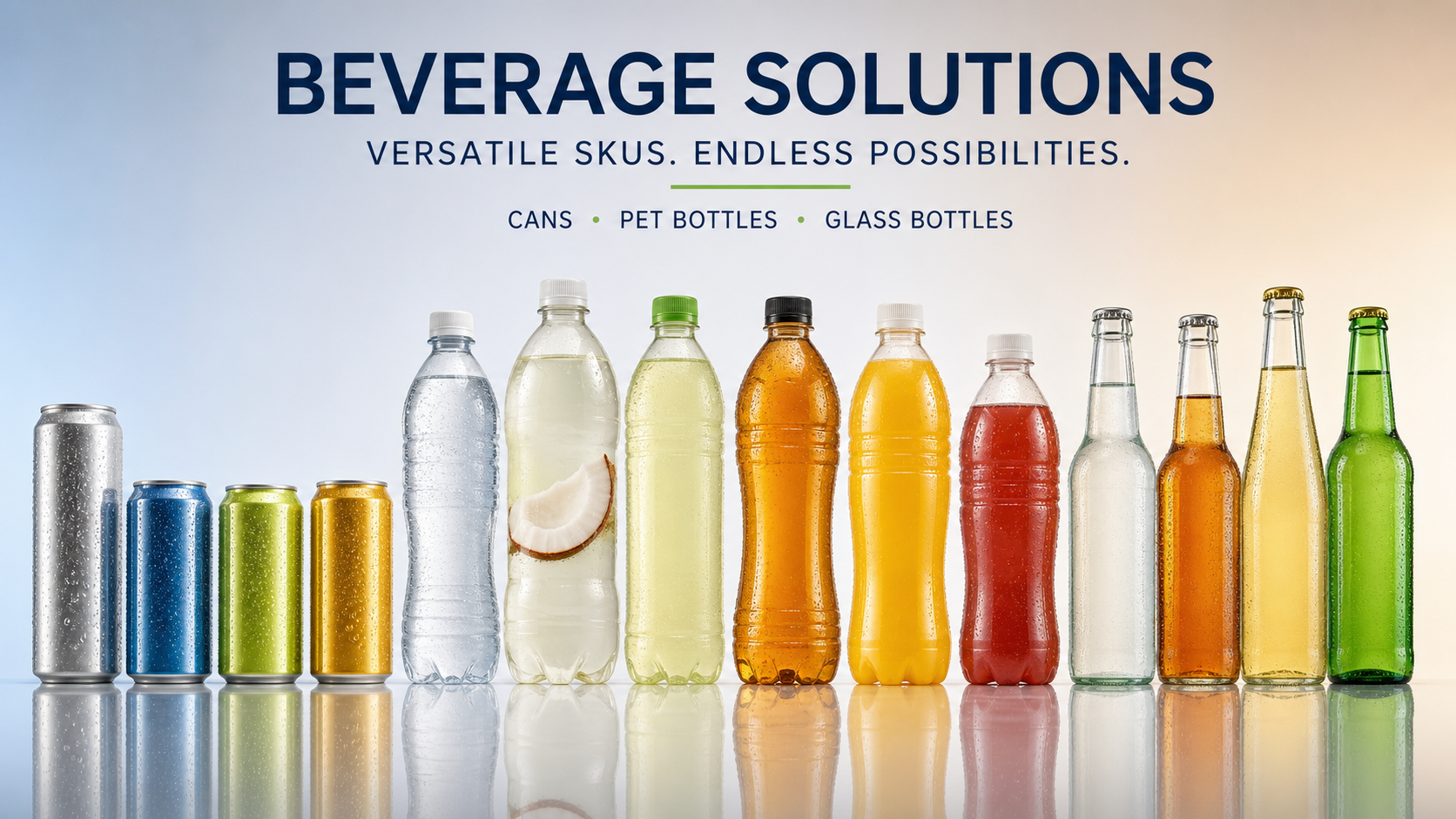
Formats that travel well, label cleanly, and fit Australian category expectations tend to perform best. Shelf-stable drinks in cans, glass, or PET with robust closures and predictable stability are common choices for national distribution, while chilled propositions may be targeted to shorter supply chains or specific channels.
| Format | Examples | Positioning & notes | Distribution fit |
|---|---|---|---|
| 100% juice | Grape, apple, orange, tropical | Clear category understanding; check naming and fruit content representation | Ambient or chilled, mainstream grocery |
| Nectar | Mango nectar, guava nectar | Typically lower fruit content than 100% juice; set expectations on label | Ambient grocery and independents |
| Juice drink / flavored drink | Mixed fruit drinks, flavored waters | Flexible pricing; ensure descriptors avoid consumer confusion | Wide: grocery, route trade, convenience |
| RTD tea & botanicals | Green tea, herbal infusions | Trend-friendly; watch color and haze stability | Grocery, petrol & convenience |
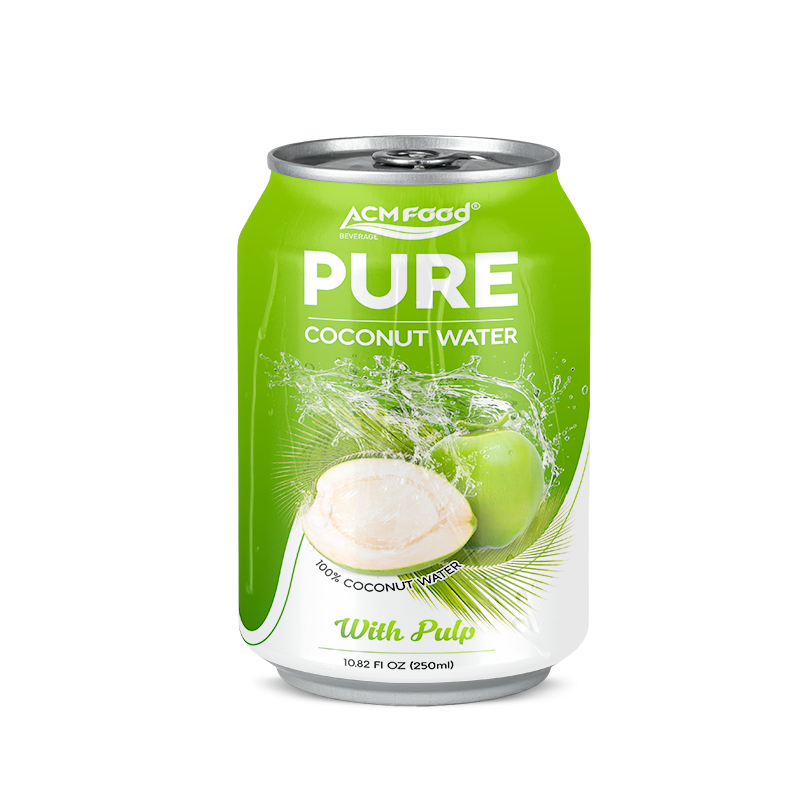
| Coconut water | Pure, with pulp, flavored | Refreshing, light; clarity and color matter | Ambient grocery, independents |
| Carbonated soft drink | Fruit soda, botanical soda | Flavor intensity and carbonation retention are key | Broad, including on-premise |
| Packaging | Can, PET, glass, aseptic carton | Consider CDS marking space and shipping durability | Channel- and route-dependent |
If you plan to develop a custom recipe or a private label line, align early with your supplier on format limitations and artwork windows. See options for private label beverages for Australian brands to map typical steps from brief to launch.
What sourcing models can Australian distributors use?
Most importers follow one of four pathways: importing finished goods, private labelling with an overseas producer, co-packing domestically with imported inputs, or a hybrid that balances currency and freight risk. Your choice depends on brand strategy, speed to market, and working capital.
- Import finished goods: Fastest route to shelf with supplier-owned brand or co-branded SKUs; minimal formulation work but less control over pack architecture.
- Private label with overseas producer: High control over flavor, pack, and margin; requires tight artwork, pre-production sampling, and strong QA oversight.
- Domestic co-pack (imported base): Import concentrates or bases and pack locally; helps with agile label changes and CDS variations.
- Hybrid approach: Mix finished goods and local co-pack to manage FX exposure, freight volatility, and demand spikes.
If your strategy includes custom formulations and flexible scale-up, explore contract beverage manufacturing for Australian brands to understand development and packing frameworks that support iterative launches.
How do I brief a beverage supplier effectively?
A precise brief accelerates quoting, sampling, and artwork. It also reduces change orders later. Focus on your route-to-market, sensory direction, compliance, and logistics needs so the supplier can confirm feasibility early.
- Target: Consumer, channel, desired price tier, and competitive set.
- Sensory: Flavor direction, expected sweetness profile, color clarity, carbonation level (if any), and acceptable sweetener types.
- Ingredients and labelling: Required and prohibited ingredients; allergen considerations; claim language you intend to pursue (subject to the Code).
- Format and pack: Unit size, material (can, PET, glass, carton), secondary packaging, and palletization preferences.
- Stability and shelf-life: Storage conditions, expected distribution temperatures, and merchandising plans.
- Quality and testing: Microbiological targets, sensory sign-off method, and retain samples per batch.
- Commercials: Indicative volume planning, Incoterms preference, consolidation needs, and delivery window expectations.
- Artwork: Brand guidelines, dielines, barcodes, and any state-specific CDS markings.
For teams building a store brand or fast-follower range, this outline on private label beverages for Australian brands details how to turn a brief into production-ready SKUs.
How do Incoterms shape landed cost to Australia?
Incoterms define who pays for which leg of the journey and who carries risk at each point, directly shaping your landed cost and cashflow. Align the term to your logistics capability and appetite for freight management.
| Incoterm | Supplier responsibilities | Buyer responsibilities | Use case notes |
|---|---|---|---|
| EXW | Goods ready at factory | All transport, export, import, insurance | Maximum buyer control; heavier admin load |
| FOB | Export clearance and loading on vessel | Ocean freight, insurance, import clearance, delivery | Common for sea freight; balanced control |
| CIF | Cost, insurance, and freight to port | Import clearance, duties, local delivery | Simplifies main leg; confirm insurance scope |
| DDP | Delivery with duties paid to your door | Receive goods | Low-touch for buyer; confirm inclusions and timelines |
Whichever term you choose, request a clear cost breakdown, standard pallet configuration, and documented assumptions about carton dimensions and stack heights. Small improvements in pallet density can lift margin without changing the recipe.
What does a realistic sample-to-scale pathway look like?
Think in milestones rather than dates: align on feasibility, approve lab samples, validate pre-production samples, and then lock artwork before a first commercial run. Build in time for label iterations and state-specific CDS text if relevant.
- Feasibility and quote: Supplier reviews the brief and confirms format, processing, and indicative pricing parameters.
- Benchtop samples: Narrow flavor direction and sweetness balance; align on color and turbidity expectations.
- Pre-production sample: Validate processing impact, packaging integrity, and stability under storage conditions.
- Artwork sign-off: Final regulatory review and print-ready files aligned to dielines and CDS requirements.
- First commercial run: Confirm batch coding, retain samples, and full documentation pack (including Certificate of Analysis).
- Post-launch optimization: Collect market feedback and plan cost or formulation refinements as needed.
For concept inspiration that resonates with Australian palates, explore flavor-forward ideas such as a ginger lemongrass drink or textural propositions like coconut water with pulp, each with distinct positioning levers.
Which QA documents and controls should I expect?
Robust QA keeps launches on track and protects your reputation. Ask suppliers for a documentation pack and clarity about in-process checks and finished product verification.
- Specification sheet: Ingredients, processing, storage, and packaging information with sensory descriptors.
- Batch documentation: Certificate of Analysis per lot, including key microbiological and chemical quality checks appropriate for the product.
- Declarations: Allergen, GMO, and, where appropriate, compliance statements related to food contact packaging.
- Artwork control: Versioned dielines, label proof approvals, and a sign-off log.
- Traceability: Batch coding scheme that supports recall readiness and warehouse rotation.
- Facility standards: Evidence of food safety programs (for example, HACCP or schemes recognised by major retailers), subject to your customer requirements.
- Stability insights: A summary of shelf-life validation under expected storage conditions.
How should I plan logistics into Australia?
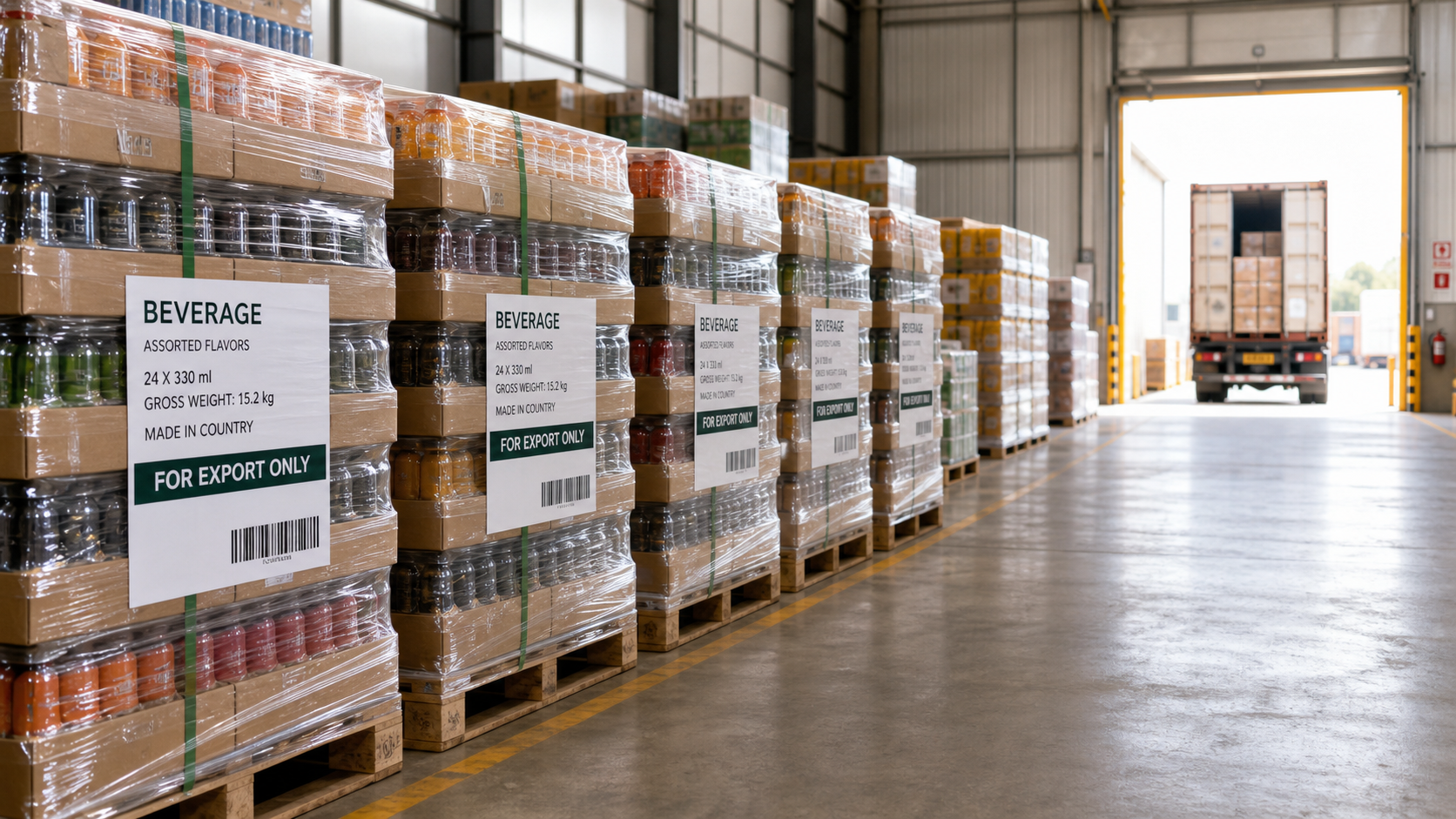
Plan early for route, temperature conditions, and final-mile complexity. Decide whether you will consolidate mixed SKUs or import full-container loads of a single hero SKU, and be clear about unloading and pallet conversion if you need Australian standard pallets.
- Container strategy: Align carton strength, palletization, and bracing to reduce transit damage.
- Temperature profile: Match product stability and packaging to likely temperature swings during ocean transit and local distribution.
- Pallet and warehouse fit: Confirm pallet size, height limits, and labeling to streamline receiving at 3PLs and retailer DCs.
- CDS and barcode readiness: Ensure cartons and consumer units reflect the barcodes and any state-specific deposit markings you plan to support.
- Forecasting and buffers: Build safety stock appropriate to your channel and promotional calendar.
Which beverage trends are resonating in Australia?
Winners are typically refreshing, not overly sweet, and easy to understand on shelf. Simple ingredient lists and distinctive, natural-feeling flavors can help you stand out without overpromising.
- Botanicals and herbs: Upright, aromatic profiles (e.g., ginger, lemongrass, yuzu-inspired notes) that feel bright and modern; see the ginger lemongrass drink concept for positioning angles.
- Light, clear refreshment: Coconut water and lightly flavored waters; textural twists such as coconut water with pulp can differentiate mouthfeel.
- Lower sweetness cues: Products formulated to taste less sweet without making inappropriate claims on pack.
- Familiar fruits, refined finish: Tropical blends and citrus-forward profiles balanced for repeat purchase.
- Design clarity: Clean, legible labels that communicate flavor first and handle compliance elements gracefully.
What are red flags when choosing an imported beverage supplier?
Early detection of mismatches saves time and budget. Keep an eye out for these signals and escalate questions immediately.
- Vague specifications: Unclear ingredient lists, no defined process, or shifting shelf-life statements.
- Inconsistent samples: Noticeable flavor or color drift between lab and pre-production runs without a corrective plan.
- Artwork ambiguity: No editable templates, missing CDS space, or resistance to regulatory review before print.
- Traceability gaps: Unreliable batch coding, poor documentation retention, or reluctance to share CoA.
- Unrealistic commercials: Pricing that ignores freight realities or refusal to define Incoterms responsibilities.
- Communication friction: Slow, incomplete responses to specific questions about process, testing, and loading plans.
FAQ: beverage supplier australia
Do I need my supplier to manage label compliance?
Suppliers can prepare artwork and share templates, but importers often engage a specialist or conduct their own review to ensure labels match the Food Standards Code and any state-based requirements.
Who should arrange freight and insurance?
It depends on your capability. Some importers prefer FOB to control freight and insurance; others choose CIF or DDP for simplicity, provided cost assumptions and timelines are transparent.
What about minimum order quantities?
MOQs vary by format, packaging, and changeover needs. Discuss ranges in the quoting stage and consider consolidation strategies if you are building a multi-SKU container.
Can I change labels for different states?
Yes, but plan for artwork versions and print management if you need state-specific CDS identifiers or text. Minimising variants can simplify operations.
How should I test market fit?
Pilot with limited channels, gather rate-of-sale and qualitative feedback, then adjust flavor, pack copy, or channel focus before a wider rollout.
Conclusion and next steps
Selecting a beverage supplier for Australia is about fit: regulatory fluency, stable quality, clear commercials, and formats aligned to your channels. Start with a tight brief, confirm compliance against the Food Standards Code, and choose Incoterms that match your logistics appetite. A structured path from lab sample to first run, backed by a documentation pack, helps you launch cleanly and scale with confidence.
To map your options in more detail, review these resources and share a concise brief with your shortlisted partners: beverage manufacturing for Australian brands, contract beverage manufacturing for Australian brands, and private label beverages for Australian brands. With clarity on compliance, product format, and logistics, you can turn a solid sourcing decision into sustainable shelf performance.
Manufacturing for Australian brands
If you are sourcing for the Australian market, start with contract beverage production for how a manufacturing programme is set up, certifications and food safety systems for the evidence importers and retailers require, and export and logistics for shipping terms and documentation. To price a programme, request a quote.
Request a quoteWhere to go next
Planning an Australian launch? The Australia beverage market page covers the full OEM and private label programme for Australian brands and importers: MOQ 500 cartons per SKU, 15-30 day production, HACCP / ISO 22000 / FSSC 22000, and shipping from Ho Chi Minh City. Request a quote and we reply within 24 hours.