


 Français
 Español
 العربية
 한국어
한국어
Vietnamese coconut water is attracting growing attention from beverage importers around the world. As consumers increasingly look for clean-label drinks with natural ingredients, coconut water has moved beyond a niche health product and become a mainstream beverage category.
At the same time, buyers are becoming more selective about sourcing. They are looking for products with consistent quality, reliable supply chains, and competitive pricing. This is where Vietnam is earning a stronger position in the global market.
For importers, distributors, and private label brands, Vietnamese coconut water offers a combination that is difficult to ignore: abundant raw materials, naturally sweet flavor profiles, modern processing facilities, and export experience across major international markets.
Vietnam has one of the world’s most favorable coconut-growing regions
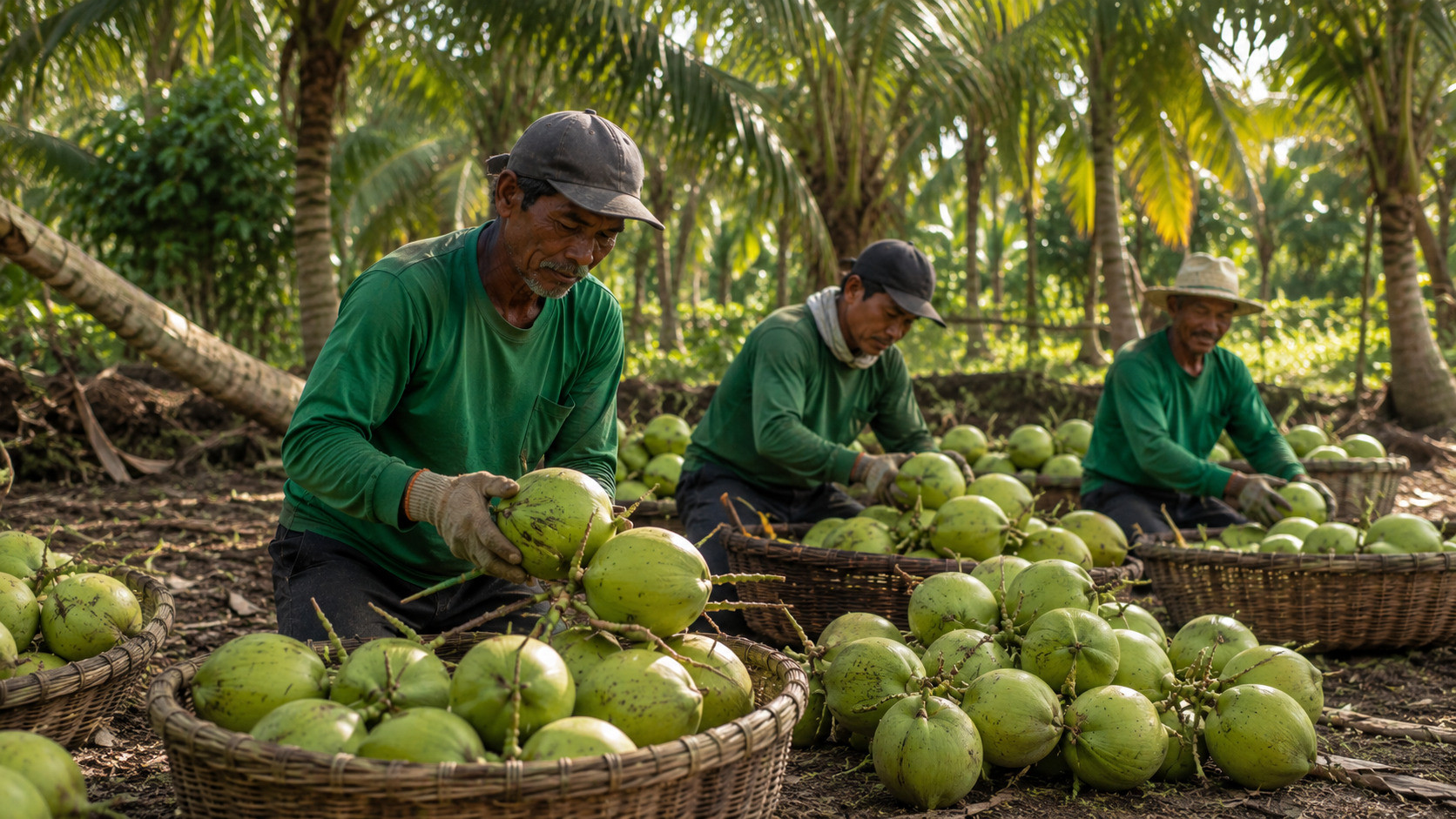
When discussing coconut water sourcing, geography matters more than many buyers realize.
Vietnam’s coconut industry is concentrated in the Mekong Delta, particularly in provinces such as Ben Tre, Tra Vinh, and Tien Giang. These areas benefit from tropical temperatures, abundant rainfall, fertile soil, and extensive river systems that support coconut cultivation throughout the year.
The result is a stable supply of young coconuts with naturally refreshing water and a balanced sweetness profile.
Many importers initially compare Vietnam with larger coconut-producing countries. However, after tasting samples from different origins, they often notice subtle differences. Vietnamese coconut water tends to have a clean flavor, moderate sweetness, and a fresh coconut aroma that works well for both pure coconut water products and blended beverage formulations.
That flavor consistency matters.
A product that tastes different from batch to batch creates challenges for distributors, retailers, and beverage brands. Reliable sourcing reduces those risks.
The rise of clean-label beverages is creating new opportunities
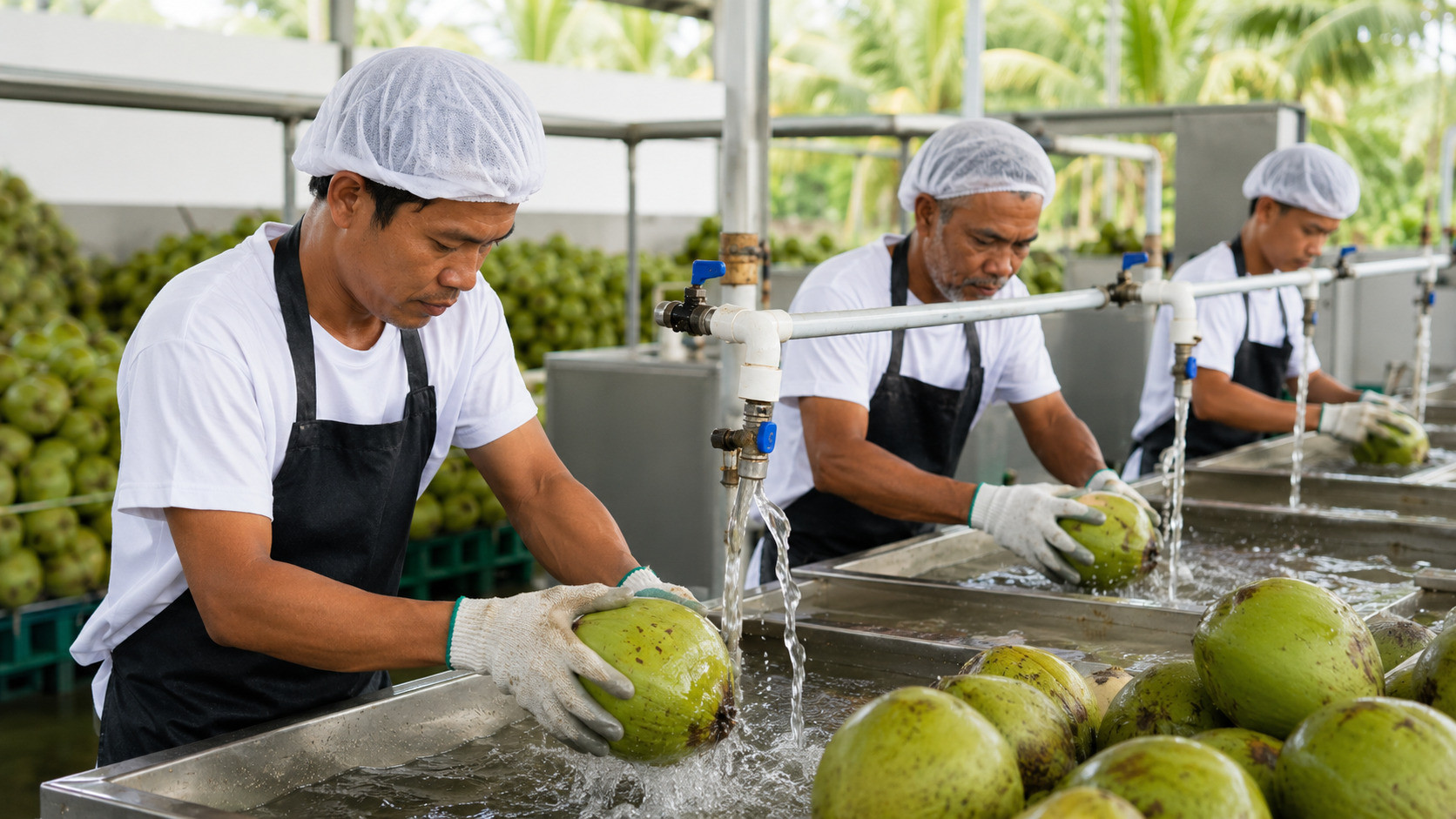
Consumer preferences have changed significantly during the past decade.
Many shoppers now read ingredient labels carefully. They actively avoid artificial flavors, excessive sugar, and long ingredient lists. Instead, they seek beverages that feel closer to nature.
Coconut water fits perfectly into this trend.
It is naturally refreshing and already contains electrolytes that consumers associate with hydration and active lifestyles. Because of this, coconut water is increasingly appearing alongside sports drinks, functional beverages, and premium wellness products.
For beverage importers, this trend creates an important opportunity. Rather than introducing a completely new category to consumers, they can enter a market where awareness is already growing.
Vietnamese coconut water aligns well with this demand because many manufacturers offer products with no added sugar, no artificial coloring, and minimal processing.
In many markets, that message is easy for consumers to understand.
Simple ingredients often sell better than complicated promises.
NFC coconut water is becoming a major purchasing factor
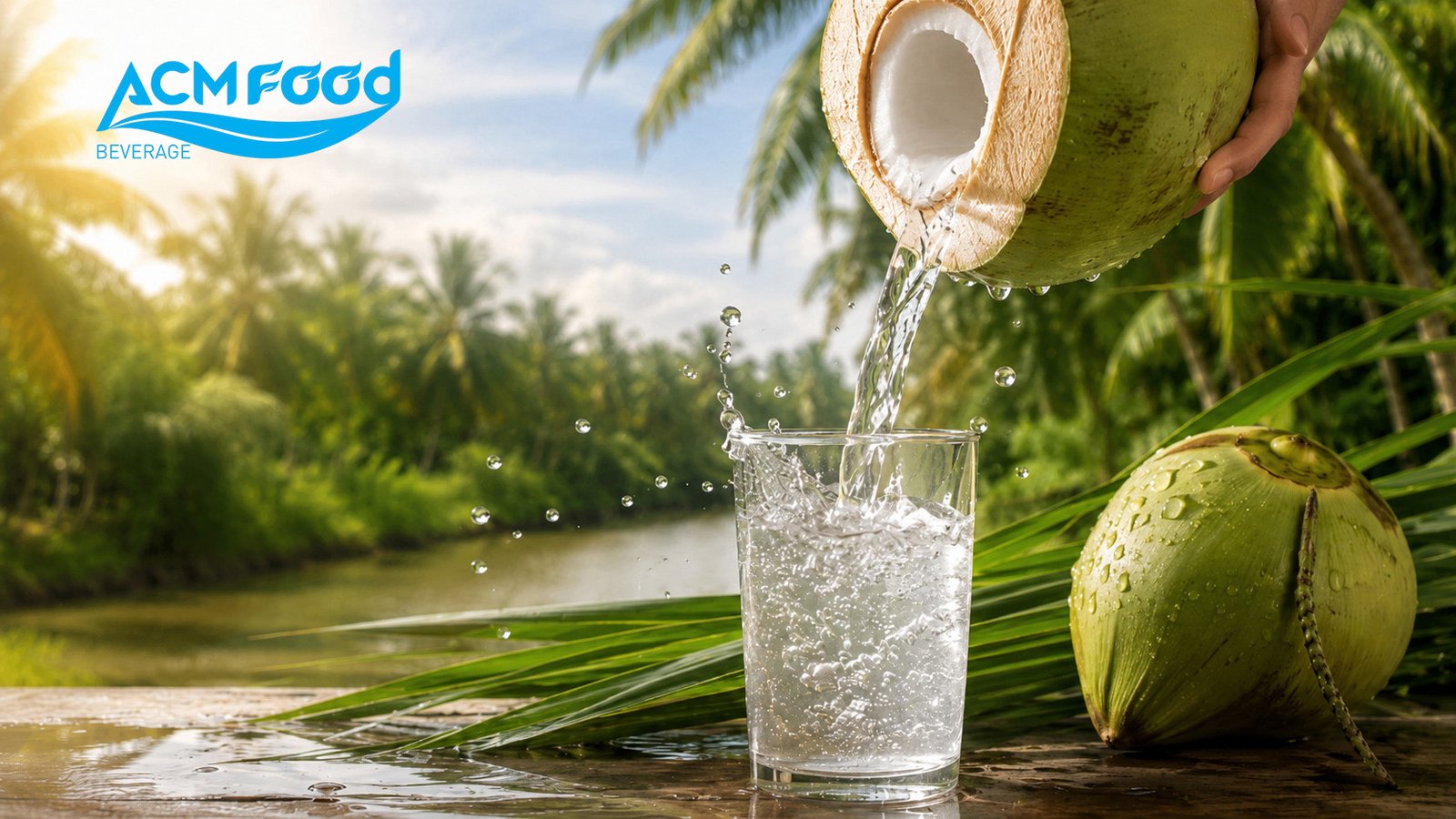
One term appears repeatedly in conversations between importers and manufacturers: NFC.
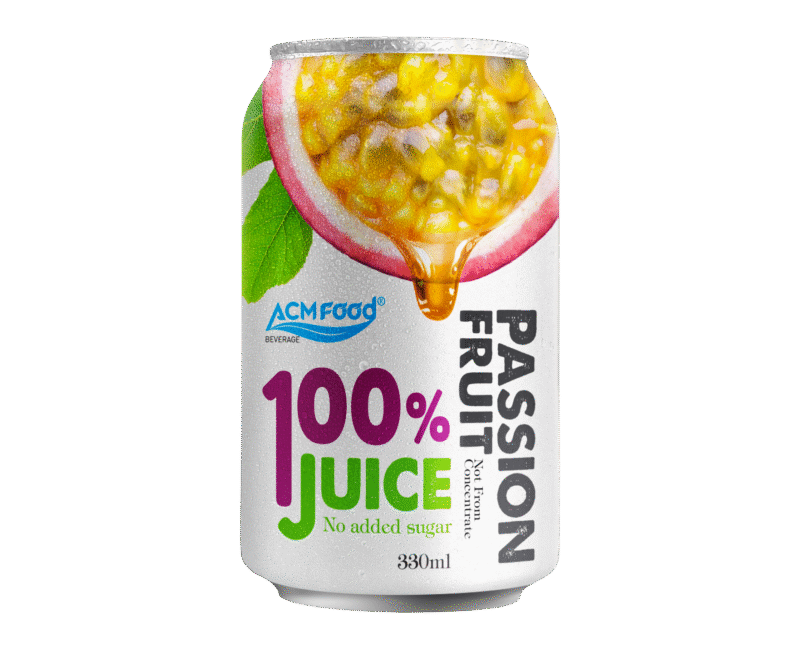
NFC stands for Not From Concentrate.
In practical terms, this means the coconut water is extracted from fresh coconuts and processed without first being concentrated and later reconstituted. Manufacturers use this approach to preserve the natural flavor characteristics of the original fruit.
Why does this matter?
Because consumers increasingly associate NFC products with authenticity.
Many buyers today are willing to pay a premium for beverages that are perceived as less processed. The difference may seem small from a manufacturing perspective, but from a marketing perspective it can be substantial.
Several Vietnamese producers have expanded their NFC coconut water production specifically to meet growing export demand.
For importers targeting premium retail channels, this creates an attractive product positioning opportunity.
Competitive pricing without sacrificing quality
Price remains a critical factor in every sourcing decision.
Importers need products that meet quality expectations while still allowing healthy margins throughout the distribution chain.
Vietnam offers a strong balance between these two objectives.
The country’s established coconut-growing regions reduce transportation distances between farms and processing facilities. Local availability of raw materials also helps manufacturers maintain production efficiency.
What does that mean for buyers?
It often translates into more competitive pricing compared with sourcing from some alternative origins, especially when evaluating finished beverages rather than raw ingredients alone.
Cost savings become even more meaningful when working with large-volume retail programs or private label projects.
A difference of only a few cents per unit may not seem significant at first glance. Across a full container or annual purchasing contract, however, the financial impact can become substantial.
Strong export infrastructure supports international buyers
A great product is only valuable if it can be delivered reliably.
This is one area where Vietnam has invested heavily over the past several years.
Today, many Vietnamese beverage manufacturers operate export-focused facilities equipped with internationally recognized food safety systems. Certifications commonly include HACCP, ISO standards, FDA registration, Halal certification, FSSC 22000, and BRC-related programs depending on the manufacturer.
For importers entering regulated markets, these certifications simplify supplier evaluation and compliance processes.
Documentation matters.
Product quality matters.
Consistency matters.
International buyers generally prefer suppliers that understand export requirements from the beginning rather than learning them during the project.
Vietnam’s growing export experience helps reduce friction throughout the supply chain.
Private label demand is accelerating
Another reason Vietnamese coconut water is gaining popularity is the growth of private label beverages.
Retailers, distributors, and entrepreneurs increasingly want their own brands rather than relying exclusively on established multinational labels.
The challenge is finding a manufacturing partner capable of supporting product development, packaging design, regulatory compliance, and scalable production.
Many Vietnamese beverage companies now provide OEM and ODM services specifically for coconut water products. These services allow buyers to customize packaging formats, product formulations, labeling, and branding according to local market requirements.
For a distributor launching a new beverage brand, this approach can dramatically reduce the time required to enter the market.
Instead of building a manufacturing facility, buyers can focus on sales, marketing, and distribution.
Supply reliability is becoming more important than ever
Global supply chains have experienced considerable disruption in recent years.
Importers have learned that sourcing decisions should not be based solely on price.
Supply stability is equally important.
Vietnam’s coconut industry benefits from a large agricultural base and a mature export ecosystem. Many manufacturers maintain long-term relationships with coconut-growing communities, helping secure raw material availability throughout the year.
This reduces uncertainty for buyers managing retail contracts and distribution commitments.
Nobody wants to explain empty shelves to customers.
Reliable sourcing helps avoid those situations.
Product innovation is expanding beyond traditional coconut water
Pure coconut water remains the largest category, but innovation is creating additional opportunities.
Manufacturers now offer coconut water blended with tropical fruit juices, sparkling coconut beverages, flavored coconut water, and functional formulations designed for specific consumer segments.
This flexibility gives importers more ways to differentiate themselves.
In highly competitive beverage markets, simply offering another coconut water product may not be enough.
Offering a unique coconut-based beverage line can help create stronger shelf presence and consumer interest.
The ability to source both traditional and innovative products from the same supplier also simplifies procurement management.
Why importers are paying closer attention to authenticity
Consumers today ask more questions than ever before.
Where was the product grown?
How was it processed?
What ingredients were added?
Is the label accurate?
These questions influence purchasing decisions across many beverage categories.
Authentic coconut water sourced directly from fresh coconuts has become an important selling point. Buyers increasingly value transparency and traceability throughout the supply chain.
Vietnamese manufacturers that can provide clear documentation, quality certifications, and transparent sourcing practices are often better positioned to meet these expectations.
Trust is difficult to build.
Once established, however, it becomes a powerful competitive advantage.
About ACMFOOD and Vietnamese coconut water
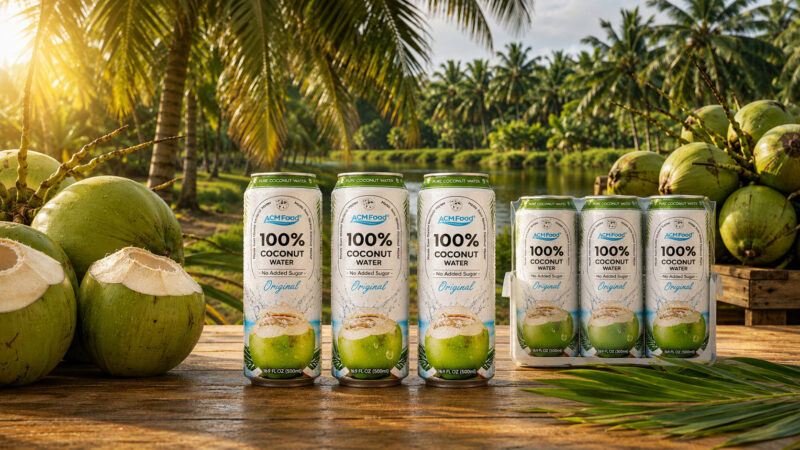
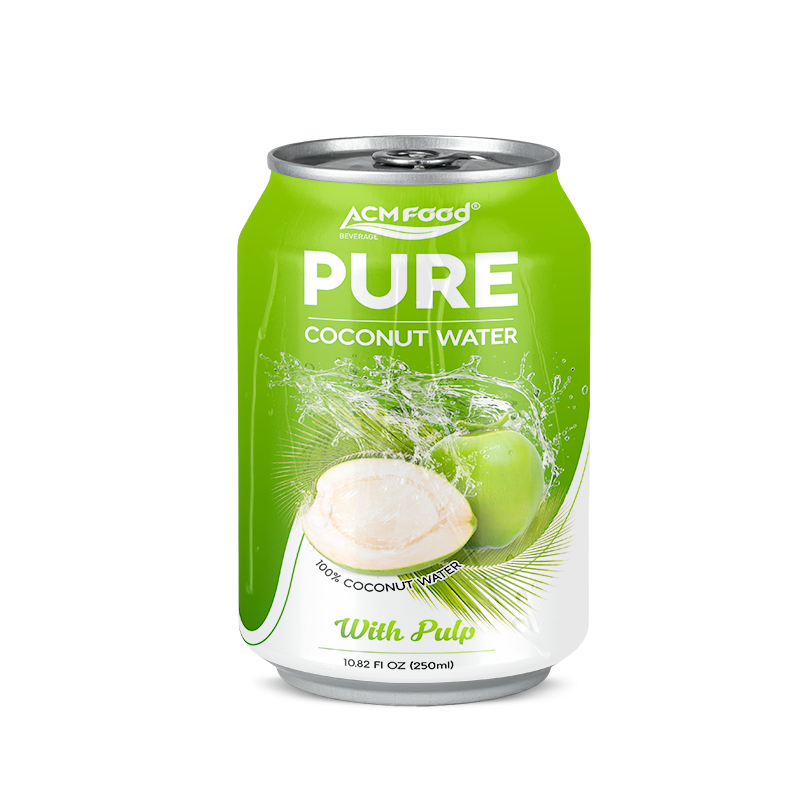
ACMFOOD is a Vietnamese beverage manufacturer specializing in coconut-based products and tropical fruit drinks for global markets. Located close to Vietnam’s major coconut-growing regions, ACMFOOD works directly with local supply networks to produce high-quality coconut water for importers, distributors, wholesalers, and private label brands. With export-oriented production standards and flexible OEM/ODM capabilities, ACMFOOD helps partners bring authentic Vietnamese coconut water to consumers worldwide.
Vietnamese coconut water is no longer simply an alternative sourcing option. For many beverage importers, it has become a strategic choice.
The combination of abundant coconut resources, naturally appealing flavor, NFC production capabilities, export-ready manufacturing, private label support, and competitive pricing creates a compelling business case.
As global demand for natural beverages continues to expand, importers will likely place greater emphasis on reliable origins that can deliver both quality and scalability.
Vietnam is increasingly proving that it can do exactly that.
For businesses exploring new opportunities in the coconut water category, now may be the right time to take a closer look at what Vietnamese suppliers can offer.