Français
 Español
 العربية
 한국어
한국어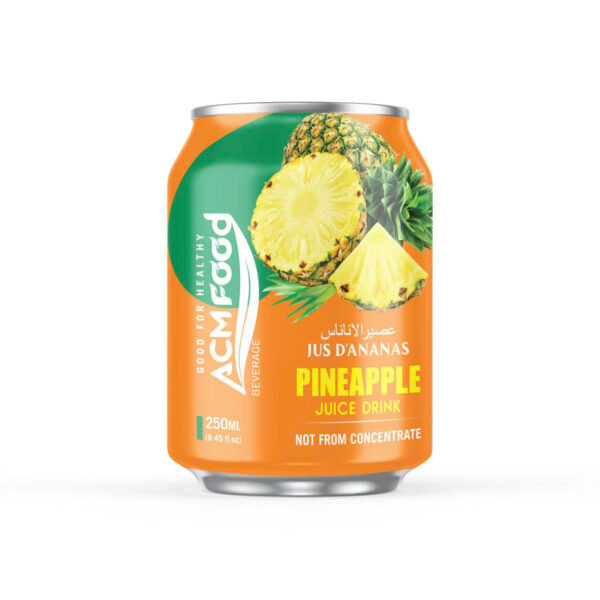











Pineapple is the tropical flavour that sells itself on the shelf, yet it is also one of the easiest to get wrong. Concentrate-based pineapple drinks tend to taste flat and sharply acidic, because the aromatic esters that give fresh pineapple its fruity top note do not survive evaporation. Buyers who want a listing that tastes like the fruit, not like a syrup, need juice that was never concentrated.
Why Pressed, Not Reconstituted, Pineapple Matters
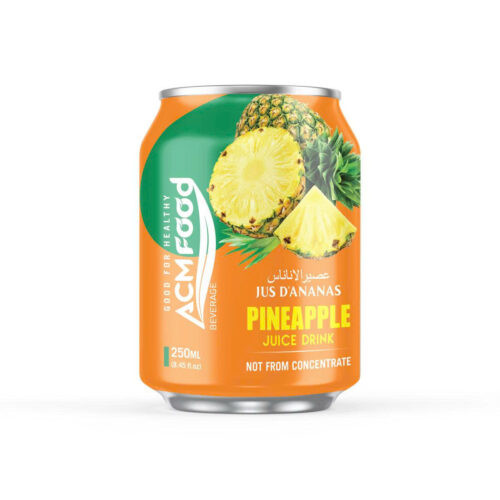
This pineapple juice NFC is pressed from ripe Vietnamese pineapple and goes straight to filling. Natural fruit sugar and acidity stay in balance, so there is no need to add sweetener to hide the tartness. The result is a clean, bright pineapple taste with the body that reconstituted juice usually lacks.
The aluminium can also does quiet work for the product. It blocks light and oxygen completely, which protects the colour and the delicate aroma, and it lets the juice keep for 24 months at ambient temperature without refrigeration.
Where the 250ml Short Can Sells
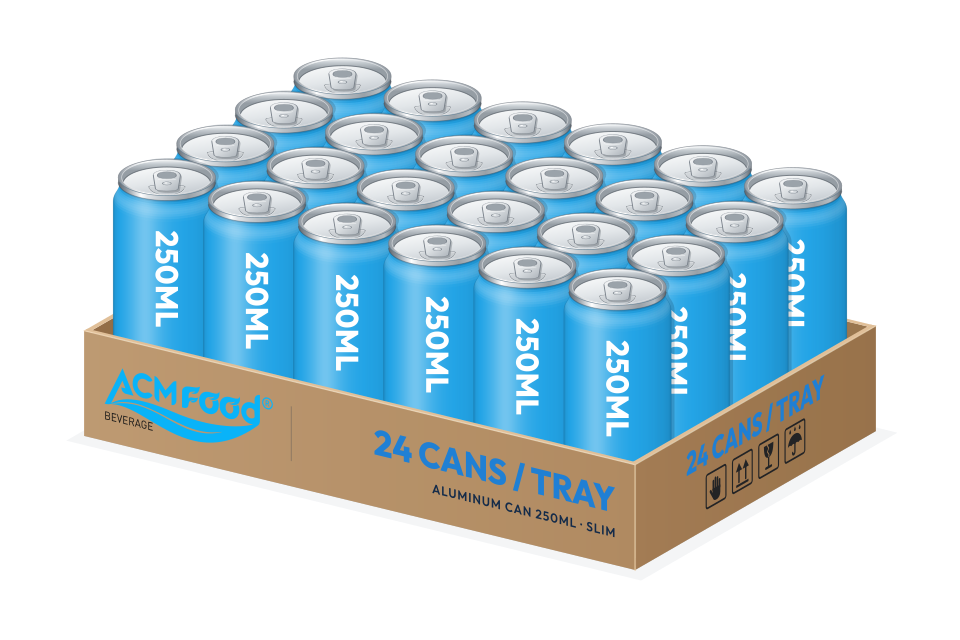
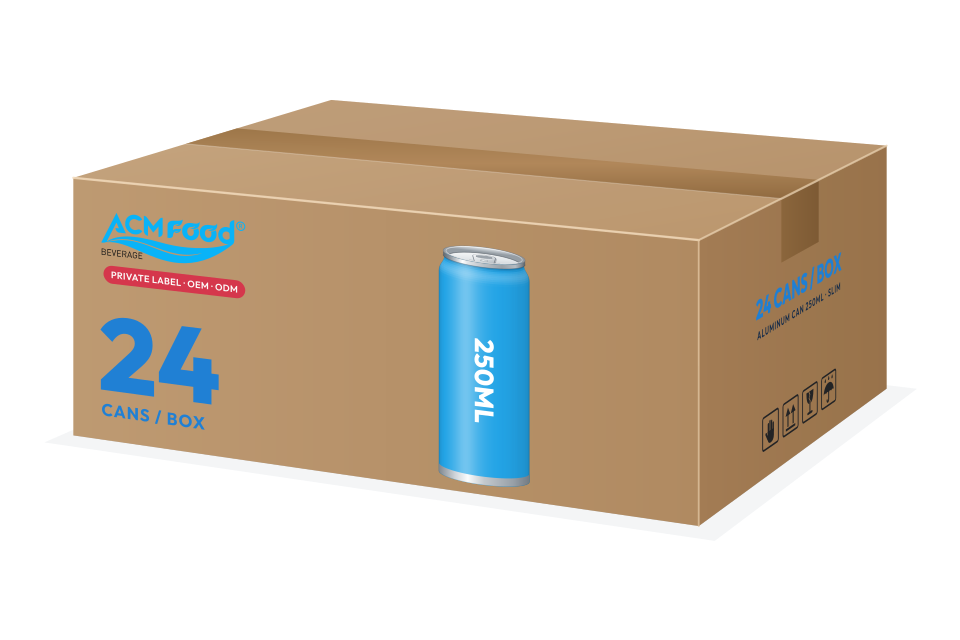
The short 250ml format suits single-serve channels: convenience stores, hotels, airlines, cafés and vending. It stacks efficiently, resists damage in transit and keeps freight cost per carton low, which helps importers hold a sensible shelf price on a tropical flavour.
The standard label is printed in English, French and Arabic for Gulf, North African and francophone buyers. Private label programmes can replace the whole can design, with artwork and nutrition panels adapted to each destination market.
Production is certified to FSSC 22000, HACCP and ISO 22000, with capacity of 20,000 cartons per day and a 500-carton minimum order. Terms are T/T, loading at Ho Chi Minh City Port, lead time 15 to 30 days. Importers planning a wider assortment can browse the full fresh fruit juice range to pair this flavour with others.