


 Français
 Español
 العربية
 한국어
한국어To import beverages into Venezuela, classify your products under HS Chapter 22, confirm sanitary registration needs with the Instituto Nacional de Higiene (INHRR), meet SENCAMER technical rules, and clear customs with SENIAT. Expect a 16% VAT on most imports, Spanish labeling, and port handling primarily via Puerto Cabello or La Guaira.
Procedures are complex and change fast. This guide focuses on what beverage importers must prepare, who regulates each step, and how to avoid delays at Venezuela’s busiest gateways.

What makes Venezuela beverage import requirements unique?
Venezuela’s regime mixes technical regulation by SENCAMER, sanitary oversight by the Ministry of Health through INHRR, and customs control by SENIAT. Import controls and paperwork formats change frequently, Spanish labeling is mandatory, and clearance is concentrated at ports like Puerto Cabello and La Guaira.
| Authority | Role for beverages | When you interact |
|---|---|---|
| SENCAMER | Standards, technical regulations, metrology, product conformity | Before shipment to confirm applicable norms and labeling requirements |
| Ministry of Health / INHRR | Sanitary registration (Registro Sanitario) and health oversight | Pre-import registration for many shelf-stable drinks; document checks at entry |
| SENIAT (Customs & Tax) | Customs valuation, tariffs, VAT (IVA), inspections, RIF registration | At import declaration, duty/VAT payment, and clearance |
Step-by-step: How to import beverages into Venezuela
Follow these steps in order. The exact paperwork set can vary by product (e.g., juice, energy drink, sparkling water, alcohol) and by current circulars from SENCAMER, INHRR, and SENIAT.
- Confirm product scope and HS code. Classify under HS Chapter 22. Determine if the product is non-alcoholic (e.g., 2202) or alcoholic (e.g., 2203–2208). Your HS code drives duties, licensing, and health requirements.
- Check SENCAMER technical norms. Identify applicable Venezuelan standards (e.g., quality, additives limits, metrology for net contents). Keep the latest circulars—requirements can shift with little notice.
- Assess sanitary registration with INHRR. Many shelf-stable beverages require a Venezuelan Registro Sanitario before import. Plan dossier preparation (formula, manufacturing flow, stability rationale, CoA, labels in Spanish) and allow for review time.
- Line up a local importer with RIF. The importer of record needs a valid RIF (tax ID) and access to SENIAT’s customs systems. Engage a reputable customs broker familiar with beverages.
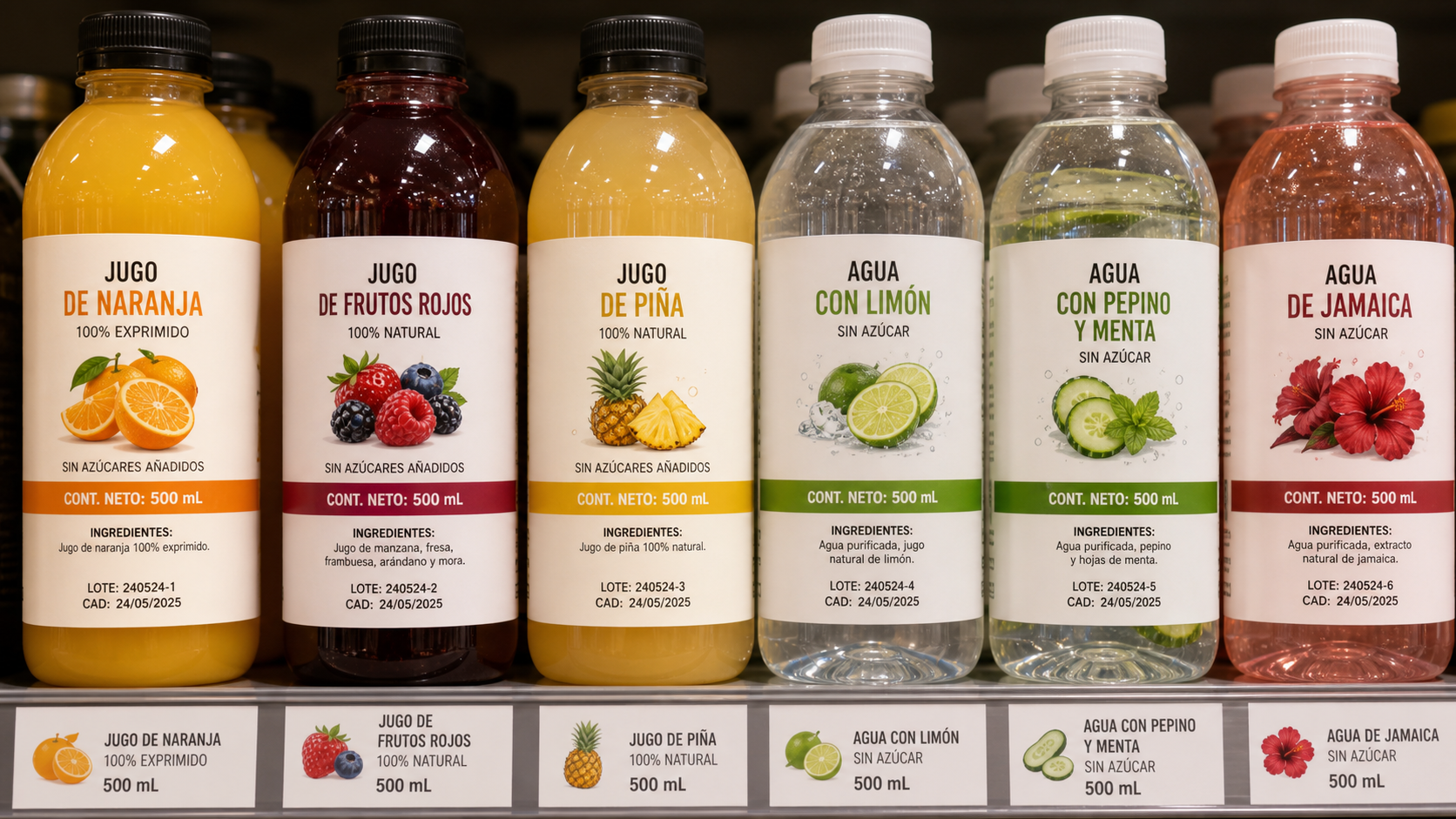
- Define labeling and over-stickering. Labels must be in Spanish with legal product name, ingredients (descending order), net content in mL/L, lot code, date mark, storage, country of origin, and importer name/RIF. Plan compliant over-stickers if you cannot print dedicated packaging.
- Gather origin & safety documents. Typical sets include commercial invoice, packing list, bill of lading, certificate of origin (if applicable), certificate of free sale/manufacturer declaration, and any health attestations aligned to Venezuelan expectations.
- Alcohol or sensitive categories: confirm extra permits. Alcoholic beverages face excise regimes and licensing beyond general food rules. Validate your precise permit path with your broker.
- Pre-shipment label verification. Have your broker or compliance partner review final Spanish artwork/over-sticker against SENCAMER and health expectations to reduce border re-labeling.
- Select port and plan logistics. Most beverage imports move via Puerto Cabello (Carabobo) or La Guaira (Vargas). Consider schedules, congestion, and reefer needs if applicable. Use intact pallets, clear lot/date codes, and moisture-resistant secondary packaging.
- File import declaration with SENIAT. Broker submits customs entry, HS code, valuation, and supporting documents. Prepare to pay customs duty (per tariff) and VAT (IVA) at 16% on most beverage imports (subject to change).
- Physical and documentary inspections. Health and customs officials may inspect labels, net content, and batch documentation. Keep samples accessible and cartons clearly marked for fast checks.
- Post-clearance controls. Retain import files for audits. Maintain traceability—lot numbers on cartons must match documents and invoices for after-sale checks.
Expect a full commercial and sanitary file. The broker will tailor exact forms to your HS code and current circulars, but these are typical for beverages:
- Commercial invoice (seller/buyer, currency, Incoterms, brand/description, unit and total price)
- Packing list (units per case, net/gross weight, pallet count)
- Bill of lading or airway bill (consignee/notify must match importer records)
- Certificate of origin (if an agreement or program requires it)
- Certificate of free sale or manufacturer declaration of compliance (composition, shelf life)
- Product formula/ingredient breakdown (including additives and flavorings)
- Certificate of analysis (key parameters such as Brix for juices, acidity, microbiological status where relevant)
- Spanish label artwork or over-sticker proof (legal name, ingredients, net content in mL/L, lot, date mark, importer name/RIF)
- Sanitary registration (Registro Sanitario) by INHRR when applicable
- Importer’s registrations and RIF number for SENIAT
Labeling rules for drinks in Venezuela
Labels must be in Spanish and aligned with SENCAMER technical and metrology requirements. While formats can evolve, most beverage labels include at least:
- Legal product name and brand/trademark (if used)
- Net content stated in metric (mL or L) in compliant font/contrast
- Ingredient list in descending order; additives identified by name/category per local practice
- Allergen declaration if present
- Lot/batch identification and date mark consistent with carton codes
- Storage and usage instructions when relevant
- Country of origin
- Importer or distributor name, address, and RIF
If you target regional compliance topics like front-of-pack warnings, consult this reference and align claims accordingly: Front-of-pack warning labels. Do not replicate regional rules here; always verify label legalities for Venezuela specifically before print.
Alcoholic vs. non-alcoholic: what changes?
Alcoholic drinks (beer, wine, spirits, RTDs) typically involve licensing beyond general food norms and are subject to excise regimes distinct from non-alcoholic beverages. Expect tighter control on labeling (abv, warnings), age-restriction handling, warehouse controls, and additional permits routed via customs and competent authorities. Non-alcoholic categories usually center on sanitary registration, ingredients, and metrology.
Logistics and ports in Venezuela: choices and risks
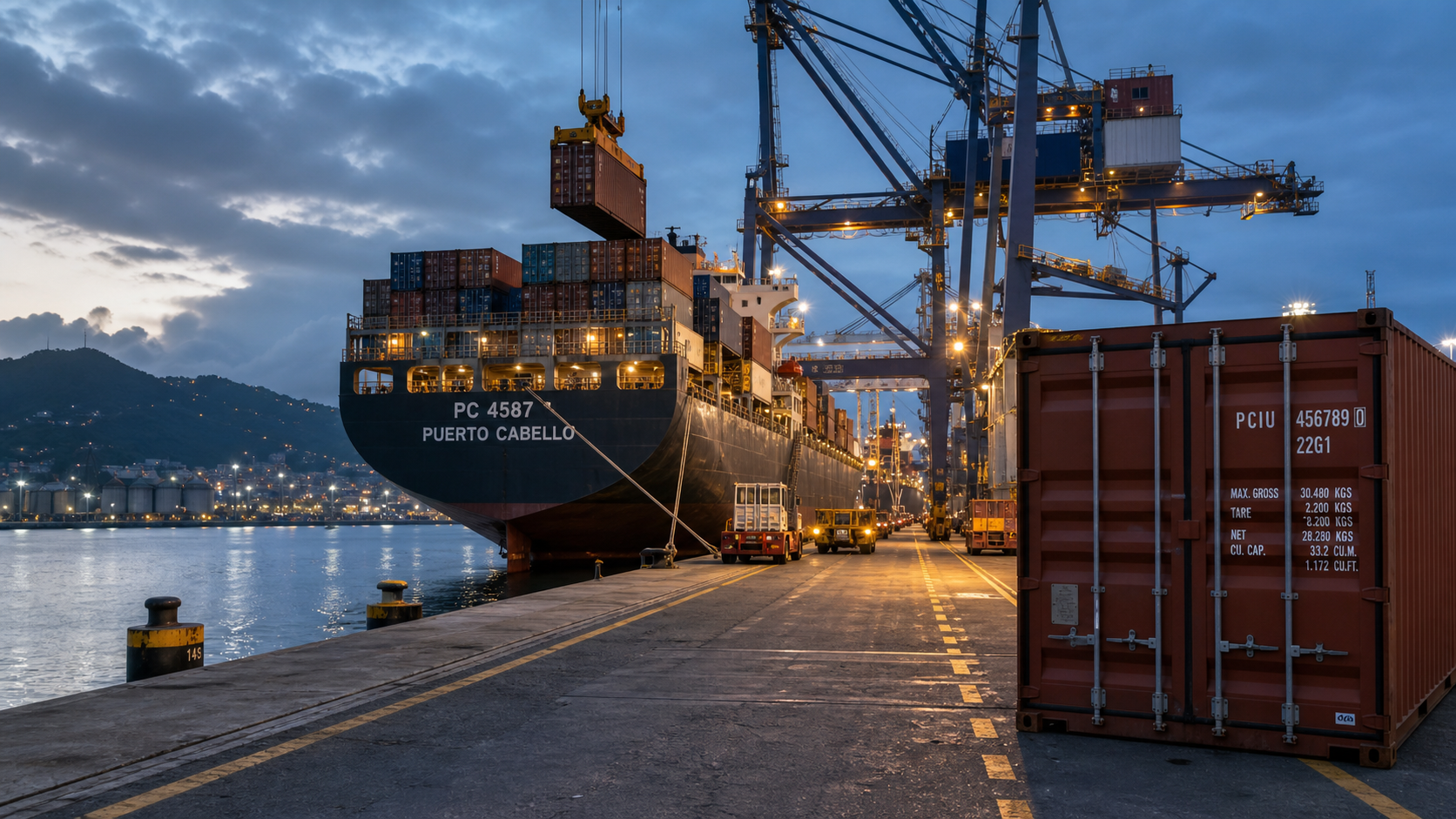
Most beverage imports move through Puerto Cabello (the country’s largest container port) and La Guaira (near Caracas). Some flows use Maracaibo for western access. Capacity, inspection intensity, and equipment availability can shift—work closely with your forwarder on vessel schedules, free-time, and grounding/handling fees.
- Use robust cartons, corner protection, and shrink-wrap to tolerate humidity.
- Print or sticker Spanish carton-side markings with product name, lot, and date codes.
- Provide a sample carton at door for inspections without breaking pallets.
Taxes and duties snapshot for beverages
Fiscal settings can change, but importers should plan for these pillars:
- Customs duty: Set by HS code under SENIAT. Rates vary by product and are assessed on customs value (e.g., CIF). Confirm your line items with your broker.
- VAT (IVA): The standard VAT rate has been 16% and generally applies to imports. Confirm current rate before filing; exemptions and special cases may apply.
- Excise/other taxes: Alcoholic beverages face additional regimes distinct from non-alcoholic drinks. Municipal or port service fees may also apply.
Always have a written duty/VAT estimate from your broker prior to shipment to avoid storage charges while funding is arranged.
Common pitfalls and how to avoid them
Venezuela’s beverage import landscape changes quickly. These recurring issues delay or derail clearance:
- Label gaps: Missing Spanish, net content in mL/L, or importer RIF will trigger rework.
- Outdated circulars: Teams use last year’s checklists. Ask your broker for the latest SENCAMER and INHRR notes each shipment.
- Unclear HS code: Misclassification drives wrong permits and duty rates. Pre-classify and get broker sign-off.
- Weak carton markings: Faint lot/date codes cause batch ambiguity during inspections.
- Sanitary registration timing: Shipping before INHRR paperwork is set can strand containers.
- Port choice: Picking a congested gate without adequate free-time leads to demurrage.
For beverage brands and importers
Build Venezuela-specific readiness into your product brief: Spanish artwork and over-sticker plan, local importer RIF, INHRR registration where required, and port selection with buffer for inspections. Align claims and ingredient disclosures to Venezuelan expectations to minimize repackaging.
If you are still assessing demand or channel fit, start with this market primer: Venezuela market overview. Validate HS codes and labeling early to avoid surprises during customs filing.
FAQ
Do I need a local importer of record to bring drinks into Venezuela?
Yes. A Venezuelan entity with a valid RIF and access to SENIAT systems must act as importer of record. Foreign suppliers typically work with a local distributor or a customs broker-attached import entity.
Can labels be only in English if I add a leaflet?
No. Labels must be in Spanish. You may use compliant Spanish over-stickers applied before customs inspection if primary packaging is not localized, provided all mandatory fields are present and legible.
Which ports are most suitable for beverages?
Puerto Cabello and La Guaira handle the bulk of beverage imports. Choice depends on lane reliability, equipment, and broker coverage. Maracaibo can serve western destinations.
What taxes should I budget beyond customs duty?
Most beverage imports face VAT (IVA), which has been 16%, plus any excise applicable to alcoholic products and port service fees. Confirm current rates and exemptions with your broker before shipment.
Sources
- Servicio Autónomo Nacional de Normalización, Calidad, Metrología y Reglamentos Técnicos (SENCAMER) — official standards and technical regulations.
- Instituto Nacional de Higiene “Rafael Rangel” (INHRR), under the Ministry of Health — sanitary registration for foods & beverages.
- Servicio Nacional Integrado de Administración Aduanera y Tributaria (SENIAT) — customs and tax authority.
- Bolivariana de Puertos (Bolipuertos) — information on ports such as Puerto Cabello and La Guaira.