


 Français
 Español
 العربية
 한국어
한국어To import beverages into South Africa, register with SARS Customs, confirm food compliance under the Department of Health and NRCS, and prepare border documents. Expect 15% VAT at import, product-specific duties, and Port Health checks at Durban or Cape Town before release.
This guide explains the end-to-end process, who regulates what, which products may need import permits, how to label correctly, and how to plan logistics and timelines—so your consignment clears Port Health and Customs smoothly.
Step-by-step: How to import beverages into South Africa
- Define your product and HS code. Pin down the exact beverage type (e.g., 100% juice, nectar, energy drink, RTD tea, plant-based drink) and assign the correct HS code. HS determines duty, documentation, and if any special controls apply.
- Confirm regulator scope and mandatory controls. In South Africa, non-alcoholic beverage safety and labelling are overseen primarily by the Department of Health (including Port Health at points of entry). Certain products may also fall under the National Regulator for Compulsory Specifications (NRCS) where compulsory specifications exist. Verify applicability early and keep written confirmations.
- Check if an import permit is required. Not all beverages need a permit. However, products containing animal-origin ingredients (e.g., dairy-based drinks), novel ingredients, or restricted additives may require import permits or prior authorisations from the relevant authority. Plan extra lead time if permits are needed.
- Assess formulation and additive compliance. Ensure your recipe, additives, and sweeteners are permitted for the intended category in South Africa. Keep a complete ingredient list in descending order and a specification pack on file (spec sheet, Certificate of Analysis, allergen statement).
- Prepare compliant labelling. Labels should meet South African food labelling rules, including product name, ingredients, allergens, net quantity, date marking, storage, manufacturer/importer details, and nutrition (where required). Use clear English on-pack. Avoid unsupported nutrient or marketing claims.
- Plan for the Health Promotion Levy and excise where applicable. Beverages with added sugar may be subject to a Health Promotion Levy (scope depends on sugar content and category). Alcoholic beverages face excise duty. Model the financial impact alongside customs duty and VAT.
- Register as an importer with SARS Customs. Obtain your importer registration and any required codes on SARS systems before shipping. Decide whether you will self-clear or appoint a licensed customs broker.
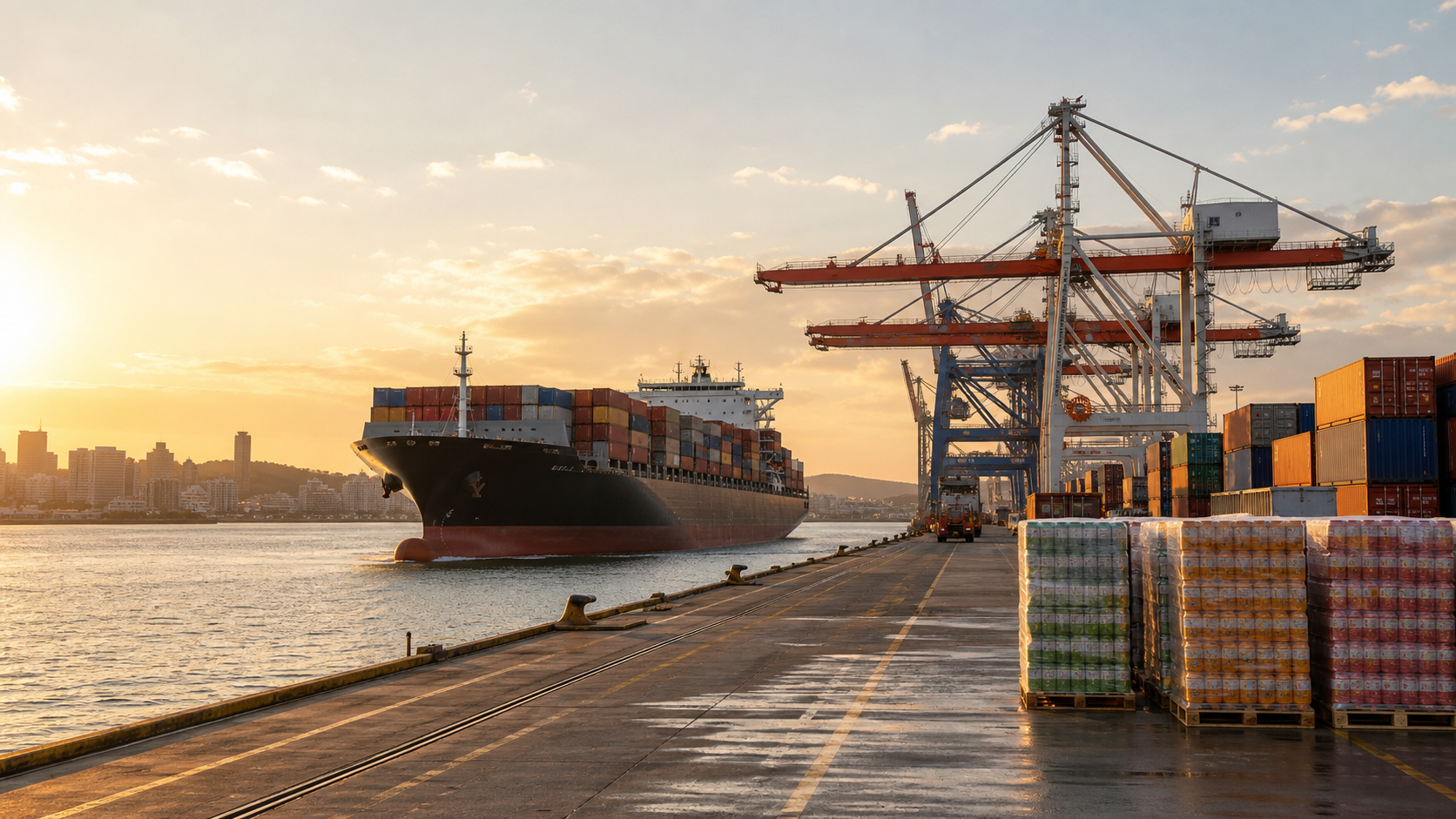
- Select route, port, and Incoterms. Main entry points include the Port of Durban (largest container gateway), Port of Cape Town, and OR Tambo International Airport for urgent air freight. Align Incoterms with your risk appetite and insurance strategy.
- Prepare shipping and border documents. Typical sets include commercial invoice, packing list, bill of lading/air waybill, country-of-origin certificate (if preferential duty could apply), any import permit, product specs, and health or free-sale certificates where relevant to the ingredient profile.
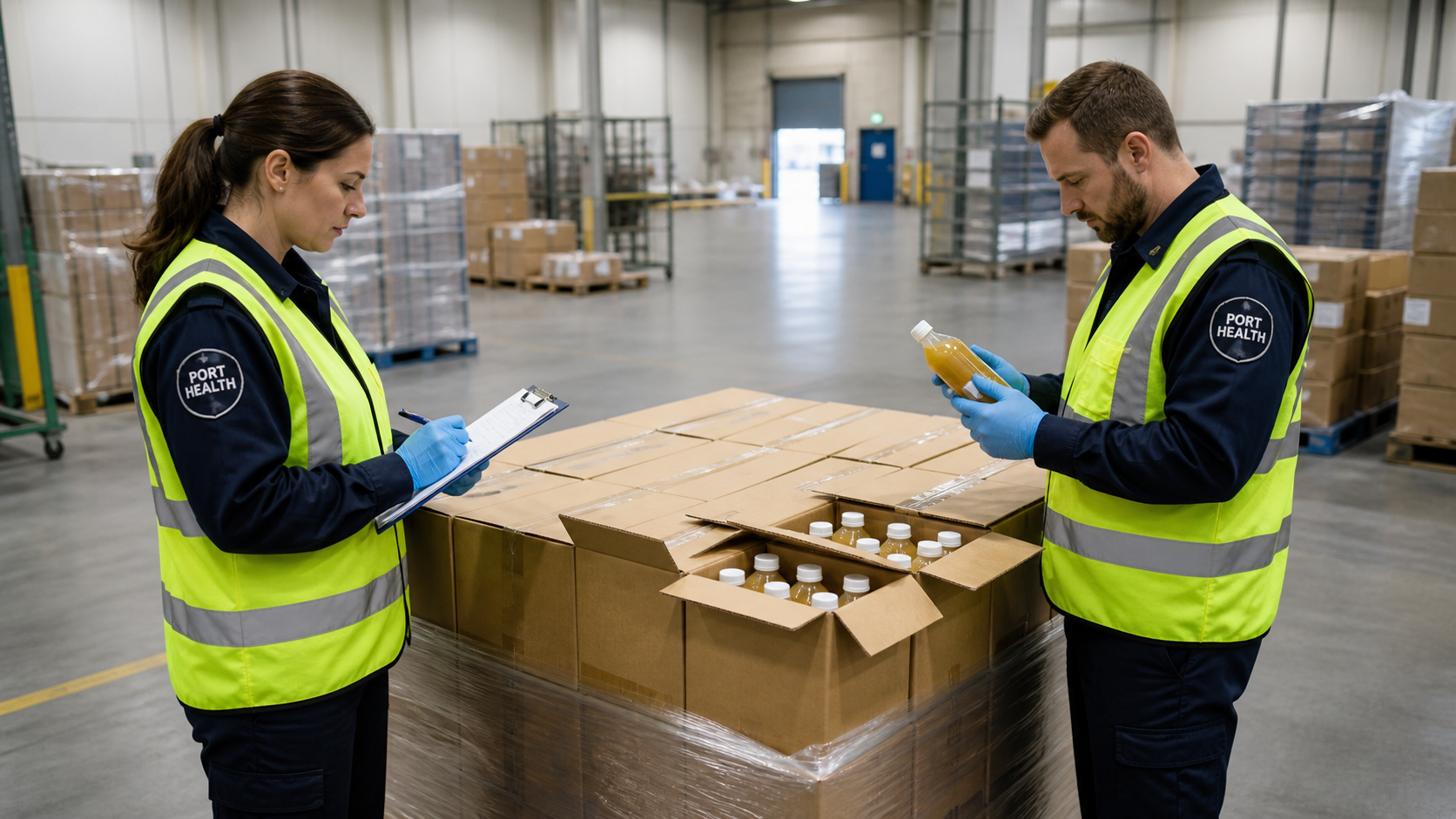
- Pre-alert Port Health and your broker. Share document packs in advance. Port Health can conduct documentary checks and physical inspections or sampling on arrival. Respond quickly to information requests to avoid quay rent and storage charges.
- Customs declaration and payment. Your broker lodges the customs entry using the correct HS code, applies duty rates, calculates 15% VAT where applicable, and handles levy/excise if in scope. Keep proof of payment and release notices.
- Port Health clearance and release. After Customs and Port Health clear the consignment, arrange transport to your warehouse. Keep retention samples, batch records, and traceability documents on file in case of post-clearance audits.
- Post-market compliance. Monitor complaints, shelf-life performance, and any label or formulation updates. Maintain records for inspections and keep supplier declarations current.
The Department of Health (including Port Health) and the NRCS are the core bodies cited for oversight, with SARS Customs administering tariffs, VAT and border processes. Depending on composition, other authorities can be involved for permits or certificates. Always verify agency scope against your exact HS code and formulation.
What documents should be ready before you ship?
At minimum, align your invoice, packing list, bill of lading/air waybill, and HS classification. For beverages, also prepare:
- Full ingredient specification and allergen statement.
- Certificate of Analysis (recent, batch or lot-based where possible).
- Manufacturer’s free-sale or sanitary declarations (if requested for your category).
- Import permit or prior authorisation (only where applicable).
- Label proofs compliant with South African rules.
If your brand strategy involves category innovation, timing with compliance is critical. For broader category context, see our South Africa market overview.
What labelling and composition rules apply?
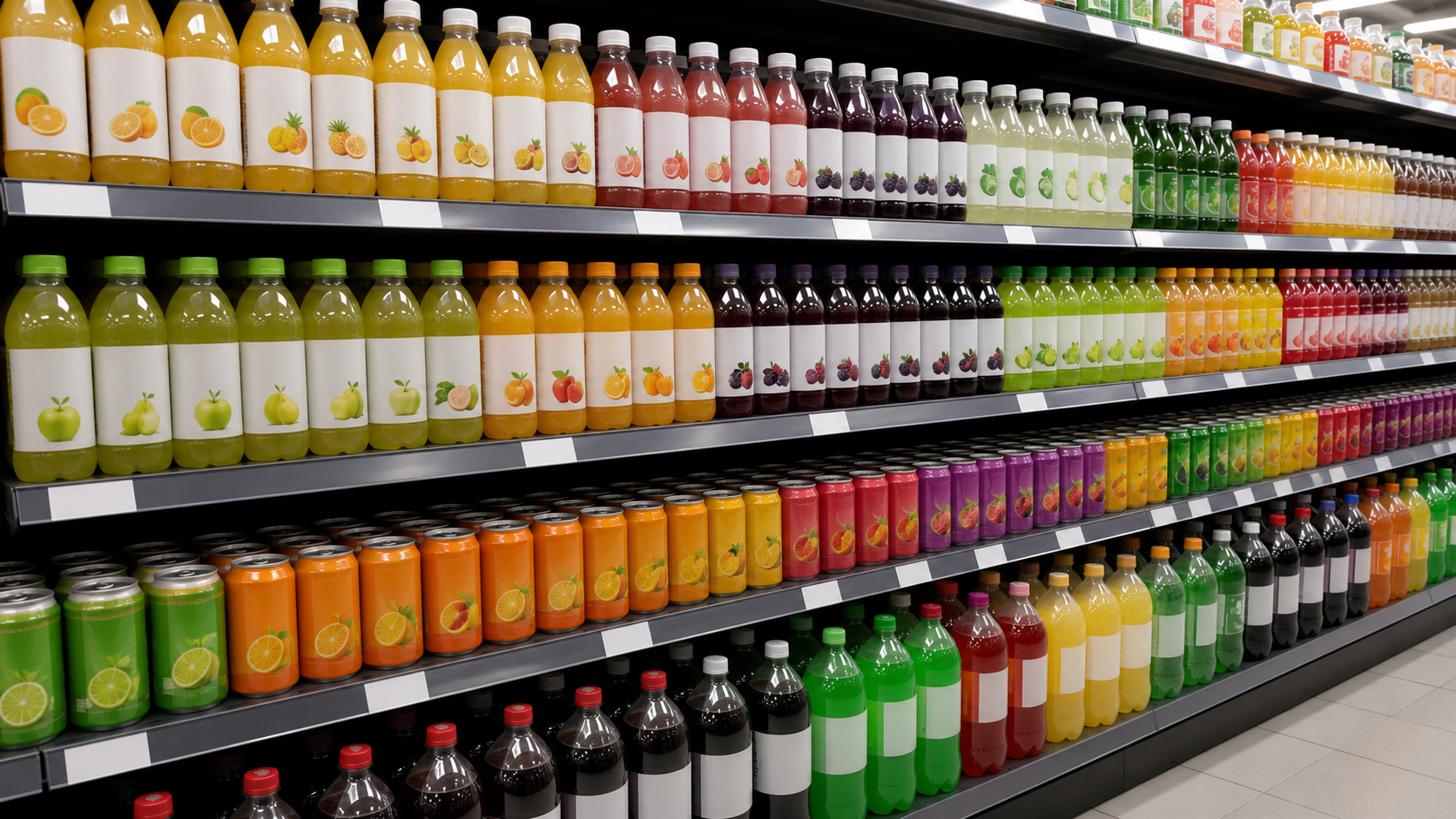
Labels must clearly state the product name, ingredient list in descending order, allergen declarations, batch/date coding, storage, and net content using legal units. English must be present. Nutrition information is required for certain claims and categories. Only make claims that the formulation can substantiate and that local rules permit.
Positioning and category examples
| Category | Typical characteristics | Positioning & notes |
|---|---|---|
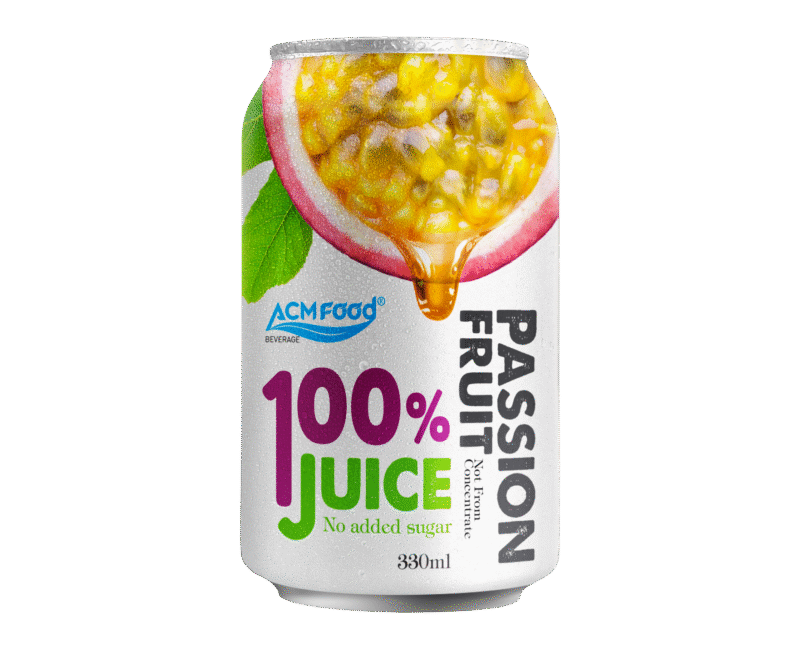
| 100% juice | No added sugar or sweeteners; fruit-derived | Ensure naming reflects fruit content; claims must match composition |
| Nectar | Fruit juice/puree plus water; may include sweeteners | Declare fruit content; sweetener rules and declarations apply |
| Juice drink / soft drink | Lower juice content; often sweetened or flavored | Check additive permissions and Health Promotion Levy scope |
| RTD tea/coffee | Infusions with sugar or sweeteners | Mind caffeine disclosure norms and sweetener statements |
| Plant-based & dairy-style | Oat, almond, soy, or dairy-containing drinks | Animal-origin ingredients can trigger permits or certificates |
Do you need an import permit for your drink?
Not always. Some product groups require import permits or prior approvals—commonly those with animal-origin ingredients, restricted additives, or novel components. Verify permit needs early and budget extra time for the authorisation process. Your customs broker can help confirm based on HS code and formulation.
Duties, VAT and levies when importing beverages
VAT at 15% is generally charged at import. Customs duties vary by HS code and trade preference eligibility. Beyond duty and VAT, some sweetened beverages can incur the Health Promotion Levy, and alcoholic beverages face excise. Build a landed-cost model that includes port charges, storage, brokerage, inland haulage, and contingencies.
Ports, routing and lead times to South Africa
The Port of Durban is the primary container gateway, complemented by the Port of Cape Town and OR Tambo International Airport for airfreight. Plan buffers for Port Health inspections, seasonal congestion, and potential sampling. Align service levels (FCL/LCL/air) with shelf-life and promotional calendars.
Common pitfalls and how to avoid them
- Incorrect HS code leading to duty or permit issues—validate classification with your broker.
- Labels not compliant (missing allergens or importer details)—run a pre-shipment label review.
- Incomplete Port Health pack—include specs, CoA, and permits where applicable.
- Underestimating levies—model Health Promotion Levy and excise where in scope.
- Weak shelf-life planning—match transit plus clearance time to residual shelf-life.
Information for beverage brands and importers
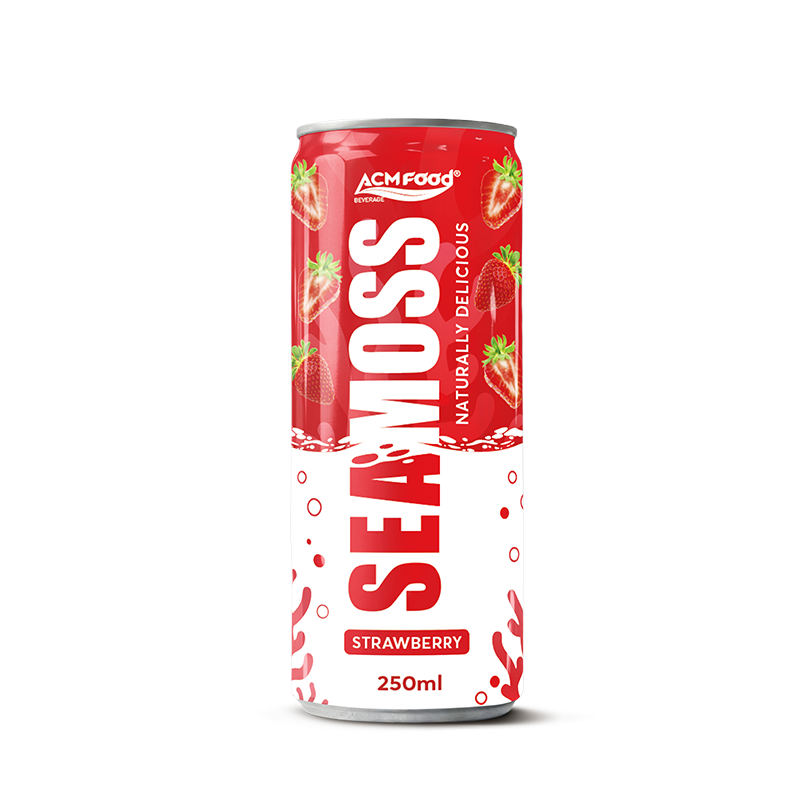
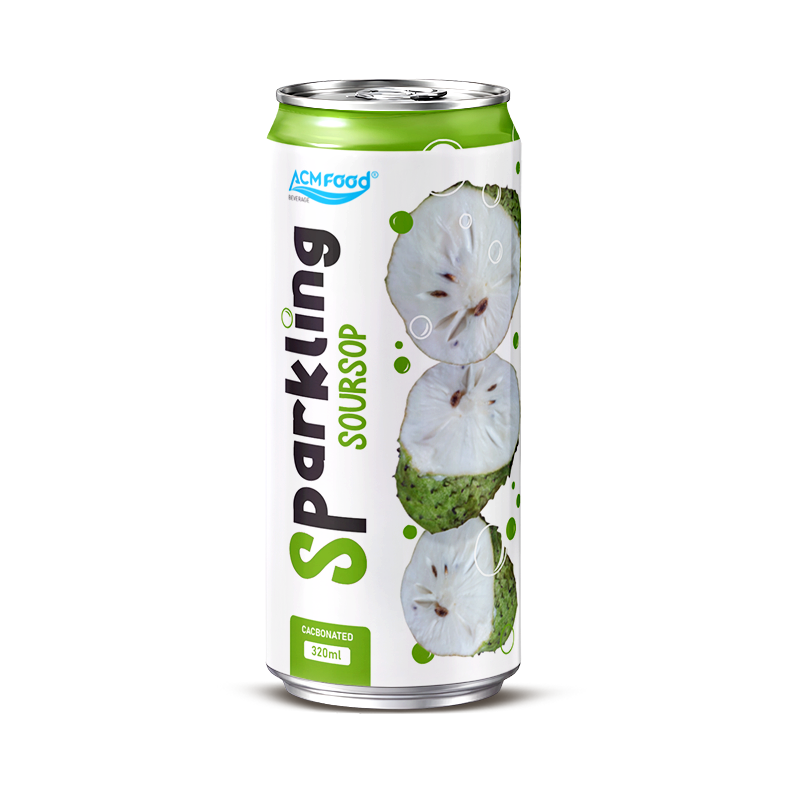
South Africa rewards clear positioning and disciplined compliance. Validate your product brief (target Brix, acidity, flavor profile, pack size) and confirm the supply plan that can scale. For category exploration, see sparkling coconut water trends and innovation angles in sea moss beverage opportunities. If you plan to build a portfolio, consider custom hibiscus beverages and pomegranate juice OEM insights to diversify risk and seasonality.
How long does it take to import beverages into South Africa?
Lead time depends on origin, mode, and inspections. Ocean freight into Durban or Cape Town plus clearance can range from a few weeks to longer during peak seasons. Add time for any permit processing and Port Health sampling. Airfreight shortens transit but not document reviews.
FAQ
Frequently asked questions
Do small trial shipments face the same rules?
Yes. Even samples for market testing must meet food safety and labelling rules, be correctly declared, and clear Port Health and Customs. Only the commercial value may differ for duty/VAT calculations.
Are English-only labels acceptable?
English is widely accepted and should appear on-pack. Ensure all mandatory particulars are present and legible. If you add other languages, the English version should still meet local requirements.
Can I relabel in a bonded facility after arrival?
Relabelling options depend on your logistics setup and approvals. Many importers apply compliant labels before shipment to reduce delays. Discuss any in-country relabelling plan with your broker in advance.
Will Port Health always open cartons?
Not always. Port Health uses risk-based checks. Be prepared for documentary reviews, inspections, or sampling when warranted. Good documentation can reduce handling time.
What if my beverage uses a novel ingredient?
Engage early with authorities through your regulatory consultant or broker. You may need additional data, safety dossiers, or prior authorisation before import.
Conclusion
To import beverages into South Africa successfully, align HS classification, confirm regulator scope with the Department of Health and NRCS, prepare compliant labels, and plan for 15% VAT, duties, and potential levies. Choose appropriate ports and build time for Port Health. A disciplined document pack and realistic timelines are the best insurance for smooth clearance.
Sources
Official authorities to consult for the latest rules and procedures: Department of Health (including Port Health), National Regulator for Compulsory Specifications (NRCS), South African Revenue Service (SARS Customs), and other competent authorities where applicable.