


 Français
 Español
 العربية
 한국어
한국어To import beverages into Chile, align with the Ministry of Health’s food rules (Decreto Supremo 977/96), prepare for Chile’s black octagon front-of-pack warnings under Law 20.606, clear customs with the National Customs Service, and budget for 19% VAT. SEREMI de Salud (regional health authorities) oversee labeling and sanitary controls at entry and in market.
This step-by-step guide focuses on practical compliance, from formula checks and Spanish labels to port logistics and post-clearance inspections. You’ll find a structured process, Chile-specific checkpoints, and pointers to plan reformulation, documentation, and shipments efficiently.

What makes Chile’s beverage imports unique?
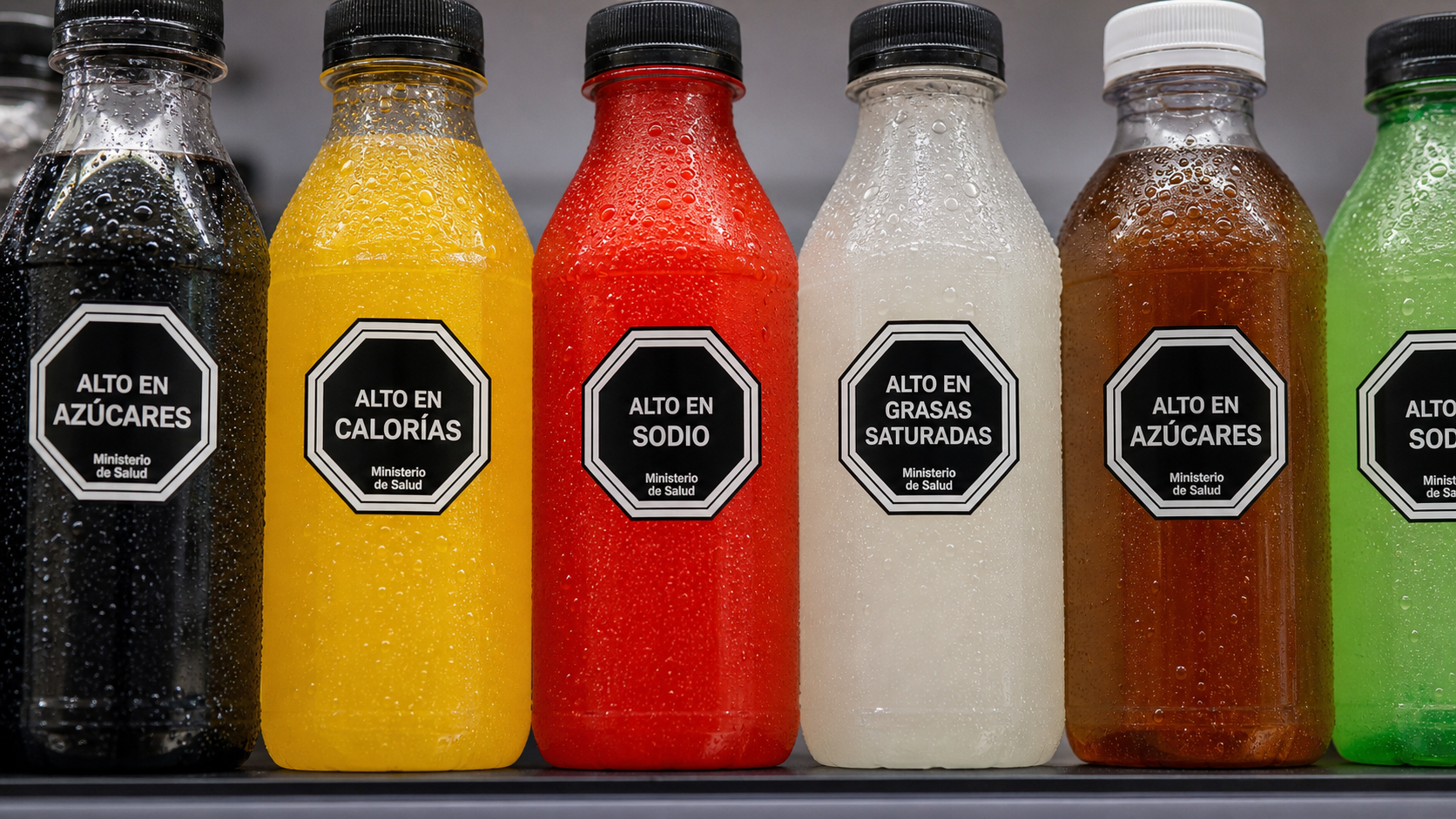
Chile was the first country to require black octagon front-of-pack warning labels (Law 20.606), enforced by the Ministry of Health (Ministerio de Salud) through SEREMI de Salud. For beverage brands, this means early nutrition threshold assessment and Spanish label adaptation are non‑negotiable, alongside compliance with the Reglamento Sanitario de los Alimentos (RSA), DS 977/96.
For a regional overview of designs, thresholds and enforcement approaches, see the dedicated explainer on front‑of‑pack warning labels in Latin America. This article stays focused on Chile’s import process.
How do you import beverages into Chile step by step?
Follow a clear sequence: confirm scope and HS code, assess RSA composition and Law 20.606 warnings, adapt Spanish artwork, prepare sanitary paperwork, choose port and forwarder, and clear customs with the Declaración de Ingreso under Servicio Nacional de Aduanas. SEREMI de Salud may inspect and sample at entry or post‑market.
- Define product scope & HS classification. Confirm whether your drink is non‑alcoholic, alcoholic, juice/nectar, energy drink, dairy/plant-based, or functional. Correct HS classification drives duties, documents, and controls. When in doubt, consult a Chilean customs broker and refer to Servicio Nacional de Aduanas guidance.
- Check market access, taxes, and trade preferences. Many origins benefit from FTAs; tariffs vary by HS code and origin rules. Plan for 19% VAT (IVA) on dutiable value. If you need to optimize volumes, align procurement and launch timing with your production plan and plan realistic minimum order quantities.
- Review formulation against Chile’s RSA (DS 977/96). The Reglamento Sanitario de los Alimentos sets rules for additives, sweeteners, contaminants, and microbiological standards. Check that your ingredient list, preservatives, colorants, and caffeine/taurine (if any) are permitted within Chilean limits. Keep specifications and certificates of analysis ready.
- Assess Law 20.606 warning triggers early. Chile’s black octagons warn when set nutrient thresholds (e.g., sugars, calories, sodium) are exceeded for the product category. Run an internal assessment of your recipe and serving size to determine potential warnings. If you wish to reduce or avoid icons, consider OEM beverage manufacturing support for sugar reduction, sweetener systems, and pack sizing.
- Build Spanish artwork & mandatory statements. Labels must be in Spanish and generally include: product name; ingredients (descending); allergens where applicable; net content (metric); country of origin; manufacturer; Chilean importer name/address; lot code; date marking; storage/usage instructions; nutrition panel; and applicable octógonos de advertencia from Law 20.606. Reserve space for potential re-stickers if any element must be localized upon arrival.
- Line up your Chilean importer of record (IOR). Foreign sellers typically ship to a Chilean importer who files the customs entry and coordinates health controls with SEREMI de Salud. Confirm responsibilities for duties, VAT, sampling fees, re-labeling, and corrective actions in your commercial terms.
- Compile core documents. Expect a commercial invoice, packing list, bill of lading/air waybill, certificate of origin (if claiming FTA), product specifications, certificates of analysis, and a certificate of free sale where available. If your product contains animal or plant derivatives, the Servicio Agrícola y Ganadero (SAG) may request sanitary documentation. Align your dossier with your food safety certifications (e.g., HACCP, ISO 22000) to assist risk assessment.
- Pre-coordinate sanitary inspection points. SEREMI de Salud may inspect at the port, bonded warehouse, or importer premises. Clarify whether sampling is likely and how non-compliant lots will be handled. Keep retain samples and original labels accessible for quick verification.
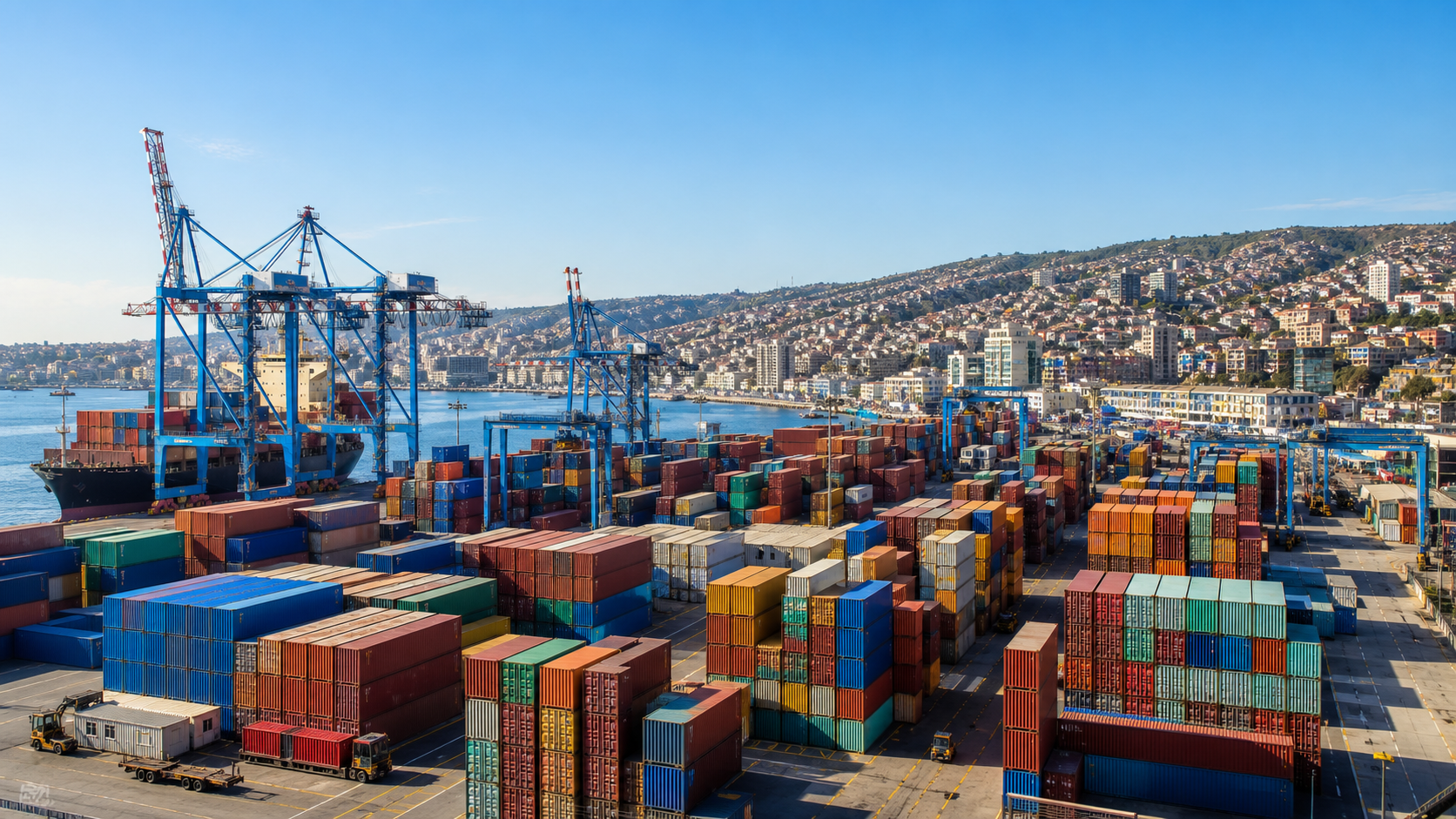
- Plan routing and temperature control. Most beverage imports move via Port of Valparaíso or Port of San Antonio. Choose services that fit your transit time and cold-chain needs. Sync arrival with your customs broker and logistics provider; coordinate drayage, bonded storage, and last-mile delivery with robust export & logistics planning.
- File customs entry with Servicio Nacional de Aduanas. Your broker typically submits the Declaración de Ingreso (DI) with supporting documents, declares customs value, applies any FTA preferences, and pays duties and VAT. Keep payment proofs and release notices on file for audits.
- Complete labeling before first sale. If your master cartons or retail units need Spanish add-on stickers, complete them under customs/health authority supervision where required. SEREMI de Salud can verify that Law 20.606 warnings, nutrition data, and mandatory particulars match the actual composition and package.
- Launch & remain compliant in market. After release, Chile enforces advertising and marketing restrictions tied to Law 20.606 (e.g., limitations when warnings apply). Retain all batch records, maintain traceability, and monitor any regulatory updates from Ministerio de Salud, SEREMI de Salud, and Aduanas.
Labeling essentials for Chile
Chile requires Spanish labeling consistent with RSA (DS 977/96) and, where applicable, front-of-pack black octagon warnings from Law 20.606. Build artwork with space for icons and ensure your nutrition panel aligns with declared composition and serving size.
- Language: Spanish for all mandatory information.
- Identity: Legal product name; for juices/nectars define percent juice where relevant.
- Ingredients: Descending order; additives named per Chilean nomenclature; allergens declared when applicable.
- Net content: Metric units; placement visible on principal display panel.
- Origin & business operators: Country of origin; manufacturer; Chilean importer name and address.
- Lot & date: Lot identification; date marking (format acceptable locally); storage/use conditions.
- Nutrition labeling: Follows Chilean format; keep lab and artwork data aligned.
- Warning icons: Apply black octagons if thresholds are exceeded; see front-of-pack warning labels in Latin America for system context.
Chile beverage categories and regulatory checkpoints
Different beverage types face different focal checks under RSA and Law 20.606. Use this qualitative guide to plan documentation and artwork reviews.
| Beverage type | Key Chile checkpoints | Likely label triggers |
|---|---|---|
| Juices, nectars, still drinks | RSA compositional definitions; permitted additives; microbiology; fruit content declarations | Octagons if sugars/calories exceed thresholds; declare juice percentage |
| Carbonated soft drinks | Sweeteners and colorants permitted lists; CO₂ levels; container pressure safety | Sugar/calorie octagons common; caffeine statement if applicable |
| Energy drinks | Caffeine/taurine limits; advisories and marketing restrictions | Calorie/sugar octagons; usage advisories as required |
| Dairy or plant-based | Allergen declaration; protein/fat/salt specs; cold-chain where relevant | Octagons for sodium/calories; allergen statements |
| Alcoholic beverages | Alcohol content declaration; age-restricted marketing; separate excise rules | Alcohol warnings per local rules; not subject to nutrition octagons in the same way |
Document checklist for importing drinks into Chile
Prepare a dossier that supports customs valuation, market access, and sanitary compliance. Keep digital and hard copies synchronized.
- Commercial invoice with Incoterms, currency, and HS code reference
- Packing list with carton counts, net/gross weights, pallet configuration
- Bill of lading or air waybill
- Certificate of origin (if using an FTA)
- Product specifications and full ingredient list (Spanish/English)
- Certificates of analysis (microbiology, key nutrients where relevant)
- Certificate of free sale (if available from country of manufacture)
- Food safety program evidence aligned with food safety certifications
- Label artwork (final Spanish) showing Law 20.606 icons if required
- Importer power of attorney and broker appointment
Timelines and costs: what to expect
Lead times hinge on label readiness, documentary completeness, shipping schedules to Valparaíso or San Antonio, and any SEREMI sampling. Avoid last-minute artwork changes and plan sufficient buffer for inspections. Costs typically bundle freight, insurance, brokerage, port fees, duties (when applicable), and 19% VAT, plus any re-labeling and sampling charges.
Common pitfalls and how to avoid them
- Late discovery of octagon warnings: Run a formula/serving size assessment before printing. If needed, explore reformulation or pack-size strategies via OEM beverage manufacturing.
- Spanish label gaps: Validate importer details, net content, date format, and nutrition panel alignment. Keep space for icons and stickers if unavoidable.
- FTA documentation errors: Ensure certificate of origin accuracy and consistency with invoice, packing list, and HS code.
- Cold-chain or shelf-stability misses: Specify temperature needs in contracts and verify reefer settings and data loggers where required.
- Unclear division of responsibilities: Define who handles DI filing, duties/VAT, relabeling, sampling, corrective actions, and post-market surveillance.
Information for beverage brands and import partners
Chile’s first-in-world Law 20.606 means recipe and pack choices affect portfolio viability. Consider sugar reduction, flavor rebalancing, and pack size to manage warnings without compromising taste. Lock your Spanish artwork early, aligned to RSA (DS 977/96) and importer details.
- Map your Chile launch plan against production and minimum order quantity strategy to avoid excess pre-printed labels.
- Align shipping calendars and inland haulage with your export & logistics plan for Valparaíso and San Antonio gateways.
- Maintain a clean quality file referencing your food safety certifications to speed audits and buyer onboarding.
- If you need formulation or private-label support, explore OEM beverage manufacturing options suitable for Chile’s rules.
Ready to scope a Chile project or request indicative timelines? Share your brief and request a quote.
FAQ
Do I need a local importer to place beverages on the Chilean market?
Yes. A Chile-based importer of record usually files the customs entry with Servicio Nacional de Aduanas and coordinates SEREMI de Salud controls. Define roles in your commercial agreement.
Can I apply Spanish stickers in a bonded area before sale?
Often possible under supervision, but approach varies. Coordinate with your broker and SEREMI de Salud in advance to confirm where and how re-sticker operations can occur.
Which ports handle most beverage cargo?
Most containerized beverage shipments move through the Port of Valparaíso and the Port of San Antonio, Chile’s principal central-coast gateways.
Is there a central pre-market registration for standard soft drinks?
There is no universal pre-market registration for all non-alcoholic drinks. However, formulation and labels must comply with RSA (DS 977/96) and Law 20.606, and SEREMI de Salud can inspect and sample.
Sources
- Ministerio de Salud (MINSAL): https://www.minsal.cl/
- Servicio Nacional de Aduanas (Customs): https://www.aduana.cl/
- Servicio Agrícola y Ganadero (SAG): https://www.sag.gob.cl/
- Ley 20.606 (Biblioteca del Congreso Nacional): https://www.bcn.cl/leychile/navegar?idNorma=1041570
Regulations may update; consult your importer, broker, and the authorities above for current requirements.
Request a quote