



 Français
 Español
 العربية
 한국어
한국어To import beverages into Iceland, align with EU-derived food rules via the EEA agreement (in force since 1994), then clear Iceland’s own customs. Because Iceland is not in the EU customs union, you must complete local declarations, meet Matvælastofnun (MAST) food controls, and comply with the national deposit-return system for beverage containers.
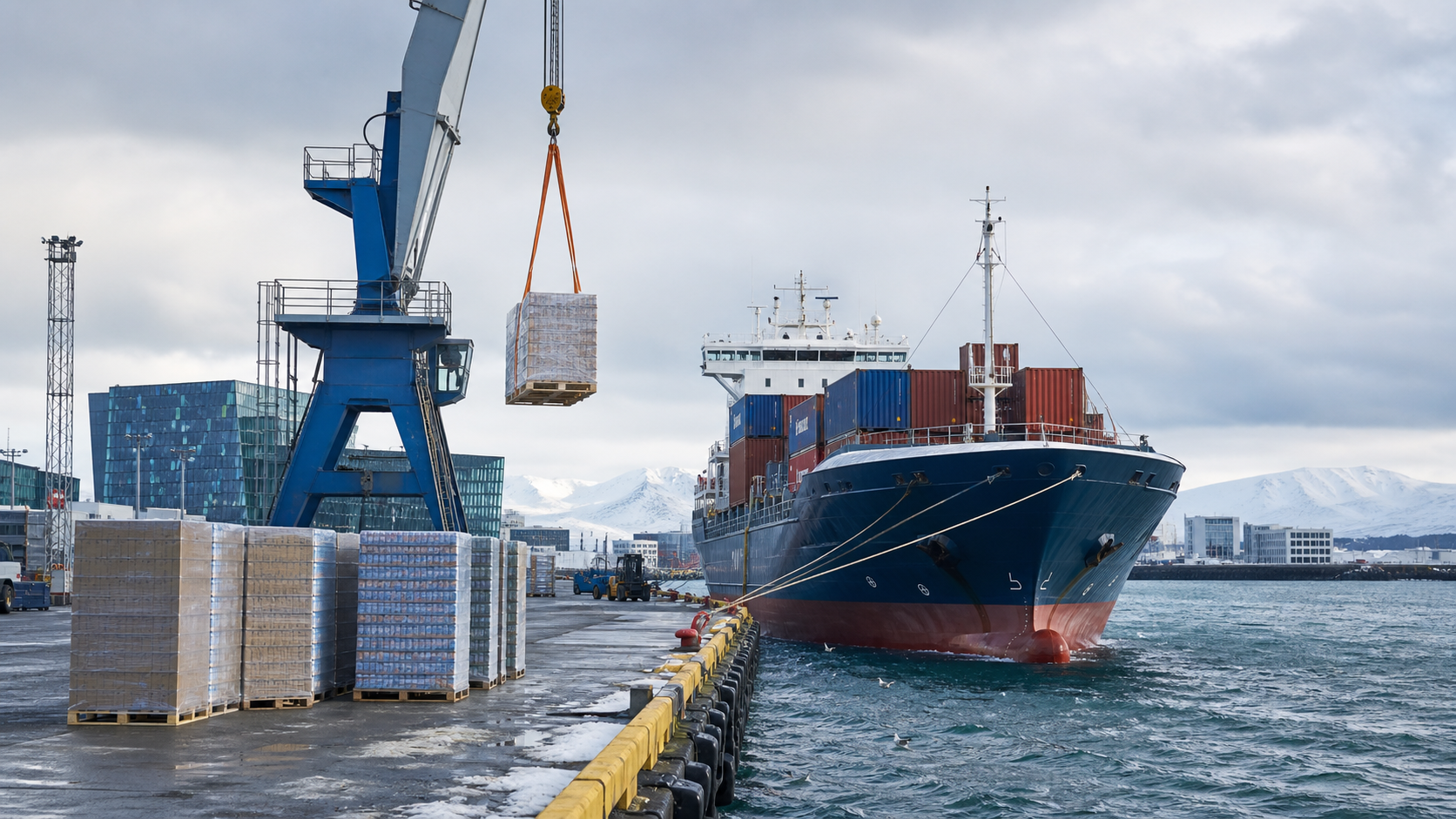
This guide focuses on the Iceland-specific steps that real importers follow, from choosing an entry port such as Sundahöfn in Reykjavík to filing customs with Tollurinn (Iceland Revenue and Customs), organizing border checks with MAST, and handling deposit obligations for PET, aluminum, or glass containers.
What makes Iceland different when you import beverages into Iceland?
Iceland applies much of the EU food rulebook through the European Economic Area (EEA), yet it remains outside the EU customs union. In practice, that means your product must meet EU-aligned food safety and labelling standards, but still undergo Icelandic customs procedures and local obligations such as the country’s long-running deposit-return scheme.
Three country-specific points shape your plan: MAST is the competent authority for food imports; customs formalities occur with Iceland Revenue and Customs (Tollurinn) rather than an EU customs office; and beverage containers fall under Iceland’s deposit-return and packaging regimes that are enforced domestically.
These bodies frame approval, border checks, and post-market duties for beverages destined for Iceland:
| Authority / Body | Role in beverage imports | Positioning & notes |
|---|---|---|
| Matvælastofnun (MAST) | Food safety authority for import controls, documentation checks, and possible sampling at the border. | Confirm registration/notification requirements before first import; animal-origin beverages may require extra sanitary steps. |
| Iceland Revenue and Customs (Tollurinn) | Customs declarations, tariff classification, duties, VAT and release of goods. | Because Iceland is outside the EU customs union, declarations are made with Tollurinn for each shipment. |
| Environment Agency of Iceland | Supervises packaging waste obligations, reporting and environmental compliance frameworks. | Coordinate producer responsibility for beverage packaging where applicable. |
| National deposit-return system | Deposit & take-back obligations for eligible beverage containers (e.g., PET, cans, certain glass). | Importers typically register, label appropriately, and report volumes into the system. |
| Port of Reykjavík (Sundahöfn) | Primary container harbor handling sea-freight beverage imports. | Popular for FCL/LCL arrivals; coordinate with your forwarder and local customs broker. |
| Keflavík International Airport | Air cargo gateway for urgent or high-value beverage shipments. | Useful for chilled samples or small consignments under tight timelines. |
Step-by-step: How to import beverages into Iceland
Use these practical steps to move from product scoping to post-market compliance. Adjust details based on your product type and buyer requirements.
- Confirm product scope & HS classification. Define your beverage (e.g., 100% juice, nectar, soft drink, plant-based, dairy-based, or alcoholic) and determine the correct HS code. Classification drives duties, potential excise, and documentation at Tollurinn.
- Map EU-aligned food & labelling rules via the EEA. Iceland mirrors much of the EU food framework through the EEA. For the shared, cross-market layer, consult the hub article on EU beverage labelling & import rules and then verify any Iceland-only additions with your importer.
- Plan Iceland-specific on-pack expectations. Consumer information must be understandable where the product is sold. Retailers in Iceland commonly expect Icelandic on-pack information or an approved sticker; confirm language, font legibility, and any recycling or deposit marks with your buyer and customs broker.
- Check MAST registration/notification needs. Before first import, importers typically register with or notify MAST, and certain categories (e.g., animal-origin dairy drinks) may trigger specific sanitary controls. If in doubt, your Iceland-based importer or broker can confirm the path with MAST.
- Set up your importer of record and customs access. Either appoint an Iceland-based importer of record or ensure your entity can interface with Tollurinn. Most first-time shippers engage an Icelandic customs broker to handle declarations, duty/VAT accounting, and any release queries.
- Align on deposit-return obligations. If your beverages are in single-use PET, can, or glass formats covered by Iceland’s deposit system, arrange registration, labelling/marking, barcode acceptance, and periodic reporting before shipping. Your local distributor typically manages deposits and reconciliations.
- Confirm packaging waste duties. Where producer responsibility applies, agree who (importer or distributor) will register, report volumes, and pay any environmental fees linked to beverage packaging placed on the Icelandic market.
- Choose your route and port of entry. For sea freight, Sundahöfn (Reykjavík) is a common container harbor; for urgent shipments, consider Keflavík International Airport. Coordinate booking, cut-offs, and arrival windows with your forwarder.
- Prepare a complete compliance document set. Typical packs include commercial invoice, packing list, bill of lading/air waybill, product specifications, ingredient list, allergen statement, shelf-life/lot coding, and where applicable veterinary or phytosanitary certificates. Keep digital copies ready for MAST or customs queries.
- Pre-notify where required and schedule inspections. For risk-based categories, your broker may need to pre-notify MAST. Be prepared for documentary checks, identity checks, or sampling at the border. Factor time for possible lab analysis when planning launches.
- File customs declarations with Tollurinn. Your broker submits data for tariff classification, duties, VAT, and any excise that may apply (e.g., certain alcoholic categories). Because Iceland is not in the EU customs union, every arrival needs its own domestic declaration.
- Clear goods and arrange delivery. Once released, move cargo to your warehouse or distributor under temperature controls suitable for the product (ambient, chilled, or frozen). Retain traces of lot codes and distribution records for recalls or audits.
- Complete deposit & packaging reporting. After placing units on the Icelandic market, reconcile deposit-return reporting and packaging volumes as per your internal split of responsibilities with the importer/distributor.
- Maintain ongoing compliance. Keep labels current, monitor regulatory updates, renew registrations if required, and document supplier changes. Periodic internal audits help avoid disruption during peak sales.
Customs and taxes outside the EU customs union
Because Iceland is not part of the EU customs union, imports require full domestic customs clearance with Tollurinn. Duties, VAT, and any applicable excises are assessed according to HS code, product composition, and origin. Your customs broker can advise on tariff treatment, valuation, and shipment structuring to avoid delays.
Commonly, importers plan a trial shipment first to validate classification, paperwork flow, and any MAST queries. For repeat routes, align a standing process with your broker to standardize data (invoice fields, weights, commodity descriptions) and reduce declaration errors.
Deposit-return and packaging obligations in Iceland
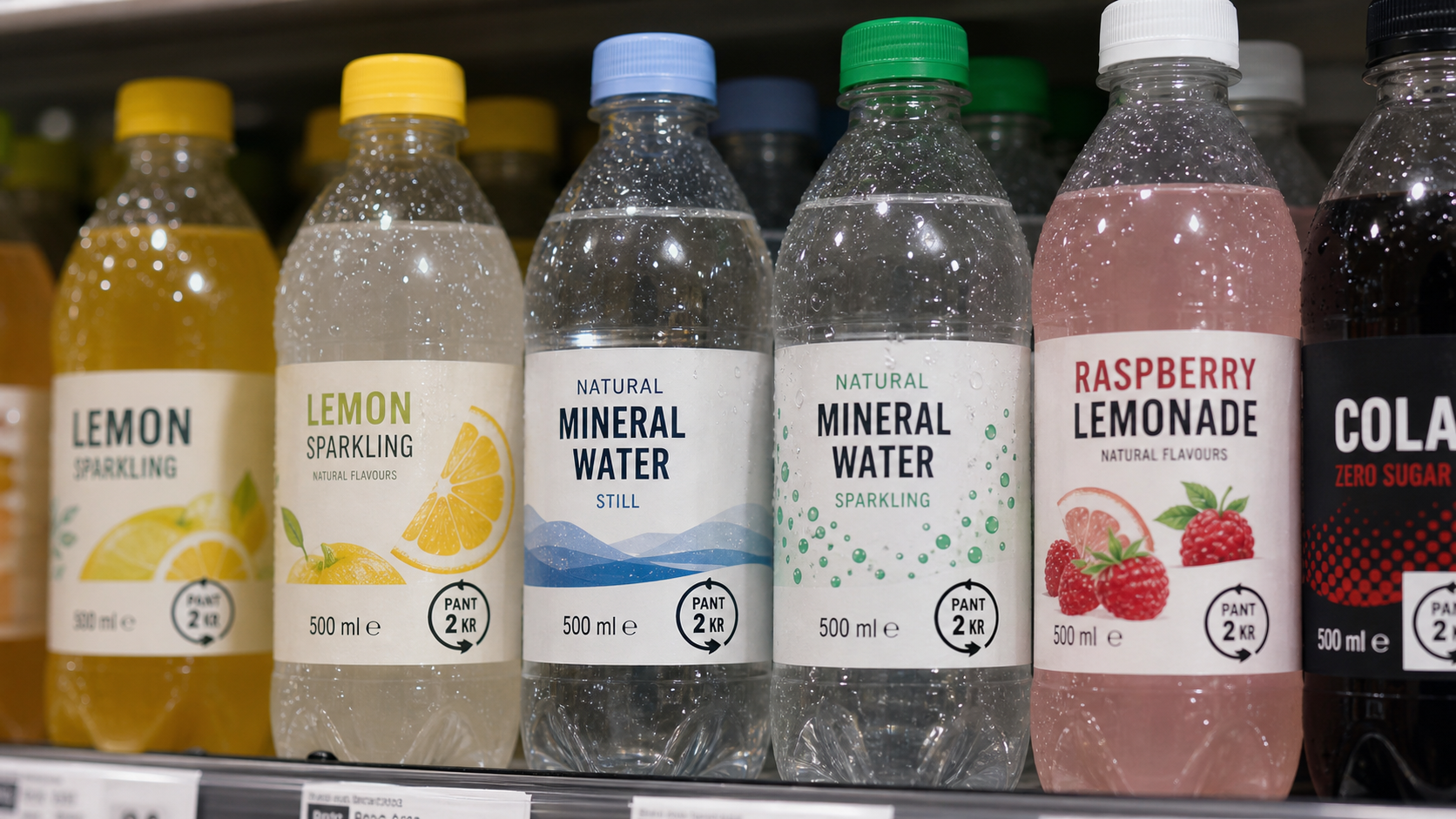
Iceland operates a mature deposit-return system for eligible single-use beverage containers. Importers or their local distributors typically take responsibility for registering container SKUs, marking packages so consumers recognize deposit eligibility, and reporting quarterly or monthly placed-on-market volumes.
- Scope: Common formats include PET bottles, aluminum cans, and certain glass beverage containers. Confirm whether your exact size/material is in scope before printing labels.
- Marking & barcodes: Work with your Icelandic partner to ensure your EAN/UPC is accepted and deposit eligibility is clear to retailers and reverse-vending systems.
- Reporting cadence: Agree who files reports and reconciles deposits. Keep shipment records, sales data, and returns documentation aligned with deposit statements.
- Packaging producer responsibility: Separately from deposits, packaging placed on the market may require producer responsibility registration and environmental reporting. Clarify this division of labor in your distribution agreement.
Logistics routes and cold chain for Iceland
Most sea-freight beverages arrive at the Port of Reykjavík’s container harbor (Sundahöfn), with freight forwarders coordinating feeder vessels and inland drayage. Air-freight consignments land at Keflavík International Airport, useful for high-value products, urgent product launches, or perishable samples.
- Chilled products: Pre-cool the load, specify temperature set-points in the booking, and ensure reefer gensets are available during transshipment and at the terminal.
- Winter arrivals: Subarctic weather can influence port operations. Build slack into your schedule for storms, port closures, or disrupted feeder services.
- Samples & first orders: Air freight can validate documents and labelling quickly before scaling to sea freight for cost efficiency.
Document checklist for beverage shipments
Prepare and harmonize these documents to speed border checks with MAST and declarations with Tollurinn:
- Commercial invoice with precise product descriptions matching HS classification
- Packing list itemizing SKU, pack format, net/gross weight, and pallet count
- Bill of lading or air waybill
- Ingredient list, allergens, and additive/processing aid disclosures
- Shelf-life statement, storage conditions, and lot/batch coding format
- Certificates or attestations where applicable (e.g., veterinary for dairy-based drinks)
- Evidence of deposit system registration/marking (if in scope)
- Any contractual letters (e.g., representation by an Iceland-based importer of record)
Alcoholic, dairy and other special categories
Be prepared for extra steps where risk or retail controls are higher:
- Alcoholic beverages: Alcohol is a special category in Iceland with separate taxation and retail controls. Coordinate early with your importer regarding wholesale channels and any permits that affect your route-to-market.
- Dairy-based drinks: Drinks containing milk or other animal-origin components can trigger sanitary controls overseen by MAST. Build time for veterinary document checks or sampling where relevant.
- Fortified or functional claims: If you use nutrition or function-related statements, confirm they align with the EU/EEA framework and Icelandic market practice. When in doubt, simplify pack text for first import runs.
Do not duplicate EU content here. For the shared EU/EEA layer—composition, allergen declarations, language rules, and permitted additives—refer to EU Beverage Labelling and Import Rules: The Shared Layer. Then layer on Iceland specifics covered in this guide: domestic customs, local deposit-return and packaging duties, and port/airport procedures.
Common pitfalls and how to avoid them
- Assuming EU customs applies: Iceland is outside the EU customs union. Always plan a Tollurinn declaration and local duties/VAT.
- Skipping deposit setup: If your containers fall under the deposit scheme, failure to register and mark correctly can block sales and create costly rework.
- Inadequate Icelandic on-pack info: Retailers commonly expect consumer-facing information in Icelandic. Agree sticker/label solutions with your buyer before printing.
- Last-minute sanitary queries: For dairy or other higher-risk categories, engage MAST procedures early to avoid sampling delays.
- Loose HS descriptions: Vague product descriptions cause customs questions. Mirror wording between invoice, spec sheets, and HS ruling advice from your broker.
For beverage brands and distributors
When building an Iceland route-to-market, pilot a small import first to validate customs classification, deposit registration, and real-world label acceptance. Align deliverables in your distribution contract: importer of record, deposit reporting, packaging responsibility, post-market traceability, and complaint handling. For context on local dynamics, see our overview of the Iceland market.
If your brand already serves EU/EEA retailers, Iceland is operationally close on food standards but has distinct border, deposit, and packaging responsibilities. A disciplined go-live checklist, tested labels, and early broker engagement will keep first deliveries smooth.

FAQ: Import beverages into Iceland
Do EU-compliant labels automatically work in Iceland?
They typically meet the shared EU/EEA framework, but retailers in Iceland commonly expect consumer information in Icelandic and visible deposit or recycling cues. Confirm final on-pack language and marks with your buyer and importer before production.
Which port should I choose for beverage imports?
For sea freight, many importers use the Port of Reykjavík’s container harbor (Sundahöfn). For urgent or small consignments, Keflavík International Airport is the normal air-cargo entry point. Your forwarder can advise based on service schedules and seasonality.
Are deposits required for all beverage containers?
No. The scope depends on container material and size. PET, aluminum cans, and certain glass formats are commonly in scope. Confirm coverage and marking requirements before printing labels and shipping.
How long does customs clearance take?
Timelines vary by documentation quality, risk profile, and whether MAST selects your lot for checks or sampling. A well-prepared file and experienced broker can help clearance proceed efficiently.
Conclusion
To import beverages into Iceland successfully, treat compliance as two layers: EU/EEA-aligned food rules and Iceland’s domestic requirements—customs with Tollurinn, MAST oversight at the border, and container deposit & packaging obligations. Choose the right entry point (Sundahöfn or Keflavík), lock down labels and documents, and stage a pilot shipment to validate your end-to-end process.
Sources
- Matvælastofnun (MAST) – Icelandic Food and Veterinary Authority
- Iceland Revenue and Customs (Tollurinn)
- Environment Agency of Iceland – Packaging & producer responsibility framework
- Port of Reykjavík (Sundahöfn) and Keflavík International Airport – Entry points referenced for logistics planning