


 Français
 Español
 العربية
 한국어
한국어To import beverages into the Netherlands, align your product, paperwork and taxes with Dutch authorities and EU rules, choose a port (often Rotterdam), and complete customs/NVWA controls. Expect standard VAT of 21% on import, plus any applicable excise or consumption tax, before releasing goods for EU-wide distribution.
This hands-on guide focuses on Dutch-specific requirements: the role of the Nederlandse Voedsel- en Warenautoriteit (NVWA), Dutch Customs (Douane), the Port of Rotterdam as an EU gateway, national packaging responsibilities, and beverage tax points. For the EU-wide labelling layer, see the hub page linked below.
Who regulates beverage imports in the Netherlands?
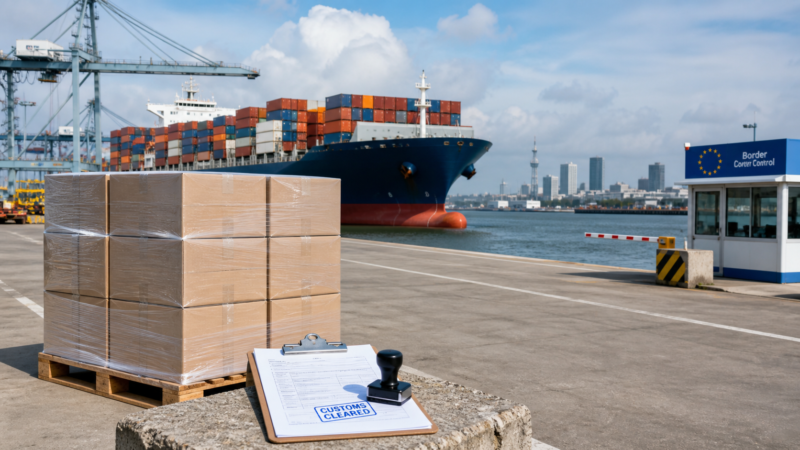
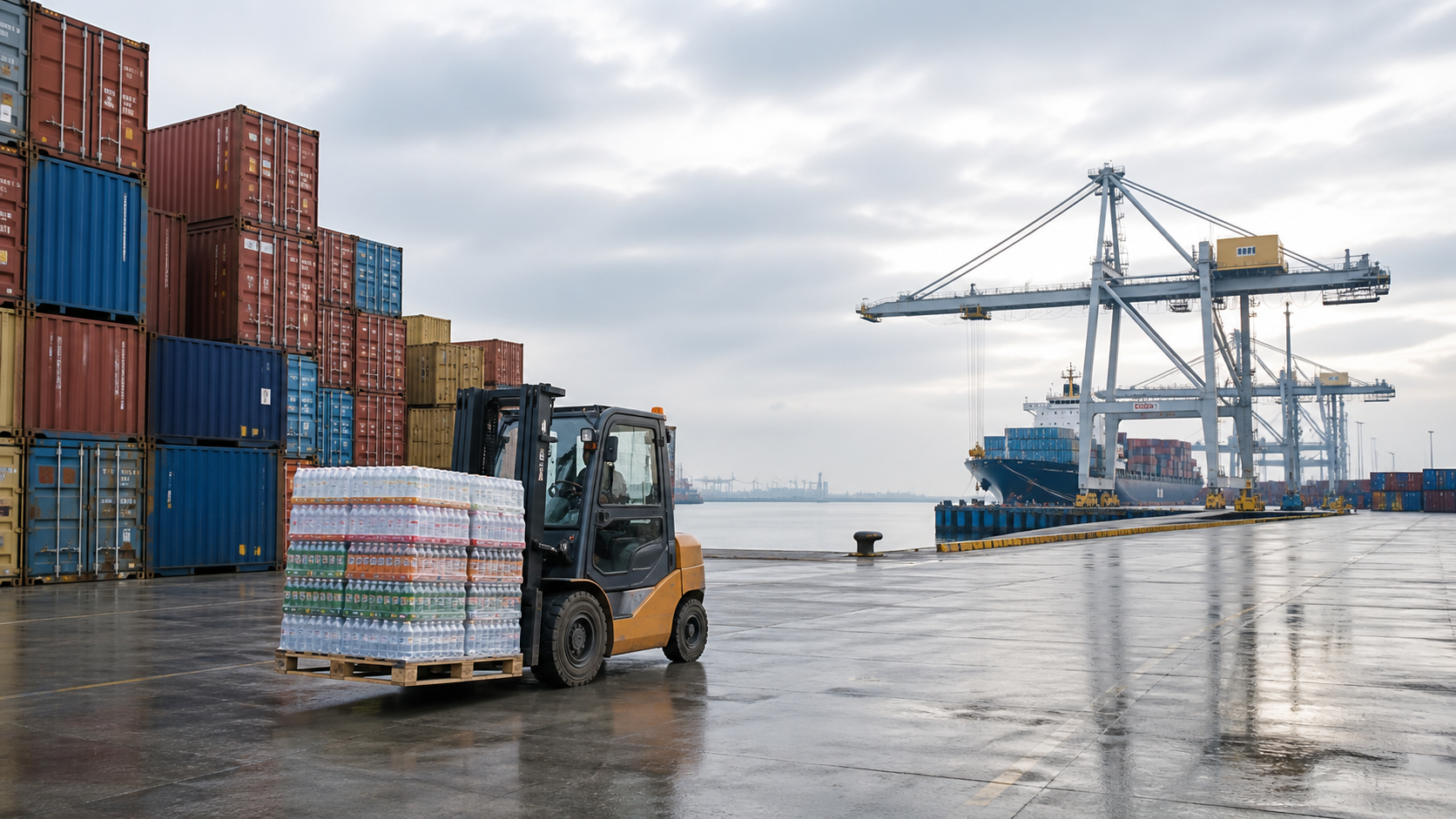
The Netherlands uses two main authorities: the NVWA oversees food safety & compliance under the Dutch Food & Commodities Act (Warenwet), while Dutch Customs (Douane, part of the Belastingdienst) administers customs, VAT and national excise/consumption taxes. Rotterdam and Schiphol serve as primary entry points and Border Control Posts for food shipments.
Step-by-step: how to import beverages into the Netherlands
The sequence below is optimized for ocean freight via the Port of Rotterdam (also applicable to Schiphol air cargo with minor adjustments). It assumes third-country origin (non-EU) and commercial import for distribution.
- Define the product scope and HS code. Confirm if your beverage is juice, nectar, soft drink, plant-based drink, dairy-based, alcoholic, or fermented. Classify with the correct HS/TARIC code to reveal duty, controls and any restrictions.
- Map the EU labelling layer. The Netherlands applies EU food information, claims and additives rules. Do not rewrite the EU core here; instead, use the consolidated hub: EU beverage labelling and import rules. Return to this Dutch guide for national-specific points.
- Check Dutch-specific responsibilities (Warenwet). Under the Warenwet, the first entity placing the product on the Dutch market (often the importer) carries responsibility for safety, traceability, recall readiness and correct information in Dutch for consumers when needed. Keep a written recall & crisis plan.
- Secure an EORI and Dutch fiscal setup. You need an EU EORI to lodge customs declarations. If you act as the Dutch importer of record, coordinate VAT registration or fiscal representation to manage import VAT (21%) efficiently.
- Decide your gateway: Rotterdam or Schiphol. Rotterdam is the EU’s leading deep-sea gateway, ideal for full containers and Asian lanes; Schiphol fits urgent or high-value consignments. Your choice affects handling agents, cut-offs and inspection logistics.
- Book a forwarder and nominate a customs broker. Appoint parties experienced with Dutch entries, NVWA checks and beverage-specific duties (alcohol excise or the consumption tax on non-alcoholic drinks). Share a precise product brief, HS codes and documents early.
- Prepare import documentation. Typical sets include commercial invoice, packing list, bill of lading/air waybill, certificate of origin (if a trade preference is pursued), analysis or product specifications, and any health/processing attestations required for specific beverages.
- Plan for official controls. If your beverage falls under reinforced official controls (for example, certain high-risk foods of non-animal origin under EU Implementing Regulations), your broker will pre-notify the Dutch Border Control Post and NVWA through the designated systems. Build lead time for possible sampling.
- Finalize label artwork for the Dutch market. Ensure mandatory particulars are present and understandable for Dutch consumers. In practice, Dutch is commonly used on consumer labels. Confirm any sweetener statements, caffeine mentions, or alcohol ABV declarations according to the product type.
- Address Dutch packaging obligations. Importers are typically considered producers under Dutch extended producer responsibility schemes. Arrange compliance and reporting for packaging placed on the Dutch market and, if applicable, the national deposit-return system (statiegeld) for plastic bottles and cans.
- Plan beverage taxes. Most imports incur 21% VAT at customs. Alcoholic beverages are subject to Dutch excise (accijns); movements under duty suspension require the EU EMCS flow and an excise warehouse arrangement. Many non-alcoholic beverages are subject to a national consumption tax administered by Dutch Customs—confirm applicability by product type and sugar/juice content definitions.
- Ship and pre-advise the terminal. Coordinate arrival notices, container release, and potential inspections at Port of Rotterdam (or Schiphol). Your broker files the customs declaration (often via AGS) and handles any NVWA referrals, sampling, or holds.
- Undergo inspection if selected. NVWA may conduct documentary, identity or physical checks. Keep sealed reference samples, ingredient specs, and shelf-life documentation accessible. Respond quickly to queries to shorten dwell time.
- Settle duties and taxes; obtain release. After risk controls, pay or defer customs duty, import VAT, and any excise/consumption tax per your arrangements. Obtain customs release and terminal pick-up. Verify that deposit-return and packaging reporting will cover these exact SKUs and volumes.
- Distribute across the EU from the Netherlands. After release for free circulation in the Netherlands, you may ship to other EU Member States without further customs clearance. Keep intrastat/VAT obligations and local market labelling nuances in mind if selling directly to consumers in other languages.
- Maintain Dutch records and market surveillance readiness. Keep supplier approvals, batch traceability, complaint handling and recall documents per Warenwet expectations. Monitor NVWA advisories relevant to your category.
Documentary checklist for a Dutch beverage import
Tailor this list to your product type and route. Your broker may ask for additional proofs depending on HS code and risk profile.
- Commercial invoice and packing list with Incoterms and currency
- Bill of lading or air waybill; arrival notice for Rotterdam/Schiphol
- HS/TARIC code confirmation and duty preference documents if used (e.g., certificate of origin)
- Full ingredient and additive list; product specifications; shelf-life & storage conditions
- Label artwork complying with the EU layer (see EU beverage labelling and import rules)
- NVWA/NL Border Control Post pre-notification where required by product risk
- Evidence of Dutch packaging responsibility setup (e.g., producer responsibility registration and reporting workflow)
- Excise/EMCS registration or authorization (alcoholic beverages only)
- Consumption tax classification worksheet for non-alcoholic beverages where applicable
- Importer recall plan and traceability SOPs per Dutch Warenwet expectations
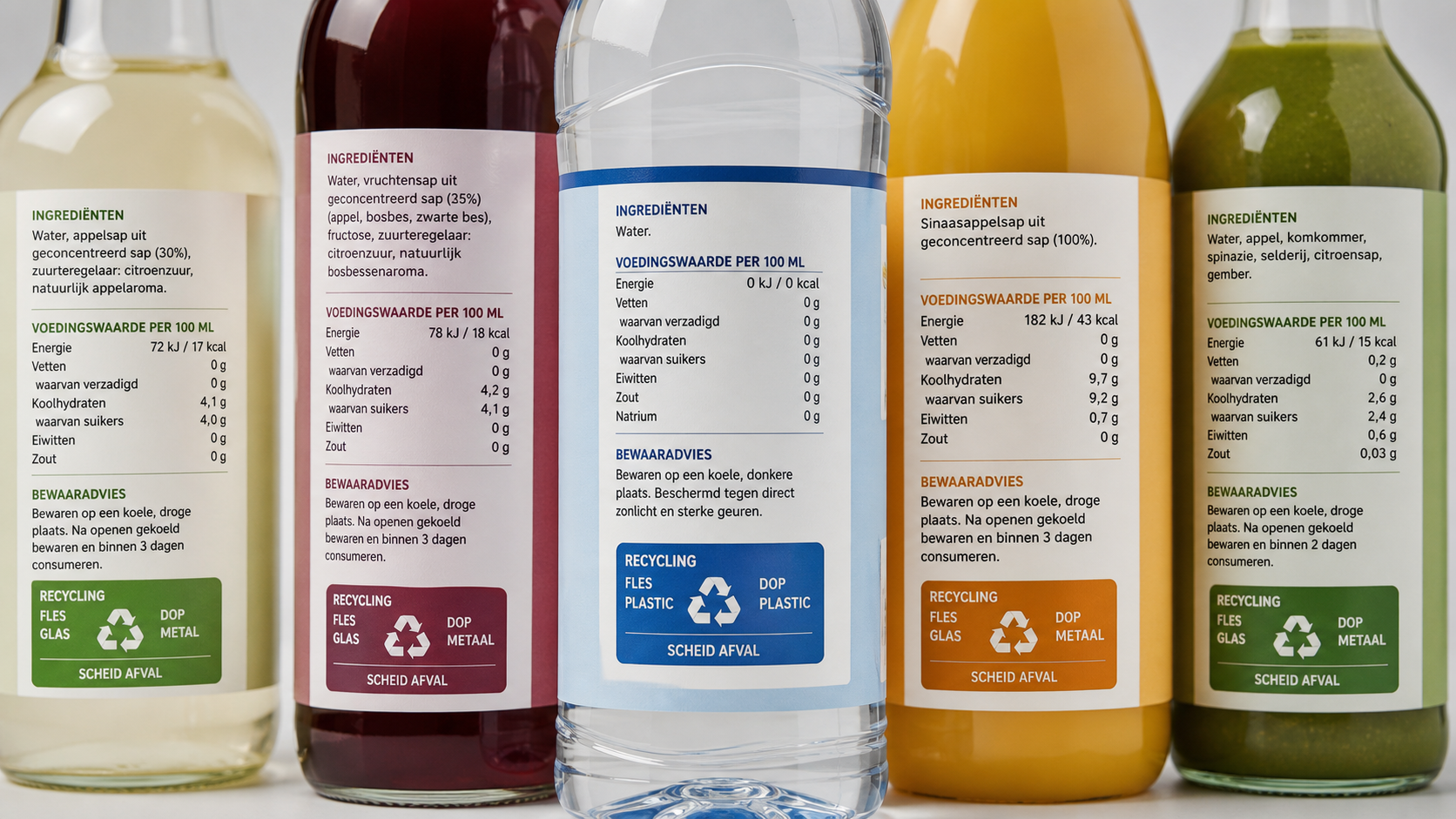
Rotterdam vs. Schiphol vs. EU entry via the Netherlands
Choosing the right gateway can cut cost and dwell time. Here is a practical comparison for beverage importers.
| Entry route | Typical use | Controls & paperwork | Positioning & notes |
|---|---|---|---|
| Port of Rotterdam (ocean) | FCL/LCL from Asia, Africa, Americas; cost-focused lanes | Customs declaration, NVWA checks if flagged, port handling | Largest EU seaport and a key gateway for Vietnam-origin cargo; strong onward EU distribution by truck, barge and rail |
| Schiphol Airport (air) | Urgent/high-value SKUs, samples, launches | Customs, possible NVWA controls, airline/handler processes | Faster lead times, higher freight cost; good for initial market entry and time-sensitive drops |
| Clear in NL, distribute EU-wide | Hub-and-spoke to multiple Member States | Release to free circulation in NL; VAT & taxes due in NL | One Dutch clearance enables frictionless EU movements; align VAT/Intrastat for destination markets |
Dutch specifics you should not skip
- Regulators and law: NVWA enforces safety and information under the Dutch Warenwet; Douane (Belastingdienst) runs customs, VAT and beverage taxes.
- Gateway role: Rotterdam is a primary EU entry port; many importers clear in the Netherlands first, then distribute across the Union.
- VAT at import: Standard Dutch VAT is 21% on most beverages at customs, unless a lawful reduced rate applies. Plan cash flow or deferral mechanisms with your broker/accountant.
- Excise (alcohol): Alcoholic drinks are subject to Dutch excise; movements under suspension require EMCS and an excise warehouse arrangement recognized in the Netherlands.
- Consumption tax (non-alcoholic): Many non-alcoholic beverages are subject to a national consumption tax administered by Dutch Customs. Verify scope and rate for your formulation and category.
- Deposit-return (statiegeld): Plastic beverage bottles and cans are covered by the Dutch deposit-return system. Importers placing these on the market must comply with deposit & take-back obligations.
- Packaging producer responsibility: Importers typically must register and report packaging placed on the Dutch market under national producer responsibility rules.
- Language on label: Consumer-facing information must be easily understood by Dutch consumers; in practice, Dutch is commonly used on retail packs in the Netherlands.
Using the Netherlands as your EU distribution hub
After clearance and tax settlement in the Netherlands, goods are in free circulation and can move to other EU Member States without customs formalities. That makes Rotterdam a strategic consolidation point for pan-EU beverage launches. Align with your 3PL on pallet labelling, lot traceability, temperature control, and local VAT/Intrastat obligations in destination markets.
Category notes and adjacent topics
- Private label and formulation: If you plan to build a private label or adjust a recipe for EU compliance, align manufacturing and documentation early. For a development overview, see our Netherlands-focused context at the Netherlands market overview.
- Fermented and live-culture drinks: These can raise distinct classification and stability questions. For consumer-facing positioning considerations, read about fermented fruit drinks and apply only what fits your product and local rules.
- Logistics planning: Consolidation, temperature control and lead times via Rotterdam differ from Schiphol. See our operational angle in export and logistics resources aligned with Dutch gateways.
FAQ
Do I need Dutch language on beverage labels?
Information must be easily understood by Dutch consumers. In practice, Dutch is commonly used on retail packs in the Netherlands. Confirm any category-specific statements (e.g., sweeteners, caffeine, alcohol ABV) before printing.
Is Rotterdam the best entry point for beverages?
For ocean freight, Rotterdam is often the most efficient Dutch gateway thanks to scale, schedules and onward distribution options. Air freight via Schiphol suits urgent or high-value shipments. Choose based on cost, transit time and inspection logistics.
What taxes apply at Dutch import?
Expect standard VAT of 21%. Alcoholic beverages are subject to excise. Many non-alcoholic beverages also face a Dutch consumption tax—check product scope and definitions with your broker.
Can I clear in the Netherlands and sell across the EU?
Yes. Once released into free circulation in the Netherlands, your goods can move to other EU Member States without customs clearance. Align VAT and reporting for the destination countries.
How long does clearance take?
Timelines depend on risk selection, documentation quality, and whether NVWA performs sampling. Pre-notifications (where applicable), correct HS codes and ready access to technical files help minimize dwell time.
Conclusion
Importing beverages into the Netherlands is straightforward when you combine EU labelling compliance with Dutch specifics: NVWA oversight under the Warenwet, Dutch Customs control at Rotterdam or Schiphol, import VAT at 21%, and category taxes or deposit-return where applicable. Many brands clear in the Netherlands and distribute EU-wide from a single hub. For the EU-wide labelling layer, revisit the EU beverage labelling and import rules, then tailor the Dutch steps in this guide to your exact beverage and route.
Sources
- Netherlands Food & Consumer Product Safety Authority (NVWA) – official guidance
- Dutch Customs (Belastingdienst/Douane) – import, VAT, excise and consumption tax information
- Port of Rotterdam Authority – cargo & customs procedures
- Dutch packaging producer responsibility and deposit-return (statiegeld) scheme information