















 Français
 Español
 العربية
 한국어
한국어News
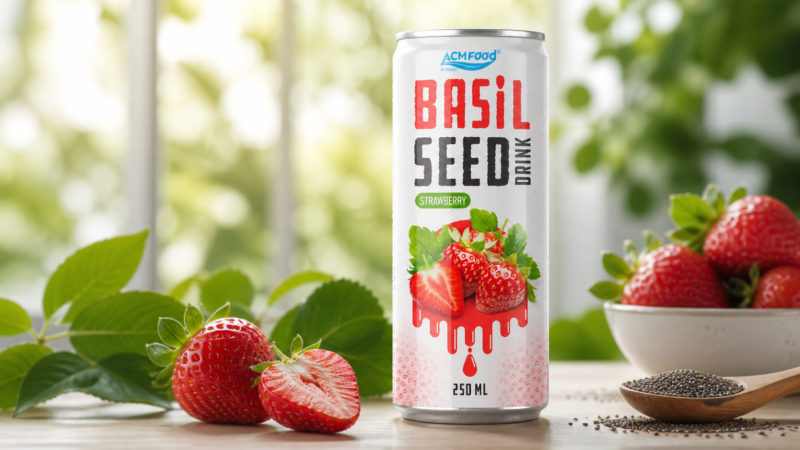
Chia and Basil Seed Drink Manufacturing: Suspension and Fill
Chia and basil seed drink manufacturing: how seed hydration, suspension, and filling-line setup work together...
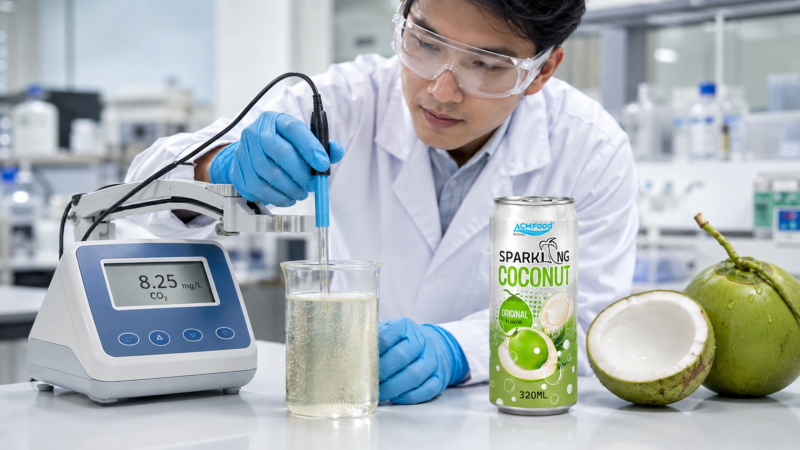
Sparkling Beverage Manufacturing: Carbonation Levels and Can Specification
Sparkling beverage manufacturing: how carbonation level is controlled, why can specification matters, and what to...
Shelf-Ready Packaging: When It Pays for Itself
Shelf-ready packaging for beverages: what it is, when the added case cost pays for itself,...
Switching Beverage Manufacturers Without Losing Your Product
A practical guide to switching beverage manufacturer without losing product consistency: what transfers, timelines, and...

The Quality Agreement: Specifications, Sampling and Non-Conformance
A beverage quality agreement is the document that defines, in writing, what a finished product...

Booking Production Capacity: Lead Times, Slots and Seasonality
Booking beverage production capacity is less about finding an open date on a calendar and...
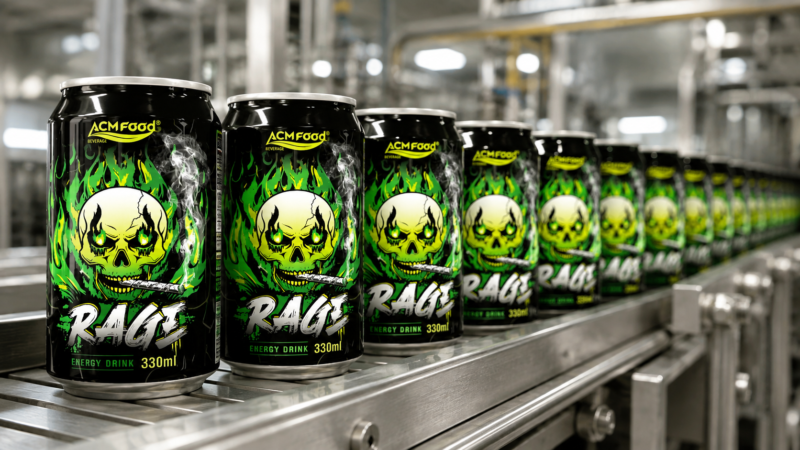
Energy Drink Manufacturing: Formulation Limits and Market Rules
Energy drink manufacturing is shaped by two separate sets of limits that a beverage brand...
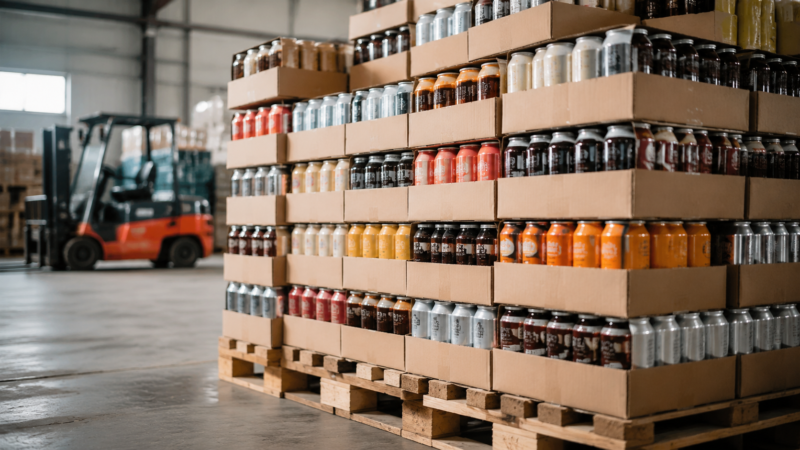
Case Count, Pallet Pattern and Units per Container
Case count, pallet pattern, and units per container are decided together, not separately, because each...

How Contract Manufacturing Is Priced: Tolling vs Full Service
Contract manufacturing pricing for beverages is generally structured around how much of the production process...
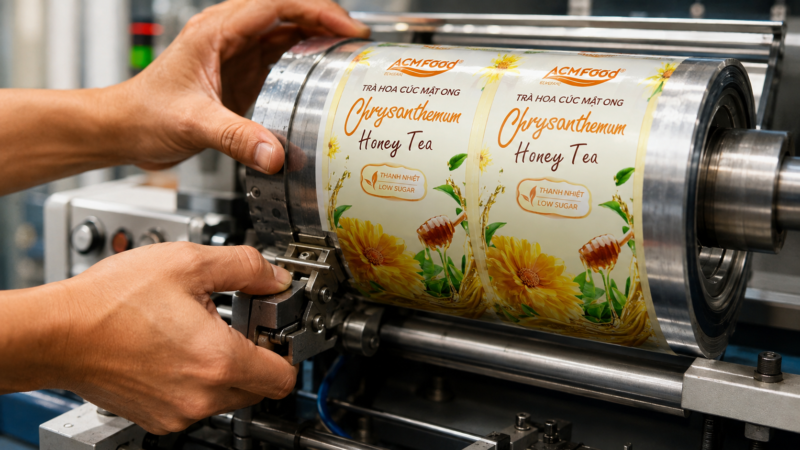
Shrink Sleeve or Printed Can? Cost, Minimums and Flexibility
Shrink sleeve labels and printed cans are priced differently because they shift cost between two...
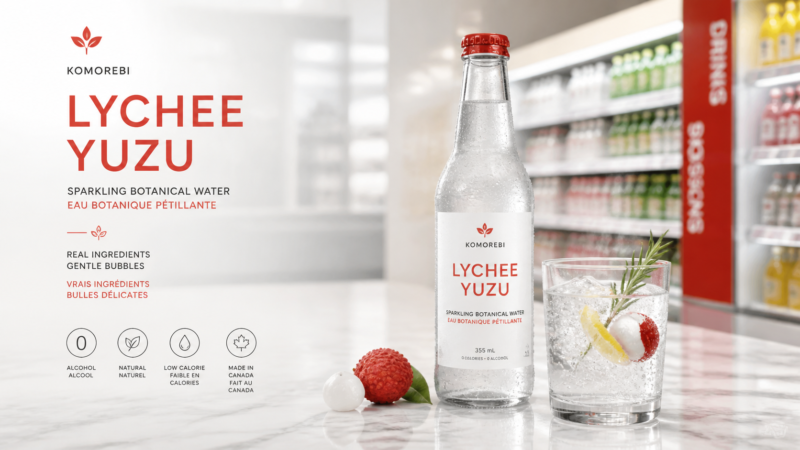
The Canadian Beverage Market: Demand, Channels and Positioning
An on-the-ground guide to the beverage market Canada: demand drivers, seasons, key retail channels, distribution...
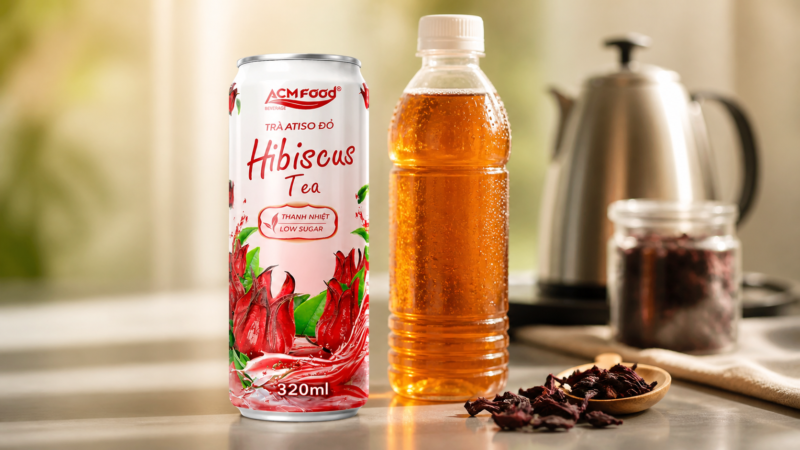
RTD Tea Manufacturing: Brewing, Clarity and Shelf Stability
A practical guide to rtd tea manufacturing: brewing options, clarity control, and shelf-stable processing—from water...