



 Français
 Español
 العربية
 한국어
News
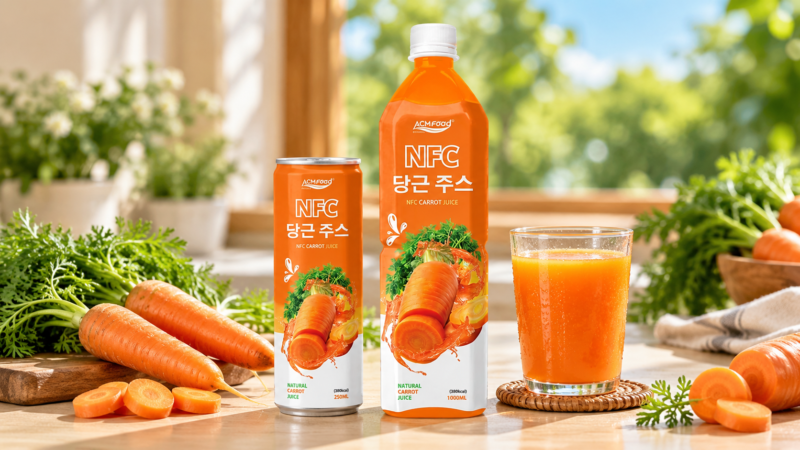
Carrot Juice Drink in Can and Bottle: 250 ml Formats for Private Label
A carrot juice drink is a ready-to-drink beverage built on carrot juice, usually softened with...
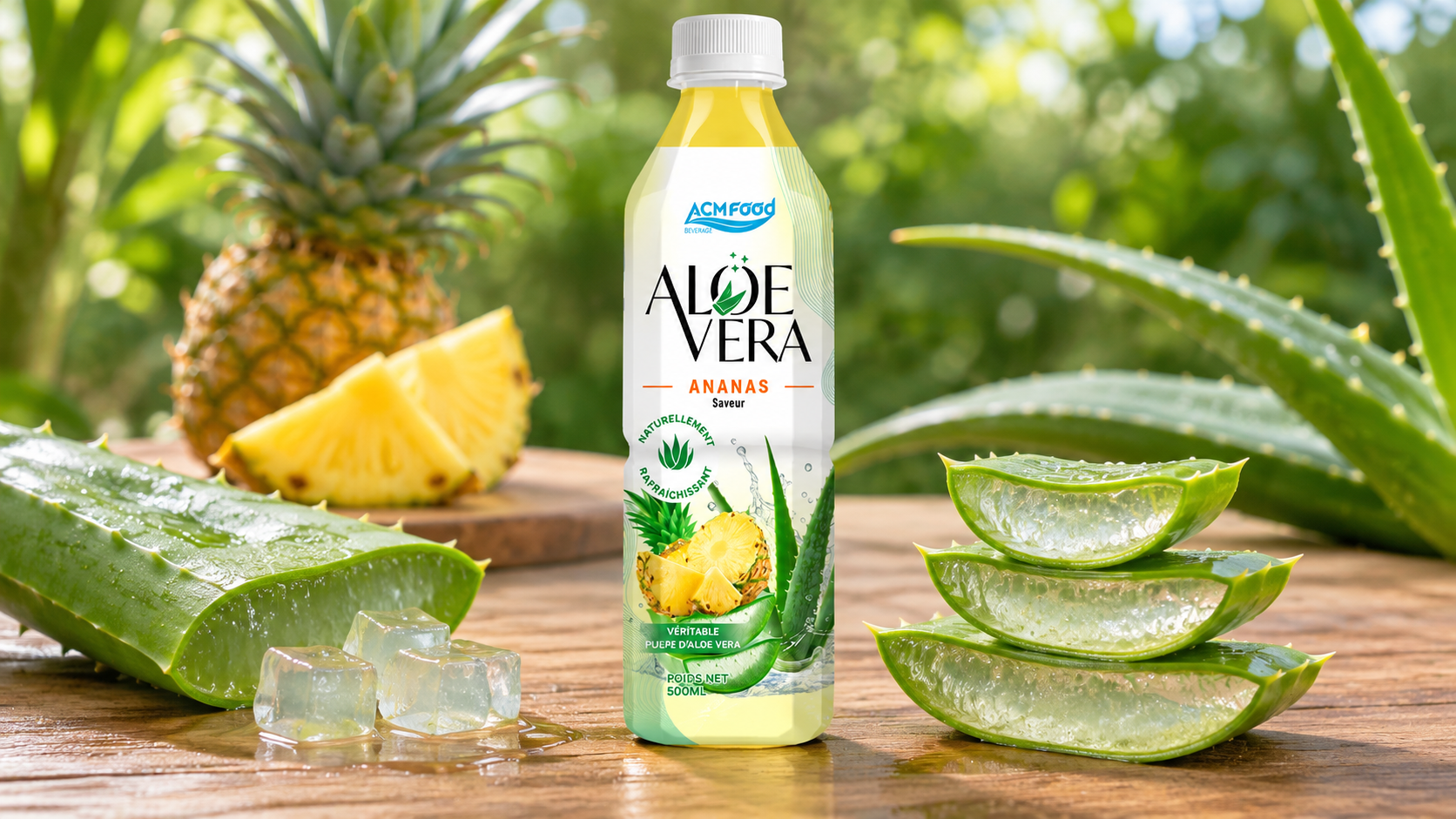
Aloe Vera Drink Manufacturer in Vietnam: Formats, Pulp Options and Private Label
An aloe vera drink manufacturer turns aloe gel from the leaf of Aloe barbadensis Miller...
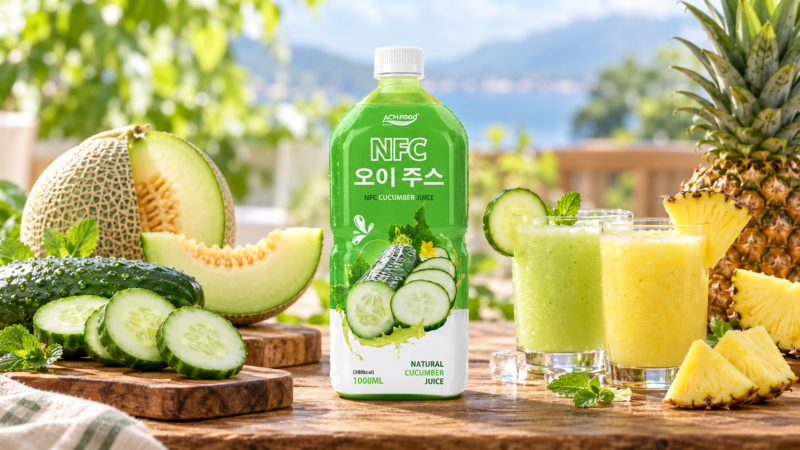
Cucumber Blend Co-Packing: Melon and Tropical Fruit Bases for RTD Beverages
A cucumber blend for co-packing is a ready-to-drink recipe in which cucumber juice is combined...
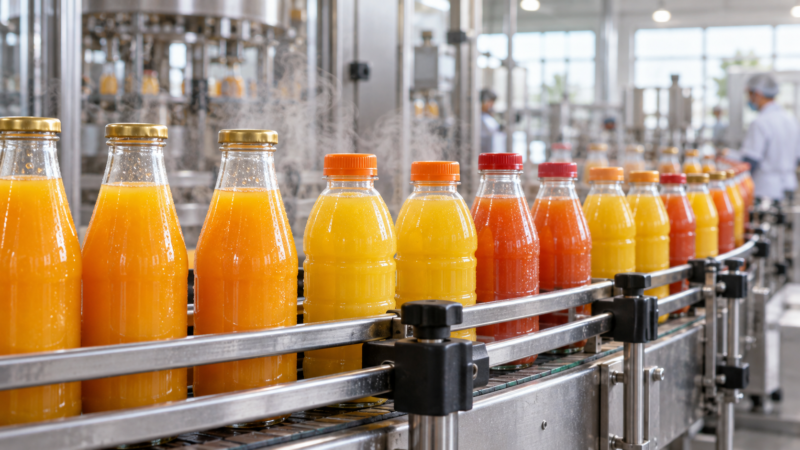
Hot Fill Hold Time and Bottle Inversion: Why the Cap Needs Heat Too
Hot-fill hold time is the period the sealed, hot-filled bottle stays hot enough for the...
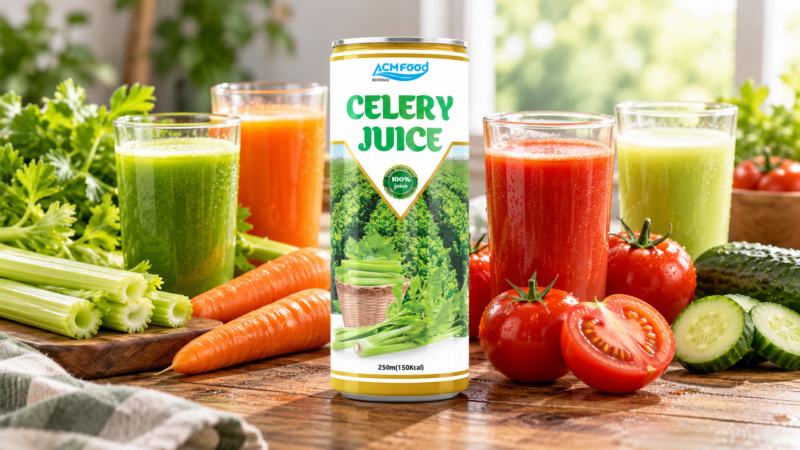
Celery Vegetable Juice Blends: A Formulation Guide for Brand Owners
A celery vegetable juice blend combines celery juice with other vegetable juices, most often carrot,...
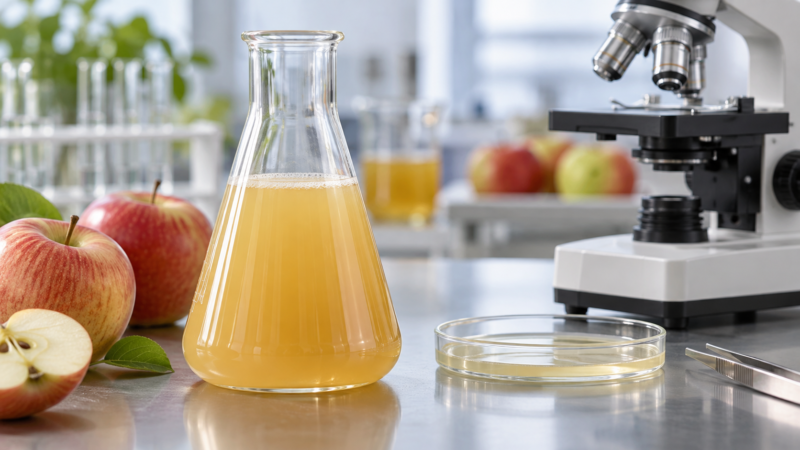
Heat-Resistant Spoilage in Juices: Alicyclobacillus, Moulds and the Pasteurisation Gap
Heat-resistant spoilage in juice is caused by organisms whose spores or resistant structures survive normal...
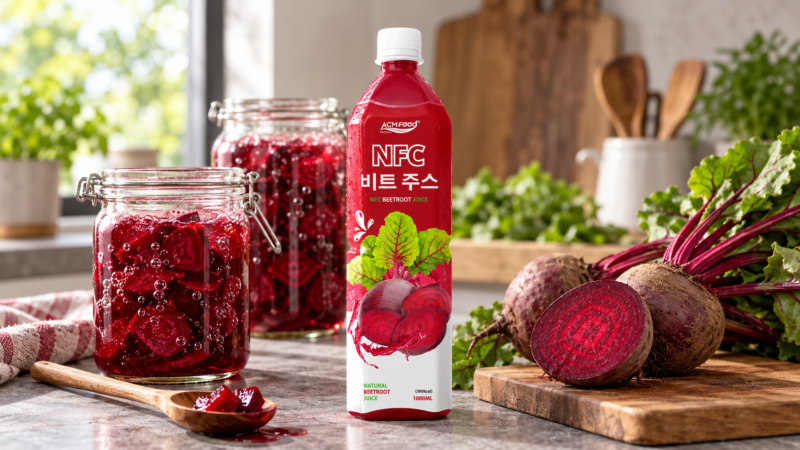
Fermented Beetroot Juice: Process, Safety Controls and Product Opportunities
Fermented beetroot juice is beet juice, or beets in brine, that has been acidified by...

Juice HACCP and the 5-Log Rule: Which Processes Qualify
Juice HACCP in the United States requires a processor to build a process that consistently...
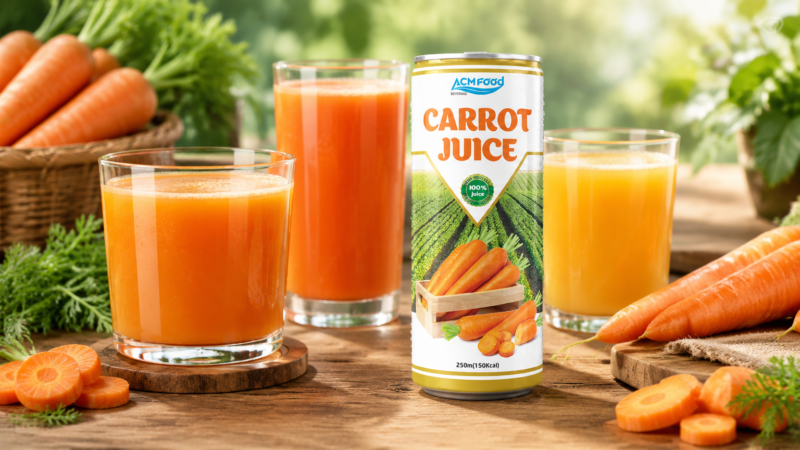
100% Carrot Juice vs Carrot Nectar vs Blends: A Spec Guide for Brands
100% carrot juice, carrot nectar and carrot juice drinks look similar on a shelf, yet...
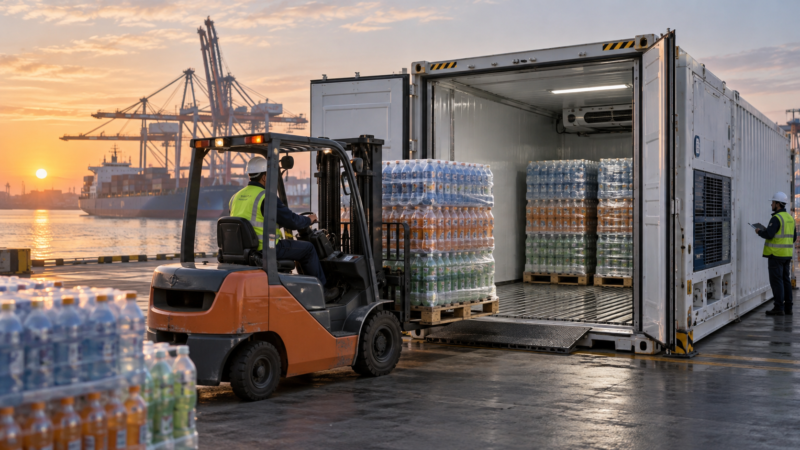
Exporting HPP Drinks: Cold Chain, Shelf Life on Arrival and Where It Breaks
Exporting high pressure processing (HPP) drinks is a cold-chain business: the product is not shelf-stable,...
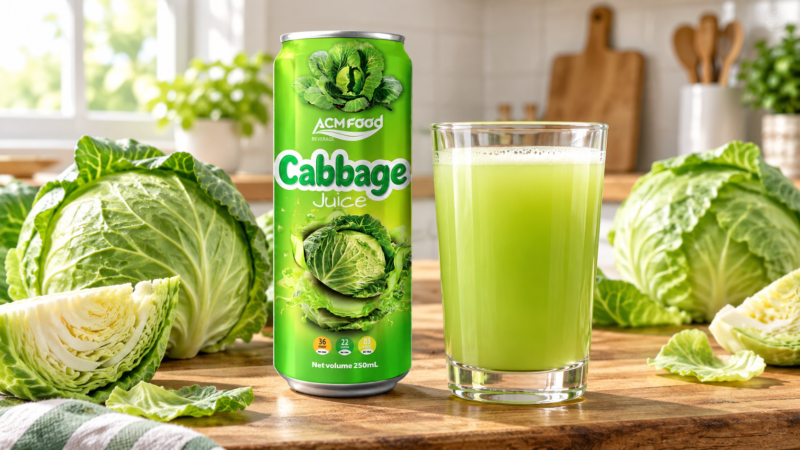
Raw Cabbage Juice for Manufacturers: Pasteurized, HPP or Cold-Pressed?
Raw cabbage juice is juice pressed from uncooked cabbage, and a manufacturer who wants to...
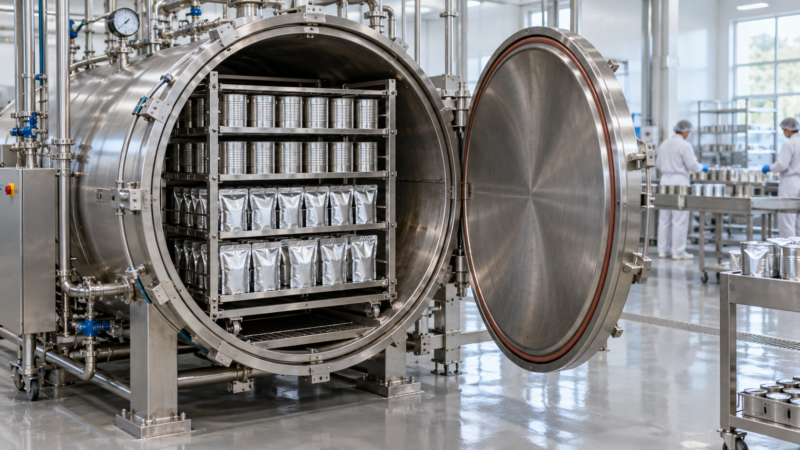
Types of Retort for Beverages: Still, Rotary, Water Spray and Steam-Air
A retort is a pressure vessel that heats sealed containers with steam, water or a...