


 Français
 Español
 العربية
 한국어
한국어Sea moss juice has moved from a niche wellness drink into a growing commercial beverage category. Over the past few years, consumers in North America, Europe, and parts of Asia have shown increasing interest in plant-based functional beverages that offer more than simple hydration. This shift has opened new opportunities for beverage importers, distributors, retailers, and private label brands looking for products that stand out in crowded markets.
For B2B buyers, the question is no longer whether consumers are aware of sea moss. The real question is whether there is enough demand to justify adding sea moss juice to a product portfolio. Based on current market activity, social media trends, and growing shelf presence in health-focused retail channels, the answer is increasingly yes.
In this article, we will explore why sea moss juice continues to gain traction, what makes it attractive for international beverage businesses, and how wholesale and OEM manufacturing services can help brands enter this category efficiently.
What is sea moss juice and why are consumers buying it?
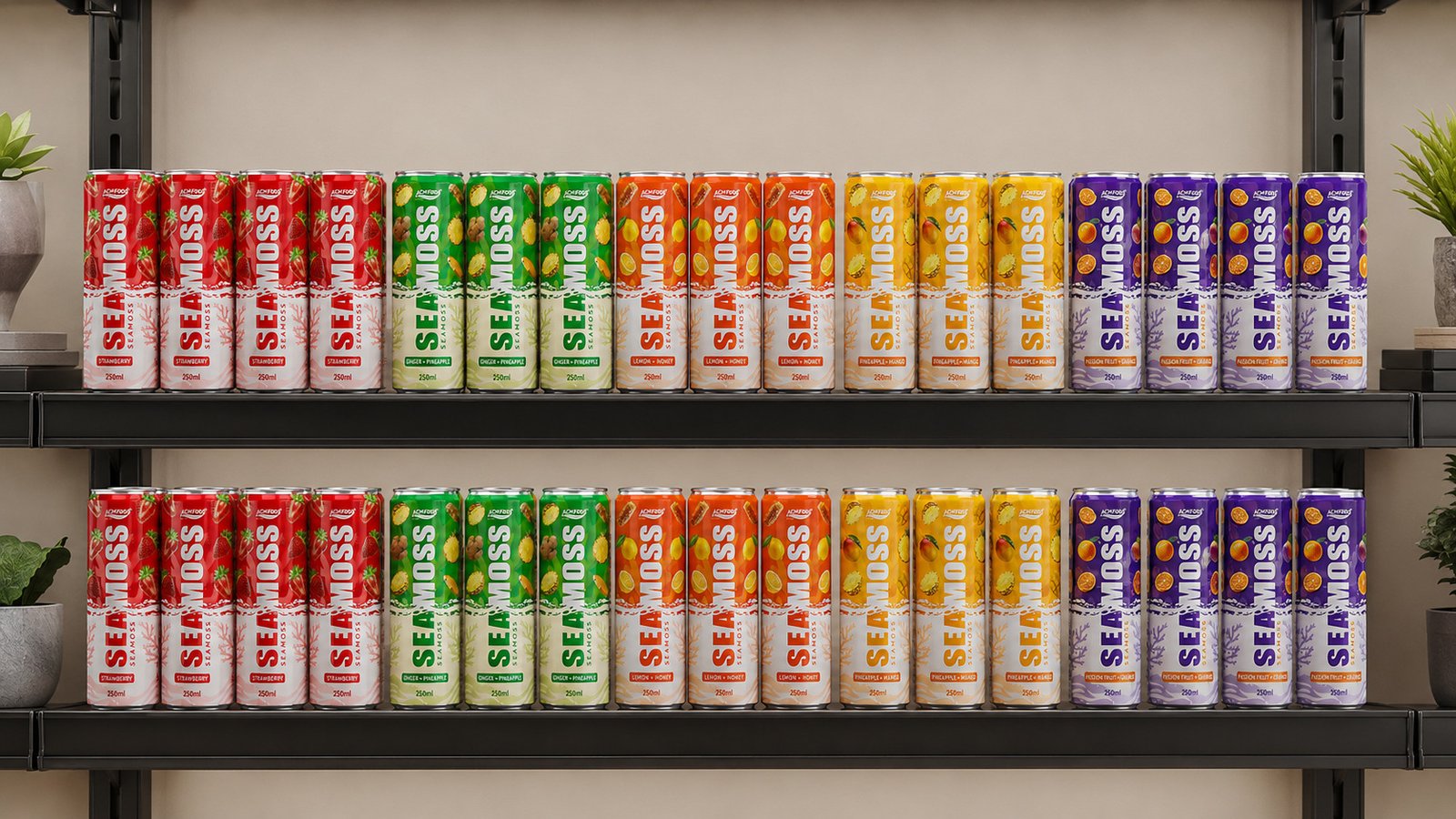
Sea moss juice is a beverage made from sea moss, a type of red algae commonly harvested in coastal regions of the Caribbean and Atlantic Ocean. While sea moss has been consumed for generations in countries such as Jamaica, it has recently become popular among wellness-focused consumers worldwide.
The appeal comes from a combination of factors. Consumers are actively seeking beverages associated with natural ingredients, plant-based lifestyles, and functional nutrition. Sea moss fits well into these trends because it is often marketed as a source of minerals and as part of a balanced wellness routine.
Walk into health food stores in major cities such as New York, Toronto, London, or Los Angeles and you will often find sea moss products alongside kombucha, coconut water, aloe vera drinks, and functional juice blends. Online marketplaces show a similar pattern. Searches for sea moss-related products have increased significantly compared with just a few years ago, creating a larger audience that is already familiar with the ingredient.
For beverage brands, this familiarity reduces one of the biggest barriers to launching a new product category. Consumers are already searching for sea moss.
The market signals behind sea moss juice growth

Many beverage trends fade quickly. Sea moss has demonstrated stronger staying power than many wellness ingredients because it benefits from several consumer movements at the same time.
The first is the functional beverage trend. Global consumers increasingly expect drinks to provide benefits beyond refreshment. Whether it is protein, probiotics, vitamins, electrolytes, or botanical ingredients, functionality has become a major purchasing factor.
The second driver is social media visibility. Sea moss has generated millions of views across platforms such as TikTok, Instagram, and YouTube. Influencers, nutrition enthusiasts, fitness communities, and wellness creators continue discussing recipes, smoothies, gels, and beverages containing sea moss. This constant exposure helps maintain consumer awareness without brands having to educate the market from the beginning.
The third factor is the expansion of plant-based lifestyles. Even consumers who do not identify as vegan are purchasing more plant-derived products than ever before. Sea moss juice naturally fits within this broader movement.
From my experience working with beverage manufacturers and exporters, products that align with multiple consumer trends at the same time often have a longer commercial lifespan. Sea moss juice sits at the intersection of functional beverages, natural ingredients, wellness products, and plant-based nutrition.
Why beverage importers are paying attention
Importers are constantly looking for products that can generate interest while avoiding direct competition with mainstream beverage categories.
Traditional juices face intense competition. Carbonated soft drinks are dominated by multinational brands. Energy drinks require significant marketing budgets. Sea moss juice, on the other hand, offers differentiation.
A retailer introducing a sea moss beverage can create curiosity among shoppers who are actively looking for something new. At the same time, the product remains approachable because it is still fundamentally a juice-based beverage.
Another advantage is flexibility. Sea moss juice can be positioned in several ways depending on the target market. Some brands focus on wellness. Others highlight tropical flavors. Some emphasize natural ingredients, while others combine sea moss with fruits associated with healthy lifestyles.
This flexibility gives distributors and importers more options when developing sales strategies across different markets.
Popular sea moss juice flavor combinations
One reason for the category’s growth is that sea moss works well with many fruit flavors.
Mango sea moss juice remains one of the most popular options because the sweetness of mango complements the texture of sea moss. Pineapple variations are also common, especially in tropical beverage markets.
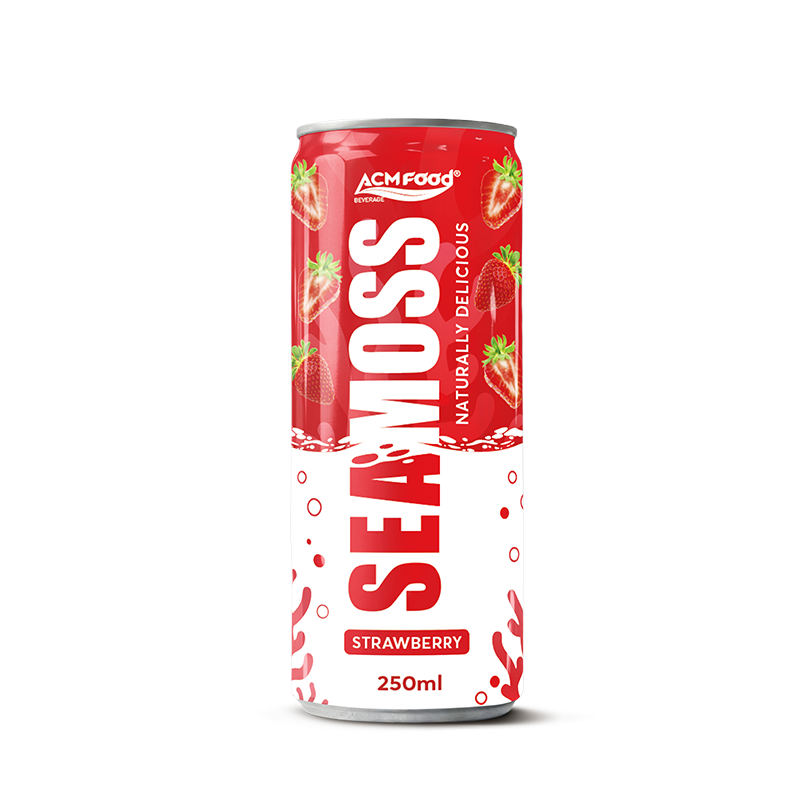
Berry blends have gained popularity among younger consumers. Strawberry, blueberry, and mixed berry combinations often create vibrant packaging opportunities and attractive social media content.
Citrus flavors such as lemon, lime, and orange help create a lighter taste profile. These products often appeal to consumers seeking refreshing beverages for daily consumption.
Some manufacturers have gone further by combining sea moss with ginger, turmeric, coconut water, aloe vera, or herbal extracts. This creates premium functional beverage products with higher perceived value.
For B2B buyers, having access to multiple flavor options is valuable because consumer preferences vary widely across regions.
Private label sea moss juice opportunities
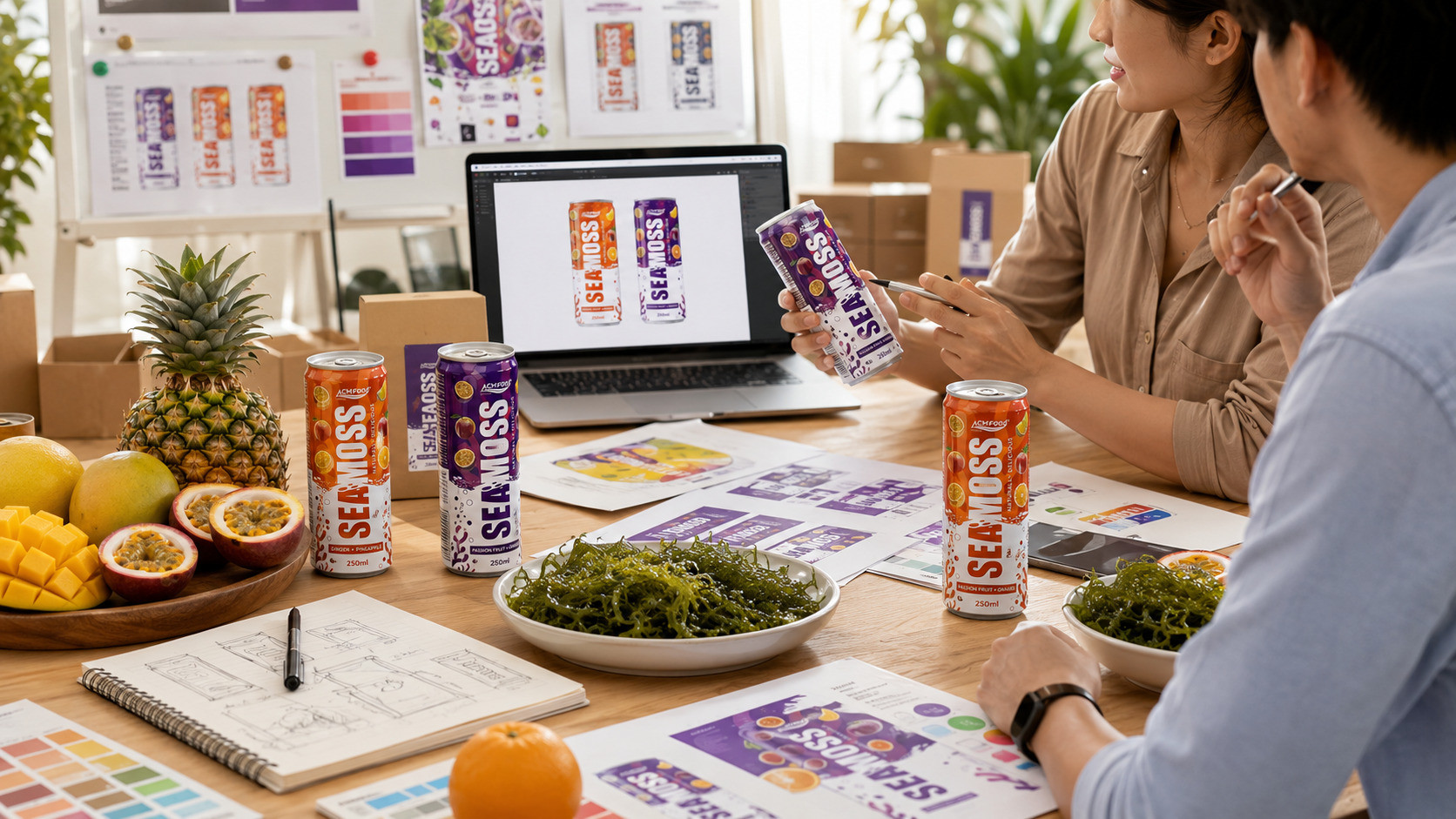
Many companies want to enter the sea moss beverage category but do not want to invest in building production facilities. This is where OEM and private label services become attractive.
A private label model allows businesses to launch products under their own brand while relying on an experienced manufacturer for production, formulation, packaging, and quality control.
The process is often much faster than developing a beverage from scratch. Instead of spending years building manufacturing capabilities, a distributor or retailer can focus on branding, sales, and market development.
For example, a health food retailer may wish to launch a house brand sea moss juice line. An OEM partner can produce the beverages according to agreed specifications while the retailer concentrates on distribution.
This approach reduces risk and allows businesses to test market demand before making larger investments.
How OEM manufacturing supports international growth
OEM manufacturing has become a common strategy in the global beverage industry. Many successful beverage brands do not own production facilities. Instead, they work with specialized manufacturers.
For sea moss juice, OEM services can include formula development, ingredient sourcing, flavor customization, packaging design support, label compliance assistance, and export documentation.
This support becomes particularly important when entering international markets.
Each country has different labeling requirements. Some require specific nutritional declarations. Others have unique packaging regulations or import procedures. Manufacturers with export experience can help navigate these requirements more efficiently.
A good OEM partner also helps ensure consistency across production batches. This consistency becomes increasingly important as brands expand into multiple markets and larger retail chains.
Packaging formats that attract buyers
Packaging plays a major role in the success of functional beverages.
Aluminum cans continue gaining popularity because they are lightweight, recyclable, and convenient. Many consumers associate cans with modern beverage brands and on-the-go consumption.
PET bottles remain common in many markets due to cost efficiency and product visibility. Transparent packaging allows consumers to see the beverage, which can be an advantage for colorful fruit-based sea moss drinks.
Glass bottles often appeal to premium positioning strategies. They can create a more upscale image and are frequently used in specialty retail channels.
The ideal packaging format depends on distribution strategy, price positioning, shipping requirements, and consumer expectations within the target market.
An experienced OEM manufacturer can help identify the most suitable option based on market objectives.
Quality and sourcing considerations
Not all sea moss products are created equal.
B2B buyers should evaluate sourcing practices carefully. The quality of raw materials influences flavor, consistency, appearance, and overall consumer perception.
Reliable manufacturers typically maintain documented sourcing systems and quality assurance procedures. They conduct testing to verify product safety and compliance with destination market requirements.
Certifications can also influence purchasing decisions. Depending on target markets, buyers may look for certifications related to food safety management, manufacturing standards, or product quality.
When evaluating suppliers, it is useful to ask about production capacity, lead times, export experience, and quality control processes.
These details may seem operational, but they often determine whether a product launch succeeds or encounters costly delays.
Why sea moss juice fits current beverage trends
Consumer preferences continue evolving toward products that combine convenience with perceived wellness benefits.
Consider the broader beverage landscape. Coconut water grew from a niche category into a mainstream global product. Kombucha expanded from specialty stores into major supermarket chains. Aloe vera beverages gained international distribution through health-focused positioning.
Sea moss juice shares several characteristics with these successful categories. It offers a distinctive ingredient story, strong social media visibility, and alignment with wellness-focused consumer behavior.
Of course, no beverage category grows indefinitely. However, products that solve multiple consumer needs simultaneously often enjoy longer relevance. Sea moss juice delivers refreshment, novelty, and functional positioning within a single product.
For distributors and retailers seeking emerging beverage opportunities, these characteristics are difficult to ignore.
Choosing the right sea moss juice manufacturing partner
Selecting a manufacturing partner is one of the most important decisions in any private label project.
Beyond pricing, buyers should evaluate production capabilities, export history, product development expertise, and communication quality. A manufacturer that responds quickly and understands international requirements can save significant time during product launches.
Requesting samples is an important step. Taste, texture, packaging quality, and shelf presentation should all be evaluated before placing commercial orders.
It is also helpful to discuss future scalability. A supplier that can support both initial test orders and larger production volumes creates greater flexibility as demand grows.
The strongest partnerships are built around long-term growth rather than a single transaction.
The future outlook for sea moss juice
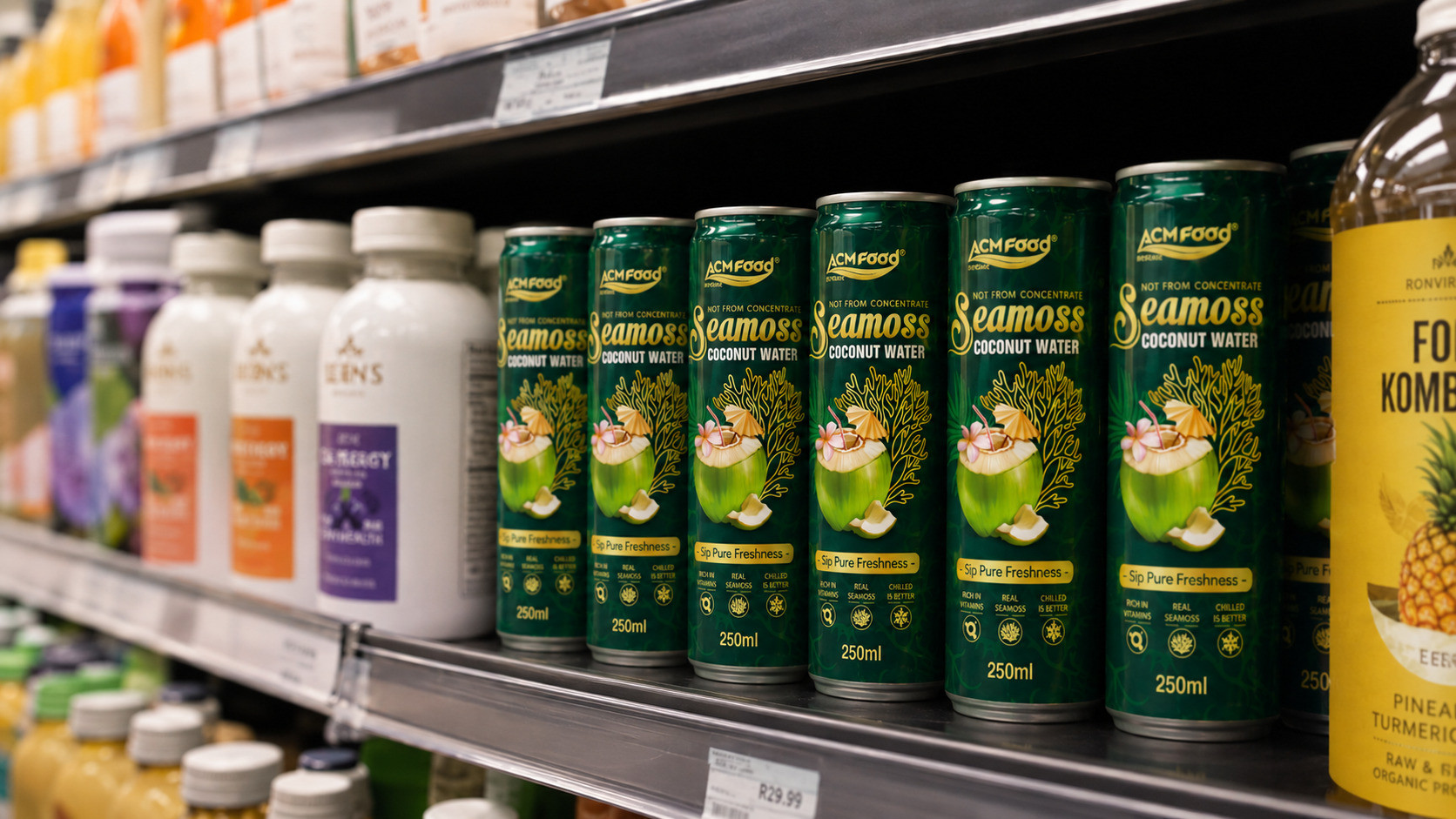
Sea moss juice is benefiting from several consumer trends that continue influencing beverage purchasing decisions around the world. Interest in natural ingredients, plant-based lifestyles, and functional beverages shows little sign of disappearing.
As awareness grows, more retailers and distributors are exploring opportunities within the category. New flavor combinations, premium formulations, and innovative packaging formats are expanding the market beyond early adopters.
For beverage businesses seeking differentiation, sea moss juice offers an interesting balance between novelty and market familiarity. Consumers increasingly recognize the ingredient, yet the category remains far less crowded than traditional juice or energy drink segments.
Companies that enter the market with reliable manufacturing partners, strong branding, and quality-focused products may find substantial opportunities in the years ahead.
Sea moss juice has evolved from a niche wellness product into a commercially attractive beverage category with growing international demand. Consumer interest, social media exposure, and broader functional beverage trends continue supporting category expansion across multiple regions.
For importers, distributors, retailers, and beverage entrepreneurs, wholesale and OEM solutions provide an efficient path into the market. Private label manufacturing reduces barriers to entry while allowing businesses to build unique brands around an increasingly recognized ingredient.
As global consumers continue searching for innovative beverage options, sea moss juice represents a category worth serious consideration. The businesses that act early and partner with experienced manufacturers may be well positioned to capture demand as the market continues developing.
Turning a trend into a product
For the categories, formats and ingredients the factory can actually run, see beverage product capabilities. What the factory takes on is described in our OEM manufacturing programme; to launch under your own label, see private label beverages. To brief a concept, request a quote.
Request a quote