


 Français
 Español
 العربية
 한국어
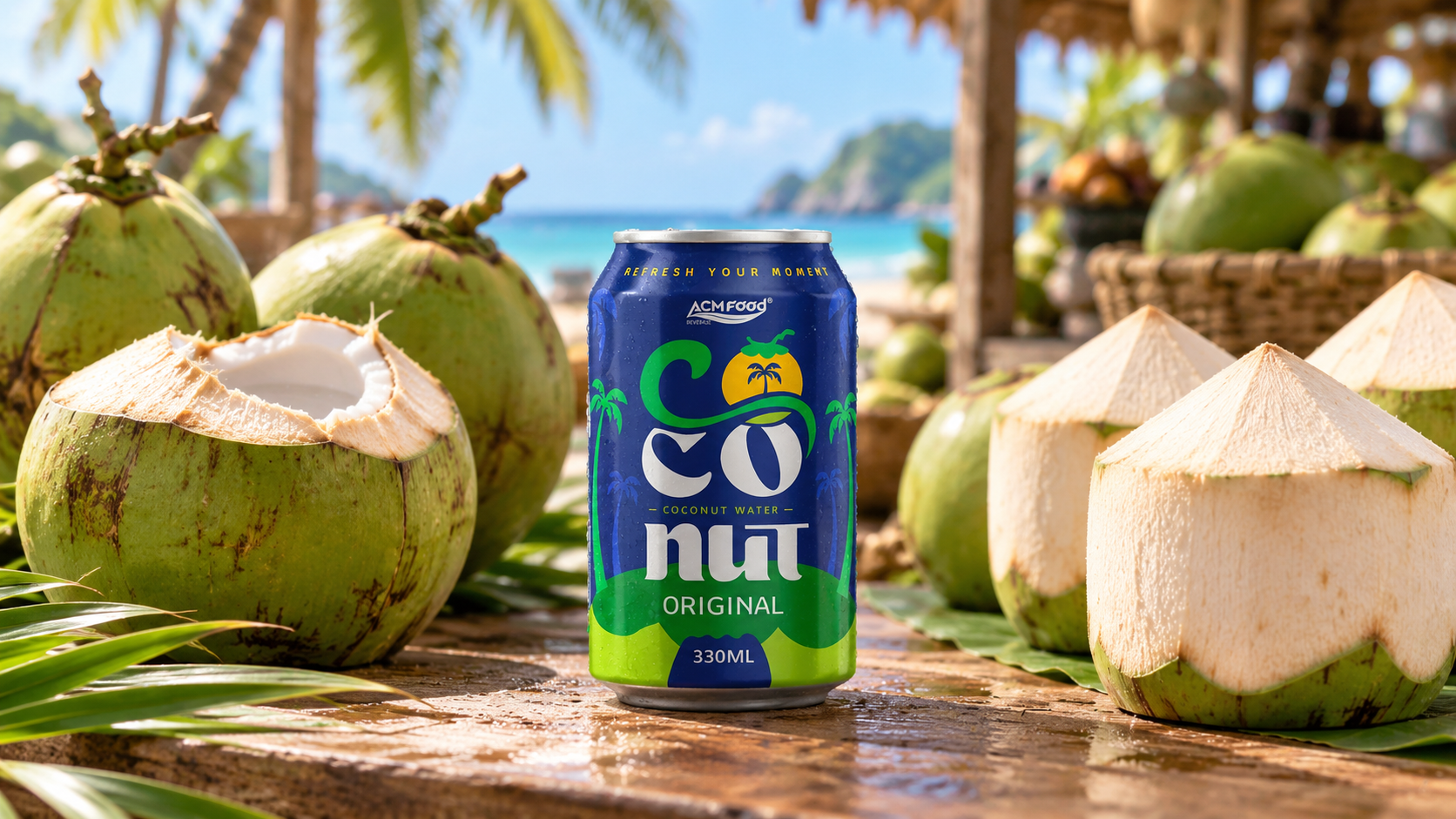
한국어The best tasting coconut water is usually made from young, aromatic coconuts harvested at the right age, processed gently and sold with nothing added that hides its natural flavour. Taste is personal, so there is no single “best” product for everyone, but a handful of factors explain why some coconut waters taste fresh, sweet and fragrant while others taste flat, salty or cooked.
This guide explains what makes coconut water taste good, how to read a label to predict flavour, and how to run a simple side-by-side tasting. It does not rank brands. Instead, it gives you the criteria to judge any product yourself, whether you are a shopper choosing a favourite or a buyer selecting coconut water for a retail or private label range.
What makes coconut water taste good?
Good tasting coconut water balances gentle natural sweetness, a clean fresh aroma and a light body, without sourness, bitterness or a strong cooked note. Five things decide whether a product reaches that balance: the coconut variety, its maturity at harvest, how quickly it is processed, how it is treated for shelf life, and what, if anything, is added.
Coconut variety
Variety sets the starting point. Some dwarf and aromatic varieties are prized for drinking because their water tends to be sweeter and carries a distinctive fragrance. Tall varieties grown mainly for copra and oil can give water that tastes plainer. Two products labelled “100% coconut water” can therefore taste very different simply because they come from different types of coconut.
Maturity at harvest
Young coconuts give the freshest-tasting water. As the nut matures, sweetness and aroma tend to fade and the water can taste flatter or nuttier. Consistent harvesting within the right age window is one of the main reasons some producers deliver more uniform taste.
Time from harvest to processing
Coconut water starts to lose its fresh character once the nut is cut from the palm, and much faster once it is opened. Shorter delays between harvest, extraction and treatment help keep aroma intact.
Processing and shelf life
Treatment for safety and shelf life affects flavour. Stronger heat treatment used for long ambient shelf life can soften aroma and add a slightly cooked note, while chilled products processed more gently often taste closer to fresh, but keep for a shorter time.
Added ingredients
Some products add sugar, flavourings or acid to adjust taste. These can make a drink taste sweeter or more consistent, but they also change what you are tasting. If you want the true flavour of coconut water, choose products with coconut water as the only ingredient.
How does processing affect the taste of packaged coconut water?
Processing is the biggest difference between fresh and packaged coconut water. Heat makes coconut water safe and stable, but delicate aromatic compounds are sensitive to it, so the more intense the treatment, the more the flavour shifts away from fresh.
Storage adds to the effect. Coconut water keeps evolving after packing, so a product tasted soon after production may be brighter than the same product near the end of its shelf life. Packaging also plays a part: formats that protect better against light and oxygen help slow flavour changes. That is why producers who care about taste control not only the recipe, but also temperatures, timing and packaging.
How to judge coconut water taste: a quick checklist
You can judge coconut water the way professional tasters do, by looking at appearance, smelling it and tasting it in a consistent order. Use the table below as a simple scorecard.
| Attribute | What good looks like | Warning signs |
|---|---|---|
| Appearance | Clear to slightly cloudy; pulp evenly suspended if included | Heavy sediment, unusual colour, foam in a still product |
| Aroma | Fresh, light coconut fragrance | Sour, fermented, metallic or strongly cooked smell |
| Sweetness | Gentle and natural, not syrupy | Flat and watery, or obviously sugary |
| Saltiness and minerals | Subtle background note | Distinctly salty or bitter aftertaste |
| Acidity | Barely noticeable | Sharp sourness that suggests spoilage or added acid |
| Body and texture | Light and refreshing; soft pulp if included | Thin and empty, or slimy |
| Aftertaste | Clean and short | Lingering cooked, bitter or chemical notes |
How to read the label to find good tasting coconut water
The label will not describe flavour, but it tells you a lot about what to expect. Start with the ingredient list, then look at origin, storage and the product style.
- Ingredients: “100% coconut water” with nothing else usually gives the most authentic taste. Added sugar or flavourings mean the product has been adjusted.
- Not from concentrate: coconut water that is not reconstituted from concentrate generally keeps more of its original character.
- Origin: growing region influences variety and climate. Producers often name the origin when it is part of the product’s appeal.
- Chilled or ambient: chilled products often taste fresher; ambient products are more convenient and keep longer.
- Pulp: coconut water with pulp has more body and a texture that some drinkers prefer. Our article on how coconut water with pulp adds value explains why.
- Dates: fresher stock usually tastes brighter, so check the production or best-before date where available.
How to run a simple coconut water taste test at home
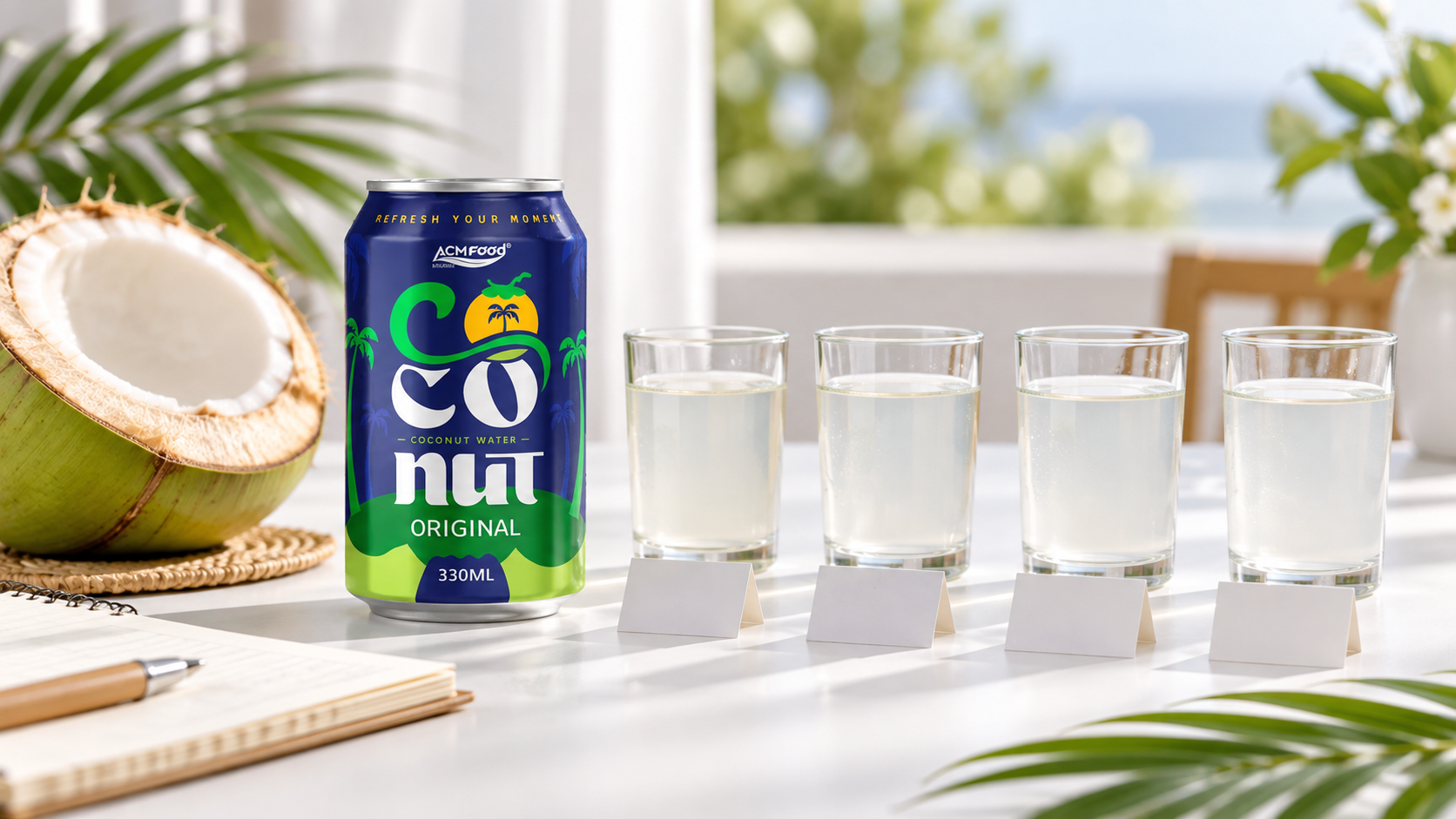
A blind side-by-side tasting is the most reliable way to find the coconut water you like best. Comparing products one after another, without seeing the packs, removes the influence of branding and price.
- Choose three or four products, ideally including one 100% coconut water, one with pulp and one flavoured or sweetened option.
- Chill them all to the same temperature for several hours. Temperature strongly changes how sweet and aromatic a drink seems.
- Pour equal amounts into identical glasses and label the glasses with numbers only.
- Look at each sample, smell it, then taste it. Rinse with plain water between samples.
- Score each sample on aroma, sweetness, body and aftertaste using the checklist above, then reveal which was which.
Repeat with a different batch if you can, since natural products vary. You may find that your favourite is not the most expensive or the most heavily marketed option.
Which style of coconut water tastes best?
Each style suits a different palate, so the “best” one depends on what you want from the drink. Comparing styles side by side helps you decide where to start.
- 100% coconut water (original): the purest expression of the coconut. It shows differences in variety and freshness most clearly, which makes it the best style for judging raw material quality.
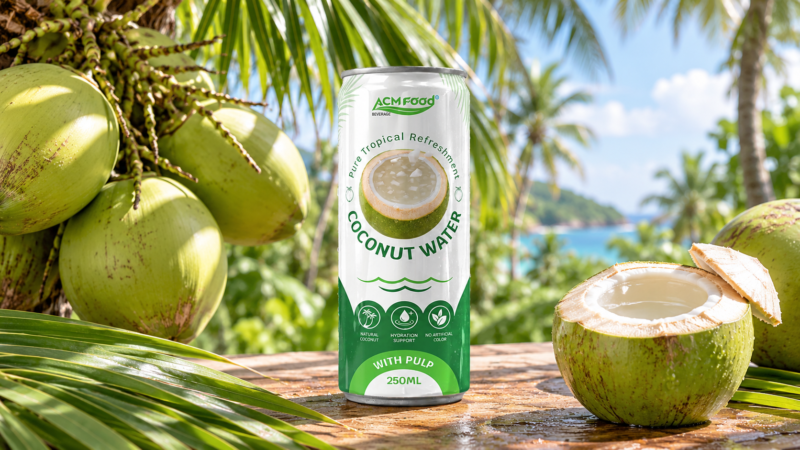
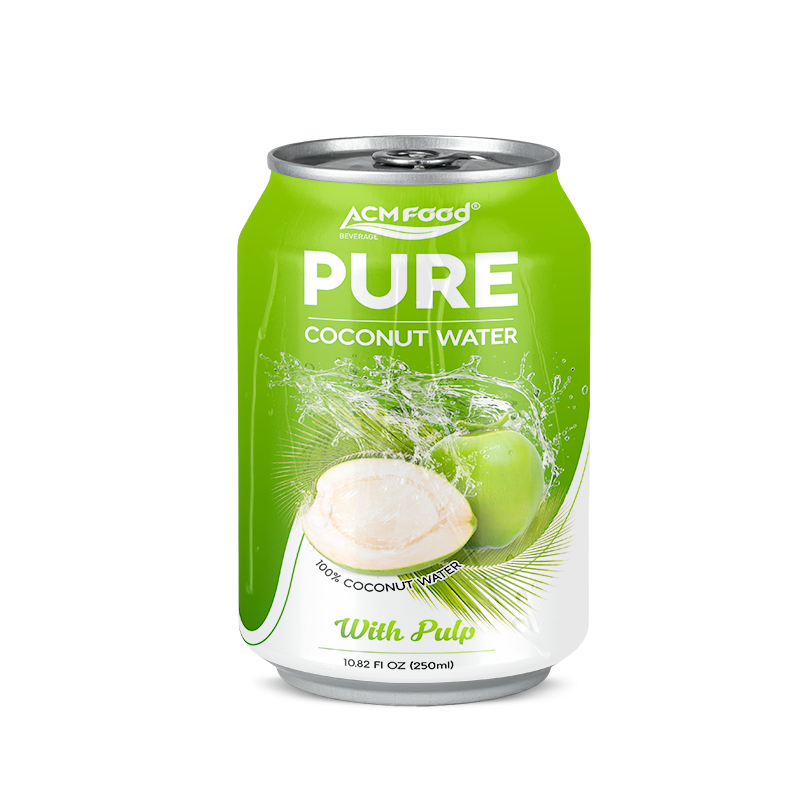
- Coconut water with pulp: the same base with pieces of soft young coconut meat. It feels more substantial and many drinkers find it closer to drinking from a fresh nut.
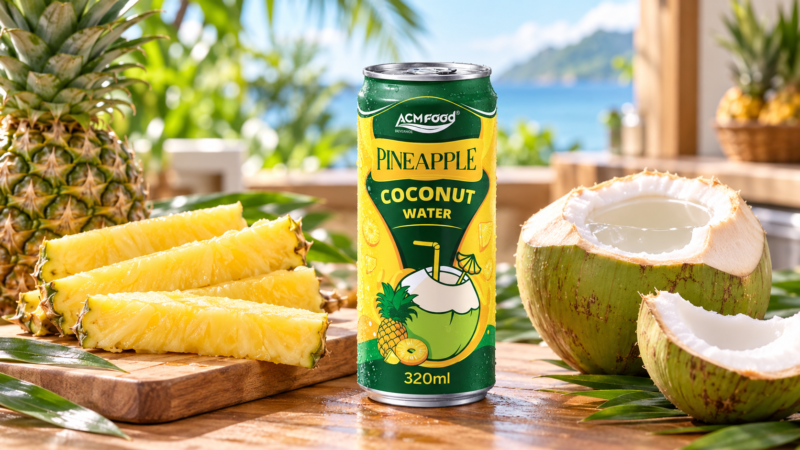
- Flavoured coconut water: fruit or other flavours such as pineapple, mango, lychee or matcha are blended in. These suit people who find plain coconut water too subtle or slightly salty.
- Sparkling coconut water: carbonation adds crispness and can make the drink feel lighter and more refreshing, though it also changes how sweetness and aroma come across.
Personal context matters too. A drink served ice-cold after exercise or on a hot day often tastes better than the same drink sampled at room temperature at a desk. Pairing also changes perception: coconut water tends to taste sweeter next to salty food and flatter next to sugary snacks. For a fair verdict, compare styles under the same conditions before deciding which you prefer.
Is the best tasting coconut water also the healthiest?
Not necessarily. A product with added sugar may taste sweeter to some people, but it also contains more sugar than plain coconut water. If you prefer unsweetened drinks, look for 100% coconut water and judge it on its natural taste.
Coconut water naturally contains potassium and natural sugars, and amounts vary between products. Nutrition labels are the best place to compare them, and portion size matters as much as the product you choose.
What good taste means for buyers and private label brands
For retailers, distributors and brand owners, taste is one of the strongest drivers of repeat purchase, so it deserves a clear specification rather than a general request for “premium quality”. Our article on why quality coconut water performs in export markets looks at this from the export side; here the focus is on taste itself.
Elements to define when selecting or developing a coconut water:
- A reference sample: approve a sample that represents the target taste and use it as the benchmark for every production batch.
- Variety and origin: name the preferred origin or variety if a particular flavour is central to the product.
- Sweetness approach: decide whether the product will be 100% coconut water, adjusted, or flavoured, and label it accordingly.
- Processing and shelf life: balance flavour against the shelf life your distribution chain needs.
- Packaging: choose a format that protects flavour for the planned storage time and suits your channel.
- Sensory testing: taste batches at production and at intervals during shelf life to see how flavour holds up.
Claims such as “fresh” or “natural” carry specific meanings in some markets, so wording on the pack should match the actual product. Our guide on what “fresh” means on packaged coconut water explains the risks. Brands that are still choosing a sourcing model can compare options in private label, white label and OEM beverages compared.
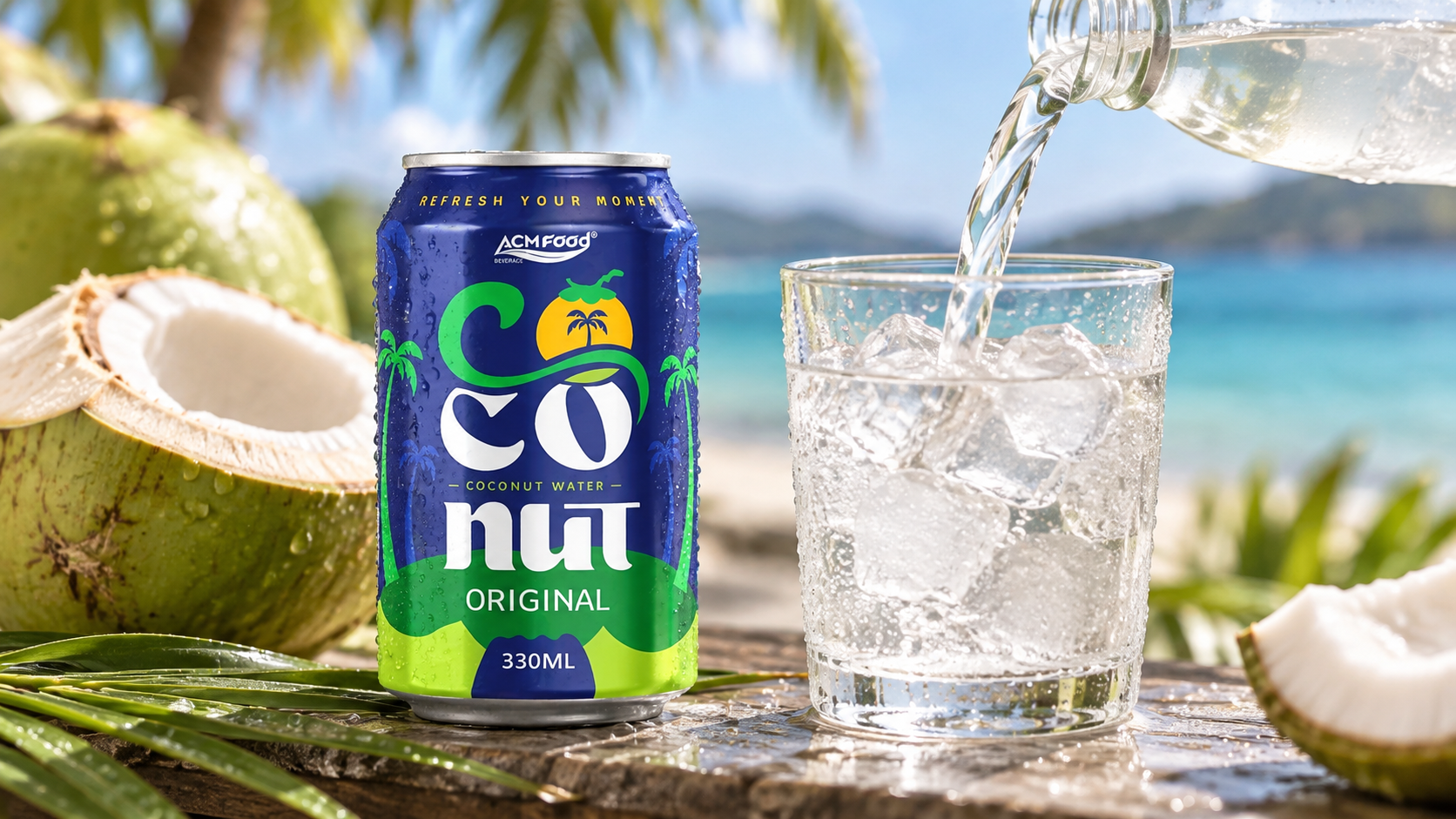
ACMFOOD supplies coconut water in original, with pulp and flavoured styles for brand owners and importers, and provides samples so buyers can evaluate taste against their own benchmarks before committing.
FAQ about the best tasting coconut water
Why does some coconut water taste salty or sour?
Saltiness often reflects the variety or maturity of the coconuts used, while sourness can come from added acid or, in an opened product, from spoilage. A clean, slightly sweet taste is usually a sign of good raw material and handling.
Does coconut water with pulp taste better?
Pulp adds body and a soft texture, which many people enjoy. It does not change the taste of the water itself very much, so preference comes down to texture.
Is pure coconut water better tasting than flavoured coconut water?
It depends on what you enjoy. Pure coconut water shows the natural flavour of the coconut, while flavoured versions add fruit or other notes. If you dislike plain coconut water, a flavoured option may suit you better.
Should coconut water be served cold?
Yes. Chilling makes coconut water more refreshing and keeps its aroma clean. Very warm coconut water often tastes flatter and more mineral.
Conclusion
The best tasting coconut water comes from young, aromatic coconuts, processed quickly and gently, with an ingredient list that lets the natural flavour show. Variety, maturity, timing, processing and recipe together explain most of the differences you notice between products, and a chilled blind tasting is the fairest way to choose a favourite. Remember that a sweeter taste may simply reflect added sugar, so read the label too.
If you are selecting coconut water for a retail range or developing your own brand, ACMFOOD can share samples in different styles and discuss taste targets, packaging and labelling for your market.