


 Français
 Español
 العربية
 한국어
한국어To import beverages into Brazil, classify your product under Brazil’s 8‑digit NCM, enable your importer in SISCOMEX (RADAR), determine whether ANVISA requires product registration or notification, prepare compliant Portuguese labeling, and pass border inspection. The workflow is multi-step and time-consuming, especially for formulas with additives, claims, or novel ingredients.
Below is a practical, sequenced playbook for importers, brand owners, and sourcing teams planning commercial beverage shipments into Brazil.
Who regulates beverage imports into Brazil?
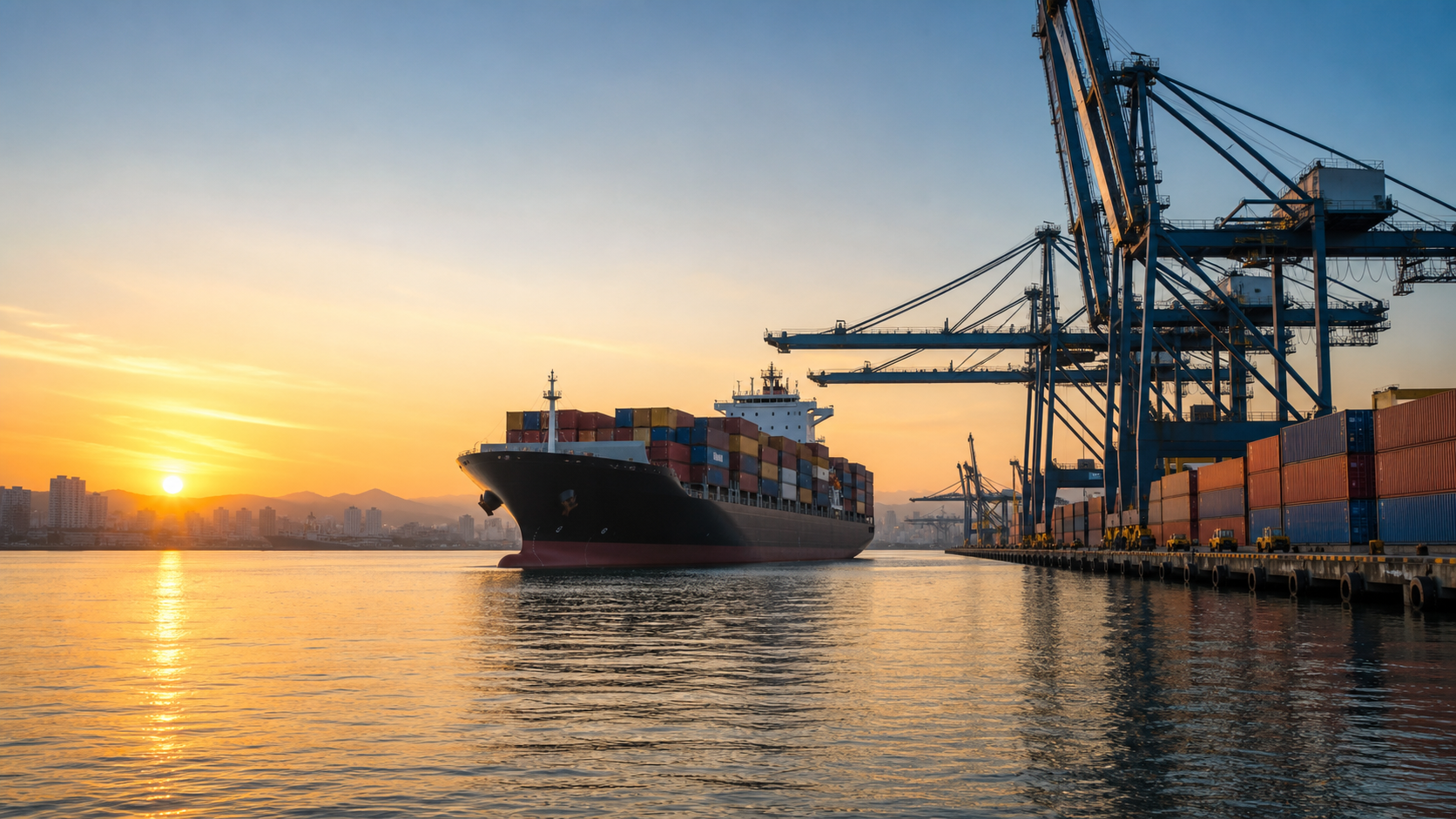
Brazilian beverage imports are overseen primarily by ANVISA for sanitary authorization and labeling, and by Receita Federal do Brasil (Customs) for clearance, duties, and taxes. Depending on product type, other bodies may be involved, but non-alcoholic drinks typically sit under ANVISA’s food framework and Customs operational controls.
- ANVISA (Agência Nacional de Vigilância Sanitária): Food safety, product registration/notification, inspection at ports and airports via local sanitary surveillance.
- Receita Federal do Brasil (RFB): Customs risk assessment, duty/tax calculation, and release.
- Ports & airports commonly used: Port of Santos (São Paulo), Rio de Janeiro, Paranaguá; airports like São Paulo/Guarulhos (GRU) and Rio de Janeiro/Galeão (GIG).
Step-by-step: how to import beverages into Brazil
Follow these steps in order. Timelines are influenced by ANVISA requirements, importer setup (RADAR), and inspection outcomes. Build generous lead time.
- Define the product scope and channel. Confirm the exact beverage category (e.g., 100% juice, nectar, flavored water, isotonic, RTD tea/coffee) and intended use (retail vs. foodservice). This determines regulatory pathways and label content.
- Engage a Brazilian Importer of Record (IoR). Your IoR must have a valid CNPJ (Brazilian company ID) and be habilitated in RADAR to operate in SISCOMEX. Without this, no import declaration can be filed.
- Classify under the 8‑digit NCM. Correct NCM (Mercosur nomenclature) drives ANVISA controls, required licenses, duties, and taxes. Misclassification leads to holds or fines.
- Screen ANVISA pathway: registration, notification, or exemption. Some beverages are isentos de registro (exempt from prior registration) yet still require ANVISA oversight, facility attestation, and fully compliant labeling. If the drink has certain additives, sweeteners, fortification, or claims, formal registration/notification may apply.
- Check composition vs. Brazilian positive/negative lists. Verify additives, sweeteners, caffeine levels, and colorants against ANVISA rules. Adjust the formula if any component is not permitted or exceeds allowed use conditions.
- Confirm labeling strategy in Portuguese (Brazil). Labels must meet ANVISA rules for ingredient list, allergens, nutrition table, claims, country of origin, lot, and date coding. Plan front-of-pack elements early to avoid reprints.
- Prepare technical documentation. Typical files include ingredient breakdown, specification, process flow, shelf life rationale, and certificates from the manufacturer. For certain products, consider a Certificate of Free Sale or manufacturer statements if requested.
- Importer facility and sanitary controls. Ensure the importer’s premises and handling practices meet sanitary surveillance expectations. Local Vigilância Sanitária may audit warehousing/handling for foods under ANVISA’s scope.
- Pre-approval in SISCOMEX when required. Some NCM codes and ANVISA-supervised goods need a prior Import License (LI) in SISCOMEX before shipment. Your broker should confirm if LI applies to your product.
- Finalize packaging artwork and print. Include mandatory Portuguese statements and any specific ANVISA legends tied to sweeteners, caffeine, or other ingredients. All data must match the approved product dossier (if registered/notified).
- Book shipment and pre-alert. Align Incoterms, freight, and insurance. Share a compliant pre-alert pack (commercial invoice, packing list, draft labels, certificates) with your broker long before arrival.
- Border arrival and sanitary inspection. At entry points like Port of Santos or GRU airport, sanitary authorities linked to ANVISA may review documents and, if needed, sample the cargo. RFB runs parallel customs risk analysis.
- Customs clearance, duties, and taxes. Your broker files the import declaration in SISCOMEX and arranges duty/tax payment. Expect a combination of II, IPI, PIS/COFINS-Import, and ICMS (state VAT), varying by NCM and state.
- Release, warehousing, and traceability. After clearance, store under appropriate conditions. Keep traceability (lot, manufacturing date) aligned with label and import documents for post-market controls.
- Post-market compliance. Monitor stability, handle consumer complaints, and maintain files for inspection. Any formulation or label change must remain compliant with ANVISA rules before future shipments.
ANVISA registration vs. notification vs. exemption (isentos de registro)
Brazil uses a risk-based model. Some beverage categories are exempt from prior registration but still fall under ANVISA standards, inspections, and labeling obligations. Fortification, certain additives, or voluntary claims can trigger registration or notification demands. Your importer and regulatory advisor should confirm the right path before artwork or shipment.
| Pathway | When it typically applies | Core tasks | Practical notes |
|---|---|---|---|
| Exemption (isentos de registro) | Standard beverages without sensitive claims or special compositions | Conform to ANVISA standards; Portuguese labeling; importer compliance | Still subject to sanitary inspection and post-market controls |
| Notification | When ingredients/uses require ANVISA awareness | Submit product data; maintain dossier; align label with submission | Do this before printing final labels and shipping |
| Registration | Fortified drinks, novel ingredients, or categories with higher scrutiny | File product dossier for formal approval; keep approvals updated | Build extra time into launch plans |
Regulatory checkpoints: pre-market, border, and post-market
Brazil splits obligations across three phases. Align responsibilities early to avoid rework and delays at the port.
| Phase | What happens | Main system/authority | Positioning & notes |
|---|---|---|---|
| Pre-market | Classification, ANVISA path, label design, possible LI | SISCOMEX (LI, if required), ANVISA | Confirm claims and additives before artwork |
| Border | Document review, possible sampling, customs risk control | ANVISA at port/airport; RFB (Customs) | Any mismatch slows clearance |
| Post-market | Distribution, surveillance, complaint handling | Local sanitary surveillance; ANVISA policies | Keep records for inspections |
Labeling and claims for drinks in Brazil
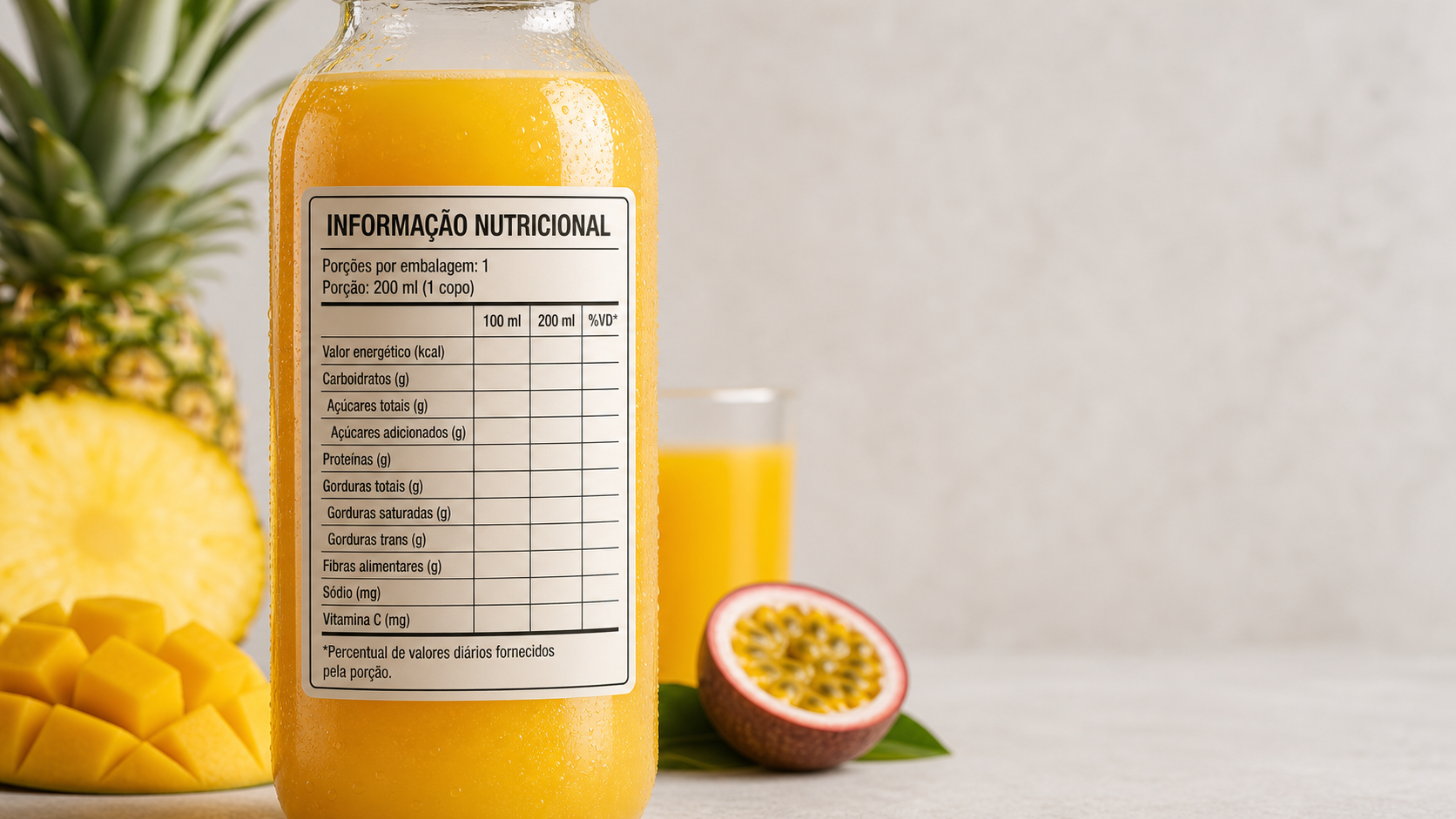
Labels must be in Brazilian Portuguese and match the product’s authorized composition. Expect mandatory elements: ingredient list, allergen statements, net content, manufacturer/importer (CNPJ), country of origin, lot, and date coding, plus a nutrition table following ANVISA’s model.
- Nutrition labelling: ANVISA’s framework (e.g., RDC 429/2020 with related instructions) governs table format and reference values. Build artwork to that template in Portuguese.
- Allergens: Follow ANVISA allergen rules (e.g., RDC 26/2015) with clear “contém/não contém” style statements, as applicable.
- Front-of-pack warning context: For the regional backdrop and policy trend across Latin America, see the explainer in front-of-pack warning labels in Latin America. Coordinate your Brazil label with that shared context without duplicating claims.
- Claims: Voluntary claims (e.g., “no added sugar”) must be truthful, not misleading, and consistent with ANVISA criteria and the final lab results.
If you sell in multiple markets, plan a master artwork with shared compliance layers, then localize to Brazil. For a comparative perspective on pan-market labelling logic, see the overview of EU beverage labelling and import rules: the shared layer and adapt the approach to Brazil’s specificities.
Documents: commercial, technical, and regulatory
Compile an import pack that your broker can pre-screen before ship date. Typical items include:
- Commercial invoice with full product description, NCM, quantities, and values
- Packing list and transport document (B/L or AWB)
- Portuguese label artworks or label proofs aligned to ANVISA rules
- Product specification, ingredient list with additive details, manufacturing flow
- Certificates as requested (e.g., manufacturer declarations, Certificate of Free Sale, if applicable)
- Evidence of ANVISA registration/notification where required
- Importer credentials (CNPJ, RADAR habilitation) for SISCOMEX
Ports, airports, and border inspections
Brazil operates sanitary controls at major entry points. Expect document checks and, if flagged, sampling before release, especially for first shipments or sensitive categories.
- Sea ports: Port of Santos (SP) is the largest hub, with Rio de Janeiro and Paranaguá also active for containerized F&B.
- Airports: São Paulo/Guarulhos (GRU) and Rio de Janeiro/Galeão (GIG) are frequent gateways for time-sensitive and high-value beverages.
- Authorities on site: ANVISA-linked sanitary surveillance and Receita Federal coordinate inspections and clearances.
Taxes, duties, and import costs: what to expect
Import cost build-up depends on the NCM, state of destination, and logistics choices. Generally, the landed cost can include:
- II (Import Duty): Rate set by NCM, applied on CIF value.
- IPI (Tax on Industrialized Products): Varies by product category.
- PIS/COFINS-Import: Federal contributions applicable to imports.
- ICMS (State VAT): Applied by the receiving state; impacts price structure downstream.
- Port/airport fees and broker costs: Handling, storage, demurrage if delays occur, and administrative fees.
Because rates and calculation bases vary, align early with your broker for a scenario by NCM and destination state to avoid underquoting. Build financial buffers for potential storage if inspections extend timelines.
Common pitfalls that slow Brazil beverage imports
- Unclear ANVISA pathway: Assuming exemption when registration/notification is needed leads to relabeling or holds.
- Artwork not in Portuguese or missing elements: Any mismatch with ANVISA rules invites rework and delays.
- Wrong NCM classification: Triggers incorrect licenses, duties, and risk of fines.
- Insufficient time for prior LI or dossier: Some products require steps before shipment that are not compressible.
- Poor pre-alert quality: Brokers need complete and consistent docs to book inspections and anticipate queries.
- No RADAR habilitation: The importer cannot file in SISCOMEX without it.
Practical timeline planning
Plan with conservative buffers. First-time entries, any product under registration, or shipments landing near holidays can stretch lead times. Coordinate formulation, claims, and graphics before investing in packaging. Lock your broker early and run a dry-run document check.
Information for beverage brands and buyers
For brands building a Brazil route-to-market, combine regulatory readiness with commercial diligence:
- Market scoping: Validate category fit, pack sizes, and pricing using a Brazil market overview and retail audits.
- Portfolio alignment: Where sugar, caffeine, or sweeteners are in play, calibrate SKUs for labeling and potential front-of-pack implications (see the regional policy context via Latin America warning labels).
- Supplier readiness: Ensure your manufacturer can provide documents, consistent specs, and quick answers during ANVISA or Customs queries.
- Competitive scan: Benchmark claims, pack formats, and flavors against top global juice brands and leading local players, then localize.
FAQ
Frequently asked questions
Do all beverages need ANVISA registration before import?
No. Some beverages are exempt from prior registration (isentos de registro) but must still comply with ANVISA standards, Portuguese labeling, and sanitary oversight. Products with fortification, certain additives, or specific claims may require registration or notification—verify early.
Can a foreign exporter file with ANVISA directly?
Operationally, your Brazilian Importer of Record leads regulatory and customs actions. The exporter supports with technical dossiers, certificates, and artwork that reflect ANVISA requirements. Coordinate roles in writing to avoid gaps.
Is a prior Import License (LI) needed for drinks?
It depends on the NCM and ANVISA controls. Your broker can confirm if your beverage requires a prior LI in SISCOMEX. When required, complete LI before shipment to avoid border delays.
Which Brazilian ports are most used for beverages?
Port of Santos is the primary seaport for F&B containers. Rio de Janeiro and Paranaguá are alternatives. For air, São Paulo/Guarulhos (GRU) and Rio de Janeiro/Galeão (GIG) handle time-sensitive consignments.
How should I plan timelines?
Build in buffers. First-time entries, products with registration/notification, or shipments flagged for sampling take longer. Align formulation, labeling, and documentation before production to reduce rework.
Sources
- ANVISA – Official website (EN)
- ANVISA – Portal em Português
- Receita Federal do Brasil – Customs
- Ministério da Agricultura e Pecuária (MAPA)