



 Français
 Español
 العربية
 한국어
한국어To import beverages into Japan, you must file an Import Notification via MHLW’s FAINS system, work with two regulators (MHLW and the Consumer Affairs Agency), and clear customs through a Japan-based importer. First shipments are commonly subject to sampling by an MHLW quarantine station before release.
This guide focuses on the exact steps, documents, inspections and labeling you’ll face when you import beverages into Japan, from FAINS submission to post-clearance compliance. It is written for operators who need regulator-ready processes and checklists.
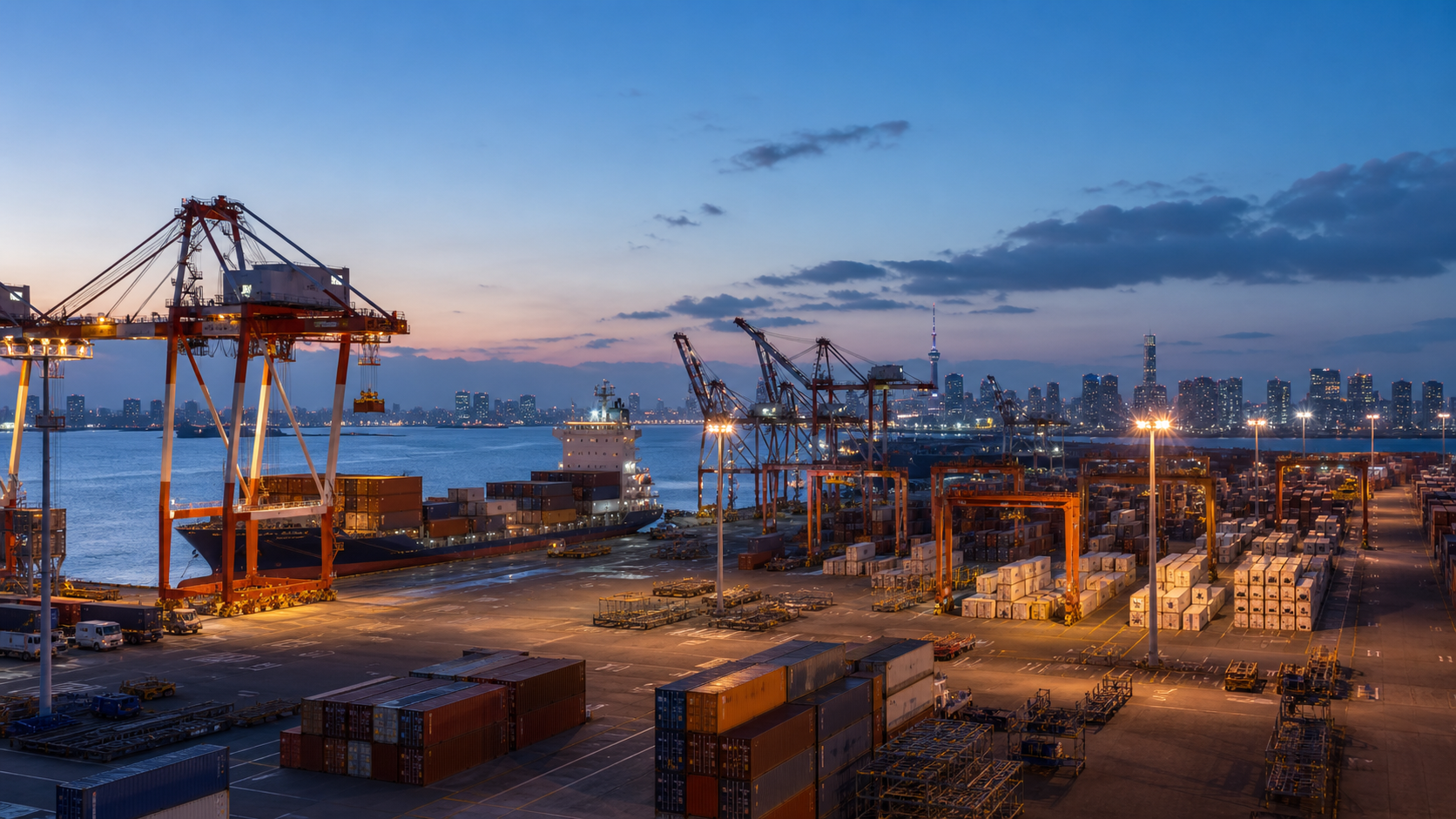
Who regulates beverage imports into Japan?
MHLW oversees food safety under Japan’s Food Sanitation Act, including import notification, inspection and quarantine station controls. The Consumer Affairs Agency (CAA) enforces the Food Labeling Act, which sets labeling rules for ingredients, allergens, nutrition, dates and claims. Japan Customs administers HS classification, duties and import procedures at the border.
What documents do you need before shipping?
Before cargo departs, align on product specs, labels and certificates so your first lot can pass FAINS review and quarantine sampling smoothly. Typical documents include the following.
| Document | Issuer | Purpose |
|---|---|---|
| Commercial invoice & packing list | Exporter | Valuation, product description and lot identification |
| Bill of lading / airway bill | Carrier | Title and transport details for customs & pickup |
| Product specification & full ingredient list | Manufacturer | FAINS import notification, allergen and additive review |
| Production flow (process chart) | Manufacturer | Safety assessment under Food Sanitation Act |
| COA or test data (if available) | Accredited lab / in-house | Supports risk assessment; may be requested for first lot |
| Sample of Japanese back label | Importer / manufacturer | CAA Food Labeling Act compliance check before sale |
How to import beverages into Japan: a step-by-step process
The outline below reflects how most non-alcoholic beverages move from planning to shelves under Japanese rules. Adjust timelines to production and sailing schedules.
- Select a Japan-based importer of record. Foreign entities normally appoint a local importer/distributor to file FAINS, act with quarantine stations and complete customs clearance.
- Confirm product composition against Japanese rules. Your importer screens ingredients, additives and processing aids under the Food Sanitation Act and relevant standards for soft drinks.
- Prepare Japanese label content. Draft ingredients (descending order), allergens as required by CAA, net content in metric, storage, best-before date format in Japanese, and contact details of the importer in Japan.
- Compile a technical dossier. Provide ingredient list with percentages where needed, process flow, manufacturing site, shelf-life rationale, and any available test data.
- Submit FAINS Import Notification to MHLW. The importer files for each product and shipment via the Food Automated Import Notification and Inspection System (FAINS), selecting the correct HS code and product category.
- Await risk assessment and inspection order. For first lots, quarantine stations commonly order sampling. Subsequent lots may be document-only if risk is low, but random checks can occur.
- Arrange labeling before sale. If not pre-printed, Japanese labels are typically affixed in a bonded area or designated facility before release to the domestic market, under importer control.
- Customs declaration and duties. Your customs broker files the import declaration with Japan Customs, pays any assessed duties and applicable taxes, and coordinates release.
- Post-clearance distribution. After MHLW/Customs release, move goods to the importer’s warehouse and begin distribution to retailers, e-commerce or HoReCa.
- Maintain records and respond to authorities. Keep formulations, batch records, FAINS approvals and label proofs on file. Cooperate with any post-market checks by local health authorities.
How do FAINS, quarantine stations and inspections work?
FAINS registers each beverage by product and shipment. Quarantine stations of MHLW review the notification and decide if inspection is required. First-time imports are often sampled; later consignments can shift to documentation-only review depending on risk.
- Sampling at first import: The station may collect product samples at the bonded area and send them to a designated lab.
- Scope of testing: Depending on the beverage and its ingredients, tests can include microbiological checks or targeted contaminants permitted under Japan’s rules.
- Outcome: If results are satisfactory, MHLW issues a notification of import completion; if not, corrective actions such as reconditioning or re-export may be required.
To understand the broader commercial context, see our Japan market overview and regional insights in APAC beverage trends for 2026.
What does the CAA require on beverage labels?
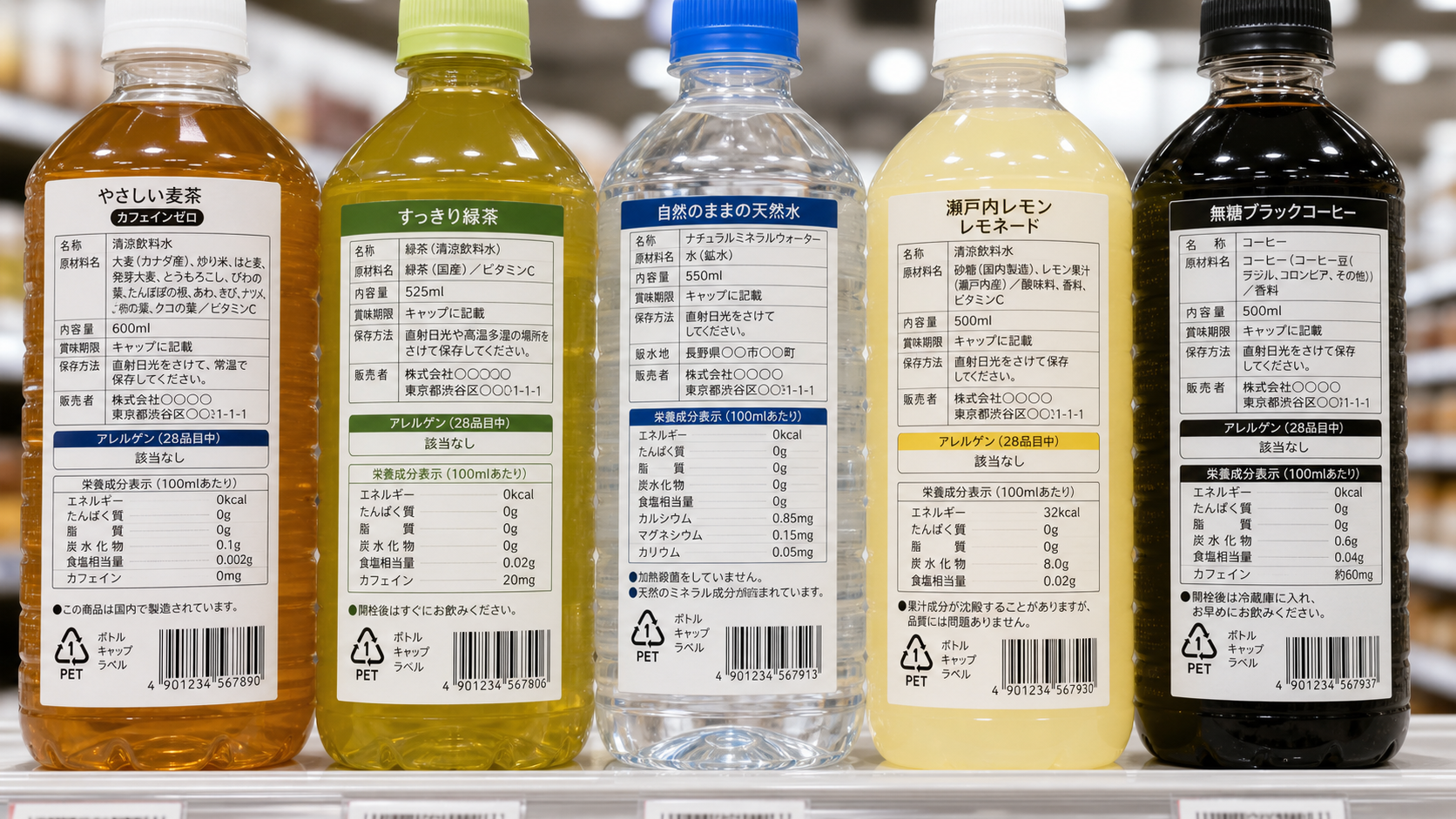
Japan’s Food Labeling Act, enforced by the CAA, requires clear Japanese-language information before sale to consumers. While specifics vary by product, importers typically ensure the following appear on a single, legible back label.
- Product name and ingredients: Ingredients listed in descending order; flavorings and additives declared per Japanese rules.
- Allergen declaration: In line with CAA guidance for specified allergens and designated ingredients.
- Net content: Metric units (mL or L) appropriate to the pack size.
- Best-before date and storage: Date-marking in Japanese and storage conditions consistent with the validated shelf life.
- Importer details in Japan: Legal name and address of the responsible importer/distributor.
- Nutrition facts (when applicable): Format and rounding per CAA labeling standards for beverages.
Claims such as “no additives” or function-related statements must be handled cautiously and are subject to Japanese regulations; align with your importer before printing.
Packaging, recycling marks and shelf-life coding
Japan’s Containers and Packaging Recycling Law requires identification marks corresponding to the primary packaging material (e.g., PET, glass, paper). Importers usually integrate these small symbols near the back label while keeping typography and contrast readable.
- Material identification: Confirm the correct symbol for PET bottles, glass, paper labels or caps before mass printing.
- Durability: Ensure ink and adhesives remain legible across the product’s shelf life, including chilled and ambient distribution.
- Date codes: Use a CAA-compliant best-before format; align factory coders to the Japanese sequence and fonts to avoid misreads at retail.
Customs classification, duties and import taxes
Japan Customs applies HS classification and duties by product and composition (e.g., juice content, sugar content, carbonation, tea-based drinks). Your broker will calculate duty and taxes at import. Alcoholic beverages trigger additional requirements under the Liquor Tax Act; coordinate early if your product contains alcohol.
- HS accuracy matters: Slight formulation differences (juice %, added sugar, carbonation) can change HS codes and duty.
- Documentation alignment: Invoice descriptions should mirror FAINS and label terminology to avoid queries.
- Preferential tariffs: Where applicable, a valid certificate of origin can support a preferential rate under an agreement recognized by Japan.
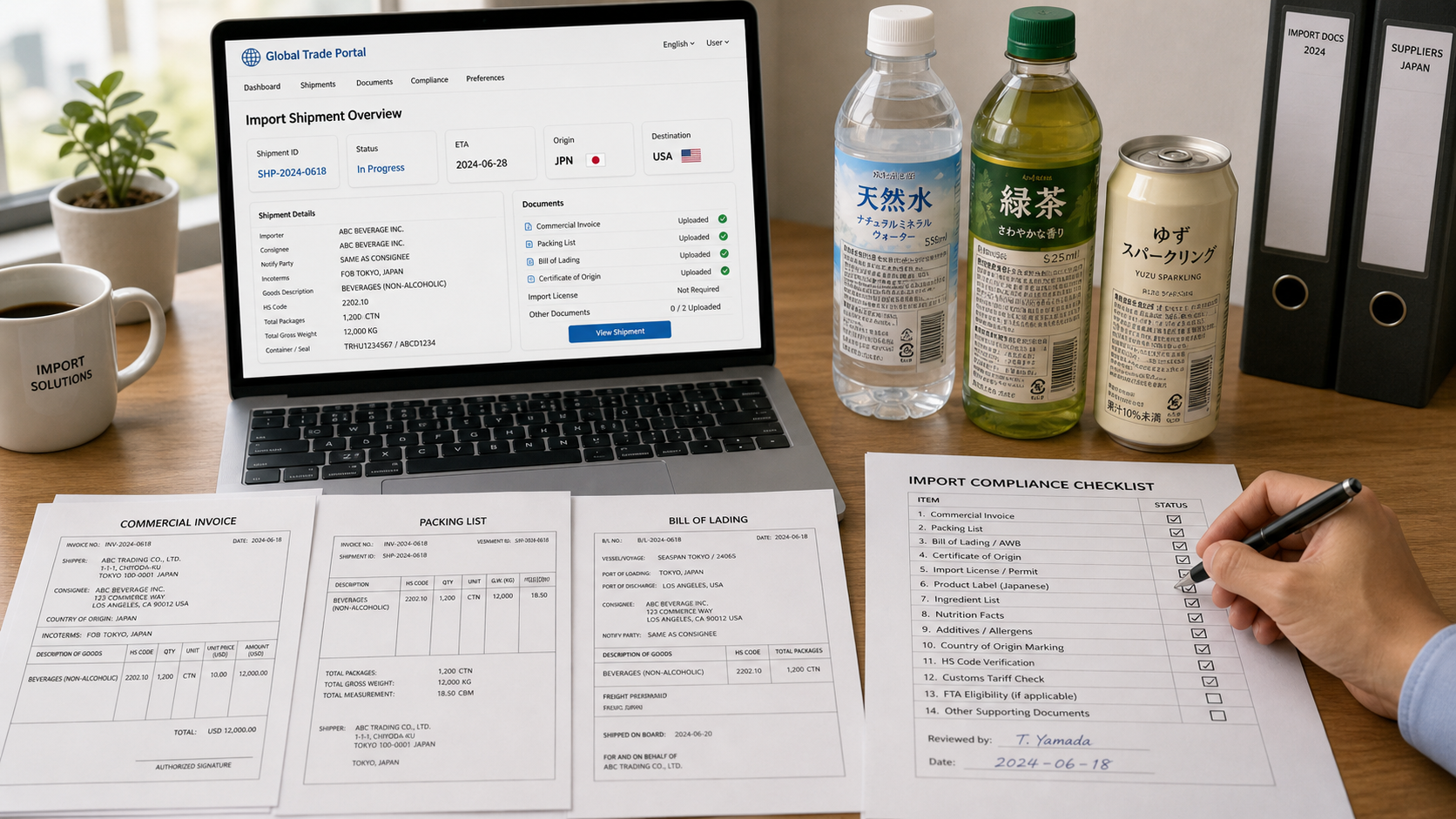
Logistics to major ports and distribution in Japan
Beverages commonly land at major ports such as Tokyo, Yokohama, Nagoya, Osaka or Kobe, then move by truck or rail to regional DCs. Coordinate arrival windows so quarantine sampling, label affixing and customs can occur without demurrage.
- Port coordination: Share FAINS status with your forwarder to time inspections at the bonded area.
- Temperature control: For sensitive products, book reefer containers and verify power availability at terminals and bonded warehouses.
- Inner packs: Design shipper cartons and inner packs that protect labels during bonded rework and shelf handling.
If your Japan plan includes coconut water or tropical fusions, see our guide to importing coconut water from Vietnam and explore premium coconut water OEM options for brand extensions.
Common pitfalls and how to avoid them
Most setbacks center on incomplete FAINS data, labeling gaps or HS misclassification. Build in these safeguards.
- Finalize formulations before FAINS: Mid-process recipe changes can invalidate risk assessments.
- Translate precisely: Ingredient and allergen names must match Japanese terminology; avoid free-form translations.
- Plan first-lot timing: Sampling adds time. Book warehouse slots for bonded rework and contingency days.
- Keep label real estate: Reserve space for Japanese back labels and recycling marks; don’t crowd with claims.
- Align specs and invoices: Customs queries rise when invoice text, FAINS entries and labels differ.
Information for beverage brands and importers
Positioning, packaging and formulation choices made upstream can simplify Japan import compliance and accelerate on-shelf timing.
| Decision point | Options | Compliance & market notes |
|---|---|---|
| Product format | 100% juice; nectar; juice drink; tea/infusion; functional water | Format influences HS code, label lines, and potential inspections under MHLW rules. |
| Sweetening | Unsweetened; sugar; permitted sweeteners | Declaration affects labeling and possibly tariff classification; verify permitted additives. |
| Packaging | PET; glass; can; paper-based | Recycling symbols differ; verify closure/liner materials for contact safety documentation. |
| Shelf life | Chilled; ambient; UHT | Process and storage drive FAINS risk view and best-before coding practices. |
| Claims | Flavor-focused; low-sugar; additive-free | Some claims trigger stricter substantiation; align early with CAA guidance. |
For broader context on consumer drivers that influence compliant label choices, scan APAC beverage trends for 2026. And if you plan a Japan line extension from Southeast Asian sourcing, our piece on importing coconut water from Vietnam highlights practical shipping & documentation flows that mirror Japan’s expectations.
Quick checklist before your first shipment
- Importer of record appointed; broker and forwarder aligned
- Final formula, process flow and specs compiled
- Japanese label text validated by importer
- FAINS notification prepared per product and shipment
- Bonded relabeling plan and warehouse slot booked
- Contingency buffer for quarantine sampling
- Invoices and HS descriptions synchronized with label terms
- Records and contact windows set for any authority queries
FAQ
Do I need a Japan-based importer of record?
Yes. In practice, a Japan-based importer files FAINS, coordinates with quarantine stations, and completes customs clearance. Without a local entity, you’ll need a distributor or import service provider to act on your behalf.
Can I apply Japanese labels after arrival?
Often yes. Importers typically affix Japanese back labels in a bonded area or approved facility before release to the domestic market, subject to coordination with the warehouse and authorities.
How long does first-lot inspection take?
Timelines vary by station workload, product risk and testing scope. Many importers plan a buffer so sampling, analysis and label application can finish without incurring demurrage or storage penalties.
Are samples for trade shows exempt?
Food and beverages entering Japan generally require import notification. Discuss intended use and quantities with your importer to determine the appropriate pathway and labeling approach.
Conclusion
Importing beverages into Japan centers on three pillars: FAINS import notification with MHLW, rigorous first-lot controls at quarantine stations, and Japanese-language labeling under the CAA. With a Japan-based importer, synchronized documents and a bonded labeling plan, most hiccups are avoidable and later lots run smoothly.
Sources
- Ministry of Health, Labour and Welfare (Food Sanitation Act; import notification via FAINS)
- Consumer Affairs Agency (Food Labeling Act; allergen and nutrition labeling)
- Japan Customs (HS classification and import procedures)