


 Français
 Español
 العربية
 한국어
한국어
RTD tea manufacturing is the end-to-end process of turning brewed tea or standardized extracts into a shelf-stable ready-to-drink beverage with consistent flavor, clarity and quality. It spans ingredient selection, extraction, clarification, blending, packaging, and thermal or aseptic processing.
This guide focuses on three topics that make or break a commercial tea drink: brewing choices, clarity control, and shelf stability. Formulations vary widely by tea type, sweetness, acidity, flavor style, and market rules. Use the following sections to plan R&D, brief contract manufacturers, and de-risk scale-up.
What does RTD tea manufacturing involve?
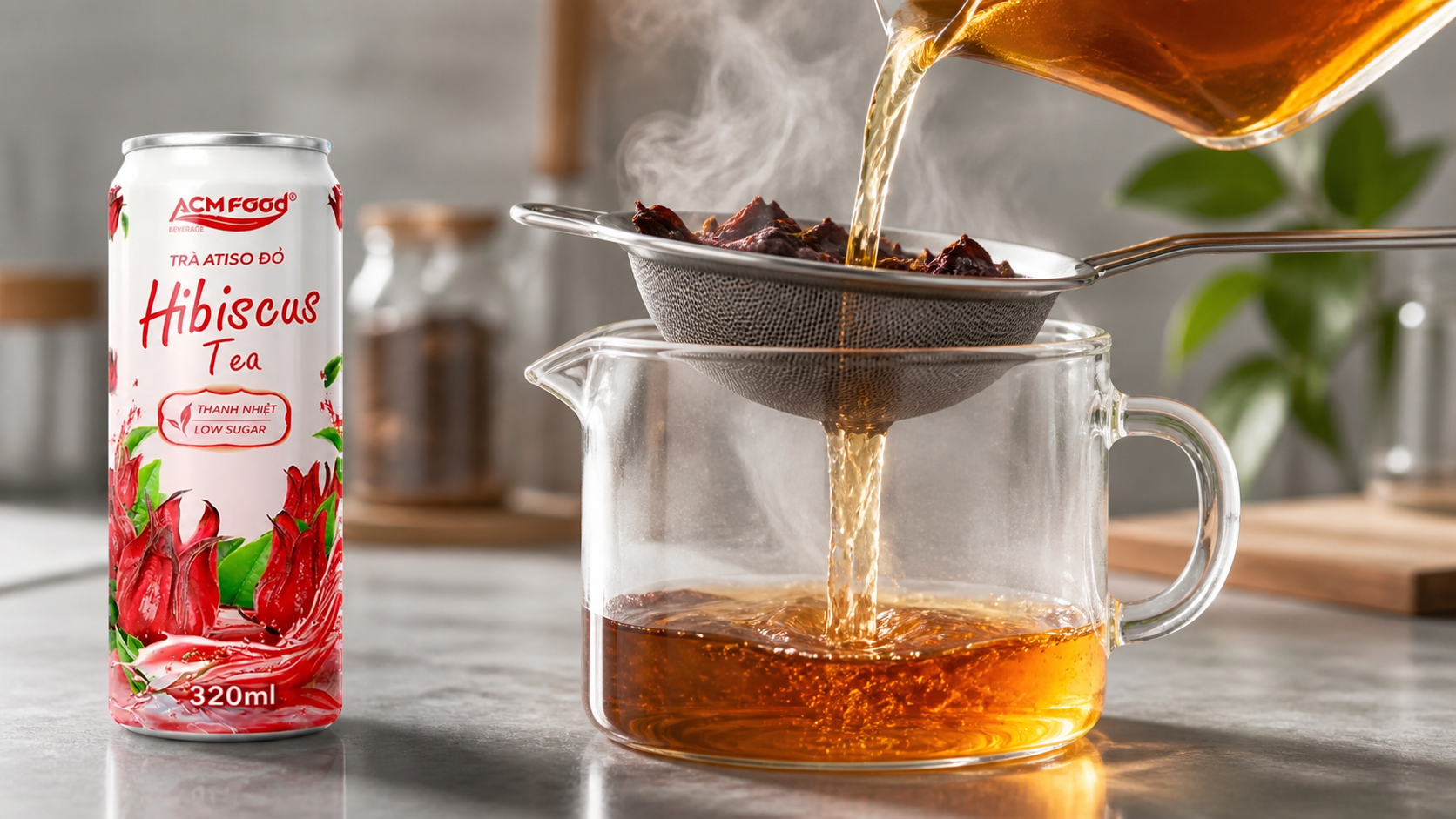
At a high level, RTD tea manufacturing involves extracting tea solids and aroma, removing or controlling haze-forming components, blending sweeteners and acids, reducing oxygen, then pasteurizing or aseptically processing before filling into bottles, cans, or cartons. Success is measured by stable taste, color and clarity over shelf life while meeting regulatory and labeling requirements.
A typical flow is: tea selection and extraction; coarse screening; clarification (enzymatic, fining, filtration); blending with sweeteners, acids, flavors and water; deaeration; heat treatment or aseptic processing; filling and capping; cooling; quality checks; and shelf-life validation.
Hot brew, cold brew, or tea extract—how should brands choose?
Each path can produce excellent RTD tea. Hot brew yields classic profiles with higher extraction efficiency but greater risk of haze. Cold brew offers smoother, less bitter notes yet extracts more slowly and may be microbially riskier pre-heat. Standardized liquid extracts or instant tea powders give consistency and fewer solids, simplifying clarity control and scale-up.
Consider your target taste, clarity, throughput, and cost. For global rollouts and multi-plant production, standardized extracts or concentrates often reduce variability and speed qualification across sites.
| Method | Strengths | Risks to manage | Common uses | Notes |
|---|---|---|---|---|
| Hot brew (leaf) | Classic aroma; efficient extraction | Haze/tea cream; scale on equipment; oxygen pickup | Premium black/green teas; seasonal SKUs | Control time/temp, immediate clarification and cooling |
| Cold brew (leaf) | Smoother, less bitter profile | Longer extraction; pre-heat microbial risk; yield | Specialty lines; small-batch flavor stories | Use refrigerated extraction and rapid post-clarification |
| Liquid extract | Standardized strength; fewer solids | Flavor flatness if over-processed | Large-scale, multi-plant, clear teas | Select low-creaming grades; validate sensory |
| Instant tea powder | Cold-water solubility; fast setup | Dusting; potential flavor thinning | Powder-to-liquid batching; economy formats | Pre-dissolve; monitor turbidity |
How do water chemistry and pH affect clarity and taste?
Water hardness, alkalinity and pH strongly influence a tea drink’s clarity and astringency. Divalent minerals (calcium, magnesium) can complex with polyphenols, promoting haze and sediment; high alkalinity can mute brightness. In most markets, acidified RTD teas are formulated to an acidic pH for safety and stability, with exact targets set by process authority and local regulations.
Start with source profiling and, if needed, treatment to stabilize minerals and remove off-notes before you brew or blend. For deeper planning on pretreatment options, see water treatment in beverage manufacturing.
Preventing haze, tea cream and sediment
Haze and “tea cream” are usually complexes of tea polyphenols with proteins, minerals or other colloids that precipitate during cooling or storage. They are influenced by tea grade, extraction conditions, water chemistry, and added acids or juices. Preventing haze requires managing both the precursors and the process.
- Choose low-creaming inputs: Select extracts or teas specified for clarity, especially for clear SKUs.
- Control brew parameters: Over-extraction increases tannins and insolubles; validate time and temperature windows.
- Optimize water: Reduce hardness and balance alkalinity to limit complexes that form haze.
- Pre-clarify: Use chill-and-hold followed by depth filtration; consider fining aids such as PVPP where permitted to bind haze-forming polyphenols.
- Manage added ingredients: Citrus oils, pectin from juices, and plant proteins can destabilize clarity; use emulsions, enzymes or extra filtration as appropriate.
- Minimize oxygen: Deaerate water and blends to limit oxidation-driven haze and color changes.
Filtration and clarification technologies for clear RTD tea
Clarity control is typically staged: coarse removal of leaf fines, then depth filtration, and finally membrane polishing if needed. The right stack depends on target turbidity, flavor preservation, and throughput.
| Technique | Primary effect | When to use | Positioning & notes |
|---|---|---|---|
| Coarse screens (50–200 μm) | Remove large particles/fines | Immediately post-brew or post-mix | Protects downstream filters; minimal flavor impact |
| Clarifying centrifuge | Reduce suspended solids | Leaf brews with high fines | Speeds clarification; adjust g-force to protect aroma |
| Depth filtration (cellulose/DE) | Trap colloids and haze precursors | Clear or low-turbidity teas | Balance throughput vs. aroma retention; monitor pressure |
| Microfiltration | Polish turbidity; bioburden reduction | High-clarity, cold-fill + preservatives | May strip aromatics; validate sensory and flux |
| Activated carbon (selective) | Remove off-odors/colors | Problem water or off-notes | Risk of over-polishing flavor; use carefully |
| Fining aids (e.g., PVPP) | Bind polyphenols causing haze | Stubborn tea cream | Regulatory-dependent; verify removal and labeling |
Sweeteners, acids and flavors—what should formulators watch?
Sweeteners, acidulants and flavors shape taste and shelf life—and they can make or break clarity. Sucrose or invert syrups provide body and mouthfeel; high-intensity sweeteners reduce sugars but need flavor balancing. Acidulants such as citric or malic sharpen taste and support microbiological control; exact pH targets must align with your heat process and local rules.
- Sweeteners: Validate sweetness build in tea matrices; some high-intensity systems accentuate bitterness.
- Acids: Citric is common for lemon teas; malic adds smoother sourness. Buffering influences pH drift.
- Flavors: Emulsified citrus flavors can cause cloudiness; use stable emulsions and compatible weighting systems as permitted.
- Colors: Tea color darkens with oxidation; minimize oxygen and light. Added colors must be approved in your market.
- Antioxidants: Ingredients such as ascorbic acid are sometimes used to protect flavor, subject to regulations and sensory fit.
If you plan to add micronutrients for functional positioning, coordinate stability with pH, heat and oxygen. For an overview of options and considerations, see vitamin and mineral fortification.
Thermal processing and shelf stability options
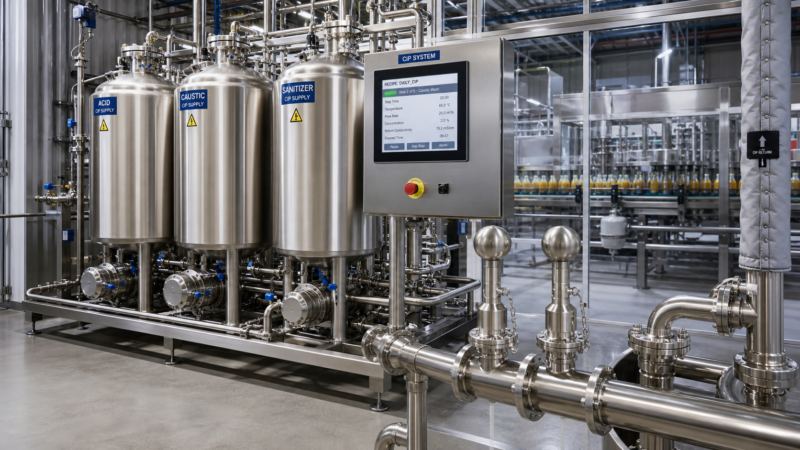
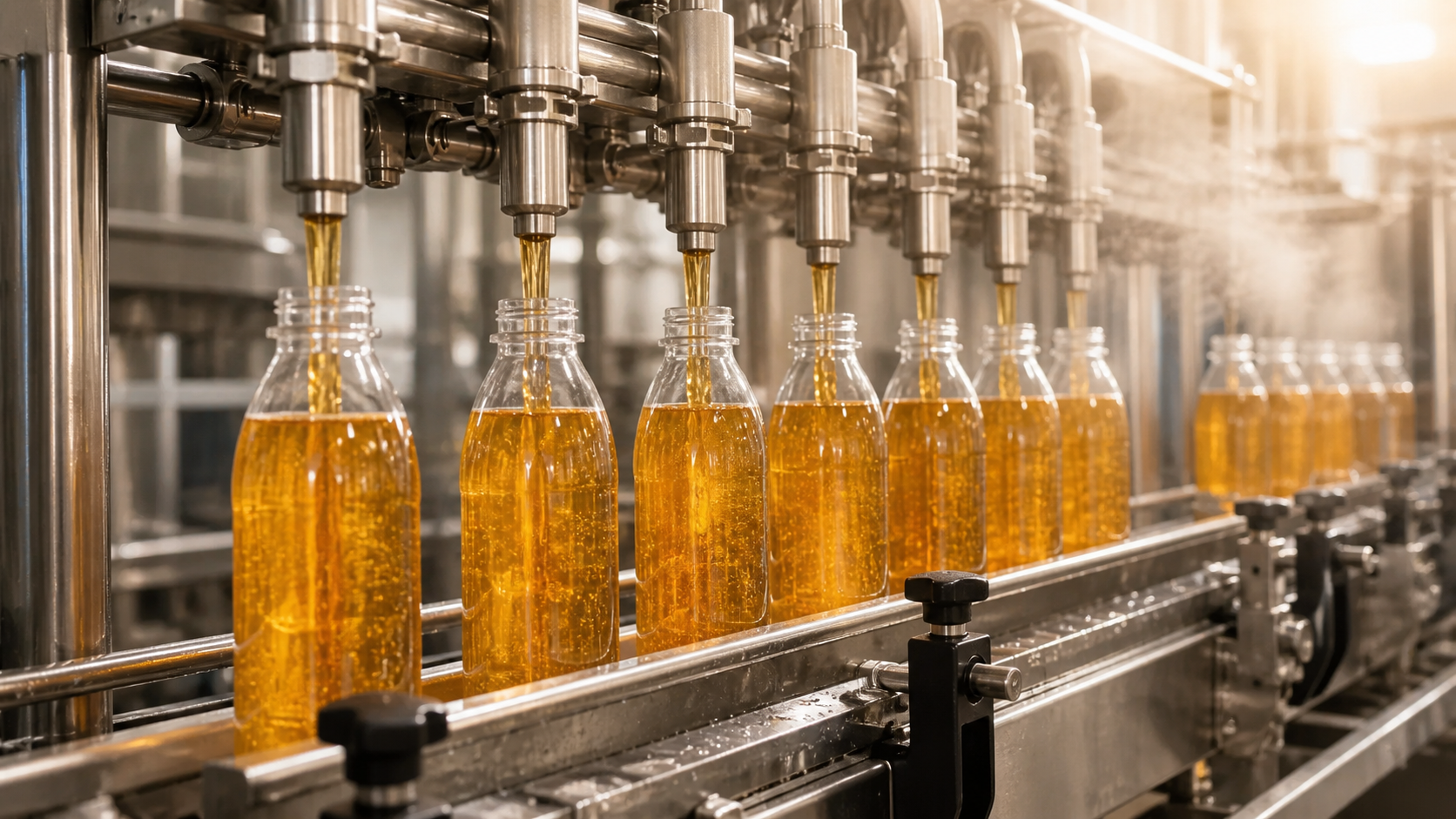
RTD teas can be rendered shelf-stable via hot-fill, tunnel pasteurization, or ultra-high-temperature (UHT) processing with aseptic filling. Some brands use cold-fill with preservatives for chilled distribution. The optimal path depends on pH, packaging, distribution and sensory targets.
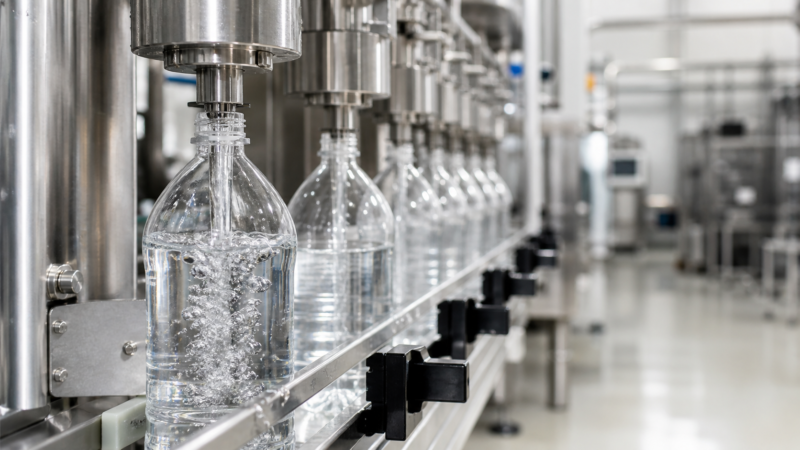
- Hot-fill-hold: Suitable for acidified teas in PET or glass. Product is filled hot, held to achieve lethality, then cooled. Manage thermal load to retain aroma.
- Tunnel pasteurization: Fill cold in cans or glass and pasteurize in-pack. Good for carbonation-free teas and consistent closures.
- UHT/aseptic: Very low bioburden and extended shelf life with careful oxygen control. Works for cartons, PET, or multilayer bottles designed for aseptic.
- Cold-fill + preservatives: For chilled chains; requires validated preservative systems within legal limits and robust sanitation.
Oxygen management is critical: deaerate water and blends, avoid splashing, control headspace, and consider nitrogen dosing for PET to reduce oxygen pickup and add rigidity. Light control matters too—amber or UV-protective packaging can slow flavor fade.
Packaging choices for RTD tea
Packaging must align with process, clarity goals and route-to-market. Clear packs showcase brightness; cans block light; cartons emphasize sustainability. Closures and liners must withstand heat processes and preserve aroma.
- PET bottles: Lightweight, clear, compatible with hot-fill (with proper design). Use barriers or nitrogen dosing to manage oxygen.
- Glass bottles: Premium feel, excellent barrier; heavier and fragile; compatible with hot-fill and tunnel pasteurization.
- Aluminum cans: Great barrier and portability; protect tea flavor with proper lacquer; ideal for tunnel pasteurization.
- Cartons/aseptic bottles: Pair with UHT; strong barrier; not see-through—rely on graphics to signal clarity.
Quality control plan and shelf-life testing
A robust QC plan sustains clarity and flavor at scale. Define acceptance criteria during pilot and carry them to production with calibrated instruments and trained panels.
- In-process: Brix and density; pH; turbidity/NTU; color; sensory checks of astringency and off-notes; filtration differential pressures.
- Micro: Raw material testing, environmental monitoring, and finished product verification per your process authority.
- Oxygen and closure integrity: Headspace oxygen and torque checks; packaging leak tests.
- Shelf-life studies: Real-time and accelerated storage at relevant temperatures and light exposures; periodic turbidity and sensory tracking.
- Transportation simulation: Vibration and temperature cycling to anticipate sediment or delamination issues.
Formulating with juice, vitamins or dairy
Adding juice, vitamins or dairy changes stability and process needs. Juice brings pectin and pulp that add haze risk; pectinase or tighter filtration may be required. Micronutrients must be compatible with pH and heat exposure. Dairy-based milk teas require protein stabilization and typically UHT/aseptic processing to achieve ambient shelf life.
Plan fortification early, as nutrient forms and target claims influence processing, packaging and label space. For a framework on planning, revisit vitamin and mineral fortification.
Development workflow and OEM/ODM brief
Translate the concept into a manufacturing-ready brief that balances taste, clarity, cost and compliance. Clarity issues discovered late are expensive—validate filtration and thermal exposure at pilot before locking packaging.
- Product spec: Tea type, target sensory, sweetness and acidity, color, desired turbidity or clarity, with acceptance ranges.
- Process spec: Extraction route, filtration stack, deaeration, heat treatment, fill temperature, and cooling profile.
- Packaging spec: Format, size, closure, light/oxygen barrier needs, and decoration.
- Quality spec: Brix, pH, turbidity target, micro plan, and shelf-life goals.
- Regulatory plan: Markets, additive permissions, caffeine disclosure, and local label format.
When engaging a co-packer, align definitions and responsibilities early. This checklist on contract manufacturing agreement items helps structure scope, testing and change control. If you are still choosing a sourcing model, compare private label vs OEM beverage approaches to match your resources and timeline.
Regulatory and labeling checkpoints by market
Ingredient permissions, sweetener disclosures, caffeine statements, and additive limits vary by country. So do processing requirements for acidified beverages, and container-deposit or recycling marks. Build regulatory review into the concept stage and validate with local counsel or your manufacturing partner.
If shipping to the U.S., this overview of a U.S. beverage label checklist can help you assemble the mandatory elements before design lock. Keep in mind that any functional positioning must reflect the final tested formulation and applicable market rules.
FAQ
What causes haze or tea cream in bottled tea?
Tea polyphenols can complex with proteins, minerals and other colloids, especially after cooling, forming visible haze or sediment. Control extraction, water hardness, oxygen, and use staged clarification to reduce these complexes.
Can RTD teas be completely clear and still taste like freshly brewed tea?
Yes, many clear RTD teas deliver strong tea character, but aggressive polishing can strip aromatics. The art is balancing filtration and thermal load to meet clarity goals without flattening flavor.
Which processing method gives the longest shelf life?
UHT with aseptic filling typically supports long ambient shelf life when oxygen and light are well controlled. However, hot-fill or tunnel pasteurization can also deliver robust stability for acidified teas.
How do I keep lemon tea from clouding?
Use stable citrus emulsions or clarified juices, manage pectin via enzymes if applicable, control mineral hardness, chill-and-hold before polishing filtration, and validate turbidity after thermal processing.
Is cold brew practical at large scale?
It can be, with refrigerated extraction, sanitation controls, and adequate residence time. Many brands switch to standardized extracts to simplify throughput and clarity at scale.
Conclusion
RTD tea manufacturing lives at the intersection of extraction, clarity management and shelf-stability engineering. Choose a brewing route that fits your flavor story and throughput; design water, pH and filtration together; and match packaging with the right heat process and oxygen control. Build clarity and sensory targets into your brief early, and validate them at pilot to avoid surprises during commercialization.