



 Français
 Español
 العربية
 한국어
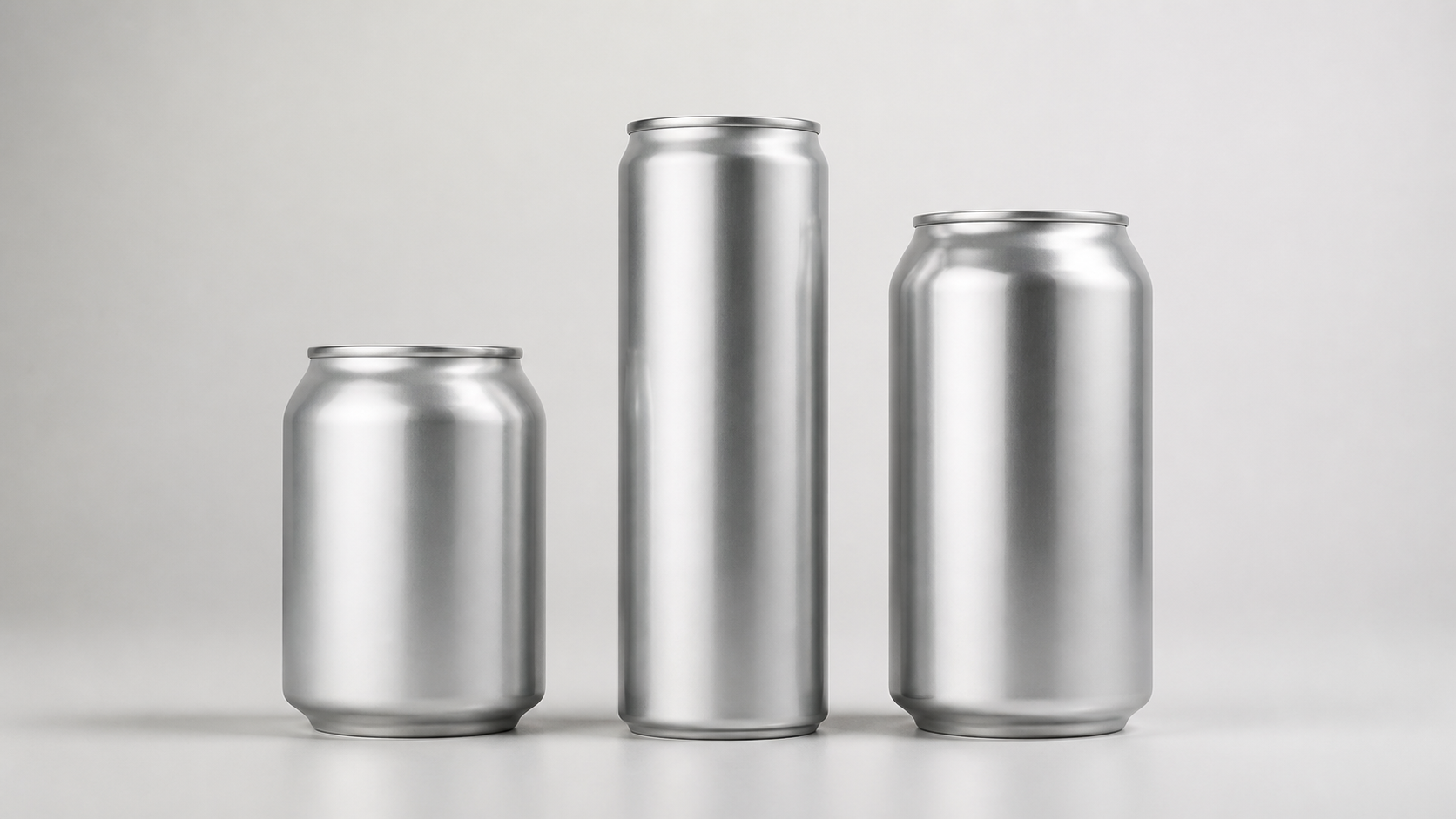
한국어Beverage can formats generally fall into three families—standard, sleek and slim—each defined by a characteristic diameter-to-height profile and by the volumes commonly stocked in different regions. Choosing between them affects brand perception, line compatibility, label real estate, freight efficiency and unit economics.
This guide explains what each format typically implies, how the terms are used across markets, and which criteria matter when you’re building a product brief. Because naming conventions vary by supplier and country, always confirm exact diameter, height, end type and target fill volume with your manufacturer before finalizing artwork or buying change parts.
What are the main beverage can formats?
The three most-referenced beverage can formats are standard (wider and shorter), sleek (taller with a slimmer profile) and slim (the narrowest look, often used for small-to-mid volumes). Availability and nomenclature vary by market and by can maker, so treat these as families rather than strict global standards.
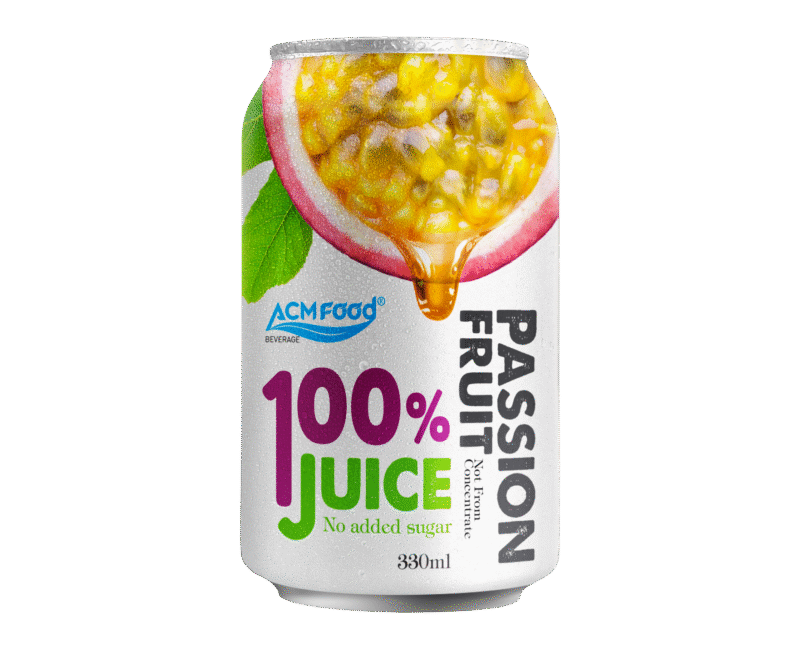
- Standard can: The classic soft drink look with a broader diameter and moderate height. Typical fills include 330 ml in many regions and 355 ml (12 oz) in the United States, with other volumes also used by category.
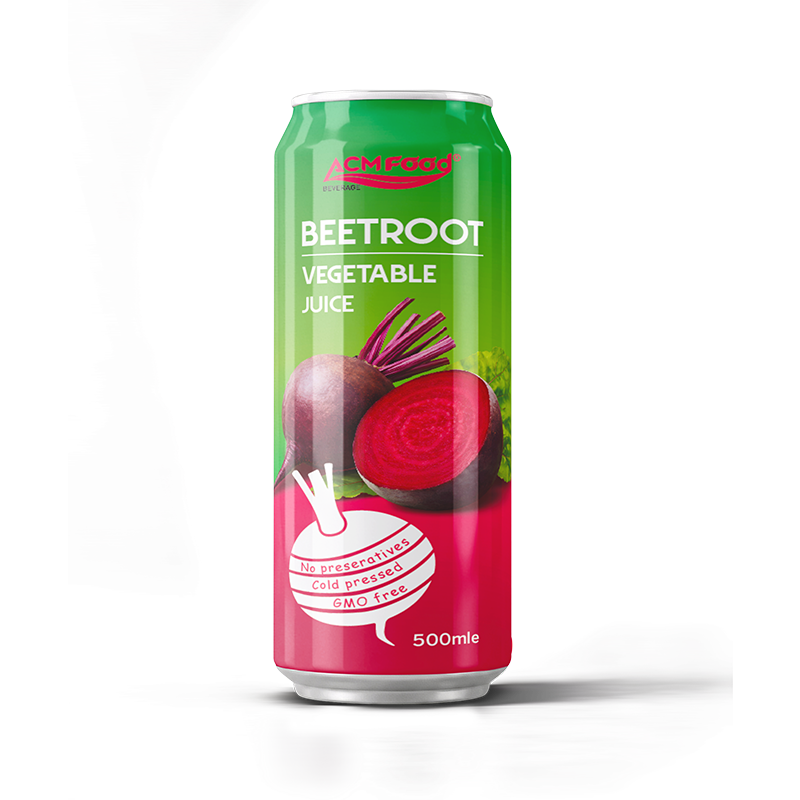
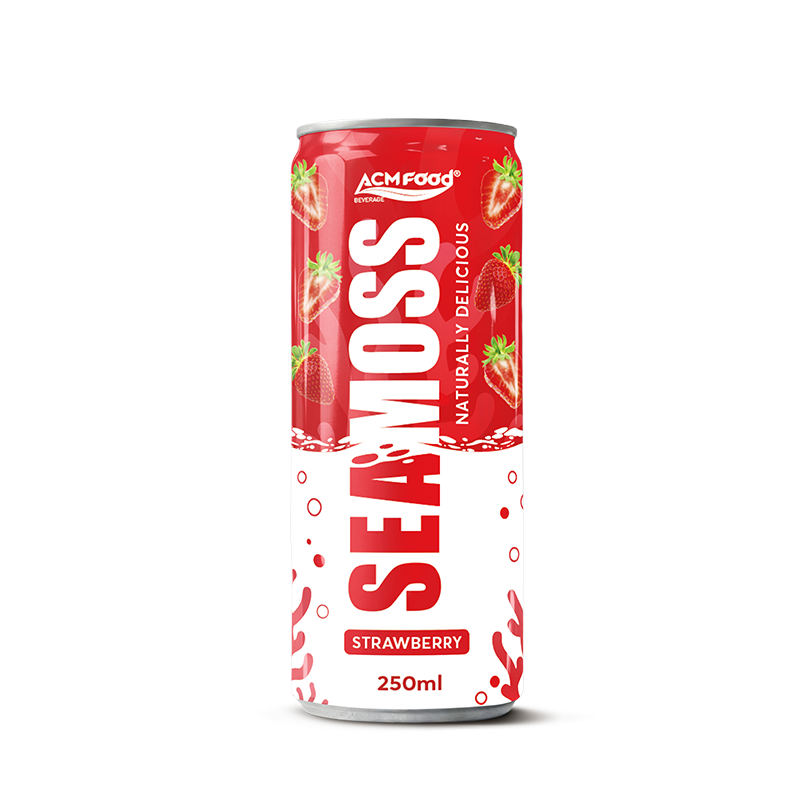
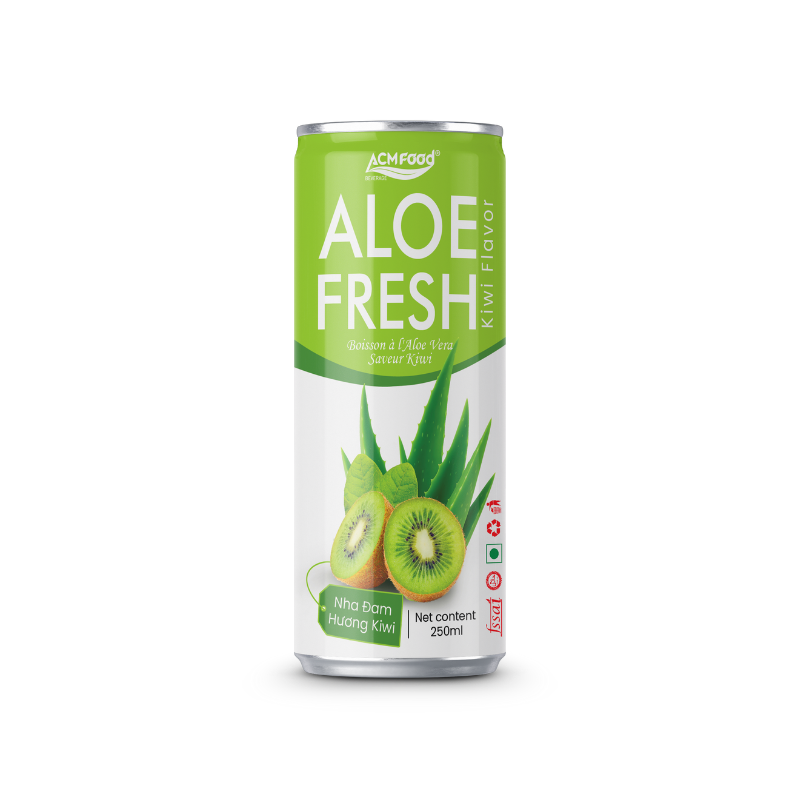
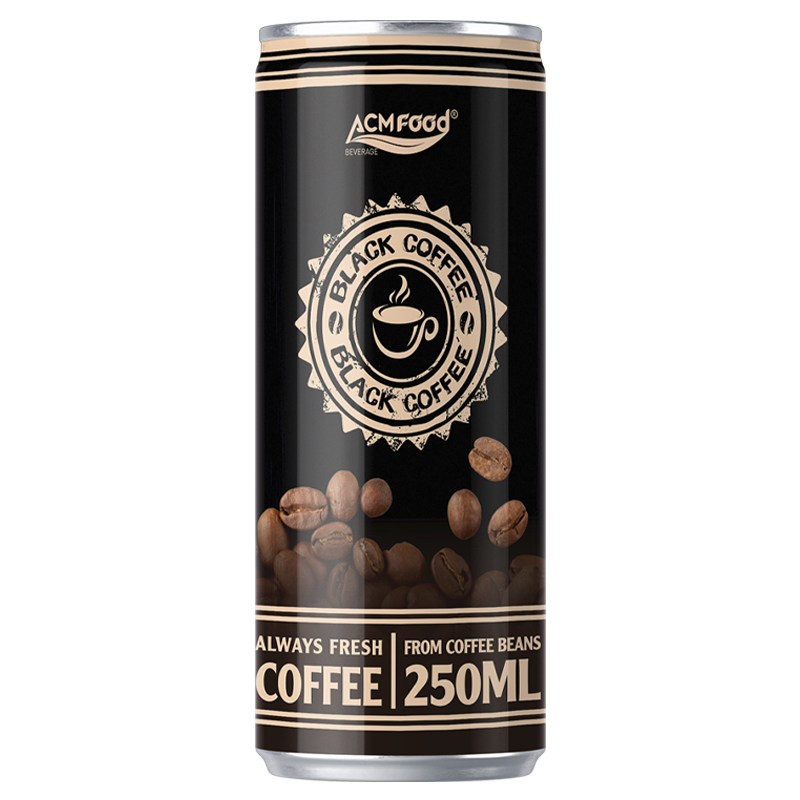
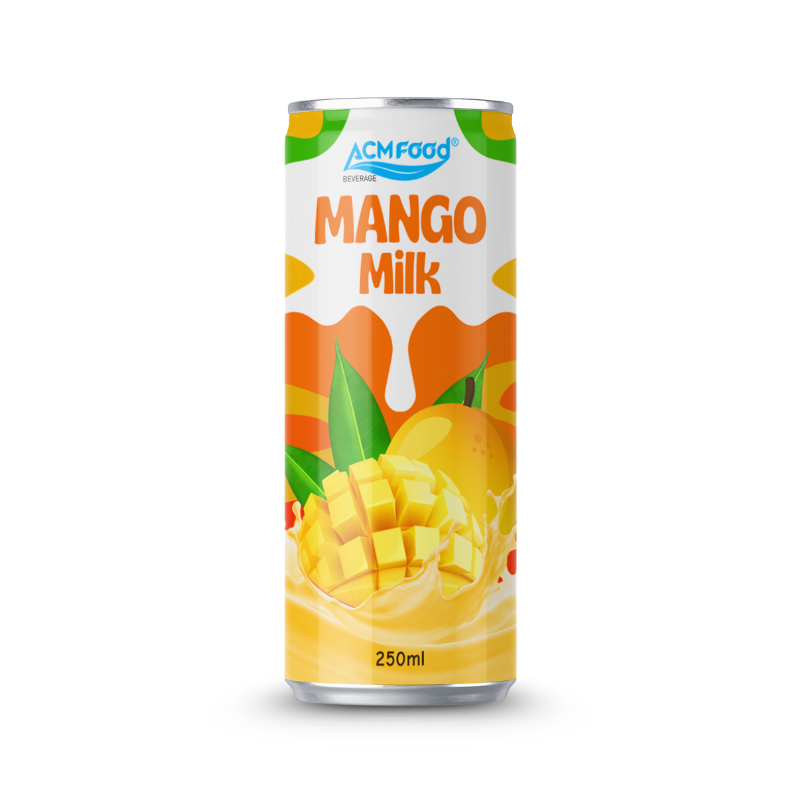
- Sleek can: Taller and slimmer than standard; often chosen for a modern, premium or active lifestyle signal. Common in flavored waters, hard seltzers and functional RTDs.
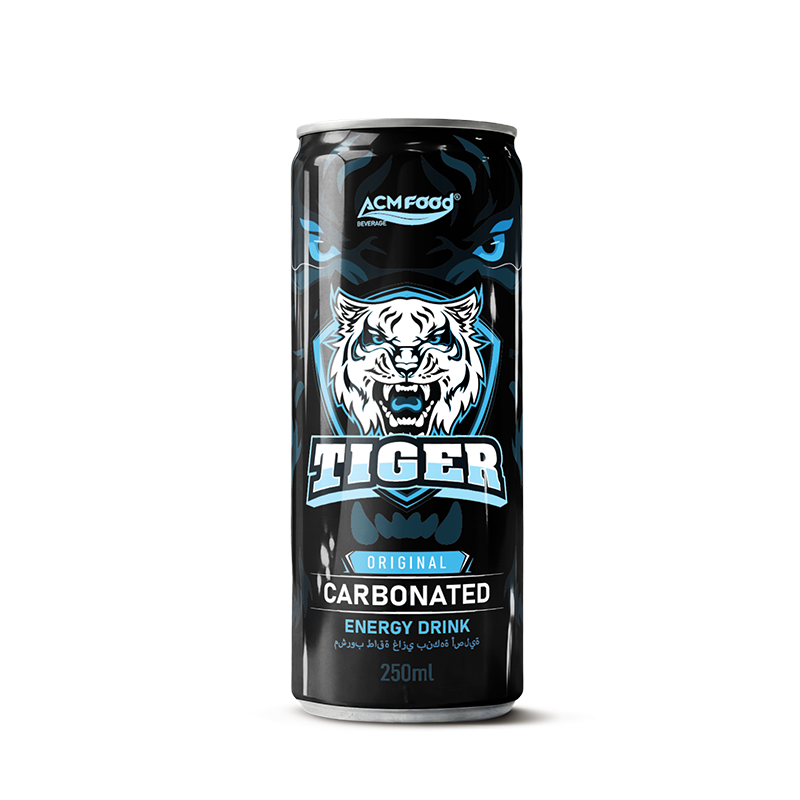
- Slim can: The narrowest silhouette; widely seen for smaller serves, light refreshment, mixers and select energy or cocktail SKUs.
Within each family, can height can vary to deliver different fill volumes. Many manufacturers also offer multiple end sizes and finishes, plus compatible secondary packaging (trays, wraps, cartons) suited to each can body diameter.
Sleek can vs slim can: what’s the difference?
In practice, “slim” and “sleek” are both slender profiles, and the naming can overlap. Some suppliers use “slim” for the narrowest small-serve option and “sleek” for taller mid-serve cans; in other catalogs, the terms may be swapped or combined. The safest approach is to specify exact diameter code, target height and fill volume when you brief a project.
- Visual impression: Both slim and sleek feel contemporary. Slim reads most delicate; sleek reads tall, dynamic and modern.
- Use cases: Slim frequently appears in refreshers and mixers; sleek is common for seltzer, functional hydration and better-for-you propositions; either can work for energy drinks depending on brand strategy.
- Operations note: Changing between slim, sleek and standard typically requires different change parts and material handling settings. Confirm with your filler.
How do can formats shape brand positioning?
Format is a silent positioning lever. A slim or sleek profile can cue modernity, lightness, function or premiumization, while a standard can often signals familiarity, mainstream value and everyday refreshment.
- Category cues: Many energy and functional drinks lean slender to suggest performance or focus; classic colas and sparkling juices often use standard for instant recognition.
- Calorie & portion cues: Smaller-serve slim cans can communicate moderation; taller sleek cans can read as active-lifestyle or premium hydration.
- On-shelf blocking: Standard cans build solid blocks at eye level; sleek and slim create a vertical rhythm that can stand out in cluttered sets.
- Price-pack architecture: Taller or smaller formats can justify different price points by reframing value, portion or trade-up benefits.
When assessing format for a new line, test mock-ups on a shelf set alongside real competitors. Observe first-glance recognition, premium perception, and how multipacks stack and travel.
Formats at a glance: standard vs sleek vs slim
The matrix below summarizes practical differences to help your team align marketing goals with operational realities. Exact specifications and availability depend on the can maker and market.
| Format | Typical fill options | Look & feel | Common categories | Line compatibility | Label & print area | Logistics notes |
|---|---|---|---|---|---|---|
| Standard | 330 ml, 355 ml and others by region | Familiar, mainstream, robust | Cola, sparkling juice, beer, mixers | Often widest line compatibility and canstock availability | Shorter body height, wider wrap; abundant design references | Efficient pallet blocking; strong secondary packaging options |
| Sleek | Mid-serve volumes; also used for some 12 oz in select markets | Tall, modern, premium, active | Seltzer, functional hydration, energy, cocktails | May need dedicated change parts and guides | Taller design canvas; strong billboard effect | Carton/tray formats must match diameter; good shelf standout |
| Slim | Smaller to mid-serve volumes (e.g., mixers, light RTDs) | Narrowest, delicate, minimalist | Mixers, refreshers, cocktails, select energy SKUs | Most distinct handling; confirm compatibility early | Narrower billboard; sleek minimal aesthetics | Higher can count per layer possible; check stability in display |
Do can size and shape affect product performance?
They can influence aspects of processing and perception. A taller body may alter headspace-to-liquid ratio for a given fill volume, which can intersect with carbonation management, seam integrity and pour behavior. The exterior geometry also affects how rapidly a chilled can warms in hand and how consumers perceive “drinkability”.
- Carbonation management: Headspace and temperature control remain critical regardless of format; work with your filler to validate CO2 targets and seaming under real line conditions.
- Thermal handling: If tunnel pasteurization or hot-fill is in scope, confirm the can’s rated conditions with the supplier and run line trials before committing to large buys.
- Ergonomics: Slimmer diameters often feel comfortable for small hands and can be perceived as “lighter” even when the net contents are similar.
Artwork, decoration and labeling implications
Format changes impact how your design reads at distance, as well as the technical constraints of printing or sleeving.
- Shrink-sleeve vs printed can: Sleek and slim often favor shrink sleeves during pilot phases to avoid large printed can MOQs; printed cans can follow when demand stabilizes.
- Readability: Taller cans offer a strong vertical billboard for master brand or a single bold cue; standard cans often fit traditional panel hierarchies comfortably.
- Regulatory panels: Keep required information legible at final print scale and curvature. If you target the U.S., cross-check against your U.S. food label checklist for beverages before artwork lock.

How do can formats affect costs & supply?
Format influences material cost, supply risk and total landed cost. Slender formats may carry premiums or longer lead times in some regions, while standard formats often benefit from broader canstock availability.
- Canstock availability: Standard bodies and ends are often most widely stocked; sleek and slim selection varies by region and can maker.
- Decoration economics: Printed can MOQs and plate costs differ by supplier; sleeves lower initial hurdles but add per-unit costs and recycling considerations depending on local infrastructure.
- Secondary packaging: Cartons, trays and wraps must match diameter and height. Re-specifying a multipack for a new format can ripple into pallet patterns and shipping case counts.
- Freight & warehousing: Can diameter and pack-out affect pallet density and container utilization; verify with 3D pack plans, not just theoretical counts. Coordinate early with your export and logistics planning team.
Before you commit, request a clear quotation structure separating body, end, decoration, and secondary packaging for each proposed format. Model scenarios across volumes (pilot, regional, national) to see where the break-even shifts from sleeves to printed cans.
Market norms: what’s common in the U.S. and Australia?
Local norms shape buyer expectations and shelf fit. While innovation always has room to zag, aligning format with market shorthand can speed trial and reduce friction.
- United States: Standard 12 oz (355 ml) is widely recognized for soft drinks; sleek profiles are common in hard seltzer and flavored water. Some energy and functional drinks use tall slender formats. Learn more context in our United States beverage market overview.
- Australia: Many mainstream soft drinks and beers use a standard-style can around 375 ml, while slender profiles are visible in seltzers, cocktails and some energy SKUs. See our Australia beverage market notes for broader category insights.
Beyond these examples, numerous markets have well-established format norms by category and channel (grocery vs. convenience vs. on-premise). Check retailer planograms and competitor audits before finalizing your choice.
Choosing the right format: a product brief checklist
Use this checklist to align marketing, R&D, operations and procurement on a single direction before tooling or artwork spend.
- Target consumer & occasion: Everyday refreshment, performance, social mixing, premium treat, or mindful portion?
- Price-pack architecture: Entry, mainstream, premium; single-serve vs. multipack; expected SRP bands by channel.
- Competitive set: What formats dominate your subcategory and why? Is there whitespace a different format could own?
- Volume & nutrition lens: Desired portion, calorie framing, ABV (if applicable), and claims hierarchy that must remain clear at shelf distance.
- Filling method: Cold-fill, hot-fill, pasteurization or nitrogen dosing. Confirm can ratings and trial under line conditions.
- Decoration plan: Shrink sleeve vs. printed can vs. pressure-sensitive label (if supported). Prototype at real scale before artwork lock.
- Secondary packaging: Trays, wraps, carriers and cartons compatible with the chosen diameter and height; required counts for retail.
- Case & pallet pattern: Validate pack-out, pallet stability and container utilization with your 3PL and filler.
- Forecast & phasing: Pilot volumes, regional launch, national scale; contingency plan if canstock supply tightens.
- Regulatory fit: Labeling, recycling marks and any deposit or stewardship symbols for destination markets.
For a wider packaging context as you refine your brief, see our packaging options overview and this deeper comparison of beverage packaging formats.
Filling line & compatibility: what to confirm early
Pin down the operational requirements early to prevent surprises during FAT (Factory Acceptance Test) or first production.
- Change parts: Required for infeed, star wheels, guides, rinser and seamer when switching diameter or height families.
- End type & seaming: Verify end size compatibility and qualified seaming recipes for your chosen body.
- Dosing & CO2 control: Confirm capability for your carbonation or nitrogen targets at expected line speeds.
- Sleeve/label application: If sleeving, validate shrink profile on your exact body, ink coverage limits, and vent holes for tunnel pasteurization if used.
- Date coding & QA: Panel placement, legibility and scuff resistance across logistics.
- Transit testing: Ship test pallets through your planned network; evaluate denting, scuffing and multipack integrity.
Sustainability considerations by format
Aluminum is widely recycled in many markets, and all three formats participate in that system. Differences arise more from decoration (e.g., full sleeves vs. printed cans) and regional collection infrastructure than from format alone.
- Decoration impact: Printed cans typically integrate smoothly into recycling streams; if using shrink sleeves, work with sleeve materials and perforations that support local sortation.
- Right-sizing: Portion size that matches the moment can reduce waste via unfinished product.
- Transport efficiency: Optimized case counts and pallet patterns can lower per-unit emissions through better container utilization.
Pilot, learn, then scale
If your category allows, pilot in one format with sleeves to validate demand and messaging, then transition to printed cans and broader distribution. Retain flexibility in secondary packaging so you can adapt to retailer feedback on shelf presence and pack counts.

FAQ: beverage can formats
Are “sleek” and “slim” cans the same?
No. Both are slender profiles, but suppliers and regions use the terms differently. Treat them as families and always specify body diameter, target height and fill volume in your brief.
Is a standard can the same as a 330 ml beverage everywhere?
No. While 330 ml is common in many regions, other volumes are considered “standard” in different markets (for example, 355 ml in the U.S.). Align format and volume with local shopper expectations.
Do slim or sleek cans cost more?
Sometimes. Pricing depends on regional canstock availability, decoration method, order size and freight. Standard formats may benefit from broader supply, but confirm current quotes for each option.
Can I switch from 330 ml to 355 ml without changing format?
It depends on the can family and the exact body height selected. Even within one family, changes in height or end size can require new change parts. Validate with your filler before committing.
What should I include in a can-format product brief?
State the target market, category, desired positioning, fill volume, can family (standard, sleek or slim), exact body diameter and height if known, end type, decoration plan, multipack strategy and forecast. Share retail targets and timing so your partners can plan materials and logistics.
Conclusion: align format with strategy, operations and market
Standard, sleek and slim each bring distinct branding cues and operational realities. Map your target consumer, category norms and price-pack architecture; confirm line compatibility and decoration paths; then validate logistics and regulatory fit for destination markets such as the United States beverage market and the Australia beverage market. When you need support translating strategy into manufacturable specs, explore our OEM beverage manufacturing services and review broader packaging options to finalize a right-size solution for launch and scale.