


 Français
 Español
 العربية
 한국어
한국어To import beverages into Saudi Arabia, you must secure SABER/SALEEM conformity approvals before shipment, register products with SFDA, and clear customs with full Arabic labelling. Expect 15% VAT at clearance and potential selective tax on sweetened or energy drinks. Plan for SFDA inspections, strict shelf-life rules, and port logistics at Jeddah or Dammam.
This guide focuses on Saudi-specific steps: SFDA authority, SABER/SALEEM on SABER, SFDA’s FIRS registrations, Arabic labels, inspections at Saudi ports, and the costs you should model. For GCC-wide standards such as Halal and GSO labelling, see the dedicated reference linked below.
How do you import beverages into Saudi Arabia?
In short, you’ll validate formula and labels to Saudi rules, complete SABER/SALEEM product & shipment certifications, register with SFDA (and list your products), prepare compliant documents, ship to an approved port, and clear SFDA and customs with taxes paid. The ordered steps below reflect how beverage shipments typically proceed.
- Confirm your product scope and HS code. Identify the correct HS code for each beverage (juice, nectar, juice drink, dairy drink, energy drink, sparkling beverage, coconut water, etc.). HS codes drive SABER requirements, inspections, taxes, and whether selective tax applies.
- Map GCC-wide requirements, then isolate Saudi specifics. Review GSO/halal/Arabic-labelling rules at the GCC level, then apply Saudi deltas (SFDA registrations, SABER use, inspection approach, shelf-life rules, and local taxes). Link: GCC beverage import requirements.
- Engage a Saudi-registered importer. The local importer must be registered and eligible to handle food/beverage imports in Saudi Arabia. Most steps (SABER submissions, SFDA interactions, customs filings) are performed under the importer’s account.
- Register establishment and products with SFDA (FIRS). Use SFDA’s Food Import & Registration System (often referred to as FIRS) to register the importer’s establishment and list the beverage products. Expect to provide composition, shelf life, country of origin, manufacturer details, and label artwork.
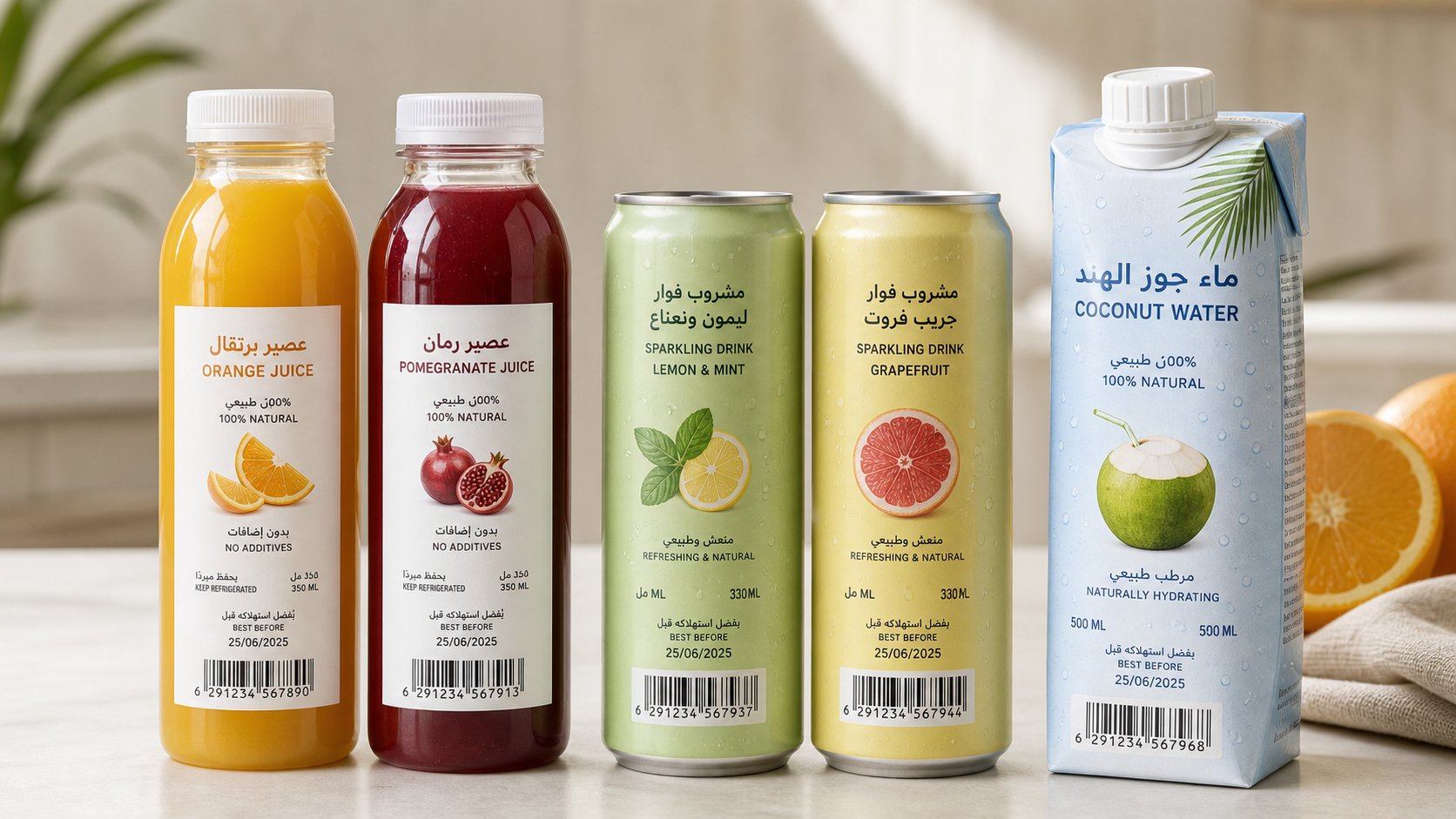
- Arabic label compliance review. Ensure mandatory Arabic information appears on primary packaging, including product name, ingredients, allergens (if any), net content, manufacturer/importer, country of origin, storage, production/expiry format, and nutrition panel as applicable. Keep artwork files ready for SFDA review.
- Formulation screening for restricted ingredients. Check flavorings, colorants, sweeteners, caffeine, and fortification levels against Saudi-adopted standards. Energy drinks and highly caffeinated or fortified beverages face additional scrutiny; gather specifications and certificates from raw-material suppliers.
- SABER/SALEEM product registration (SCoC path planning). On SABER, register your products and identify the relevant technical regulations. Coordinate with a notified body for product conformity where required. Build a path to obtain the Shipment Certificate of Conformity (SCoC) before goods arrive in Saudi Arabia.
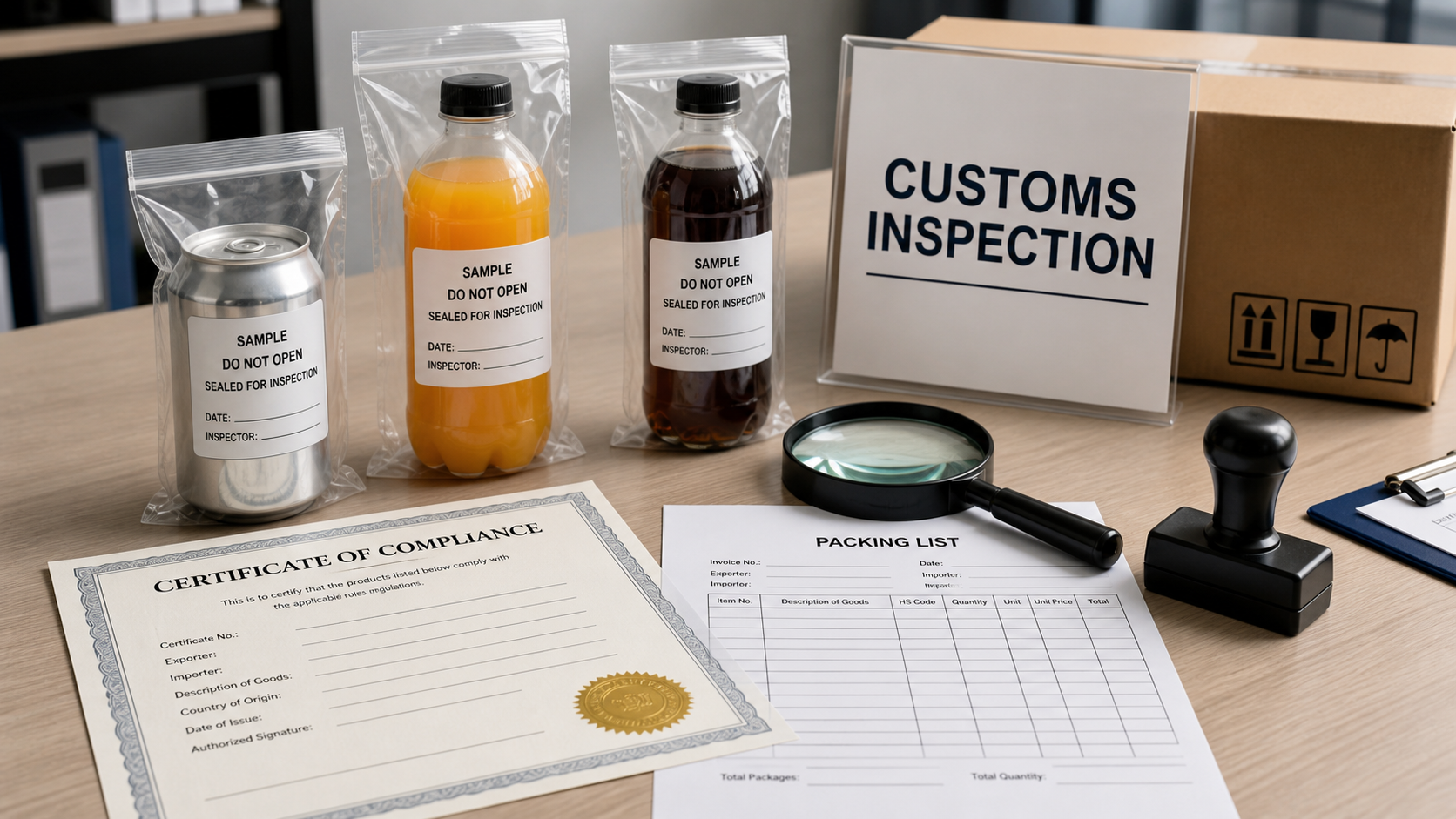
- Prepare the shipment documentation set. Typical documents include: commercial invoice (in English/Arabic, HS codes, INCOTERMS), packing list, certificate(s) of origin, SABER product clearance references, SCoC (pre-arrival), bill of lading/air waybill, and any certificates required for specific categories.
- Confirm Saudi shelf-life rule before production. Saudi Arabia enforces a strict remaining-shelf-life threshold at import. Do not guess the percentage or days; confirm the current SFDA requirement for your product type and ensure your production and transit plan will meet it on arrival.
- Pre-shipment quality checks and lot coding. Lock batch numbers, production/expiry date format, and Arabic date presentation as required. Keep retain samples and COAs aligned with what will be inspected in Saudi.
- Book the right port and routing. Choose a main gateway such as Jeddah Islamic Port (Red Sea), King Abdulaziz Port Dammam (Arabian Gulf), or Riyadh Dry Port (rail/land) to match your transit time objectives and distribution plan.
- File pre-arrival entries via the importer’s systems. The importer or customs broker will align SABER, SFDA, and customs entries (often through Saudi single-window connections) so data and certificates match exactly across platforms.
- Arrival, SFDA inspection & possible testing. At the port, SFDA may inspect documentation, labels, and samples; lab testing is possible. Mismatches in Arabic label, ingredient limits, or shelf-life remainder can trigger delays, rework, or re-export.
- Pay duties, 15% VAT, and any selective tax. Standard VAT is payable at import. Selective tax may apply to sweetened or energy drinks; confirm applicability and the prevailing rates before pricing your SKUs.
- Customs & SFDA release, then distribution. After settlement of taxes and successful SFDA clearance, goods are released to the importer’s warehouse for distribution. Retain records for potential post-market checks.
Which Saudi-specific rules matter most before you ship?
Focus first on systems and rules that are unique or strictly applied in Saudi: SABER/SALEEM approvals before shipment, SFDA FIRS registrations, strict remaining shelf-life on arrival, and alignment of Arabic labels and documents across platforms. These points drive whether your first shipment sails through or stalls.
- Regulator: Saudi Food and Drug Authority (SFDA) governs food & beverage safety, import approvals, and inspections.
- SABER/SALEEM: Saudi conformity system operated under SASO; you must obtain shipment-level SCoC before arrival. Plan product-level registration and the notified-body path early.
- SFDA FIRS: Expect establishment and product listing. SFDA can verify label artwork, composition, and shelf-life declarations against your SKUs.
- Remaining shelf life: SFDA enforces a strict remainder on arrival. Verify the exact current threshold with SFDA for your beverage type and build it into your production and logistics plan.
- Ports for beverages: Jeddah Islamic Port, King Abdulaziz Port Dammam, Riyadh Dry Port are common entry points—choose based on lead time and inland distribution.
- Taxes: 15% VAT at import. Selective (excise) tax may apply to sweetened and energy drinks—confirm current applicability and rates when costing.

Ports, timelines and inspections in Saudi Arabia
Port choice influences transit days, inspection queues, and inland haulage. Coordinate your production schedule against sailing windows and the SFDA shelf-life threshold you confirmed. Make sure SABER certificates and invoice data mirror what appears on labels and SFDA filings.
| Gateway | Typical use | Notes for beverage importers |
|---|---|---|
| Jeddah Islamic Port | Primary Red Sea entry | Efficient for Western/Southern KSA distribution; align arrivals with inspection capacity; watch Ramadan/holiday schedules. |
| King Abdulaziz Port Dammam | Arabian Gulf entry | Good for Eastern Province; check feeder schedules and haulage to Riyadh or central KSA. |
| Riyadh Dry Port | Inland clearance by rail/land | Useful for central distribution; confirm availability for food/beverage and inspection slots. |
Taxes and landed-cost planning
Model taxes early to avoid pricing shocks at clearance. In Saudi Arabia, standard VAT is 15%. A selective (excise) tax applies to specific categories such as sweetened beverages and energy drinks; confirm current applicability and rates with your importer or advisor before confirming retail pricing and trade terms.
- Core components of landed cost: CIF value, import duty (if any), selective tax (category-dependent), 15% VAT, broker & inspection fees, local logistics.
- Invoice alignment: HS codes, currency, INCOTERMS, and country of origin must match SABER, SFDA filings, and labels.
- Excise planning: For sweetened/energy drinks, recheck formulas (sugars, sweeteners, caffeine) and product positioning before registering to avoid late-stage surprises.
Documents checklist for Saudi beverage imports
Document gaps are a common cause of delays. Build the following set with exact, matching data across all platforms.
- Commercial invoice (English/Arabic), HS code, INCOTERMS, currency, total pieces/weight
- Packing list (SKU, pack sizes, lot numbers, carton counts)
- Certificate of origin
- SABER product references and Shipment Certificate of Conformity (SCoC)
- Bill of lading / air waybill
- SFDA/FIRS product registration references
- Label artwork used in production (Arabic & English)
- Laboratory certificates of analysis (if requested by SFDA) and raw-material specs for sensitive ingredients
- Any halal documentation relevant to ingredients or processing (see GCC beverage import requirements)
Avoid common pitfalls
Most detention cases trace back to label non-conformance, shelf-life shortfalls, or SABER/SALEEM timing mistakes. Tighten these areas before booking production.
- Shelf-life miscalculation: Build a buffer for production, transit, and inspection time to exceed the SFDA-required remainder on arrival.
- Arabic label gaps: Missing Arabic product names, ingredient lists, or nutrition panels can force relabelling or re-export.
- SABER left too late: Obtain SCoC before arrival; late certificates stall customs and storage fees add up.
- Formula disconnect: Labels must reflect the true formula; unapproved additives or undeclared sweeteners trigger lab holds.
- Invoice/entry mismatches: HS codes and net content must be identical across SABER, SFDA, and customs entries.
Information for beverage brands and buyers
If you plan multi-market GCC launches, design once for GCC baselines then localize for Saudi specifics (SFDA FIRS, SABER SCoC, shelf-life remainder, and taxes). For shared context on pan-GCC standards, point your team to the consolidated GCC beverage import requirements. If Saudi is your primary market, align channel strategy and ports with your distribution map.
- Market planning: See the Saudi Arabia market overview for positioning considerations and regulatory context unique to KSA.
- GCC comparables: If you’re evaluating adjacent entries, review the UAE beverage market to understand procedural similarities and deltas within the Gulf.
- Formulation foresight: Decide early between 100% juice, nectar, or juice drink; energy or caffeinated SKUs may face extra controls and potential selective tax.
- Artwork workflow: Lock Arabic copy, nutrition format, date coding, and allergen declarations in your master files so production and SFDA reviews stay aligned.
- Contingencies: Budget time and fees for possible SFDA sampling, storage, and relabelling—especially on first shipments.
FAQ
Do I need SABER/SALEEM approval before my beverages arrive?
Yes. You must obtain the Shipment Certificate of Conformity (SCoC) via SABER before arrival. Late or missing SCoC typically stops clearance and may lead to storage charges at the port.
SFDA administers food & beverage safety, registrations (FIRS), and inspection/testing at ports such as Jeddah Islamic Port and King Abdulaziz Port Dammam.
How strict is Saudi Arabia on remaining shelf life?
Saudi applies a strict remaining-shelf-life threshold at import. The exact threshold can vary by product type. Confirm the current SFDA requirement for your beverage before scheduling production and shipping.
Are sweetened and energy drinks taxed differently?
Saudi imposes selective (excise) tax on certain categories including sweetened beverages and energy drinks. Confirm current applicability and rates during costing to avoid surprises at clearance.
Sources
Official Saudi regulators and platforms for beverage imports include: Saudi Food and Drug Authority (SFDA), Saudi Standards, Metrology and Quality Organization (SASO) and the SABER platform, and Saudi Customs single-window systems that interface with SFDA and SABER. Consult these official sources directly for the latest requirements before shipping.