


 Français
 Español
 العربية
 한국어
한국어Kosher certification for a beverage is a declaration by a recognised certifying agency that the product, every ingredient in it and the equipment it is made on comply with Jewish dietary law. For an exporter it functions as a market access requirement in certain retail channels rather than as a quality standard, which is why it cannot be satisfied by the food safety certification a plant already holds.
This article sets out what an agency reviews, which categories a drink can fall into, why grape products are handled differently from everything else, and how a kosher programme sits alongside an existing halal programme.
What is kosher certification?
Kosher certification confirms that a product meets the requirements of kashrut, the body of Jewish dietary law, as assessed by a certifying agency that then permits its symbol to appear on the pack. The certificate is issued for specified products made at a specified site, and it is renewed periodically rather than granted permanently.
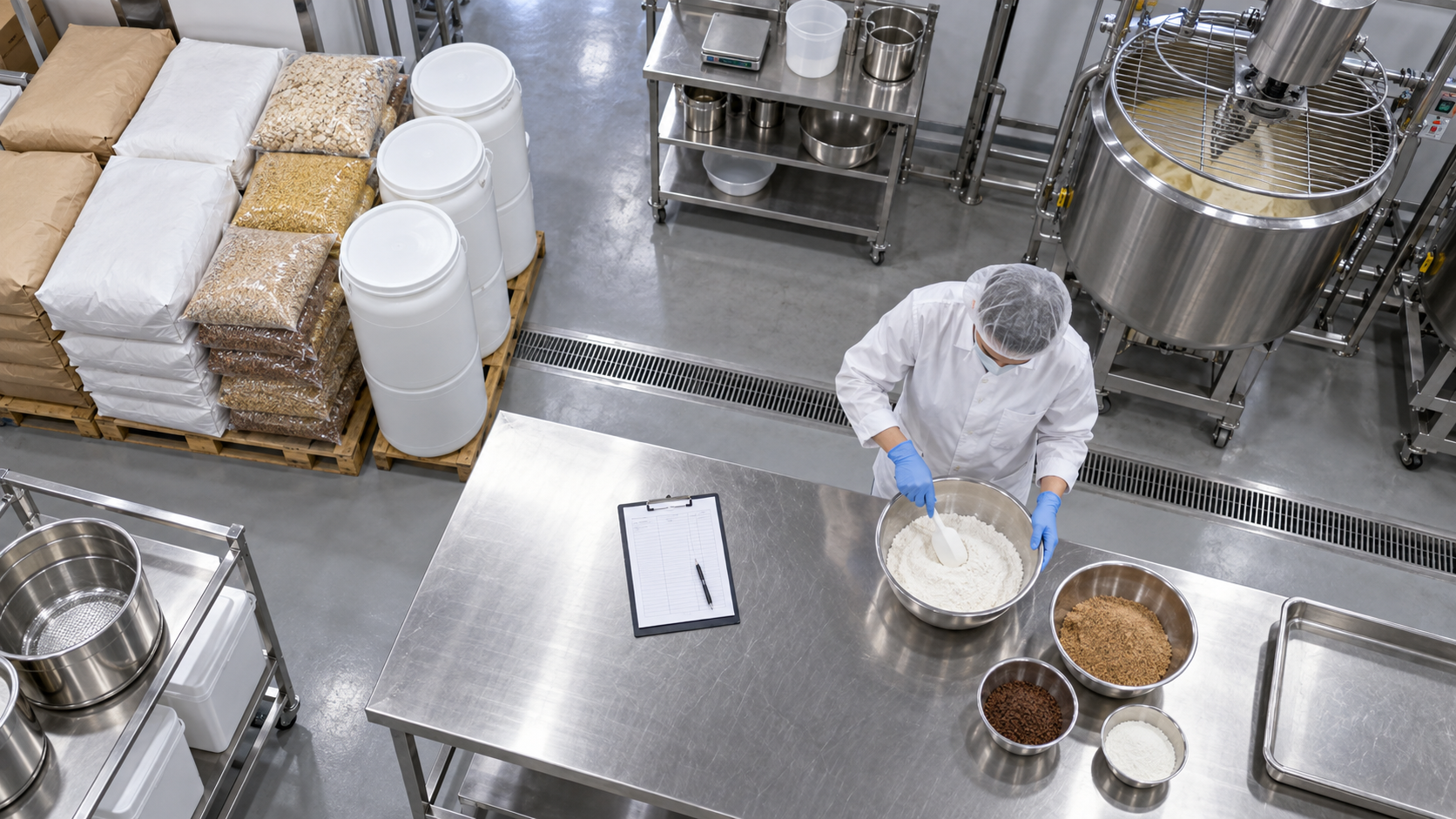
The distinguishing feature compared with other certifications is its depth into the supply chain. It is not sufficient for the finished drink to contain no prohibited ingredient. Every ingredient, every processing aid and in many cases the ingredients of those ingredients must themselves be acceptable, which means certification reaches several tiers back from the factory gate.
What does the certifying agency review?
A first application typically covers four areas, and all of them have to be satisfied before a certificate is issued.
- Every ingredient and processing aid. Each item on the formulation is reviewed, including minor components such as enzymes, clarifying agents, flavours, colours and anti-foam. Many of these have to carry their own kosher certification from their supplier.
- The equipment and the production history. What has previously run on the same lines matters, because residue and absorbed material are treated as carrying status. Equipment may require a supervised cleaning procedure before kosher production begins.
- The process itself. Sequencing, shared lines, cleaning between runs and the points at which supervision is required are all assessed rather than assumed.
- Ongoing controls. Certification is maintained through periodic and often unannounced inspection, so the system has to hold between visits rather than only on the day.
The ingredient review is usually the longest part of a first application. A formulation with many specialist inputs takes longer than a simple one, because each input has to be traced to a supplier who can evidence its status.
Which kosher category does a drink fall into?
Kosher status divides products into meat, dairy and pareve, the last meaning neither meat nor dairy. Most beverages are naturally pareve, which is the most flexible category because pareve products may be consumed alongside either meat or dairy meals.
The complication for a beverage plant is shared equipment. A drink containing no dairy ingredient can still lose full pareve status if it is produced on equipment also used for dairy products, and it may then be marked to indicate that. Because pareve status is commercially valuable, this is one of the first questions an agency asks and one worth raising internally before an application is made.
| Aspect | Kosher | Halal |
|---|---|---|
| Basis | Jewish dietary law | Islamic dietary law |
| Ingredient review depth | Multi-tier, including processing aids | Multi-tier, including processing aids |
| Category system | Meat, dairy and pareve | Permitted or prohibited |
| Equipment history | Assessed; cleaning procedure may be required | Assessed; cleaning procedure may be required |
| Alcohol | Permitted subject to source and supervision | Generally prohibited |
| Grape products | Special handling requirements apply | No equivalent rule |
| Seasonal variant | A separate, stricter Passover certification exists | No equivalent |
| Interchangeable? | No | No |
Why grape products are treated differently
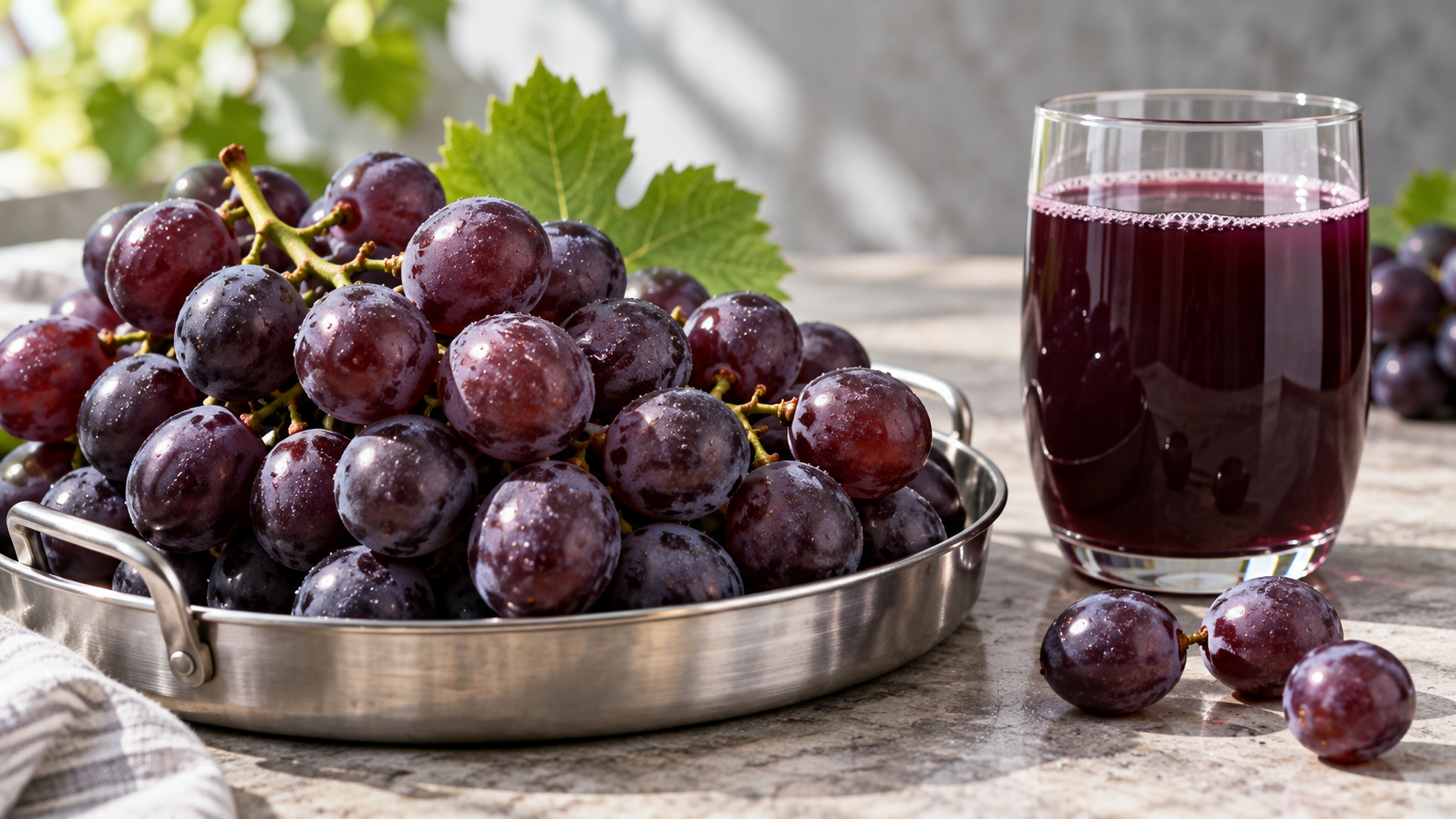
Grape juice and anything derived from grapes are subject to requirements that do not apply to other fruits. The rules restrict who may handle the product during processing, and they can extend to equipment that has been in contact with grape material. For a juice manufacturer this is the single most significant operational difference in the whole subject.
Two practical consequences follow. The first is that a grape line generally needs dedicated supervision during production rather than periodic inspection, which changes the cost and scheduling of a run. The second is that grape derivatives used as ingredients elsewhere, such as grape juice concentrate in a blend or a colour derived from grape skin, carry the same requirements into the product they are added to.
A manufacturer planning kosher certification should therefore identify every grape-derived input in the portfolio before applying, because these determine whether the application is straightforward or requires a dedicated arrangement.
Kosher for Passover
Passover certification is a separate and stricter designation, not an upgrade that follows automatically from standard kosher status. It excludes additional categories of ingredient and requires its own preparation of equipment, and it applies to product made for that season rather than to production year-round.
For an exporter the relevance is commercial. Passover-certified product occupies a distinct retail window with its own ordering calendar, which sits well ahead of the season itself. A brand interested in that window needs to raise it at the start of a certification conversation, because it affects scheduling and may require a separate production run rather than a variation of the standard one.
Can a facility hold both kosher and halal?
Yes, and many do. The two systems share a similar architecture: both review ingredients through several tiers, both assess equipment history, both require a documented system and both are maintained by periodic inspection. A plant that has already built the supplier documentation discipline for one is significantly better prepared for the other.
They are not interchangeable, however, and neither certificate substitutes for the other in a market that asks for a specific one. There are also points where the requirements diverge rather than overlap, alcohol and grape products being the clearest examples. The parallel requirements for the other system are set out in the article on halal certification for beverage export.
The efficient approach where both are wanted is to run the ingredient review once and map the results against both sets of requirements, rather than treating them as two unrelated projects.
What the process involves
A first application follows a recognisable sequence, and knowing the order helps a manufacturer prepare the right material at the right time rather than assembling everything at once.
- Application. The site, the products and the full formulations are submitted, including components a manufacturer might consider too minor to mention.
- Ingredient review. The agency assesses each input and requests supporting certificates from suppliers. This is where most applications spend their time.
- Substitution where needed. Inputs that cannot be evidenced are replaced, which may require a formulation trial and a fresh approval of the resulting profile.
- Site inspection. Equipment, layout, storage and the production history of the lines are examined in person.
- Equipment preparation. Where required, a supervised cleaning procedure is carried out before certified production begins.
- Issue and scheduling. The certificate is issued for a defined scope and period, with an inspection schedule agreed for the term.
Step three is the one that surprises manufacturers, because a substitution is not only a procurement change. Replacing a clarifying agent or a flavour can alter the finished product enough to need a sensory check and a stability confirmation before the new version is approved.
Cost has several components rather than a single fee. There is the agency fee, the internal cost of assembling ingredient documentation, any cost of switching an input to a certified alternative, and where dedicated supervision is required the cost of that attendance. The variable that most often decides the total is how many inputs need to be substituted, which is why the ingredient review is worth doing early even informally.
Elapsed time is driven by the same factor. An application where every input already carries certification moves quickly; one requiring several supplier changes takes as long as those changes take. Confirm the current requirements and timescales with the agency the buyer specifies, since agencies differ in procedure.
What a buyer will ask for
Buyers requiring kosher product typically ask for the current certificate, confirmation of which symbol appears on the pack, the product status, and the scope of what the certificate covers. Symbol recognition matters commercially, because some retail buyers accept only certain agencies, so the agency should be agreed with the buyer before an application rather than chosen independently.
These documents sit alongside the rest of the supplier file described in the document pack buyers need, and alongside the food safety certification held under the site’s quality and food safety programme.
Frequently asked questions
Is kosher certification required to export to Israel?
Not universally, but it is commercially close to essential for mainstream retail there, and many buyers treat it as a condition of listing. Requirements also apply in kosher retail channels in other markets, so the question is driven by the channel rather than only by the destination country.
Does kosher mean the product is healthier?
No. Kashrut governs which ingredients are permitted and how food is produced and handled. It makes no statement about nutritional composition, and a kosher certificate should not be read as a nutrition or quality claim.
Can one production line make both kosher and non-kosher products?
Often yes, subject to the agency’s requirements on sequencing and cleaning between runs. What is acceptable depends on the products involved and on the equipment, so it is assessed case by case rather than answered in principle.
Does the symbol have to appear on the label?
Only if the product is being sold as kosher. Certification and label marking are separate decisions: a manufacturer can hold certification and supply a buyer who applies their own marking, or supply an unmarked product to a customer who blends it further. The agency controls how and where its symbol may be used, so the marking is agreed with them rather than decided unilaterally.
What happens if an ingredient supplier changes?
The change has to be notified to the agency before the new input is used. A substitution made quietly can invalidate the status of product already produced, and because certification reaches several tiers back, a change at the supplier’s own supplier can matter too. This is why kosher programmes tend to tighten supplier change control across the whole plant.
How long does a certificate last?
Certificates are issued for a defined period and renewed, with inspections during the term. Any change to a formulation, an ingredient supplier or the equipment has to be notified rather than absorbed, because it can affect the status of the certified product.
Deciding whether to certify
Kosher certification is a supply chain project more than a factory one. The determining factors are how many ingredients already carry certification, whether grape-derived inputs are involved, and whether the plant can offer pareve status given what else runs on the same equipment.
The practical first step is to ask the buyer which agency and which symbol they require, then run an informal ingredient review against the current formulation to see how many substitutions would be needed. That review usually tells a manufacturer within days whether certification is a short project or a long one. Wider export documentation guidance is collected in the compliance and export article series.