Français
 Español
 العربية
 한국어
한국어The main pros of energy drinks are a quick lift in alertness and focus from caffeine, convenience and a wide choice of flavours. The main cons are the side effects of too much caffeine, such as jitteriness, a fast heartbeat and poor sleep, the high sugar content of many regular versions, and the risk of habitual overuse or mixing with alcohol.
Energy drinks are popular with students, office workers and people who train. Used occasionally and in moderate amounts by healthy adults, they can fit a balanced lifestyle; the key is knowing what is in the can and how much caffeine you are taking in overall.

What is in an energy drink?
Most energy drinks combine caffeine with sugar or sweeteners and other ingredients such as taurine, B vitamins, guarana or ginseng. Caffeine is the active ingredient behind the effect most people notice; the amount per can varies widely, so always check the label.
| Ingredient | Why it is used |
|---|---|
| Caffeine | Temporary alertness and reduced feeling of tiredness |
| Sugar or sweeteners | Taste; sugar also adds calories |
| Taurine | Common ingredient in many formulas |
| B vitamins | Often added; listed on the nutrition panel |
| Guarana, green coffee, green tea | Natural sources of caffeine |
What are the pros of energy drinks?
For healthy adults, a moderate dose of caffeine can temporarily improve alertness, reaction time and perceived energy, which is why energy drinks are used before workouts and during long work or study sessions.
- Alertness and focus: caffeine reduces the feeling of tiredness for a few hours.
- Exercise: caffeine is one of the most studied ingredients in sports nutrition and can help some people train harder.
- Convenience: ready to drink, portable and quick.
- Choice: many flavours, plus sugar-free and natural-caffeine versions for people who want fewer additives.
What are the cons of energy drinks?
Most problems come from too much caffeine, too much sugar, or using energy drinks in the wrong situations.
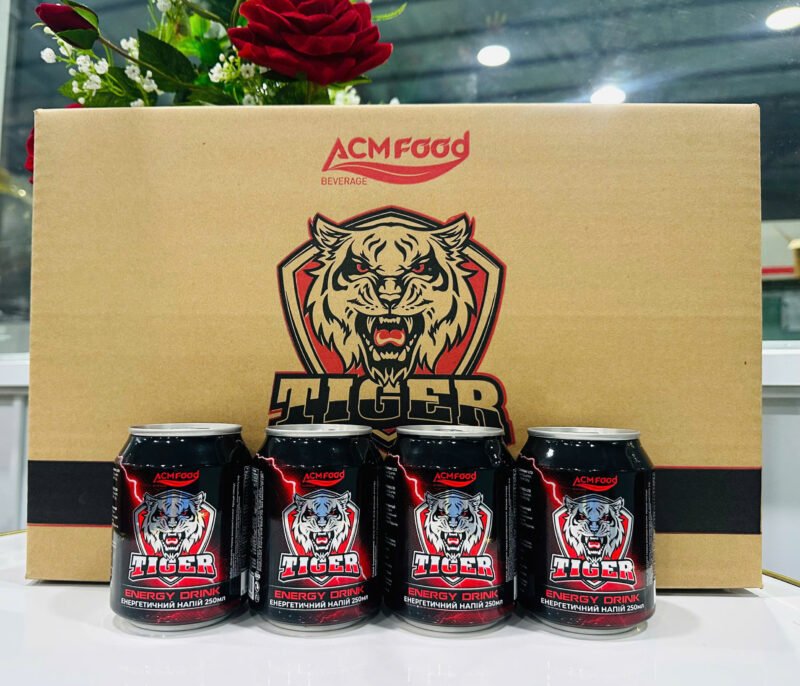
- Caffeine side effects: jitteriness, anxiety, rapid heartbeat and trouble sleeping, especially when several cans are combined with coffee or tea.
- Sugar and calories: regular versions can contain a lot of sugar; sugar-free versions use sweeteners, which some people prefer to avoid.
- Habit and dependence: daily reliance can lead to headaches or irritability when you stop.
- Mixing with alcohol: caffeine can mask the feeling of drunkenness, which increases risk.
- Not for everyone: energy drinks are not recommended for children, and people who are pregnant, sensitive to caffeine or have heart conditions should follow medical advice.
How much caffeine is safe?
For most healthy adults, up to about 400 mg of caffeine a day from all sources is not generally associated with negative effects, according to the US FDA and EFSA. Count coffee, tea and energy drinks together, and remember that individual tolerance varies.
How do you choose an energy drink?
- Check caffeine per can and how it fits your daily total.
- Check sugar: choose reduced-sugar or sugar-free versions if you drink them often.
- Read the ingredient list: prefer transparent labels and natural caffeine sources if that matters to you.
- Match the purpose: pre-workout drinks differ from drinks for general alertness.
- Time it: avoid caffeine late in the day if it affects your sleep.

Are there natural alternatives to energy drinks?
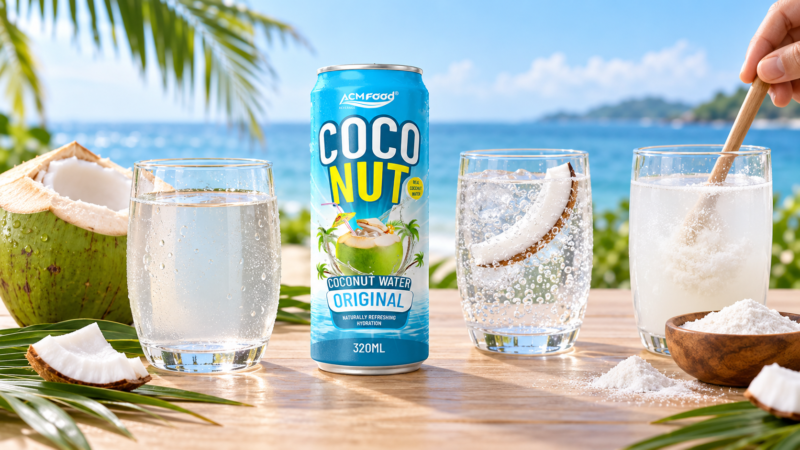
Yes. Water, coconut water, tea and fruit-based tropical drinks offer refreshment without a large caffeine dose. They do not give the same immediate lift, but they fit better into everyday hydration.

Frequently asked questions
Are energy drinks bad for you?
Not in moderation for most healthy adults. Problems arise with high caffeine intake, frequent sugary versions, or mixing with alcohol.
Can energy drinks help workouts?
Caffeine can help some people feel more alert and train harder, but water remains the main drink for hydration during exercise.
Who should avoid energy drinks?
Children, people sensitive to caffeine, and anyone advised by a doctor to limit caffeine, including during pregnancy.
Conclusion
The pros and cons of energy drinks come down to dose and habit. Occasional, moderate use can help alertness and performance; heavy use brings caffeine side effects, extra sugar and dependence. Check the label, keep total caffeine within guidance and choose lower-sugar options.
For beverage brands, see beverage product capabilities, OEM beverage manufacturing and private label beverages. To discuss a specification, request a quote.
Request a quote