


 Français
 Español
 العربية
 한국어
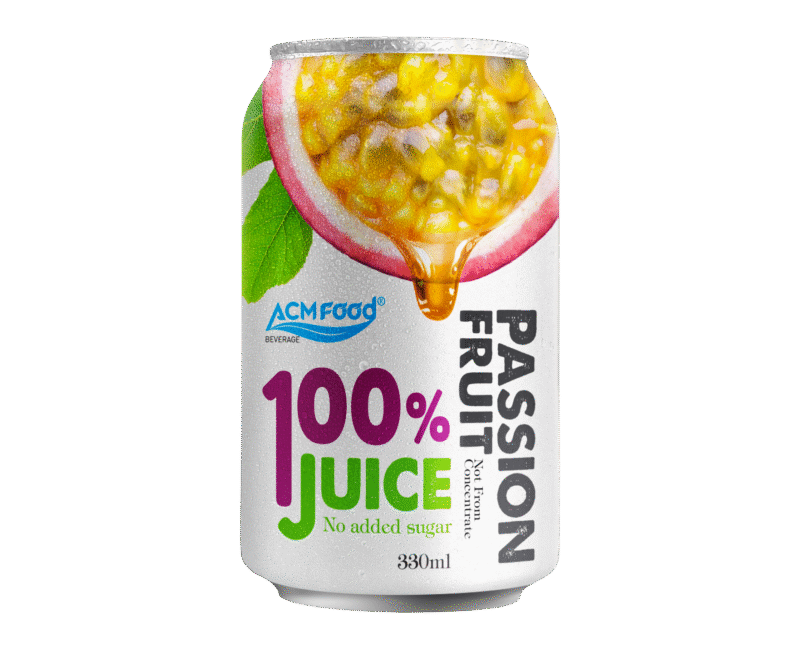
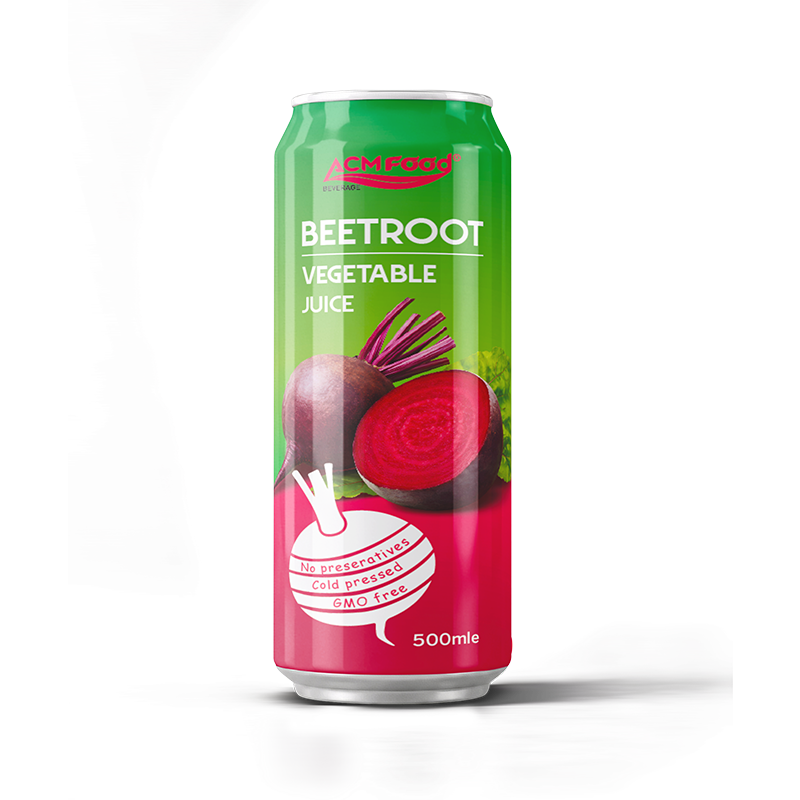
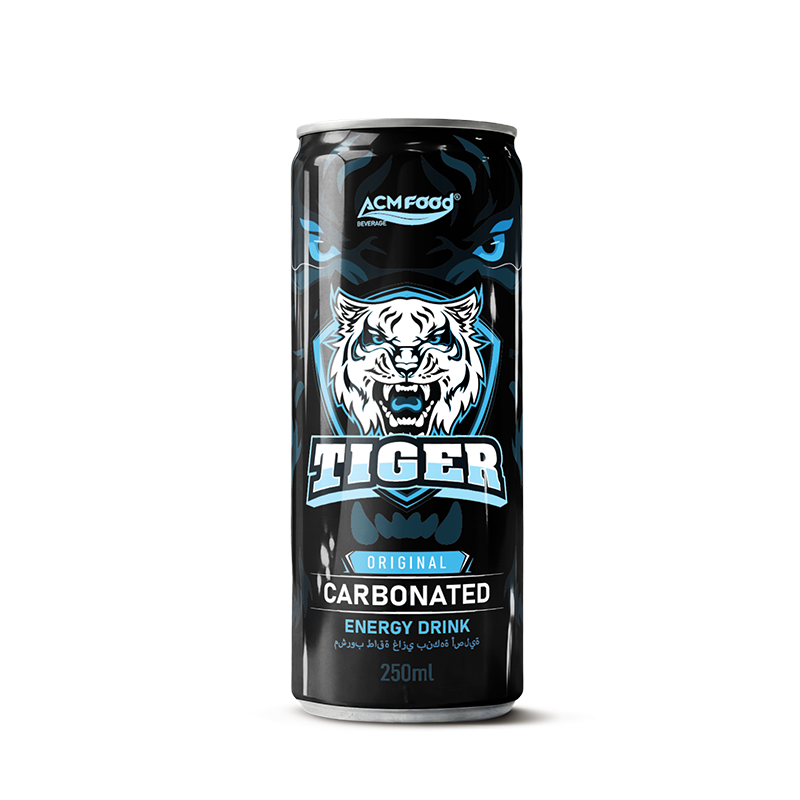
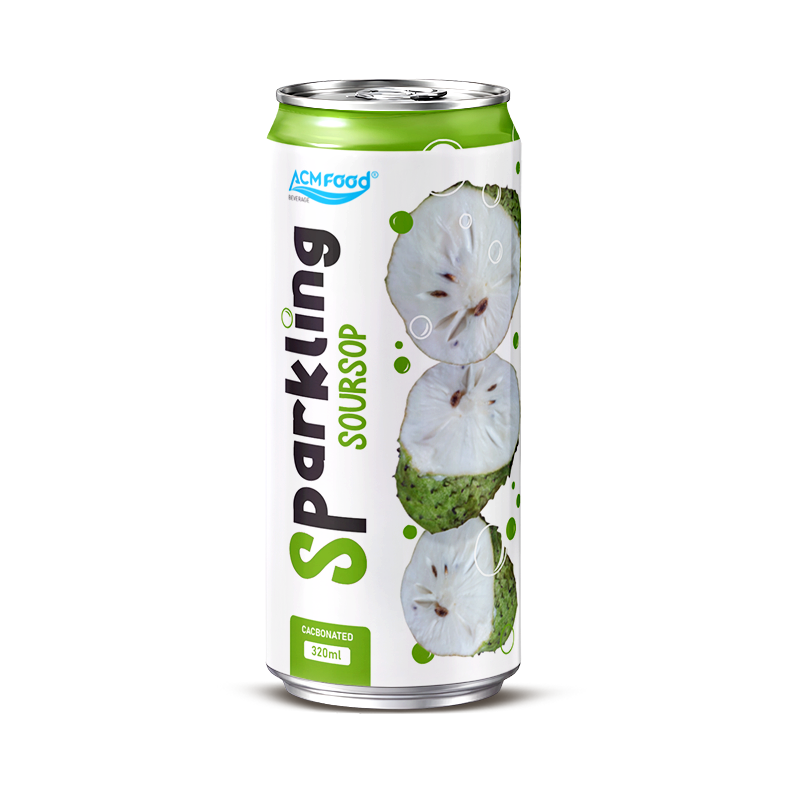
한국어Aluminium cans are a leading beverage packaging format because they block light and oxygen, weigh far less than glass, run efficiently on automated lines and can be recycled repeatedly without losing quality. Recycling aluminium uses about 5% of the energy needed to make new metal, which is why cans feature in so many brands’ plastic-reduction plans.
They are used for soft drinks, fruit juice, tea, coffee and energy drinks. The trade-offs are a higher unit cost than PET, the need for a suitable internal coating, and specialised filling equipment. This guide covers what a can is made of, its advantages and limits, recycling, and what buyers specify.
What are aluminium beverage cans made of?
A beverage can is made from thin aluminium alloy sheet, with a food-grade internal lacquer so the drink never touches the metal. Aluminium is refined from bauxite ore, rolled into sheet, then formed into the body and ends.
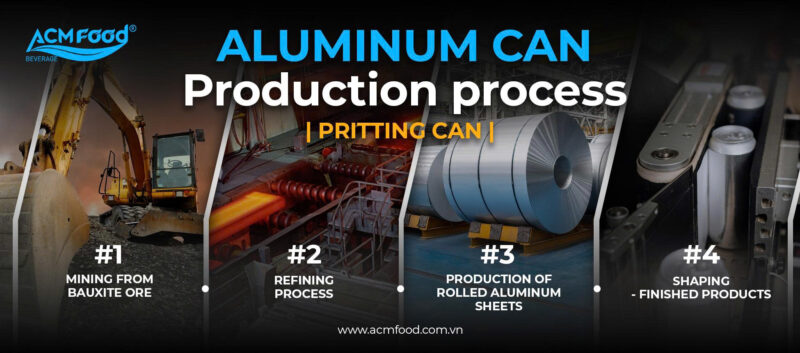
- Can body: drawn and ironed from a thin but strong aluminium sheet.
- Lid and base: slightly thicker to hold the seal and internal pressure.
- Internal coating: a food-grade lacquer, often a BPA-non-intent lining for export markets, that prevents reactions between the metal and the drink.
Why do beverage brands choose aluminium cans?
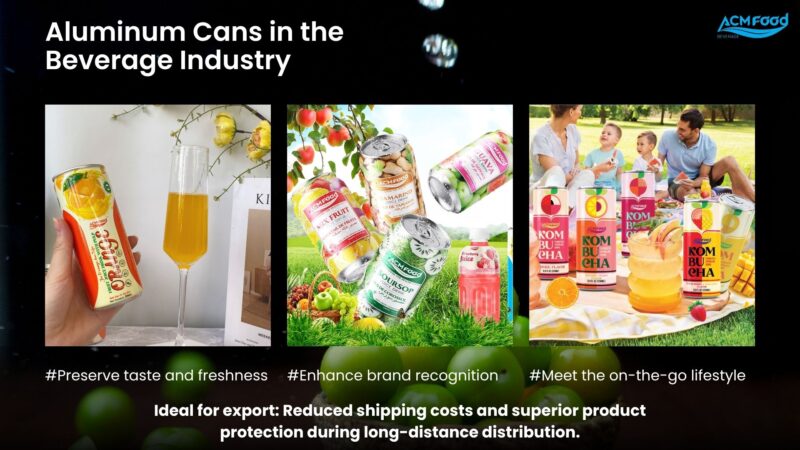
Brands choose cans because they protect flavour, look strong on shelf, suit on-the-go drinking and ship efficiently over long distances.
| Advantage | What it means in practice |
|---|---|
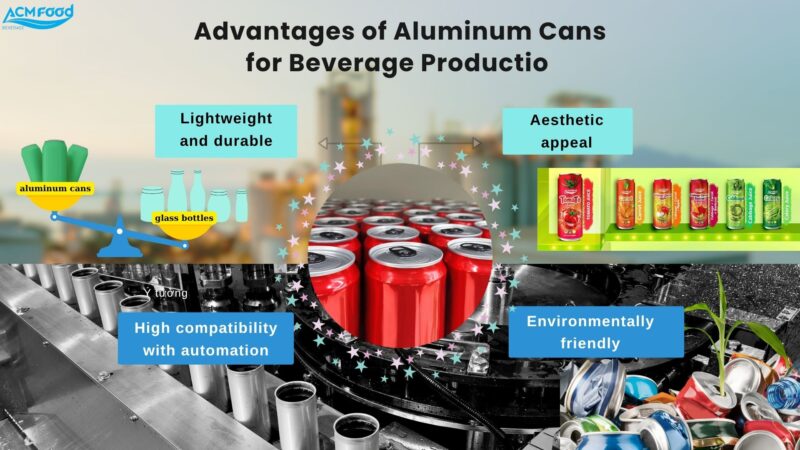
| Product protection | Blocks light and oxygen, the main causes of flavour and colour loss |
| Light and unbreakable | Much lighter than glass and does not shatter in handling or transport |
| Recyclability | Aluminium can be recycled repeatedly without losing quality |
| Shelf impact | Metallic surface supports vivid printing and strong brand blocking |
| Automation | Well suited to high-speed filling and seaming lines |
| Export | Compact, stackable and well protected over long distances |
What are the disadvantages of aluminium cans?
Aluminium cans cost more per unit than PET, need a coating matched to the product, and require dedicated filling and seaming equipment.
- Cost: aluminium and can forming are more expensive than PET bottles.
- Acidic products: the internal lacquer must suit the drink’s pH, carbonation and process temperature.
- Equipment: can filling and seaming lines are a significant investment, which is why many brands use contract manufacturers.
- Not resealable: standard cans cannot be closed again once opened.
How recyclable are aluminium cans?
Aluminium cans are among the most recycled beverage packages. The International Aluminium Institute estimates the global recycling rate for aluminium beverage cans at around 70%, with higher rates in countries that have deposit-return schemes.
This fits circular-economy and ESG goals: recycled cans can return to shelf as new cans, and many large brands, including Coca-Cola, PepsiCo, Red Bull and Monster, rely heavily on cans in their sustainability plans. In Vietnam, juice, soft drink and ready-to-drink coffee producers are also moving to cans, particularly for export to the United States, the Middle East, Africa and Europe.
What do buyers specify for canned beverages?
Three decisions separate one canned SKU from another: the can profile, the internal coating and how the artwork is applied. Each changes tooling, minimum order quantity and lead time, so all three are settled before a quotation means anything.
Can profiles
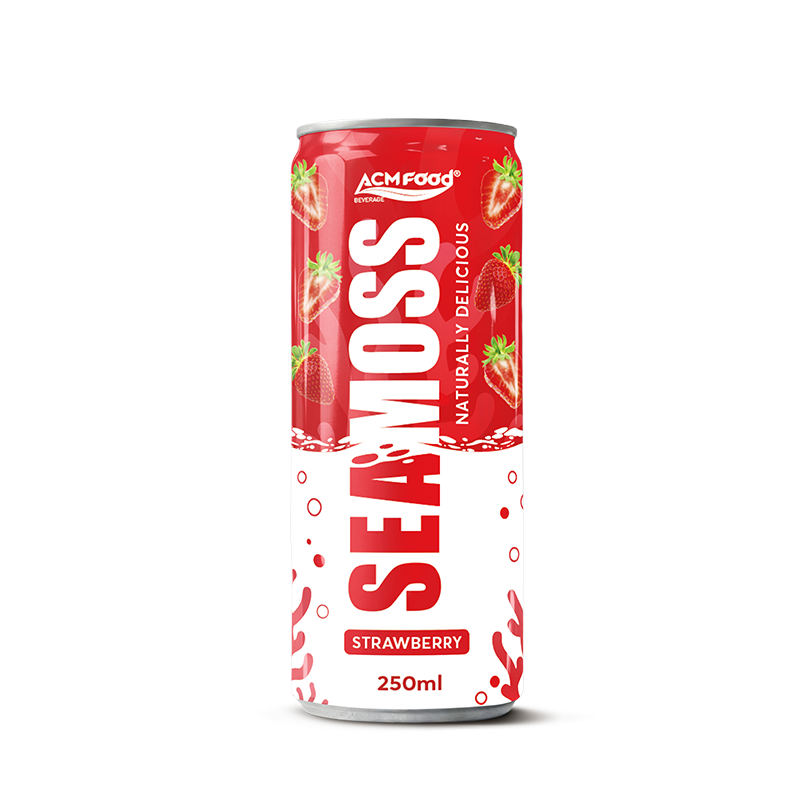
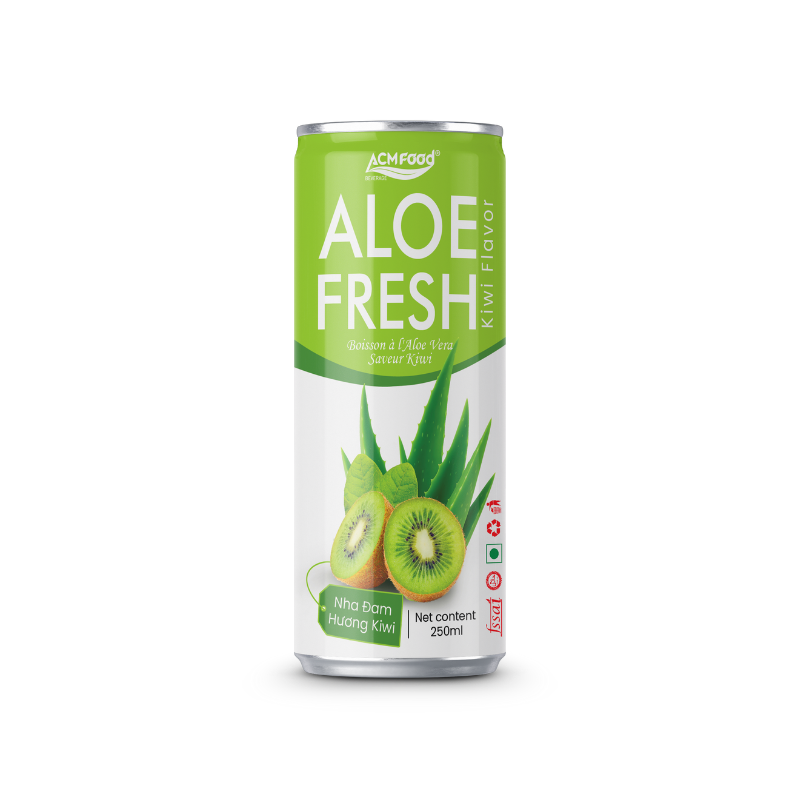
ACMFOOD fills aluminium cans in standard, slim and sleek profiles, alongside PET and glass bottles. The profile affects shelf presence, case count and pallet configuration rather than product stability. Fill volumes across the range run from 200 ml to 1.5 L; see beverage packaging options for the volumes in each format.
Internal coating and surface treatment
The internal lacquer is matched to product pH, carbonation and process temperature, and BPA-non-intent (BPA-NI) linings are widely specified for export. The outside receives a base coat and an over-varnish so the artwork survives pasteurisation, wet handling and transport. Because suitability depends on the recipe, the coating is confirmed against your specification; see formulation and specifications.
Direct print vs shrink sleeve
| Method | Unit cost | Minimum order | Best for |
|---|---|---|---|
| Direct print | Lowest at volume; most durable | Higher: a full print run per design | Established SKUs with steady volume |
| Shrink sleeve | Higher per can | Lower; fast artwork changes; 360° coverage | Pilot launches and multi-flavour ranges |
This is why two projects with identical volumes can be quoted different minimums. The standard minimum is 500 cartons per SKU; see minimum order quantity.
Resealable and screw-cap formats
Standard cans use a stay-on-tab end and are not resealable. Resealable aluminium formats, such as bottle cans with a rolled-on screw closure, use a different body and closure system and different filling equipment, so they must be scoped at briefing rather than added later.
Frequently asked questions
What is inside a beverage aluminium can?
A food-grade internal lacquer chosen for the product’s pH and process. It separates the drink from the aluminium, preventing metal pickup and protecting flavour.
Can beverage cans have a screw cap?
Not a standard can. Screw-cap aluminium containers are bottle cans, a separate format that needs different filling equipment.
Is direct printing or a shrink sleeve better?
Direct print is cheaper per can at volume and more durable; a shrink sleeve costs more per can but has a lower minimum and faster artwork changes.
Do aluminium cans change my minimum order quantity?
The format itself does not, but the printing method does. The standard minimum is 500 cartons per SKU, and direct print usually requires more than a sleeve.
Are aluminium cans better for the environment than plastic bottles?
Cans are recycled at higher rates than most plastic bottles and aluminium keeps its quality through repeated recycling. The overall footprint also depends on local collection systems and recycled content.
Conclusion
Aluminium cans combine product protection, shelf impact, light weight and strong recyclability, which is why they have become a standard format for soft drinks, juice, tea, coffee and energy drinks. Their higher unit cost and equipment needs are the main barriers, and working with a contract manufacturer is the usual way round them.
ACMFOOD provides OEM beverage production across cans, PET and glass, with packaging advice matched to each product and market. For formats and case configurations, see beverage packaging options; for how products are filled and controlled, see our production process. To cost a format, request a quote.
Request a quote