
The global beverage market is becoming increasingly diverse. Consumers are no longer satisfied with traditional tea, coffee, and carbonated drinks alone. They are exploring herbal beverages that offer distinctive flavors, authentic ingredients, and a connection to natural wellness traditions.
Among these emerging categories, lemongrass tea has attracted growing attention from beverage brands, distributors, retailers, and importers. Its fresh citrus aroma, clean taste, and versatility have helped it move beyond traditional herbal tea markets into mainstream retail channels.
For companies searching for new product opportunities, lemongrass tea presents an interesting combination of consumer appeal and commercial potential. Yet success in this category often depends on one critical decision: selecting the right supplier.
After observing beverage sourcing projects across multiple markets, I have noticed that buyers who invest time in supplier evaluation often achieve better long-term results than those focused solely on pricing. This is especially true in the herbal tea category, where ingredient quality directly affects flavor, consistency, and consumer satisfaction.
This article explores the expanding market opportunities for lemongrass tea and shares practical insights for choosing a reliable supplier in Vietnam.
Why lemongrass tea is gaining popularity worldwide
Consumer preferences have changed dramatically over the past decade.
Many shoppers now read ingredient labels more carefully than ever before. Products made from recognizable botanical ingredients often receive greater attention than beverages containing long lists of additives or artificial flavorings.
Lemongrass tea benefits from this shift because the ingredient itself is familiar, natural, and easy to understand. The tea delivers a refreshing citrus character without the sharp acidity commonly associated with lemon-based beverages.
Its appeal extends across multiple consumer groups. Some people enjoy lemongrass tea as a warm herbal beverage, while others prefer ready-to-drink versions served chilled. This flexibility allows beverage brands to target different consumption occasions throughout the day.
The category also performs well across different regions. Demand continues to grow in North America, Europe, Asia, the Middle East, and Oceania, making lemongrass tea relevant to a broad range of international buyers.
The commercial opportunity behind lemongrass tea
For beverage importers, finding products that balance consumer demand with manageable competition can be challenging.
Lemongrass tea offers a promising middle ground.
Unlike highly saturated beverage categories, herbal tea still provides room for differentiation. Brands can create unique flavor combinations, develop premium packaging concepts, and position products around authenticity and natural ingredients.
In many markets, consumers are already familiar with herbal beverages. This reduces the educational effort required when introducing lemongrass tea products.
I have also seen retailers increasingly allocate shelf space to botanical beverages. Products that once occupied a small section of specialty stores are now appearing in mainstream supermarkets and convenience chains.
This broader visibility creates new opportunities for distributors and private label brands seeking categories with growth potential.
The versatility of lemongrass tea products
One reason for the category’s expansion is product flexibility.
Traditional dried lemongrass tea remains popular, particularly among consumers who enjoy brewing tea at home. However, the market has expanded far beyond loose-leaf and tea bag formats.
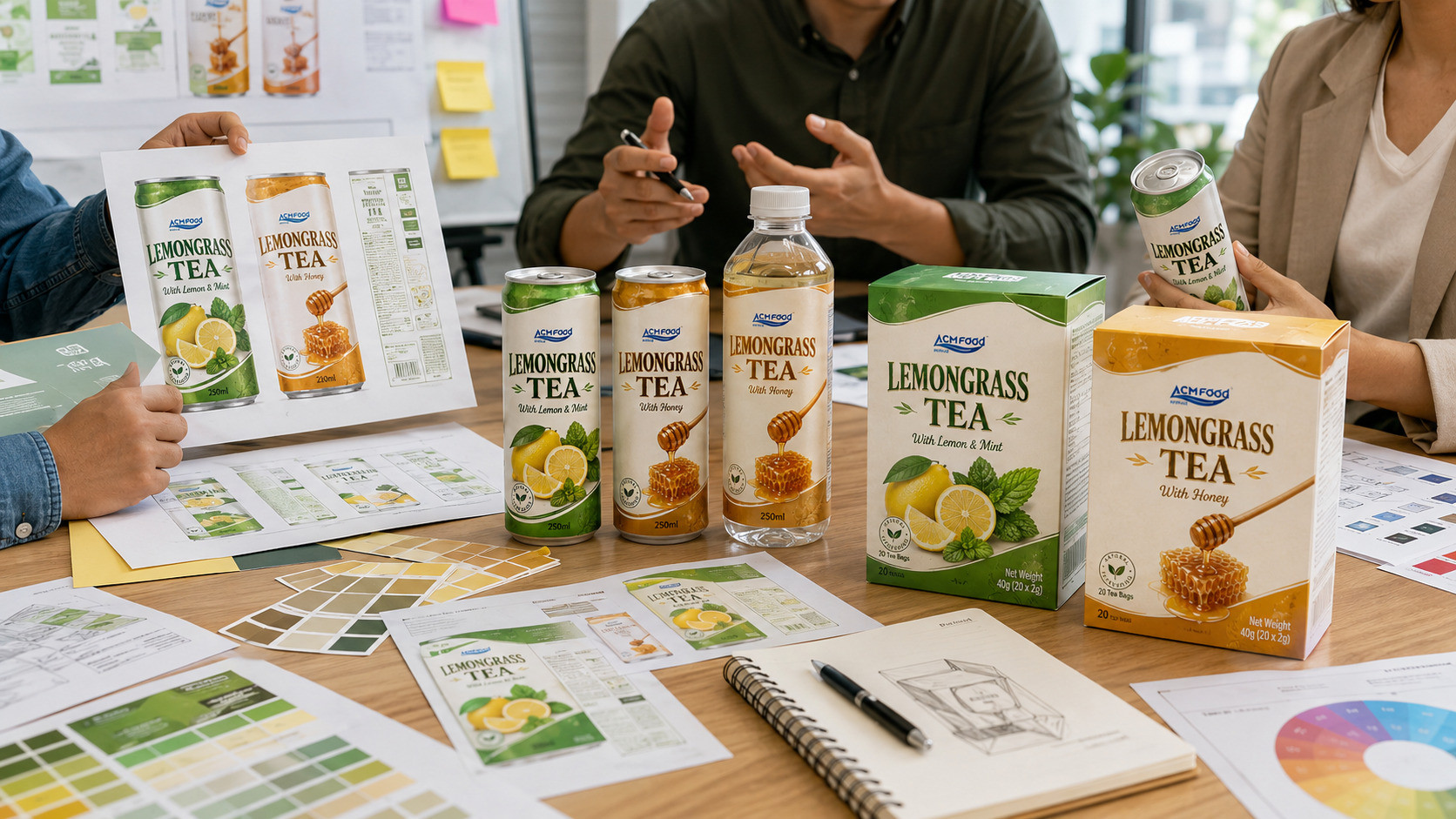
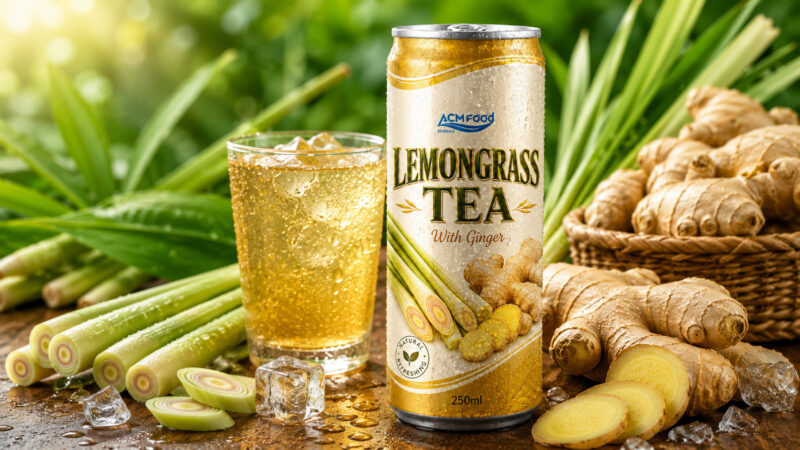
Ready-to-drink lemongrass tea products are becoming increasingly common. These beverages are typically packaged in aluminum cans, glass bottles, or PET bottles and are designed for convenience.
Manufacturers are also creating blended products that combine lemongrass with ingredients such as ginger, honey, lemon, mint, pandan, or tropical fruits.
This versatility allows brands to develop product portfolios that address multiple consumer preferences while maintaining a consistent botanical identity.
For buyers, this means greater flexibility when building product lines and responding to local market trends.
Why Vietnam has become a strategic sourcing destination

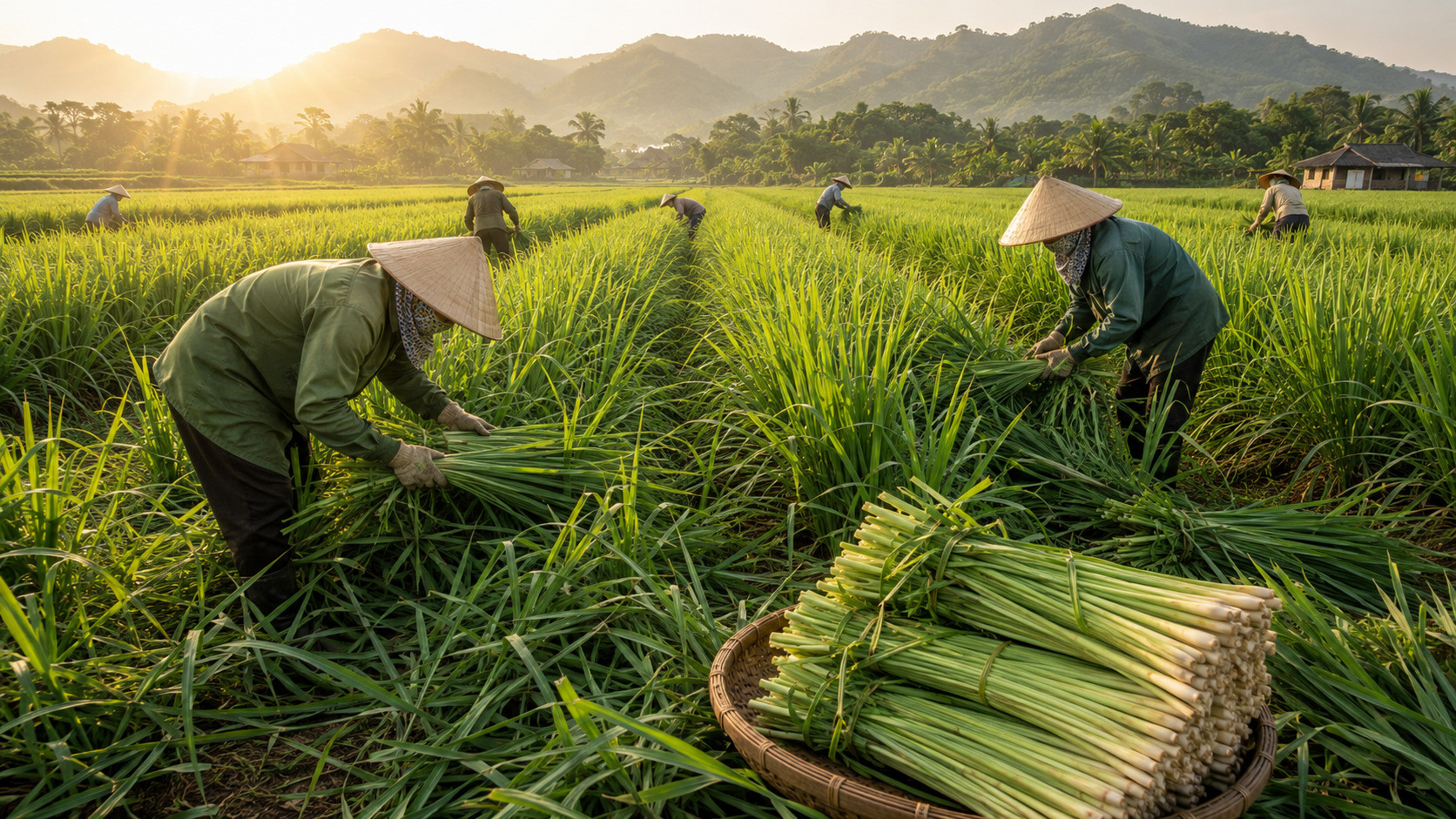
Vietnam’s agricultural conditions are well suited for cultivating herbs and botanical ingredients.
The country’s tropical climate supports year-round production, while its agricultural sector has accumulated extensive experience in growing and processing export-oriented crops.
For international buyers, Vietnam offers several advantages.
First, local manufacturers often have direct access to raw materials. This can help improve consistency and reduce supply chain complexity.
Second, Vietnam has developed a strong food and beverage export infrastructure. Many manufacturers already supply products to international markets and understand the documentation, compliance, and logistics requirements involved.
Third, production costs remain competitive compared to several alternative sourcing destinations.
These factors have contributed to Vietnam’s growing reputation as a supplier of herbal teas and botanical beverages.
Not all lemongrass tea products deliver the same consumer experience.
The quality of the raw material plays a major role. Freshly harvested lemongrass processed under controlled conditions typically produces a cleaner aroma and more balanced flavor profile.
Drying methods also influence quality. Improper drying can reduce aroma intensity and affect the final product’s shelf appeal.
Buyers should pay attention to appearance, fragrance, and flavor consistency during sample evaluations.
A high-quality lemongrass tea should offer a fresh citrus aroma without excessive bitterness. The flavor should feel clean and refreshing rather than dull or overly grassy.
When evaluating suppliers, it is helpful to request detailed information regarding raw material sourcing and processing methods. Reliable manufacturers are usually willing to discuss these topics openly.
Common challenges when sourcing lemongrass tea internationally
Many sourcing projects begin with enthusiasm but encounter unexpected obstacles.
One common issue involves inconsistent raw material quality. Seasonal variations, supplier changes, and inadequate quality control procedures can all affect the final product.
Another challenge concerns documentation and export compliance.
Different countries require different certifications, labeling standards, and import documentation. Missing paperwork can delay shipments and increase costs.
Packaging quality is another area where buyers sometimes encounter difficulties.
For ready-to-drink products, packaging integrity affects both shelf life and consumer perception. For dried tea products, moisture protection is particularly important.
I have seen situations where attractive packaging designs were selected without sufficient consideration for transportation conditions. The result was damaged product upon arrival, despite excellent tea quality.
These experiences highlight the importance of evaluating suppliers from multiple perspectives.
How to evaluate a lemongrass tea supplier in Vietnam
A structured evaluation process can help buyers reduce sourcing risks.
Start by examining manufacturing capabilities. Ask about production capacity, packaging options, lead times, and export experience.
Suppliers serving multiple international markets often possess stronger systems for quality management and documentation control.
Next, investigate raw material sourcing.
Where is the lemongrass grown? How is it harvested? What procedures are used to ensure quality consistency? Answers to these questions can reveal a great deal about a manufacturer’s capabilities.
Sample evaluation should never be rushed.
Request multiple samples whenever possible. Compare flavor consistency, aroma retention, and packaging quality across different batches.
Buyers should also assess communication quality during the evaluation process. Suppliers who respond clearly and promptly during discussions often provide smoother cooperation after commercial production begins.
The role of certifications and food safety systems
Food safety has become a central consideration for beverage buyers.
Consumers increasingly expect transparency, while retailers and distributors frequently require suppliers to meet specific standards.
For this reason, certifications and documented quality management systems deserve careful attention.
A reliable supplier should be able to explain its production procedures, testing protocols, traceability systems, and quality control practices.
Beyond certifications, laboratory testing capabilities can provide additional reassurance. Product consistency and food safety become easier to maintain when manufacturers implement systematic testing procedures throughout production.
These practices help buyers build confidence in both the supplier and the finished product.
Why private label lemongrass tea is attracting attention

Private label beverages continue to gain momentum across international markets.
Retailers, distributors, and entrepreneurs increasingly see value in developing products under their own brands.
Lemongrass tea fits this trend well.
The category offers strong differentiation opportunities while benefiting from growing consumer awareness of herbal beverages.
A capable supplier can support private label development through packaging recommendations, product customization, labeling assistance, and export documentation.
In my experience, suppliers that actively support product development often become long-term partners rather than simple manufacturers.
This collaborative approach can help brands launch products more efficiently and adapt more quickly to changing market conditions.
Packaging considerations for export success
Packaging decisions influence much more than appearance.
The right packaging can support product quality, improve logistics efficiency, and strengthen brand positioning.
For ready-to-drink lemongrass tea, aluminum cans remain popular due to convenience and durability. Glass bottles can help create a premium image, while PET bottles often provide cost advantages in specific markets.
For dried tea products, moisture-resistant packaging is essential. Even high-quality tea can lose its aroma if packaging fails to provide adequate protection.
The best suppliers help buyers evaluate packaging options based on target markets, transportation requirements, and retail channel expectations.
Building a long-term sourcing partnership
Successful sourcing relationships rarely depend on a single shipment.
The strongest partnerships are built through consistent communication, dependable quality, and mutual commitment to growth.
A supplier that provides timely updates, addresses challenges transparently, and maintains stable production standards often becomes a valuable business asset.
Over time, these relationships can simplify product development, improve forecasting accuracy, and reduce operational risks.
Many experienced importers prioritize reliability for exactly this reason.
While pricing remains important, long-term consistency often delivers greater value than short-term savings.
The future outlook for lemongrass tea
The future of the lemongrass tea category appears promising.
Consumers continue exploring botanical beverages that deliver authentic flavors and simple ingredient profiles. Retailers are expanding herbal beverage selections, and private label activity remains active across multiple regions.
Innovation is also creating new opportunities.
Manufacturers are introducing sparkling herbal beverages, functional tea blends, low-sugar formulations, and premium ready-to-drink products that incorporate lemongrass as a key ingredient.
These developments suggest that the category still has room for expansion in both established and emerging markets.
Lemongrass tea has evolved from a traditional herbal beverage into a category with genuine international commercial potential. Its refreshing flavor, versatility, and alignment with consumer preferences make it attractive for importers, distributors, retailers, and private label brands.
Vietnam has become an increasingly appealing sourcing destination due to its agricultural strengths, manufacturing capabilities, and export experience. However, selecting the right supplier requires careful evaluation of product quality, raw material sourcing, production systems, certifications, packaging capabilities, and communication practices.
Businesses that invest time in finding the right manufacturing partner are often better positioned to build successful product lines and establish lasting customer relationships. As demand for botanical beverages continues to grow, lemongrass tea offers opportunities that extend far beyond traditional herbal tea markets.