


 Français
 Español
 العربية
 한국어
한국어Guava juice OEM is a service in which a manufacturer produces guava juice or nectar to your specification and packs it under your brand. Main decisions include guava variety (pink or white), juice content, sugar level, pack format such as 250–330 ml cans, certifications, minimum order quantity and export labelling.
The global demand for tropical fruit beverages continues to rise as consumers seek refreshing drinks made with recognizable ingredients. Guava juice has become a popular choice thanks to its naturally sweet flavor, high vitamin C content, and broad appeal across markets in Asia, Europe, the Middle East, and North America. For businesses looking to enter the beverage industry without investing in their own factory, guava juice OEM provides an efficient and scalable solution.
This guide explains how private label guava juice manufacturing works, what services manufacturers typically provide, and how to choose the right production partner. Whether you are launching a new beverage brand or expanding an existing product portfolio, understanding the OEM process can help reduce risks and speed up market entry.
What is guava juice OEM?
Guava juice OEM refers to a manufacturing service where an experienced beverage producer creates guava juice products under your own brand name. Instead of building a production facility, purchasing equipment, and hiring technical staff, you work with a manufacturer that already has the infrastructure, certifications, and production expertise.
Most OEM manufacturers can handle much more than beverage production. They often support recipe development, ingredient sourcing, packaging selection, label printing, quality testing, export documentation, and logistics coordination. This allows brand owners to focus on marketing, sales, and distribution while leaving manufacturing to specialists.
How private label guava juice manufacturing works
The OEM process usually begins with a discussion about your target market, product positioning, and preferred packaging. Do you want a premium NFC (Not From Concentrate) juice, a juice drink with a lower fruit percentage, or a functional beverage enriched with vitamins? Defining these details early helps streamline development.
After confirming the product concept, the manufacturer develops sample formulations for evaluation. Once the taste, sweetness level, aroma, color, and nutritional profile meet your expectations, production specifications are finalized before commercial manufacturing begins.
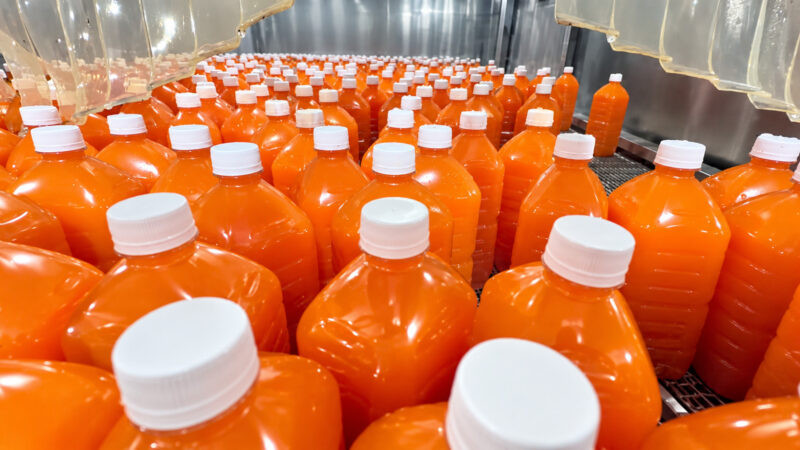
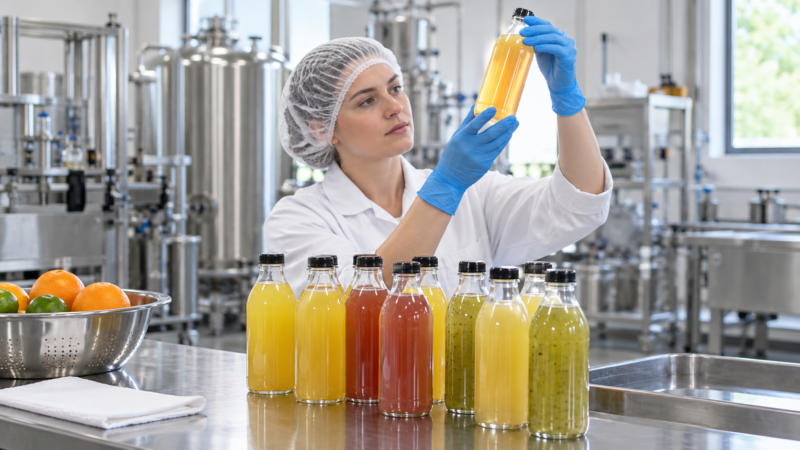
During mass production, every stage is monitored to maintain consistency. Raw materials are inspected, filling equipment is sanitized, packaging integrity is tested, and finished products undergo quality inspections before shipment. This systematic approach helps ensure that every production batch meets agreed standards.
Advantages of choosing guava juice OEM
One of the biggest advantages of guava juice OEM is the significant reduction in startup investment. Establishing a beverage factory may require millions of dollars in equipment, production lines, laboratory facilities, and regulatory compliance. OEM manufacturing allows companies to enter the market with substantially lower capital requirements.
Another benefit is faster product launch. Depending on formulation complexity, many manufacturers can move from product development to commercial production within several weeks or a few months. For brands responding to seasonal demand or emerging consumer trends, this speed can create a meaningful competitive advantage.
OEM partners also provide technical expertise accumulated through years of beverage manufacturing. Their experience helps minimize formulation issues, optimize production efficiency, and comply with food safety regulations across different export markets.
Packaging options for private label guava juice
Packaging influences both consumer perception and product shelf life. OEM manufacturers generally offer multiple packaging formats to accommodate different sales channels and market preferences.
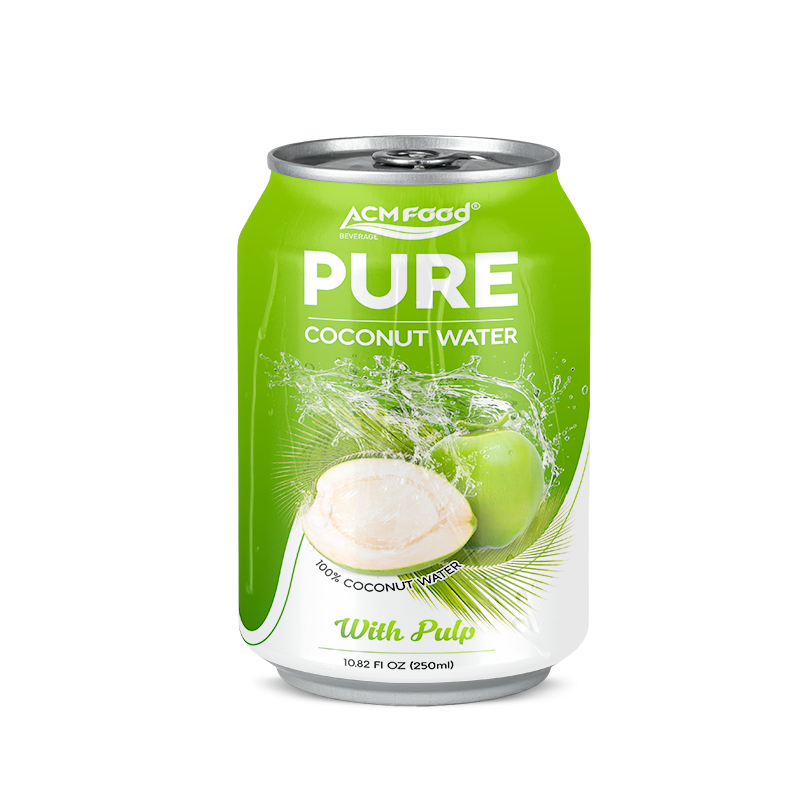
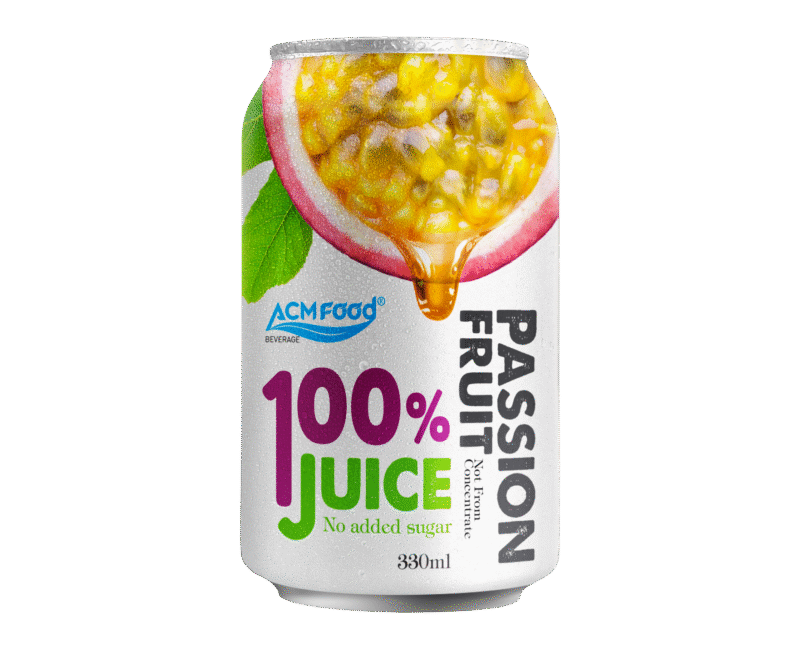
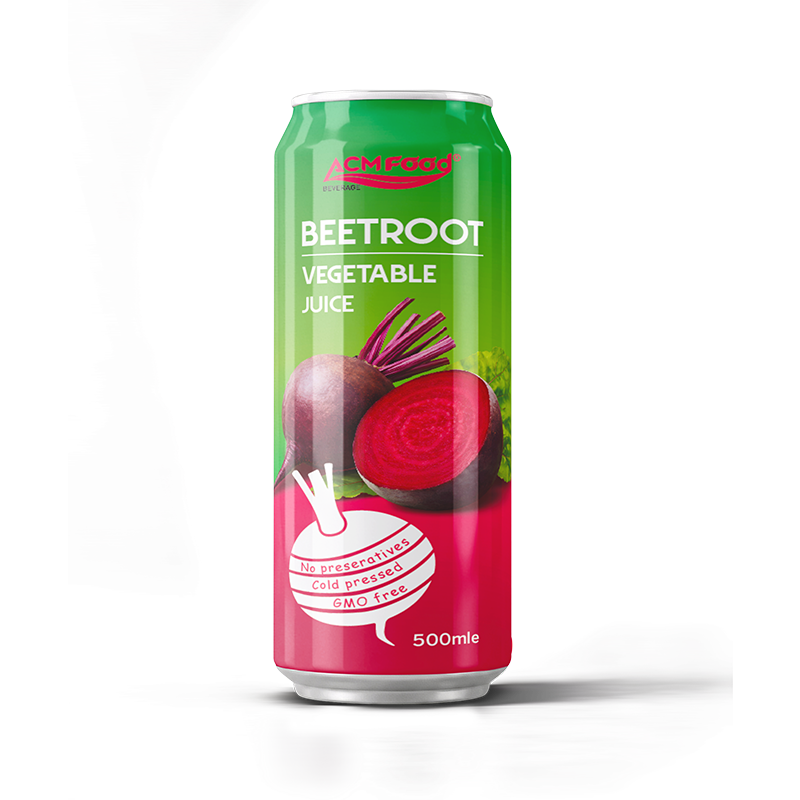
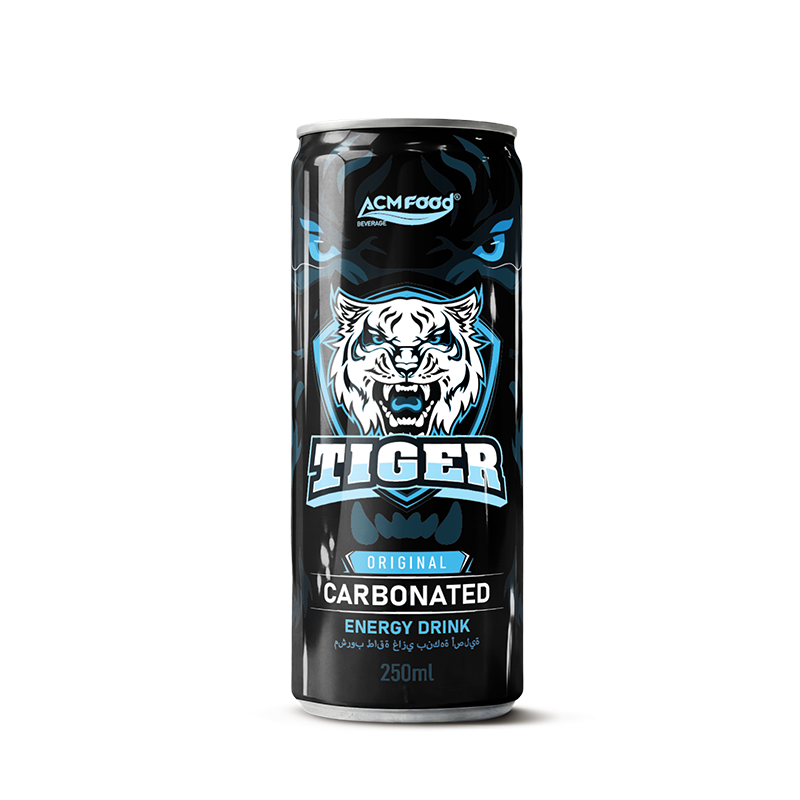
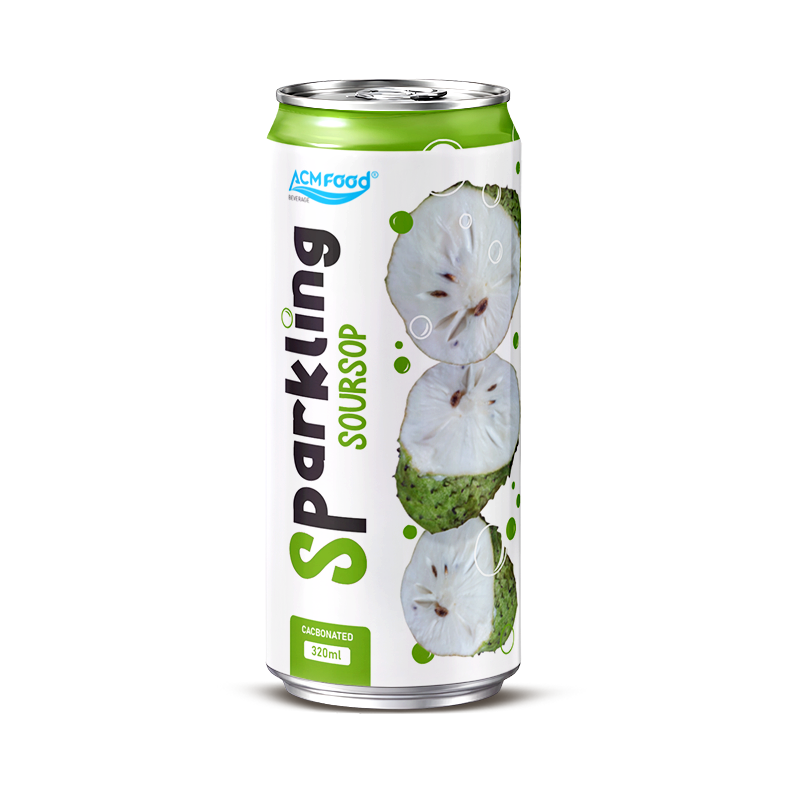
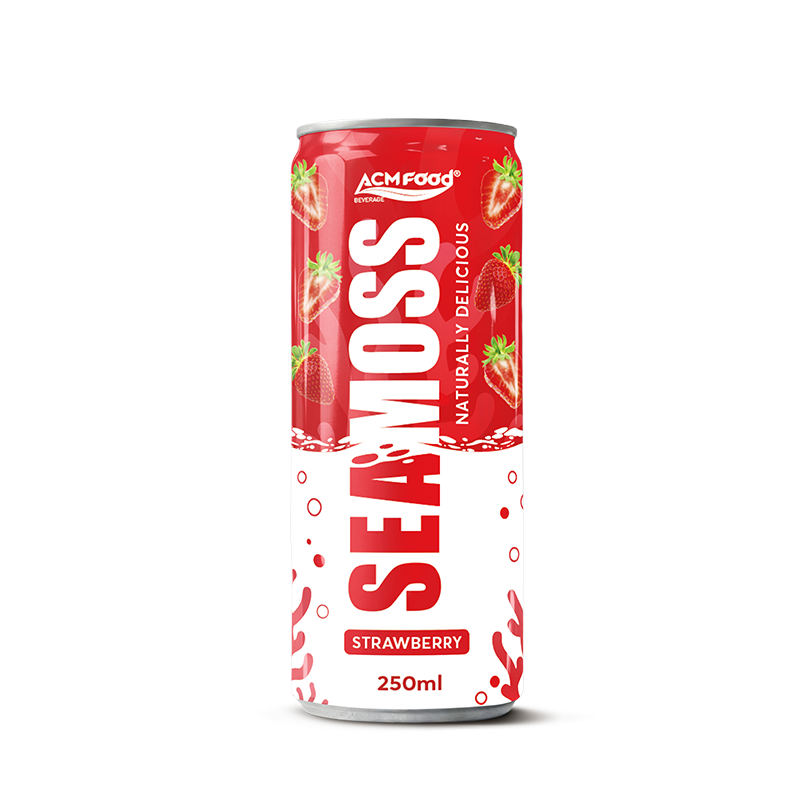
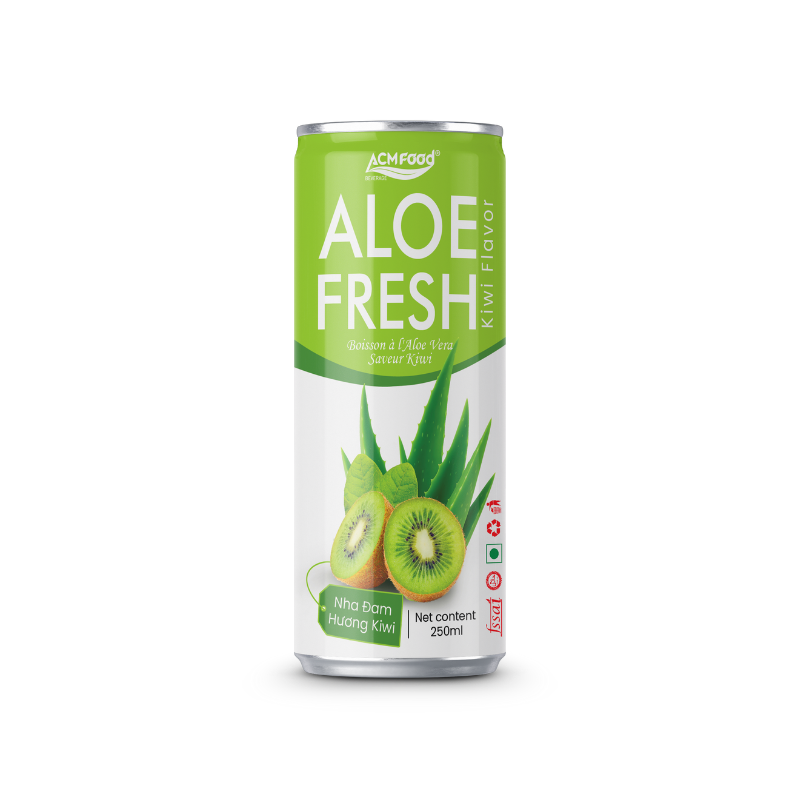
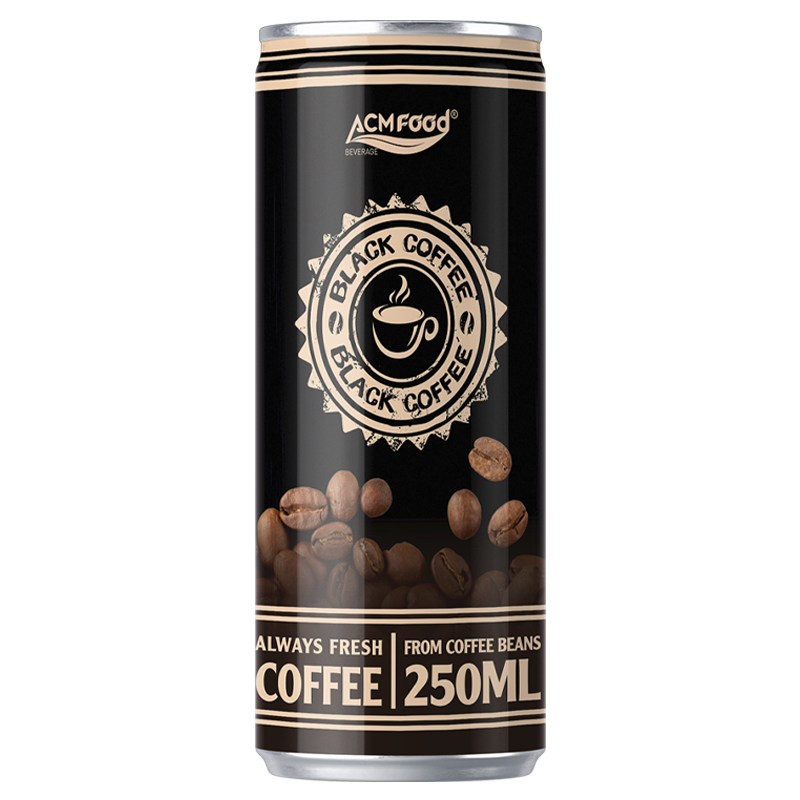
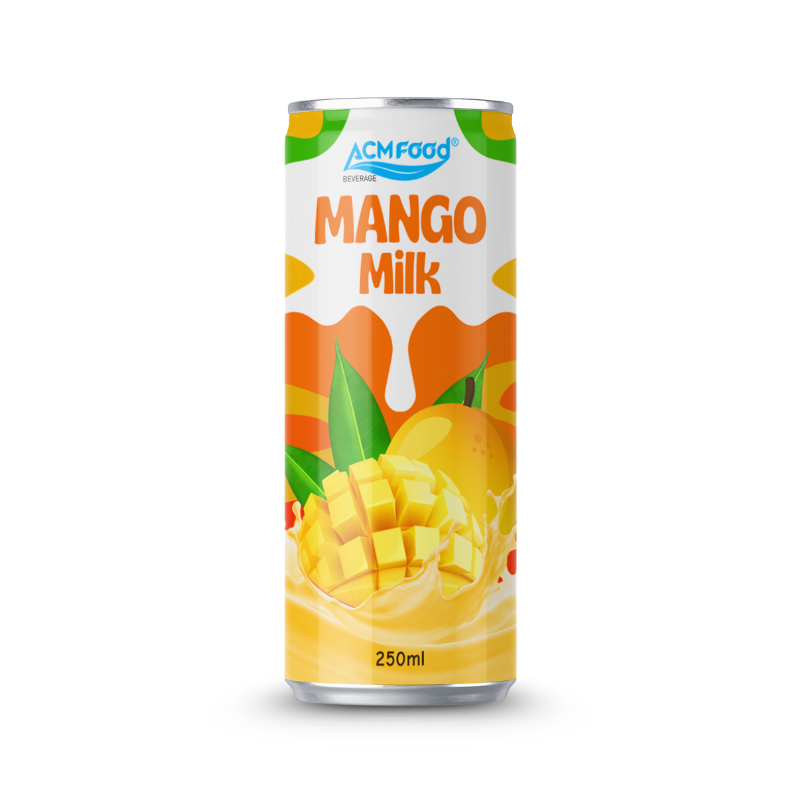
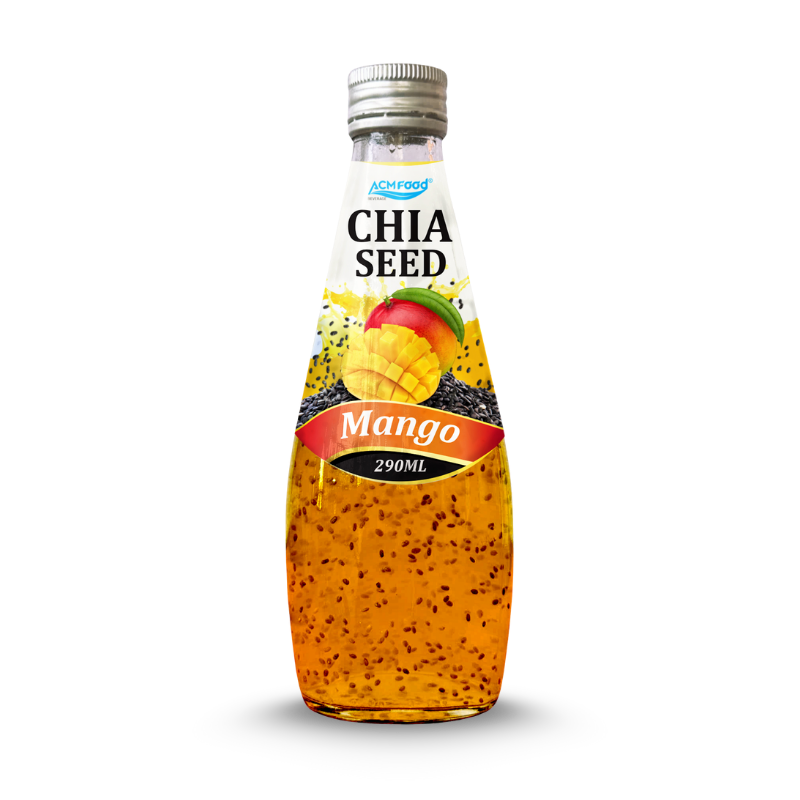
Common options include aluminum cans ranging from 250 ml to 500 ml, PET bottles from 300 ml to 1 liter, glass bottles for premium positioning, and aseptic cartons designed for long shelf life without refrigeration before opening. Flexible pouch packaging is also becoming more popular for children’s beverages and convenient on-the-go consumption.
Each format offers unique advantages. Glass enhances premium branding, aluminum provides excellent protection against light and oxygen, while aseptic cartons often reduce transportation costs due to their lightweight design.
Ingredients and formulation flexibility
Modern consumers increasingly read ingredient labels before making purchasing decisions. As a result, many brands request formulations that contain fewer artificial ingredients while maintaining attractive taste and appearance.
OEM manufacturers can often customize fruit content, sweetness levels, acidity, pulp concentration, and functional ingredients. Some brands prefer beverages with real guava pulp for a richer texture, while others choose smoother filtered juice to appeal to a wider audience. Which option best matches your customers? The answer depends on your target market and pricing strategy.
Manufacturers may also develop products with reduced sugar, natural sweeteners, vitamin fortification, or blends combining guava with fruits such as mango, pineapple, passion fruit, or apple to create distinctive flavor profiles.
Quality assurance and food safety standards
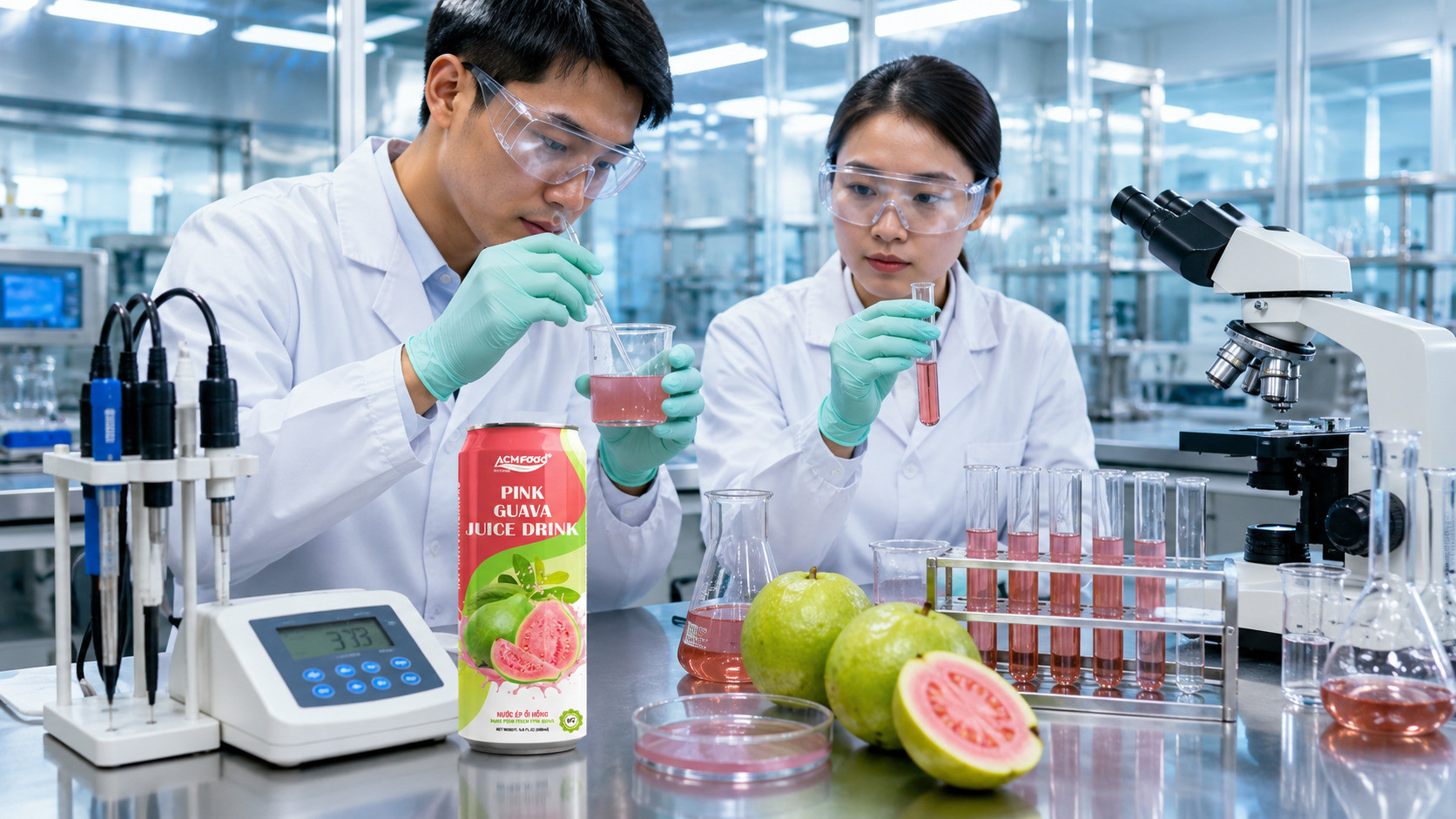
Quality control should be one of the first evaluation criteria when selecting a guava juice OEM partner. Reliable manufacturers typically implement documented quality management systems covering raw material inspection, production monitoring, laboratory analysis, and finished product verification.
International certifications such as ISO 22000, HACCP, GMP, BRC, or FSSC 22000 demonstrate that a manufacturer follows recognized food safety practices. Depending on your destination market, additional certifications such as Halal, Kosher, Organic, or FDA registration may also be valuable.
Laboratory testing often includes microbiological analysis, pH measurement, Brix testing for sugar concentration, acidity evaluation, and shelf-life validation. These procedures help ensure consistent product quality throughout distribution.
Minimum order quantities and production capacity
Minimum order quantities vary significantly between manufacturers. Some factories accept initial production runs of several thousand units, while larger facilities may require one full container or more for efficient production scheduling.
Understanding production capacity is equally important. A manufacturer capable of producing several hundred thousand cans or bottles per day may better support future business growth than a smaller facility with limited expansion capability. Planning ahead can prevent supply shortages as demand increases.
Design and branding support
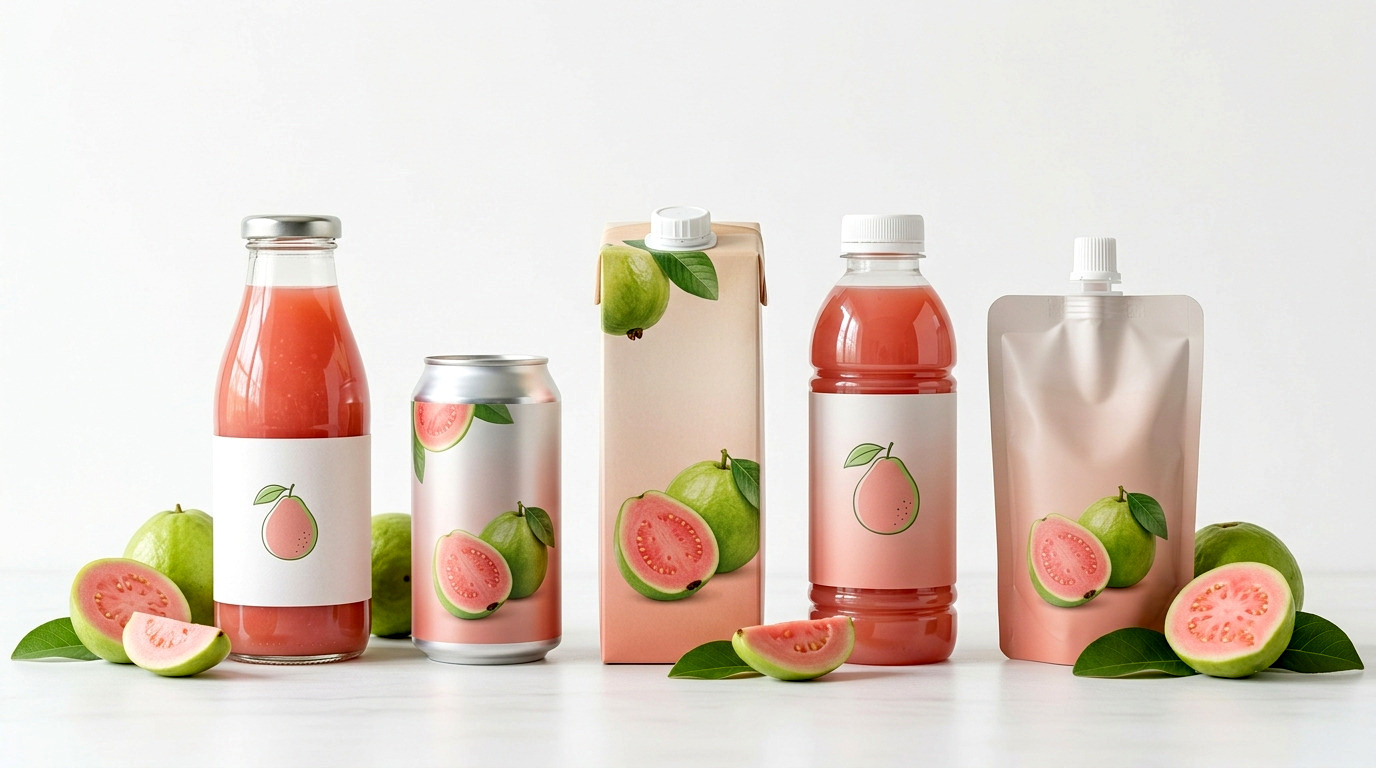
Private label manufacturing involves more than simply placing a logo on a bottle. Many OEM suppliers assist with packaging design, nutritional labeling, regulatory compliance, barcode generation, and multilingual artwork for export markets.
Professional packaging design contributes directly to consumer purchasing decisions. Clear branding, attractive colors, and compliant labeling improve shelf visibility while helping consumers quickly understand the product’s key benefits.
Export considerations
If you intend to sell internationally, your manufacturer should understand export documentation requirements. Depending on the destination country, shipments may require certificates of origin, health certificates, phytosanitary documentation, ingredient declarations, or laboratory reports.
Experienced exporters are familiar with international shipping procedures and can coordinate container loading, customs documentation, and logistics planning. Their expertise often reduces delays and minimizes unexpected costs during international distribution.
How to choose the right guava juice OEM manufacturer
Selecting an OEM partner should involve more than comparing prices. Production experience, quality certifications, technical capabilities, communication efficiency, and product consistency all deserve careful evaluation.
Ask potential manufacturers about their production process, laboratory testing procedures, customization capabilities, packaging options, lead times, and previous export experience. Request product samples and review their quality before making a long-term commitment. A slightly higher manufacturing cost may deliver greater value through better consistency and stronger customer satisfaction.
It is also worthwhile to evaluate responsiveness. Fast communication, transparent documentation, and clear production timelines often indicate a manufacturer that will be reliable during future collaborations.
Future trends in private label guava juice
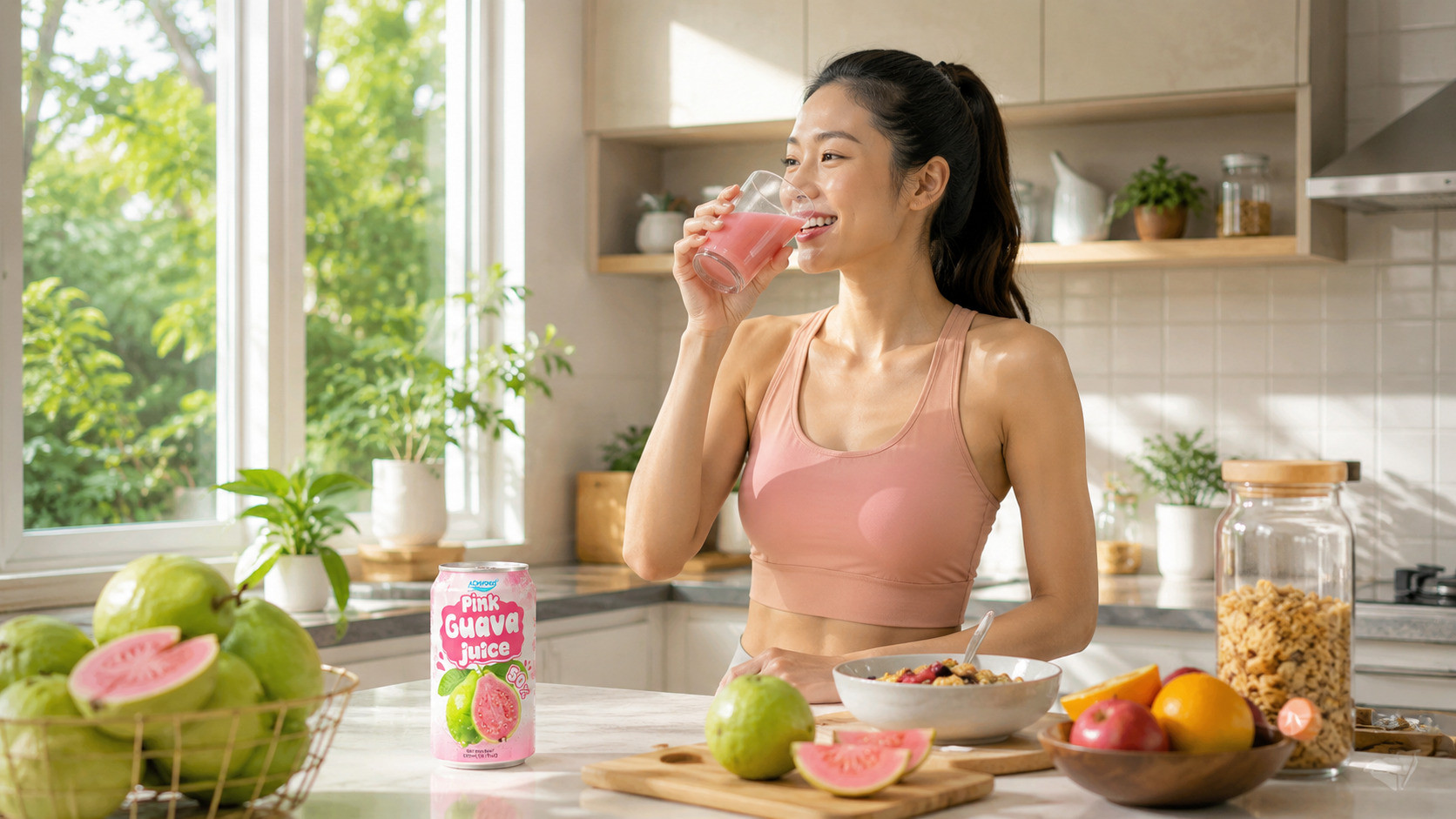
Consumer preferences continue to evolve toward healthier beverages with natural ingredients and transparent labeling. Products featuring reduced sugar, clean-label formulations, sustainable packaging, and functional nutrition are expected to attract increasing attention over the coming years.
At the same time, demand for tropical fruit beverages continues to expand beyond traditional markets. This creates opportunities for brands to introduce innovative guava juice products that combine authentic fruit flavor with modern nutritional expectations.
Guava juice OEM enables businesses to build a beverage brand efficiently without the substantial investment required for in-house manufacturing. By partnering with an experienced private label manufacturer, companies gain access to established production facilities, technical expertise, food safety systems, and flexible packaging solutions that accelerate product development.
Success depends on selecting an OEM partner that prioritizes quality, customization, regulatory compliance, and long-term collaboration. With the right manufacturing relationship, businesses can confidently introduce high-quality guava juice products that meet evolving consumer expectations while supporting sustainable growth in competitive domestic and international markets.
Taking this juice to market under your own brand
The OEM route for any fruit juice follows the same commercial path. For how a specification becomes a shipped container, see the OEM route. To launch it under your own label, see private label beverages. Format, closure and pack-size trade-offs are compared on packaging options. Minimums are set per SKU — see minimum order quantity. When you have a specification, request a quote.
Request a quote