


 Français
 Español
 العربية
 한국어
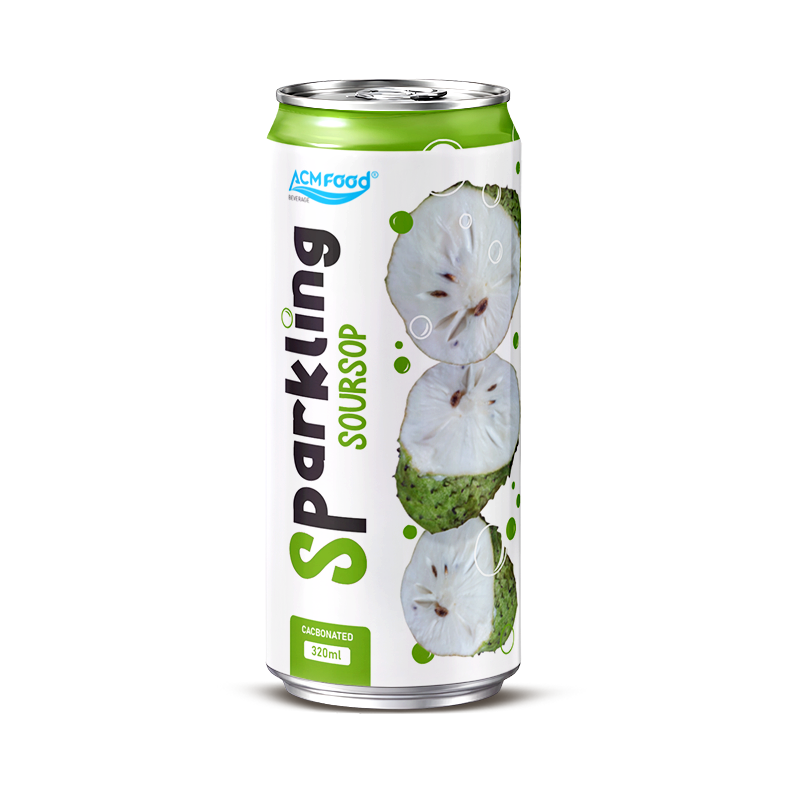
한국어The global demand for tropical fruit beverages continues to grow, creating new opportunities for beverage brands looking to launch unique products. Among these, soursop juice OEM has become an attractive solution for companies that want to enter the market without investing in their own manufacturing facilities. However, choosing the right OEM partner involves much more than comparing prices. The right manufacturer can influence product quality, regulatory compliance, production efficiency, and your brand’s long-term reputation.
So, what should you evaluate before signing an OEM agreement? From food safety certifications and sourcing practices to research capabilities and production flexibility, every detail matters. This guide explains the most important factors to help you select a reliable soursop juice OEM manufacturer for your business.
Why choosing the right OEM partner matters
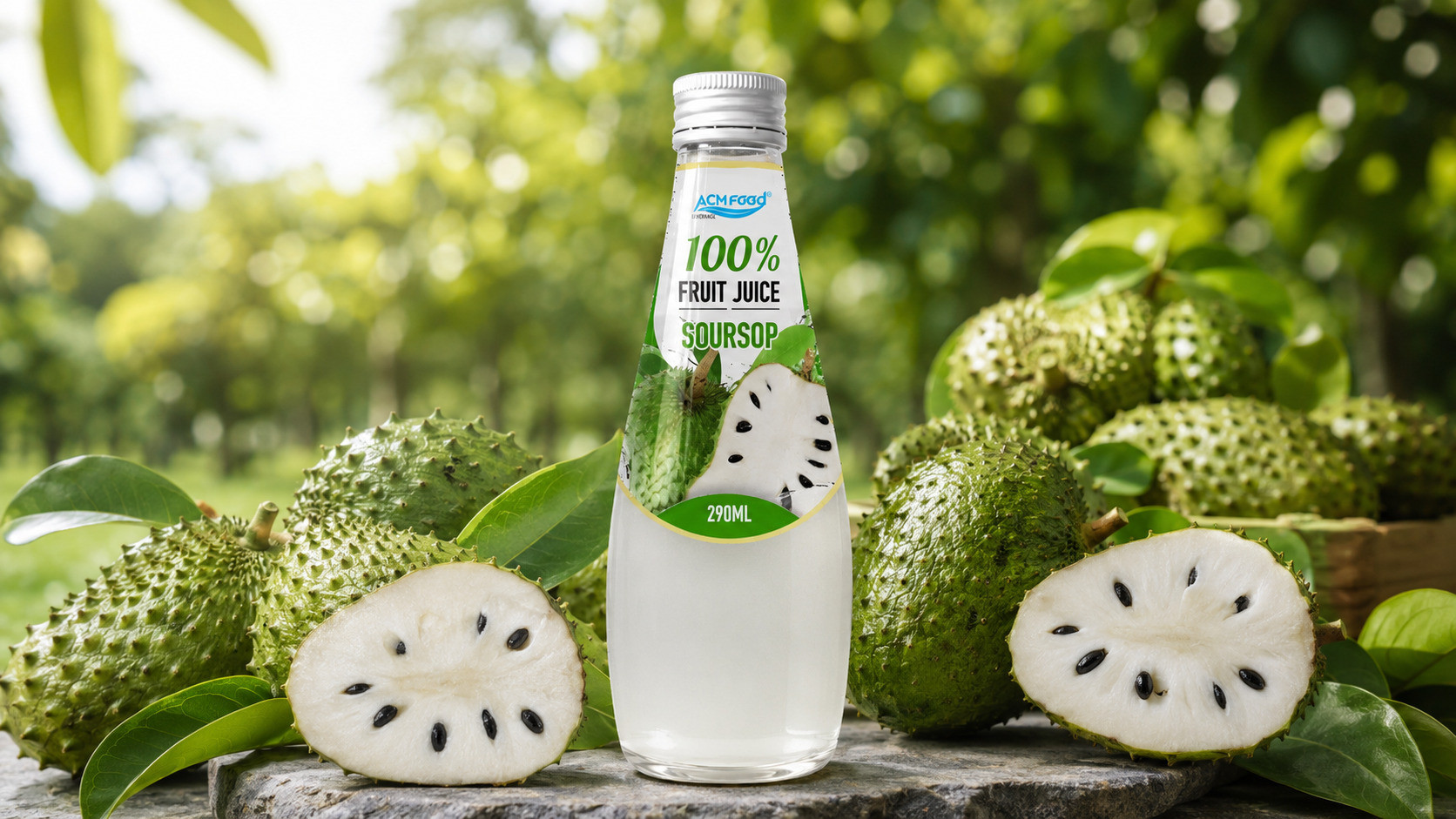
Launching a beverage brand requires significant investment in product development, packaging, logistics, and marketing. A dependable OEM partner helps reduce operational risks while allowing your team to focus on sales and brand growth. In many cases, working with an experienced manufacturer can shorten product development timelines from 12 months to as little as 3 to 6 months.
The wrong partner, however, may lead to inconsistent taste, delayed deliveries, quality complaints, or regulatory issues that affect customer trust. Would customers buy your product again if every production batch tasted different? Consistency is one of the most valuable assets in the beverage industry.
Look for proven manufacturing experience
Experience should be one of your first evaluation criteria. A manufacturer that has produced tropical fruit beverages for several years is more likely to understand the challenges associated with processing soursop, including oxidation, natural color preservation, flavor stability, and microbial safety.
Ask potential suppliers how many years they have produced fruit juice products and whether they have experience exporting internationally. Manufacturers serving more than 20 countries often have stronger knowledge of labeling requirements, documentation, and food regulations across different markets.
Verify food safety certifications
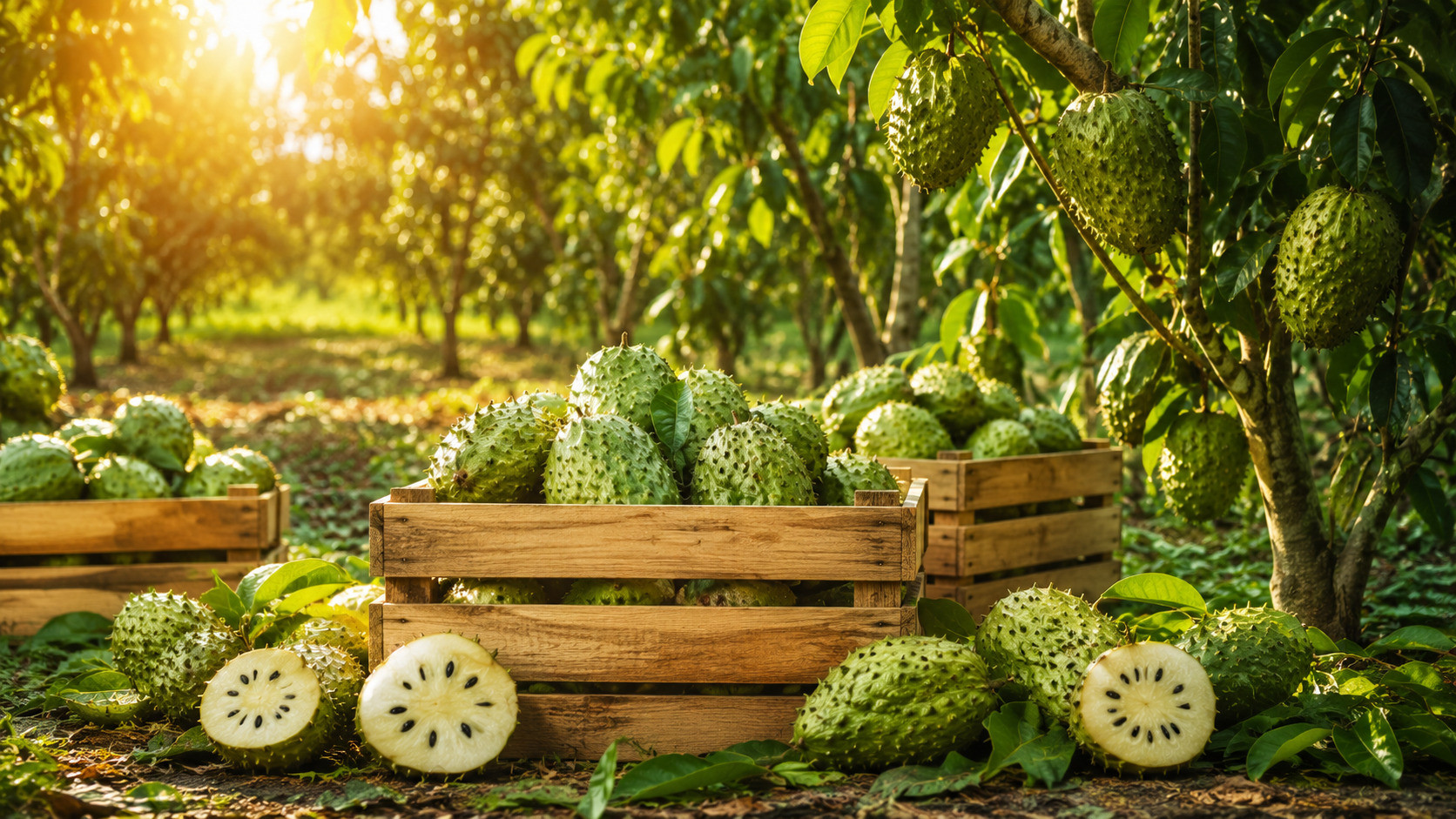
Food safety certifications demonstrate that a manufacturer follows internationally recognized production standards. These certifications are especially important if your products will be sold through supermarkets, distributors, or international retailers.
Some of the most valuable certifications include:
- HACCP
- ISO 22000
- FSSC 22000
- GMP
- Halal certification
- Kosher certification if required
If your target customers include health-conscious consumers, organic certification may also become an important competitive advantage.
Evaluate ingredient sourcing
The quality of fresh soursop directly affects the final beverage. Manufacturers with stable supply chains and long-term relationships with growers generally produce more consistent products throughout the year.
Ask where the fruit is grown, how quickly it is processed after harvest, and whether the manufacturer has quality inspection procedures for incoming raw materials. Fresh fruit processed within 24 hours after harvesting typically retains more natural flavor than fruit stored for extended periods.
It is also worth asking whether the supplier can provide traceability records. Being able to identify the origin of each production batch increases consumer confidence and supports food safety investigations if necessary.
Assess research and development capabilities
A strong research and development team allows your brand to create products that stand out in a competitive market. Instead of offering only standard recipes, experienced OEM manufacturers can customize sweetness levels, fruit content, texture, acidity, functional ingredients, and nutritional profiles.
Would your target customers prefer a beverage with 100% fruit juice, a juice drink with reduced sugar, or a functional beverage enriched with vitamins? Product customization helps your brand better meet specific consumer preferences.
Many manufacturers can also produce trial samples before mass production. Testing multiple formulations enables brands to collect customer feedback before making large production investments.
Review packaging options
Packaging influences purchasing decisions as much as the beverage itself. Consumers often judge quality within seconds of seeing a product on the shelf.
A capable soursop juice OEM manufacturer should offer multiple packaging formats, including aluminum cans, PET bottles, glass bottles, aseptic cartons, and flexible pouches. Depending on your target market, package sizes may range from 200 ml single-serving products to 1-liter family packs.
Private label services should also include assistance with label design, nutritional information, barcode placement, and packaging compliance for destination countries.
Understand minimum order quantities
Minimum order quantity, often called MOQ, can significantly affect your launch strategy. Some manufacturers require production runs of 50,000 bottles or more, while others allow smaller trial orders between 5,000 and 10,000 units.
For new brands, lower MOQs reduce inventory risk and allow faster product testing. As sales increase, production volume can gradually expand without unnecessary financial pressure.
Check production capacity and lead time
Production capacity becomes increasingly important as your business grows. Ask how many bottles or cans the factory can produce each day and whether it can support future expansion.
Lead times should also be discussed early. Depending on packaging materials, ingredient availability, and production schedules, manufacturing may require anywhere from 20 to 60 days after final artwork approval. Clear planning helps prevent inventory shortages during seasonal demand.
Review quality control procedures
Reliable manufacturers perform quality inspections throughout every stage of production rather than testing only the finished product. This includes raw material inspection, in-process monitoring, laboratory testing, packaging verification, and final product evaluation.
Ask whether every production batch undergoes microbiological testing, pH analysis, Brix measurement, and sensory evaluation. Consistent testing helps ensure that each shipment meets the same quality standards.
Consider export experience
If your brand plans to sell internationally, export knowledge is a major advantage. Experienced exporters understand shipping documentation, certificates of origin, customs procedures, and import regulations.
Manufacturers familiar with international logistics can also recommend the most suitable packaging for long-distance transportation, reducing the risk of product damage during shipping.
Compare communication and customer support
Strong communication often distinguishes excellent manufacturers from average ones. Quick responses, transparent pricing, detailed documentation, and regular production updates help projects move forward efficiently.
Before signing a contract, evaluate how quickly the supplier answers technical questions, prepares quotations, and provides product samples. These early interactions often reflect the level of support you can expect throughout the partnership.
Balance cost with long-term value
Choosing the lowest quotation may appear attractive, but it does not always produce the best business outcome. Lower prices sometimes result from lower fruit content, reduced quality control, or limited technical support.
Instead of focusing only on manufacturing cost per bottle, compare the complete value package, including certifications, formulation support, packaging services, quality assurance, production reliability, and after-sales assistance. A slightly higher production cost can generate stronger customer satisfaction and repeat purchases over time.
Questions to ask before selecting a soursop juice OEM manufacturer
Before making your final decision, prepare a structured discussion with potential suppliers. Useful questions include:
- What food safety certifications do you currently maintain?
- Can you customize formulations and packaging?
- What is your standard MOQ?
- How long does product development usually take?
- Can you provide export references?
- What laboratory testing is performed for every production batch?
- How do you ensure consistent product quality year-round?
The answers to these questions provide valuable insight into whether a manufacturer can support your brand’s long-term objectives.
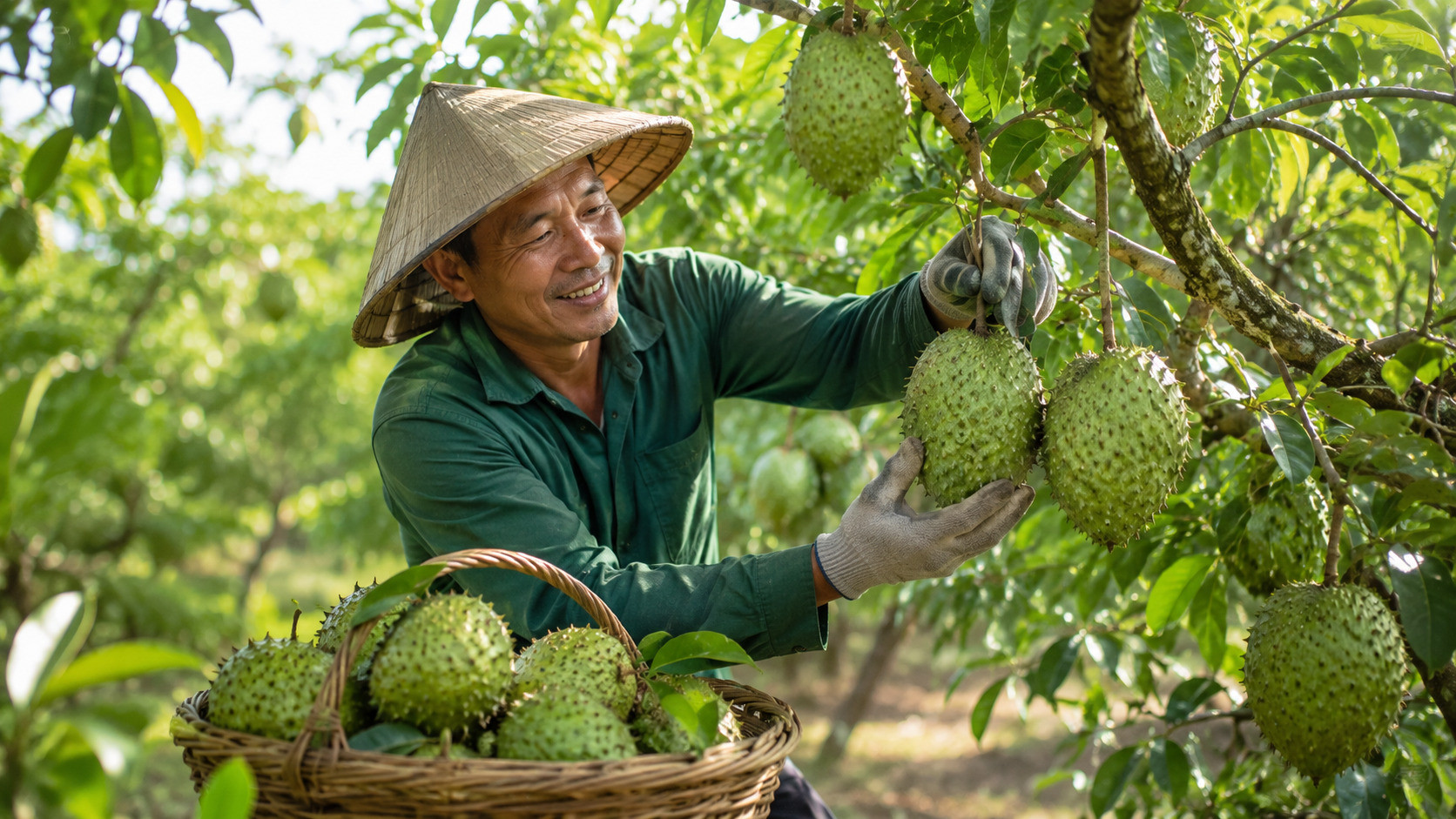
Selecting the right soursop juice OEM partner is one of the most important decisions your beverage business will make. Manufacturing capabilities, ingredient quality, certifications, research support, packaging flexibility, and communication all contribute to a successful partnership.
Rather than choosing a supplier based solely on price, evaluate the manufacturer’s ability to deliver consistent quality over many years. A trusted OEM partner becomes more than a production facility—it becomes an essential contributor to your brand’s growth, customer satisfaction, and competitive advantage in the expanding global beverage market.
Taking this juice to market under your own brand
The OEM route for any fruit juice follows the same commercial path. For how contract production is structured, see OEM beverage manufacturing. To launch it under your own label, see private label beverages. Minimums are set per SKU — see minimum order quantity. When you have a specification, request a quote.
Request a quote