


 Français
 Español
 العربية
 한국어
한국어To import beverages into Germany, align with EU entry controls, Germany’s LFGB food law, and packaging registration in LUCID, then clear customs via ATLAS. Oversight involves the BVL and 16 state-level authorities. This guide maps each step—from product readiness to post-market duties—plus taxes, deposits and documentation.
This page focuses on Germany-specific rules and workflows. For the EU-wide labelling and import layer shared across member states, see the EU beverage labelling and import rules, then return here for the German requirements that sit on top.
What is different about importing beverages into Germany?
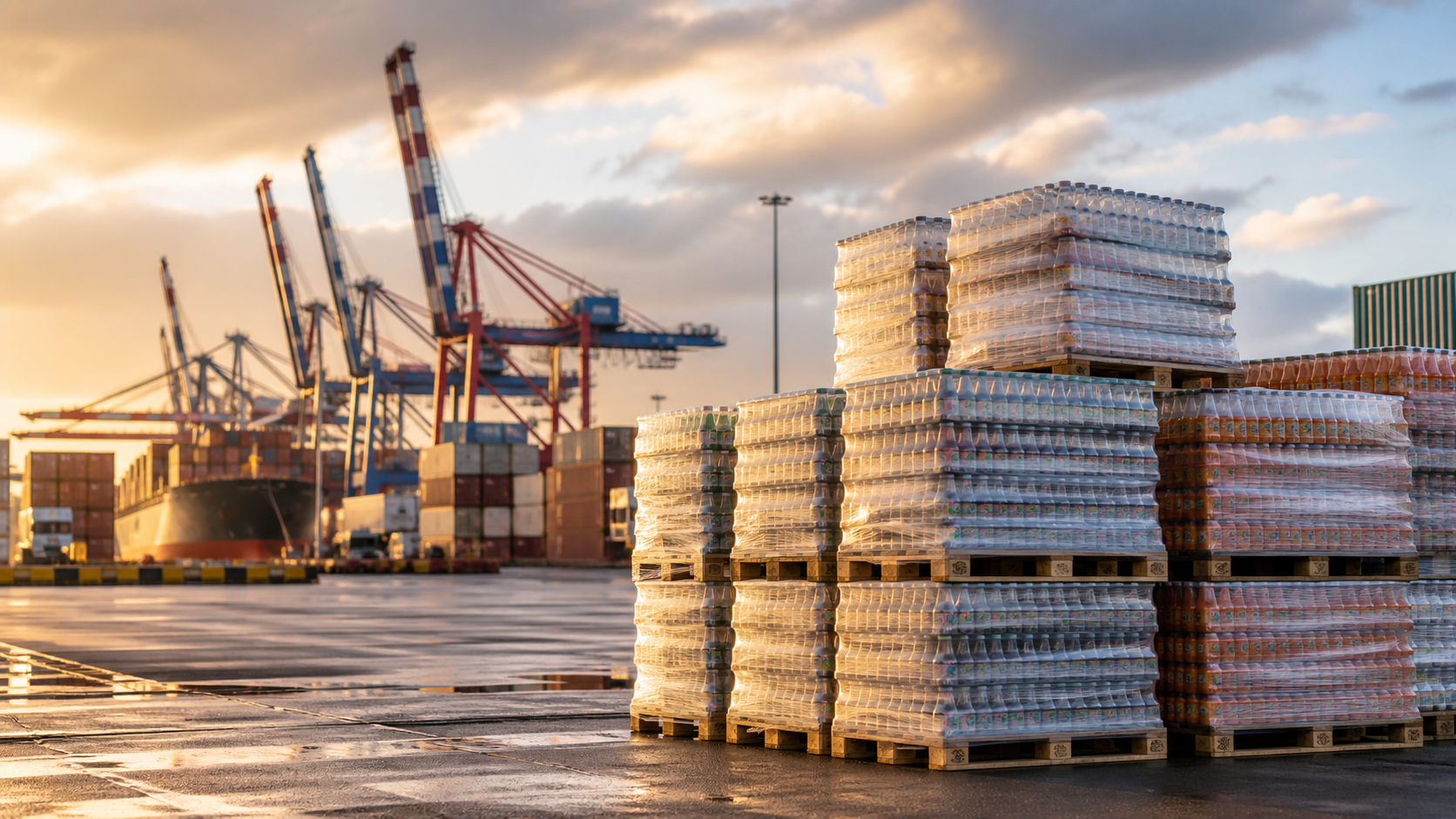
Germany adds national obligations on top of EU law: enforcement under the LFGB, packaging registration under VerpackG via the LUCID portal, and rigorous market surveillance by BVL and state authorities. You will also encounter the German deposit scheme for many single-use beverage containers and specific excise taxes for alcoholic drinks.
- LFGB (Lebensmittel- und Futtermittelgesetzbuch): Germany’s Food & Feed Code underpins safety, conformity, and official controls.
- BVL (Bundesamt für Verbraucherschutz und Lebensmittelsicherheit) coordinates food safety at federal level with Länder authorities.
- VerpackG & LUCID: mandatory packaging registration with the Zentrale Stelle Verpackungsregister (LUCID) and participation in a dual system.
- Deposit system for many single‑use beverage containers (Einwegpfand) handled through a national clearing framework.
- Customs & excise: Alcohol categories are taxed under German Zoll regimes (e.g., Biersteuer, Schaumweinsteuer, Branntweinsteuer).
- Ports & gateways: High-volume entry points include the Port of Hamburg, Bremerhaven, and Frankfurt/Main Airport.
Step-by-step: How to import beverages into Germany
Follow this ordered workflow from pre-market checks to customs clearance and post-market duties. It reflects EU entry controls plus Germany’s LFGB and VerpackG obligations.
- Define the product class and route-to-market: Non-alcoholic vs. alcoholic; 100% juice, nectar, soft drink, energy drink, kombucha, RTD tea/coffee, or dairy/animal-origin blends. Your category affects excise, deposit applicability, and documents.
- Check EU marketability: Confirm formulation and labelling meet EU baseline (ingredients, allergens, claims, warnings). Use the EU beverage labelling and import rules as your shared layer.
- Assign the importer of record in Germany: The legal entity responsible for compliance in Germany must be identified and have an EU EORI number. They’ll interface with German Customs (Zoll) and authorities.
- Confirm Germany-specific naming conventions: Align product names with German practice and expectations (e.g., distinctions between Fruchtsaft, Nektar, and Erfrischungsgetränk guided by national food code “Leitsätze”). Avoid misleading trade names.
- Prepare German-language labelling: Ensure a German label is available at release to free circulation or pre-sale, including mandatory particulars and any warnings (e.g., high caffeine). Avoid duplicating EU content here—apply it from the shared layer and adapt wording to German.
- Plan packaging compliance under VerpackG (LUCID): Register the importer/brand owner with the LUCID portal (Zentrale Stelle Verpackungsregister) and system-participate with a dual system for consumer packaging. Keep contract, volumes and declarations ready for audits.
- Assess deposit scheme applicability: Many single-use beverage containers require a deposit to be charged and cleared via the national deposit framework. Coordinate barcode/data registration with the clearing partners and align POS operations with refund handling.
- Classify the product in TARIC & map duties: Select the HS code and check customs duty, VAT treatment and any EU trade measures in TARIC. Align the commercial invoice and packing list accordingly.
- Check excise obligations (alcohol only): For beer, sparkling wine, intermediate products, spirits or alcopops, coordinate with German Customs (Zoll) on registration, movement, and tax payment.
- Confirm entry documentation: Commercial invoice, packing list, bill of lading/air waybill, certificate of origin (if used), analysis/spec sheets, and—where applicable—health certificates for animal-origin ingredients and CHED-D in TRACES.
- Choose port/airport & customs broker: Hamburg or Bremerhaven for sea; Frankfurt/Main for air. Ensure your broker can file via ATLAS and manage inspections with local authorities (Lebensmittelüberwachung).
- Pre-arrival safety & security filings: Ensure the carrier/broker submits required EU safety filings and any port pre-notifications so that risk analysis can complete before arrival.
- Border controls and sampling: Expect potential checks coordinated by BVL/state authorities. Provide documents promptly; hold goods until clearance is granted.
- Customs declaration in ATLAS: Your broker declares customs value, TARIC code, origin, and documents; customs issues release or control instructions.
- Settle VAT and any excise: Pay amounts due or use deferment/warehouse regimes where applicable. Keep payment and release proofs.
- Post-market surveillance readiness: Under LFGB, keep specifications, supplier declarations, traceability, and complaint/recall procedures ready for inspections by state authorities.
- Ongoing VerpackG reporting: Periodically report packaging volumes in LUCID and reconcile with your dual system. Maintain records for audits.
Germany applies a layered model: BVL coordinates nationally, state (Länder) food control authorities perform on-the-ground inspections, and Zoll (Customs) manages customs and excise. Depending on composition, veterinary or border inspection points may be involved for animal-origin ingredients.
- BVL: Federal coordination and risk management for food safety.
- Länder Lebensmittelüberwachung: State/municipal food control offices conduct sampling, lab testing, and retail checks.
- Zoll: Customs declarations (ATLAS), VAT/excise, and movement control.
- Border inspection/TRACES: For drinks with animal-origin components (e.g., dairy-based), CHED-D and TRACES workflows may apply.
Do you need to register packaging under VerpackG and LUCID?
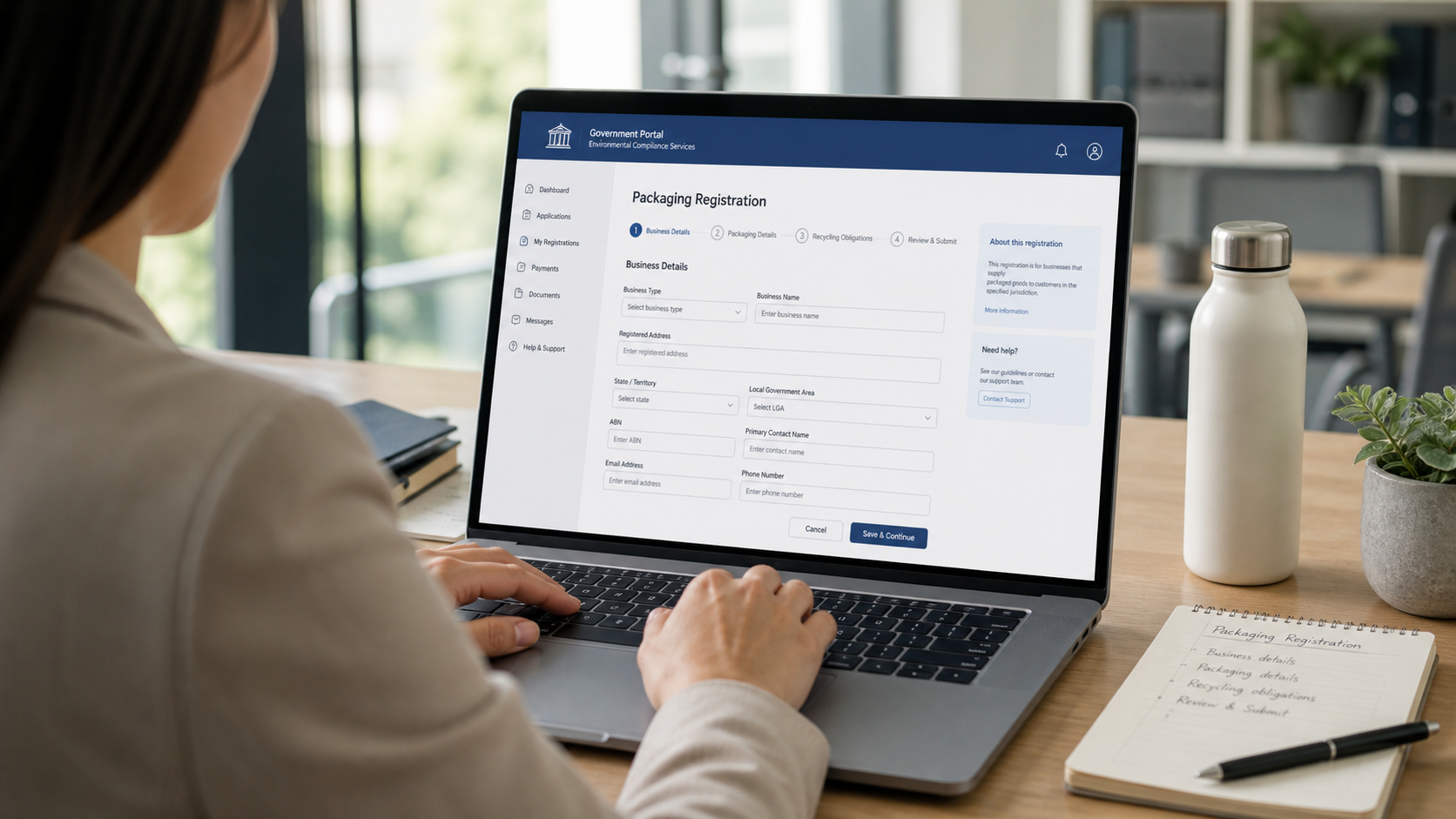
Yes. If you place consumer-packaged beverages on the German market, VerpackG requires LUCID registration and participation in a dual system, even for importers outside Germany acting as first distributors domestically. Non-compliance can block sales and trigger fines.
- Who registers: The party that first places the filled sales packaging on the German market (often the importer).
- What to do: Open a LUCID account, system-participate with a dual system, and report annual/periodic volumes.
- Deposit linkage: If your beverage container is in-scope of the deposit scheme, coordinate barcode registration and clearing so refunds work nationwide.
- Records: Keep contracts, declarations, and quantity evidence for audits by the Zentrale Stelle and authorities.
Germany-specific taxes and fees on beverages
Most beverages incur standard VAT on import. Alcoholic beverages can be subject to German excise taxes administered by Zoll, while many single-use containers require a deposit handled through the national clearing framework. Budget for packaging system-participation fees under VerpackG as well.
- VAT: Standard rate applies to most beverage categories at import.
- Excise (alcohol): Beer (Biersteuer), sparkling wine (Schaumweinsteuer), intermediate products (Zwischenerzeugnissteuer), spirits (Branntweinsteuer), and alcopops (Alkopopsteuer) may apply.
- Deposit: Many single-use beverage containers are subject to a deposit and nationwide return/refund obligations.
- Packaging fees: Dual-system licensing fees vary by material and volume reported.
Documentation checklist for beverage shipments to Germany
Use this checklist to align documents with German expectations and reduce clearance delays.
| Document | Issued by | Purpose | Germany-specific notes |
|---|---|---|---|
| Commercial Invoice | Exporter | Customs value, description | Match TARIC HS, German product name used consistently |
| Packing List | Exporter | Package-level details | Align counts with pallet IDs for Hamburg/Bremerhaven handling |
| Bill of Lading / Air Waybill | Carrier | Transport evidence | Ensure consignee/EORI of German importer of record |
| Certificate of Origin (if used) | Chamber / Authority | Preferential duty claims | Only attach when leveraging FTA preferences in TARIC |
| Product Specifications | Manufacturer | Safety & conformity | German label mockup included; allergens & warnings visible |
| Health Certificate / CHED-D (if applicable) | Veterinary/Authority | Animal-origin components | Pre-notify via TRACES for entry at designated points |
| LUCID Registration Confirmation | Zentrale Stelle | Packaging compliance | Show registration and system-participation agreement |
Import routes and logistics tips for Germany
For sea freight, Hamburg and Bremerhaven offer frequent schedules and strong cold-chain options. For air, Frankfurt/Main handles time-sensitive SKUs. Work with brokers experienced in ATLAS and in coordinating inspections with local Lebensmittelüberwachung to avoid storage charges during holds.
- Port selection: Balance sailing frequency, terminal congestion, and your distribution footprint in Germany or Central Europe.
- Pre-pull coordination: Confirm deposit and packaging readiness before arranging final delivery to distribution centers.
- Contingency: Allow buffer for sampling and document clarifications during your first few consignments.
Common pitfalls and how to avoid them in Germany
Small misalignments create clearance delays or sales blocks. Tighten these areas early in your import plan.
- German-only wording: Labels must be intelligible to consumers in Germany; avoid untranslated elements or ambiguous phrasing.
- Naming conventions: Use product names consistent with German practice (e.g., Fruchtsaft vs. Nektar) to prevent misleading presentation.
- Deposit coverage: Confirm whether your container format is in-scope of the deposit scheme and complete barcode/clearing registration.
- LUCID timing: Complete LUCID registration and system participation before first sale; keep confirmations on file.
- Excise setup: For alcohol, engage Zoll procedures early to avoid tax-related holds.
- Specification gaps: Provide full specs and stability data when authorities request evidence under LFGB.
Information for beverage brands and import teams
Germany rewards meticulous compliance and reliable logistics. If you are shaping a new product pipeline or evaluating co-pack options, align your commercial model and formulation choices with compliance from the outset.
- Explore structures that fit your sourcing and brand plan in the guide to B2B beverage business models: white label, private label, OEM & ODM.
- See market context in our Germany market overview for beverages to position claims, pack formats, and channels.
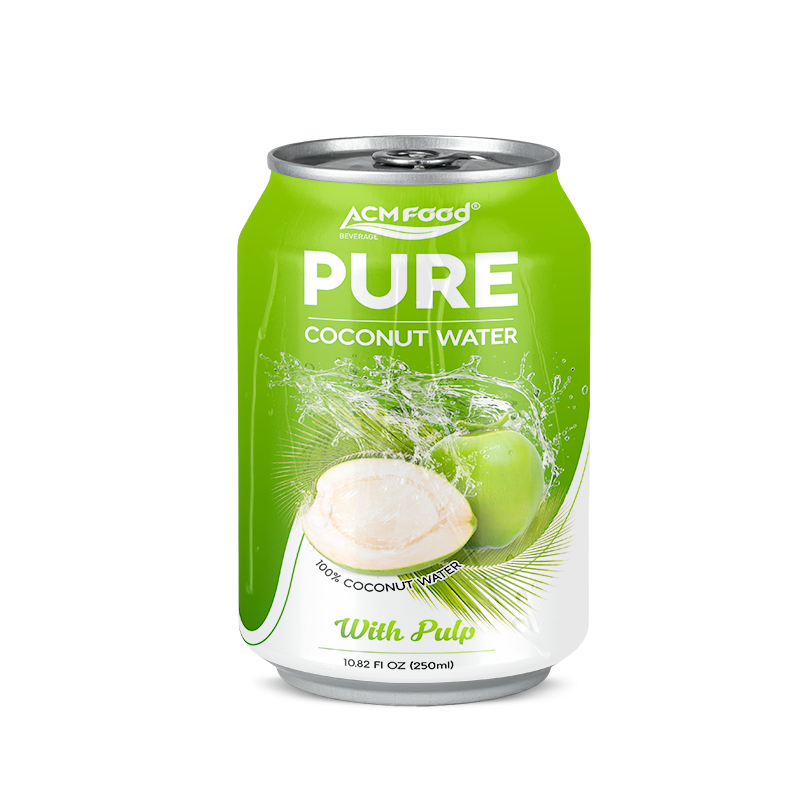
- Trend scouting example: assess category playbooks like pure coconut water opportunities for international buyers and adapt to German retail standards.
Conclusion: your Germany import plan on one page
To import beverages into Germany, combine EU conformity with Germany’s LFGB, LUCID/VerpackG obligations, and customs clearance via ATLAS. Decide the importer of record, ensure German-language labels and naming, register packaging, confirm any deposit and excise steps, and prepare for state-level surveillance. Start with pilot shipments, document everything, and refine your SOPs for smoother cycles.
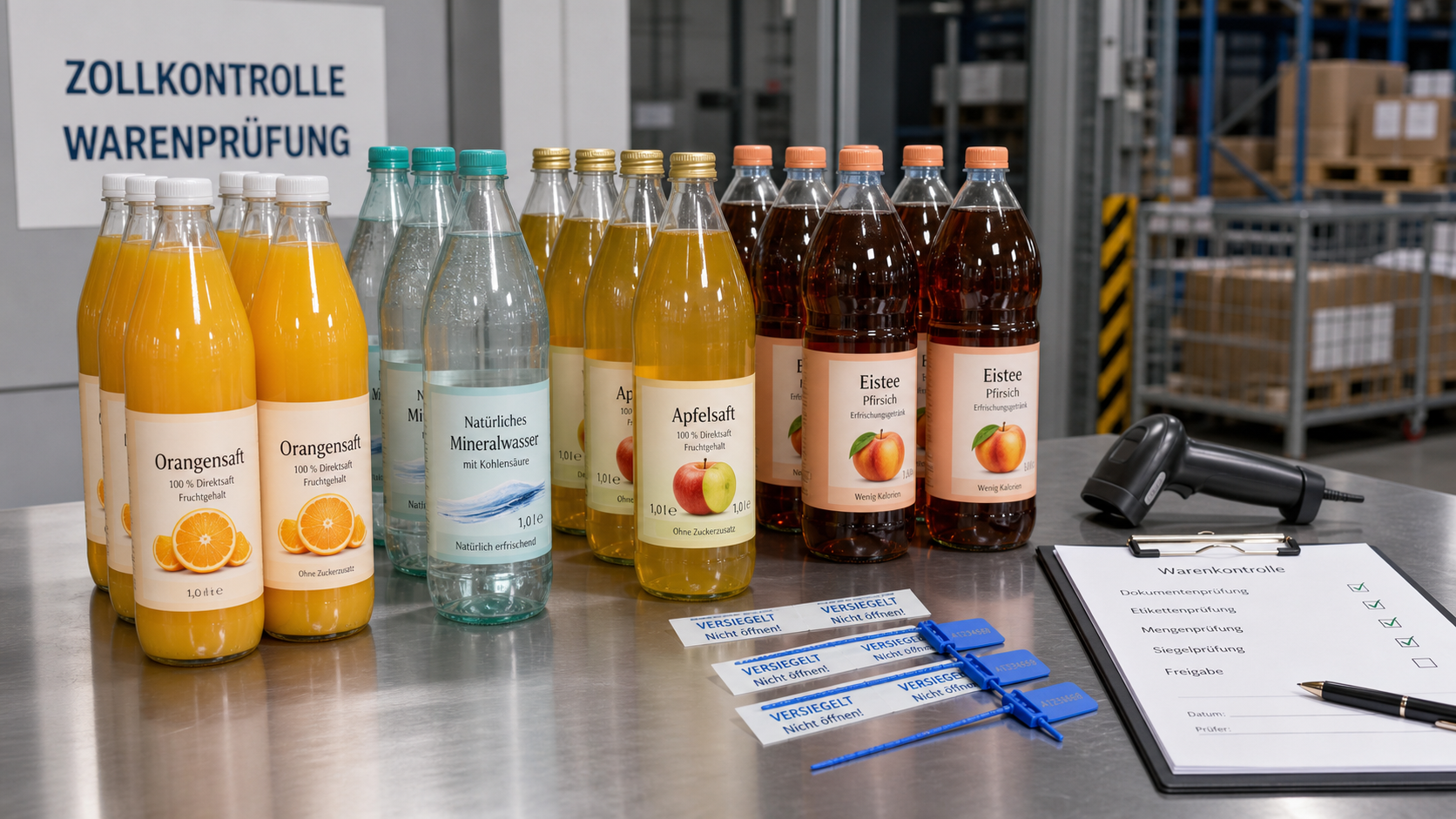
For duty rates and EVFTA preferences in detail, see import duty and trade agreements for beverages entering Germany.
FAQ: importing beverages into Germany
Do I need a German entity to import? Not strictly, but you must appoint an EU-based importer of record responsible for LFGB compliance and packaging/label obligations when first placing goods on the German market.
Can I clear in another EU country and then sell in Germany? Yes, but if you place the consumer packaging on the German market, VerpackG/LUCID and deposit obligations still attach when you first distribute in Germany.
Is an EORI number required? Yes. The customs declarant must hold a valid EORI for ATLAS filings.
Are product samples exempt? Samples remain subject to safety, labelling (if offered to consumers), and customs rules; discuss simplified procedures with your broker where available.
Who performs checks once my product is on shelves? State-level Lebensmittelüberwachung conducts market surveillance and sampling; BVL coordinates nationally.
Sources
Bundesamt für Verbraucherschutz und Lebensmittelsicherheit (BVL); Zoll (German Customs); Zentrale Stelle Verpackungsregister (LUCID) under VerpackG; State (Länder) Lebensmittelüberwachung offices.