


 Français
 Español
 العربية
 한국어
한국어
Beverage sample cost covers the real work required to turn your brief into physical prototypes you can taste, refine, and approve. It includes research & development effort, ingredients, processing, packaging for prototypes, quality checks, and logistics. The sampling timeline or sample lead time depends on your formula, pack format, sourcing, documentation, and shipping conditions.
This guide explains what typically sits inside the cost, how timelines unfold, what slows or accelerates lead time, and how to manage formula approval with fewer surprises. Because policies differ by manufacturer and market, treat the frameworks below as decision tools and confirm exact fees and dates in writing with your partner.
What does beverage sample cost include?
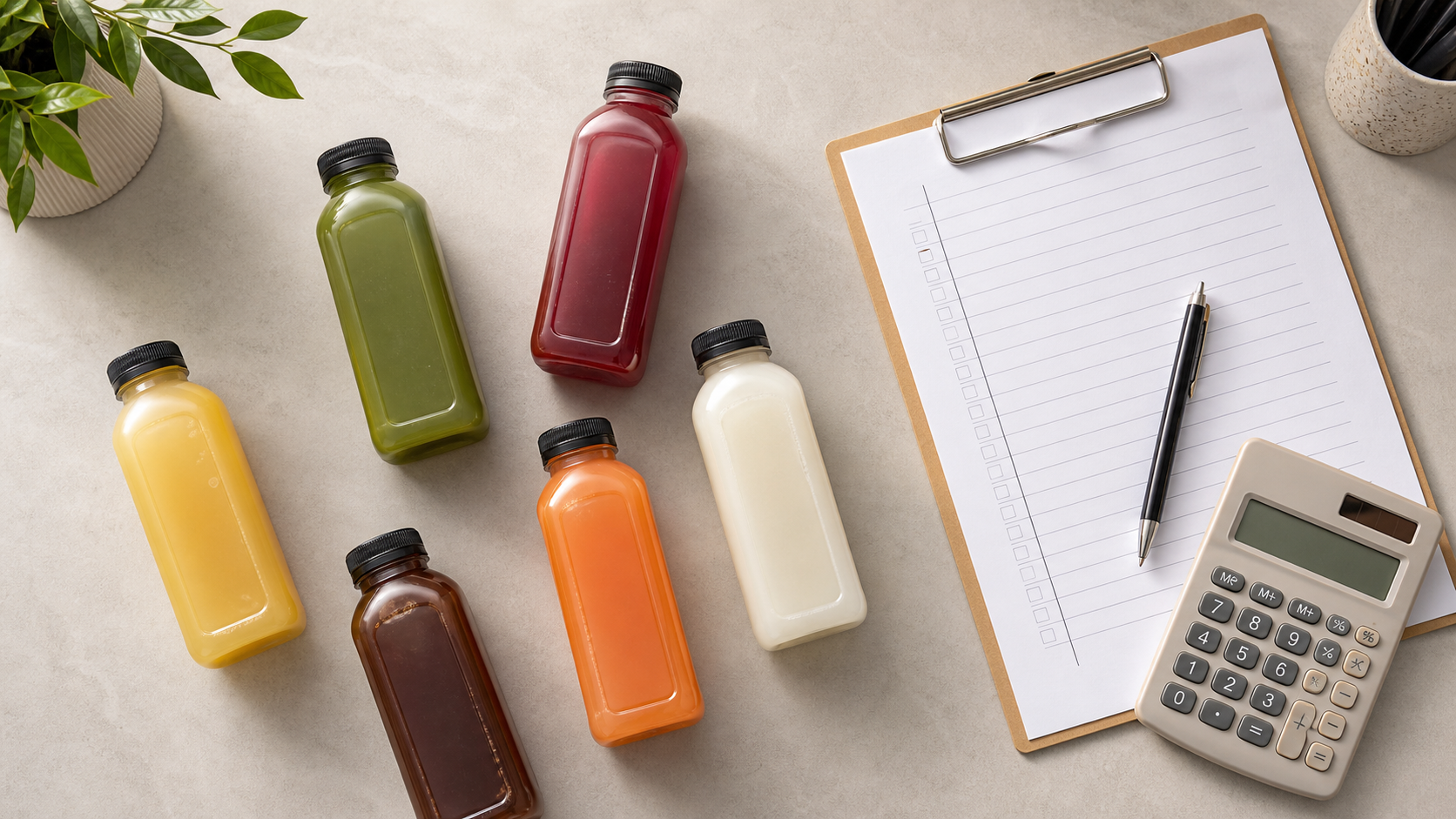
It usually combines R&D time, base materials, processing runs, prototype packaging, basic QC, and shipping or courier. Some producers treat sampling as a pass-through activity rather than a profit center; others may charge set fees. Always align on scope before work starts and note what is or is not credited later.
- R&D labor: brief intake, formula design, benchtop compounding, sensory notes, documentation updates.
- Ingredients: juices, purees, concentrates, flavors, sweeteners, acidulants, stabilizers, minerals/vitamins (if applicable).
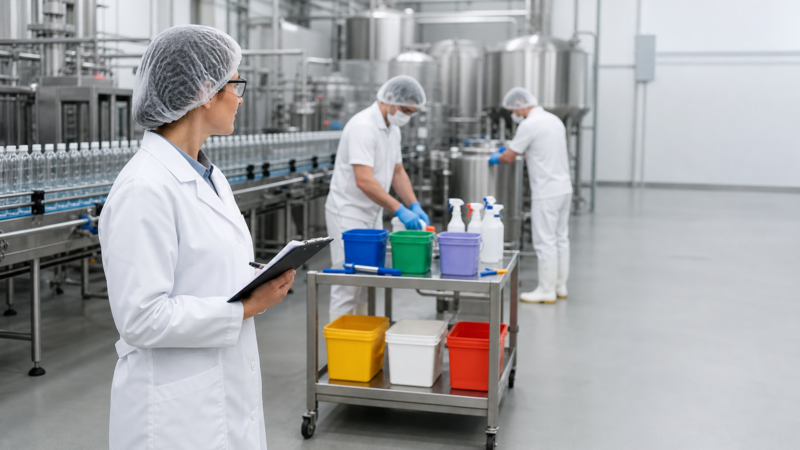
- Processing: small-scale hot-fill/retort/pasteurization/aseptic simulation or alternative relevant methods.
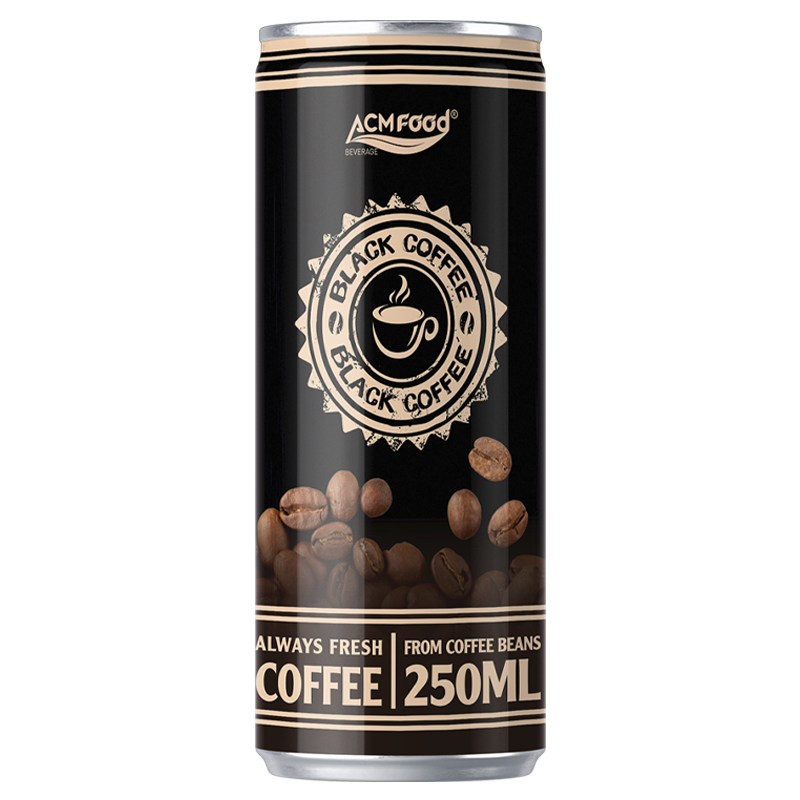
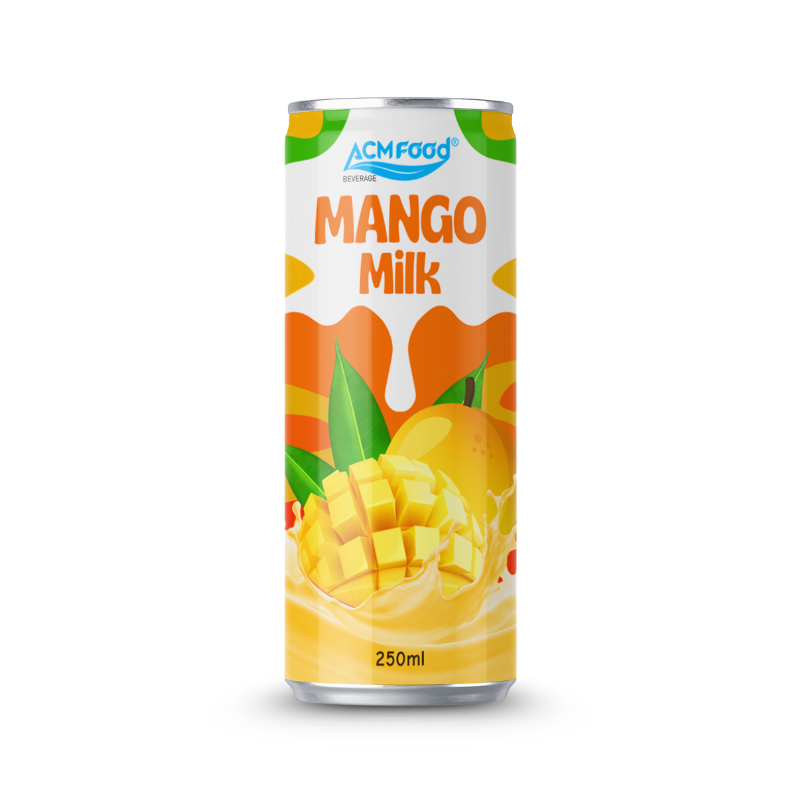
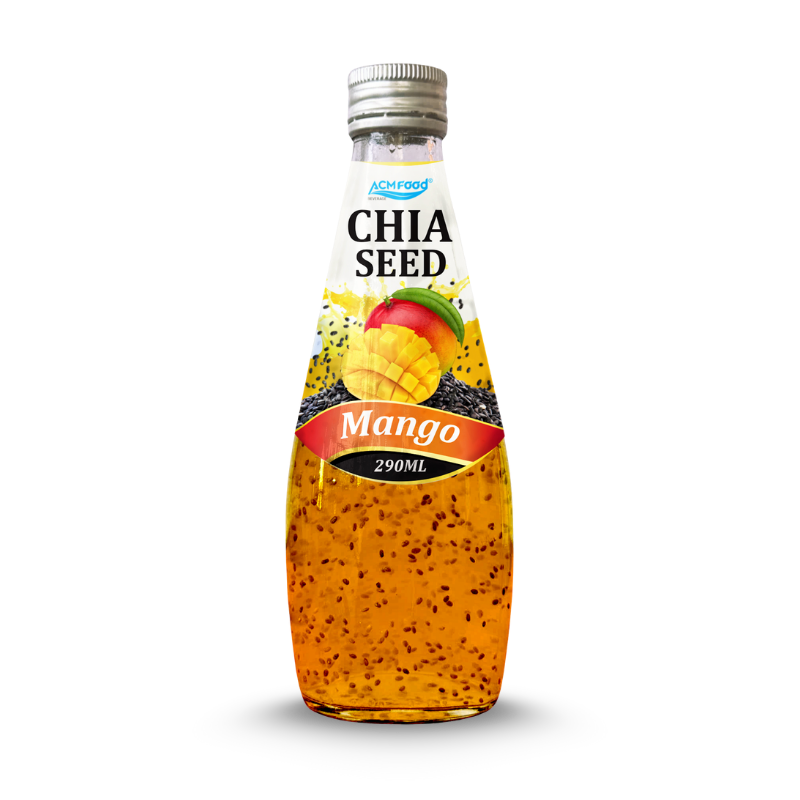
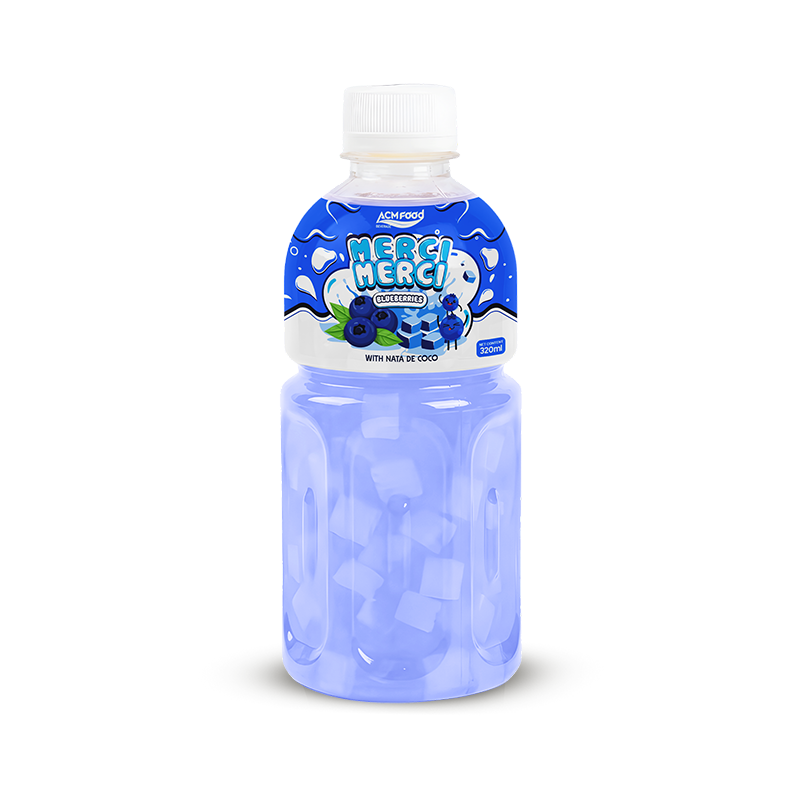
- Prototype packaging: bottles/cans, caps, liners, trial labels, test closures, liners, shrink or safety seals if used.
- Quality checks: pH/°Brix/acid ratio, fill weight, basic microbiological screening where feasible at sample scale.
- Logistics: chilled or ambient courier, temperature control materials, export paperwork, customs brokerage for cross-border shipments.
- Administration: project management, document control, sample logging, booking pilot slots (if required).
Sample types you may encounter
Different sample pathways serve different decisions. Clarify which you need before you begin.
| Sample type | Objective | What you receive | Relative lead time | Best for |
|---|---|---|---|---|
| Benchtop prototype | Validate flavor, sweetness, acidity, early stability assumptions | Small bottles of hand-made prototypes, sensory notes, basic measurements | Shortest | Early taste decisions, alignment on direction |
| Pilot or line-simulated sample | Stress the formula under near-production conditions | Prototypes processed on pilot/line equipment with documented parameters | Longer than benchtop | Confirm process fit, packaging response, refine specs |
| Commercial pre-production sample | Final sign-off before first run | Samples mirroring intended production settings and packaging | Longest | Lock specifications, trigger purchase orders |
If you need a refresher on how prototypes progress into operations, see the practical bridge from benchtop sample to first production run.
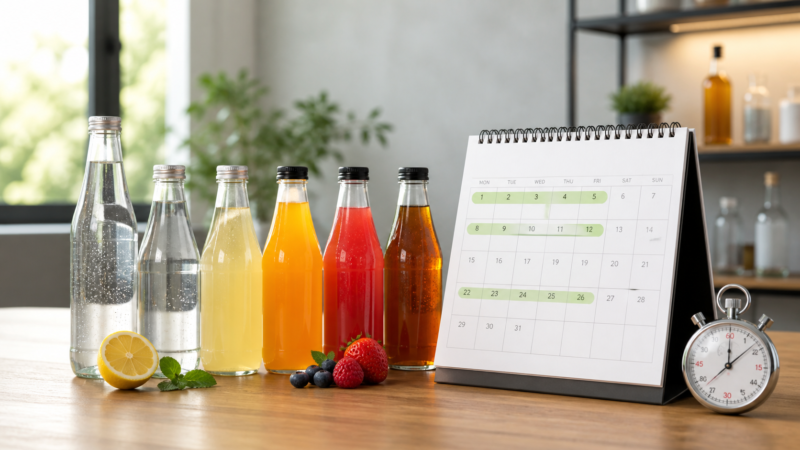
How long is a sampling timeline from brief to approval?
There is no single duration. Timelines vary with formula complexity, ingredient availability, required processing technology, packaging choices, documentation needs, pilot access, and shipping factors. Expect multiple feedback loops before approval. Build a plan that defines gates, decision owners, and calendar holds rather than relying on a single target date.
- Brief & alignment: define the target profile, claims, pack format, markets, and acceptance criteria.
- Feasibility check: confirm key inputs, processing route, packaging compatibility, and documentation pathway.
- Benchtop formulation: create first-round prototypes and sensory documentation.
- Brand tasting: decide keep/kill/refine; consolidate feedback and update the brief.
- Pilot/line-simulated trial (as needed): validate process parameters and packaging response.
- Pre-production sample (as needed): mirror commercial settings for final confidence.
- Formula approval: lock specs, sign documents, ready purchase orders and production booking.
For a development model that integrates formulation with manufacturing, review how ODM beverage manufacturing aligns samples with downstream scale-up.
What drives sample lead time up or down?
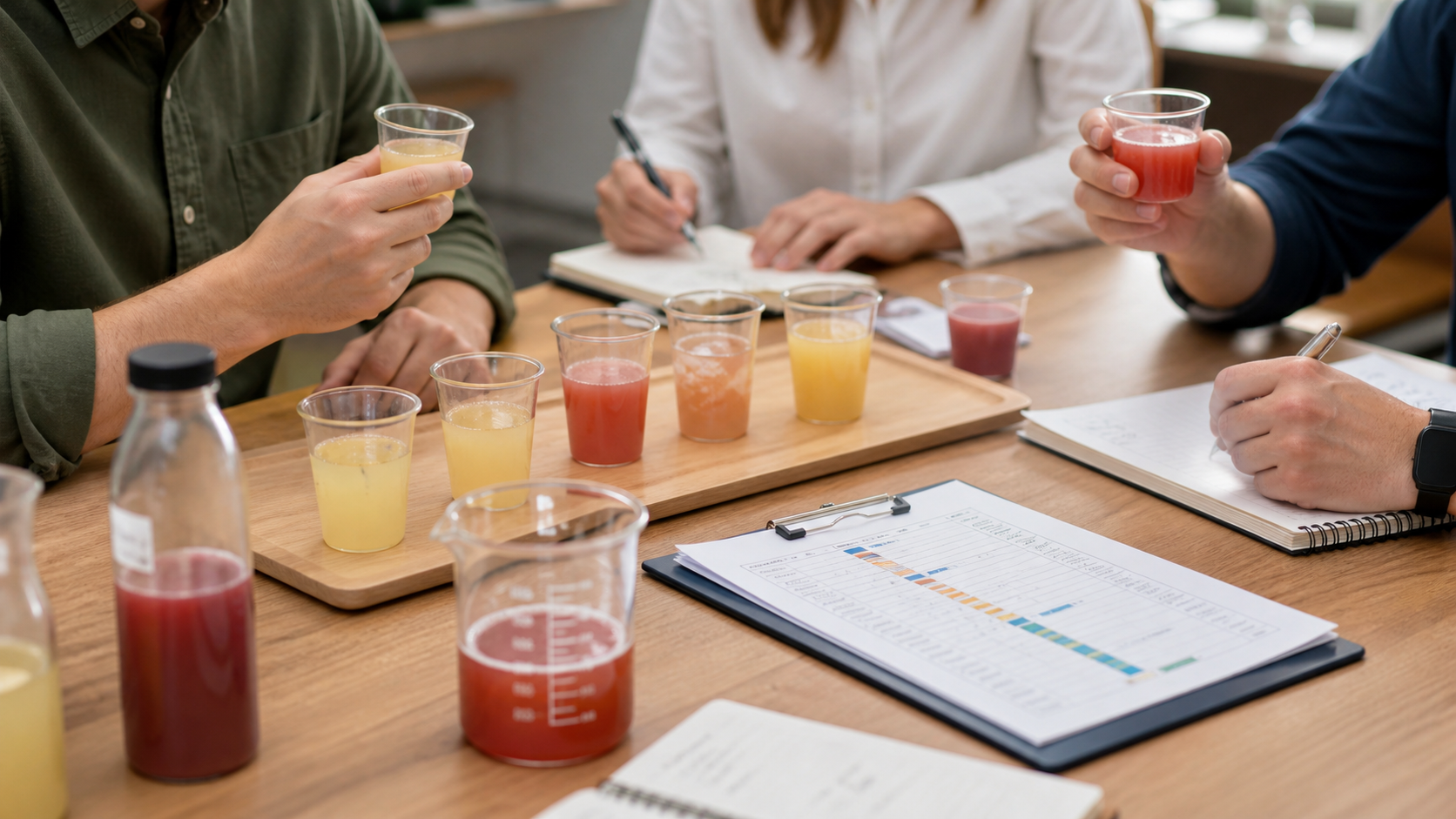
Sample lead time hinges on choices you control (brief clarity, ingredient selection, packaging) and external realities (supply, equipment access, customs). Tight scoping and early decisions shorten the path; novelty and uncertainty extend it.
- Ingredient availability: seasonal or niche inputs, special certifications, or micro-quantity buys can slow procurement.
- Processing technology: hot-fill vs. retort vs. aseptic vs. HPP imply different prep, validation, and scheduling needs. See how processing technology choices shape development.
- Stability & clarity targets: filtration level, homogenization, and stabilizer systems add iterations.
- Packaging format: glass, PET, cans, spouts, or specialty closures affect test stock availability and line setup.
- Pilot access: shared lines book out; early tentative holds protect your calendar.
- Documentation: NDAs, specs, and market-specific declarations take time to draft and review.
- Shipping conditions: chilled couriers, dry ice, or hazmat-like handling (for certain concentrates) may need extra arrangements.
- Cross-border complexity: importer of record, temporary admission, and labeling for samples can add days.
- Holiday & port calendars: national holidays and peak freight windows compress capacity.
How many sample rounds should you plan for?
Plan for more than one round. New concepts often benefit from several targeted iterations to tune sweetness, acidity, flavor balance, body, and color. Line extensions or minor reformulations may need fewer cycles if your acceptance criteria are narrow and reference data is strong.
Ways to reduce cost without sacrificing decision quality
You can manage spend and time while keeping decisions robust. Focus on scope, sequencing, and signal quality.
- Write a sharp brief: define must-haves vs. nice-to-haves, acceptance ranges, and deal-breakers.
- Prioritize drivers: lock sweetness, acidity, and body first; fine-tune aroma later.
- Use proven building blocks: where brand-fit allows, leverage established bases, stabilizer systems, and pack formats.
- Batch feedback: consolidate team notes into a single, ranked list to avoid rework.
- Sample efficiently: request the fewest variants that test the biggest assumptions.
- Align on shipping: consolidate shipments; choose ambient-friendly formulations at prototype stage if feasible.
- Schedule holds: pencil tentative pilot slots subject to go/no-go; release quickly if you pivot.
- Document approvals: formal sign-offs prevent revisiting closed decisions.
- Plan fortification early: if you will add micronutrients, align on interactions and regulatory windows. For general context, see vitamin and mineral fortification in RTD beverages.
When are sample fees credited or waived?
Policies differ. Some manufacturers may offset part of the sampling fee against a subsequent production order; others treat sampling as a separate, non-refundable service. Clarify in writing which activities are creditable, the trigger event (e.g., first PO), and the timeframe. Do not assume automatic credits.
Formula approval: what does approval actually lock?
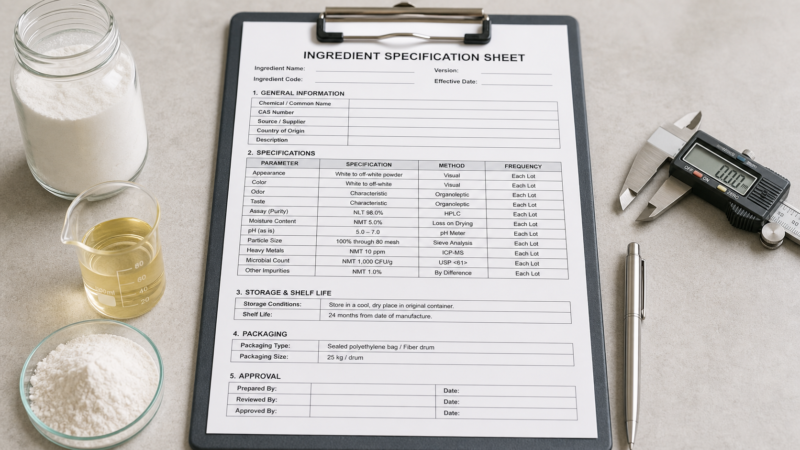
Approval is the documented acceptance of the final formula and process conditions. It authorizes procurement and production planning and defines what cannot change without re-approval.
- Formula & specs: ingredient list, target °Brix, pH range, acidity, color/clarity notes, allergens.
- Processing window: method (e.g., hot-fill, retort, aseptic, HPP), time/temperature ranges, critical control points.
- Packaging: container type, size, closure, fill height, torque, tamper-evidence approach.
- Labeling assumptions: markets to serve, language needs, nutrition format, additive declarations (market-dependent).
- Quality plan: release tests, retention samples, shelf-life verification approach.
- Signatories: named approvers from the brand and the manufacturer, with date and version control.
Once approval is signed, any material change (ingredient swap, processing change, or new market entry) should trigger a defined review path and may require fresh samples.
International sampling considerations for cross-border brands
Cross-border sampling introduces paperwork and transit variability. Build reasonable slack and confirm roles early.
- Importer of record: define who receives and clears samples; some markets require sample-only declarations.
- Documentation: pro forma invoice, HS codes, ingredient disclosure if requested by authorities, and any certificates required by destination rules.
- Transit conditions: choose couriers that can maintain ambient or chilled set points if needed.
- Restricted ingredients: some markets limit specific additives or fortificants at sample stage; align ahead of time.
- Local labeling: even for samples, certain markets expect basic language or allergen indications.
For market-entry logistics, explore checklists such as how to import beverages into Singapore and similar guides for other jurisdictions.
Rather than chasing a single figure, structure your estimate into clear buckets. This makes approvals cleaner and helps track variance.
- One-time development: brief intake, formulation design, document setup.
- Per-sample cycle: benchtop compounding, processing time, basic QC, consumables, and packaging.
- Ingredients: purchased lots for trials, including minimum order quantities when applicable.
- Pilot/line time: equipment booking, changeovers, sanitation periods, supervision.
- Shipping & customs: couriers, temperature control, brokerage, duties/VAT if any apply to samples.
- Compliance & admin: NDAs, spec sheets, declarations, translation for key markets.
- Contingency: allowance for extra iterations or alternative ingredients.
Agree which items are billable, which are pass-through at cost, and which might be credited against a production order. If your project targets the U.S., see how a beverage manufacturer for U.S. brands may frame documentation and schedules.
FAQ: practical questions on sampling timeline, lead time, and approvals
Is the sampling fee refundable?
Sometimes part of the fee may be offset against a production order, but this is not universal. Confirm credit eligibility, triggers, and expiry in the proposal or service agreement.
How fast can I get the first samples?
Speed depends on brief clarity, ingredient access, and lab schedule. You can shorten the path by locking acceptance criteria early and avoiding niche inputs at the prototype stage.
Who provides courier and customs paperwork?
Define this in the project plan. Some brand owners prefer to book couriers on their account; others ask the manufacturer to handle logistics and invoice as pass-through.
Can we sample chilled or short-shelf-life products?
Yes, if the process and logistics support it. Align on shipping windows, temperature control, and rapid feedback to avoid repeat shipments.
Do we need an NDA before sampling?
Most development work proceeds under NDA. Exchange and sign a mutual agreement that covers formulas, test data, and documents before you share sensitive details.
When should we book a pilot slot?
As soon as the path to a pilot is likely, place a tentative hold subject to go/no-go after your next tasting. Release it immediately if you pivot.
Are shelf-life studies part of sampling?
Preliminary checks can start during sampling, but full shelf-life validation is typically a separate, scoped activity. Define the plan and timing if required before launch.
How is formula approval documented?
Through a signed spec pack or equivalent document listing ingredients, process windows, packaging, test methods, markets, and version control. Named signatories confirm consent.
Key takeaways & next steps
Beverage sample cost reflects real R&D, materials, processing, packaging, QC, and logistics. The sampling timeline is a series of decisions and validations rather than one fixed date, and your sample lead time expands or contracts based on clarity, availability, processing route, packaging, and shipping. Define scope, consolidate feedback, place conditional holds, and document approvals to move faster with fewer surprises.
If you are planning scale-up after approval, align your roadmap with downstream operations. Useful primers include ODM beverage manufacturing, a walkthrough of from benchtop sample to first production run, and how processing technology choices affect development. For teams coordinating cross-border tastings, see import guidance such as how to import beverages into Singapore. Before you commit, ask your partner to itemize the sampling scope, confirm which charges are creditable, and agree milestone dates in writing.