


 Français
 Español
 العربية
 한국어
한국어A beverage manufacturer in the USA is a company that develops, produces, and packages ready to drink and concentrated beverages that comply with United States regulations. Depending on the engagement model, the manufacturer can support formulation, processing, packaging, quality assurance, and regulatory documentation so your brand can scale reliably.
This guide helps U.S. founders, marketing teams, and retailers evaluate and collaborate with a beverage manufacturer for U.S. brands, whether domestic or overseas. You will find buying criteria, compliance checkpoints, development workflow, cost drivers, and packaging options, with practical steps that reduce risk from brief to launch. For a focused service overview, see Beverage Manufacturing for U.S. Brands.
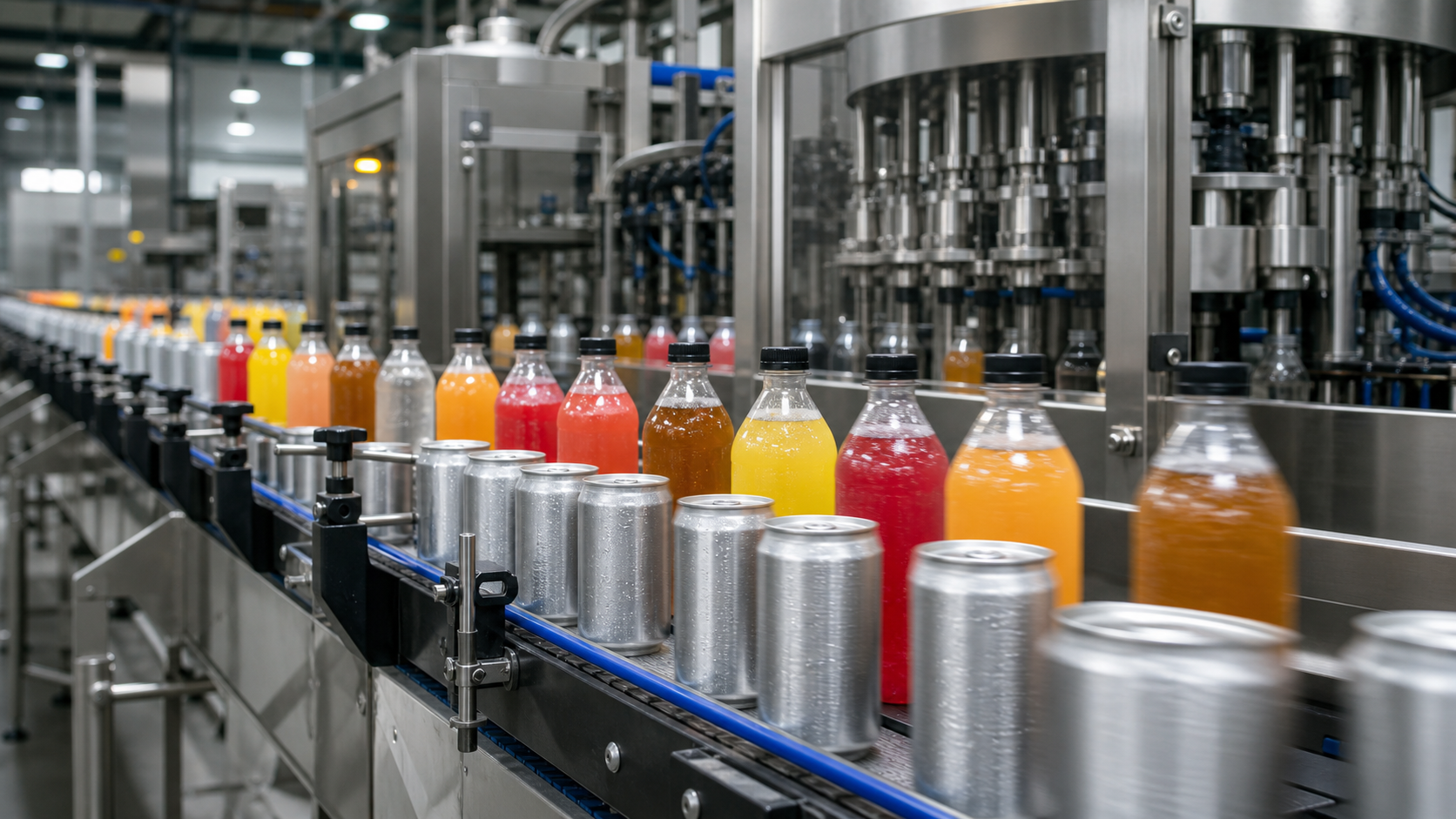
What does a beverage manufacturer for U.S. brands actually do?
A qualified manufacturer turns your concept into a commercially viable, compliant product and produces it at scale under controlled processes. Services typically span formulation support, pilot trials, shelf life validation, packaging, production, and release documentation so products can be sold across the United States.
- Product development: feasibility review, ingredient sourcing options, formulation refinement for flavor, stability, and cost in use.
- Process design: selection of hot fill, tunnel pasteurization, retort, aseptic, or other validated methods that fit your product and shelf life strategy.
- Packaging engineering: can, PET, glass, or carton formats; closure systems; secondary packaging and case configurations.
- Quality management: specification setting, incoming checks, in process controls, finished product testing, retains, and change control.
- Regulatory support: U.S. labeling guidance, Nutrition Facts panel development, allergen declaration, and documentation for importers.
- Commercial production: procurement, scheduling, line setup, filling, packing, palletizing, and shipment release based on agreed specifications.
Which manufacturing model fits your brand?
Most U.S. brands choose one of three models: contract manufacturing, private label, or OEM. The right choice depends on speed to market, formulation ownership, differentiation needs, and investment tolerance.
- Contract manufacturing: You own the formula and brand; the manufacturer produces to your specification. This suits unique products, tighter control, and long term brand equity. For a deeper overview, see contract beverage manufacturing in the U.S..
- Private label: You adopt or lightly customize the manufacturer’s existing formulas. It can accelerate timelines and reduce development risk while offering selected flavor and packaging choices. Explore private label beverages for U.S. brands.
- OEM: The manufacturer co develops and produces under your brand with broader customization than private label, often balancing speed with differentiation. Learn more at OEM beverage manufacturing for U.S. buyers.
Domestic vs overseas beverage manufacturer: how should U.S. brands decide?
Start with your value equation: total landed cost, time to market, risk profile, and differentiation. U.S. facilities offer proximity and familiarity; overseas partners, such as a Vietnam beverage manufacturer, may unlock ingredient advantages or cost efficiencies. The best choice aligns with your product, channel, and working capital.
| Criteria | Domestic U.S. Manufacturer | Overseas Manufacturer (e.g., Vietnam) |
|---|---|---|
| Lead time rhythm | Shorter transit and easier site visits; production slots still require planning | Longer logistics windows and customs steps; plan forecasts further in advance |
| Unit cost potential | Stronger for smaller runs or regional launches | Potentially attractive on ingredients and labor when volumes justify freight |
| Minimums and changeovers | Often flexible by line and format; depends on line constraints | May prefer consolidated or container based planning; depends on facility |
| Compliance pathway | Direct alignment with U.S. expectations and audits | Requires robust documentation for FSVP and importer requirements |
| Quality alignment | Easier in person pilot and sensory alignment | Remote alignment works with clear specs, lab data, and samples |
| Supply chain | Domestic trucking networks, simpler replenishment | Ocean or air freight, tariffs, currency and schedule considerations |
| Sustainability signals | Lower transport emissions to U.S. customers | May benefit from origin crops or efficient plants; evaluate emissions trade offs |
| IP and confidentiality | Familiar legal framework, easier on site controls | Manage via NDAs, formulation segregation, and documented change control |
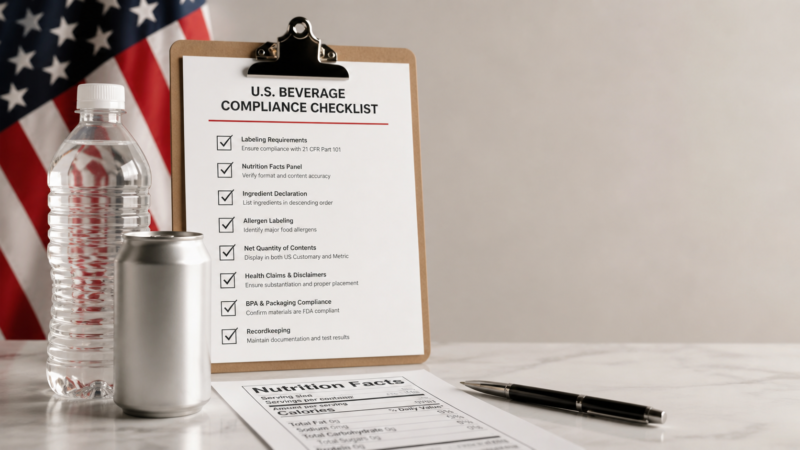
U.S. compliance checklist for non alcoholic beverages
Your label and product must meet federal requirements before sale in the United States. The list below is an orientation, not legal advice. Confirm details with regulatory counsel or a qualified consultant for your category and target states.
FDA facility registration and cGMP
Manufacturing facilities that produce food and beverages for the U.S. market generally require FDA food facility registration and must operate under current Good Manufacturing Practice. Keep registration current and ensure written procedures govern hygiene, traceability, sanitation, and production controls.
Preventive Controls under FSMA
Most non alcoholic beverage facilities implement a written food safety plan including hazard analysis, preventive controls, monitoring, corrective actions, verification, and validation activities as applicable. A trained individual typically oversees the plan and records management.
Juice HACCP and thermal processes
Juice products may require a HACCP plan. If your beverage is shelf stable via heat treatment, the process must be designed and validated for safety and quality. For low acid or acidified canned foods, specialized process registration and controls apply.
Nutrition Facts, ingredients, and allergens
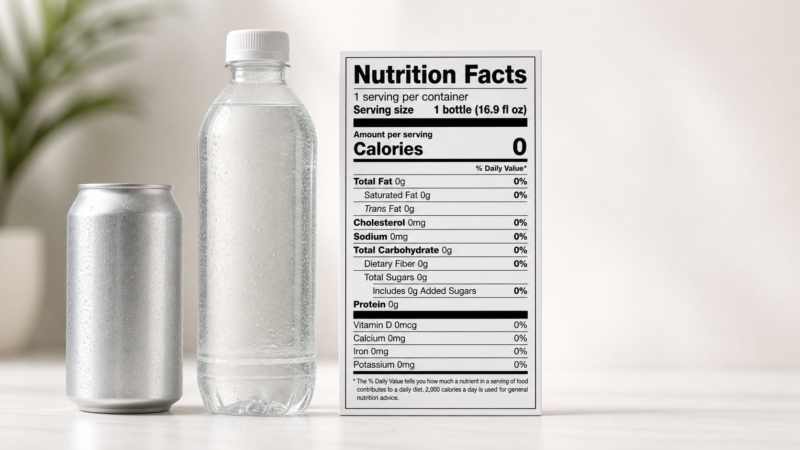
Labels should include a Nutrition Facts panel using the current FDA format, an ingredient list in descending order by weight, and the required allergen declaration when applicable. Claims such as organic or non GMO require appropriate substantiation and documentation.
Labeling claims and marketing review
Claims must be truthful, not misleading, and supported. Functional or structure function style language should reflect actual formulation and serving size. Ensure net contents, responsible party details, and country of origin are correct on the label.
FSVP for imported beverages
If you manufacture outside the United States, the U.S. based importer may be responsible for a Foreign Supplier Verification Program. Expect documentation of hazards, supplier controls, verification activities, and records that support the safety of each shipment.
State specifics and recycling
Deposit and recycling markings vary by state and by package. Some states require additional statements or label registrations. Confirm date coding, bottle deposit statements, and material recycling marks according to your target distribution.
Documentation and recordkeeping
Keep specifications, certificates of analysis, process validations, release records, and recall readiness documentation organized. These records support retailer approvals, importer reviews, and audits.
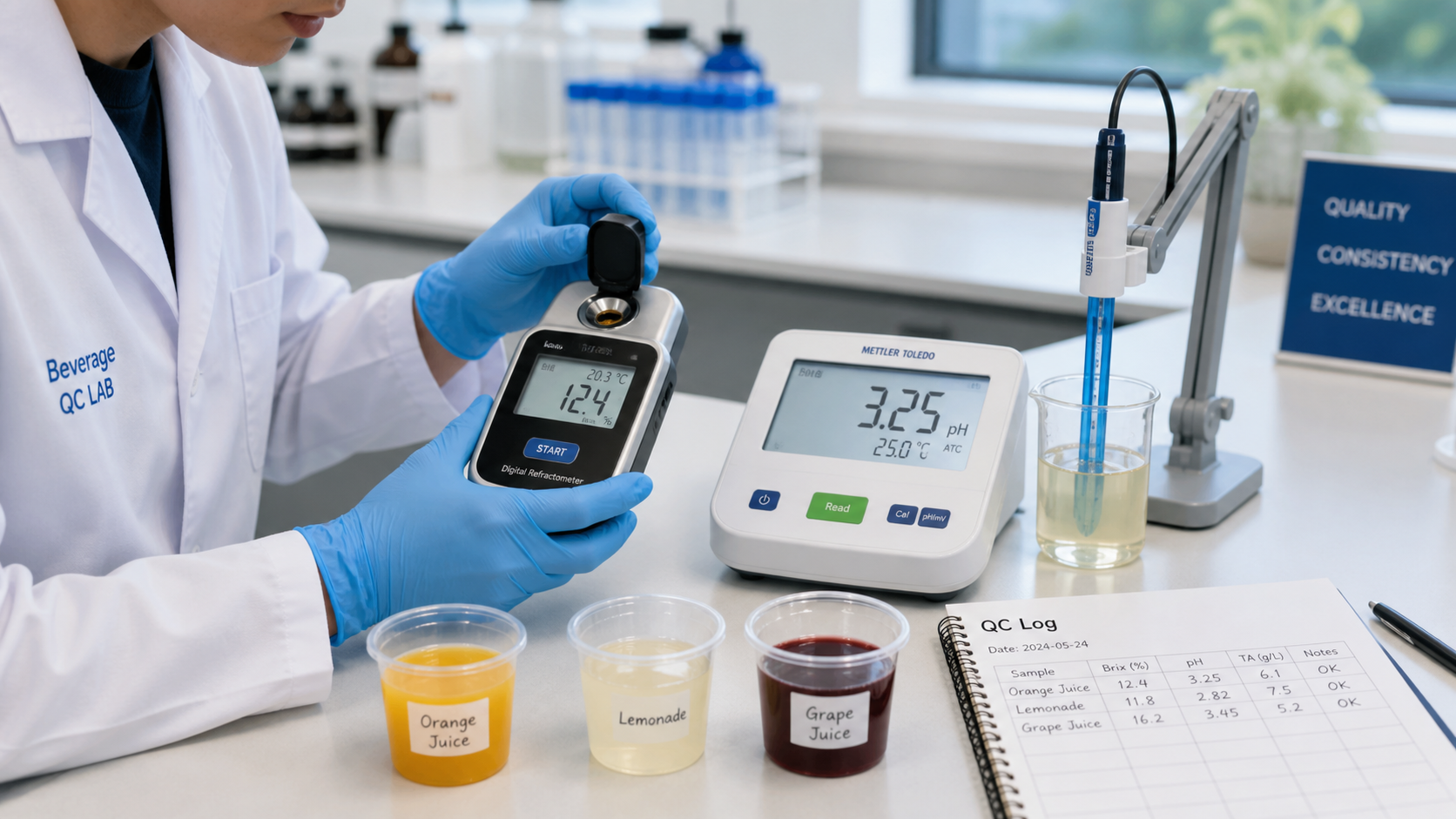
Technical considerations that drive cost, quality, and shelf life
Your processing method, formulation, and packaging together determine safety, stability, and consumer experience. Early technical choices can reduce waste, protect flavor, and control costs throughout the product life cycle.
Processing selection
Hot fill, tunnel pasteurization, retort, aseptic, and high pressure processing are common pathways. Each method influences flavor brightness, color retention, required packaging, and distribution conditions. Choose a process that fits your ingredients, desired shelf life, and retail environment.
Formulation fundamentals
- Sweetness and acids: Balance Brix and acidity for taste, microbial stability, and label positioning.
- Cloud and color: Manage pectin, pulp, or clouding agents to avoid sediment or ring formation; select colors that are stable to heat and light.
- Proteins and fibers: For plant based or functional drinks, confirm heat stability and minimize astringency or gelation through pilot work.
- Flavor systems: Decide between natural flavors, extracts, or top notes; validate flavor carry through after processing and over shelf life.
- Sweeteners: Sucrose, juice concentrates, or high intensity sweeteners each affect taste, label cues, and cost in use.
Carbonation and texture
Carbonation level shapes sensory cues and package requirements. For lightly sparkling products, ensure seam integrity, closure selection, and cold chain considerations align with your process and distribution plan.
Water and ingredients
Water quality impacts flavor and stability. Define mineral profile, microbiological targets, and filtration needs. Decide where to source concentrates, purees, or botanicals, and align certificates of analysis and country of origin documentation with retailer and importer expectations.
Packaging and closures
Aluminum cans, PET, glass, aseptic cartons, and pouches each carry different line constraints, shipping efficiencies, and consumer cues. Match closures and liners to your product, process, and intended shelf life to avoid oxygen ingress or flavor scalping.
Shelf life studies
Plan real time and accelerated studies with clear acceptance criteria for microbiology, chemistry, and sensory. Use retains and periodic testing to verify stability. Align your date code with retailer expectations and state rules.
Product development workflow with a beverage production company
A structured workflow reduces rework and protects launch timing. Below is a common sequence for U.S. projects and imports alike.
- Discovery and brief: Define target consumer, channel, price point, nutrition profile, package, and volume forecasts.
- Feasibility: Confirm process options, packaging compatibility, regulatory pathway, and ingredient availability.
- Lab samples: Build and iterate benchtop prototypes; align on taste, color, mouthfeel, and nutrition facts basis.
- Preliminary costing: Model ingredients, packaging, processing, labor, overhead, and logistics to understand margin windows.
- Pilot trials: Run scaled tests to validate process settings, yields, foam behavior, and line efficiency.
- Specification lock: Finalize raw material specs, finished product parameters, packaging drawings, and quality plan.
- Regulatory review: Complete Nutrition Facts panel, ingredient list, allergen statement, and all mandatory label elements.
- Pre production: Book materials, confirm artwork approvals, and schedule the line; complete any validation tests.
- Commercial run: Execute production with in process controls, fill weight checks, seam or torque checks, and coding.
- Release and documentation: Review results against specification; issue certificates of analysis and shipment documents.
- Logistics: Plan domestic trucking or international freight, customs clearance, and receiving appointments.
- Post launch: Track marketplace feedback, complaint trends, and cost opportunities; govern changes via formal approvals.
What to include in your product brief
A clear brief speeds feasibility and pricing. The items below help any beverage production company USA or abroad estimate timelines and cost accurately.
- Intended consumer, use occasion, and key value proposition
- Flavor profile, sweetness target, and color expectations
- Nutrition and claims aspirations tied to serving size and formulation
- Processing preference if known and target shelf life
- Primary package format and closure; secondary and case pack
- Target retail price, cost goals, and channel strategy
- Forecast by quarter and any promotional spikes
- Compliance requirements, importer details for overseas projects
- Artwork timelines and barcodes
- Acceptance criteria for pilot and first production
How do pricing and minimums typically work?
Project economics are driven by ingredients, packaging, processing time, labor, overhead, and logistics. Minimum order quantities depend on line changeover realities, packaging procurement, and the efficiency point of the process. Overseas projects may plan around container based shipments, while domestic projects may plan around production slots and regional distribution.
- Ingredient costs: Concentrates, botanicals, and functional actives have large cost in use differences.
- Packaging: Can ends, closures, sleeves, or specialty glass often drive minimum buys and artwork lead times.
- Processing: Hot fill, retort, or aseptic each carry different runtime and validation costs.
- Yield and scrap: Pilot results inform assumptions for loss and rework risk.
- Freight: Domestic trucking versus ocean or air freight adds distinct landed cost profiles.
Packaging options and labeling basics for U.S. shelves
Choose packaging that supports your process, brand positioning, and route to market. Confirm that the label includes all mandatory statements in compliant type sizes and contrast.
- Aluminum cans: Widely accepted for sparkling and still; efficient shipping and strong cold drink cues.
- PET bottles: Lightweight, clear or tinted, compatible with hot fill and tunnel pasteurization sizes.
- Glass bottles: Premium cues and excellent barrier; consider weight and breakage in logistics.
- Aseptic cartons: Ambient storage with strong family friendly cues; plan artwork and board supply timing.
- Pouches and multipacks: Portable formats; verify seal integrity and case handling.
- Labeling: Pressure sensitive labels, shrink sleeves, or direct print; ensure scannable barcodes and durable date codes.
Risk management: quality, IP, and supply chain
Strong governance protects your brand through growth and change. Build quality and confidentiality into the process from day one.
- Documentation: Signed and version controlled specifications, artwork approvals, and change control.
- Confidentiality: NDAs, formulation ownership terms, and defined access rights within the plant.
- Qualification: Supplier audits, capability reviews, and alignment on corrective action expectations.
- Verification: Retains, certificates of analysis, and periodic third party testing as appropriate.
- Business continuity: Dual source planning, safety stock strategies, and contingency logistics lanes.
- Recall readiness: Traceability drills and clear contact trees for rapid response.
Information for U.S. beverage founders and retailers
New brands often balance speed with learning. Private label can start a category test quickly, while contract manufacturing supports deeper differentiation. If your team is exploring a staged approach, review private label beverages for U.S. brands or consider the broader path outlined in OEM beverage manufacturing for U.S. buyers.
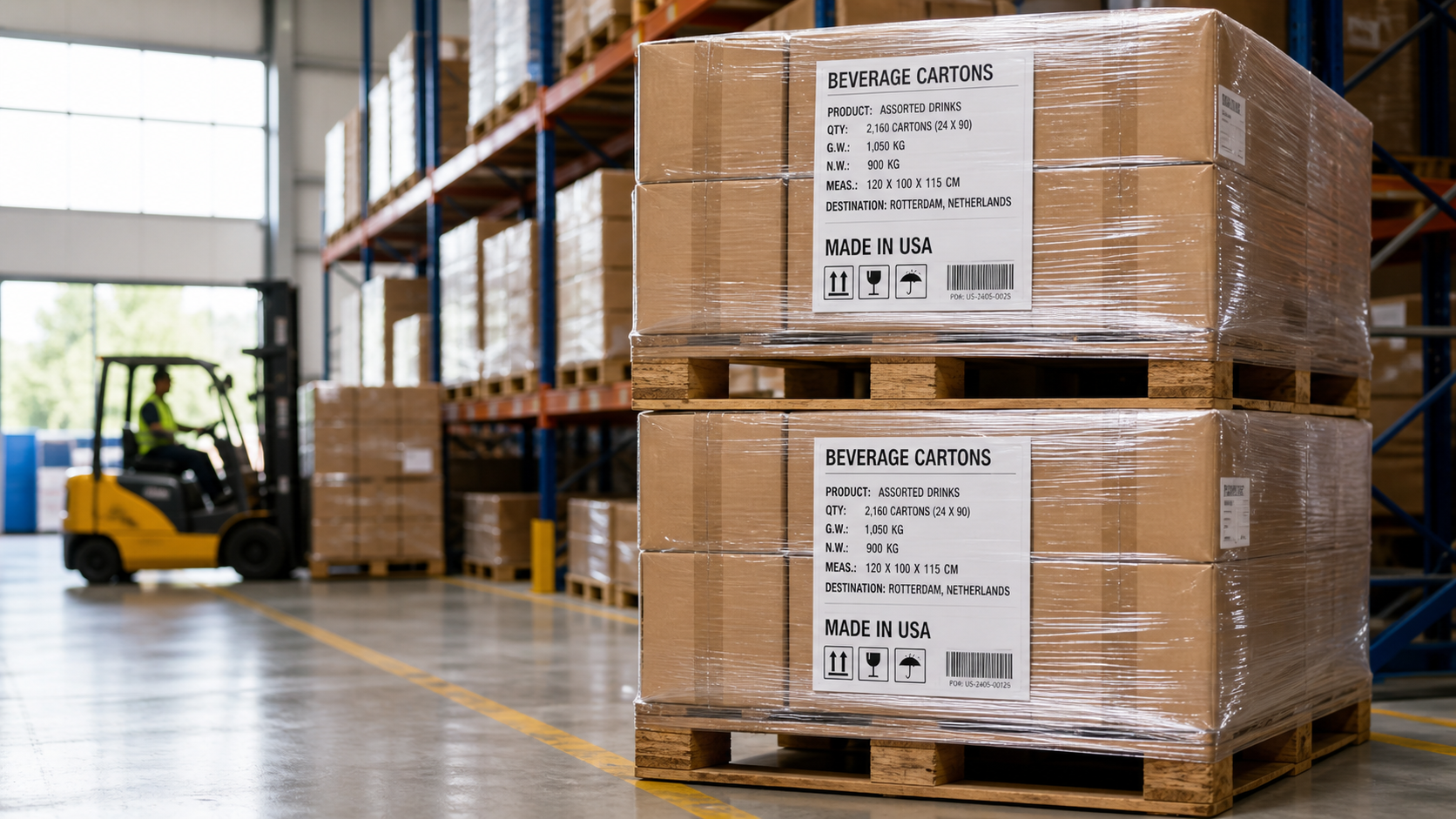
Retailers evaluating new items should confirm supplier documentation, finished goods specifications, shelf life validation, and recall readiness. Align on case labels, date code format, pallet patterns, and delivery appointments to minimize receiving friction.
FAQ: working with a beverage production company USA
How long does a new beverage development typically take?
Timelines vary by formulation complexity, packaging lead times, and production slots. Many teams plan phases for lab work, pilot, validation, label approvals, and first run, with buffers for artwork and material availability. Overseas projects add transit and customs windows to schedules.
What certifications should I look for?
Expect FDA food facility registration and a robust food safety program. Many retailers prefer third party audited schemes benchmarked to global standards. Ask for current certificates, scope details, and recent audit outcomes that match your product category and process.
How do I protect my formula and brand?
Use mutual NDAs, define formulation ownership in your agreement, restrict access to sensitive documents, and require written change control for any raw material or process updates. Keep detailed, date stamped specifications and artwork approvals.
Can I switch from domestic to overseas later?
Yes, if specifications are well documented and validated. Plan flavor matching, pilot trials, and side by side sensory. Consider regulatory documentation for FSVP and ensure packaging, coding, and palletization translate cleanly to the new site.
What drives the landed cost the most?
Ingredients, packaging, processing time, and logistics dominate. Design for efficient runs, confirm yields, and avoid fragile materials when possible. For imports, ocean freight and tariffs influence landed cost and working capital.
Where can I read more about U.S. manufacturing models?
For a model specific view, visit Beverage Manufacturing for U.S. Brands and related pages on contract beverage manufacturing for U.S. brands.
Conclusion and next steps
Choosing the right partner comes down to a clear brief, the right manufacturing model, and disciplined quality and compliance. Start with feasibility, align on processing and packaging, and validate stability before scaling. Whether you work with a domestic plant or an overseas partner, the path remains the same: clear specifications, robust documentation, and a reliable supply plan. When you are ready to scope your project with a beverage manufacturer USA, share your brief and target timeline so stakeholders can price, plan, and reserve capacity.
Manufacturing for U.S. brands
If you are sourcing for the U.S. market, three pages cover what buyers ask first. Contract beverage production explains how a manufacturing programme is structured; certifications and food safety systems covers the documents customs and retailers will ask you to produce; export and logistics covers shipping terms and the document pack. To price a programme, request a quote.
Request a quote