


 Français
 Español
 العربية
 한국어
한국어Allergen control in beverage manufacturing is a structured system of practices that prevent allergen cross-contact and ensure that finished products are labeled accurately for the markets where they are sold. In practical terms, it means controlling how potential allergens enter, move through, and are cleaned from your facility and equipment, then communicating their presence reliably on pack.
This guide explains a pragmatic framework for beverage plants and brand owners: mapping risks, setting up segregation and scheduling, validating cleaning, and aligning labels with regulations. Common beverage allergens include milk, soy, and sesame; however, recipes and legal requirements vary by market. The goal is a robust, auditable program that protects consumers and reduces recall risk.
What is allergen control in beverage manufacturing?
Allergen control is the end-to-end management of allergenic ingredients and residues so they are either intentionally present and clearly declared, or otherwise excluded from products that should not contain them. It covers procurement, storage, production scheduling, line clearance, cleaning validation, testing, and label control, with documentation at each step.
Which allergens are most relevant to beverages?
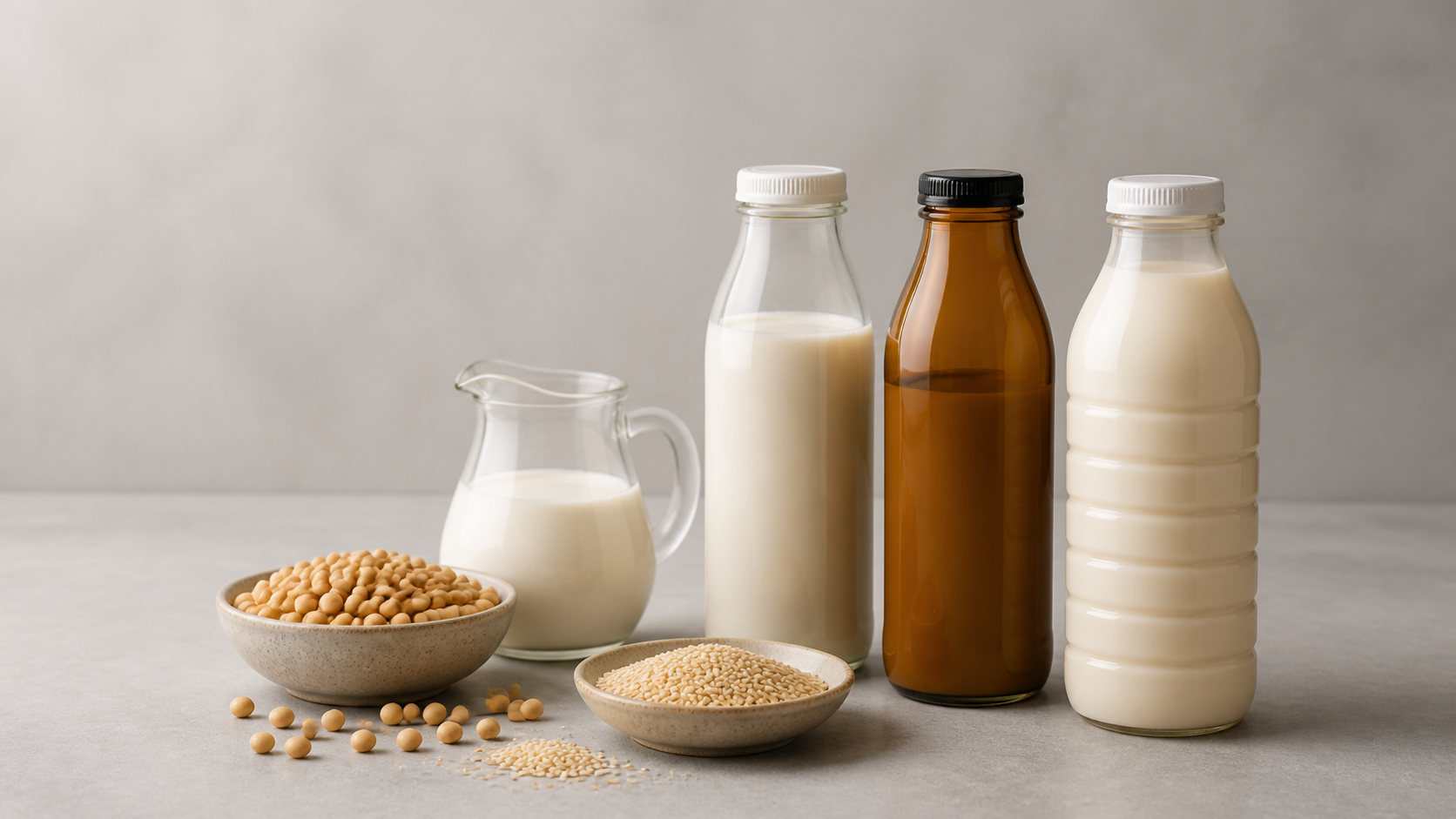
The allergens that matter depend on your formulations and target markets. In beverages, milk (including dairy proteins), soy (e.g., soy protein or lecithin), and sesame (seeds, pastes, or oils) are frequent considerations. Depending on product type, other sources may be relevant, such as tree nuts in nut-based drinks, cereals containing gluten in malted drinks, or sulfites in certain bases or concentrates. Always align your allergen list with current requirements in your destination markets and with your actual ingredient specifications.
How do allergens enter a beverage facility?
Allergens can be introduced and spread in several ways. Managing these pathways is the foundation of a strong allergen management program.
- Raw materials: allergenic ingredients, flavors, carriers, processing aids, or packaging that may contain residues.
- Shared equipment: cross-contact during blending, heat treatment, filling, or CIP return lines if not properly validated.
- Rework: returning allergen-containing product to a non-allergen batch without controls or traceability.
- People, tools, and utensils: gloves, aprons, scoops, hoses, or forklifts moving between zones.
- Airborne particulates and spills: powders, sesame particulates, or dried residues that can be dislodged.
- Labeling and documentation errors: wrong label applied, outdated ingredient statements, or mismatched artwork versions.
What does a beverage allergen management plan include?
A comprehensive plan ties policy to daily practice. While each factory is unique, the following building blocks are common and auditable.
- Governance and risk assessment: define scope, roles, change control, and a live allergen risk map covering ingredients, equipment, and flows.
- Supplier approval and specifications: require up-to-date allergen declarations and change notifications for any raw material, flavor, or additive. Review carriers and processing aids, not just headline ingredients.
- Incoming goods and identification: clear labeling at receiving, with allergen status captured in ERP or batch records. Quarantine materials until checks are complete.
- Segregated storage and handling: physical separation, sealed containers, color-coding, and dedicated tools where justified by risk.
- Production scheduling: sequence runs from non-allergen to allergen when feasible; perform documented line clearance between categories.
- Changeover controls: pre-defined checklists, part disassembly where required, and visual verification by trained staff before restart.
- Cleaning strategy: validated CIP/COP methods suitable for the soil and equipment design; defined chemicals, concentrations, contact times, and rinse endpoints.
- Validation and verification: initial validation with allergen-sensitive methods; ongoing verification using visual checks, hygiene markers, and periodic allergen-specific swabs.
- Label & formula control: single source of truth for formulations, strict label version control, and reconciliation to prevent mix-ups.
- Rework policy: only like-into-like unless fully risk-assessed and documented; track lot identity to preserve label accuracy.
- People and training: role-specific training on cross-contact, color-coded tools, gowning, and handwashing protocols.
- Traceability and mock recalls: maintain lot genealogy for ingredients, intermediates, and finished goods; periodically test the system.
- Corrective actions: clear escalation, hold-and-release procedures, and documentation when verification indicates a risk.
Changeovers: matching scenarios to controls
The right controls depend on your product mix and equipment. The matrix below summarizes typical approaches without prescribing fixed times or limits; your validation results should drive acceptance criteria.
| Scenario | Core controls & notes | Cleaning approach | Label & documentation |
|---|---|---|---|
| Non-allergen juice to non-allergen juice with compatible flavors | Line clearance; visual inspection; low cross-contact risk if formulas are similar | Standard CIP validated for soils present | Confirm correct label; record changeover |
| Soy-based protein drink to non-allergen beverage | Higher risk; disassemble contact parts as needed; enhanced swabbing | Validated allergen-focused CIP/COP with defined endpoints | QA sign-off; retain validation records for audit |
| Dairy-containing beverage to plant-based juice | Protein residues require stringent verification; consider dedicated tools | Targeted alkaline/enzymatic clean validated for dairy soils | Line clearance checklist; label verification |
| Sesame-containing flavor to non-allergen product | Control particulates; protect open equipment; manage airborne risks | COP for small parts; validated CIP and rinse verification | Artwork version control; document swab results |
How do you validate cleaning for allergens?
Validation demonstrates that your cleaning process, when executed as specified, can consistently remove allergenic residues to your acceptance criteria. It is separate from routine verification, which checks the process continues to work over time.

Step-by-step: cleaning validation essentials
Use a structured approach, focusing on worst-case conditions and objective evidence.
- Define scope and acceptance criteria: identify target allergens and soils, equipment trains, and hard-to-clean areas. Set pass/fail based on method capability (e.g., method-specific detection thresholds), aligned with your risk assessment.
- Select test methods: combine visual inspection with allergen-sensitive tools where appropriate, such as protein swabs, allergen-specific rapid tests, or laboratory assays. Hygiene ATP is helpful for general cleanliness but is not allergen-specific.
- Design the study: choose worst-case product residues, representative equipment, and realistic soiling. Include multiple replicates and operators if needed to cover variability.
- Execute and document: run the full cleaning procedure—chemistry, concentration, time, temperature, mechanical action—then sample defined sites (product contact and niches). Record everything in a protocol and report.
- Establish controls and revalidation triggers: adopt routine verification (e.g., periodic swabbing), and revalidate when you change products, ingredients, equipment, chemicals, or parameters.
Cross-contact vs. contamination: what’s the difference?
Allergen cross-contact is the unintentional presence of an allergen in a product that is not supposed to contain it—often via shared equipment, tools, or environments. Microbial contamination involves pathogens or spoilage organisms. While both require control, allergen management focuses on preventing protein residues and ensuring accurate labels, not microbial kill steps.
Label control and regulatory alignment
From a consumer protection and recall-risk perspective, mislabeling is often the most critical failure mode. Establish a single, authorized data source for formulas and allergen status. Control artwork versions and reconcile labels during packaging to avoid mix-ups. For brands planning to sell in the U.S., align declarations with your target market’s rules. Our U.S. Food Label Checklist for Imported Beverages outlines common label elements to review during development. If you operate under formally recognized systems, ensure your allergen processes are reflected consistently; see manufacturer certifications for typical frameworks buyers review.
People, tools, and plant design
Facilities with mixed portfolios benefit from physical and procedural segregation. Clear zoning, dedicated or color-coded tools, and defined personnel flows reduce the likelihood of cross-contact. For powders like soy or sesame particulates, attention to dust control, covered transfers, and housekeeping frequency helps prevent spread into open product areas.
Documentation that buyers and auditors expect
Importers and retail buyers frequently request evidence that your allergen system exists in practice, not just on paper. Typical documents include:
- Facility allergen risk map showing ingredients, storage, and lines.
- Changeover SOPs and line clearance checklists tied to specific equipment.
- Cleaning validation protocols and summary reports, plus ongoing verification records.
- Supplier allergen declarations and change-notice procedures.
- Label control SOPs, approved artwork lists, and packaging reconciliation logs.
- Training records for all roles handling allergenic materials.
- Traceability tests and mock recall summaries.
Practical tips for importers and brand owners
If you are preparing a product brief or evaluating a copacker, align early on allergen scope and evidence expectations. The following prompts help de-risk development:
- List intentional allergens by SKU and confirm any that must be absent. Align on rework rules and whether dedicated tools or zones are required.
- Request the plant’s changeover matrix and cleaning validation summary for relevant allergens (e.g., dairy-to-juice, soy-to-juice).
- Agree on verification frequency and methods appropriate to risk. Confirm where allergen swabs are taken and who signs off release.
- Define your labeling workflow: who controls master data, who approves artwork, how version changes are communicated and reconciled on line.
- Clarify supplier change-notification expectations, especially for flavors and carriers. Require updated declarations before use.
- Plan market-specific labels early to avoid last-minute redesigns; see the U.S. food label checklist for common considerations.
- When assessing quality systems, review recognized frameworks on the certifications page and ensure allergen controls are included in scope.
- If you are targeting North America, align with a beverage manufacturer for U.S. brands on regulatory expectations, artwork timing, and pre-shipment checks.
- New to the category? Map risks by product type using this primer on types of beverages to understand typical ingredients and process flows.
- For process and hygiene benchmarks in a single-ingredient category, review a case like production process & QC systems to shape your audit questions.
Common pitfalls to avoid
- Assuming a generic hygiene CIP is automatically sufficient for protein removal without validation.
- Relying solely on ATP results to greenlight allergen-sensitive changeovers.
- Mixing rework from an allergen-containing batch into a non-allergen product.
- Using outdated artwork or unapproved label versions during packaging.
- Underestimating sesame and particulate control, especially in open equipment areas.
- Lack of documented line clearance or incomplete disassembly of critical contact parts.
What buyers should confirm during a site visit
During audits or remote assessments, look for evidence of consistent practice:
- Clear allergen zoning, tool color-coding, and signage (procedural, not marketing).
- Operators who can explain changeover steps and show recent swab records.
- Organized chemical storage with defined concentrations and test logs.
- Label storage and line-side reconciliation methods that prevent mix-ups.
- Recent training records and a current allergen risk map, aligned with production reality.
How does allergen control connect to product development?
Formulation choices shape your control plan. Protein-fortified drinks, dairy alternatives, and nut- or sesame-forward flavors carry different risks than 100% juices. Early in concept work, weigh the operational impact of allergens on shared lines, changeover times, and testing needs. Coordinate with your manufacturer on worst-case validation before committing to launch timelines or artwork. If your brand expects to avoid precautionary statements, deepen segregation and verification to match that intent. A clear, documented strategy supports consistent scale-up and reduces surprises during commercialization.
Buyer checklist: allergen control beverage projects
Use this concise checklist to align with your partner during scoping and trials:
- Project scope and markets listed; allergen profile per SKU confirmed.
- Supplier declarations received for each allergen-relevant ingredient and carrier.
- Changeover matrix and validation summaries reviewed for applicable scenarios.
- Verification plan agreed (methods, sites, frequency, pass/fail).
- Label ownership defined; artwork versions controlled and shared via a managed system.
- Rework policy documented; like-into-like rules understood.
- Training, traceability, and corrective-action procedures available for audit.
FAQ: Allergen control in beverage manufacturing
Is a “may contain” statement a solution to cross-contact?
Use of precautionary statements depends on your market’s regulations and a documented risk assessment. They are not a substitute for robust controls and, in many jurisdictions, should only be considered when an unavoidable, residual risk remains despite validated measures. Align with your manufacturer and regulatory advisors before use.
How often should we revalidate cleaning?
Validate initially for relevant products and equipment, then revalidate when something material changes—such as formulation, ingredient sources, equipment design, chemicals, or parameters. Periodic review is also prudent to confirm the process still performs as intended.
Are ATP swabs enough to release an allergen-sensitive line?
ATP indicates general cleanliness but is not allergen-specific. For allergen changeovers, pair hygiene checks with allergen-sensitive methods appropriate to your risk and product soils.
Does pasteurization remove allergens?
No. Heat treatments used for beverages do not remove allergenic proteins. Control is achieved through segregation, validated cleaning, scheduling, and accurate labeling.
What if a supplier changes a flavor carrier?
Treat it as a change-control event. Obtain updated specifications and allergen declarations, assess impact on your risk map and labels, and determine if cleaning validation or verification plans need adjustment before production.
Conclusion
Effective allergen control in beverage manufacturing hinges on risk mapping, disciplined changeovers with validated cleaning, and tight label governance. Because allergens like milk, soy, and sesame can enter through ingredients, equipment, and people, prevention requires coordinated design—from supplier approvals to verification and training. As you plan launches across markets, align early with your manufacturing partner on evidence requirements and label rules, and use recognized systems—see available certifications—to anchor your program. For U.S.-bound SKUs, review the U.S. food label checklist and coordinate with a capable beverage manufacturer for U.S. brands to keep product, process, and packaging in sync.