


 Français
 Español
 العربية
 한국어
한국어Preservative-free beverages remain safe and stable by combining multiple mild barriers—often called hurdles—that control microbes, oxygen, light, and other spoilage drivers across formulation, processing, packaging, and distribution. The right mix depends on beverage pH, ingredients, desired shelf life, and whether the drink is distributed chilled or ambient.
This article explains how preservative-free drinks achieve stability in practice: what hurdles are used, how heat, HPP, filtration, carbonation, packaging, and cold chain interact, what pH means for risk, and how brands validate shelf life without relying on chemical preservatives.
What keeps a preservative-free drink safe and stable?
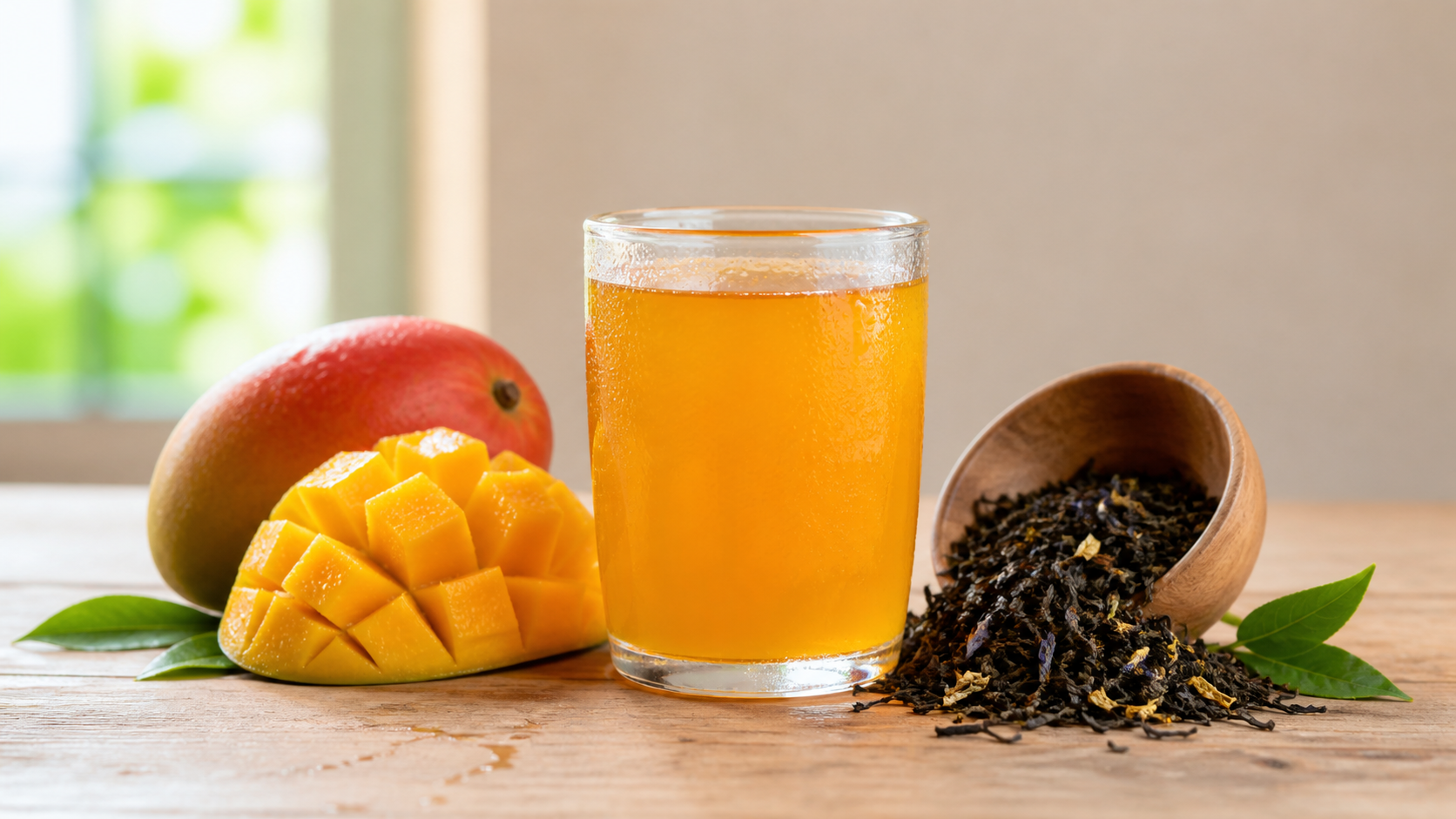
Multiple complementary hurdles do the job: suitable acidity (pH), thermal or non-thermal pathogen reduction, low oxygen exposure, hygienic filling, robust packaging, and a distribution plan (refrigerated or ambient) that matches the process. No single tactic is universal; the right stack of hurdles depends on product type, desired shelf life, and target markets.
Think of stability as a system: formulation limits microbial growth; processing reduces microbes to safe levels; packaging protects from recontamination and oxygen; and storage conditions slow any residual growth or chemical change. When these parts align, you can keep a product safe and high quality without added preservatives.
How does hurdle technology work in beverages?
Hurdle technology uses several gentle barriers together so that each hurdle can be milder than a single harsh treatment, yet the combined effect is strong. In beverages, common hurdles include acidity control, heat or pressure, filtration, carbonation, oxygen management, and temperature control, supported by hygienic design and validated shelf-life studies.
Key principles include:
- Reducing initial microbial load via pasteurization, ultra-high temperature (UHT), high-pressure processing (HPP), or sterile filtration.
- Formulating for inhospitable conditions—typically lower pH—so that survivors cannot grow easily.
- Preventing recontamination with aseptic or hot-fill protocols and closed, clean facilities.
- Protecting quality through oxygen, light, and temperature control, often with tight headspace and barrier packaging.
Common hurdles for preservative-free beverages
The combinations vary by product. The table summarizes widely used options and how they are typically positioned.
| Hurdle | How it works | Typical product fits | Positioning & notes |
|---|---|---|---|
| Acidity (pH) control | Lowers pH to make the environment less hospitable to pathogens and spoilage organisms. | Fruit juices, kombucha bases, lemonades, flavored waters with citrus. | Often primary hurdle; supports milder heat or HPP. See pH targets for formulation strategy. |
| Thermal processing (pasteurization, hot-fill, UHT/aseptic) | Reduces microbial load; hot-fill uses high-temperature product to sterilize container; UHT pairs with aseptic packaging. | Juices, teas, coffees, dairy alternatives, shelf-stable RTD. | Enables ambient distribution when matched to packaging and product acidity. |
| High-Pressure Processing (HPP) | Applies high isostatic pressure to inactivate microbes in sealed packages. | Juices, smoothies, functional shots, premium refrigerated. | Fresh-like taste; usually requires refrigeration and compatible flexible packaging. |
| Sterile/microfiltration | Physically removes microorganisms with fine membrane filters. | Clear juices, teas, flavored waters, low-pulp products. | Often paired with cleanroom filling; sensitive to post-filtration contamination. |
| Carbonation | Carbon dioxide lowers pH locally and creates less hospitable conditions. | Sparkling waters, sodas, carbonated juices or teas. | Supportive hurdle; not a standalone kill step. |
| Oxygen management | Minimizes oxidation and some aerobic spoilage by reducing oxygen pickup and exposure. | All categories where color/aroma stability matters. | Deaeration, nitrogen dosing, barrier materials, tight closures, and proper headspace. |
| Temperature control (cold chain) | Slows microbial growth and chemical changes post-process. | HPP juices, cold-brew coffees, minimally heated products. | Critical for refrigerated lines; must be consistent across distribution. |
| Light protection | Reduces light-driven degradation of color, flavors, and some nutrients. | Teas, juices, plant-based milks, clear RTD. | Tinted or opaque packaging; secondary cartons for transport. |
What role does pH and acidity play?
pH sets the baseline risk profile. Lower pH beverages are generally less favorable to dangerous pathogens, allowing milder processes to achieve safety. Higher pH drinks typically require more severe or aseptic treatments to reach equivalent safety and shelf life. Selecting and balancing acids to reach a target pH is a core preservative-free strategy.
Acidity is shaped by fruit choices (e.g., citrus), fermentation-derived acids, or recipe design. Beyond safety, pH affects taste, color, cloud stability, and interactions with sweeteners and flavors. For formulation guardrails and sensory trade-offs, see the guide to pH and acidity targets.
How does heat treatment differ among processes?
Thermal processes vary in intensity and are matched to product pH, ingredients, intended shelf life, and packaging. Pasteurization can be optimized for quality while delivering a validated microbial reduction. Hot-fill leverages product heat to sanitize containers, while UHT combined with aseptic filling enables long ambient shelf life in suitable packages.
- HTST or batch pasteurization: Common for juices, teas, and coffees; often used with clean hot-fill for acid beverages or with strict cold chain for minimally heated lines.
- Hot-fill-hold-cool (HFHC): Product is filled hot into suitable containers (e.g., hot-fill PET or glass) to sanitize the package interior, then held and cooled.
- UHT/aseptic: Ultra-high temperature treatment of product, then sterile filling into pre-sterilized packaging (e.g., aseptic cartons, specialty PET) in an aseptic environment for ambient stability.
- Tunnel pasteurization: Post-fill heat treatment (often for cans or glass) to achieve a validated microbial reduction of the sealed product.
Each approach has implications for flavor, color, texture (for pulpy products), equipment investment, packaging choice, and distribution. Trials and shelf-life validation help find the right balance for your brand.
When is High Pressure Processing (HPP) a good fit?
HPP is well suited to acid or acidified beverages where a fresh-like profile is critical. It can deliver significant microbial reduction with lower heat impact on aroma and color. However, it typically requires refrigeration, compatible flexible packaging, and a robust cold chain, so it is not a direct substitute for aseptic ambient processing.
HPP considerations:
- Sensory: Retains bright, fresh notes in juices and functional shots.
- Packaging: Requires packages that can transmit pressure (commonly certain plastics); rigid glass and cans are not typical.
- Distribution: Most HPP beverages are sold refrigerated; ambient HPP is uncommon for beverages.
- Throughput & cost: Batch-based; plan capacity and logistics accordingly.
Can filtration keep drinks stable without heat?
Sterile or microfiltration can physically remove microorganisms from clear, low-pulp beverages, reducing the need for intense heat. To succeed, filtration must be paired with sanitary design and cleanroom or aseptic-like filling, because any post-filter contamination can reintroduce risk. Filtration is powerful but not a stand-alone solution without hygienic controls.
Limitations include filter fouling with high solids, the need for validated filter integrity testing, and careful handling between filtration and filling. Many brands pair filtration with mild pasteurization and oxygen control for a robust result.
Do preservative-free beverages need refrigeration?
Many do, especially when using gentle processing or HPP to prioritize fresh taste. If the process, pH, and packaging enable ambient stability (e.g., hot-fill or aseptic beverages), refrigeration may not be required. The decision must align with validation data and distribution realities—cold chain consistency matters as much as the initial process.
Refrigerated positioning supports fresher sensory cues and shorter shelf life. Ambient positioning favors scale, lower logistics cost, and broader retail placement, but usually requires more intensive processing and barrier packaging. Your route-to-market and brand positioning determine which path fits best.
How should packaging and oxygen be managed without preservatives?
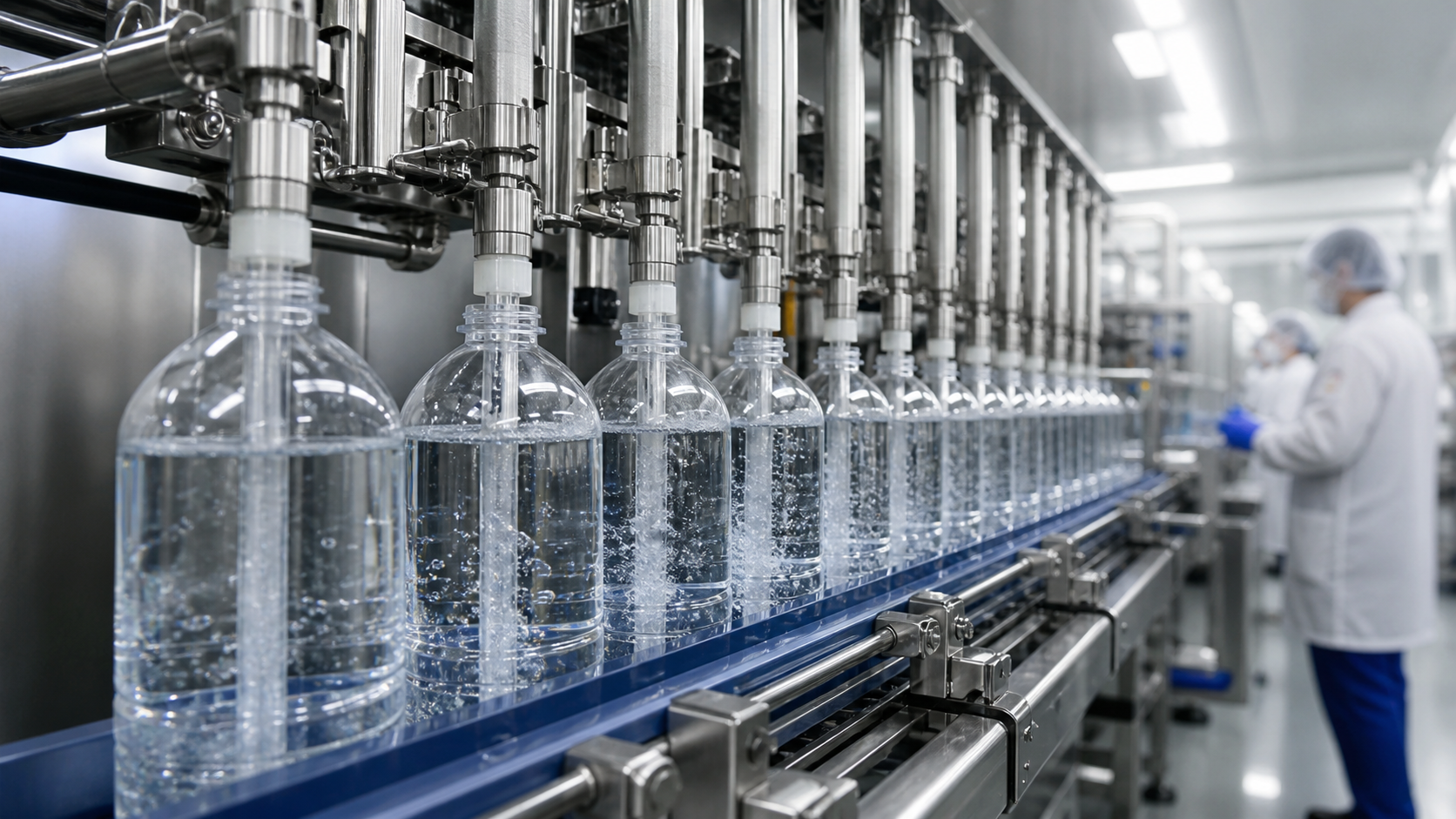
Use packaging as an active hurdle. Choose containers that match your process (hot-fill capable, aseptic-compatible, or HPP-suitable), control oxygen pickup from blending to capping, and protect from light as needed. Tight closures, minimal headspace, nitrogen dosing or vacuum, and barrier materials help preserve flavor, color, and stability.
Key packaging levers:
- Material & barrier: Glass, treated PET, multilayer structures, cans, or aseptic cartons—chosen for heat resistance, oxygen barrier, and light protection needs.
- Closure integrity: Validated torque/band seals; liner selection compatible with hot-fill or aseptic conditions.
- Headspace & gassing: Nitrogen dosing or vacuum to limit oxygen; control dissolved oxygen during mixing, holding, and filling.
- Light management: Tinted containers, sleeves, or secondary packaging to prevent color and flavor fade.
- Cleanability & hygiene: Equipment and environment designed to prevent recontamination at the fill point.
Stability issues to watch without preservatives
Removing preservatives shifts the burden to process control and packaging. Common issues include:
- Yeast and mold: Especially in sugary, acidic drinks if oxygen or sanitation control slips.
- Spore-formers: A concern in higher pH products that require aseptic-level controls.
- Enzymatic or non-enzymatic browning: Color darkening in fruit beverages; manage oxygen, heat exposure, and enzymes during processing.
- Phase separation and sedimentation: Need stabilization systems and shear/thermal profiles tuned to the beverage matrix.
- Flavor fade and oxidation: Oxygen management, antioxidants intrinsic to ingredients, and light protection help.
- Package-paneling or swelling: Inadequate cooling after hot-fill or microbial growth in poorly controlled systems.
What testing and validation prove stability?
A structured validation plan demonstrates that your hurdle stack works. This typically includes raw material screening, in-process hygiene checks, finished product testing, shelf-life studies under real distribution conditions, and, when appropriate, challenge studies. The goal is to match process and packaging to the intended shelf-life claim.
Plan components often include:
- Ingredient checks: Supplier approval and incoming microbiological and quality testing.
- Process validation: Confirm time/temperature or pressure profiles, filtration integrity, and filler hygiene.
- Finished product tests: Routine indicator and spoilage organism testing aligned to your beverage type—see microbiological testing for beverages.
- Shelf-life studies: Realistic storage conditions (refrigerated or ambient), packaging used in market, and periodic sensory/analytical checks.
- Label & market fit: Claims and shelf-life statements must align with your process and target regulations; consult the U.S. food label checklist and market-specific guidance such as import beverages into UK for route-to-market considerations.
Natural antimicrobials: helpful, but not a silver bullet
Some ingredients naturally contain acids or polyphenols that can help inhibit spoilage organisms, especially in acidic matrices. Examples include citrus juices or teas. These can support the overall system, but they rarely replace a validated kill step or hygienic filling. Position them as supportive tools within a broader hurdle design, not as sole safeguards.
Carbonation and sweetness as supporting hurdles
Carbonation can make conditions less favorable to microbes and is often combined with pasteurization and oxygen control. High sugar levels can reduce water activity, offering some inhibitory effect, but modern products often target moderate sweetness; do not rely on sugar for safety. Treat carbonation and sweetness as secondary levers that complement primary hurdles.
Formulation design without preservatives
Formulation choices influence both safety and quality under preservative-free constraints. Practical tactics include:
- Using naturally acidic fruits or acidulants to reach the target pH for your process.
- Selecting flavors and colors stable to your chosen heat or pressure treatment.
- Optimizing viscosity and cloud stability with compatible hydrocolloids and processing shear.
- Minimizing dissolved oxygen during blending and holding.
- Balancing sweetness and acid to maintain taste while supporting stability.
Product development checklist for brands
To accelerate development and reduce rework, align your cross-functional team on the following before pilot runs:
- Target shelf life & channel: Refrigerated or ambient? Retail, foodservice, e-commerce?
- pH window and sensory: Define taste and acidity tolerances; see pH and acidity targets.
- Primary kill step: HTST/hot-fill, UHT/aseptic, filtration plus hygienic fill, or HPP.
- Packaging format: Hot-fill PET or glass, aseptic carton or PET, HPP-suitable plastics, cans, or glass with tunnel pasteurization.
- Oxygen & light strategy: Deaeration, nitrogen dosing, barrier selection, tinted or opaque options.
- Cold chain plan: If refrigerated, define end-to-end temperature control and monitoring.
- Testing & validation: Micro plans, shelf-life protocol, and documentation—refer to microbiological testing for beverages.
- Market compliance: Confirm claims and shelf-life statements align with destination rules; start with the U.S. food label checklist.
A note on claim language and market entry
“No preservatives” and “preservative-free” must be truthful and not misleading in the target market, and the process must support the claimed shelf life. Requirements differ by country, and distribution conditions matter, especially for refrigerated items. If you plan cross-border sales, review market entry guides alongside your technical plan, such as the overview on how to import beverages into UK.
FAQ
Does preservative-free mean no processing?
No. Preservative-free refers to avoiding added chemical preservatives, not skipping stabilization. Safe, stable products still require validated processes such as pasteurization, UHT/aseptic, HPP, or filtration with hygienic filling, plus appropriate packaging and distribution conditions.
Are “natural” antimicrobials enough on their own?
Usually not. While some ingredients contain acids or polyphenols that help inhibit microbes, they are best used as supportive hurdles. A validated kill step and hygienic packaging are typically essential for reliable shelf life.
Does pasteurization eliminate the need for refrigeration?
Not automatically. Whether a drink can be ambient or must be refrigerated depends on the product’s pH, the specific process, packaging, and validation data. Many pasteurized acid beverages are hot-filled for ambient stability, while minimally heated products may require refrigeration.
Can cold-pressed juice be ambient without preservatives?
Generally no, not without processes like hot-fill or aseptic that change the fresh profile. HPP can preserve fresh-like qualities but is typically paired with refrigeration. Ambient shelf stability usually requires thermal/aseptic approaches and barrier packaging.
Conclusion
Preservative-free beverages stay stable when formulation, processing, packaging, and distribution work together as a system. Acidity sets the risk level; validated kill steps reduce microbes; oxygen and light controls protect quality; and packaging prevents recontamination. With the right hurdle stack—and a solid microbiological validation plan—brands can deliver safety and shelf life without added preservatives.
Next steps: define your pH target and primary process, select packaging to match, and map testing and shelf-life validation. For formulation guardrails see pH and acidity targets, and build your QA plan with microbiological testing for beverages. If you aim to sell in the U.S., align claims with the U.S. food label checklist, and plan market entry, e.g., how to import beverages into UK.