


 Français
 Español
 العربية
 한국어
한국어Beverage packaging Korea decisions sit at the intersection of shelf channel, cost, and a recycling regulatory framework that is moving faster than in most export markets. Getting the format right before artwork lock avoids expensive rework once your product is already committed to print.
Format comparison
| Format | Pros | Typical use cases | Notes for Korea |
|---|---|---|---|
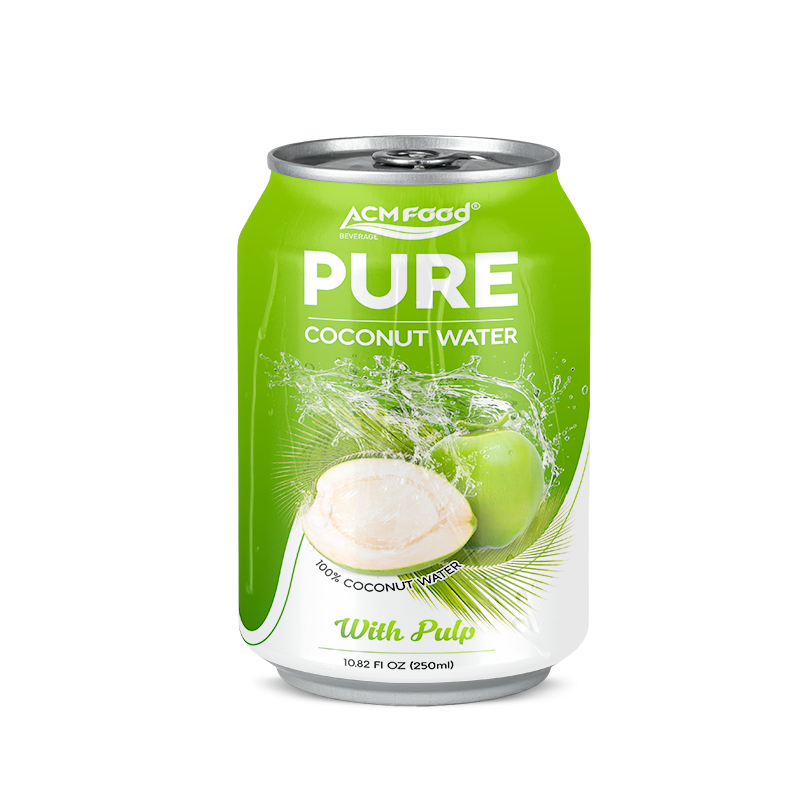
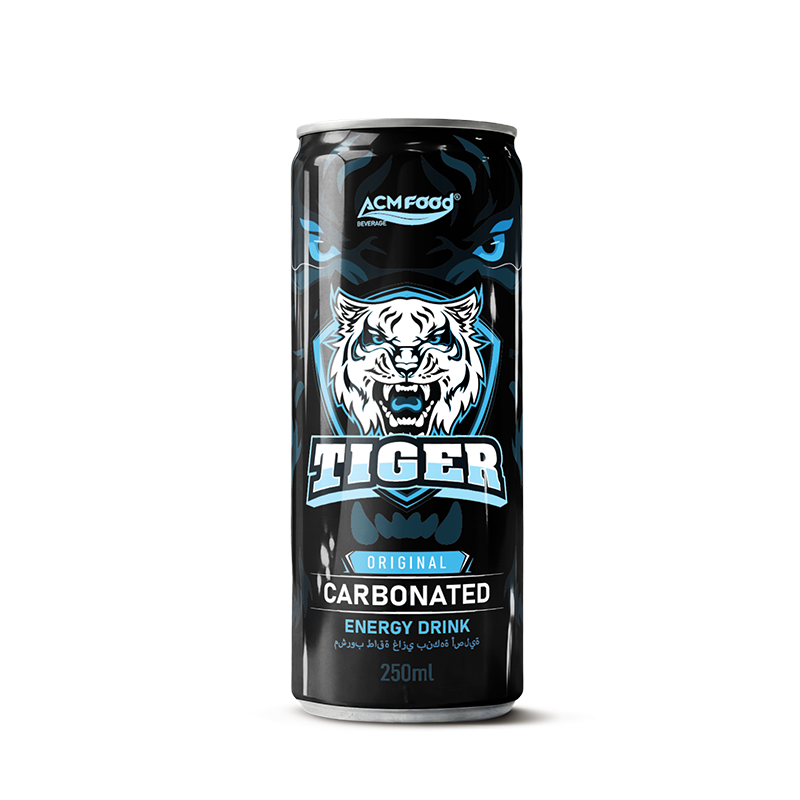
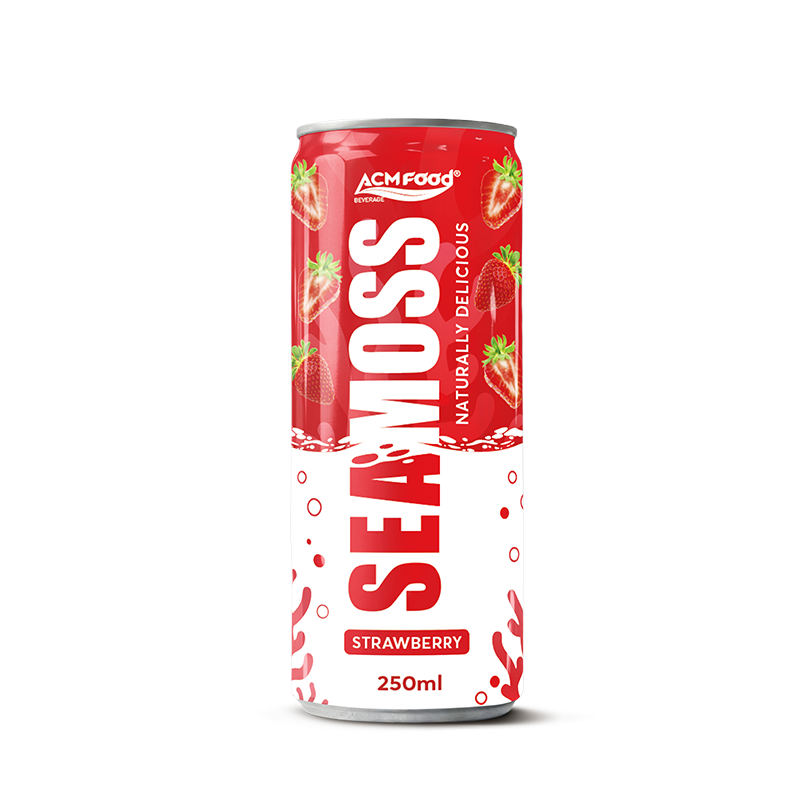
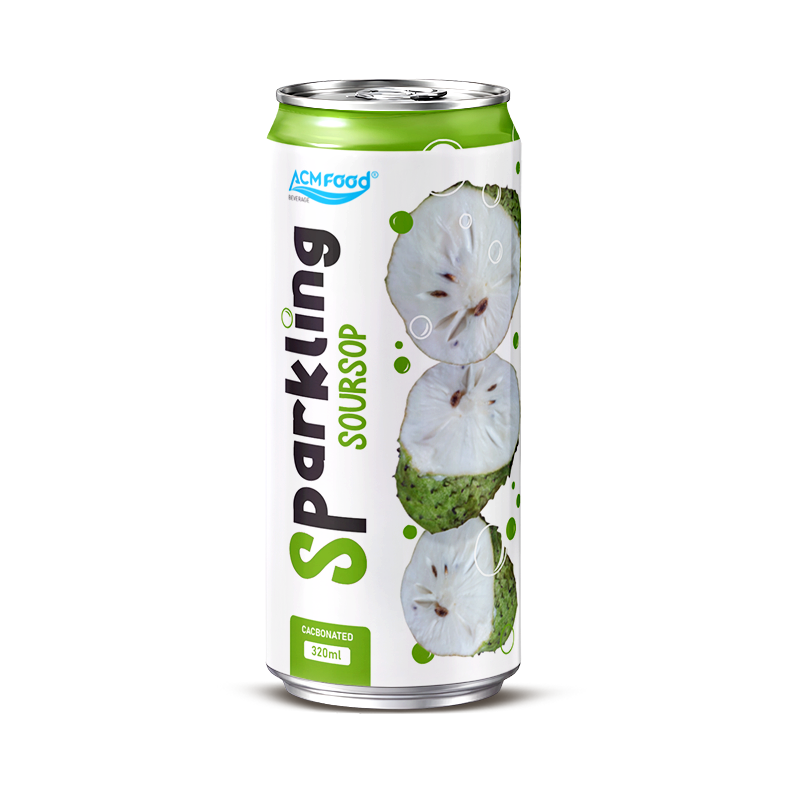
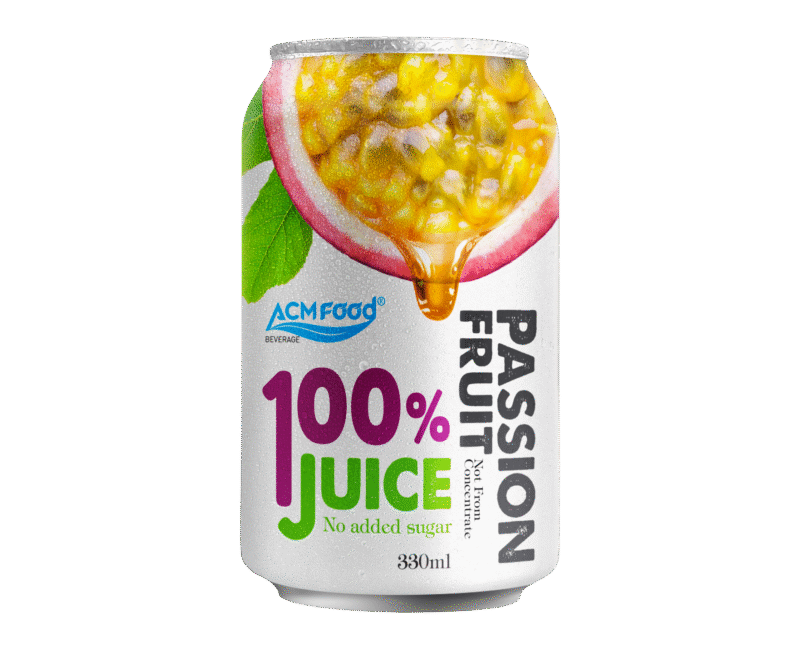
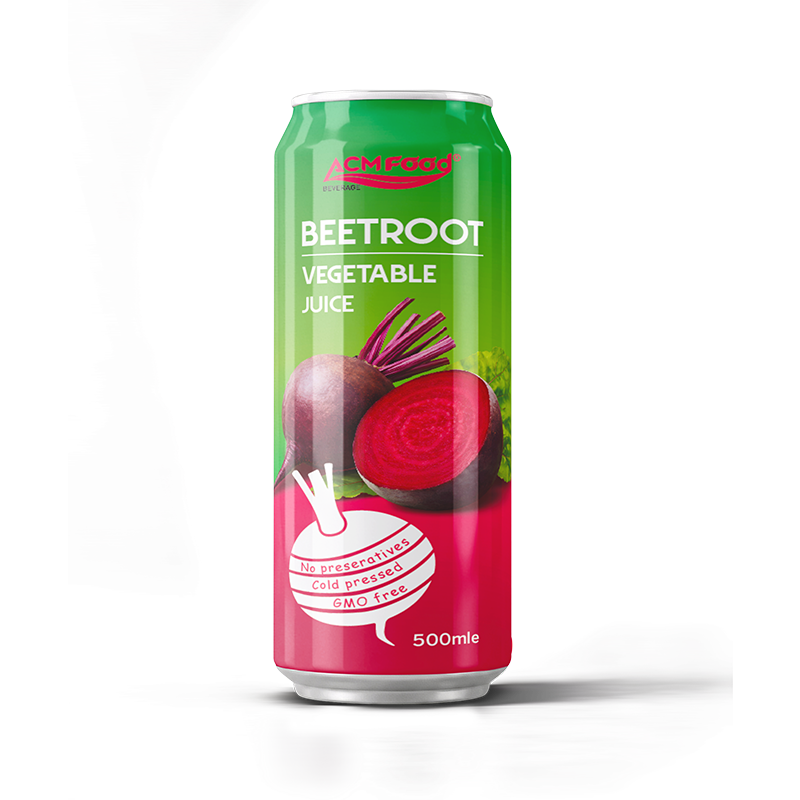
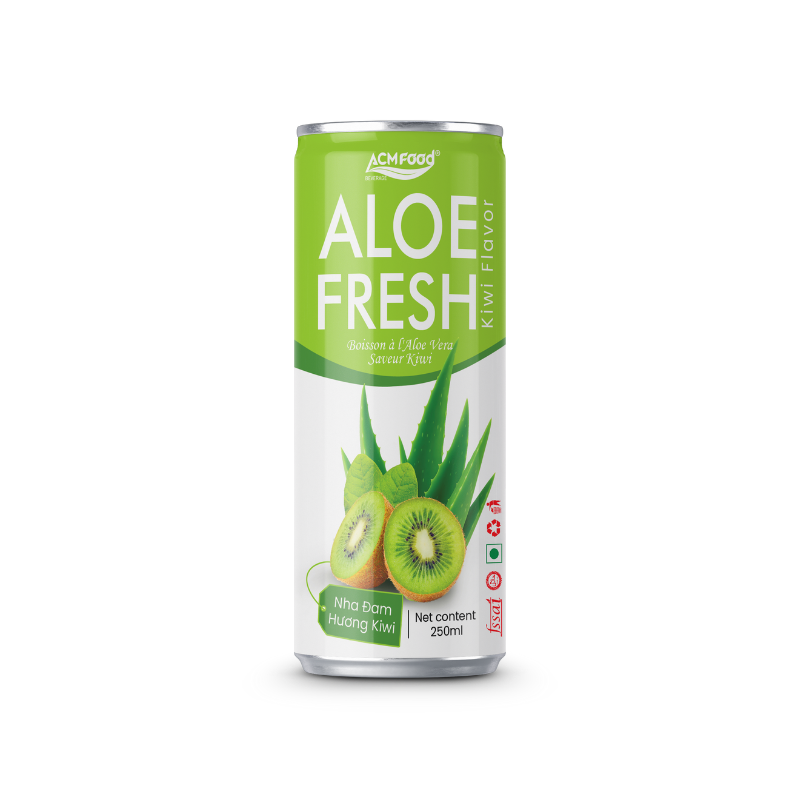
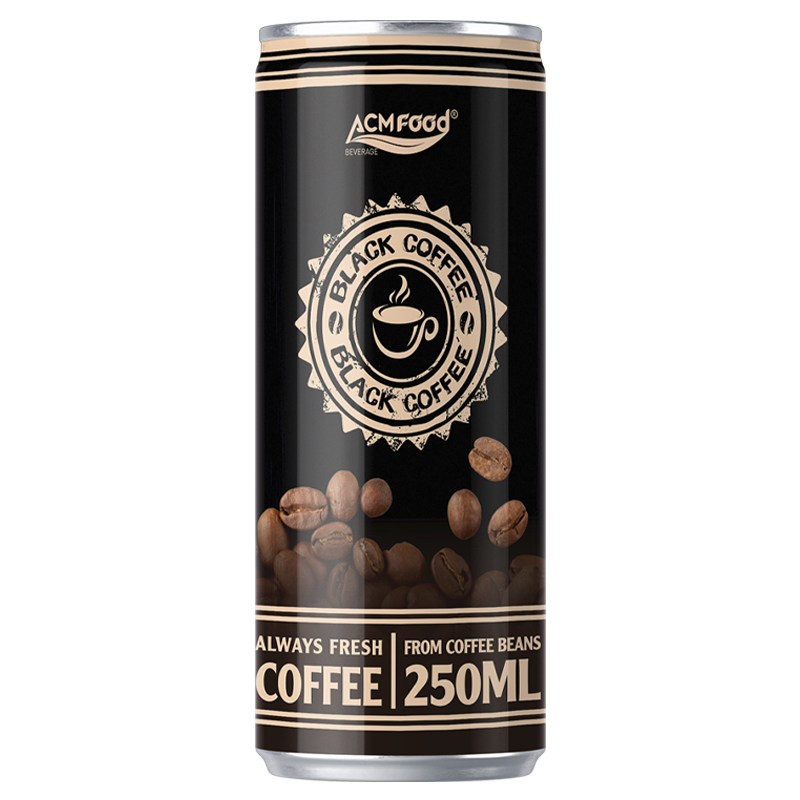
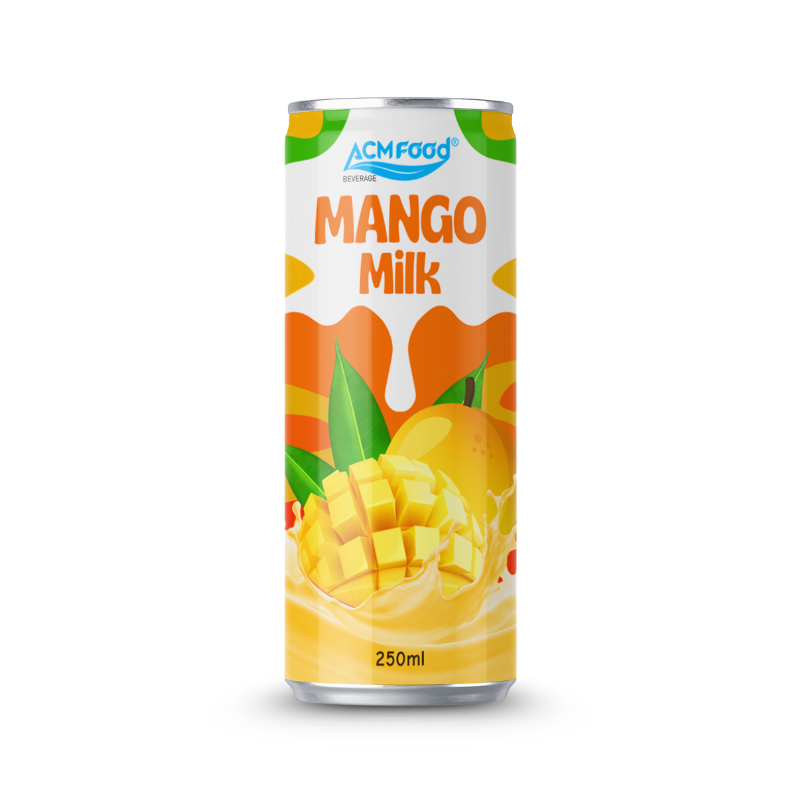
| Aluminium can | Lightweight, strong shelf presence, widely recycled | RTD coffee/tea, functional drinks, convenience channel | Rated highly recyclable under Korea’s Resource Recycling Act |
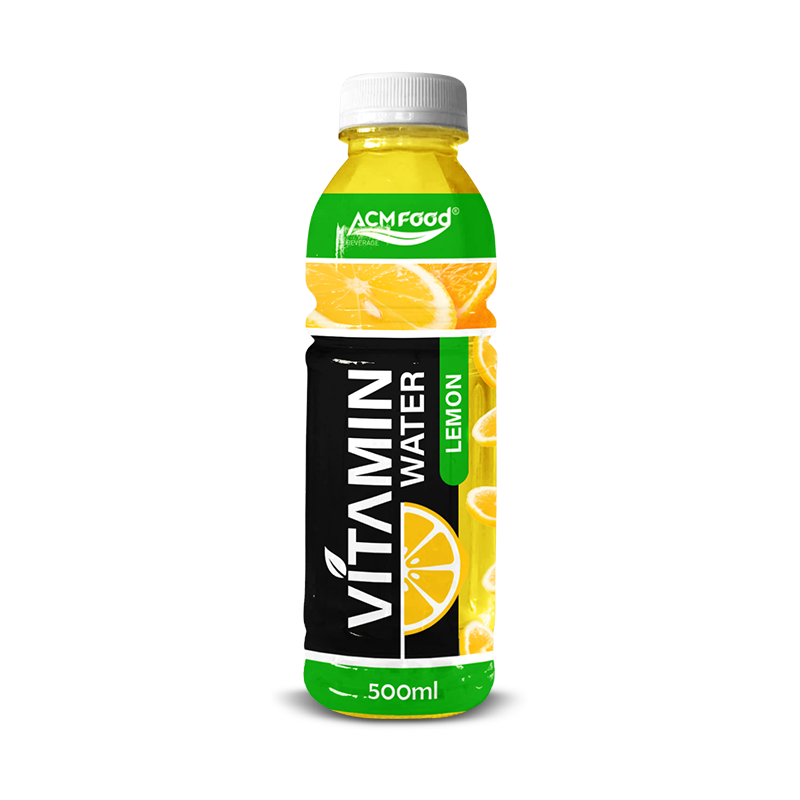
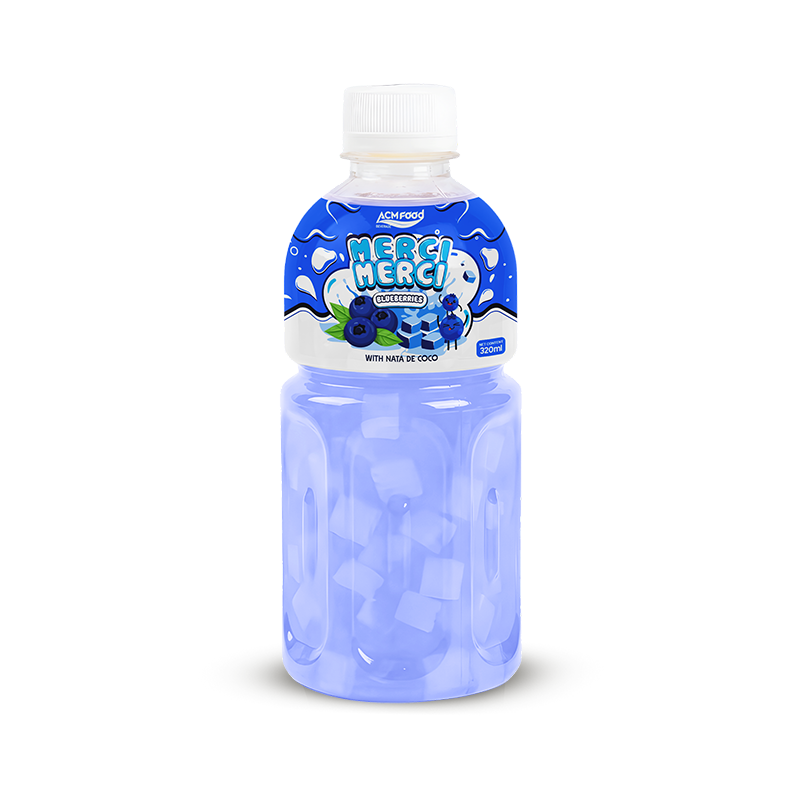
| PET bottle | Impact-resistant, clear product view, cost-effective | Juice drinks, water, isotonic beverages | Subject to the fastest-changing rules — label-free/QR-code requirements are being phased in for bottled water from 2026, with recycled-content minimums for large producers |
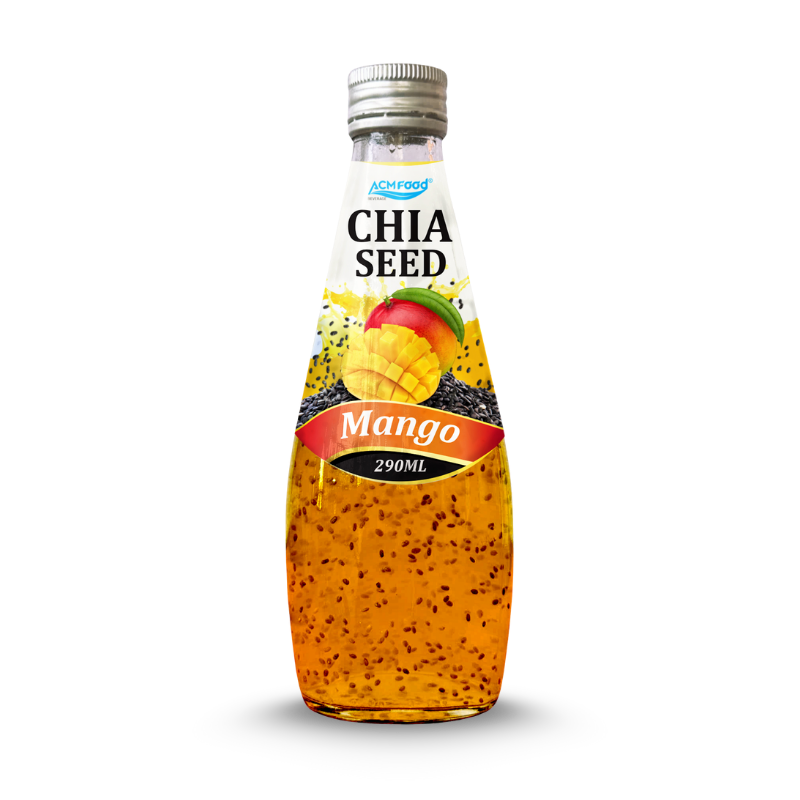
| Glass bottle | Premium look, strong barrier | Cold-brew coffee, premium tea, boutique juice | Heavier; plan freight and pallet patterns accordingly |
| Aseptic carton | Ambient-stable, lightweight, good billboard | Juice, plant-based and dairy-adjacent drinks | Confirm straw vs cap and sleeve print lead time |
Korea’s recyclability grading system
Under the Resource Recycling Act, packaging sold in Korea is graded for how easily it can be recycled — broadly, Excellent, Good, Normal, or Difficult to recycle — and that rating typically has to appear on pack. Producers of larger volumes can face additional obligations under the extended producer responsibility (EPR) system. Confirm the current grading criteria and any EPR obligations with your packaging supplier or a local compliance consultant before finalising a format, since thresholds and requirements have been revised more than once in recent years.
What is changing for PET in 2026
Korea’s environmental regulator has moved bottled water toward label-free packaging, with product information carried on a QR code printed on the cap or outer packaging from January 2026, alongside minimum recycled-content requirements for larger-volume PET producers. The direction of travel — less printed plastic, more recycled content, digital labelling — is worth planning for even if your category or volume is not yet in scope, since the requirements have been extending to more of the PET beverage category over time.
Choosing a format by channel
- Convenience store and vending: Cans and small PET bottles dominate; fast turnover favours formats with strong recyclability ratings and low breakage risk.
- E-commerce: Cans and cartons ship more efficiently than glass; factor breakage and packaging weight into landed cost.
- Food service and cafés: Glass and premium cans support a higher price point where the format itself signals quality.
- Modern trade and hypermarkets: Multi-packs in cans or cartons work well for take-home formats.
Labelling requirements that apply regardless of format
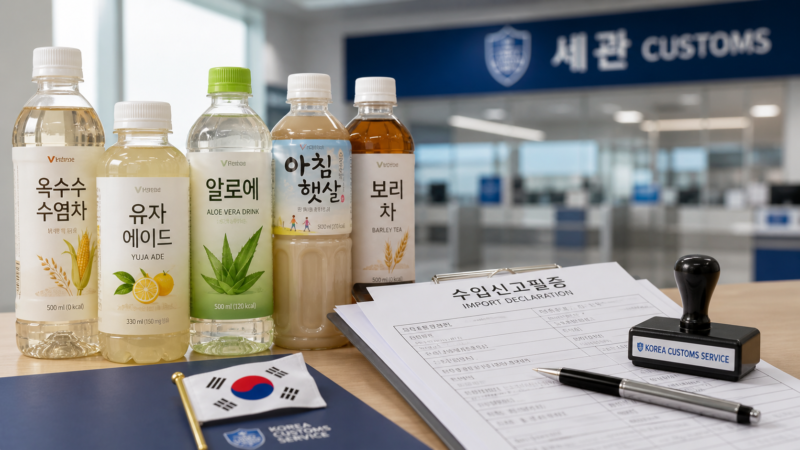
Whatever the packaging, every retail unit needs a compliant Korean-language label: product name, ingredient list, allergens, Nutrition Facts, caffeine content where relevant, country of origin, importer details, and lot/date coding. See how to import beverages into South Korea for the full MFDS labelling checklist.
Working packaging into your cost model
- Component tooling and print minimums, which often set your effective MOQ — see the MOQ guide for Korean buyers
- Freight weight and breakage risk, particularly for glass
- Recyclability grading and any EPR fees tied to your chosen format and volume
- Sticker or label conversion cost if you plan to launch with a compliant sticker ahead of full Korean print artwork
FAQ: beverage packaging for the Korean market
Which packaging format is easiest to launch first in Korea?
A stock-design aluminium can is usually the fastest and lowest-tooling-cost entry point, with a strong recyclability rating and broad channel fit.
Do all beverage categories face the new PET label rules?
The clearest mandate so far covers bottled water, with related recycled-content rules extending to larger-volume non-alcoholic beverage producers. Confirm current scope for your specific category before committing to PET artwork.
Can I use an English-language label with a Korean sticker?
Yes, this is a common approach for a first shipment while full Korean-print artwork is finalised, provided the sticker itself carries all mandatory Korean label elements and is applied before retail sale.
Sources
- Ministry of Food and Drug Safety (MFDS) — English
- Korea Herald — recycled plastic requirements for drinks companies
Manufacturing for Korean brands
If you are sourcing for the Korean market, start with OEM beverage manufacturing for how contract production is structured, certifications and food safety systems for the evidence importers and retailers require, and export and logistics for shipping terms and documentation. To price a programme, request a quote.
Request a quote