


 Français
 Español
 العربية
 한국어
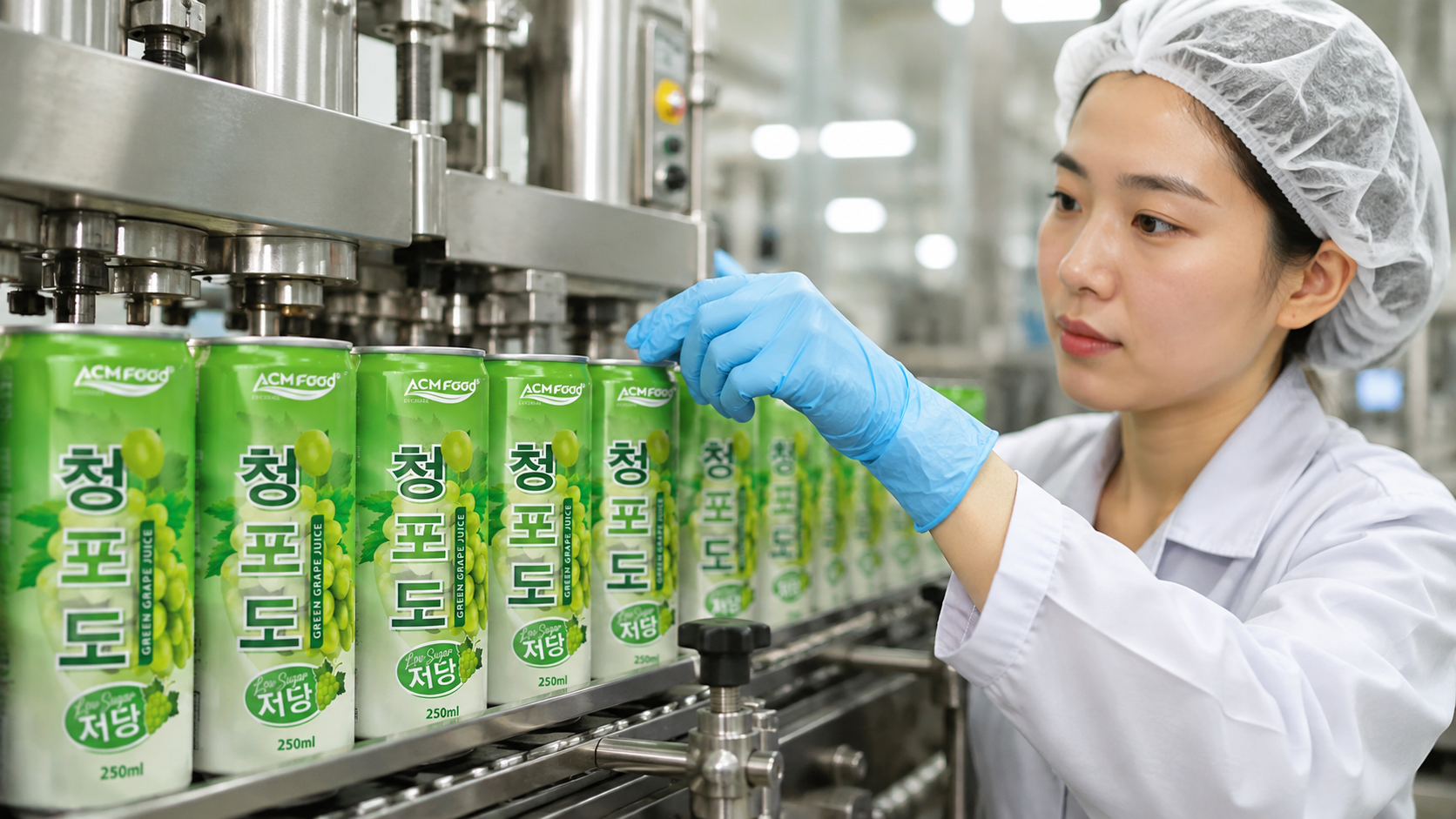
한국어Beverage MOQ for Korean buyers is set per SKU and is driven mainly by packaging runs and line changeover, not by the liquid. At ACMFOOD, a standard first order starts at 500 cartons per SKU; custom-printed cans usually need a larger run, while stock can designs and shared production runs keep a first order small.
What sets the minimum order quantity?
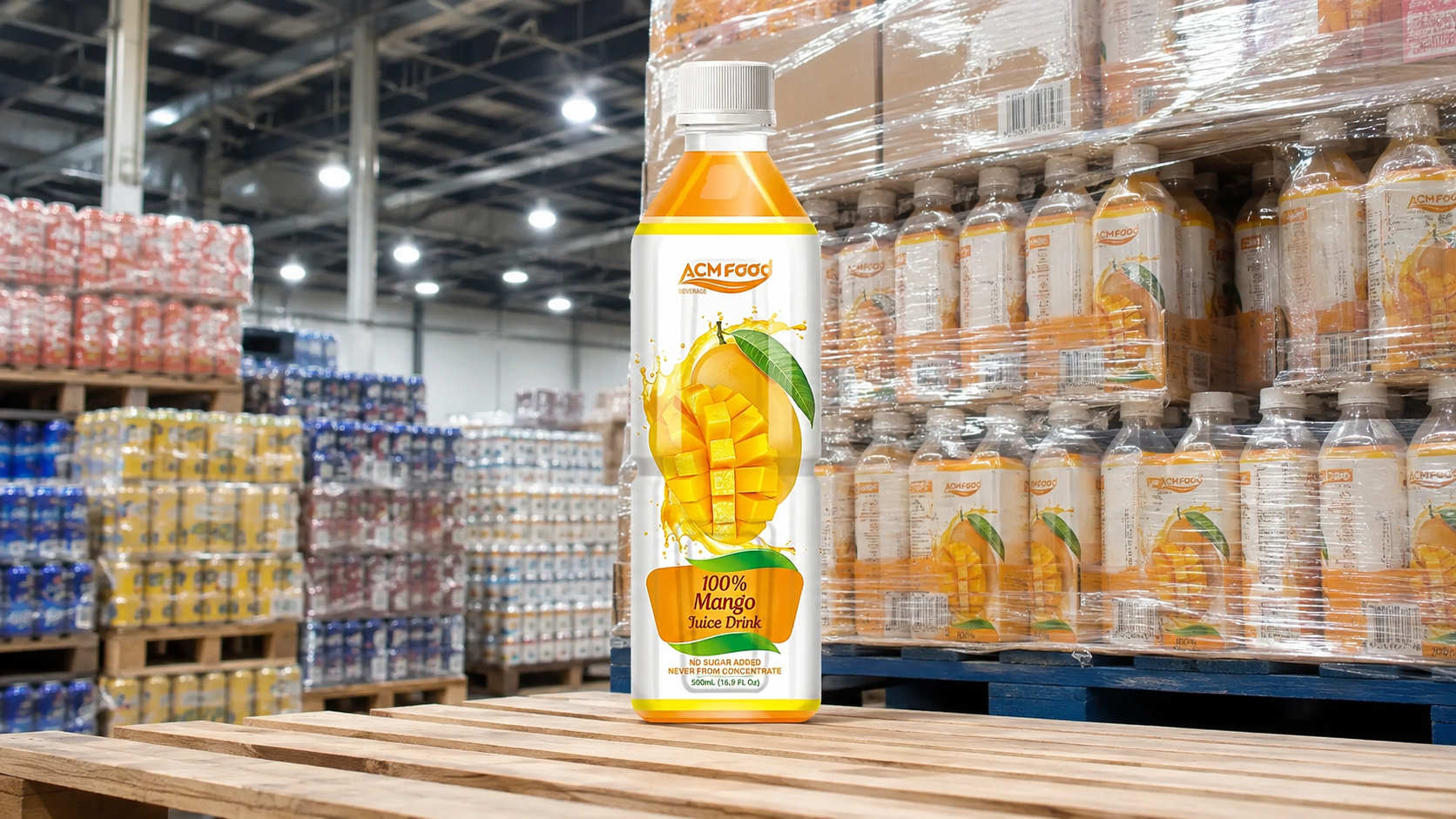
- Packaging components. Printed cans, bottles, closures, and cartons carry their own minimum print runs and tooling costs — this usually drives MOQ more than the liquid formulation.
- Line changeover. Switching a filling line between formats or SKUs costs time and cleaning; running below a certain volume makes the unit economics fail for the manufacturer.
- MFDS first-lot requirements. The first shipment into Korea is typically subject to stricter MFDS inspection, so manufacturers and importers alike prefer a first order large enough to justify the compliance overhead, but not so large that failed inspection or slow sell-through creates real risk.
What are typical MOQ ranges by packaging format?
| Format | Typical MOQ | Why |
|---|---|---|
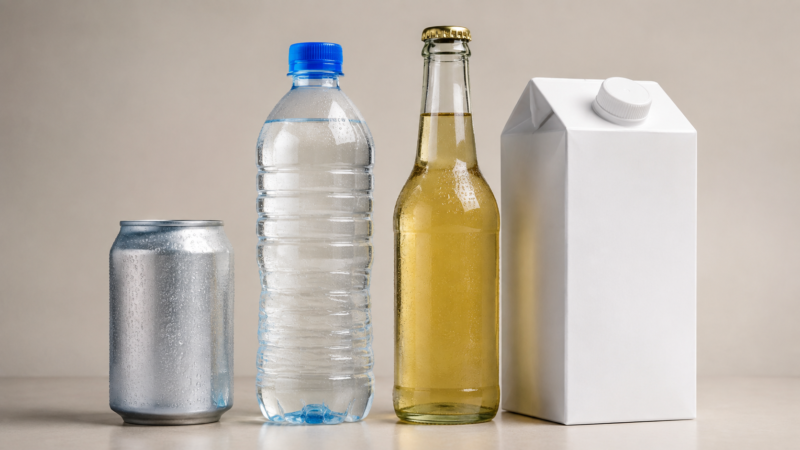
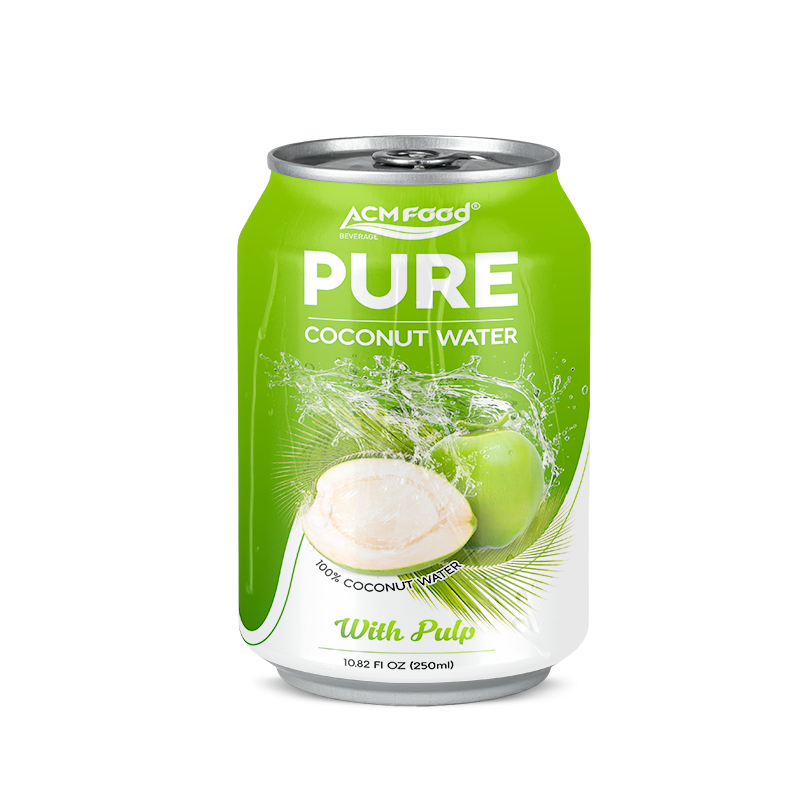
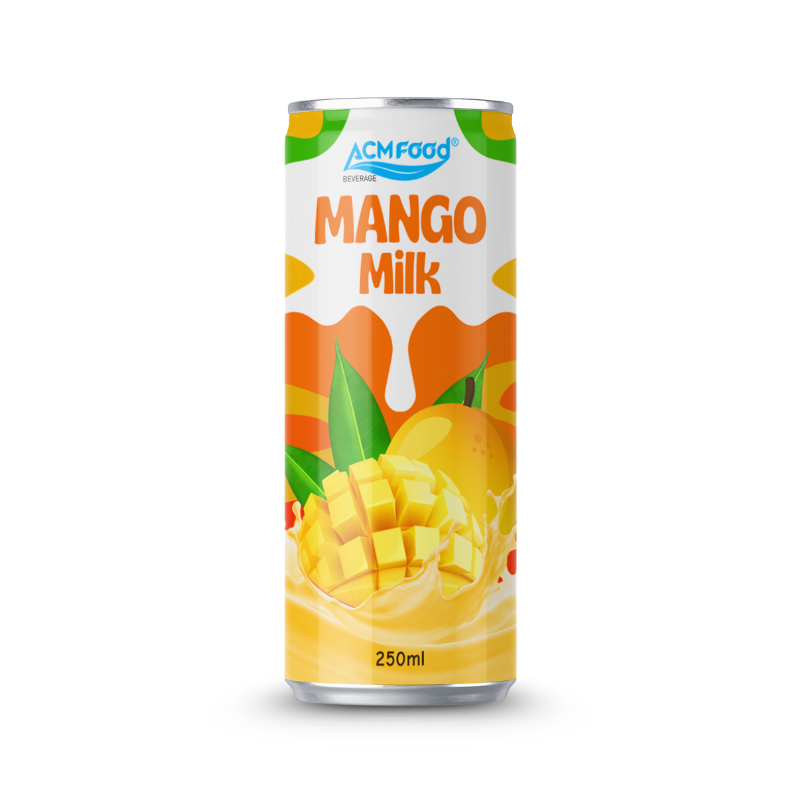
| Aluminium can, stock design | Lower entry point | Shared can tooling across customers where a house design is available |
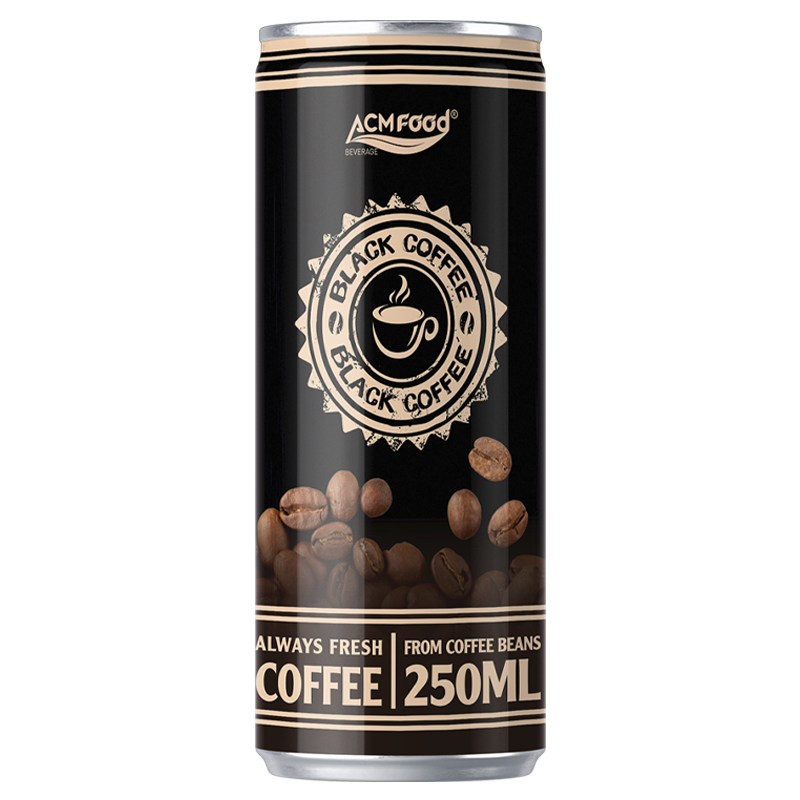
| Aluminium can, custom print | Higher — full container more typical | Dedicated can printing run and changeover |
| PET bottle | Moderate | Preform and label tooling; label rules are also evolving fastest for PET, so confirm current requirements before locking print |
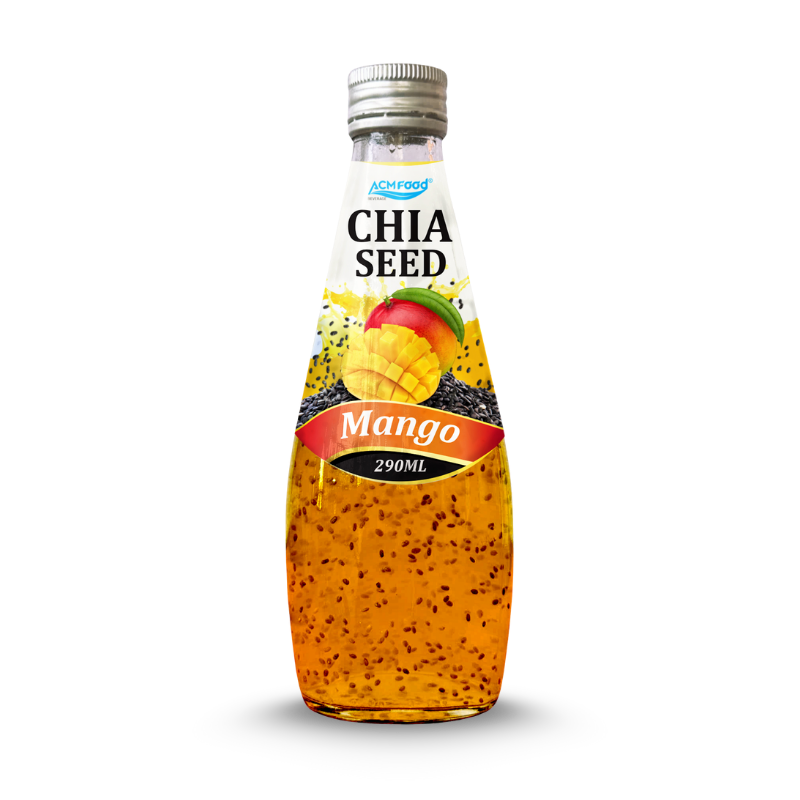
| Glass bottle | Moderate–high | Heavier freight makes small orders less economical per unit |
| Aseptic carton | Higher | Sleeve printing and aseptic filler changeover costs |
Exact numbers vary by manufacturer and season — always confirm a written MOQ and price at that MOQ rather than assuming a figure from another market. See beverage packaging options for the Korean market for how format choice interacts with cost.
How should you structure a first order for Korea?
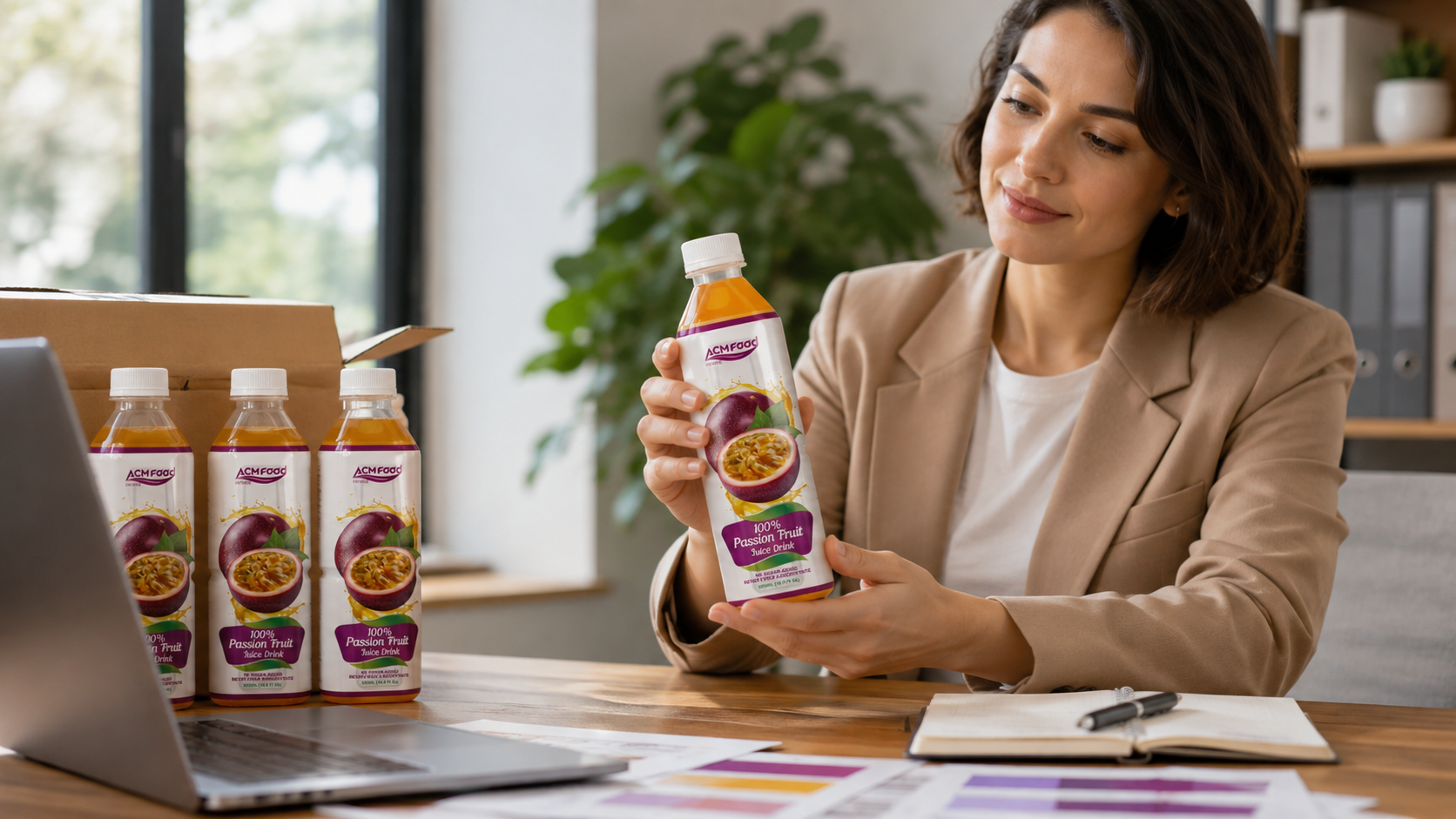
The purpose of a first order is to validate demand and MFDS compliance, not to maximise margin per unit. Three questions help size it:
- How many units do you need to seed enough distribution points for a genuine rate-of-sale read?
- How many units can you afford to be wrong about if the product needs reformulation after MFDS first-lot feedback?
- How quickly can you reorder if it works — a stockout during your first successful months costs shelf space that is hard to win back?
Where a full container exceeds what you can confidently sell through, ask about a smaller trial run at a modest per-unit premium, or a stock-design can that avoids dedicated tooling costs on the first order.
MOQ and MFDS: why the first shipment is different
Korea’s MFDS typically applies closer scrutiny — document review and possible lab testing — to the first import lot of a new product. This is a reason to avoid oversizing your first order: if the first lot requires reformulation or relabelling after MFDS feedback, a smaller first order limits the cost of that iteration. Later, compliant shipments generally move faster, at which point increasing order size to match real demand is straightforward.
How can you reduce MOQ without losing margin?
- Use a manufacturer’s existing can or bottle design rather than commissioning custom tooling for a first order
- Combine a smaller custom SKU with an existing production run where the manufacturer has spare capacity
- Confirm whether LCL (less-than-container-load) shipment is available to reduce the capital tied up in a first import
- Lock the formula and label early so the first order is not delayed — or duplicated — by late-stage changes
FAQ: beverage MOQ in Korea
Is MOQ negotiable for a first order?
Often, yes, particularly with a manufacturer that already works with growing brands. Ask directly whether a trial run at a small premium is available before assuming a full-container minimum is fixed.
Does MOQ apply per flavour or per range?
Per SKU. A three-flavour range typically commits you to three separate minimums, though freight and MFDS documentation costs are often shared across a single shipment.
How does MOQ interact with MFDS foreign facility registration?
Registration is a one-time step per facility, not per order, so it does not scale with volume — but it does need to be complete before your first shipment regardless of order size. See beverage certifications for Korean importers for the registration process.
Sources
Manufacturing for Korean brands
If you are sourcing for the Korean market, start with contract beverage production for how a manufacturing programme is set up, certifications and food safety systems for the evidence importers and retailers require, and export and logistics for shipping terms and documentation. To price a programme, request a quote.
Request a quote