


 Français
 Español
 العربية
 한국어
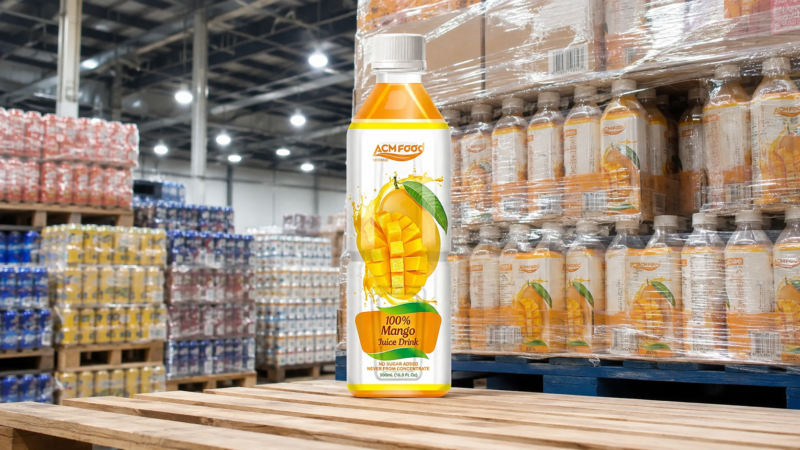
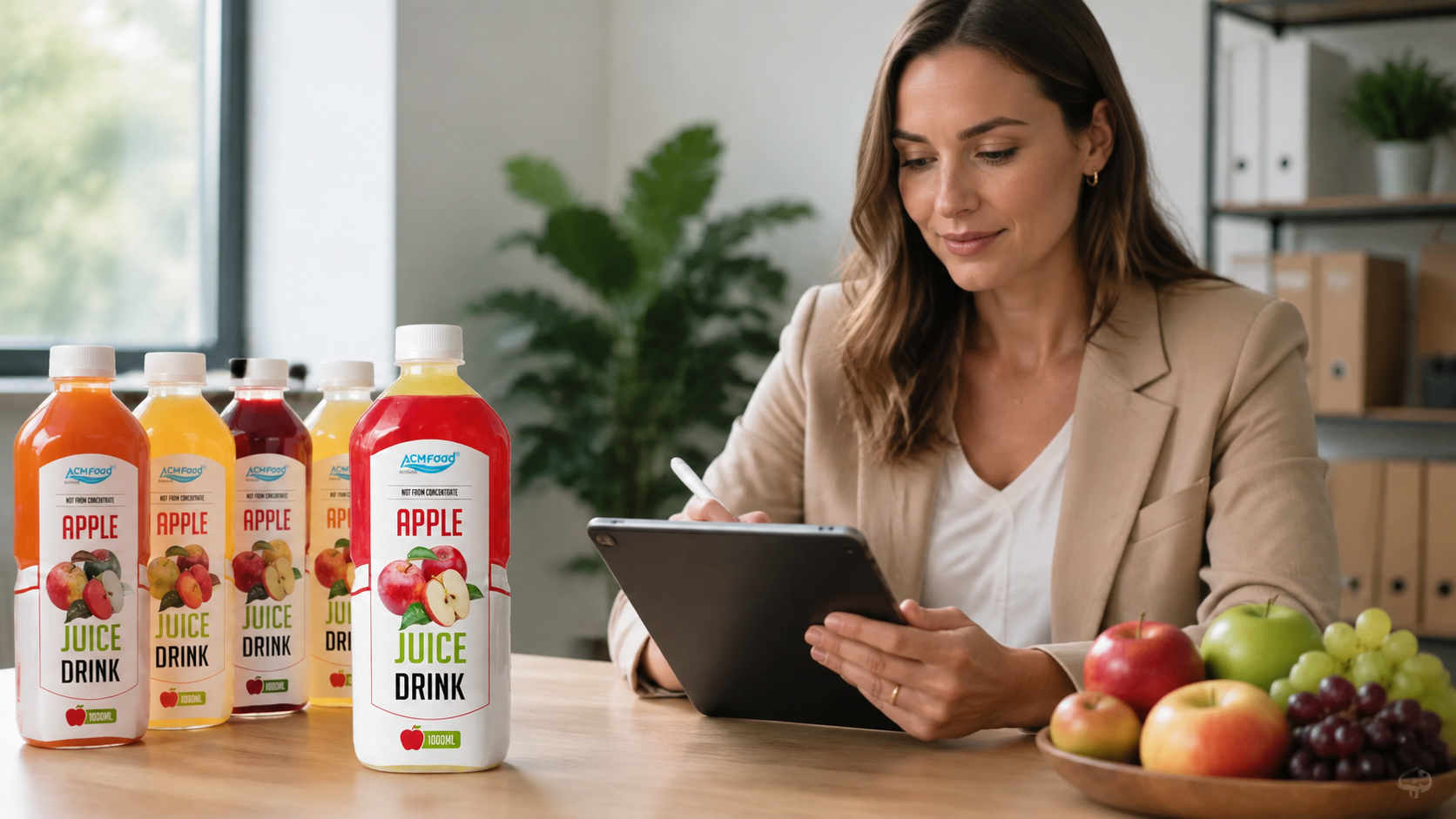
한국어Private label beverages for Korean brands are drinks produced by a manufacturer on a proven formulation and sold under the buyer’s own brand, so a retailer, distributor or new brand can launch without owning a factory. Korea’s beverage market is dominated by a few large domestic bottlers, which leaves private label and imported specialty drinks as the main opening for new entrants.
2026 is shaping up as an acceleration point for private label in Korea specifically: consumer demand for transparent, health-aligned, better-value products is pushing retailers to develop store-brand ranges faster than domestic bottlers can respond with new SKUs. This guide covers how the model works, what to specify, and how sourcing from Vietnam fits.
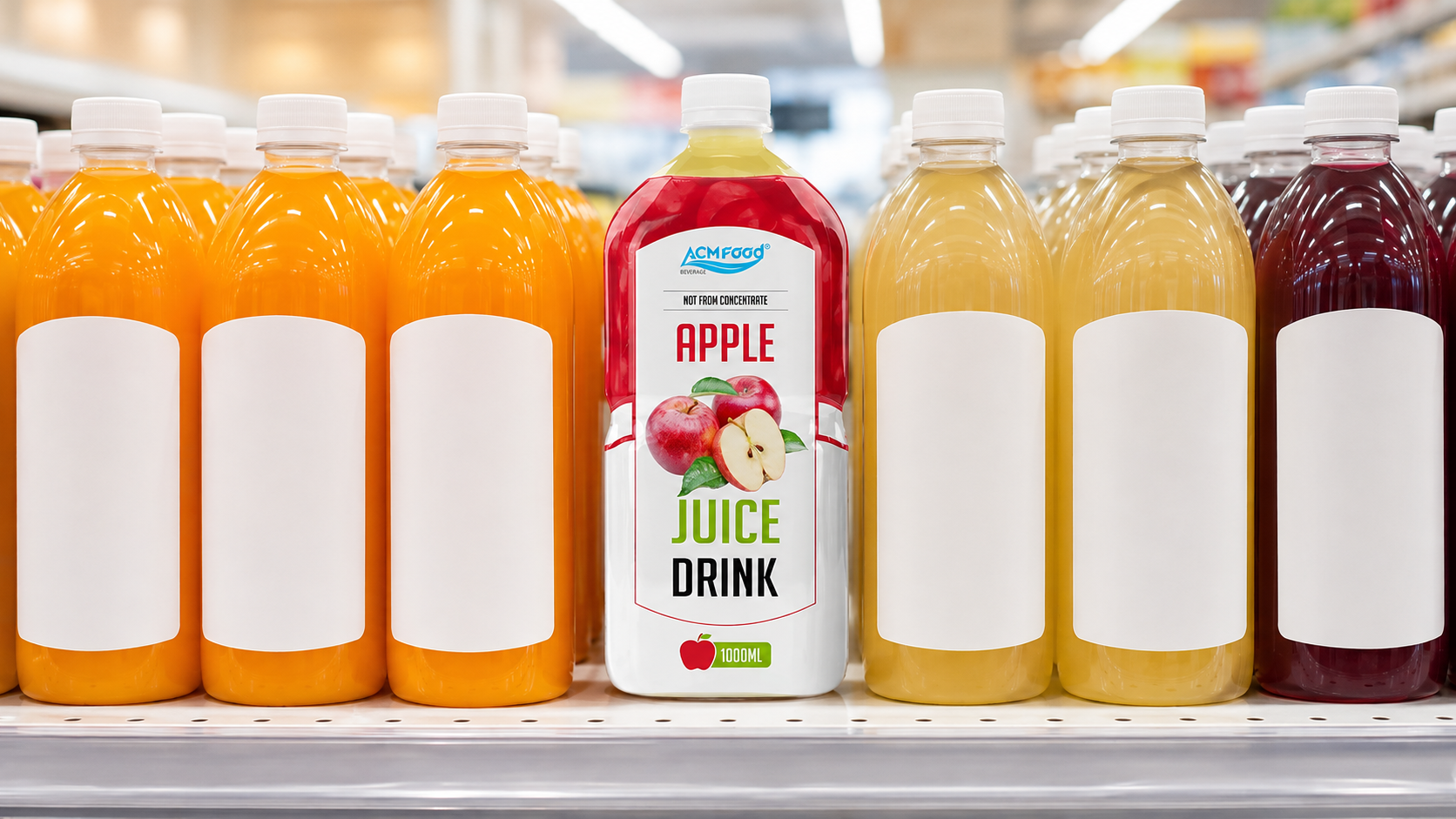
What counts as a private label beverage in Korea?
A private label beverage uses a manufacturer’s existing or lightly adapted formulation, packed under the retailer’s or brand’s own name and artwork. It differs from full custom development (see OEM beverage manufacturing for Korean buyers) in that the base recipe is largely fixed, which shortens the timeline and lowers development cost.
- Stock formula, your label. Fastest route to shelf; no development cost; limited exclusivity.
- Adapted formula. Sweetness, fruit ratio, or fill volume adjusted from a base recipe.
- Full custom (OEM). A new formulation built to your brief, with bench trials and stability studies.
Why private label works well in the Korean market right now
Health-oriented launches account for an estimated 35–40% of new beverage listings in Korea, and their share of retail sales is projected to climb from roughly 20% today toward 30–35% by the mid-2030s. Ready-to-drink formats — coffee, tea, and functional waters — already make up over 45% of total beverage volume, with sugar-reduced and zero-calorie variants the fastest-growing segment. A private label programme lets a retailer respond to these shifts on its own timeline instead of waiting for a national brand to launch a matching SKU.
How can private label beverages be positioned in Korea?
You can develop a range that matches your target shelf set:
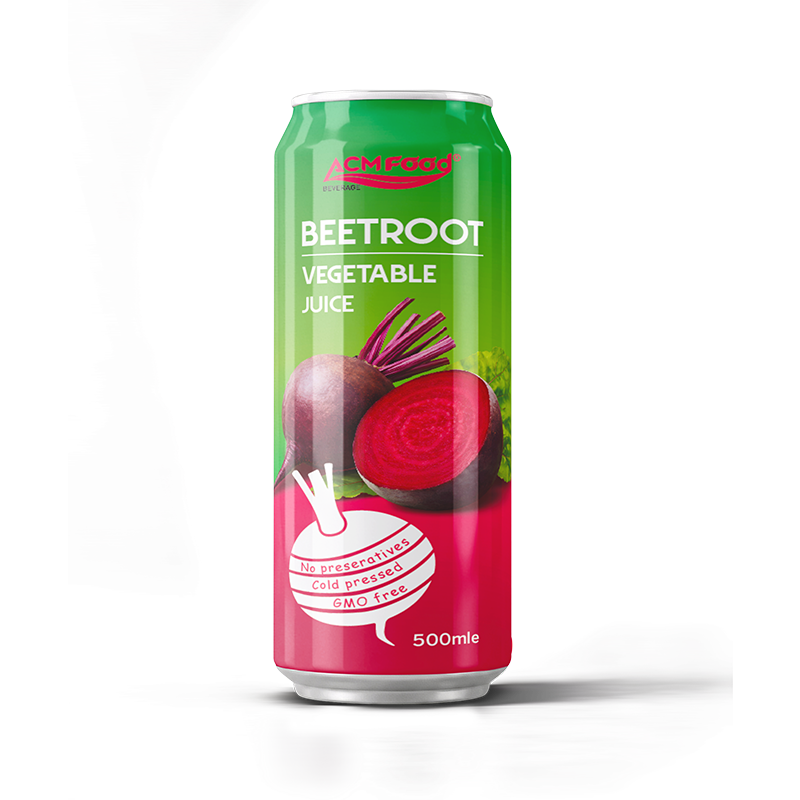
- 100% fruit juice or coconut water, unsweetened
- Fruit juice with pulp or texture, for Asian grocery and food service
- Flavoured or lightly sparkling coconut water
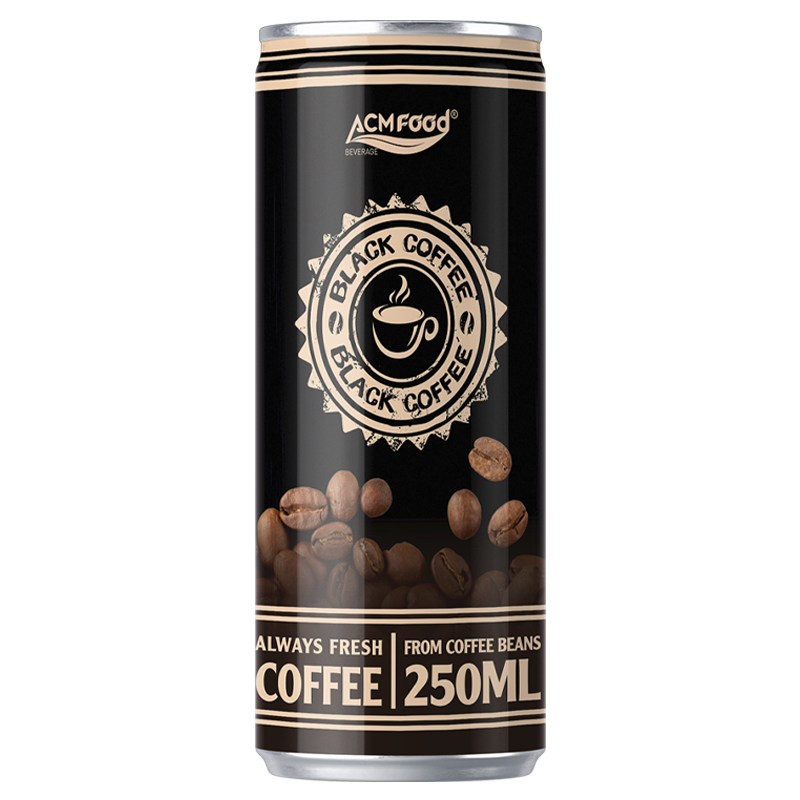
- RTD tea or coffee, still a core Korean category
- Functional or electrolyte drinks with clean-label positioning
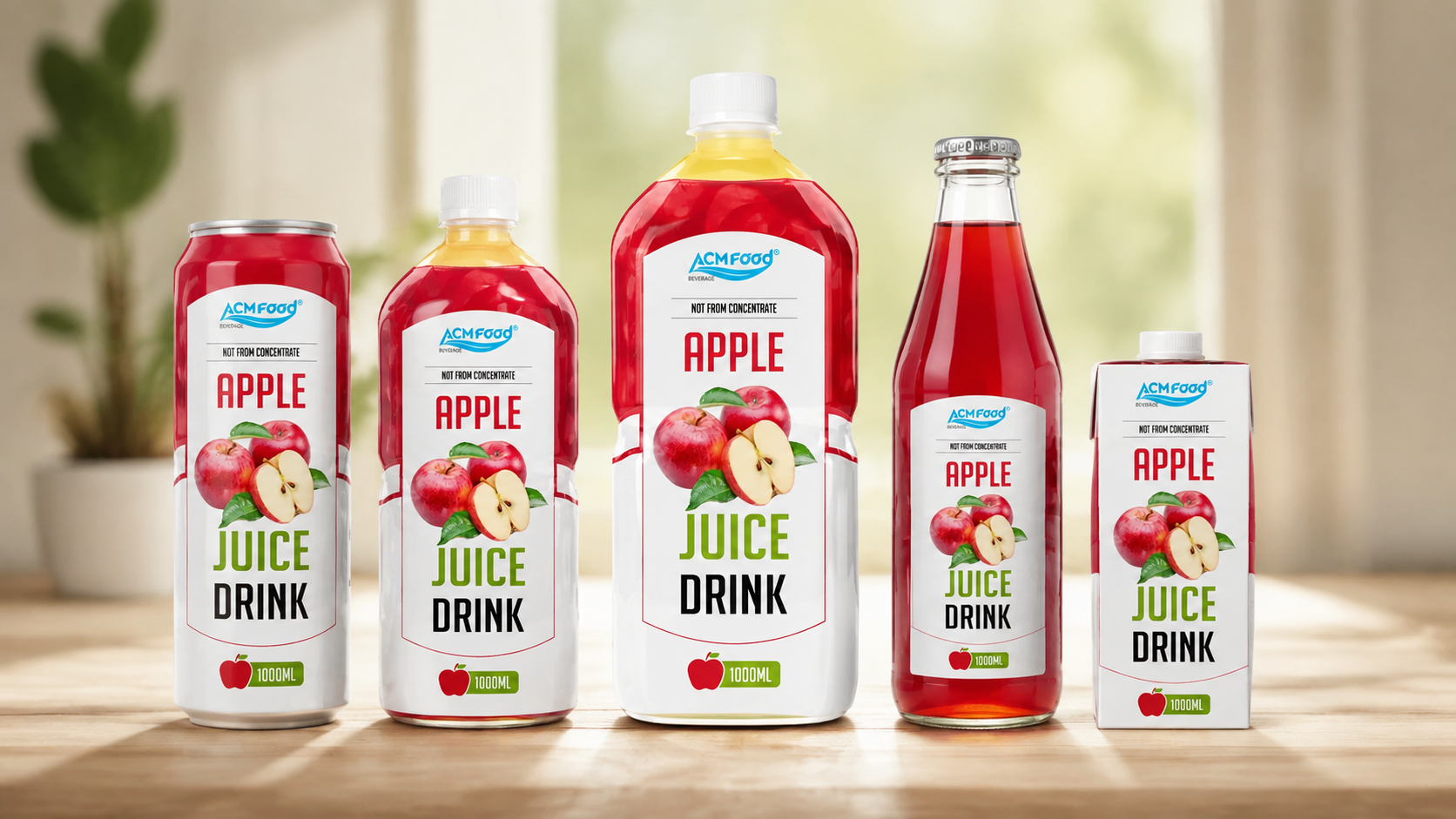
What packaging and label requirements apply?
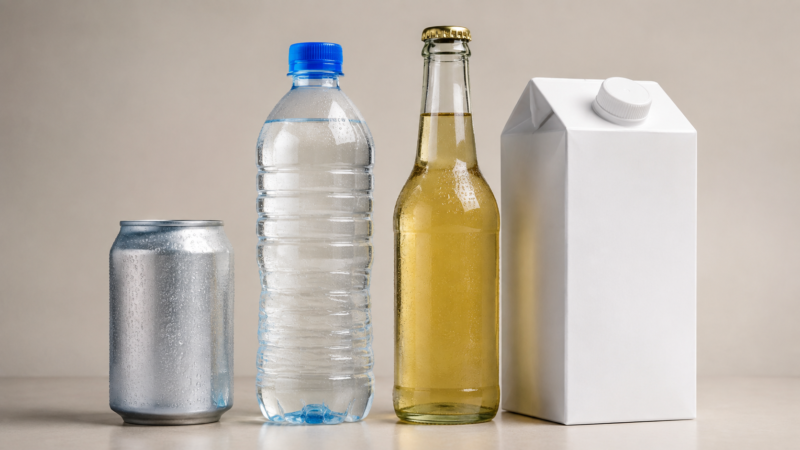
Packaging choice affects both cost and compliance in Korea:
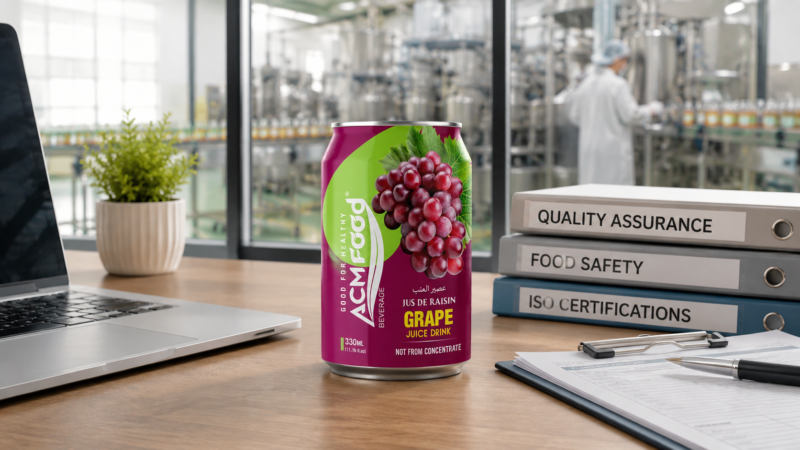
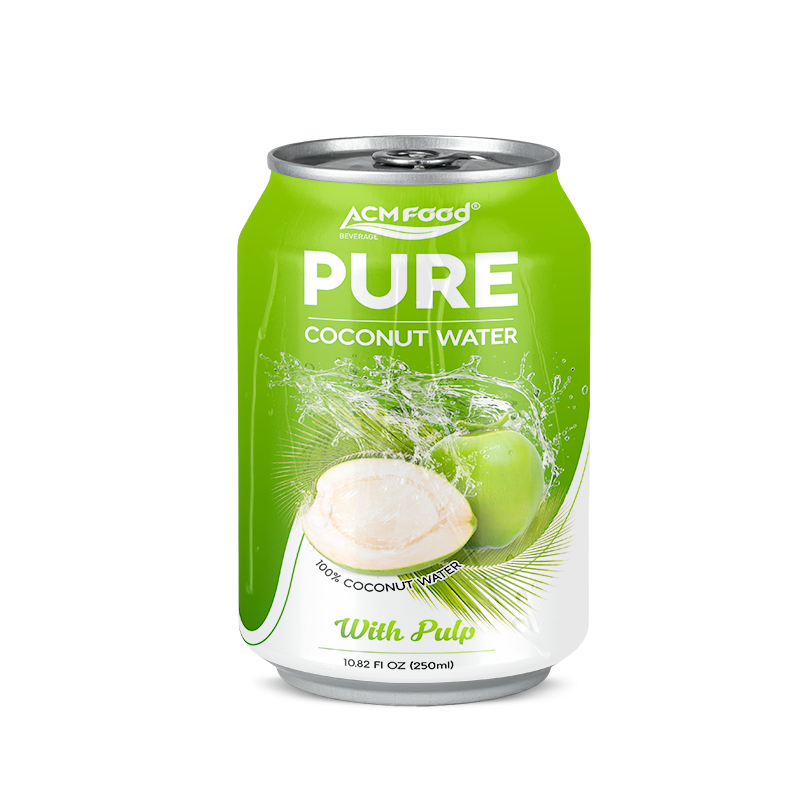
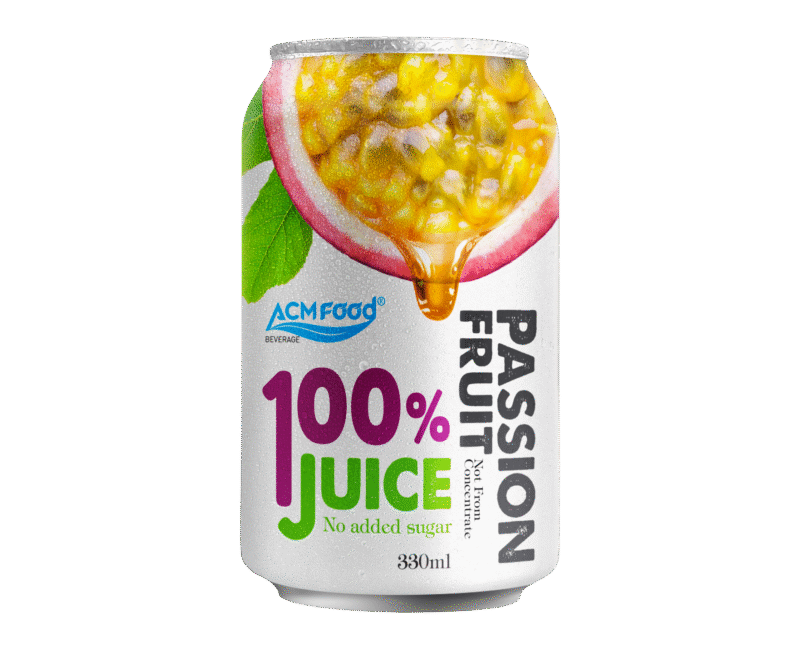
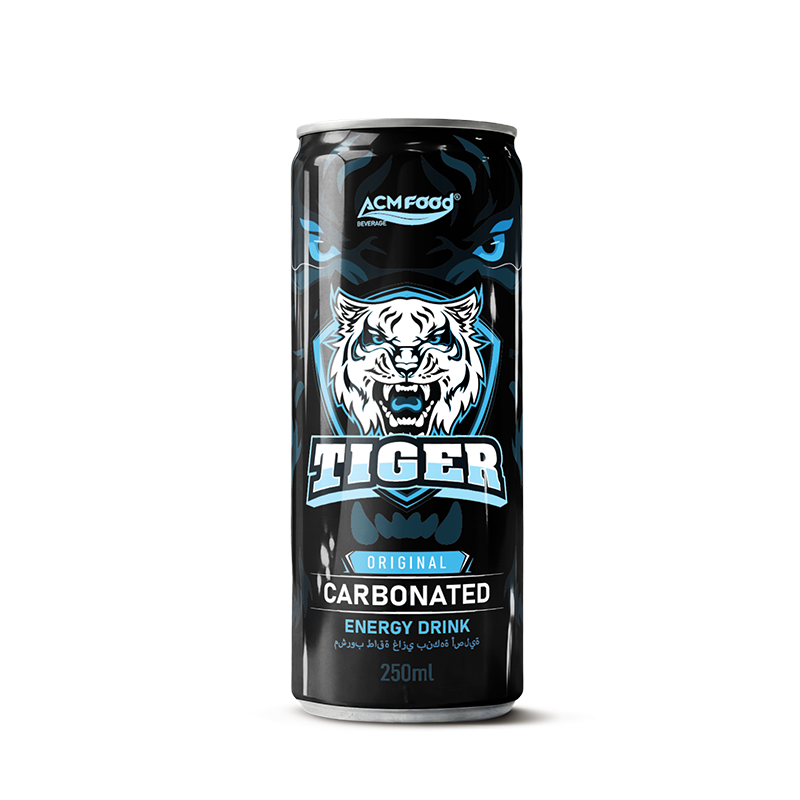
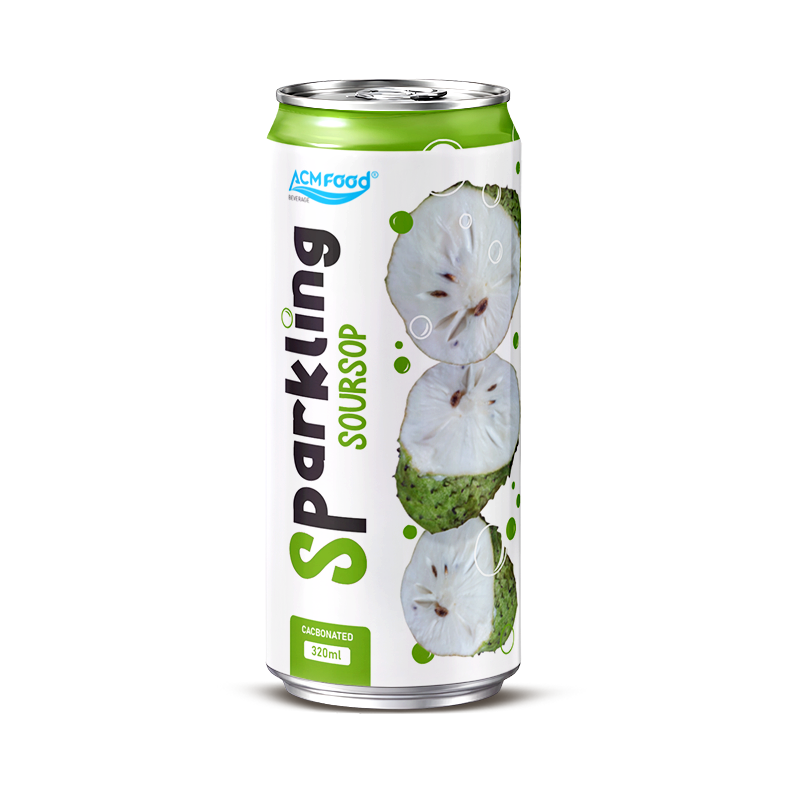
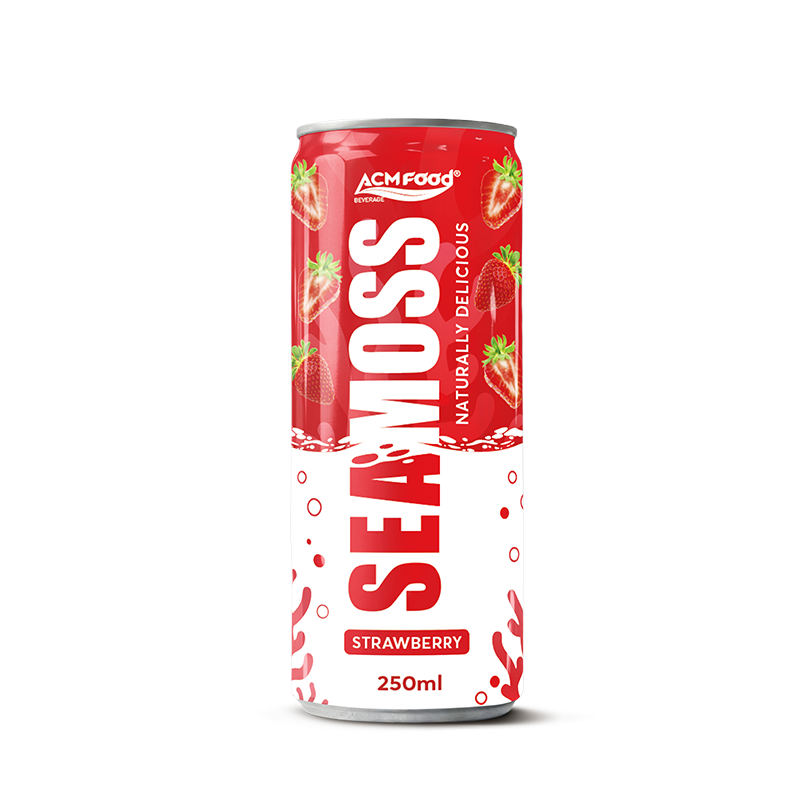
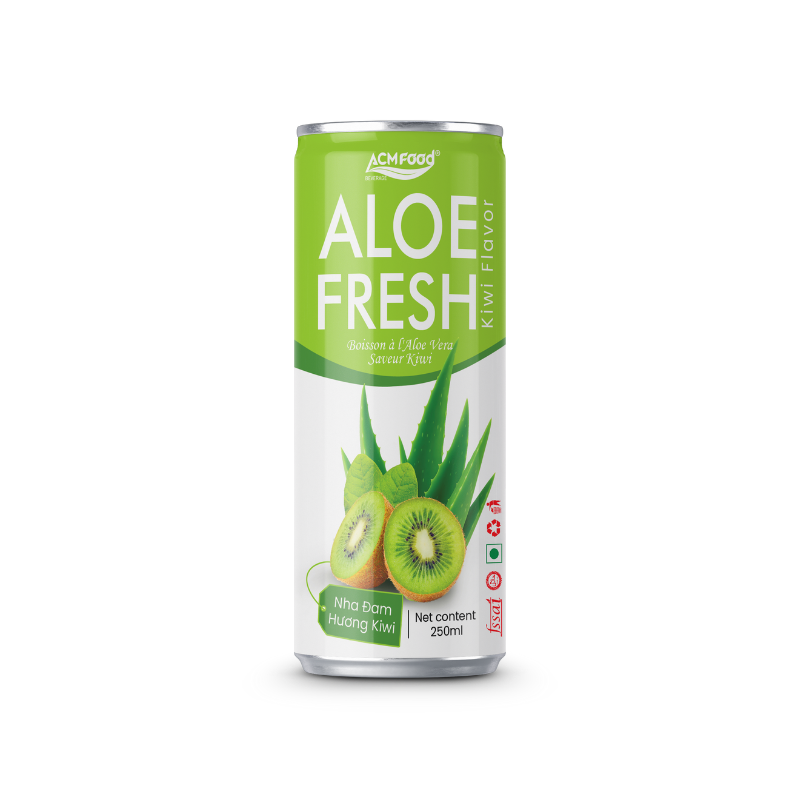
- Aluminium cans — strong recyclability rating under Korea’s Resource Recycling Act, good fit for convenience and RTD coffee/tea channels
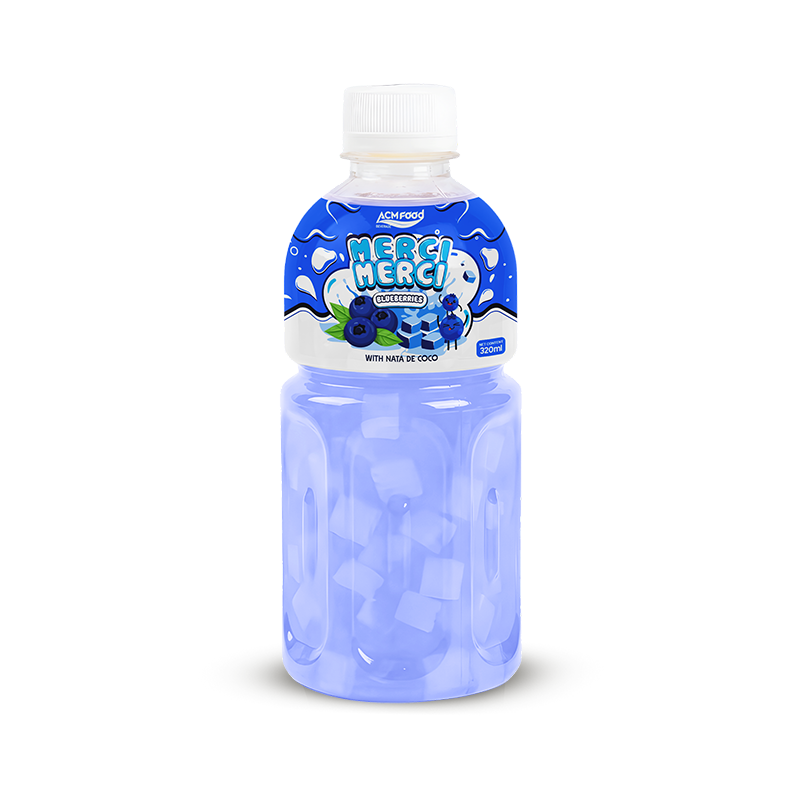
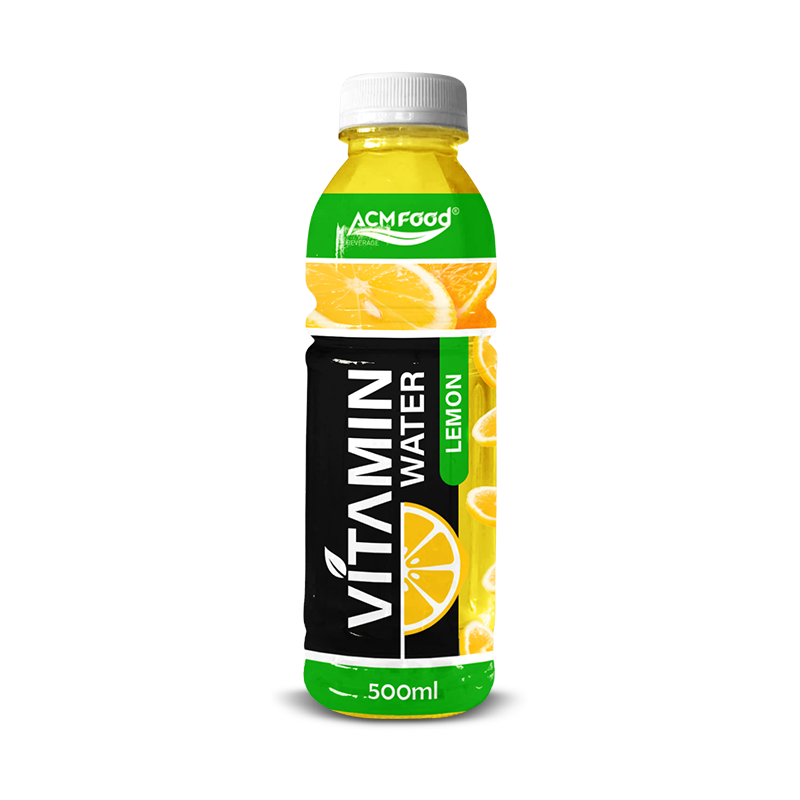
- PET bottles — cost-effective, but subject to the tightest and fastest-changing recyclability and labelling rules; confirm current requirements before locking artwork
- Aseptic cartons — ambient-stable, good for wide distribution outside cold chain
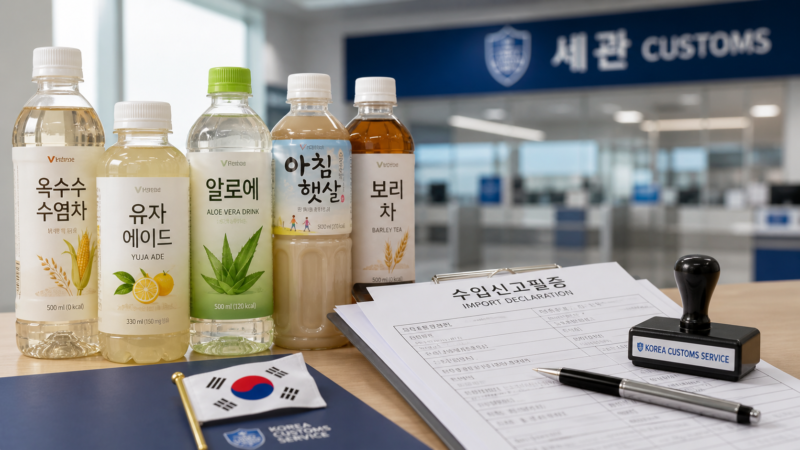
Every label must carry the product name, ingredient list, allergens, Nutrition Facts, caffeine content where relevant, country of origin, and importer details in Korean — English-only artwork is not sufficient for retail sale. See how to import beverages into South Korea for the full MFDS labelling checklist.
What should you look for in a manufacturing partner?
- Experience with private label beverage production and export documentation to Korea
- Foreign manufacturing facility registration readiness for MFDS, or a track record of completing it
- Consistent product quality across production lots, with retained samples and CoAs
- Flexible packaging options matched to your channel (convenience, e-commerce, food service)
- Clear communication in English through the development and shipping process
How ACMFOOD supports Korean private label programmes
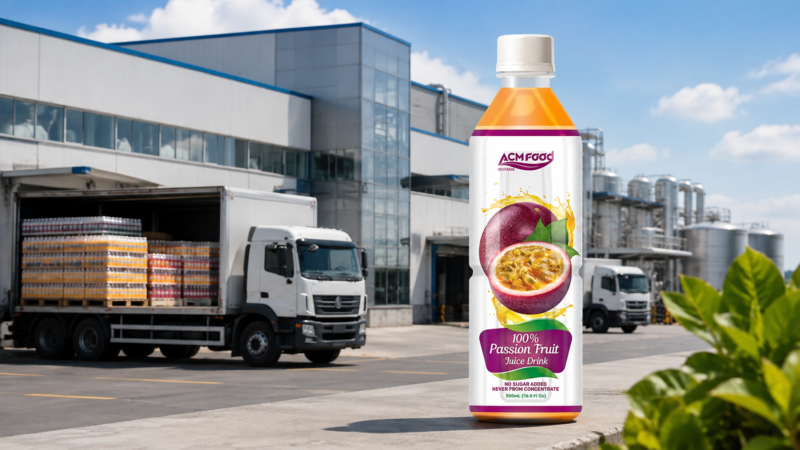
ACMFOOD produces canned and bottled coconut water, fruit juice, and blended beverages in Vietnam for private label and OEM customers, with export documentation, MFDS-ready specification sheets, and shipping to Busan or Incheon. Vietnam-origin beverages also benefit from the Vietnam–Korea Free Trade Agreement (VKFTA), which is phasing out tariffs on most food and beverage lines — a direct cost advantage over origins without a Korea FTA.
Getting started
Share your target format, packaging, estimated annual volume, and launch timeline. A development team can confirm feasibility, propose a base formula or adapted SKU, and outline realistic MOQ and lead time before you commit to samples. See the MOQ guide for Korean buyers for typical minimums by pack format.
FAQ: private label beverages in Korea
How is private label different from OEM in Korea?
Private label uses an existing or lightly adapted formula for faster, lower-cost market entry. OEM/full custom development builds a new recipe to your brief, with a longer timeline but a genuine point of difference. See OEM beverage manufacturing for Korean buyers for the comparison.
Do private label products need MFDS approval like any other import?
Yes. Private label status does not change the regulatory path — every SKU still needs MFDS declaration, compliant Korean labelling, and, in most cases, foreign facility registration before the first shipment.
What packaging works best for a first private label range in Korea?
Aluminium cans are a practical starting point for RTD and convenience channels given their recyclability rating and shelf presence; see beverage packaging options for the Korean market for a full comparison.
Sources
- Ministry of Food and Drug Safety (MFDS) — English
- Vietnam–Korea Free Trade Agreement (VKFTA) overview — WTO Center Vietnam
Manufacturing for Korean brands
If you are sourcing for the Korean market, start with the OEM route for how a specification becomes a shipped container, certifications and food safety systems for the evidence importers and retailers require, and export and logistics for shipping terms and documentation. To price a programme, request a quote.
Request a quote