


 Français
 Español
 العربية
 한국어
한국어The questions worth asking a beverage manufacturer before your first purchase order are the ones whose answers change the order itself: what the quoted price actually includes, who owns the recipe, what the minimum order quantity is driven by, how a failed batch is handled, and which documents will travel with the container. Everything else can usually be settled later.
This is a checklist of those questions, grouped by the stage at which they matter, with a note on what a useful answer looks like. A manufacturer does not have to give the answer you hoped for. It does have to give a specific one, in writing, before you commit to a first production run.

What to have ready before you ask
The quality of the answers depends heavily on the quality of the brief. A manufacturer asked to quote against a product description will hedge; asked to quote against a specification, it can be precise. Before sending the questions, assemble the following:
- A written product description — category, target sensory profile and any reference product both sides can taste.
- Container format and fill volume, or the two or three options you are choosing between.
- Destination markets, since these determine labelling, registration and documentation obligations.
- Indicative annual volume and how you expect it to split across SKUs.
- Any claim you intend to make on the label, so it can be checked against the formula before artwork.
- Your Incoterm preference, so quotations arrive on a comparable basis.
None of these has to be final. Stating them as assumptions is enough, and it moves the first reply from a brochure to something you can evaluate.
Questions about scope and who does what
Start here, because the answers determine which of the later questions even apply. A supplier filling your approved recipe and a supplier developing a product for you are selling different things, and the same word is often used for both.
Are we buying OEM, ODM or private label, and what does that mean here?
These terms are used inconsistently across the industry, so ask the manufacturer to define them in their own operation rather than assuming. The practical question is who supplies the formula, who buys the ingredients and packaging, and who carries the inventory risk. The scope differences are set out under OEM beverage manufacturing and ODM beverage development services.
Who owns the formula, and can it be sold to anyone else?
Ownership and exclusivity are separate questions and both need answering. A factory base recipe adapted for your brand is usually not exclusive by default. If exclusivity matters commercially, it belongs in the agreement with a defined scope — by market, by channel or by time — rather than as a verbal assurance.
Which parts of the process happen in your own facility?
Ask specifically which steps are subcontracted. Filling, sterilisation, labelling and secondary packaging are not always under one roof, and each handover is a point where responsibility for a defect can become unclear. The answer also tells you who you will actually be dealing with when something goes wrong.
Questions about the product and the process
These questions establish whether the manufacturer can make your product specifically, rather than products in general. Vague answers here are the most reliable early warning sign in a supplier evaluation.
Which process route would this product need, and why?
A manufacturer should be able to explain the process it proposes and what that choice costs you in flavour, colour or shelf life. If the recommendation changes when you ask about a different packaging format, that is a good sign the answer is being reasoned rather than recited. Available routes are described under beverage processing technology options.
What is the water source, and how is it treated?
Water is the largest ingredient in almost every beverage and the one buyers ask about least. The relevant answer covers the source, the treatment steps applied and how treated water is monitored — not simply that the water is potable.
What has gone wrong with a product like ours before?
This question does more work than any certificate. A manufacturer with genuine experience in your category will have specific failures to describe — separation, colour drift, a seal problem, a raw material shortage — and will explain what changed afterwards. An answer of nothing ever goes wrong usually means limited experience in that format.

Questions about quantity, cost and timing
Most disputes at first order trace back to an assumption in this group that neither side wrote down. The aim is to understand what drives each figure, so you can tell which ones are negotiable.
What is the minimum order quantity based on?
Ask what sets the floor rather than only what the number is. In most beverage projects the minimum is driven by decorated packaging rather than filling capacity, which means it can sometimes be reduced by changing decoration method rather than by negotiating. Category context is set out in this beverage MOQ guide for buyers.
What is included in the quoted unit price, and what is not?
Get the exclusions explicitly: artwork and plate charges, sample costs, testing, pallets, documentation fees and the Incoterm the price is quoted against. A price without its Incoterm is not a comparable number, and two quotations on different terms can invert once landed cost is calculated.
How long does each stage take, and which stage is most likely to slip?
A total lead time is less useful than a breakdown across development, packaging procurement, production scheduling and shipping. Ask which stage most often runs late in their experience. Packaging procurement and artwork approval are common answers, and both are partly within your control. Sample and timeline expectations are covered in this guide to beverage sample costs and timelines.
What happens to the price if we order half the volume next time?
This tests whether the quotation is tied to a specific run length. Set-up, cleaning and changeover are spread across the batch, so a smaller reorder can carry a materially different unit cost. Knowing the shape of that curve before the first order prevents an unpleasant second one.
Questions about quality, compliance and what happens when it fails
Certificates tell you a system was audited on a particular day. These questions tell you how the system behaves under pressure.
Which certifications do you hold, who issued them and when do they expire?
Ask for the certificate itself, including the issuing body, the scope and the expiry date. Scope matters as much as existence: a certificate can cover one production area or product family and not another. Verify the scope covers the line your product will actually run on.
What is tested on each batch, and what happens when a result is out of specification?
The second half of that question is the important one. A manufacturer should be able to describe how a non-conforming batch is quarantined, who decides on release or rejection, and how the buyer is informed. Absent that process, an out-of-specification result becomes a negotiation rather than a procedure.
How is traceability handled from raw material to finished pallet?
Ask how long it takes to trace a finished lot back to its ingredient batches, and whether that has been tested by a mock recall. The answer should be measured in hours, and it should come from an exercise the manufacturer has actually run.
| Question area | Weak answer | Answer you can work with |
|---|---|---|
| Minimum order quantity | A single number with no explanation | The number, what drives it, and what would change it |
| Certifications | A list of acronyms | Certificates with issuing body, scope and expiry |
| Lead time | One total figure | A stage-by-stage breakdown and the stage most likely to slip |
| Out-of-specification batch | It has not happened | A described quarantine, decision and notification procedure |
| Export documents | We handle everything | A named document list and who issues each one |
Questions about export and delivery
These belong in the first conversation, not the last. Documentation problems surface after the container has sailed, when they are most expensive to fix.
Which documents will travel with the shipment, and who issues each one?
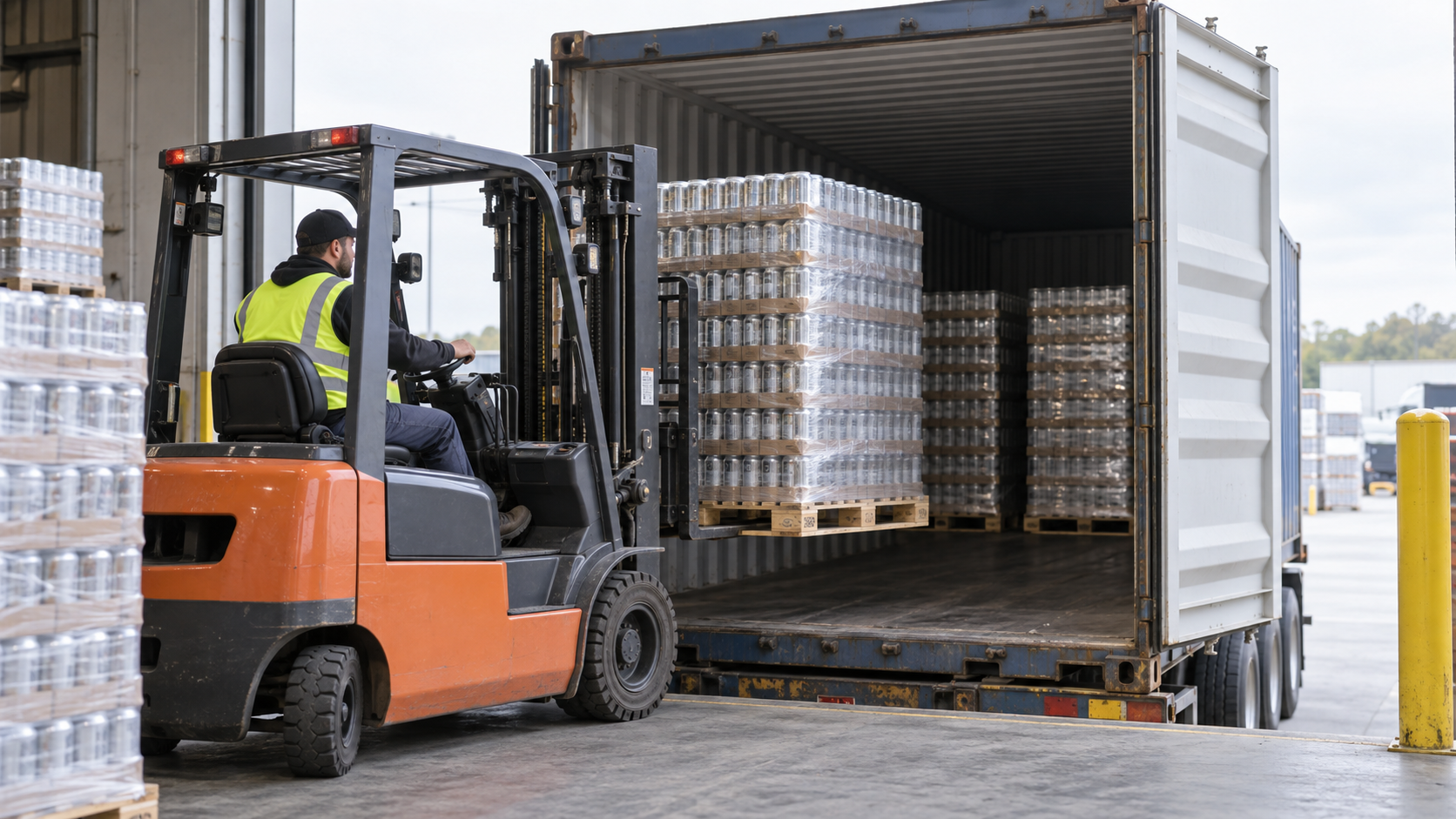
Ask for the list by name and by issuer. Some documents come from the manufacturer, some from a certifying body, some from a government authority with its own lead time. Knowing which is which tells you where a delay would come from and how far in advance it has to be requested. The families to ask about are:
- Commercial documents — invoice, packing list and the sales contract the shipment is made against.
- Transport documents — the bill of lading and any associated booking or forwarding paperwork.
- Product documents — certificate of analysis, specification sheet and batch or lot records.
- Official certificates — health, free sale or origin certificates issued by an authority rather than the factory.
- Market-specific filings — any registration, notification or prior notice the destination requires before arrival.
Confirm which of these the manufacturer prepares, which your freight forwarder handles and which you are expected to obtain yourself. Gaps in that division of labour are a common cause of containers waiting at a port.
Have you shipped this product format to our destination market before?
Experience with the format and the destination together is what matters. A manufacturer that exports widely may still not have shipped your specific pack to your specific market, and the labelling, registration and packaging obligations are market-specific.
How is packaging waste and recyclability documented?
An increasing number of markets require packaging data or impose obligations on the importer. Ask what the manufacturer can document rather than what it can assert, since a recyclability or recycled-content claim printed on a label needs evidence behind it. Material composition, pack weight and any recycled content should be available as records, not as a general statement of intent.
FAQ: evaluating a beverage manufacturer
How many questions is reasonable to ask before a first order?
Ask as many as change your decision. A manufacturer expecting a long-term programme should welcome detailed questions at the evaluation stage, because answering them early is cheaper than resolving the same issues after production. Reluctance to answer specifics is itself information.
Should these questions be asked in writing?
Yes. Written answers create a shared record, remove translation ambiguity and can be attached to the agreement later. Verbal assurances about exclusivity, lead time and inclusions are the ones most often remembered differently by each side.
Is a factory visit necessary before the first purchase order?
Not always, but the alternative should be deliberate rather than accidental. A remote assessment supported by documents, video and third-party audit reports can be sufficient for a first order, particularly for a standard format.
What is the single most useful question on this list?
Asking what has gone wrong before with a similar product. It cannot be answered from a template, it reveals genuine category experience, and the follow-up — what changed afterwards — shows whether the operation learns from problems or absorbs them.
Conclusion
A first purchase order commits money to assumptions. The questions above convert the largest of those assumptions into written statements: what the price includes, what the minimum quantity depends on, who owns the recipe, what happens to a batch that fails and which documents will exist when the container arrives.
Bring the list to the quotation stage rather than the contract stage, and record the answers alongside the specification. ACMFOOD works with importers and brand owners through this evaluation process and can respond to a written question list against a specific product brief.