



 Français
 Español
 العربية
 한국어
한국어Pandan coconut water is coconut water flavoured with pandan, the fragrant leaf of the Pandanus amaryllifolius plant widely used in Southeast Asian cooking. The leaf adds a sweet, grassy, vanilla-like aroma that pairs naturally with the light taste of young coconut, which is why the combination has long appeared in regional drinks and desserts. As a packaged beverage, pandan coconut water is still a niche flavour in most markets, which makes it interesting for brands looking beyond the usual fruit options.
This guide describes what pandan tastes like, how it is used with coconut water, the ways a beverage can carry pandan flavour, and the practical points a brand should check before developing a pandan coconut water. It focuses on flavour and product design rather than health effects, since pandan is used in drinks mainly for its aroma.
What is pandan?
Pandan is a tropical plant whose long, narrow green leaves are used to flavour and colour food and drinks, especially across Southeast and South Asia. Cooks typically tie the leaves in a knot and simmer them in liquid, or blend and strain them to extract a green juice.
In everyday cooking, pandan flavours rice, sticky-rice desserts, custards, cakes, jellies and sweet soups, and it is often combined with coconut milk or coconut water. In Vietnam it is known as lá dứa, in Thailand as bai toey, and in Malaysia and Indonesia as daun pandan. Outside the region, the flavour is becoming more familiar through bakeries, cafés and bubble tea shops.
The plant is sometimes confused with other Pandanus species, including the screwpine fruit, but the culinary leaf used for flavouring is the aromatic pandan. Brands sourcing ingredients should specify the culinary species to avoid confusion.
What does pandan coconut water taste like?
Pandan coconut water tastes like light coconut water with a soft, sweet aroma often described as a mix of vanilla, fresh-cut grass and toasted rice. The pandan note sits mostly in the aroma rather than the taste, so a well-balanced drink smells clearly of pandan while still tasting refreshing and clean.
How strong the pandan comes across depends on how much is used and in what form:
- A subtle level gives a fragrant lift that many drinkers notice only as “extra aroma” on top of the coconut.
- A moderate level makes pandan the headline flavour, with coconut providing the body and natural sweetness.
- A high level can taste grassy or slightly bitter, especially if leaf extracts are not well filtered.
Because pandan is linked with desserts in many Asian markets, consumers there may expect a sweeter drink. In markets where pandan is new, a lighter, less sweet version can feel more like a refreshing coconut water and less like a dessert.
How is pandan traditionally used with coconut?
Pandan and coconut appear together in many Southeast Asian recipes, which is part of why the pairing feels natural. The coconut usually brings richness or sweetness, and pandan adds fragrance.
- Drinks: fresh coconut water or iced drinks are sometimes scented with pandan leaves, and pandan syrup is used in cafés to flavour coconut-based drinks.
- Desserts: pandan custards, layered cakes and jellies often combine pandan juice with coconut milk.
- Sweet soups and puddings: coconut milk desserts are commonly simmered with a knotted pandan leaf for aroma.
- Rice dishes: rice cooked in coconut milk is frequently flavoured with pandan.
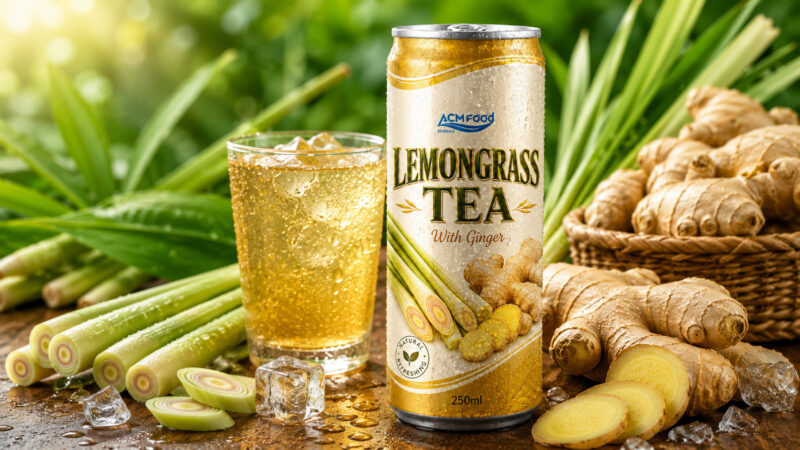
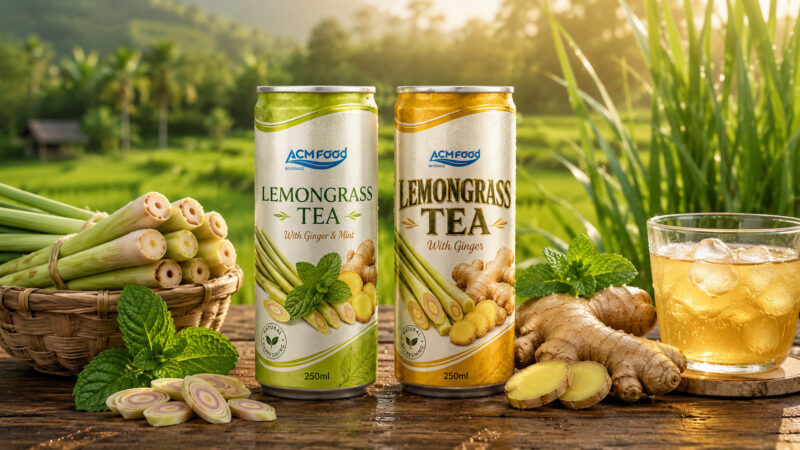
Pandan is often used alongside other aromatic plants such as lemongrass. For a related example of how a traditional aromatic plant becomes a modern beverage, see our article on lemongrass tea and its growth in wellness beverages.
Ways to add pandan flavour to a coconut water drink
A packaged pandan coconut water can carry its flavour in several ways, and each choice affects taste, colour, cost, stability and labelling. The table below compares the main options in general terms.
| Pandan source | Flavour character | Colour effect | Points to consider |
|---|---|---|---|
| Fresh leaf extract or juice | Most authentic, green and fragrant | Natural green tint that may fade over shelf life | Supply consistency, filtration, microbial control |
| Concentrated leaf extract | Strong, consistent aroma | Depends on extract type | Dosage control; check how it is declared on labels |
| Natural pandan flavour | Clean, stable aroma | Little or no colour | Easier to standardise; label wording varies by market |
| Pandan with added colour | As above, with a visible green appearance | Bright, stable green | Colour additives must be permitted and declared in the target market |
Many products combine approaches, for example a small amount of leaf extract for authenticity with a natural flavour to keep aroma consistent. Whichever route is chosen, the ingredient list must describe the components accurately.
Product ideas for pandan coconut water
Pandan works with several product formats, which gives brands room to position the flavour for different audiences.
- Classic pandan coconut water: a still, lightly sweet drink that lets pandan aroma sit on top of a coconut water base. Suited to consumers who already know the flavour.
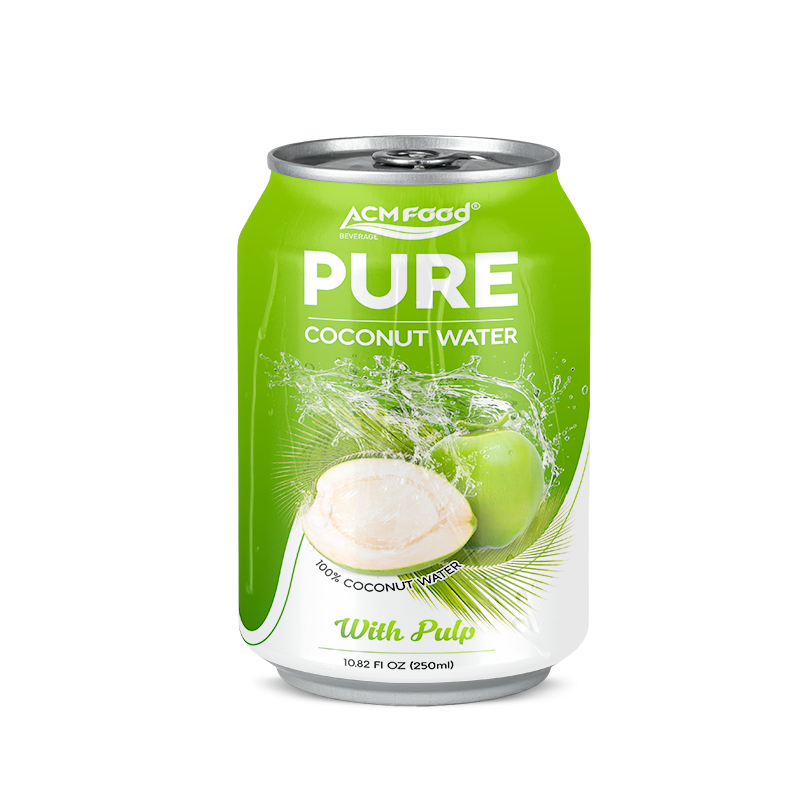
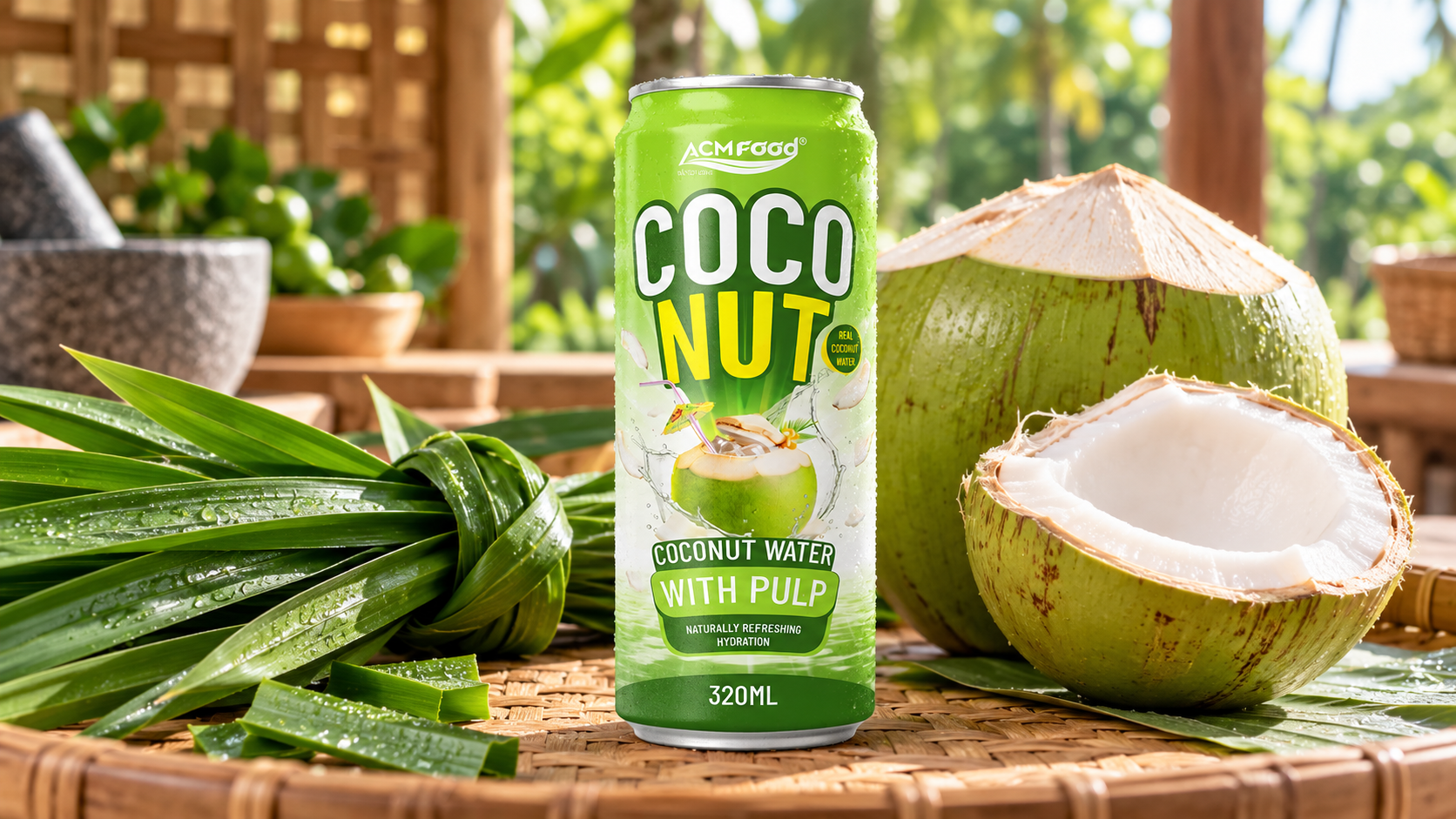
- Pandan coconut water with pulp: soft coconut pieces add texture and echo traditional coconut desserts.
- Low or no added sugar version: relies on the natural sweetness of coconut water and the perceived sweetness of pandan aroma, appealing to shoppers who read labels.
- Sparkling pandan coconut water: carbonation lightens the drink and gives it a modern, café-style feel.
- Pandan blends: pairings such as pandan with coconut and a light tea, or pandan with lime, can create distinctive limited editions.
Each idea needs its own development work. A pandan flavour that tastes balanced in a still drink may need adjusting once carbonation, pulp or a different sweetness level is added.
How does pandan compare with other coconut water flavours?
Pandan stands apart from the fruit flavours that dominate flavoured coconut water. Fruit flavours such as pineapple, mango or lychee add sweetness, acidity and a recognisable fruit taste. Pandan adds very little sweetness or acidity of its own; its contribution is almost entirely aromatic. That difference shapes how the drink feels.
- Compared with fruit flavours, pandan keeps the drink closer to plain coconut water in taste, so it suits consumers who want something distinctive without a juice-like profile.
- Compared with matcha or coffee flavours, pandan has no bitterness and no caffeine, which makes it easier to drink at any time of day.
- Compared with floral flavours such as lotus, pandan has a warmer, more vanilla-like character that many people associate with desserts and bakery treats.
Because the flavour is aromatic, it is also more sensitive to processing and storage than many fruit flavours. A pandan drink that smells strong on the production day can taste noticeably softer several months later, which is why stability testing matters so much for this flavour.
Serving and pairing ideas
Pandan coconut water is best served well chilled, either straight or over ice. In cafés it can be used as a base for iced drinks, layered with coconut jelly or basil seeds, or blended with crushed ice for a frozen treat. It pairs well with foods that already share its flavour family, such as coconut desserts, sticky rice, banana snacks and lightly sweet pastries, and it can soften spicy dishes when served alongside a meal.
What should brands check before launching pandan coconut water?
Brands should confirm flavour acceptance, ingredient stability and labelling rules in their target market before committing to a pandan coconut water. Pandan is familiar in Southeast Asia but new to many shoppers elsewhere, so a successful launch depends as much on positioning as on recipe.
Key points for the product brief:
- Target consumer: decide whether the drink is aimed at people who know pandan from Asian cuisine or at newcomers, since this shapes intensity and sweetness.
- Flavour intensity: test several pandan levels with your target consumers rather than relying on internal taste alone.
- Colour expectation: some markets associate pandan with bright green; others prefer a natural, pale look. Decide early, because colour choices affect labelling.
- Stability over shelf life: pandan aroma and natural green colour can fade with heat, light and time, so samples should be checked at intervals during storage, not only at production.
- Ingredient approval: confirm that the chosen pandan extract or flavour is permitted in each destination market and how it must be named on the label.
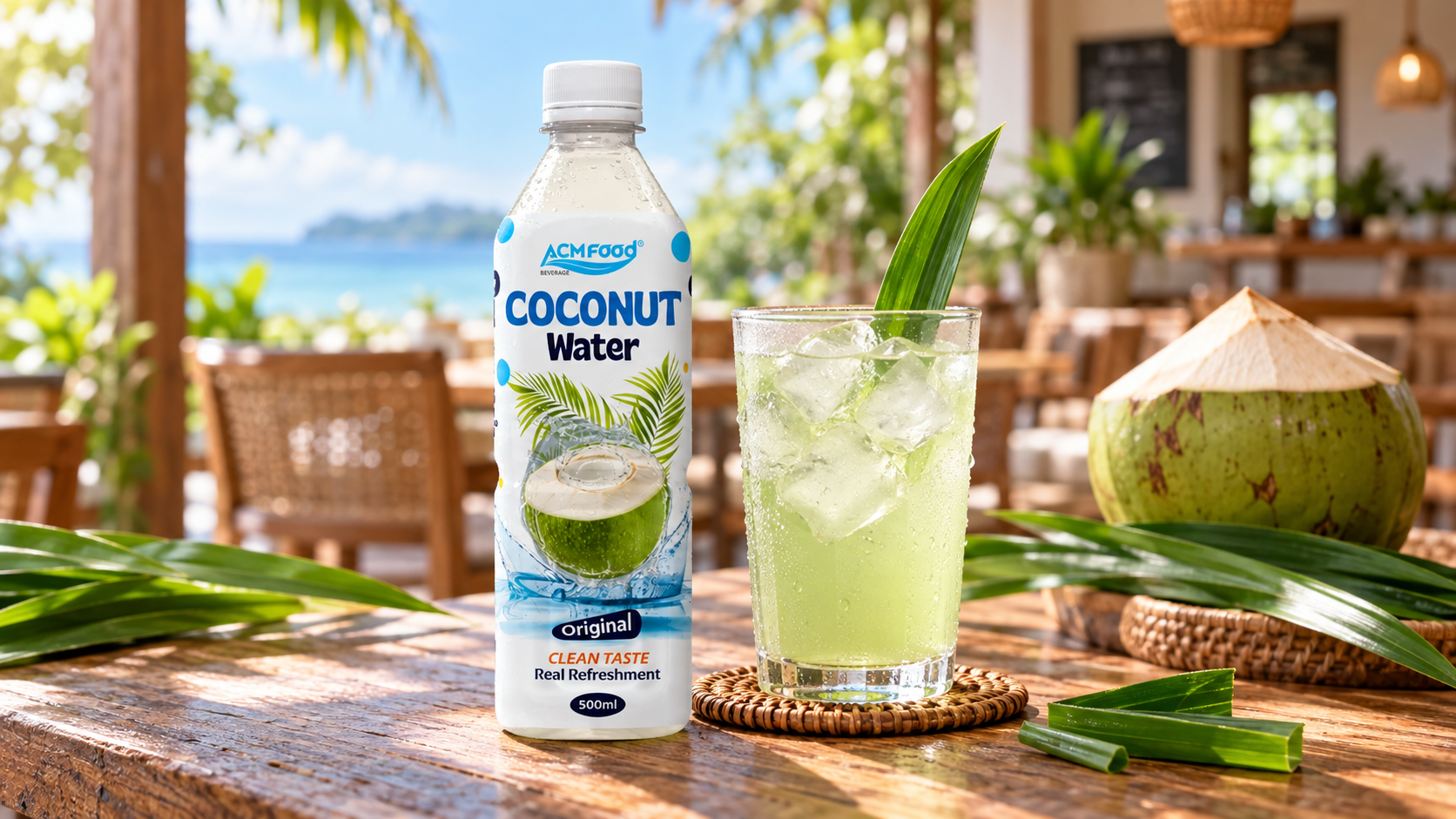
- Packaging: cans protect against light, which helps preserve aroma and colour; clear bottles show colour but expose the drink to light.
- Name and description: explain pandan briefly on the pack for markets where the word is unfamiliar, without making health claims.
Positioning pandan in new markets
Where pandan is unfamiliar, shoppers respond better to descriptions of flavour than to the ingredient name alone. Phrases such as “sweet, vanilla-like aroma” or “Southeast Asian leaf with a fragrant note” help people understand what to expect. Sampling in stores or cafés can also reduce hesitation, since the aroma is easier to appreciate in person than to describe. For Asian diaspora communities, by contrast, the word pandan itself is a strong signal of familiarity and can lead the pack design.
ACMFOOD develops flavoured coconut water for brand owners and importers. Pandan is not currently part of its standard range, so a pandan coconut water would be handled as a custom development project, with recipe, flavour source, packaging and labelling agreed and tested with the client.
FAQ about pandan coconut water
Is pandan coconut water naturally green?
Fresh pandan juice can give a light green tint, but the colour often fades during processing and storage. Products with a bright, stable green colour usually contain added colouring, which should appear on the ingredient list.
Does pandan coconut water contain caffeine?
Pandan leaf is not a typical source of caffeine. A pandan coconut water would only contain caffeine if another ingredient, such as tea or coffee, were added, which would be shown on the label.
Is pandan the same as pineapple?
No. In Vietnamese, pandan leaf is called lá dứa, which can be confused with dứa, the word for pineapple. Pandan is an aromatic leaf, not a fruit.
Can pandan coconut water be made without added sugar?
Yes, it can be formulated using only the natural sugars in coconut water. Pandan aroma can make the drink seem sweeter than it is, which helps when reducing sugar.
Can I make pandan coconut water at home?
Yes. Simmer a few knotted pandan leaves briefly in a little water, let it cool, strain it and stir it into chilled coconut water to taste. Homemade versions should be kept in the refrigerator and drunk within a day.
Conclusion
Pandan coconut water combines the fragrant, vanilla-like aroma of pandan leaf with the light sweetness of coconut water, a pairing rooted in Southeast Asian cooking. For consumers it offers a distinctive alternative to fruit flavours; for brands it is an opportunity that requires careful choices about flavour intensity, colour, stability and labelling, especially in markets where pandan is still unfamiliar.
If you are considering a pandan coconut water or another custom coconut water flavour, ACMFOOD can review your concept, discuss flavour sources and packaging, and prepare development samples for evaluation.