


 Français
 Español
 العربية
 한국어
한국어Chia seed drink manufacturing and basil seed drink manufacturing share the same core production challenge: keeping visible seeds evenly suspended in the liquid from filling through to the last sip, without the seeds settling, clumping, or blocking the filling line. Both chia and basil (also called sabja or falooda) seeds swell and form a gel layer around each seed once hydrated, which is what creates the familiar bubble-like texture but also what makes handling them at production scale different from a clear or pulp-free beverage.
This guide covers how seed hydration is controlled before filling, what filling equipment needs to handle a seed-inclusion beverage, and the practical differences between working with chia and basil seed as an ingredient.
Where chia and basil seed drinks fit in the RTD category
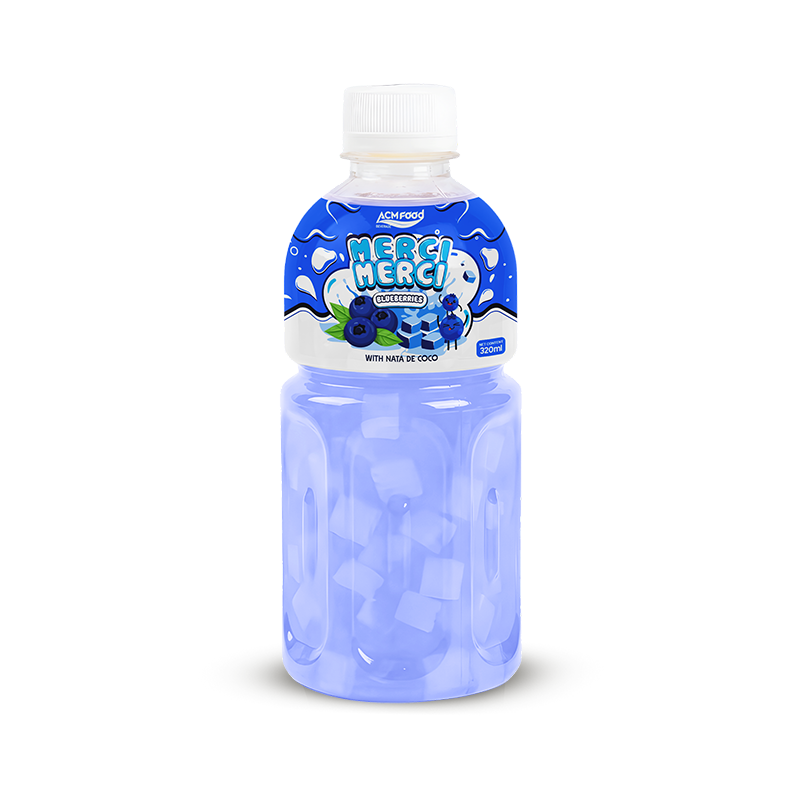
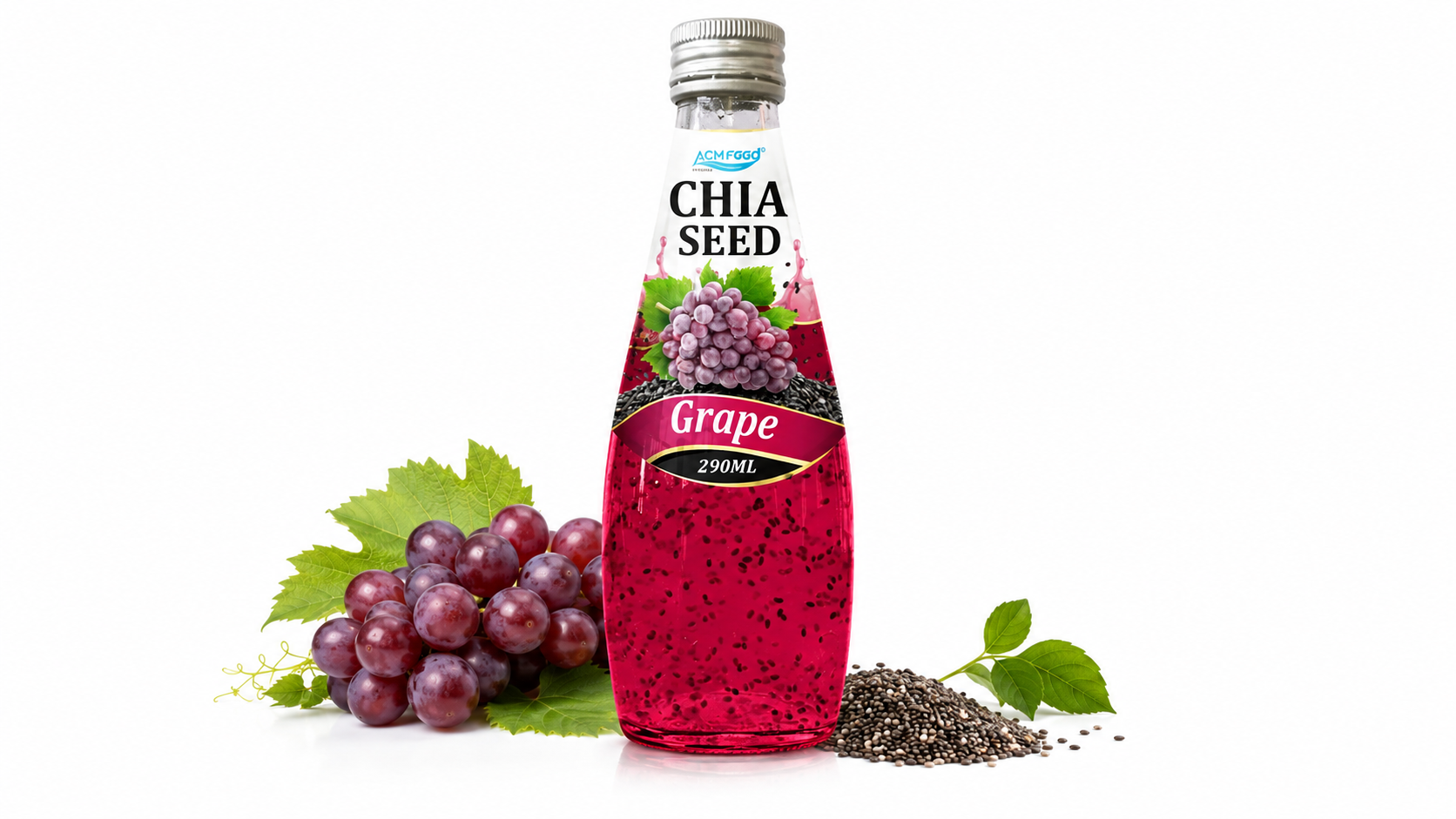
Seed-inclusion drinks sit alongside other beverages built around a visible textural element, such as nata de coco or popping-style inclusions, in that the finished product’s appeal depends on the inclusion staying intact, suspended, and visually appealing all the way to the point of consumption. Chia and basil seed drinks have a long history in Southeast and South Asian markets, particularly in falooda-style drinks and traditional herbal beverages, and have more recently found a wider audience through RTD formats positioned around functional or textural novelty.
How are chia and basil seeds prepared before they go into a drink?
Both seeds are hydrated in a controlled step before blending into the base beverage, rather than added dry, because uncontrolled hydration later in the process leads to inconsistent seed size and texture from batch to batch. Hydration time, water temperature, and seed-to-water ratio are set to reach a target swollen seed size before the seeds are combined with the flavored base.
- Chia seed: Forms a thicker, more mucilaginous gel layer around each seed; hydration ratio and time affect how much the seed swells and how thick the surrounding gel becomes.
- Basil seed (sabja): Swells into a larger, more translucent gel coating relative to seed size, and is commonly associated with falooda-style and Southeast Asian RTD drinks.
Typical flavor pairings for chia and basil seed drinks
Both seeds are largely neutral in flavor once hydrated, which is part of why they pair easily with a wide range of fruit and floral flavors without competing for attention on the palate. Citrus, mango, lychee, and rose or jasmine-style floral notes are common pairings in commercial and traditional formulations, though the choice ultimately depends on the target market and the brand’s existing flavor range.
Sweetness level also interacts with how the seed inclusion is perceived: a lower-sweetness base tends to let the seed’s mild texture read more clearly, while a sweeter base can make the inclusion feel more like a secondary novelty element within a bolder flavor profile.
What keeps seeds suspended instead of settling at the bottom of the pack?
Suspension is managed through a combination of base viscosity and, in some formulations, a stabilizer or hydrocolloid system, since seed density and gel-layer thickness determine how easily a seed will settle in a low-viscosity base. A base that is too thin allows visible settling before the product reaches the consumer; a base that is too viscous can create filling and mouthfeel problems of its own.
Getting suspension right usually takes iteration on both seed hydration (target gel-layer thickness) and base formulation together, rather than treating them as separate variables.
How much seed is typically used in a finished drink?
The proportion of hydrated seed to base liquid is set during formulation and directly affects both texture and how quickly seeds are visible when the pack is picked up off the shelf. A lower seed ratio gives a lighter, more occasional textural note, while a higher ratio makes the inclusion the dominant sensory feature of the drink; the right balance depends on how the product is positioned rather than a single industry-standard ratio.
How does seed inclusion affect the filling line?
| Filling consideration | Why seed inclusion changes it |
|---|---|
| Nozzle and valve clearance | Swollen seeds need enough clearance to avoid clogging or shearing during fill |
| Fill accuracy | A non-uniform mix of liquid and seed can make volumetric fill less consistent than a clear beverage |
| Agitation before filling | Continuous gentle agitation is typically needed to prevent seeds settling in the buffer tank before fill |
| Pasteurization approach | Heat treatment needs to preserve seed texture and gel integrity, not just microbial safety |
Sourcing and grading chia and basil seeds for beverage use
Seed size and cleanliness vary meaningfully between suppliers, and both affect how a seed performs once hydrated. A supplier that grades seeds for uniform size makes it easier to hit a consistent hydration outcome batch after batch, while mixed-size lots can produce a wider spread of gel-layer thickness within the same batch, which shows up as visible inconsistency in the finished drink.
Food-safety documentation for the raw seed, including any relevant microbiological testing and allergen screening, should be requested and reviewed as part of supplier qualification, the same way it would be for any other raw ingredient entering an RTD formulation.
Shelf-life and stability considerations specific to seed inclusion
Stability testing for a seed-inclusion drink needs to track more than microbial safety and flavor: it should also monitor whether seeds remain suspended, whether the gel layer holds its texture, and whether any seed discoloration develops over the intended shelf life. A product that passes a standard microbiological and flavor stability check can still fail commercially if seeds visibly settle or the gel layer breaks down before the printed shelf-life date.
Packaging format considerations for seed-inclusion drinks
Pack format affects how visible and appealing the seed suspension looks to the end consumer, which is part of why many chia and basil seed drinks use a clear PET or glass bottle rather than an opaque can or carton. Closure and neck design also need enough opening diameter that seeds do not concentrate at the neck or cap during pouring.
Common quality issues in chia and basil seed drink production
- Seed settling: Usually traced to base viscosity being too low for the seed’s gel-layer density, rather than a filling-line issue.
- Inconsistent seed size batch to batch: Points back to hydration time or water temperature control before blending.
- Clogged filling nozzles: A sign that nozzle clearance was specified for a clear beverage rather than a seed-inclusion product.
- Gel layer breaking down during pasteurization: Heat treatment parameters may need adjustment to protect seed texture, not only to hit a microbial safety target.
Storage and handling of raw seed before production
Dry chia and basil seed should be stored in a cool, dry environment away from moisture, since premature hydration in storage leads to clumping and makes accurate batching difficult once the seed reaches the production floor. Rotating stock on a first-in, first-out basis and confirming supplier-stated shelf life for the raw seed are standard practices that reduce the risk of an inconsistent hydration outcome traced back to aged or improperly stored ingredient rather than the production process itself.
Chia seed vs basil seed: what changes in your product brief
The two ingredients are often discussed together because they behave similarly in a beverage, but they are not interchangeable without adjusting your formulation. See background on basil seed as an ingredient for how it is typically positioned, and confirm sourcing and seed-size specification early, since gel-layer thickness and seed size both vary by source and directly affect suspension and mouthfeel.
Ingredient sourcing and specification for either seed should be confirmed as part of your ingredients and sourcing discussion with your manufacturing partner before formulation is finalized, since seed quality varies meaningfully by supplier.
How ACMFOOD has approached chia seed drink development
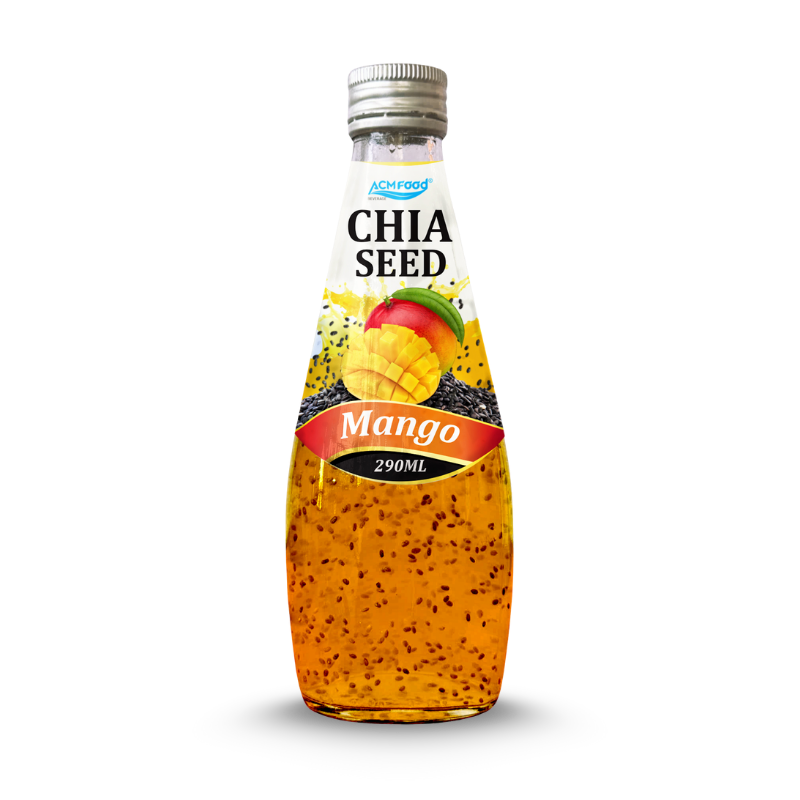
ACMFOOD has developed ready-to-drink chia seed beverages in flavors such as mango and orange, which illustrate how seed suspension and fruit flavor can be balanced in a commercial RTD format. Reviewing an existing product such as the 290ml chia seed drink with mango flavor or the chia seed drink with orange flavor can be a useful reference point when briefing a new flavor or format, though any private label formulation is developed and specified separately for each brand.
Pilot trial expectations for a new seed-inclusion formulation
A pilot trial for a seed-inclusion drink typically runs longer than a comparable trial for a clear beverage, because suspension and gel-layer behavior need to be observed over time rather than confirmed at a single point of fill. Expect the trial to include a short-term shelf simulation, not just an initial taste and appearance check, so that settling or gel breakdown that only appears after several days is caught before commercial-scale production begins.
Bring or request retained bench samples from earlier hydration trials so the pilot-scale result can be compared directly against what was approved on a smaller scale, since seed behavior can shift slightly once produced at a larger batch size.
Information for brands developing a seed-inclusion beverage
- Share your target seed visibility and mouthfeel (how much seed suspension is desired) rather than only a flavor direction.
- Confirm whether you want chia, basil seed, or a blend, since sourcing and hydration parameters differ.
- Flag your preferred pack format early, since bottle neck diameter and clarity affect both filling and shelf appeal.
- Expect a pilot trial specifically to confirm suspension stability over your intended shelf life, not only flavor.
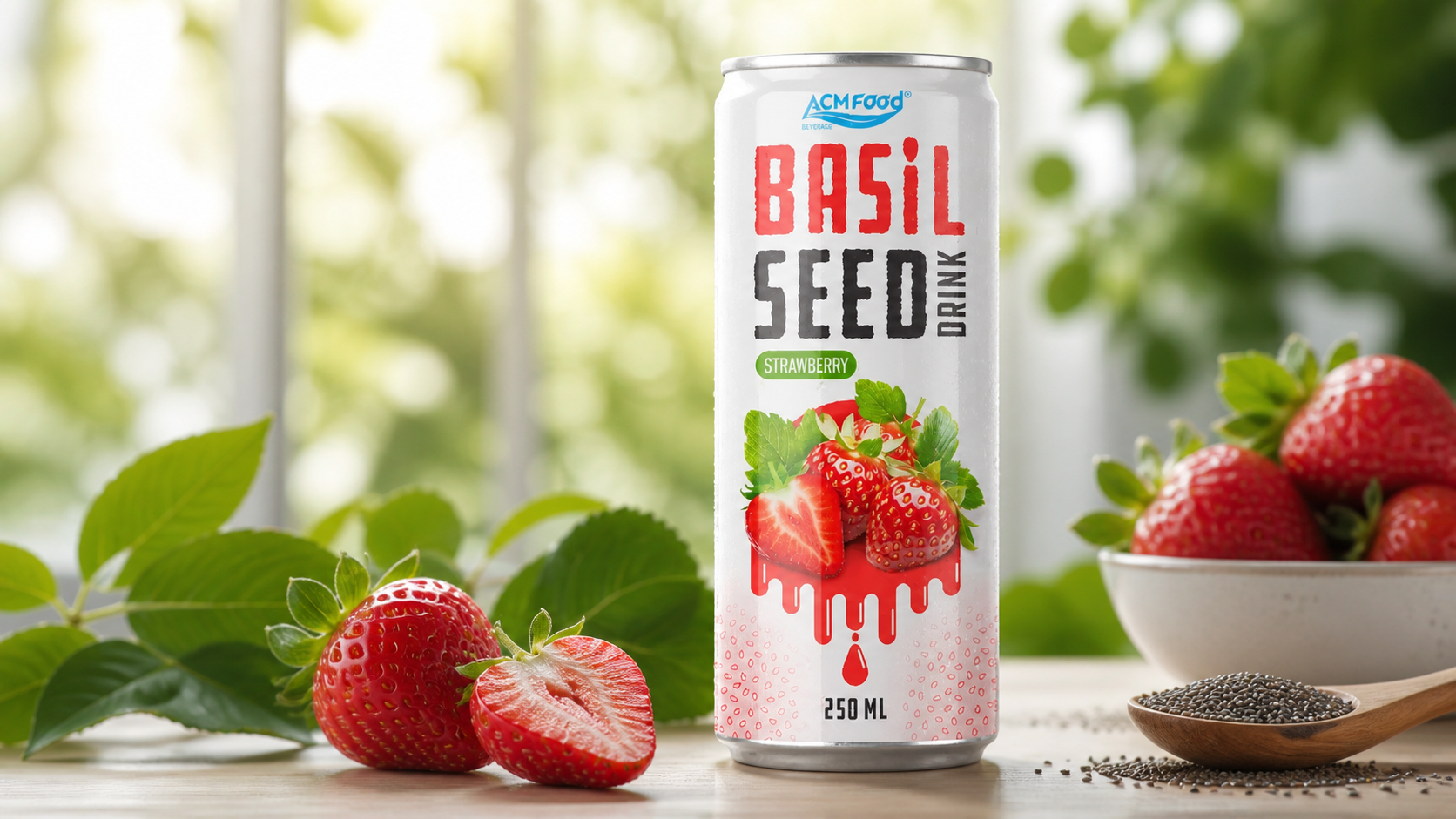
FAQ: chia and basil seed drink manufacturing
Do chia seeds and basil seeds need different processing?
Broadly similar in principle, but hydration ratio, time, and target gel-layer thickness differ between the two seeds, so formulation and process parameters are set separately for each.
Why do the seeds settle in some bottled drinks and not others?
This usually comes down to base viscosity relative to the seed’s gel-layer density. A formulation matched to the seed’s settling behavior keeps seeds suspended more evenly than one where viscosity was set without accounting for the seed inclusion.
Can chia or basil seed drinks be produced on a standard RTD filling line?
Often yes, with adjustments to nozzle clearance and pre-fill agitation, but this should be confirmed with your manufacturer rather than assumed, since not every filling line is set up to handle a seed-inclusion product without modification.
What packaging format works best for a seed-inclusion drink?
Clear PET or glass bottles are common because they let the seed suspension remain visible to the consumer, and a wider neck opening reduces the chance of seeds concentrating at the pour point.
Conclusion
Chia and basil seed drink manufacturing depends on controlling seed hydration and suspension together with filling-line setup, rather than treating seed inclusion as a minor variation on a standard RTD process. Confirm your target seed visibility, choose a pack format that supports it, and build a suspension-stability trial into your development timeline before scaling to commercial production.