


 Français
 Español
 العربية
 한국어
A lemon drink private label project is the development of a lemon or lime beverage by a manufacturer for sale under the buyer’s own brand. Lemon and lime appear across almost every drink category: still lemonade, sparkling lemon, lemon tea, aloe and vitamin drinks. Each style uses citrus differently, and each brings the same set of technical questions about juice content, bitterness, cloud and stability.
This guide explains those questions in practical terms: how much juice to use, why peel oil and limonin cause bitterness, how cloud is kept stable, how acid balance is set, and why light can create off-flavours in clear PET bottles. It reflects lemon and lime SKUs produced at ACMFOOD across still, sparkling, aloe, vitamin and tea lines, and is written for brand owners and importers planning a citrus range.
Which lemon and lime drink styles can be made under private label?
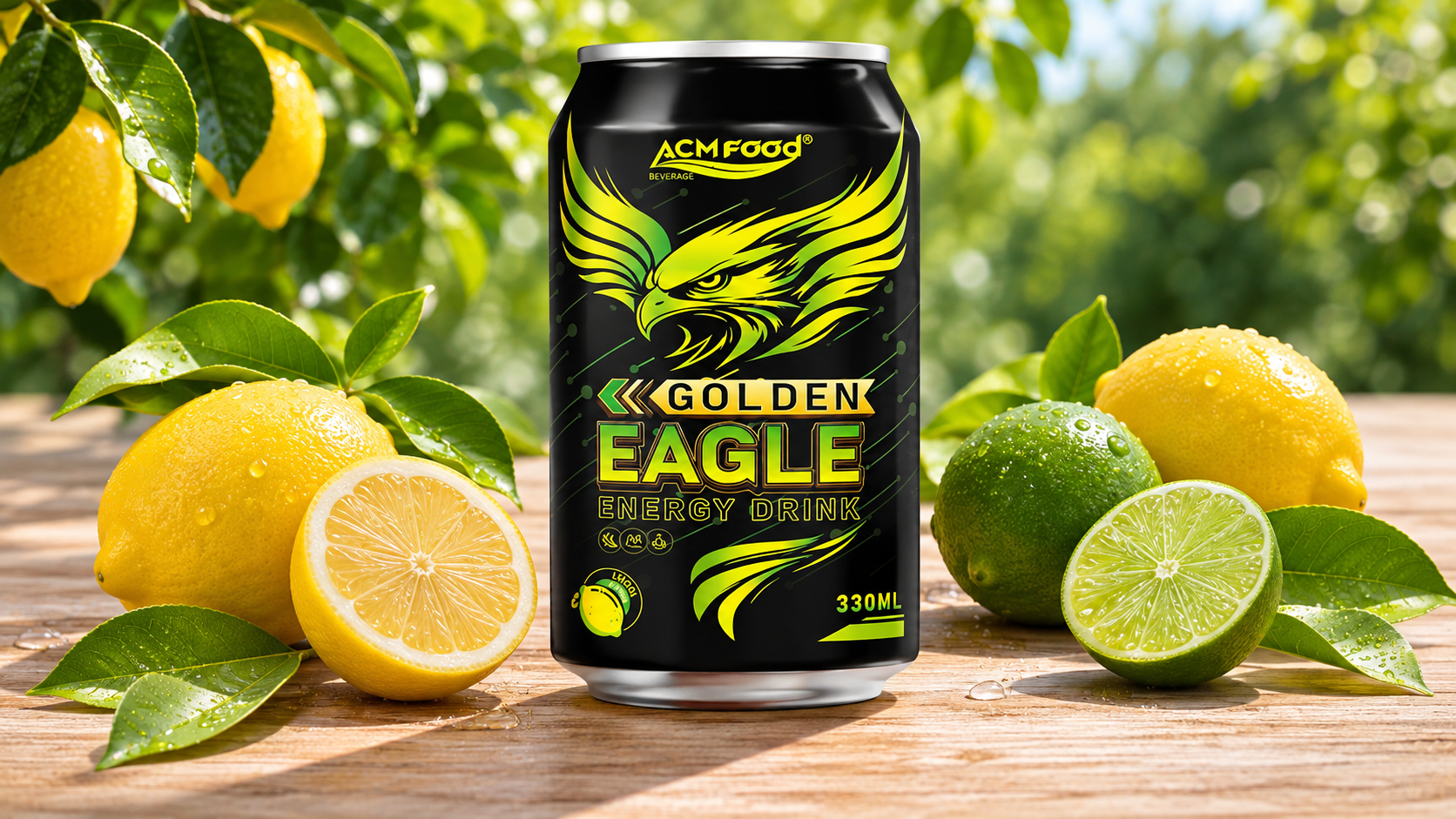
Lemon and lime can be produced as still lemonade, sparkling lemon or lime drinks, lemon iced tea, and as flavours within aloe, vitamin and other functional drinks. The style decides juice content, sweetness, carbonation and pack, so a buyer usually chooses the style first and then refines the citrus profile within it.
| Style | Typical profile | Pack fit | Main technical focus |
|---|---|---|---|
| Still lemonade | Sweet-sour, cloudy or clear | PET, glass, cans | Cloud stability, acid balance |
| Sparkling lemon or lime | Crisp, light, often lower sugar | Cans, PET, glass | Flavour lift with carbonation, light protection |
| Lemon tea | Tea base with lemon juice or flavour | PET, cans | Tea haze, lemon flavour stability |
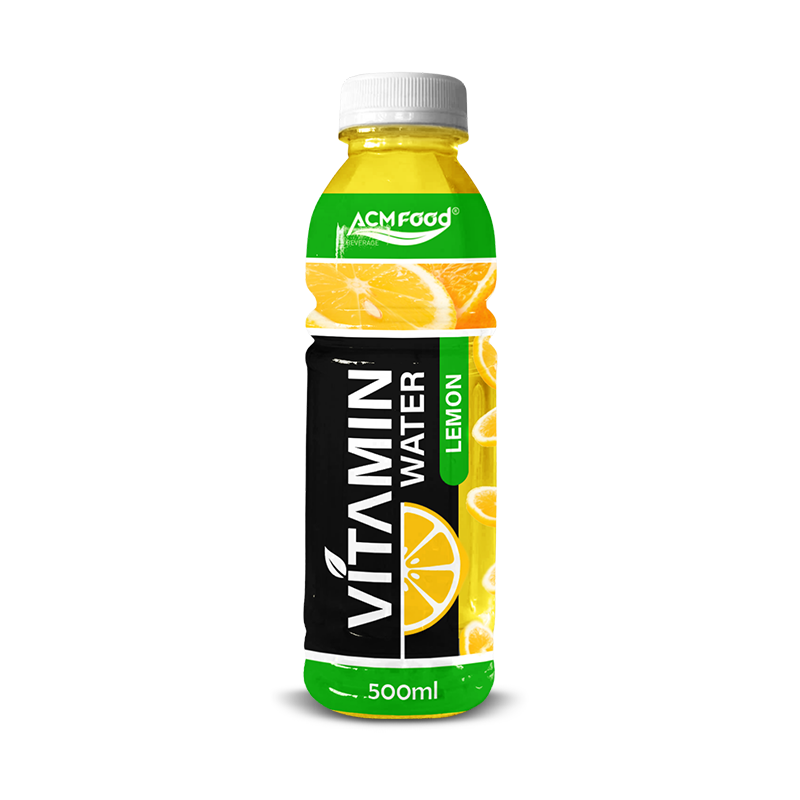
| Lemon aloe or vitamin drink | Light lemon note with inclusions or added vitamins | PET, cans | Balancing citrus with other ingredients |
Lemon and lime also sit well next to herbal ingredients. Lemongrass and ginger, for example, are often combined with citrus; our page on ginger and lemongrass drinks for private label covers that pairing. Sparkling citrus drinks follow the general process described in our guide to sparkling beverage manufacturing, and lemon tea follows the route outlined in RTD tea manufacturing.
How much lemon juice should a lemon drink contain?
Lemon drinks usually contain a modest share of juice, because lemon and lime juice are very acidic and intensely flavoured. A small percentage gives a clear citrus character; higher levels quickly make the drink too sour unless sugar rises too. The juice share is therefore a balance between authenticity, acidity, sweetness and cost.
Points that guide the decision:
- Authenticity. Real juice gives a rounder, fresher taste than flavour alone and supports wording such as “made with real lemon juice”.
- Acidity. Lemon juice brings mostly citric acid. More juice means more acid, which must be balanced with sweetness.
- Cost and supply. Lemon juice concentrate is traded internationally, and prices move with harvests. Lime is often sourced in tropical regions.
- Label rules. Where the label names lemon juice or shows lemon images, some markets require the juice percentage to be declared.
Many commercial lemon drinks combine a small juice share with natural lemon flavour. The juice provides body and authenticity; the flavour provides aroma that survives processing and storage.
Why do lemon drinks turn bitter?
Lemon drinks turn bitter mainly for two reasons: too much peel oil or peel material, and limonin, a bitter compound that can form in citrus juice after pressing. Both can be managed through raw material choice, extraction method and formulation, but both need attention, especially in drinks with a high juice share.
Peel oil
The outer peel of lemons and limes contains aromatic oils that give the familiar fresh citrus smell. In small amounts, peel oil lifts the aroma of a drink. In larger amounts, it tastes sharp, resinous and bitter. Juice extraction methods differ in how much peel oil passes into the juice, and juice suppliers usually specify oil content.
Limonin and delayed bitterness
Limonin is a bitter compound from the limonoid group. In some citrus juices, a non-bitter precursor converts into limonin after the fruit is pressed, under acidic conditions, so bitterness can increase in the hours after juicing. This effect, often called delayed bitterness, is best known in certain oranges but can also affect other citrus juices.
Controls for bitterness include choosing juice from suitable varieties and maturity, using extraction settings that limit peel and seed material, specifying peel oil and bitterness limits for purchased juice, and tasting samples after storage, not only when fresh.
How is cloud kept stable in cloudy lemonade?
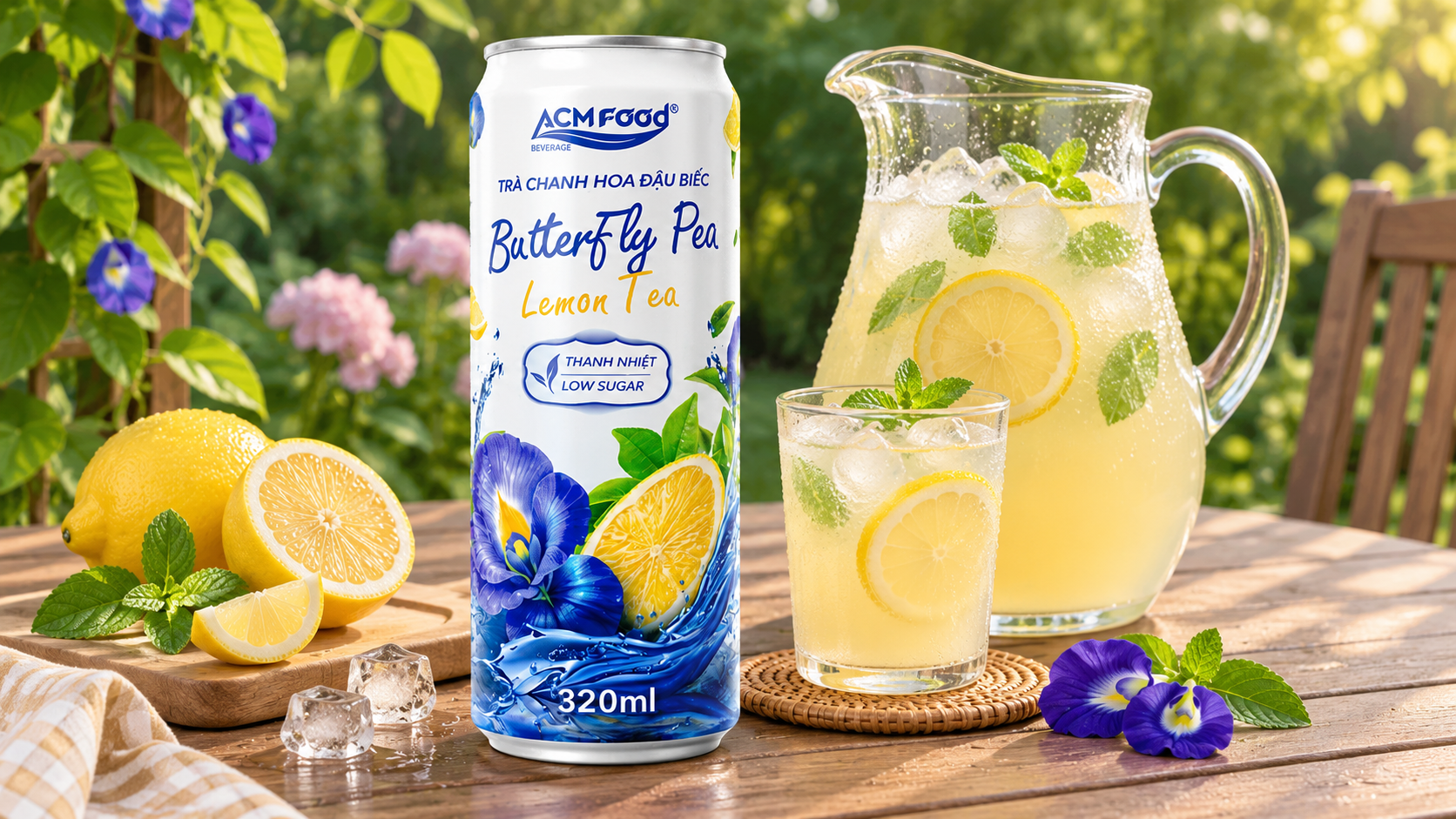
Cloud in lemonade comes from fine particles of fruit pulp and from emulsified citrus oils that scatter light. It stays stable when particles are small and evenly dispersed, when the liquid has enough body to hold them, and when the emulsion is well made. If cloud breaks down, the drink separates into a clear layer with a sediment or a ring at the top.
Ways manufacturers keep cloud stable:
- Using cloudy lemon juice or a cloud emulsion designed for beverages.
- Homogenising to reduce particle size where needed.
- Using permitted stabilisers to add body and keep particles suspended.
- Controlling heat treatment so it does not damage the emulsion.
- Running storage tests and checking for ringing at the neck and sediment at the base.
Clear lemon drinks avoid cloud issues but lose the “homemade” look. Some brands deliberately choose a light, natural haze and tell consumers to shake the bottle.
How is acid balance set in lemon and lime drinks?
Acid balance is set by matching sourness to sweetness so the drink tastes refreshing rather than sharp or syrupy. In lemon drinks, most acid comes from the juice itself, with added citric acid used to fine-tune. The balance is usually specified as a Brix target and an acidity range, then confirmed on samples.
A few practical observations:
- Lime tastes sharper and more aromatic than lemon at similar acidity, so lime drinks may need slightly different sweetness.
- Carbonation increases perceived sourness, so sparkling lemon drinks are often balanced differently from still versions.
- Tea adds astringency, so lemon tea usually needs a softer acid level than lemonade.
- Reduced-sugar versions need careful acid adjustment to avoid tasting thin or harsh.
Acidity also supports the heat process. Lemon drinks are naturally acidic, which makes them suitable for hot fill and pasteurisation routes used for acidic beverages.
Why can lemon drinks develop off-flavours in clear PET?
Lemon flavour is fragile. Its key aroma compounds, such as citral, break down over time in acidic drinks, and light and oxygen can speed this up. The result is a loss of fresh lemon aroma and the appearance of stale, medicinal or “old” notes. In clear PET bottles exposed to shop lighting, the effect can be noticeable within the product’s shelf life.
Ways to protect lemon flavour:
- Pack choice. Aluminium cans block light completely. Tinted PET, full-body sleeves or opaque labels reduce light exposure for bottles.
- Oxygen control. Lower dissolved oxygen and good closure performance slow flavour change.
- Flavour system. Flavour suppliers offer lemon flavours designed for stability in acidic drinks.
- Storage guidance. Storing away from direct sunlight helps protect the product in distribution.
- Shelf-life testing. Samples stored under light and at elevated temperature help predict changes.
For buyers who want a clear bottle to show a cloudy lemonade, a partial sleeve that covers most of the bottle while leaving a window is a common compromise. Whatever the pack, it helps to agree how fresh the lemon aroma should be at the end of shelf life, since that is the version many consumers will actually taste.
Lemon or lime: which suits your brand?
Lemon suits brands that want a familiar, classic citrus profile with broad appeal, while lime suits brands that want a sharper, more aromatic and tropical character. Both work in still, sparkling and tea drinks, but they lead to different flavour stories, sourcing and colour expectations.
- Taste. Lemon is bright and clean; lime is sharper, greener and more perfumed, with a stronger peel aroma.
- Colour cue. Consumers expect lemon drinks to look pale yellow and lime drinks to look pale green or clear. Colour from juice alone is light, so some brands use permitted colours to meet expectations.
- Sourcing. Lime is grown widely in tropical regions, including Southeast Asia; lemon juice and concentrate are more often imported. This can affect cost, supply stability and origin wording.
- Pairings. Lemon pairs well with honey, ginger and black tea. Lime pairs well with mint, lemongrass, coconut water and tropical fruits.
- Market familiarity. In Europe and North America, lemon is the default citrus drink; in Southeast Asia and Latin America, lime drinks are often just as familiar.
Many brands offer both, positioning lemon as the classic SKU and lime as the bolder alternative. Sampling them side by side, at the same sweetness and acidity, makes the difference easy to judge.
Specification points for a lemon or lime range
| Parameter | What to define |
|---|---|
| Citrus type | Lemon, lime or blend |
| Juice content | Percentage, juice type and source |
| Appearance | Clear, light haze or cloudy |
| Sweetness and acidity | Brix target and acidity range |
| Carbonation | Still or sparkling, with CO2 target |
| Bitterness | Approved reference sample; peel oil limits for juice |
| Pack | Can, PET or glass, with light protection where needed |
Commercial terms
ACMFOOD’s terms for lemon and lime drinks are a minimum order of 500 cartons per SKU and a production lead time of 15–30 days after samples and artwork are approved. Production runs under HACCP, ISO 22000 and FSSC 22000 systems, with aluminium cans, PET bottles and glass bottles available. Prices depend on juice content, style, pack and volume and are quoted per project. The full list of drink categories we produce is on our product capabilities page.
Frequently asked questions
Why does my lemon drink taste bitter after a few days?
Bitterness that develops after pressing is often caused by limonin forming in the juice, or by peel oil. Juice selection, extraction settings and storage testing help control it.
Is a can better than PET for a lemon drink?
Cans block light, which protects fragile lemon flavour. PET is lighter and shows the drink, but may need tinting or a sleeve to limit light-induced off-flavours.
Can lemon and lime be combined in one drink?
Yes. Lemon-lime blends are common, especially in sparkling drinks, and are developed and approved as a single SKU.
Does cloudy lemonade separate in the bottle?
It can if particles are large or the emulsion is unstable. Cloud emulsions, homogenisation and stabilisers keep it even; a light shake before drinking is still normal.
Planning a citrus range
A lemon drink private label range is built on a few key choices: style, juice content, bitterness control, cloud stability, acid balance and light protection. Lemon and lime are among the most versatile flavours in beverages, but their aroma is delicate, so pack and process deserve as much attention as the recipe.
Send ACMFOOD your target market, preferred styles and pack ideas, and we will prepare lemon and lime samples and confirm the specification for your first production run.