
Sea moss lemonade market opportunities for beverage distributors and retail chains

Sea moss lemonade is moving from niche wellness stores into mainstream beverage discussions. Over the last few years, consumers looking for functional drinks have started paying attention to ingredients that do more than provide flavor. Sea moss lemonade sits directly inside that trend, combining familiar citrus refreshment with the growing interest in mineral-rich seaweed ingredients.

For beverage distributors and retail chains, this creates an interesting category opportunity. The product is easy for consumers to understand because lemonade is already familiar. At the same time, it introduces a wellness angle that helps brands stand out in crowded beverage aisles.

The question is no longer whether consumers have heard of sea moss. The question is whether retailers and distributors are positioned to benefit from the demand while the category is still developing.

Why sea moss lemonade is attracting consumer attention

Seamoss, often called Irish moss or Chondrus crispus, has been used for generations in Caribbean communities and parts of Europe. Today, social media, wellness influencers, and functional beverage brands have brought it into a much larger market. Many sea moss beverage brands highlight its naturally occurring minerals, iodine content, and potential role in supporting hydration and digestion.

What makes sea moss lemonade particularly appealing is the combination of health positioning and drinkability.

Consumers may not be ready to drink plain sea moss gel. They are, however, comfortable buying lemonade.

That matters.

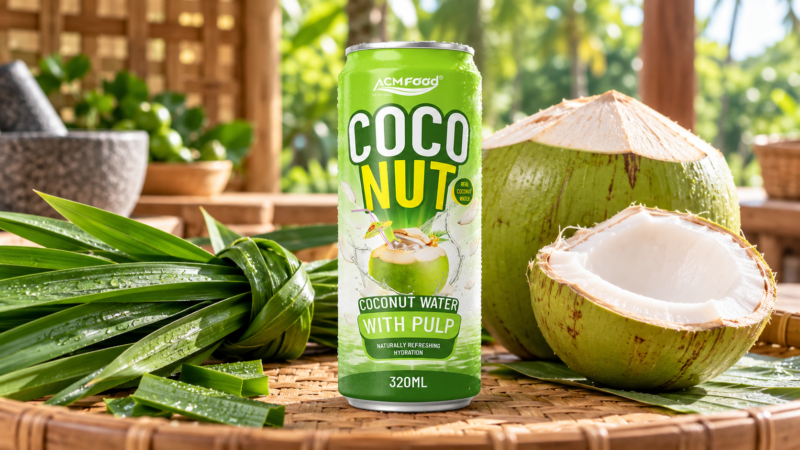
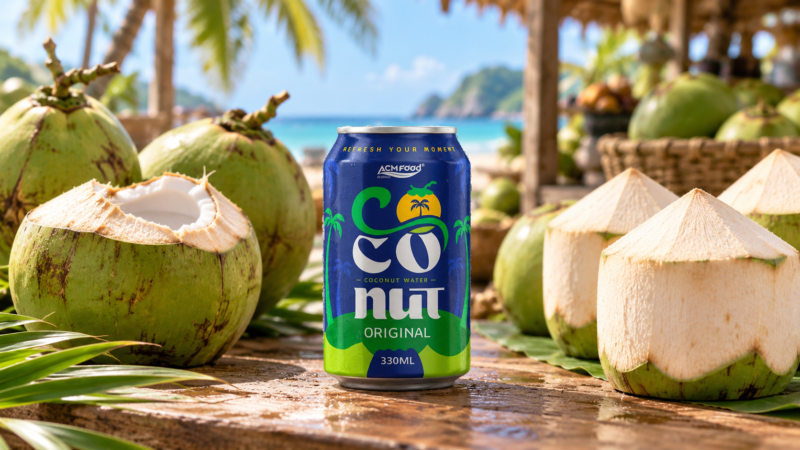
In many beverage categories, adoption happens faster when a new ingredient is paired with a familiar flavor profile. Coconut water followed a similar path years ago. Kombucha also gained wider acceptance after brands improved flavor accessibility. Sea moss lemonade appears to be following a comparable route.

Several commercial products position themselves as clean-label beverages containing lemon juice, sea moss, natural sweeteners, and fruit ingredients while avoiding artificial preservatives.

For retailers, this helps reduce one of the biggest barriers to trial: consumer hesitation.

The rise of functional beverages creates room for new categories

Sea moss lemonade market opportunities for beverage distributors and retail chains - 1

Functional beverages continue to attract attention across North America, Europe, and parts of Asia. Consumers increasingly read ingredient panels. They compare nutritional claims. They often choose beverages based on perceived wellness benefits rather than taste alone.

This shift has changed how beverage buyers evaluate new products.

Ten years ago, flavor might have been the primary selling point. Today, hydration, digestive support, immunity-focused ingredients, vitamins, minerals, probiotics, and botanical ingredients all influence purchasing decisions.

Sea moss lemonade enters the market at the intersection of several trends:

  • Functional hydration
  • Plant-based ingredients
  • Clean-label beverages
  • Natural mineral content
  • Wellness-focused lifestyles

Many brands emphasize that sea moss contains a broad range of minerals and nutrients, although responsible manufacturers avoid exaggerated medical claims and instead focus on nutritional value and ingredient transparency.

That distinction is important.

Retail buyers are becoming increasingly cautious about unsupported health promises. Products with realistic positioning tend to perform better over the long term because they build consumer trust.

What distributors should watch before entering the category

From a distribution perspective, sea moss lemonade offers opportunities, but it also requires careful supplier evaluation.

Not all sea moss products are created equally.

Some brands use wild-harvested sea moss. Others use cultivated sources. Ingredient quality, sourcing methods, processing standards, and food safety procedures can vary significantly between manufacturers.

Recent discussions within the sea moss market have highlighted the importance of proper processing controls, temperature management, regulatory compliance, and transparent manufacturing documentation. Consumers are paying closer attention to these factors than many suppliers realize.

When evaluating a supplier, distributors should ask questions such as:

  • Where is the sea moss sourced?
  • What food safety certifications are available?
  • Is the product shelf-stable or refrigerated?
  • What laboratory testing is conducted?
  • What are the MOQ requirements?
  • Is private label available?
  • Can the supplier support international compliance requirements?

These questions can reveal far more about long-term viability than marketing materials alone.

In my experience working with beverage sourcing projects, distributors that prioritize manufacturing transparency often experience fewer problems when expanding into retail chains later.

Retail chains are looking for differentiation

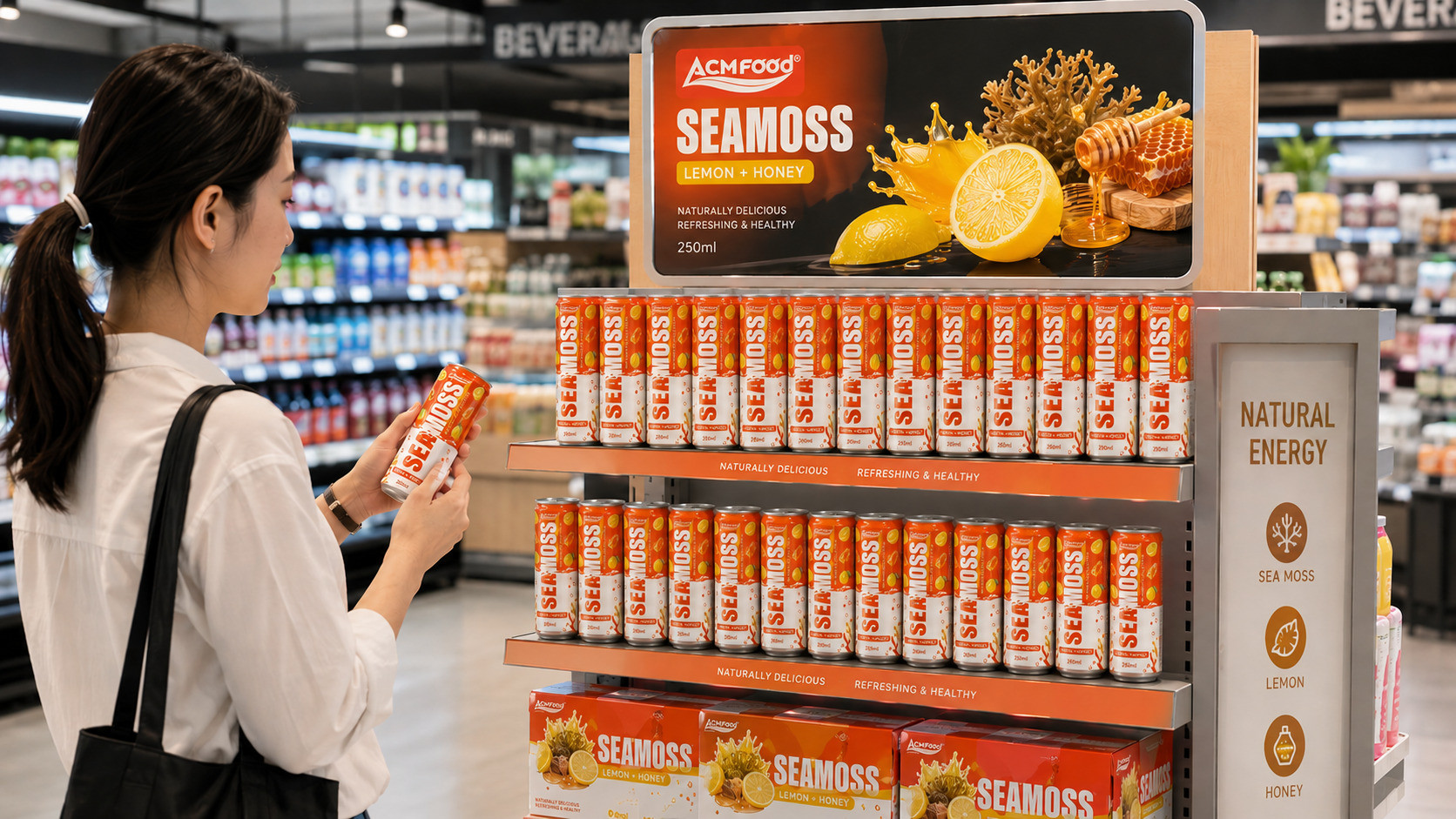
Walk through a modern supermarket beverage aisle.

You will see sparkling waters, energy drinks, kombuchas, coconut waters, protein beverages, electrolyte drinks, and plant-based functional products competing for attention.

Shelf space is expensive.

Retail buyers want products that bring something different without being so unfamiliar that consumers ignore them.

Seamoss lemonade fits into that gap.

The flavor profile remains recognizable because lemon is one of the most widely accepted beverage flavors globally. Meanwhile, the sea moss component creates a story that retailers can use in merchandising, digital campaigns, and wellness-focused product collections.

Some retailers are already grouping products around themes such as:

  • Gut-friendly beverages
  • Functional hydration
  • Plant-powered nutrition
  • Wellness drinks
  • Clean ingredient beverages

Seamoss lemonade naturally aligns with several of these merchandising strategies.

That flexibility gives retailers more opportunities to test the category without major changes to existing store layouts.

Consumer demand is being driven by education

One interesting characteristic of the sea moss market is how much demand is generated through education.

Many consumers first encounter sea moss through social media videos, wellness blogs, recipe content, or community recommendations. Discussions frequently focus on digestion, mineral intake, energy levels, and general wellness experiences.

This creates a unique advantage for beverage brands.

The category already has an active educational ecosystem.

Instead of building awareness entirely from scratch, suppliers can support distributors and retailers with educational content explaining:

  • What sea moss is
  • Where it comes from
  • How it is traditionally used
  • Why it is included in beverages
  • How the product fits into modern wellness lifestyles

When shoppers understand an ingredient, conversion rates often improve.

A consumer who has already searched for “sea moss lemonade benefits” is much easier to convert than someone encountering the product without context.

Private label opportunities are expanding

Private label beverage programs continue to grow across retail and distribution channels.

Many distributors no longer want to depend entirely on third-party brands. Instead, they are developing proprietary product lines that improve margins and strengthen customer loyalty.

Sea moss lemonade presents an attractive private label opportunity because the category is still relatively young compared with energy drinks or flavored waters.

This means there is still room to establish brand identity.

Manufacturers offering OEM and private label services are already introducing sea moss lemonade in multiple packaging formats, including glass bottles, PET bottles, and ready-to-drink beverage lines. Some suppliers also support export-focused production with certifications such as HACCP, ISO 22000, HALAL, and FDA-related compliance standards.

For distributors serving health food stores, convenience retailers, supermarkets, and specialty beverage chains, this flexibility can simplify market entry.

Regional opportunities for sea moss lemonade

The strongest demand currently appears in markets where functional beverages already have consumer acceptance.

North America remains a major target market because wellness beverages, natural products, and plant-based nutrition categories continue to expand.

The Caribbean market also has natural relevance due to existing cultural familiarity with sea moss.

Meanwhile, parts of Europe and Asia are beginning to see increased interest in seaweed-based wellness ingredients. This broader acceptance creates export opportunities for manufacturers capable of meeting international standards.

Distributors entering these regions should pay attention to regulatory requirements around labeling, ingredient claims, and nutritional positioning.

A good product can still struggle if compliance is overlooked.

Supplier selection matters more than marketing

Many beverage categories become crowded quickly once demand appears.

Sea moss lemonade is unlikely to be different.

As more suppliers enter the market, distributors and retailers will need to separate serious manufacturers from short-term opportunists.

Several factors tend to indicate a reliable supplier:

Consistent sourcing programs.

Documented quality control systems.

Transparent ingredient disclosures.

Scalable production capacity.

Export experience.

Private label capabilities.

Responsive communication.

These factors may sound basic, but they often determine whether a product succeeds after launch.

A visually attractive bottle can generate an initial order. Consistent manufacturing performance generates repeat orders.

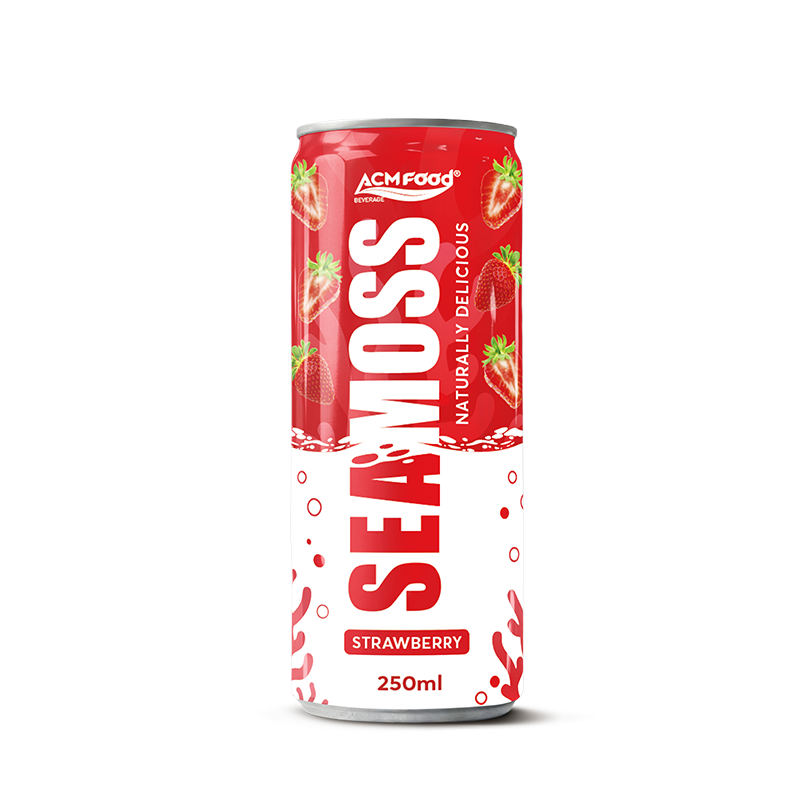
Seamoss lemonade supplier

For distributors, importers, and retail chains looking to enter the sea moss lemonade category, choosing the right manufacturing partner is one of the most important decisions.

ACMFOOD specializes in beverage manufacturing and private label solutions for international markets. The company supports businesses seeking customized functional beverage products, including sea moss lemonade formulations designed for modern wellness consumers.

ACMFOOD focuses on several areas that matter to B2B buyers:

Sea moss lemonade is still developing as a category. That creates room for retailers and distributors to establish market presence before competition intensifies.

Working with an experienced beverage manufacturer can shorten development timelines and reduce operational complexity.

Final thoughts

Sea moss lemonade represents more than another wellness trend. It reflects a broader shift in consumer behavior toward beverages that combine familiar flavors with functional ingredients.

Consumers are actively researching sea moss. Retailers are searching for products that differentiate their shelves. Distributors are looking for categories with growth potential and private label opportunities.

Those factors rarely appear at the same time.

Will every sea moss lemonade brand succeed? Probably not.

But for beverage distributors and retail chains that focus on quality sourcing, transparent manufacturing, and realistic consumer education, the category offers genuine potential. The businesses that establish supplier relationships now may be in a stronger position as consumer awareness continues to expand over the next several years.


Share this article: