


 Français
 Español
 العربية
 한국어
한국어Category managers do not choose a coconut water brand in the abstract. They choose a facing on a shelf that already holds three or four established products, and they have to explain why the new one earns its place. This benchmark is written for that decision: what the leading coconut water brands have standardised on, how to read a competitor pack properly, and where a private-label SKU can realistically win rather than simply undercut.
This is a shelf and range analysis. If you are instead trying to verify a factory before ordering, use the supplier due diligence checklist. If you are costing a private-label programme, see the coconut water private label guide.
Four archetypes define almost every coconut water shelf
Whatever the market, the assortment tends to resolve into four positions. Naming them makes gap analysis much faster than comparing brand by brand.
1. The mainstream carton brand
Ambient, aseptically filled, usually in a carton, distributed nationally and supported by consumer advertising. Vita Coco is the reference example in most Western markets. This archetype defines what shoppers assume coconut water costs and tastes like. It is the hardest position to attack head-on and the easiest to sit beneath on price.
Organic certification, minimal thermal treatment — typically high-pressure processing or micro-filtration rather than heat — sold refrigerated in PET or glass at a clear price premium. Harmless Harvest is the widely cited example. This archetype trades on flavour closest to fresh and on a short ingredient declaration, and it accepts cold-chain cost and shorter shelf life to get there.
3. The Southeast Asian authenticity brand
Thai and Indonesian brands such as Taste Nirvana, Chaokoh and C2O, generally sold in cans or glass, frequently including coconut pulp, and positioned on origin and authentic taste rather than on wellness claims. Strong in Asian grocery, food service and increasingly in mainstream convenience.
4. The retailer private label
Ambient canned or carton product produced by a contract manufacturer, priced below the mainstream brand, and carrying the retailer’s own equity. This is the fastest-growing position in most maturing markets, and the one this article is ultimately about.
Brand specifications change. Treat the descriptions above as archetypes to orient the analysis, and verify current processing, pack and certification directly from the pack before you build a comparison deck.
How to read a competitor pack: six things to record
Buy one unit of every coconut water on your target shelf and record these six fields in a single sheet. It takes an afternoon and it replaces months of guesswork.
- Ingredient declaration. Is it coconut water, coconut water from concentrate, or coconut water with added sugar or fruit juice? This single line determines which price tier the product legitimately belongs to.
- Sugar per 100 ml. Naturally occurring sugar in pure coconut water varies with coconut maturity. A figure well above the range of its peers usually indicates concentrate or added sugar.
- Processing and storage instruction. “Keep refrigerated” versus ambient tells you the processing route and the entire cost structure behind the product.
- Declared shelf life and pack date. Note how much life is left on the shelf unit. Short residual life on a competitor is a distribution weakness you can exploit.
- Pack format and fill volume. Record the exact millilitre count. Comparing a 330 ml can against a 1 litre carton on shelf price rather than price per litre is the most common error in these reviews.
- Origin and certification marks. Country of origin, organic, HALAL, and any sustainability marks — these are the claims you will be expected to match or consciously decline.
Benchmark table: what each position costs you to match

| Position | Typical processing | Typical pack | Distribution demand | What matching it requires |
|---|---|---|---|---|
| Mainstream carton | Aseptic, ambient | Carton 330 ml – 1 L | National, ambient | High volume commitment and carton line access |
| Premium chilled | HPP or micro-filtration | PET or glass, chilled | Cold chain end to end | Organic certification, refrigerated logistics, short life |
| SE Asian authenticity | Thermal, ambient | Can or glass, often with pulp | Ambient, ethnic and food service channels | Origin credibility and pulp handling capability |
| Private label | Aseptic or thermal, ambient | Can 330 – 500 ml | Ambient, retailer network | A contract manufacturer with export documentation capability |
Where a private label SKU actually wins
Undercutting the mainstream brand by a few percent is not a strategy — it invites a promotional response you cannot fund. The defensible entry points are narrower and more specific.
The format gap. If your shelf is dominated by 1 litre cartons, a 330 ml single-serve can addresses an occasion the incumbents are not serving, and it does so without a like-for-like price comparison. Cans also ship without cold chain and stack efficiently, which protects your landed cost.
The ambient premium gap. The premium tier is almost entirely chilled, which caps its distribution. An ambient product with a genuinely clean declaration and credible origin story can occupy premium positioning in stores that have no chilled beverage space at all.
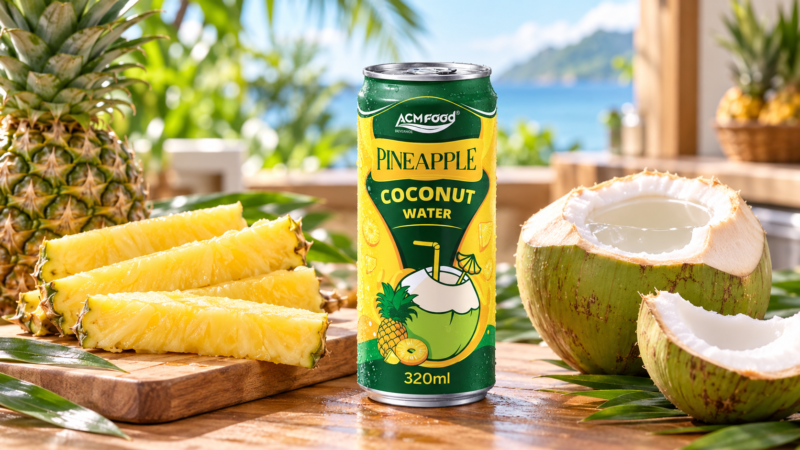
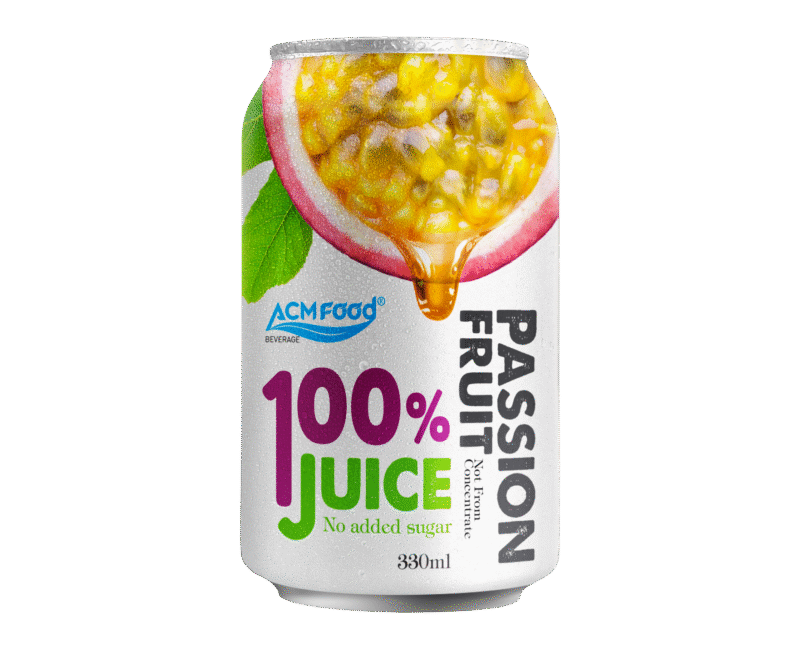
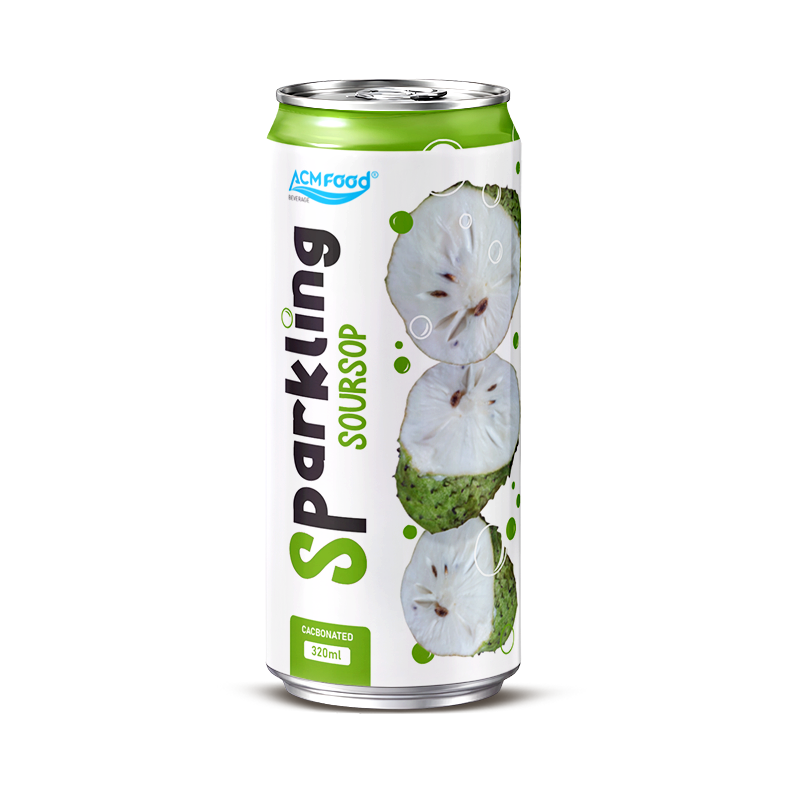
The flavour extension gap. Pure coconut water is close to commoditised in mature markets. Blends — pineapple, mango, passion fruit, lychee — and sparkling formats reach shoppers who find plain coconut water unappealing, and they are much harder for a shopper to price-compare against a national brand.
The residual shelf-life gap. If competitor units on your shelf routinely arrive with a large part of their life consumed, sourcing closer to origin with a shorter transit chain is a real, measurable advantage for your merchandising team.
Building the range rather than a single SKU
Retailers who launch one coconut water SKU and judge it after a quarter usually conclude the category does not work for them. A range architecture performs better because each SKU has a defined job.
- Core: pure coconut water, 330 ml can. This is the volume driver and the price reference.
- Family or food service: a larger fill volume for in-home consumption and for food service accounts.
- Extension: one or two fruit blends selected for local taste preference, sized deliberately smaller in the plan.
- Trial: a sparkling or functional variant aimed at younger convenience shoppers, treated as a learning SKU rather than a volume expectation.
Launching four SKUs at once is not necessarily more expensive than launching one, because minimum order quantities are usually set per SKU while shipping and documentation costs are shared across the container.
Launch checklist for a retail chain
- Complete the six-field competitor sheet for every coconut water on the target shelf.
- Identify which of the four positions is under-served in your specific stores.
- Fix the pack format and fill volume before approaching manufacturers — it drives every subsequent cost.
- Set the ingredient declaration you intend to carry, and refuse to compromise it later for cost.
- Confirm the certification set your buyers and your market require.
- Run supplier due diligence properly before committing artwork and packaging spend.
- Plan the first order as market validation, and negotiate a minimum order quantity that reflects that.
Working with ACMFOOD on a private label range
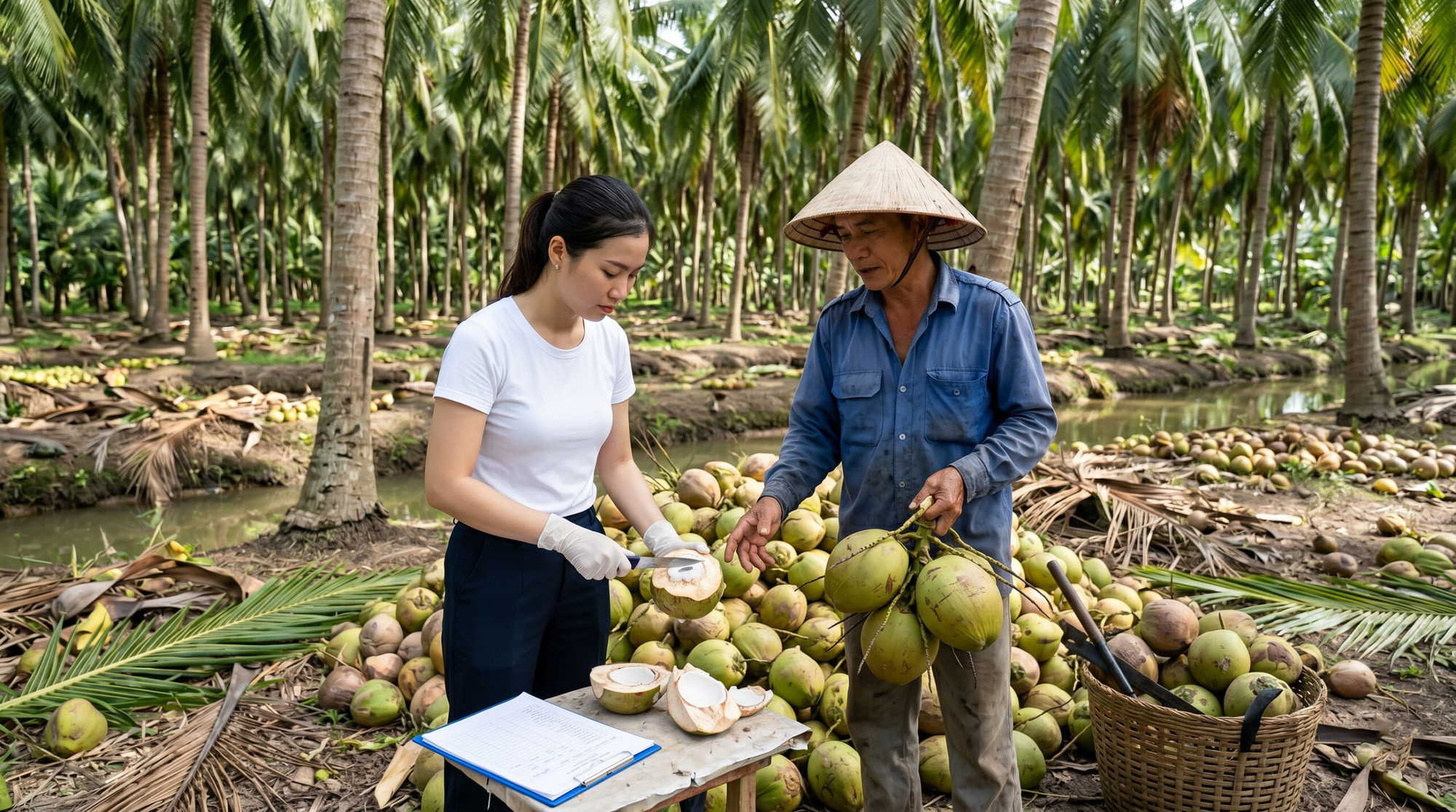
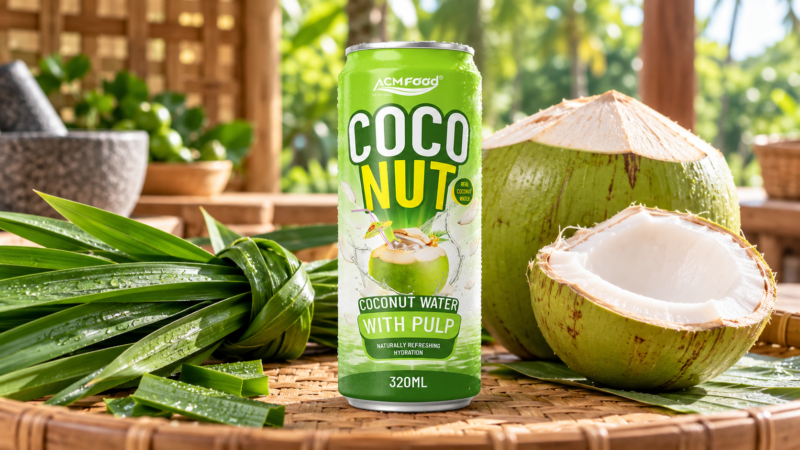
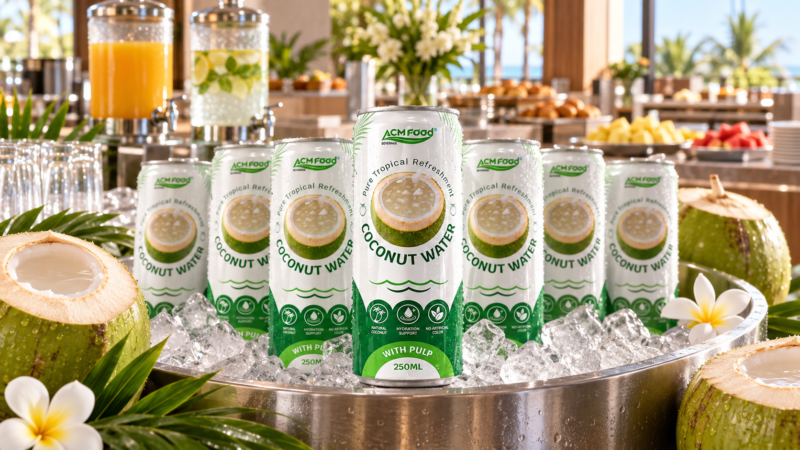
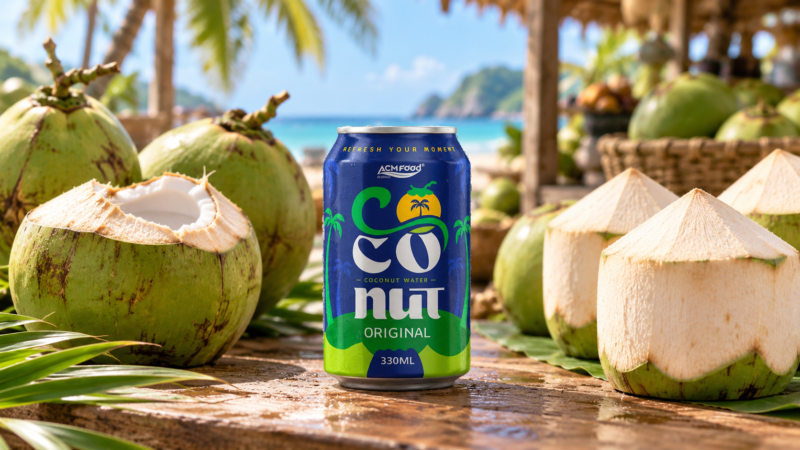
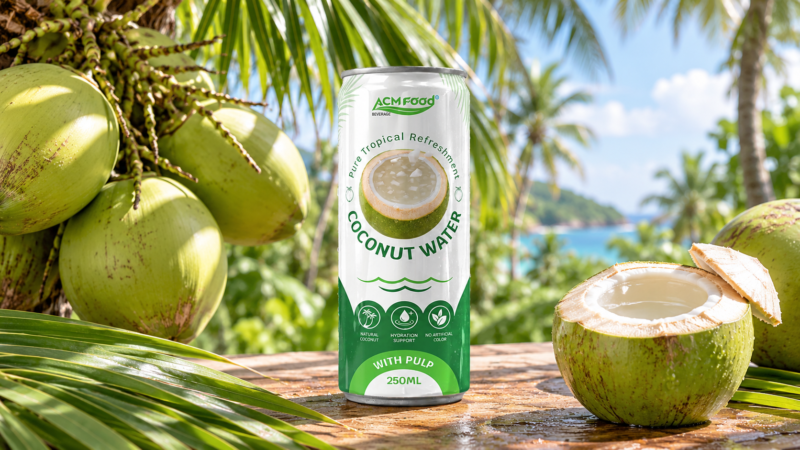
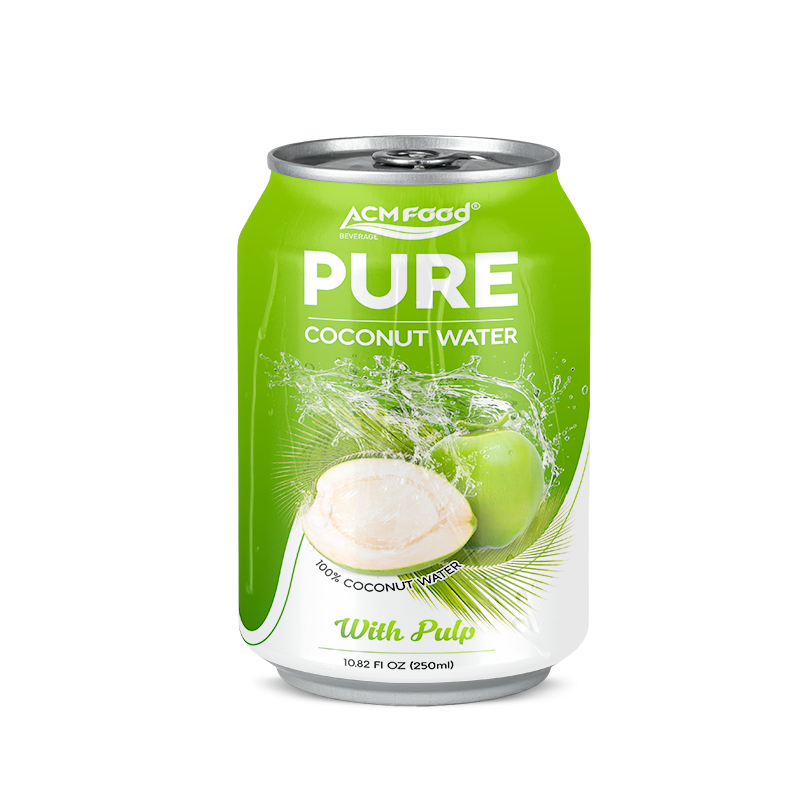
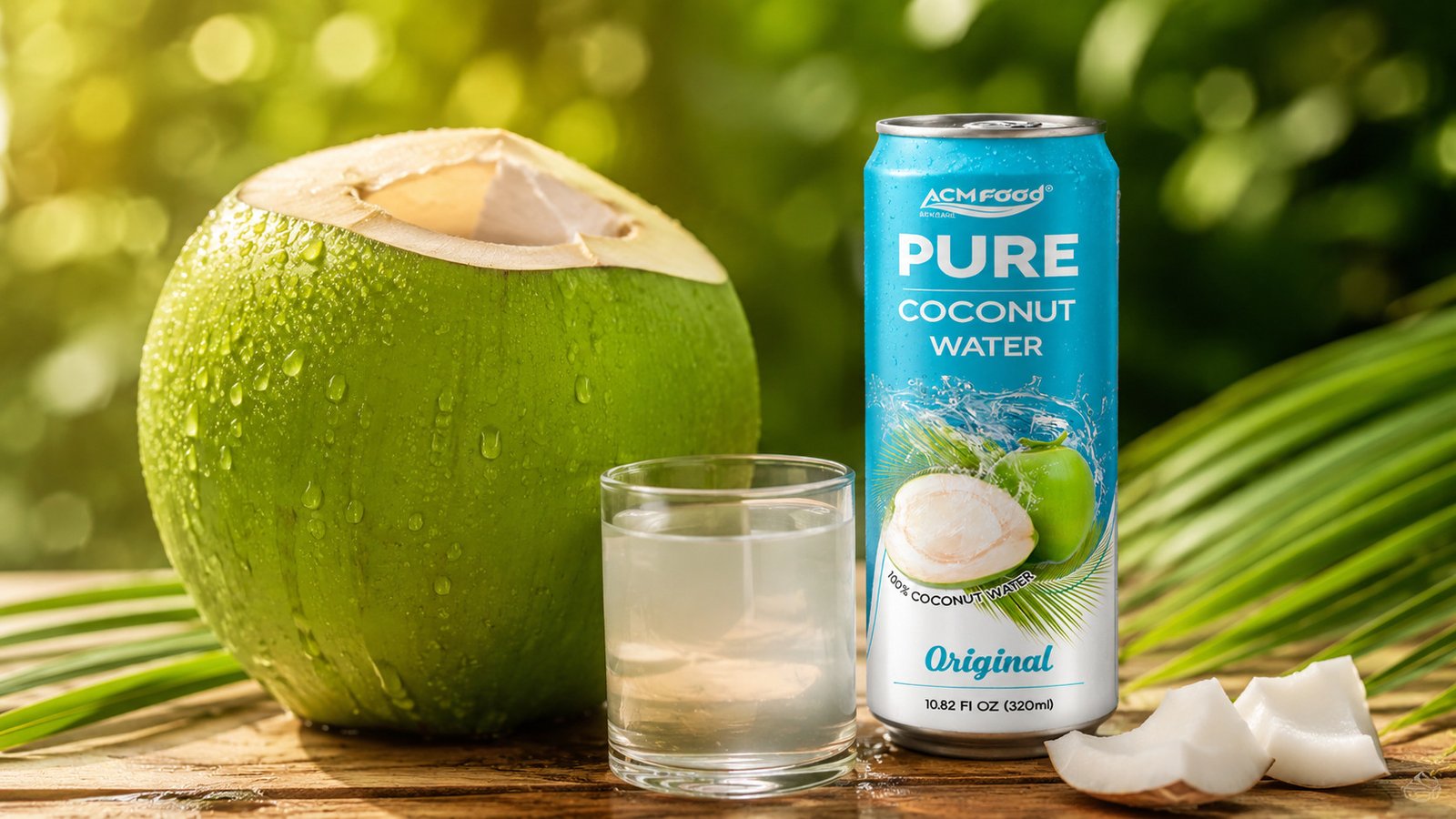
ACMFOOD is a Vietnam-based manufacturer of canned coconut water and coconut-based blends, supplying retail chains, distributors and importers on a private label and OEM basis. The relevance to the analysis above is specific: the product is ambient and canned, which places it squarely in the fourth position and gives it reach into stores without chilled space, and the range covers pure, pulp, blended and sparkling variants from the same facility — which is what makes a multi-SKU range architecture practical on a single container.
If you are preparing a category review, the most useful next step is usually samples of the core and one extension SKU, evaluated against the competitor units already on your shelf. Contact the export team to arrange that, or read how our coconut water supply programme is structured.
Related service pages
To build a range against the gaps described above, see private label beverage manufacturing and our beverage product capabilities. Pack decisions are set out in packaging options. For a category review, request a quote.
Request a quote