


 Français
 Español
 العربية
 한국어
한국어Beverage co-packing is an arrangement where a brand owner hands a finished formula to a third-party facility that blends, fills, seals and packs the drink under the brand owner’s own label. The brand keeps the recipe and the commercial relationship; the co-packer supplies the plant, the line time and the production discipline.
This guide sets out what a beverage co-packer in Vietnam actually does, which packaging formats are practical, what a brand has to supply before a line can be booked, and how a project moves from enquiry to first pallet. ACMFOOD works with brand owners on this basis, and the sequence below reflects how these projects are normally scoped rather than a fixed commercial offer.
What does a beverage co-packer in Vietnam actually do?
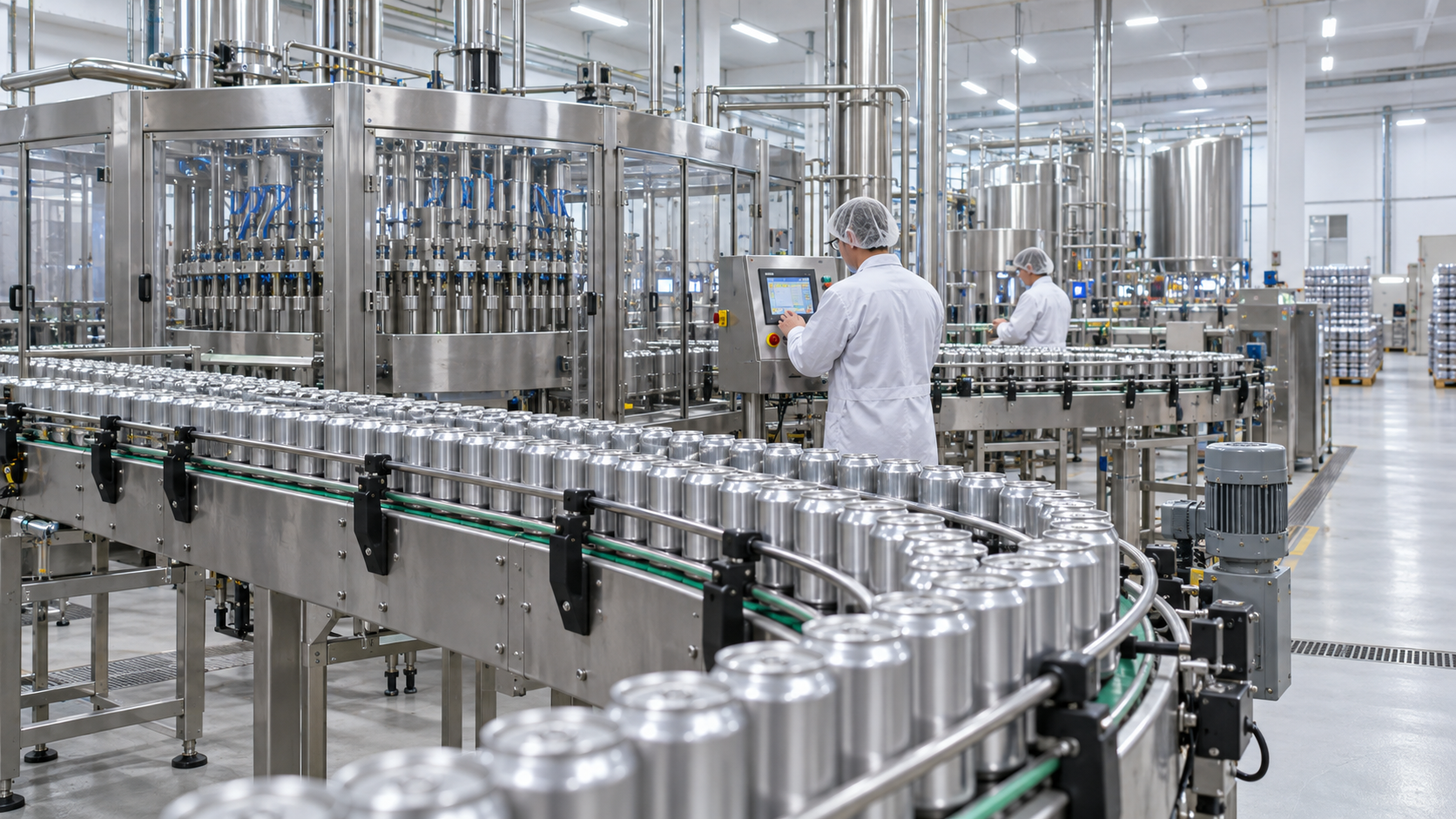
A co-packer runs production on equipment it already owns, using a formula the customer brings. Its work covers ingredient handling, blending, thermal processing, filling, seam or cap integrity, coding, labelling and case packing. It does not usually own the recipe, the brand or the route to market, which is what separates co-packing from a full development partnership.
The distinction matters commercially, because it decides who carries formulation risk. A useful companion read is our breakdown of how co-packers and contract manufacturers differ, which covers the contractual side in more depth than this page does.
In practice the scope of a co-packing agreement is narrower than many first-time brands expect. Sourcing a novel ingredient, redesigning a pack, registering a product in a new market or building a stability dossier are separate pieces of work. They can often be arranged, but they should be scoped and priced on their own terms rather than assumed to sit inside a filling quotation.
Tolling or full service: who buys the materials?
Two models dominate. Under tolling, the brand buys and ships the ingredients and packaging, and pays the facility for line time and labour. Under full service, the facility procures everything and quotes a delivered cost per unit. Most first-time brands start closer to full service because it removes several purchasing relationships at once.
| Item | Tolling | Full service |
|---|---|---|
| Formula ownership | Brand | Brand |
| Ingredient purchasing | Brand | Co-packer |
| Packaging purchasing | Brand | Co-packer |
| Label artwork & printing | Brand supplies artwork | Brand supplies artwork |
| Quality release | Shared, defined in contract | Co-packer, to agreed spec |
| Working capital tied up | Higher for the brand | Lower for the brand |
| Typical fit | Established brands with supply contracts | First runs and smaller volumes |
Neither model is inherently cheaper. Tolling can look attractive on a unit sheet while hiding freight, storage and obsolescence on the brand’s side. Our note on how contract manufacturing is priced sets out where those costs usually sit.
What you supply to the co-packer
A quotation stalls most often because the brief is incomplete rather than because the project is difficult. A co-packer needs the following before it can price a run with any confidence:
- The formula, with ingredient declarations, target Brix, acidity and any functional additions stated as inclusion rates rather than descriptions.
- The target specification covering colour, turbidity, mouthfeel and the sensory window you will accept at release and at end of shelf life.
- Packaging format and size, including closure type, and whether the pack must survive hot fill, retort or aseptic conditions.
- Label artwork in a print-ready file, with the declarations required by the destination market already checked.
- Destination markets, because labelling, additive permissions and documentation follow the importing country, not the country of manufacture.
- Volume and phasing, so line time can be booked realistically against other scheduled work.
Artwork is the item that most often delays a first run. Print plates, colour proofing and substrate behaviour all take time, and a file that looks correct on screen can still fail on press. Confirm the print method and the substrate before the artwork is finalised, not after.
Thermal processing decides which line can run your drink
The pairing of product acidity and thermal process is the single technical decision that most often rules a facility in or out. A drink is not simply filled; it is stabilised, and the method has to match both the formula and the pack.
- Hot fill suits acidic products filled at temperature into heat-tolerant packs, with the pack itself contributing to the thermal effect.
- Tunnel pasteurisation treats the sealed pack after filling and is common for bottled and canned drinks that tolerate a post-fill heat step.
- Aseptic filling sterilises product and pack separately and combines them in a sterile zone, which supports ambient distribution with a lighter thermal load on flavour.
- Retort applies heat to the sealed container and is used for low-acid products such as milk-based and plant-protein drinks.
Low-acid formulations carry stricter process control requirements than acidic ones, and not every facility is set up for them. Confirming the process before discussing price avoids requoting later, because a change of process usually changes the pack, the shelf life and the validation work at the same time.
Which packaging formats can be co-packed?
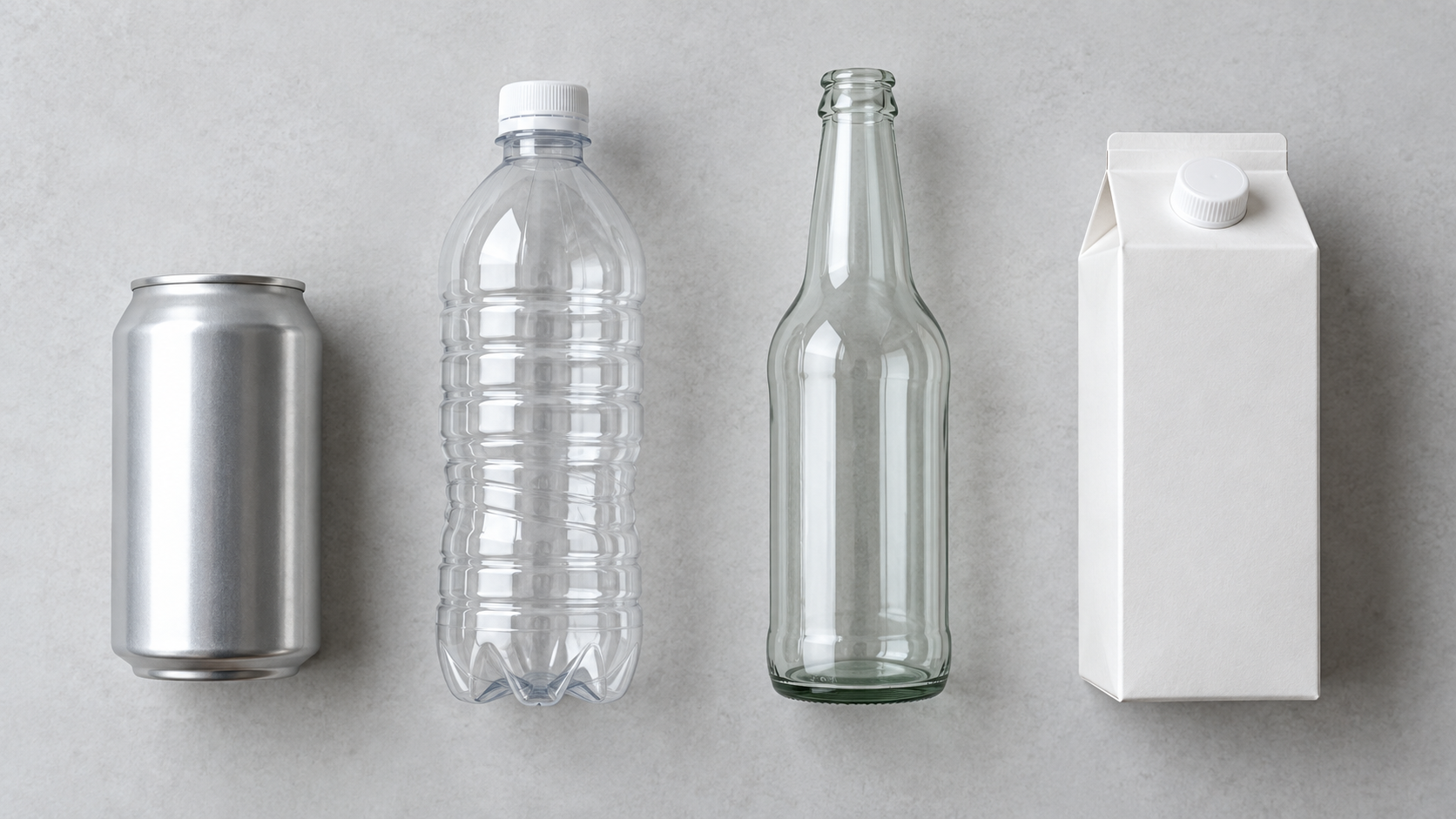
Most Vietnamese beverage facilities are built around a small number of formats rather than all of them, so format choice effectively selects your shortlist of suppliers. Cans, PET bottles, glass and carton packs each carry different filling technology, different tooling lead times and different minimum runs.
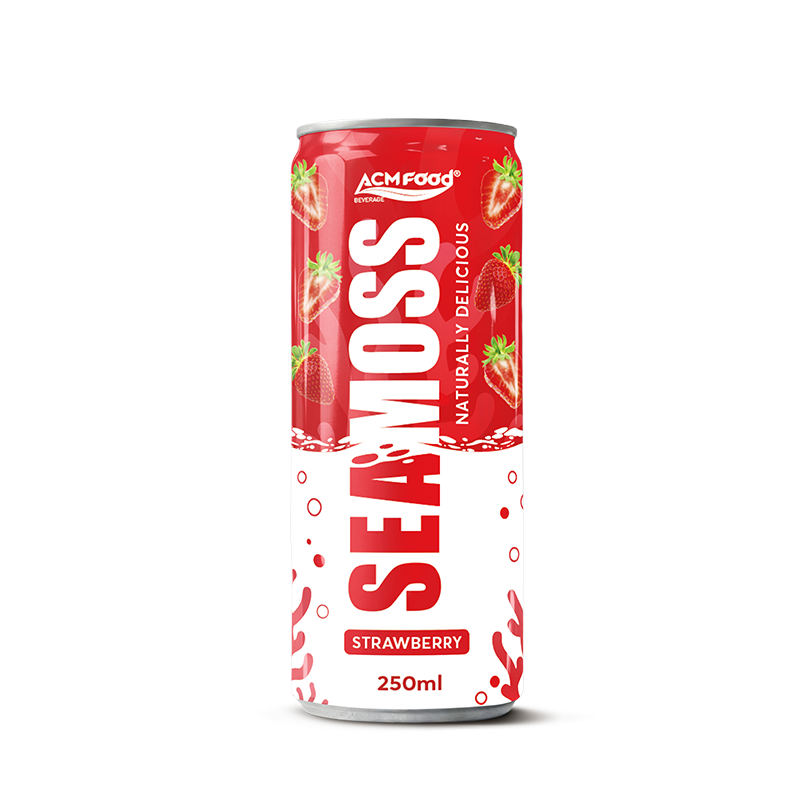
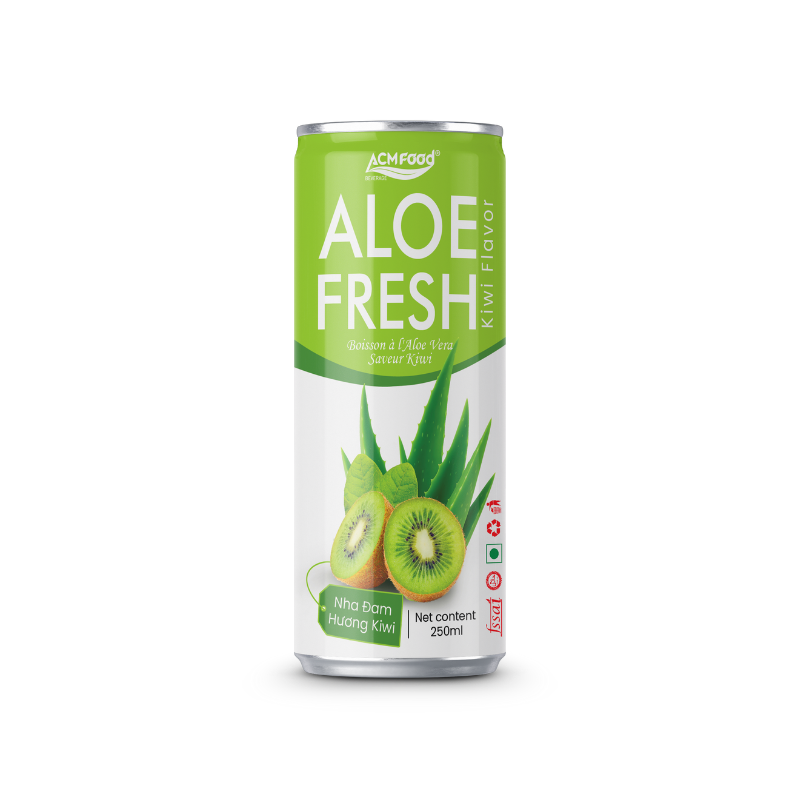
- Aluminium cans suit carbonated and still drinks, ship densely and give full-surface decoration, but artwork changes are slower because of plate and sleeve requirements.
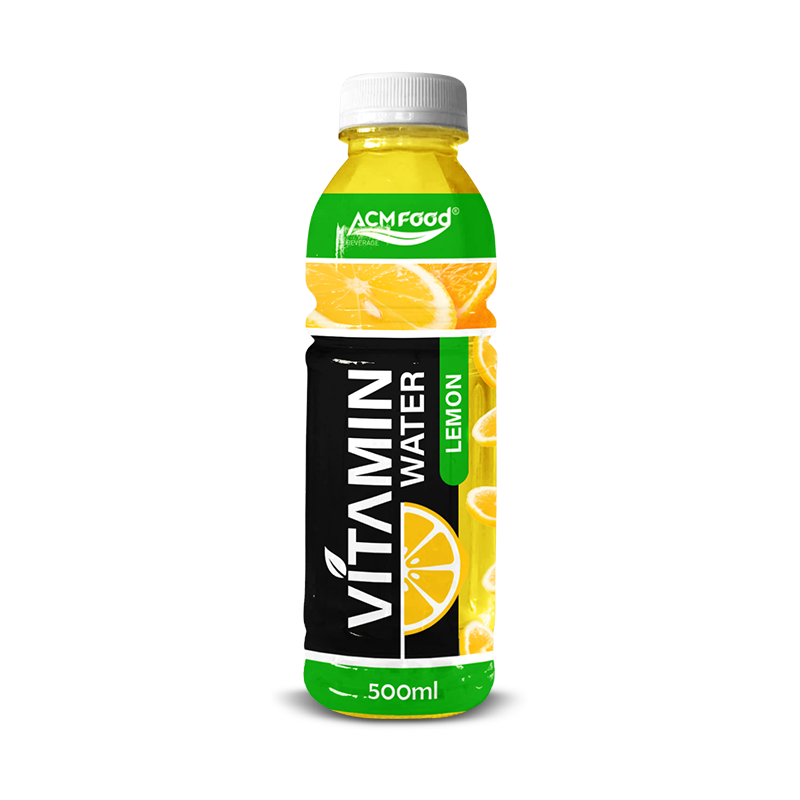
- PET bottles are flexible on size and are common for juices and functional drinks, with the fill temperature driving the resin and preform choice.
- Glass reads as premium and is chemically inert, at the cost of weight, breakage and higher freight per litre.
- Carton packs pair naturally with aseptic processing and long ambient shelf life, and are widely used for juice in export channels.
If the decision is still open, our comparison of cans against PET bottles works through cost, shelf life and retail presentation side by side.
How a co-packing project runs
Projects follow a recognisable order. Compressing any stage tends to move the risk downstream rather than remove it.
- Brief and feasibility. The facility checks whether the formula suits its equipment, and whether the format is one it already runs.
- Quotation. Pricing is built from the specification, the format, the volume and the model, tolling or full service.
- Sample and approval. Bench samples confirm flavour and appearance before any line is committed.
- Pilot or trial run. A short production proves that the formula behaves on real equipment, which a bench sample cannot show.
- Documentation and artwork sign-off. Labels, declarations and export paperwork are fixed for the destination market.
- Commercial run. Production is scheduled, released against the agreed specification and packed for shipment.
Scheduling is the part brands tend to underestimate. A filling line is shared across customers, and ingredient and packaging lead times sit upstream of it, so the date that matters is rarely the one on the production calendar. Ask for the full sequence, from purchase order to release, rather than the filling slot alone.
How quality is agreed and released
Quality on a co-packing run is governed by a written specification, not by expectation. The specification states the target and the tolerance for each parameter that matters, and it states who may release stock when a reading sits outside that window.
Typical parameters include soluble solids, acidity, pH, fill volume or weight, seam or closure integrity, colour, and microbiological criteria appropriate to the process and the market. Sensory checks sit alongside the instrumental ones, because a batch can be technically in specification and still taste wrong.
Two points are worth settling in writing before the first run. The first is retention samples: how many are kept, for how long, and who may test them if a complaint arrives months later. The second is the treatment of out-of-specification stock, including who decides whether it is reworked, downgraded or destroyed, and who bears the cost. Both belong in the specification document rather than in correspondence.
Why brands place co-packing work in Vietnam
Proximity to raw material is the practical reason. Tropical fruit, coconut and tea are grown and processed in the region, which shortens the chain between harvest and filling and reduces the number of times a product is frozen, concentrated or reconstituted before it reaches the pack.
Trade access is the second reason, and it is the one most often misread. Preferential duty under an agreement is not automatic: it depends on the product meeting rules of origin and on the correct proof accompanying the shipment. Treat any duty saving as conditional until the origin position has been checked for your specific formulation and destination.
Neither point removes the need for supplier assessment. Country of manufacture tells a buyer nothing about a particular facility’s process control, documentation or willingness to hold a specification under commercial pressure. That judgement has to be made facility by facility.
What to confirm before you commit
Before signing, a brand should have written answers on specification limits, release criteria, who owns the formula and any development work, how out-of-specification stock is handled, and what notice applies on both sides. These belong in the agreement rather than in an email thread, and our checklist of what belongs in a beverage contract manufacturing agreement covers the clauses that cause disputes.
Certification is a related question, and the honest answer is that it depends on the destination and the retailer. Requirements should be confirmed in writing for each specific facility and market rather than assumed from a general claim, and evidence should be current at the time of production.

FAQ
Is co-packing the same as private label?
No. In co-packing the brand brings its own formula and the facility produces it. In private label the facility usually offers an existing formula that the brand puts its name on. The commercial difference is ownership of the recipe and of any development work.
Can a co-packer help adjust my formula?
Often yes, within limits. Small adjustments for equipment compatibility, stability or ingredient availability are routine. Extensive reformulation moves the project towards development work, which should be scoped and priced separately, with ownership of the result agreed in advance.
Who owns the formula if the co-packer improves it?
That depends entirely on what the agreement says, which is why it should be settled before any development work starts. A brand that arrives with a finished formula normally retains it. Where the facility contributes meaningful reformulation, ownership of that contribution needs to be stated explicitly rather than assumed.
Do I need to visit the facility?
A visit or a third-party audit is standard practice before a first commercial run, particularly for export programmes. Many buyers combine it with the trial run so that equipment, hygiene and documentation can all be assessed at the same time.
How much of my formula do I have to disclose?
Enough for the facility to assess feasibility and quote, which normally means the full ingredient list with inclusion rates and the process conditions the product needs. A confidentiality agreement should be signed before that exchange, and it should cover the specification and any samples, not just the written recipe.
What usually delays a first production run?
Incomplete artwork, unconfirmed destination-market labelling, and ingredient or packaging lead times are the three most common causes. All three sit upstream of the filling line, so booking line time early does not resolve them.
Starting a co-packing conversation
Choosing a beverage co-packer in Vietnam suits a brand that already owns a formula and needs capacity, quality discipline and export-ready documentation rather than a new recipe. The decisions that shape cost are made early: the packaging format, the tolling or full-service model, and the destination markets that govern labelling.
To scope a run with ACMFOOD, send the formula, the intended format and size, target volume and the markets you plan to ship to. Our beverage manufacturing services page sets out the scope we work within, and a short brief is enough to start a feasibility discussion.