


 Français
 Español
 العربية
 한국어
한국어Halal certification for beverage export is a documented system that verifies your drink, facility, and supply chain comply with Islamic dietary requirements set by a recognized halal authority. For exporters, it aligns formulation, production, and labeling practices with the expectations of buyers and regulators in halal-sensitive markets.
This guide explains what halal certification requires for beverages, how audits typically work, where risks often hide in drink formulations, and how to plan a practical, step-by-step project. Because acceptance rules vary by country and by certifier, treat this as a framework you tailor with your chosen certification body and destination-market guidance.
What does halal certification for beverage export actually cover?
In short, halal certification covers the ingredients, processing, facility controls, documentation, and labeling used to produce your drink, confirming they meet the requirements of the relevant halal standard and certifying authority for the markets you intend to serve.
For beverages, certification generally spans:
- Ingredients & additives: Verification that raw materials and processing aids are halal-compliant and free from prohibited substances.
- Cross-contamination controls: Segregation, dedicated tools or validated cleaning to prevent contact with non-halal materials.
- Supplier assurance: Documented approvals, halal declarations, and traceability through the supply chain.
- Production processes: Procedures, scheduling, and sanitation practices aligned with halal requirements.
- Labeling & claims: Correct use of marks and statements as allowed by your certifier and the importing country.
Which export markets expect halal drink certification?
Many importers, retailers, and authorities in Muslim-majority markets expect halal certification for beverages, and some non-Muslim markets request it for specific channels or consumer groups. Acceptance depends on whether your chosen certifier is recognized by the destination market’s Islamic authority or stakeholders. Confirm expectations directly with your buyer and the relevant authority in each target country before you begin the project.
If you sell across multiple regions, you may need a certification body whose certificates are broadly accepted, or you may manage separate certifications per market. For a compliance overview relevant to other destinations, see our page on beverage certifications for Australian importers.
Common halal requirements specific to beverages
While details vary by standard and certifier, beverage projects commonly address the following areas:
- Flavors & extracts: Composition and carriers (e.g., whether a solvent or carrier is permissible under the targeted standard). Obtain halal declarations and full specifications.
- Colors & clouding systems: Confirm sources and emulsifiers. Some stabilizers, esters, or anti-foam agents need clear halal evidence.
- Acidity regulators & minerals: Verify sources and anticaking agents.
- Sweeteners: For nutritive and high-intensity sweeteners, confirm processing aids and carriers are compliant.
- Processing aids: Filtration media, fining agents, enzymes, and anti-foam products typically require scrutiny even if not present in the final product.
- Packaging contact materials: Inks, adhesives, and coatings are usually outside the scope of “ingredients,” but your certifier may ask for assurances on contact safety and absence of prohibited substances when applicable.
- Cleaning & sanitation: Methods should align with halal requirements; where alcohol-based agents come into question, discuss acceptable alternatives or validated practices with your certifier.
What does a halal audit typically check in beverages?
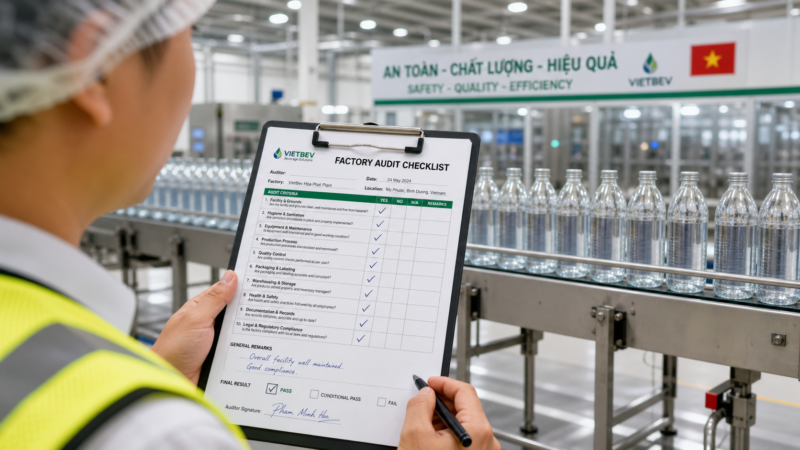
A halal audit checks whether your documented system matches practice on the factory floor and whether both align with the chosen halal standard. Auditors review documents, observe production areas, and verify controls from incoming goods to finished product release.
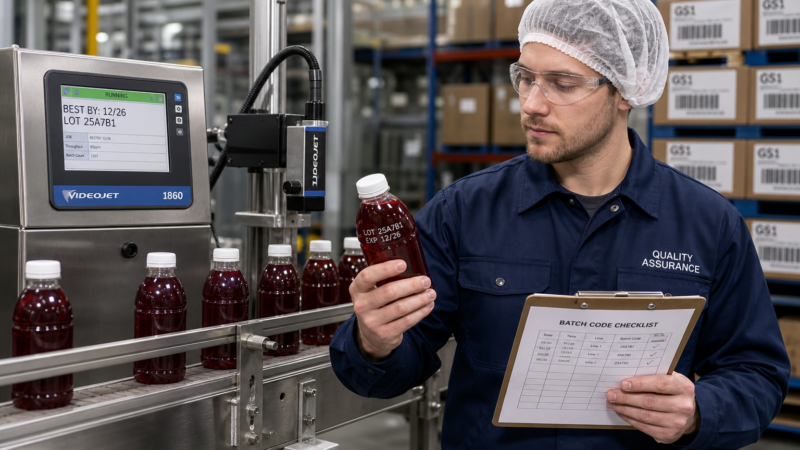
- Document review: Ingredient specs, halal declarations, supplier approvals, batch records, sanitation SOPs, training records, and traceability tests.
- Facility tour: Segregation, storage, line clearance, cleaning, and production scheduling, particularly where non-halal items are present on site or were historically processed.
- Control validation: Evidence that critical points are consistently managed, including change control and recall testing.
- Label checks: Draft and live labels for correct use of halal terms and marks per certifier guidance.
Halal control points across the beverage supply chain
The table below summarizes typical control points and the kind of evidence auditors often request. Adapt it to your product, process, and destination.
| Supply chain stage | Control focus | Documents & evidence |
|---|---|---|
| Raw material sourcing | Ingredient permissibility and risks | Specifications, halal declarations, certificates, full composition where needed |
| Flavors & processing aids | Carriers, solvents, enzymes, anti-foams | Technical data sheets, halal confirmations, manufacturing flow descriptions |
| Packaging materials | Food-contact suitability; absence of restricted substances when required | Supplier attestations, compliance letters, migration/safety data as applicable |
| Storage & segregation | Prevent mixing or contact with non-halal | Warehouse maps, labeling systems, segregation SOPs, photos |
| Production & cleaning | Validated sanitation and line clearance | Cleaning SOPs, records, validation reports, changeover logs |
| Training & awareness | Staff competency on halal controls | Training matrix, attendance records, competency checks |
| Traceability & recall | One-step up/down trace, mock recall | Batch records, mock recall results, trace tests |
| Labeling & claims | Correct use of halal marks and wording | Label proofs, approvals from certifier, market-specific guidance |
| Outsourced/co-packing | Alignment across partner facilities | Contracts, partner certifications, shared SOPs, audit reports |
Step-by-step plan to prepare your halal certification project
Use this roadmap to structure your timeline, responsibilities, and documentation. Your certifier may provide templates; if not, adapt standard quality-system formats.
- Define target markets & standards: Confirm buyer and authority expectations, and select a certifier accepted by your destination(s). This prevents rework later.
- Gap assessment: Review current ingredients, processing aids, sanitation, and labeling against the chosen halal standard. Flag unknowns for supplier follow-up.
- Supplier outreach: Request halal declarations, detailed specs, and—for higher-risk items like flavors—full composition or manufacturing statements as your certifier requires.
- Formulation adjustments (if needed): Replace or reformulate components that cannot be supported as halal under the intended standard.
- Halal Assurance System (HAS): Document roles, procedures, training, segregation, change control, nonconformance handling, and internal audits focused on halal control points.
- Label planning: Draft compliant front, back, and side panels. Keep space for the halal mark and any language or placement rules your certifier specifies.
- Internal verification: Run a mock audit. Check traceability, review cleaning records, and test recall; correct gaps before the external audit.
- Certification audit: Host the auditor, demonstrate controls in practice, and respond promptly to any findings with corrective actions.
- Approval & mark use: After approval, align production and release only with authorized labels. Keep up with surveillance audits and renewals as scheduled by your certifier.
Ingredient screening: where beverage risks often hide
Even plant-based beverages need careful verification. Focus on items where complex production steps or carriers are common:
- Natural & nature-identical flavors: Confirm carriers/solvents and sub-ingredients. Some standards treat certain carriers differently; seek explicit documentation.
- Clouding/emulsifier systems: Validate sources of emulsifiers, esters, and weighting agents.
- Colors: Verify sources; ensure any carriers or processing aids are covered.
- Enzymes & filtration aids: Processing aids may not remain in the finished drink but can still affect halal status depending on origin and method of production.
- Anti-foam & stabilizers: Check composition and origin.
- Sweeteners & minerals: Confirm whether anticaking agents or carriers require halal evidence.
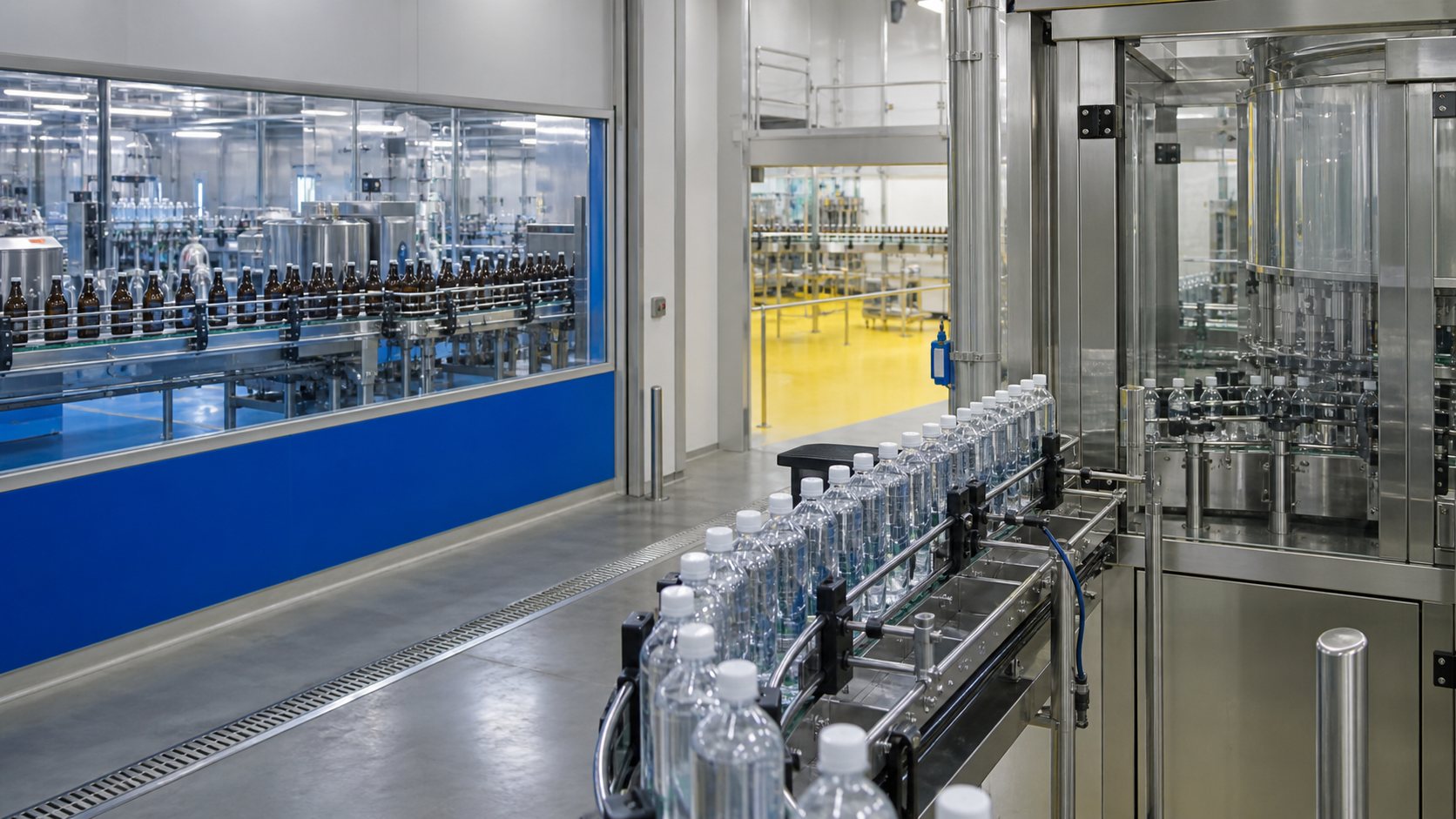
Do labels and claims change once you are halal certified?
Yes—labels often change to include the halal mark and certification details authorized by your certifier. Use only the exact artwork, wording, and placement approved for each market. Many authorities restrict how the term “halal” appears; always align with the certifier’s published rules and any country-specific label regulations.
Plan your packaging lead times accordingly. Keep proof files with visible approval stamps or emails from your certifier. If you operate multiple SKUs or markets, maintain a label matrix documenting which halal mark applies to each product-country combination.
Working with co-packers, ingredient suppliers, and logistics partners
Halal certification extends beyond your own site. If you use co-packers or third-party warehouses, the certifier may require alignment and documentation from those partners. Establish clear contracts, shared SOPs, and change-notification processes for any ingredient swap, line modification, or process update that could affect halal status.
- Co-packers: Confirm their acceptance by your certifier, their own halal status if applicable, and onsite segregation controls.
- Suppliers: Keep halal declarations current and version-controlled. Create a refresh cadence for higher-risk materials (e.g., flavors).
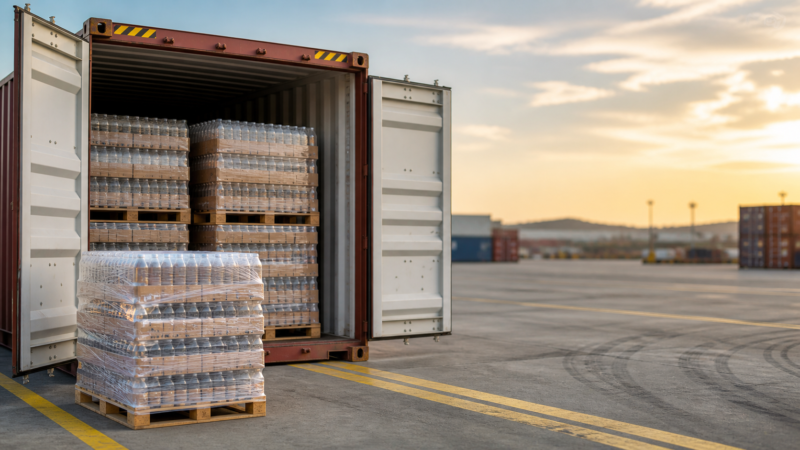
- Logistics & storage: Maintain segregation during transit and at 3PL sites where required by your standard or certifier.
Costs, timing, and what influences both
Total cost and timeline vary widely by product complexity, number of SKUs, facility readiness, and the certification body’s process. Projects move faster when you: finalize markets early, gather complete supplier documentation, correct gaps before the audit, and manage labels carefully to avoid reprints. Build a buffer into your launch plan to accommodate document review cycles and any corrective actions after the initial audit.
How halal certification intersects with other export requirements
Halal certification typically sits alongside food safety programs, product registrations, and import permits. Strong GMP/HACCP systems make halal audits more efficient because many records and trainings already exist. For a broader view of compliance planning, read our overview of beverage certifications. If your route includes North America or Oceania, align halal documentation with any destination-specific labeling and safety requirements you manage in parallel.
If your export plan includes the United States, consider scheduling your halal project so it complements any customs, labeling, or logistical milestones already on your critical path. For logistics timing and documentation examples, see our guidance on shipping beverages from Vietnam to the United States.
Information for Vietnam-based beverage projects
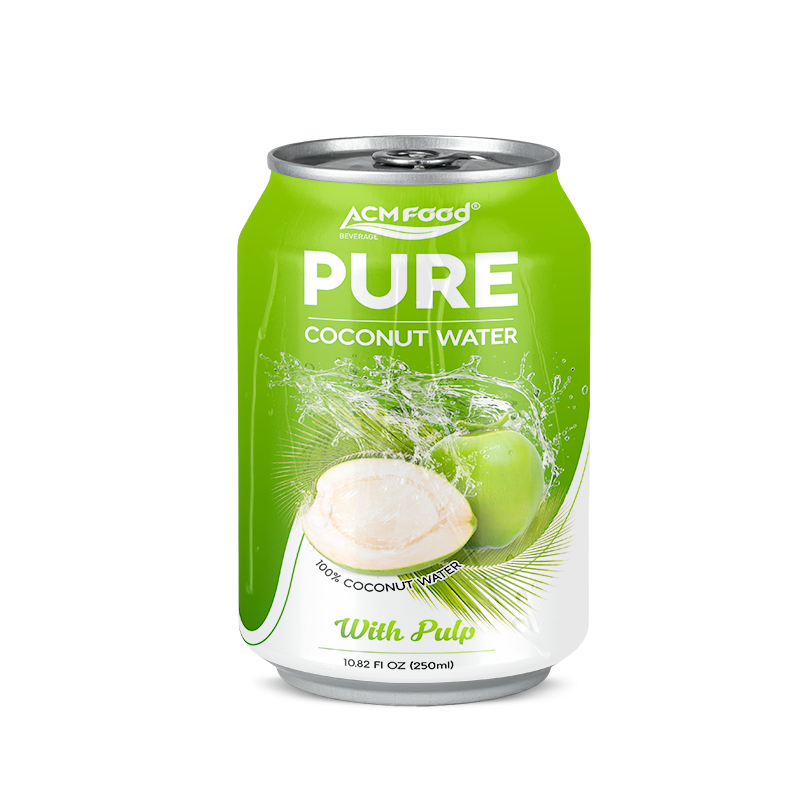
Vietnam is a growing source for coconut water, fruit drinks, and functional beverages targeting global markets. If your project is based in Vietnam, select a halal certifier that your target buyers and authorities accept. Align suppliers early—especially flavor houses and processing-aid vendors—with the certifier’s documentation needs. For category context, explore opportunities with a coconut water supplier in Vietnam for private label or learn more about sourcing by visiting Vietnamese coconut water: why Vietnam is a top source.
Internal audits, surveillance, and change control
Halal certification is maintained, not just obtained. Expect surveillance audits or periodic reviews, and treat change control as a central discipline. Before you swap a supplier, adjust a process, or rework a label, check with your certifier. Keep a log of changes, approvals, and effective dates so production and QA always work from the latest authorized documents.
How to communicate halal status to buyers
Share the certificate, scope, and a clear list of covered SKUs and manufacturing sites. Provide lead times for any new SKU additions. When negotiating with new accounts, confirm whether they require specific certifier recognition, label language, or mark size. If you sell private label, align the retailer’s artwork guidelines with the certifier’s rules early in the project.
Troubleshooting common halal certification hurdles
Many delays trace back to documentation gaps or ambiguous ingredient origins. If you hit a barrier:
- Request alternative declarations or additional technical data from suppliers.
- Discuss acceptable options with your certifier—such as reformulating a carrier or replacing a processing aid.
- Run a focused internal audit on the specific control point (e.g., sanitation changeover) and submit the corrective action evidence.
- Recheck label proofs for exact wording and mark usage per the certifier’s style guide.
FAQ: Halal certification for beverage export
Below are concise answers to frequent exporter questions. Always confirm details with your certifier and destination-market guidance.
Do all Middle East markets require a halal drink certificate?
No. Requirements vary by country, buyer, and channel, but many importers and retailers expect it. Confirm expectations with your buyer and the importing country’s authority before production.
Can flavors that use ethanol during manufacture be acceptable?
It depends on the certifier and standard, including how the flavor is produced and used. Provide full technical documentation, and seek written confirmation from your certifier for your specific application.
Is kosher certification interchangeable with halal?
No. They are distinct systems with different requirements and authorities. Some buyers accept one or both, but halal status must be established through a recognized halal certification route.
Does a plant-based beverage automatically qualify as halal?
No. Even plant-based drinks require verification of flavors, processing aids, carriers, and sanitation methods. Documentation and audits are still necessary.
When can I print the halal mark on my label?
Only after approval and according to the certifier’s artwork and usage rules. Use the exact mark and placement authorized for each product and market.
Conclusion: Build once, certify confidently, export with clarity
Halal certification for beverage export is about systemized control—verifying ingredients, preventing cross-contact, documenting practices, and labeling correctly for your destination markets. The strongest projects start with clear market scope, thorough ingredient screening, and a practical Halal Assurance System that fits real factory workflows. Keep records current, manage changes carefully, and coordinate labels with your certifier to avoid delays.
If you want to discuss project scoping, document checklists, or timelines, please reach out via our contact page. That conversation can help you align your formulation, certification path, and launch plan early—before you commit to artwork and production slots.
Compliance and shipping at ACMFOOD
For the certificates and food safety systems buyers and customs ask us to produce, see certifications and food safety systems. For shipping terms, the document pack and container planning, see export and logistics. To discuss a specific market, request a quote.
Request a quote