


 Français
 Español
 العربية
 한국어
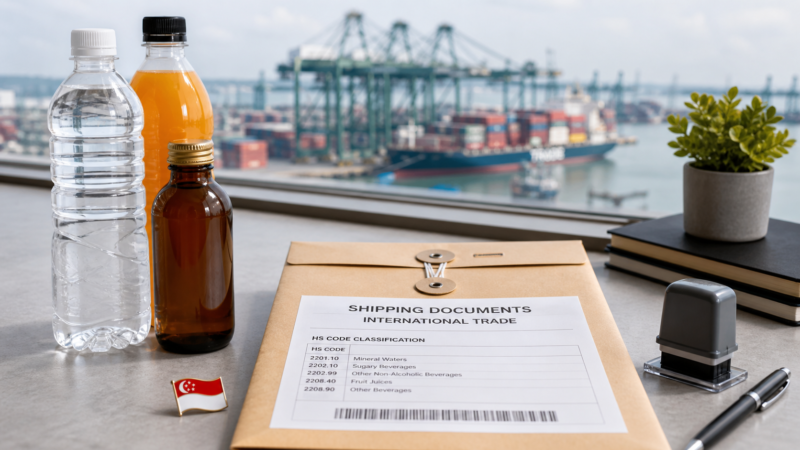
한국어To import beverages into Singapore, you must be licensed or registered with the Singapore Food Agency (SFA) and obtain an import permit for every consignment via TradeNet on the Networked Trade Platform (NTP). Non-alcoholic drinks are generally duty-free, but a 9% GST applies at import. Labels must comply with SFA Food Regulations, including Nutri-Grade where applicable.
This guide distills the process, documents, fees and timelines into a practical checklist for import managers. It focuses on SFA’s role, the per-consignment permit on TradeNet, and what beverage labels must show to clear Singapore customs smoothly.

Who regulates beverage imports into Singapore?
SFA oversees food safety and labeling for beverages entering Singapore. Singapore Customs manages import permits and GST collection via TradeNet on the NTP. For nutrition labeling of prepacked beverages, Nutri-Grade is administered at the national level and enforced through SFA’s framework.
- Singapore Food Agency (SFA): Food safety, licensing and compliance with the Sale of Food Act and Food Regulations.
- Singapore Customs: Import permits for each consignment, customs declarations and GST at import.
- TradeNet (NTP): The electronic system where import permits are lodged; SFA is the controlling agency for food.
- Ports of entry: Containerized sea freight typically lands at PSA Singapore Terminals; airfreight at Changi Airport.
Step-by-step: How to import beverages into Singapore legally
The steps below reflect how practitioners plan and execute shipments. Sequence may vary by product, but every shipment requires an SFA-controlled import permit on TradeNet.
- Confirm scope & HS classification. Determine whether your product is a non-alcoholic prepacked beverage (generally duty-free, subject to GST and SFA rules) or an alcoholic beverage (dutiable and also regulated for alcohol controls). Classification under the correct HS code guides permit, controls and taxes.
- Set up a Singapore business and UEN. Ensure your importing entity is registered in Singapore and has a Unique Entity Number (UEN). You will use it for SFA licensing and to lodge import permits via TradeNet on the NTP.
- Activate your Singapore Customs account on NTP. Importers typically activate a Customs account linked to their UEN to transact permits electronically and appoint a declaring agent or freight forwarder if desired.
- Obtain the SFA licence for processed food. Beverages are generally treated as processed food. Importers commonly apply for SFA’s licence covering processed food; alcoholic drinks have additional requirements. Keep licence details consistent with your entity name/UEN.
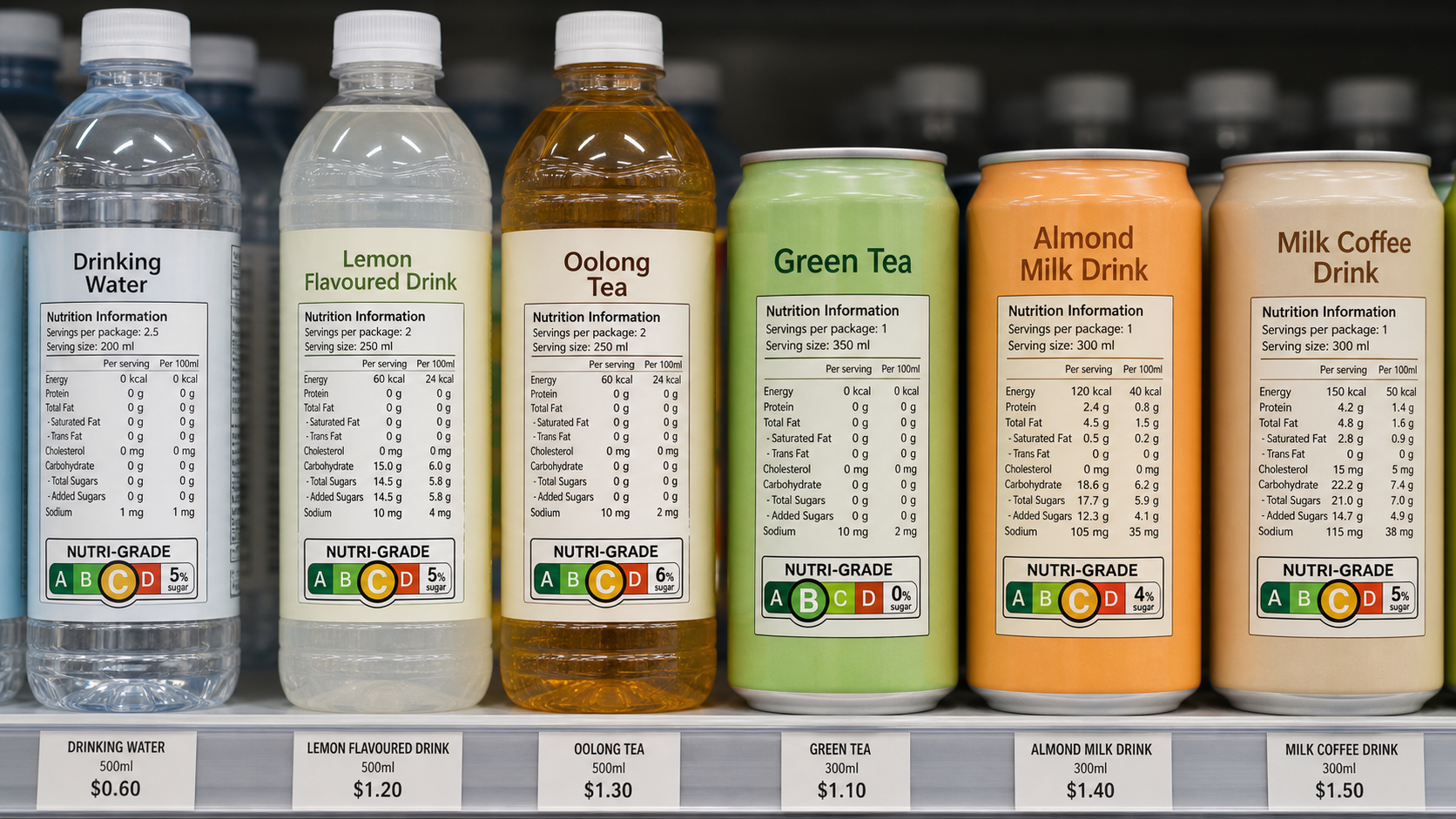
- Check product composition & labeling. Ensure labels meet SFA Food Regulations (ingredient list, net quantity, manufacturer/importer details, date marking). If the drink falls under Singapore’s Nutri-Grade scope for prepacked beverages, plan grade computation and front-of-pack mark placement.
- Prepare import documents. Assemble commercial invoice, packing list, bill of lading (or air waybill), product specifications, certificates (e.g., halal if relevant for your customers), and any test reports needed for claims. Align lot codes and shelf-life with your traceability plan.
- Lodge the per-consignment import permit via TradeNet. Before arrival, your company or declaring agent applies on TradeNet, selecting SFA as the controlling agency and declaring the tariff code, product description, quantities and customs value. State your GST payment arrangement.
- Arrange shipping & handling. Book space and stipulate handling conditions (ambient, chilled, or frozen). Sea cargo typically discharges at PSA terminals; air cargo at Changi. Align Incoterms with responsibilities for permits, GST, and delivery.
- Clearance, inspection and sampling. SFA applies risk-based checks. If directed, present documents and samples. Do not distribute until you receive the electronic release. Keep all release notes and declarations on file.
- Post-market compliance. Maintain records for traceability, retain samples as per your QA policy, and monitor labelling or formulation changes. If issues arise, cooperate with SFA on corrective actions or recalls as required.
Essential documents and data points
Strong documentation minimizes delays. Align every document with your TradeNet declaration to avoid red flags.
- Commercial invoice: Legal seller/buyer names (matching UEN for importer), Incoterms, currency, unit prices, line descriptions.
- Packing list: SKUs, pack formats, carton counts, net/gross weights, palletization details.
- Transport document: Bill of lading/air waybill with correct notify/consignee details.
- Product data: Full ingredient list, allergen statements, shelf life, storage conditions, country of origin, lot coding pattern.
- Certificates (if applicable): Halal, plant health for certain ingredients if requested, laboratory reports supporting any voluntary on-pack claims.
Labeling and formulation checkpoints for prepacked beverages
Singapore applies SFA Food Regulations and national nutrition policies to prepacked drinks. Non-compliant labels can trigger relabeling or re-export. Build these into your artwork checklist:
- Language & legibility: Mandatory information in English, with minimum font sizes and clear contrast.
- Ingredient list: Declared in descending order by weight; highlight specified allergens as required by SFA rules.
- Net quantity: Expressed in appropriate metric units (ml/L), near the principal display panel.
- Importer details: Name and Singapore address of the importer or distributor.
- Date marking: Best Before/Use By as applicable, aligned with product safety and shelf-life stability.
- Nutrition information: Present where required by regulation or when you make nutrition claims.
- Nutri-Grade: Prepacked beverages within scope require calculation of the Nutri-Grade and, where required, front-of-pack marking; advertising restrictions can apply to lower grades.
- Voluntary claims: Only if substantiated and permissible under local rules; ensure words and graphics do not mislead.
Quick matrix: beverage categories and controls
Use this table to align product type with typical regulatory notes. Always confirm details against current rules and your specific formulation.
| Beverage category | SFA control focus | Labelling highlights | Duty & GST | Positioning & notes |
|---|---|---|---|---|
| Non-alcoholic, shelf-stable (juices, teas, isotonic) | Processed food licence; per-consignment import permit on TradeNet | Ingredient list, date marking, importer details; Nutri-Grade if in scope | Generally duty-free; 9% GST applies | Common retail formats; check added sugar/sweeteners |
| Chilled non-alcoholic (cold-chain) | Same as above; may face temperature control checks | Storage conditions, shorter shelf-life, Nutri-Grade if in scope | Generally duty-free; 9% GST applies | Plan cold-chain and faster clearance |
| Alcoholic beverages | Alcohol controls in addition to SFA oversight | Alcohol content declaration and applicable warnings | Dutiable; GST applies | Confirm excise rates and licensing conditions |
| Functional or fortified drinks | Composition and claim substantiation | Nutrition information when claims are made; claim wording limits | Generally duty-free; 9% GST applies | Substantiate any on-pack benefits |
Shipping, handling and shelf-life planning
Build logistics around stability and time-to-shelf. Sea freight is cost-efficient for ambient beverages; air freight suits urgent launches or short shelf-life SKUs. If shipping from Vietnam, see sea freight transit times from Ho Chi Minh City to scope lead times.
- Mode & routing: PSA Singapore Terminals for FCL/LCL; Changi Airport for air. Coordinate arrival with permit window.
- Pallet & pack design: Ensure barcodes and date codes are easily scannable during SFA checks and retail receiving.
- Cold-chain (if needed): Specify temperature set points and add data loggers for risk-based inspections.
- Shelf-life buffers: Reserve inbound time for inspections, relabeling (if needed) and last-mile delivery.
Costs, taxes and timelines
Budget beyond freight and insurance for regulatory and trade processing. While exact fees vary by case, plan for:
- Licensing: SFA licence covering processed food (validity and fees depend on licence type and tenure).
- Permit charges: TradeNet filing and any service fees by your declaring agent.
- GST at import: Calculated at 9% of the customs value plus freight/insurance and any duties (for alcohol).
- Inspection costs: If sampling or additional handling is required.
Lead time is driven by document readiness, label compliance and inspection directs. Many permits are processed electronically, but factor contingencies for peak periods or clarifications from authorities.
Common pitfalls and how to avoid them
- Missing the per-consignment permit: Every shipment needs its own TradeNet import permit with SFA as controlling agency.
- Label deviations: Artwork not aligned with SFA rules (e.g., missing importer address or date mark) triggers relabeling or holds.
- Unclear product descriptions: Vague or marketing-heavy descriptions in the permit can cause queries; use factual, composition-based wording.
- Nutri-Grade oversight: Not assessing grade or front-of-pack requirements early can delay printing and shipment.
- Cold-chain gaps: Chilled drinks without documented temperature control attract higher scrutiny and potential spoilage.
- Poor traceability: Mismatched lot codes between documents and cartons hinder release and downstream recalls.
Information for beverage brands and buyers
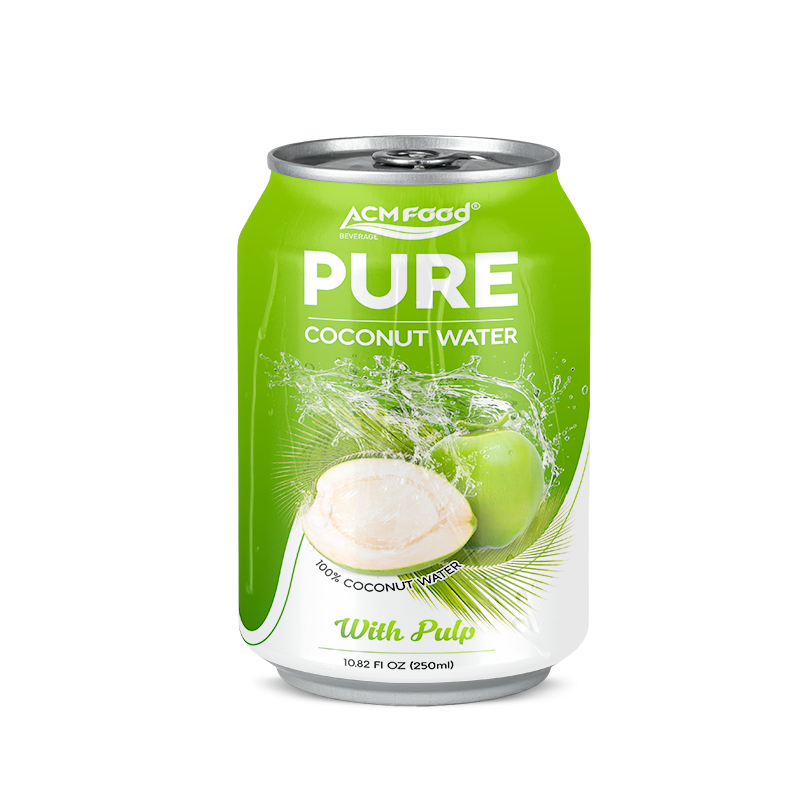
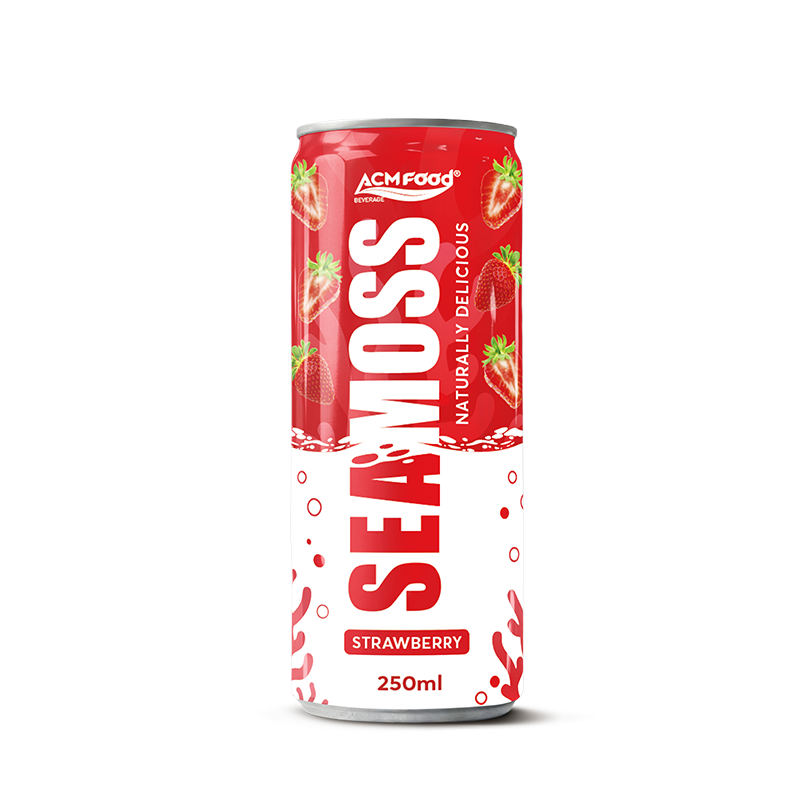
Singapore’s retail is premium, convenience-driven and innovation-aware. Validate whether your concept fits local demand before scaling imports. Explore the Singapore beverage market overview to align format, price-pack architecture and channels. Category momentum is strong for natural hydration; see natural hydration innovation reshaping beverages and this deep dive on why canned fresh coconut water is growing fast. For niche or emerging formats, test education-led content such as what is a seamoss drink and why it is trending. Round out planning with macro signals in APAC beverage trends 2026.
For B2B execution, align your product brief with HS codes, Nutri-Grade scope, artwork checkpoints and shelf-life. Map stakeholder roles across brand owner, importer of record, declaring agent and 3PL so that SFA licensing, TradeNet permits and GST remittance are owned by the right party.

FAQ
Do I need a permit for each shipment of beverages?
Yes. Singapore requires an import permit for every beverage consignment lodged via TradeNet on the NTP, with SFA as the controlling agency for food items.
Are non-alcoholic beverages dutiable in Singapore?
Non-alcoholic drinks are generally not subject to customs duty, but GST at 9% applies on import. Alcoholic beverages are dutiable in addition to GST.
Is Nutri-Grade mandatory on all drinks?
Nutri-Grade applies to prepacked beverages within scope. Many such products must display the grade on the front of pack and follow related advertising rules.
Can a foreign company act as importer of record?
Imports are typically made by a Singapore-registered entity with a UEN that holds the relevant SFA licence and can lodge TradeNet permits or appoint an agent to do so.
Where do beverage imports enter Singapore?
Containerized sea freight usually enters via PSA Singapore Terminals, while urgent or small consignments may arrive by air at Changi Airport.
Conclusion
To import beverages into Singapore efficiently, anchor your plan on three points: (1) obtain the appropriate SFA licence, (2) lodge a TradeNet import permit for every consignment, and (3) ship with labels that satisfy SFA Food Regulations and Nutri-Grade where relevant. Build GST and potential inspections into timelines, and keep traceability airtight from invoice to pallet label. With a compliant label set, robust documents and a steady declaring agent, Singapore’s port and airport infrastructure can move beverage cargo quickly to shelf.
Sources
- Singapore Food Agency (SFA) — Official website
- Singapore Customs — Official website
- Health Promotion Board (HPB) — Official website for national nutrition policies