


 Français
 Español
 العربية
 한국어
한국어Searching for a beverage manufacturer Korea typically means you are evaluating partners to develop, produce, fill, and ship ready-to-sell drinks for the South Korean market. This guide clarifies what manufacturers and co-packers do, how to scope your project, key regulatory and packaging considerations, and the commercial steps to move from idea to launch.
Korea’s beverage market is valued at roughly USD 12–14 billion at retail and growing 4–5% a year, with ready-to-drink formats — coffee, tea, and functional waters — now over 45% of total volume. Domestic majors such as Lotte Chilsung and Coca-Cola Korea’s local bottling cover an estimated 70–80% of supply, which leaves private label and imported specialty drinks as the segment where new brands and importers actually compete. The right manufacturing partner helps translate your brief into a formulation and process that aligns with Korea’s Food Code, your brand positioning, and retailer expectations.
What does a beverage manufacturer for Korean brands do?
A beverage manufacturer for Korean brands turns your concept into a commercial product by aligning formulation, sourcing, processing, filling, quality assurance, and documentation with your brief and Korean labelling rules. They help select packaging, confirm shelf-life strategy, pilot on suitable lines, and prepare the records the Ministry of Food and Drug Safety (MFDS) and your Korean importer need for customs release and retailer onboarding.
In practical terms, you supply a clear brief, brand strategy, and target price. The manufacturer proposes a formula approach, confirms compatible processes (hot-fill, tunnel pasteurization, UHT, or carbonation), selects packaging that fits the line, runs pilots, and documents specifications. If you are new to outsourcing, this primer on OEM beverage manufacturing for Korean buyers outlines the engagement models importers typically use.
Which beverage formats sell well in Korea?
Availability depends on each facility, line configuration, and certifications. Categories performing strongly in the Korean market include:
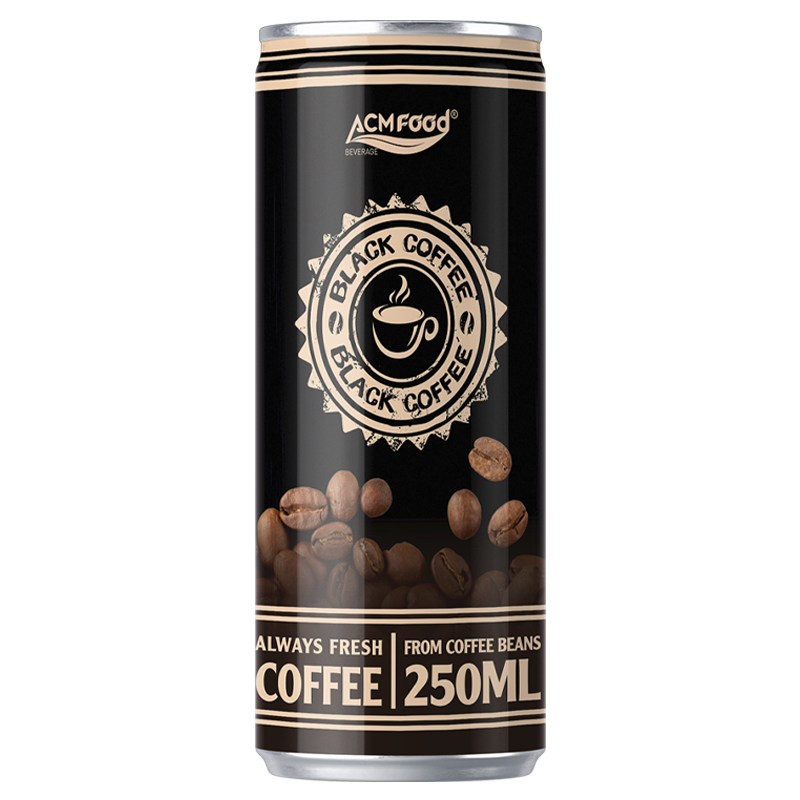
- RTD coffee and tea (the single largest RTD segment in Korea)
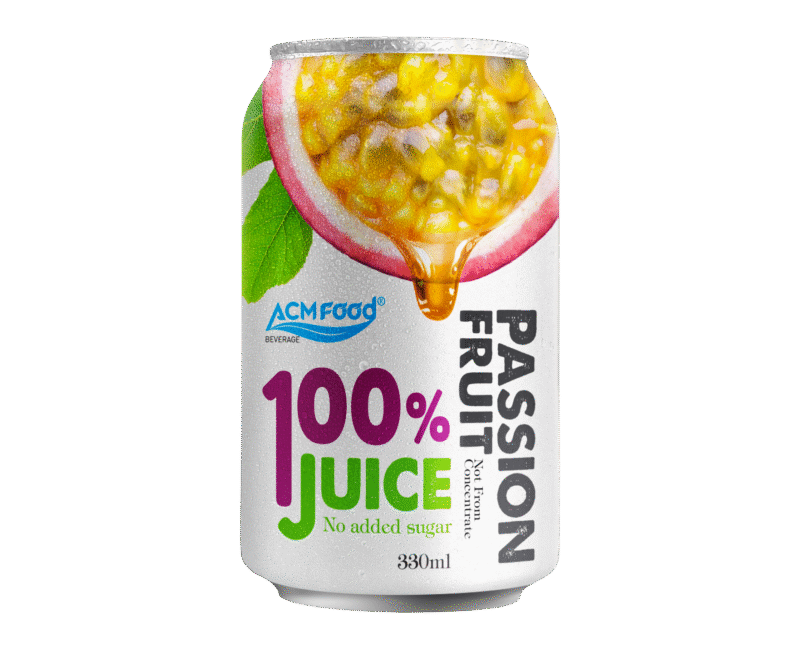
- 100% fruit juice, nectars, and juice drinks
- Coconut water and blended waters
- Functional and electrolyte beverages, positioned around hydration or recovery
- Flavoured sparkling water and lightly sweetened still waters
- Sugar-reduced and zero-calorie variants — currently the fastest-growing sub-segment
Health-oriented launches now account for an estimated 35–40% of new Korean beverage listings, so a clean label and a defensible “no added sugar” or “low sugar” claim carry real commercial weight if your formula and lab data support it.
How to write a strong beverage product brief for Korea
A concise, decision-ready brief saves development time and reduces reformulation loops. Include:
- Category and benchmark: the reference products you expect to compete with on Korean shelves
- Target sensory: flavour direction, sweetness, acidity balance, colour and clarity
- Formula intent: 100% juice vs nectar vs juice drink; sweetener approach; caffeine content if any — caffeine must be declared on Korean labels
- Processing guardrails: hot-fill or pasteurised, UHT, carbonated or still
- Packaging: format (can, PET, glass, aseptic carton), closure type, fill volume
- Shelf-life objective: ambient vs chilled chain; storage and distribution assumptions
- Compliance notes: allergens, additive names permitted under Korea’s Food Code, Nutrition Facts plan
- Commercial targets: indicative FOB or landed cost goals, first-order volume
If you plan a retailer-led programme instead, see private label beverages for Korean brands for how store-brand development differs from a fully custom formulation.
Regulatory basics: MFDS and the Korean Food Code
Every beverage sold in Korea must comply with the Food Code administered by the Ministry of Food and Drug Safety (MFDS). A manufacturer can supply product specifications and ingredient statements, but the brand owner and Korean importer remain responsible for final label and import compliance. Core elements to plan for:
- Product name and ingredient list in Korean, in descending order by weight
- Additive names and functions permitted under the Korean Food Code
- Allergen declarations where relevant
- Nutrition Facts panel and caffeine content for caffeinated drinks
- Country of origin, importer details, and lot/date coding
- Foreign manufacturing facility registration with MFDS — required for many imported beverage categories before the first shipment
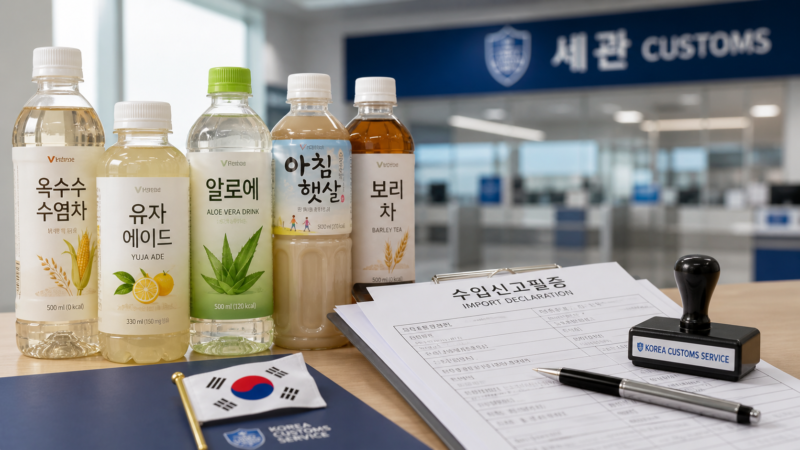
For the full import workflow, see how to import beverages into South Korea, which covers the MFDS declaration, first-lot inspection, and customs steps in detail.
Packaging choices for the Korean market
Korea grades packaging for recyclability under its Resource Recycling Act, and producers must print a recyclability rating (Excellent / Good / Normal / Difficult to recycle) on pack. From January 2026, bottled water and select PET beverage categories are also moving toward label-free packaging with product information carried on a QR code, and large-volume PET producers face minimum recycled-content requirements. These rules are evolving quickly, so confirm current thresholds with your packaging supplier before locking artwork.
| Format | Typical fit in Korea | Notes |
|---|---|---|
| Aluminium can (slim/sleek) | RTD coffee, tea, functional drinks, convenience channel | Rated highly recyclable; strong shelf presence in convenience stores |
| PET bottle | Juice drinks, water, isotonic beverages | Subject to the tightest recyclability and label rules; check current QR/label status |
| Glass bottle | Premium tea, cold-brew coffee, boutique juice | Strong quality perception; heavier freight cost |
| Aseptic carton | Juice, plant-based and dairy-adjacent drinks | Ambient-stable; good for wide distribution outside cold chain |
Domestic vs overseas manufacturing for Korean brands
Both paths work. Vietnam is a practical overseas base for ambient-stable formats: shipping to Busan or Incheon is comparatively short within Asia, and Vietnam-origin beverages benefit from the Vietnam–Korea Free Trade Agreement (VKFTA, in force since December 2015), which is phasing out tariffs on most Vietnamese food and beverage lines. Confirm the current duty schedule for your specific HS code with a Korean customs broker, since preferential rates depend on meeting rules of origin.
| Consideration | Domestic (Korea) | Overseas (e.g. Vietnam) |
|---|---|---|
| Process fit | Good for lines matched to local pack formats | Broader format and cost flexibility |
| Oversight | Easier plant visits | Remote oversight with scheduled audits and pilots |
| Landed cost drivers | Labour, materials, domestic freight | FOB price, ocean freight, duty (often reduced under VKFTA), port fees |
| Lead time variability | Fewer border dependencies | MFDS first-lot inspection and transit time to plan for |
How to evaluate and select a partner manufacturer
- Shortlist by process and pack fit: confirm the line can run your intended packaging and thermal profile
- NDA and RFI: share your brief, volumes, and constraints; request capability statements
- Technical call: align on formulation guardrails, allergens, and changeover impacts
- Feasibility and pilot plan: agree test batch size and success metrics
- Commercial outline: FOB or landed cost scenarios, MOQ by component, payment terms
- QA and documentation: HACCP-based procedures, specifications, and traceability
- Korean label review: start translation and artwork early; lock dielines before print
- MFDS readiness: confirm foreign facility registration status before your first shipment
Cost drivers to model before you commit
- Ingredients: fruit concentrate vs not-from-concentrate, flavour system, sweetener choice
- Processing: thermal profile, carbonation, filtration
- Packaging: format, closures, Korean labels or stickering
- Quality testing: microbiology, additive compliance, shelf-life studies
- Freight and duty: ocean freight to Busan/Incheon, customs duty net of VKFTA preference, 10% VAT
- MFDS process: foreign facility registration and first-lot inspection lead time
FAQ: working with a beverage manufacturer for Korean brands
Do I need a Korean manufacturer to sell in Korea?
No. Overseas production is common, particularly for ambient-stable formats. The product must still clear MFDS declaration and carry compliant Korean labelling regardless of where it is made.
What minimum order quantities should I expect?
MOQs vary by packaging format and component lead times more than by the beverage itself. See the MOQ guide for Korean buyers for typical ranges.
Can I claim “no added sugar” or similar statements?
Only if your final formula and lab results support the wording under Korea’s Food Code. Align claim intent with formulation and label review before artwork lock.
How does overseas manufacturing affect launch timing?
Build in time for MFDS foreign facility registration and first-lot inspection, which is typically stricter than for repeat shipments. Locking your formula and label early reduces the risk of renewed checks.
Conclusion and next steps
The fastest route to a viable Korean launch is a clear brief, an aligned manufacturer, and early Korean label planning. Define your category, processing constraints, packaging, and commercial targets, then run a disciplined pilot-to-production path with MFDS requirements built into the critical path. If you run multi-market programmes, compare norms with beverage manufacturer for Australian brands or beverage manufacturer for U.S. brands and then tailor for Korea’s Food Code.
Sources
- Ministry of Food and Drug Safety (MFDS) — English
- Vietnam–Korea Free Trade Agreement (VKFTA) overview — WTO Center Vietnam
Manufacturing for Korean brands
If you are sourcing for the Korean market, start with OEM beverage manufacturing for how contract production is structured, certifications and food safety systems for the evidence importers and retailers require, and export and logistics for shipping terms and documentation. To price a programme, request a quote.
Request a quote