



 Français
 Español
 العربية
 한국어
한국어Sustainable beverage packaging means choosing materials, formats, and claims that genuinely reduce environmental impact and can be backed up with real data, rather than packaging that simply carries a green-sounding word on the label. The distinction matters commercially: an unsupported sustainability claim creates regulatory and reputational risk, while a well-documented one becomes something a retailer or importer can actually verify.
This guide compares how PET, glass, and aluminum cans perform on the sustainability factors that actually matter for a beverage brand, and explains which claims a manufacturer can support with evidence versus which ones drift into greenwashing.
What “sustainable packaging” actually means for a beverage brand
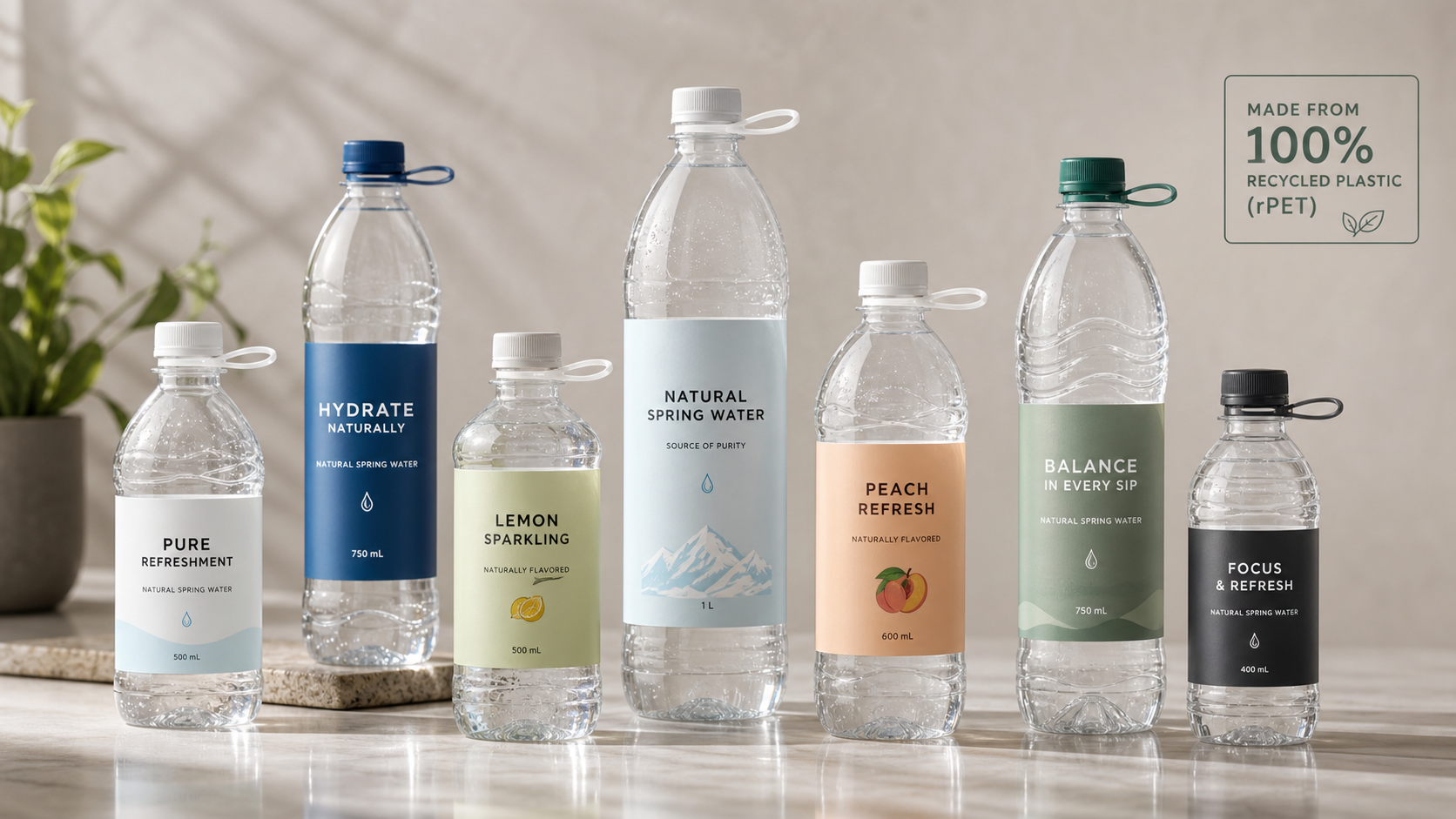
In practice, sustainable packaging claims usually rest on a small set of measurable factors: how recyclable the material is in the markets you sell into, how much recycled content it contains, how much it weighs relative to the product it protects, and whether it fits into any deposit return scheme the destination market operates. A claim that cannot be tied back to one of these measurable factors is difficult to defend if a retailer, regulator, or customer asks for evidence.
Confirming which of these factors your target market actually tracks is the first step, since recyclability infrastructure, recycled-content rules, and deposit schemes vary significantly by country and even by region within a country.
Why sustainability claims face more scrutiny than before
Retailers, importers, and regulators in many markets have become more specific about what a packaging claim needs to demonstrate, moving away from accepting general statements toward requesting documentation such as recycled-content percentages, certification numbers, or a defined methodology behind a claim. A brand that cannot produce this documentation on request risks having a claim challenged or, in some markets, facing a compliance issue rather than simply a marketing inconsistency.
This shift makes it worth treating packaging sustainability claims the same way a brand would treat a nutrition or health claim: only state what can be shown, and keep the supporting documentation on file before the claim goes on pack.
Comparing common beverage packaging materials on sustainability
| Material | Recyclability | Typical recycled content availability | Weight consideration |
|---|---|---|---|
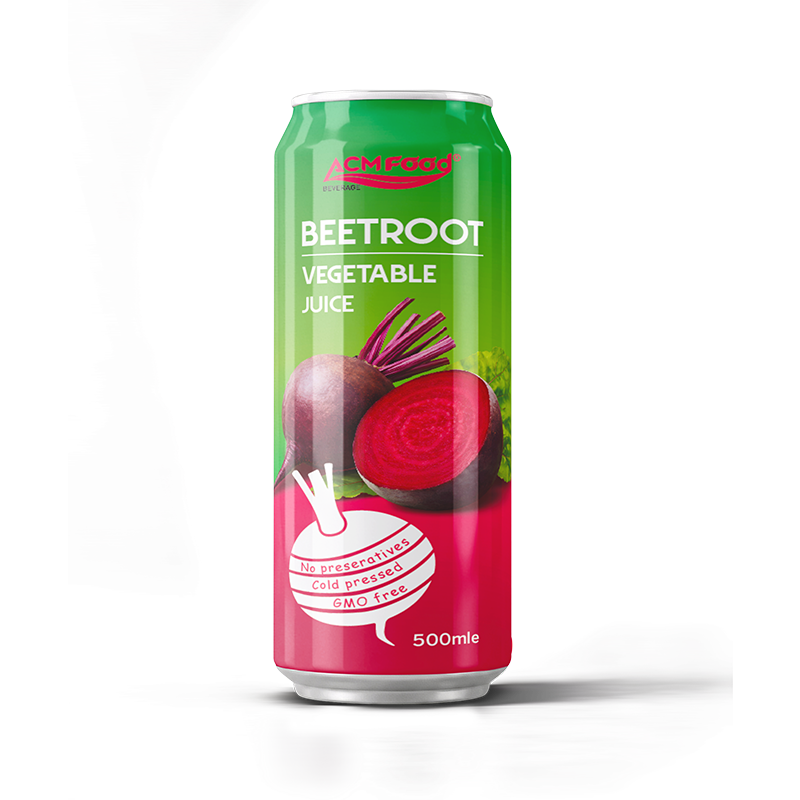
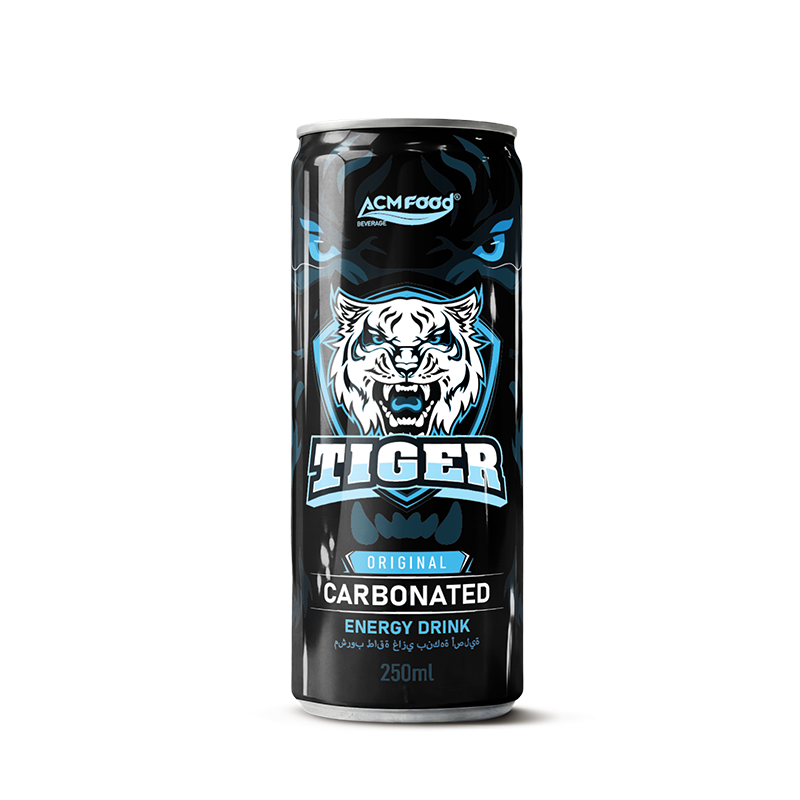
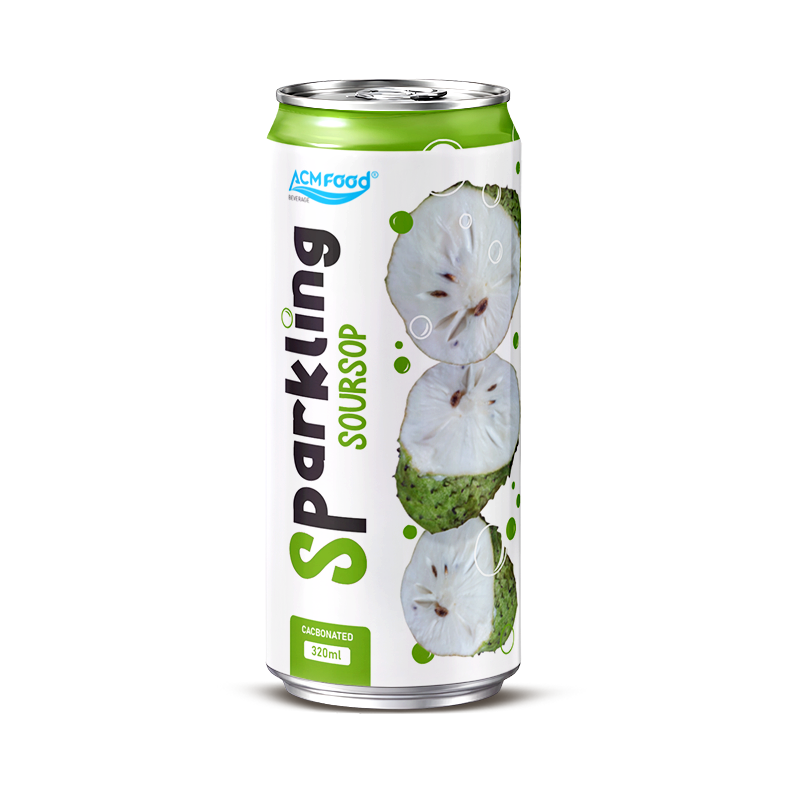
| Aluminum can | Widely recyclable in most established collection systems | Recycled aluminum is commonly available and widely used | Lightweight; favorable for freight-related impact |
| Glass bottle | Recyclable indefinitely without quality loss where collection exists | Recycled glass (cullet) content varies by supplier and color | Heavier; increases freight weight and cost per unit shipped |
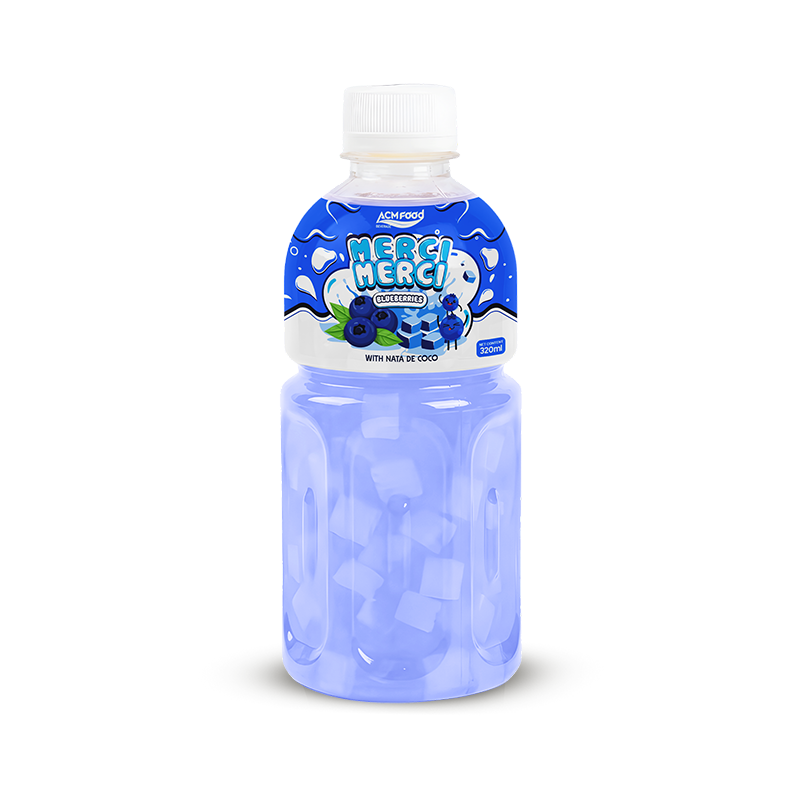
| PET bottle | Recyclable where PET collection and reprocessing exist | Recycled PET (rPET) content is increasingly available but varies by supplier and grade | Lightweight; but virgin PET is a fossil-fuel-derived plastic |
| Aseptic carton | Recyclable through specialized multi-material recycling streams where available | Recycled content options are more limited than single-material formats | Lightweight; efficient for ambient shelf-stable shipping |
Aseptic cartons and multi-material recycling
Aseptic cartons are typically made from layered materials, usually paperboard with thin plastic and sometimes foil layers, which makes them lightweight and well suited to ambient, shelf-stable shipping. Their multi-material construction also means they rely on specialized recycling streams rather than the single-stream systems used for glass, aluminum, or PET, so carton recyclability depends heavily on whether your target market has that specific collection infrastructure in place. Confirming this with your target retailer or region before making a recyclability claim for a carton format is worth the extra step, since availability varies far more than it does for single-material packaging.
How packaging weight affects freight and total impact
Weight is one of the more overlooked factors in a packaging sustainability comparison, because it affects fuel use and emissions across every leg of transport from factory to shelf, not just the material’s own recyclability. A lighter format shipped a long distance can outperform a heavier, more recyclable format on total transport-related impact, which is why a genuine comparison should account for your actual shipping distance and mode, not just the packaging material in isolation.
This is particularly relevant for export-focused brands: a heavier glass format that performs well on local recyclability in your home market may carry a larger freight footprint once it is shipped by ocean container to an overseas buyer, so the trade-off looks different depending on where the product is actually sold.
Glass packaging: what is actually sustainable about it
Glass can be recycled repeatedly without the material degrading, which supports a genuine circularity claim where local collection and reprocessing infrastructure exists. The trade-off is weight: glass is significantly heavier than PET or aluminum for an equivalent volume, which raises freight-related impact and cost, particularly for beverages shipped long distances by sea or air. A sustainability comparison between glass and lighter formats should account for this freight factor, not just the recyclability of the material itself.
How closures and secondary components affect a sustainability claim
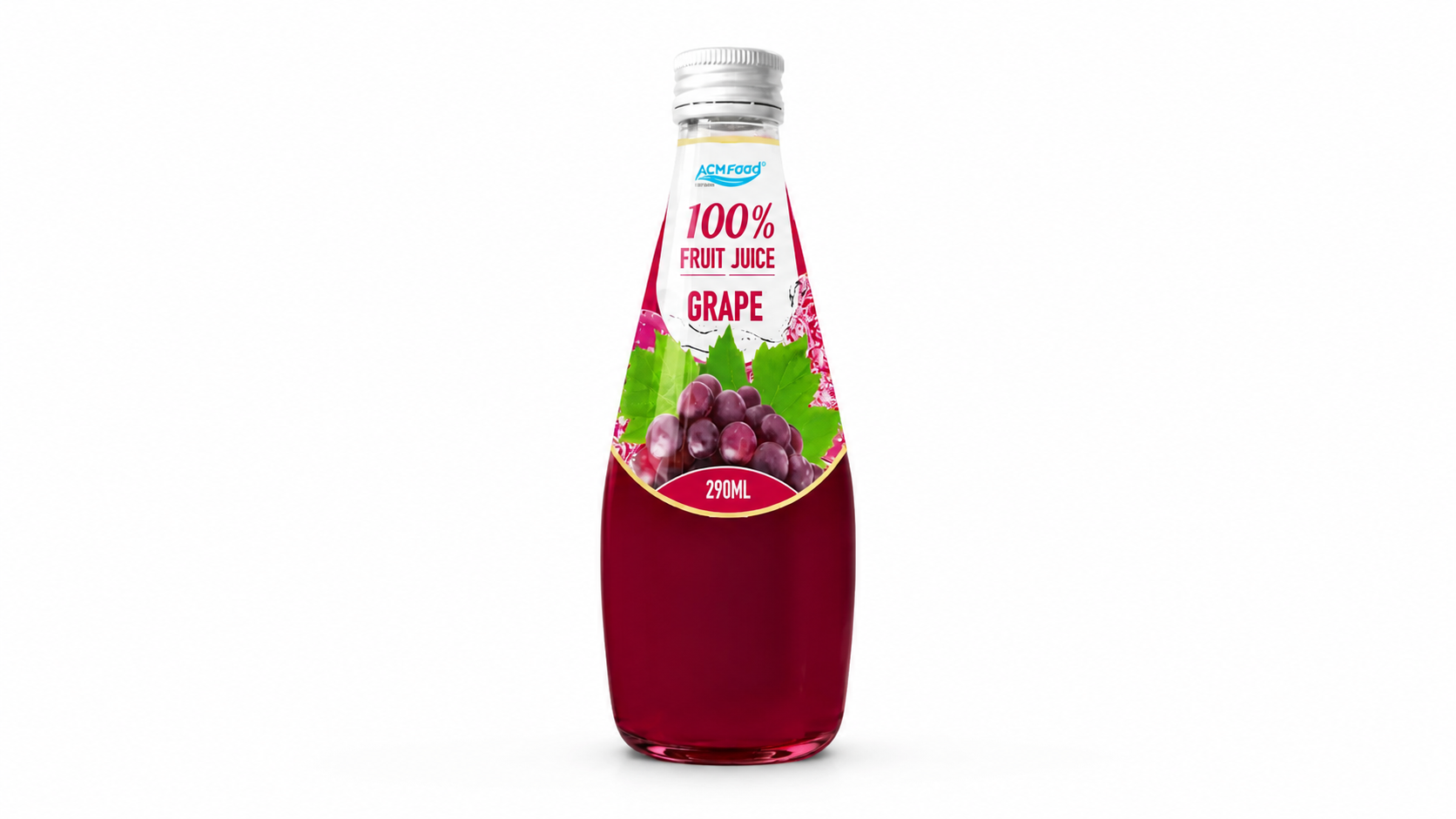
A packaging sustainability comparison that only looks at the primary container can miss meaningful differences in caps, labels, and sleeves, which are often a different material from the container itself and may not be recyclable through the same stream. A PET bottle with a tethered cap designed for the same recycling stream, for example, behaves differently in practice than one with a cap that has to be removed and discarded separately. Confirming how secondary components are handled is part of giving an accurate answer to a recyclability question, not an afterthought.
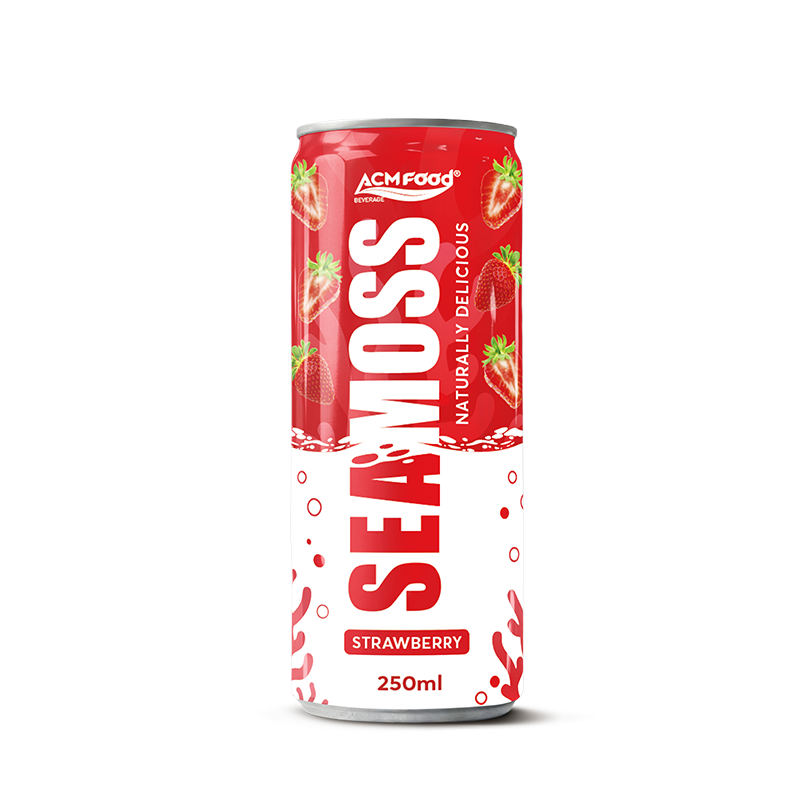
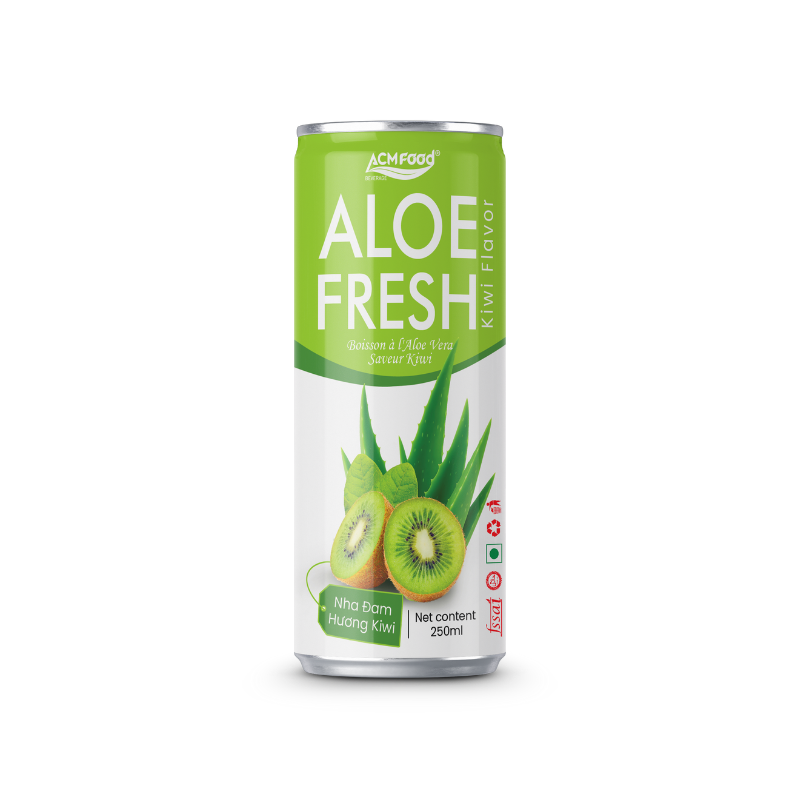
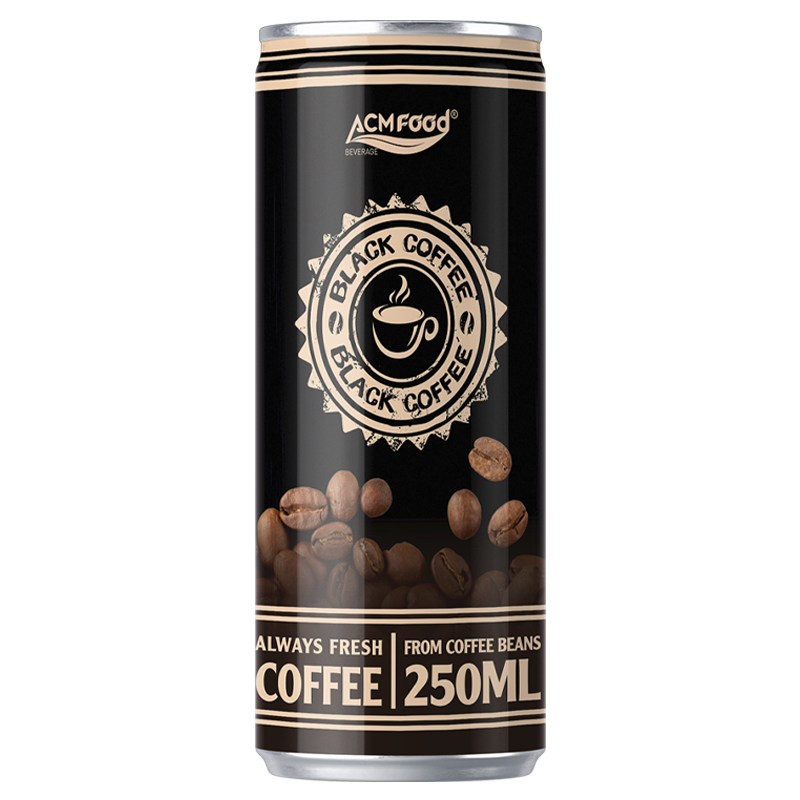
Aluminum cans and recyclability claims
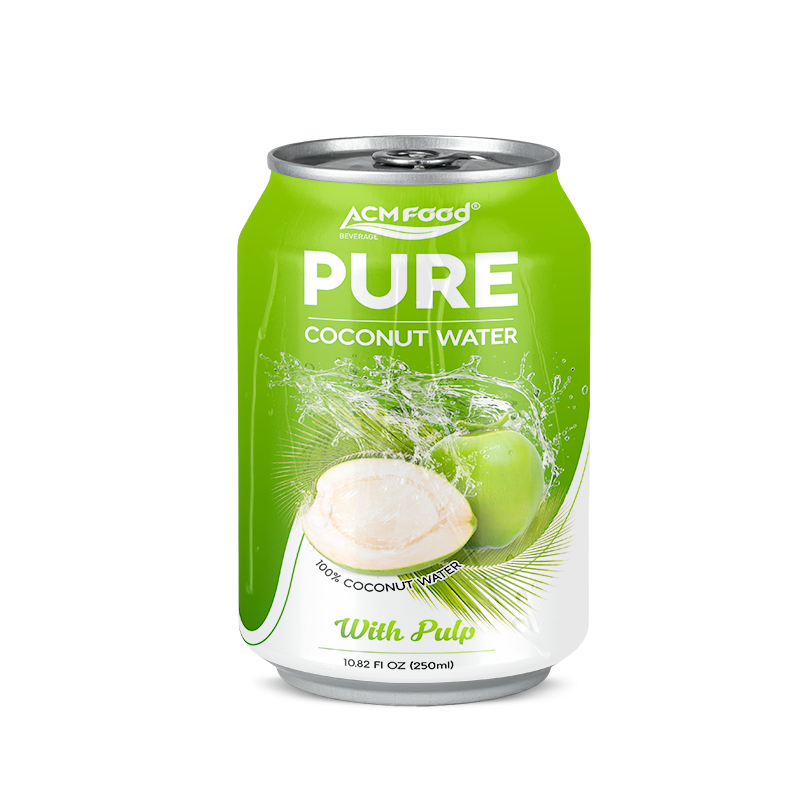
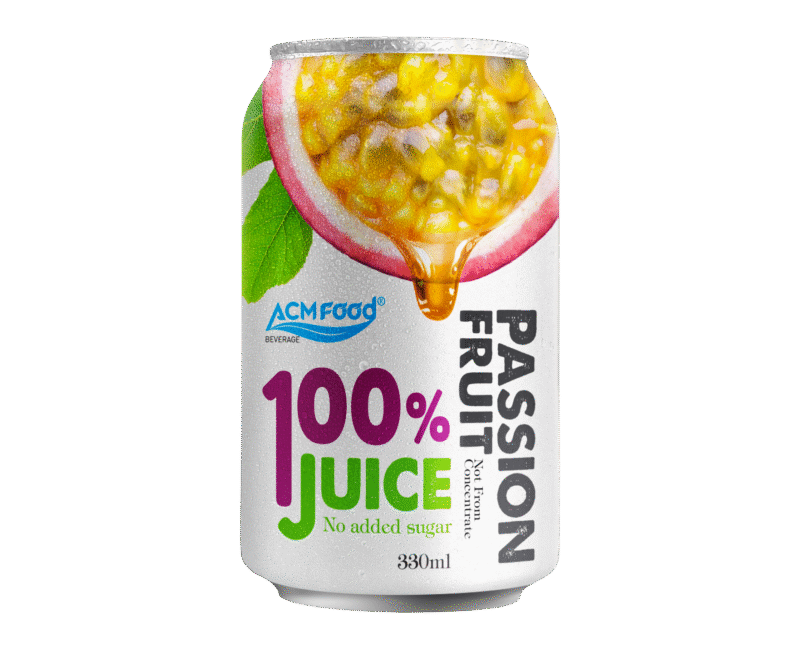
Aluminum cans benefit from an established, high-value recycling stream in most markets with organized collection, which supports claims about recyclability more readily than most other formats. However, a claim such as “infinitely recyclable” should still be qualified to the specific market and collection system your product is sold into, since actual recycling rates vary widely by country and are not the same as material recyclability in theory.
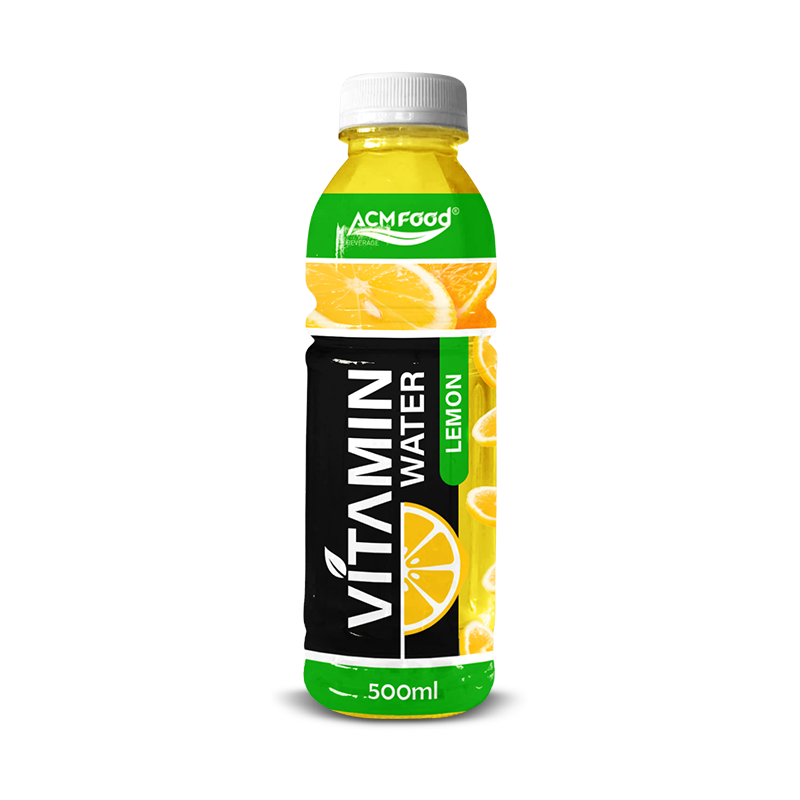
PET and rPET: which claims are defensible
PET is recyclable where collection and reprocessing infrastructure exists, and recycled PET (rPET) content has become more widely available as an alternative to virgin PET. A defensible claim states the actual percentage of recycled content used in a specific pack, confirmed by your packaging supplier’s documentation, rather than a general statement that the bottle is “eco-friendly” or “green” without a specific, verifiable basis.
Deposit return schemes and what they mean for your packaging choice
A growing number of markets operate deposit return schemes for beverage containers, which typically apply to specific materials and formats and require particular labeling or marking on pack. Where your target market has a deposit scheme, packaging format and labeling should be confirmed against that scheme’s requirements early in development, since retrofitting a pack design after production has started is more disruptive than designing for it from the outset.
Claims to avoid without documented evidence
- “Eco-friendly” or “green” without a specific, measurable basis tied to material, recycled content, or a documented life-cycle comparison.
- “100% recyclable” without confirming that recycling infrastructure for that specific material actually exists in your target market.
- “Biodegradable” applied to materials that do not biodegrade under normal environmental or landfill conditions.
- “Carbon neutral” without a documented carbon accounting methodology and, where claimed, verified offsets.
How to substantiate a sustainability claim on pack
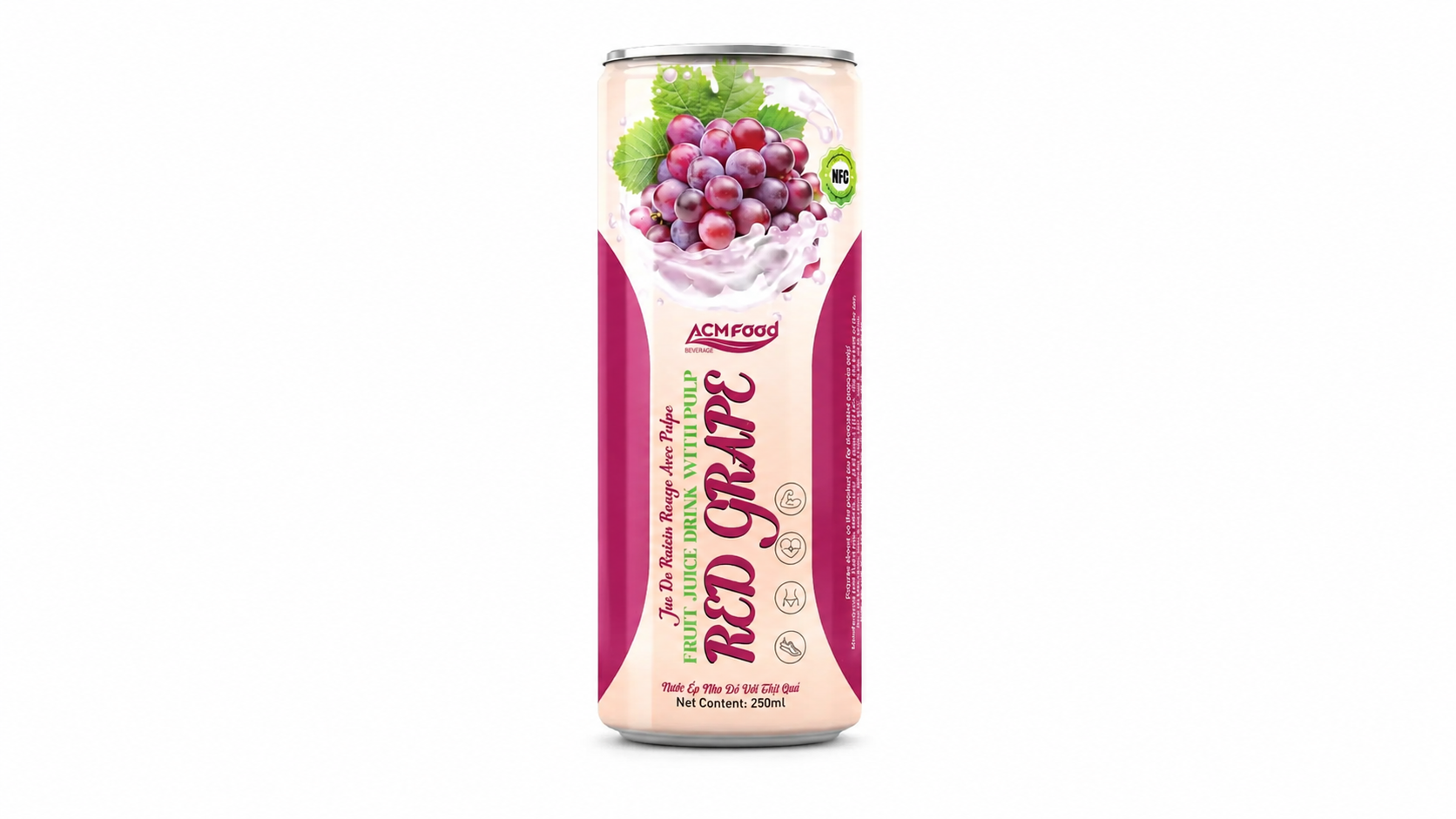
A defensible claim is usually backed by one or more of: a documented recycled-content percentage from your packaging material supplier, a recognized third-party certification relevant to the material or claim, or a life-cycle assessment comparing your packaging option against an alternative on a defined set of metrics. Where you do not have this documentation, it is safer to describe the packaging factually, for example stating the material and its general recyclability, rather than using a broad marketing claim that documentation cannot support.
Working sustainability into your product brief
Sustainability priorities are easier to act on when they are stated clearly in a product brief rather than raised late in packaging selection, since some options (such as a specific recycled-content grade or a deposit-scheme-compliant format) need to be sourced and confirmed before artwork and tooling are finalized. State your priority order explicitly, for example whether recycled content, weight reduction, or deposit-scheme compatibility matters most for your brand, since these factors sometimes pull in different directions and a manufacturer can source more effectively when the trade-off has already been decided.
- State your priority order: Recycled content, weight, deposit-scheme compatibility, and cost rarely align perfectly, so name what matters most for your brand.
- Share your target markets: Deposit schemes and recycling infrastructure differ by country, so packaging that suits one market may need adjustment for another.
- Ask for documentation upfront: Request recycled-content percentages and any relevant certifications as part of the initial packaging quote, not after artwork is finalized.
Questions to ask your manufacturer about sustainable packaging options
- What recycled-content percentage is available for this specific material and format, and can it be documented in writing?
- Does this packaging format meet the requirements of any deposit return scheme operating in my target market?
- What is the actual weight difference between packaging options, and how does that affect freight cost and impact for my shipping distance?
- Is there a recognized certification or documentation available to support any sustainability claim I want to print on pack?
Weighing packaging choice against your brand’s commercial priorities
Sustainability is rarely the only factor in a packaging decision: cost, shelf presence, product protection, and compatibility with your manufacturer’s filling line all matter alongside environmental considerations. For a fuller comparison of how cans, PET, glass, and cartons perform across these different factors, review beverage packaging options compared before finalizing a format, since the right choice usually balances several priorities rather than optimizing for sustainability alone.
Material-specific sustainability angles are covered in more depth in glass packaging across industries and aluminum cans as a sustainable trend, both useful references when briefing a manufacturer on your priorities.
If a full rPET bottle is not yet practical, see partially recycled PET: understanding 30% and 50% rPET.
FAQ: sustainable beverage packaging
Is glass more sustainable than plastic for beverage packaging?
It depends on which factor you weigh most heavily. Glass recycles repeatedly without quality loss, but its extra weight raises freight-related impact, so the answer depends on your shipping distance, local recycling infrastructure, and which specific metric you are comparing.
Can I claim my packaging is “eco-friendly”?
Only if you can point to a specific, documented basis for the claim, such as a recycled-content percentage or a recognized certification. A vague claim with no supporting documentation carries regulatory and reputational risk in most markets.
Do all beverage markets require deposit return scheme compliance?
No. Deposit return schemes vary by country and sometimes by region, and not every material or format is included where a scheme exists. Confirm the specific requirements for your target market before finalizing packaging.
Is recycled PET (rPET) as strong as virgin PET?
rPET can perform comparably to virgin PET for many beverage applications, but suitability depends on the specific grade, the recycled content percentage, and your product’s requirements, so this should be confirmed with your packaging supplier for your specific format.
Conclusion
Sustainable beverage packaging is best approached as a set of specific, documentable factors, material recyclability, recycled content, weight, and deposit scheme compatibility, rather than a general marketing claim. Confirm what your manufacturer can actually document before printing a sustainability claim on pack, and weigh packaging choice against your full set of commercial priorities, not environmental impact alone.