


 Français
 Español
 العربية
 한국어
한국어Every factory says it monitors quality. The question that matters to a buyer sitting several thousand kilometres away is different: what can you actually see, and what evidence can you demand, without being on site? This guide answers that — the records to request, the checkpoints where a problem is still cheap to catch, the independent eyes you can send, and the numbers worth tracking shipment after shipment.
It is written from the buyer’s side of the relationship. For how production and quality systems work inside the plant, see coconut water manufacturing and QC systems. For verifying a factory before you order at all, see the supplier due diligence checklist.
Four checkpoints where oversight is still cheap
Problems get more expensive the later they surface. A specification error caught before production costs an email; the same error caught by your retailer costs a withdrawal. These are the four points where a remote buyer can still intervene.
- Before production — specification confirmation. The factory restates the agreed specification for the run: Brix and pH targets with tolerances, fill volume, packaging materials and lot coding. Reading it takes minutes and catches the most expensive category of error.
- During production — in-process records. Process parameters, in-line checks and packaging integrity checks are recorded as the run happens. These are the records that show whether the run held its targets, not just whether it finished.
- After production, before loading — finished goods verification. Certificate of Analysis for the lot, retained samples, and the production date. This is the last moment to reject before goods are on the water.
- At loading — container verification. Palletisation, case count, container condition and seal number. Photographs at this stage settle most later disputes about what actually shipped.
What to ask for per production run
Agree this list once and attach it to the supply agreement, so it arrives as routine rather than on request.
- Batch record summary — measured Brix and pH against the agreed band, not simply a statement that the product conforms.
- Thermal process record — temperature and hold time achieved for the run.
- Third-party Certificate of Analysis for the shipped lot, from a named laboratory, covering microbiological safety and any declared nutrient.
- Packaging integrity checks — for cans, the seam inspection log and its frequency.
- Lot code and production date, with the code explained so your own team can read it without contacting the factory.
- Packaging material lot references, since a packaging defect is traced through those rather than through the liquid.
- Loading photographs and the container seal number.
How to read a batch record
Most buyers file these without reading them, which wastes the only objective evidence they receive. Three things are worth actually checking.
Look at variation, not just conformity. Values should sit inside the agreed band and move a little from run to run. Agricultural raw material varies; a record showing identical figures across every batch describes a template, not a measurement.
Watch for drift. Individual runs can all be inside tolerance while the average creeps steadily toward one edge of the band. Drift is the early signal of a raw material or process change, and it is only visible if you keep the records in one place and look across them.
Check the dates line up. Production date, CoA sampling date and loading date should form a sensible sequence. A CoA dated before the production run is a red flag worth a direct question.
Independent verification without travelling
- Third-party pre-shipment inspection. An inspection agency attends before loading, checks quantity, packaging, labelling and container condition, and draws samples. This is the single highest-value control available to a remote buyer, and it is inexpensive relative to a container of finished goods. Experienced importers use it on at least the first several shipments.
- Independent laboratory testing in your own market. Test an arrived lot against the supplier’s own specification sheet. You are verifying that declared numbers and actual product agree — something no amount of paperwork proves on its own.
- Remote or video audit. A live walkthrough led by you rather than by the factory’s marketing team. Ask to see raw material intake records, the retention sample store, and a lot traced from a finished can back to intake.
- Certification surveillance. Recognised food safety certifications carry periodic audits. Ask for the current certificate with its scope and validity dates, and diary the expiry.
The clause that makes monitoring meaningful
Records tell you what happened. A change control clause is what stops the thing you approved from quietly becoming something else.
Require written notice and your approval before any change to formulation, raw material source, processing route, packaging supplier or artwork. Without it, a mid-contract substitution during a tight season is a decision the factory can make without telling you — and you will discover it from a customer complaint rather than from a document.
Numbers worth tracking across shipments
Single shipments tell you little. A short scorecard kept over a year tells you whether the relationship is improving or degrading.
| Metric | What it reveals |
|---|---|
| Brix and pH per run vs the agreed band | Process control and drift |
| On-time shipment against confirmed date | Scheduling reliability and honest lead times |
| Residual shelf life on arrival | Whether stock will pass your retailer’s date threshold |
| Inspection findings per shipment | Whether quality is improving or slipping |
| Damage rate on arrival | Palletisation and loading quality |
| Document completeness at first submission | Back-office capability — predicts customs delays |
| Response time to a written technical question | How you will be treated when something goes wrong |
Test the system before you need it
Ask the factory to trace a lot code from a finished can back to raw material intake, and time how long it takes. A facility with a working system does this in minutes; one reconstructing it by hand will take days. That difference is exactly what a recall would expose, and it costs nothing to find out in advance.
How ACMFOOD works with buyers on this
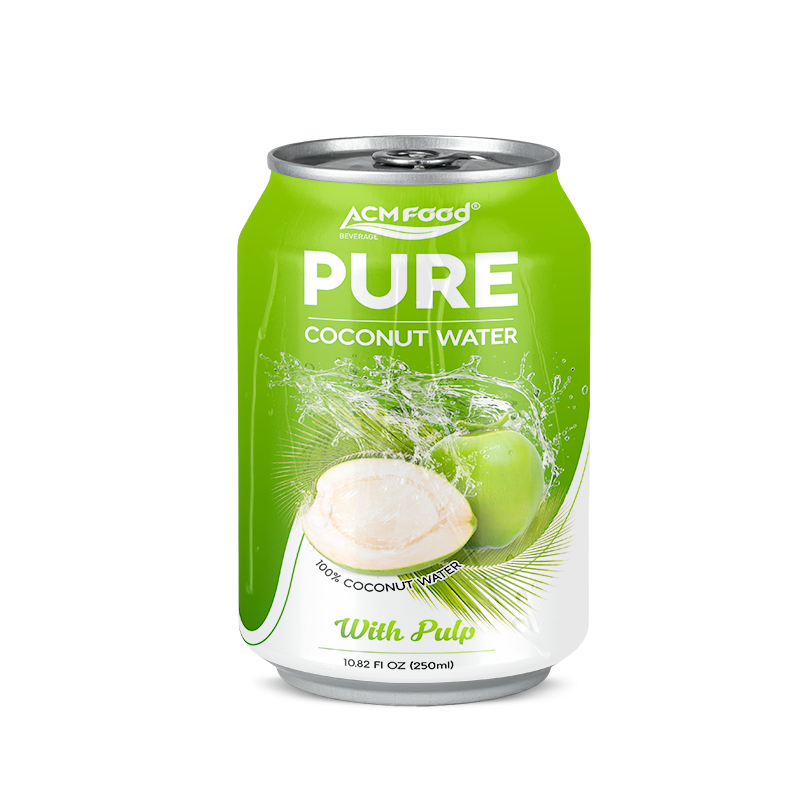
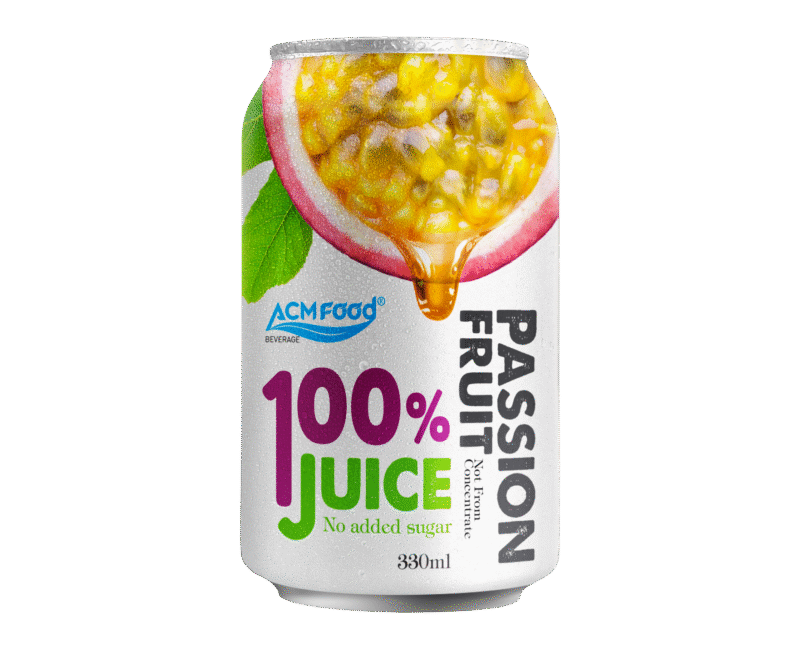
ACMFOOD Beverage Co., Ltd. produces canned coconut water in Vietnam for importers, distributors and private label brands.
On the controls above, the practical position is: batch records for Brix and pH are available for review, third-party Certificates of Analysis accompany the shipped lot, specification is frozen as a contract annex with change control attached, and third-party pre-shipment inspection is welcomed rather than resisted. Lot traceability can be demonstrated on request — and demonstrating it is a fairer test than describing it.
If you are setting up oversight for a new supply relationship, start with the per-run document list above. Agreeing it before the first order costs one conversation; retrofitting it after a problem costs considerably more.
Related service pages
The records described here are produced by our production process and evidenced through our certifications and food safety systems. To agree a per-run document list for your programme, request a quote.
Request a quote