


 Français
 Español
 العربية
 한국어
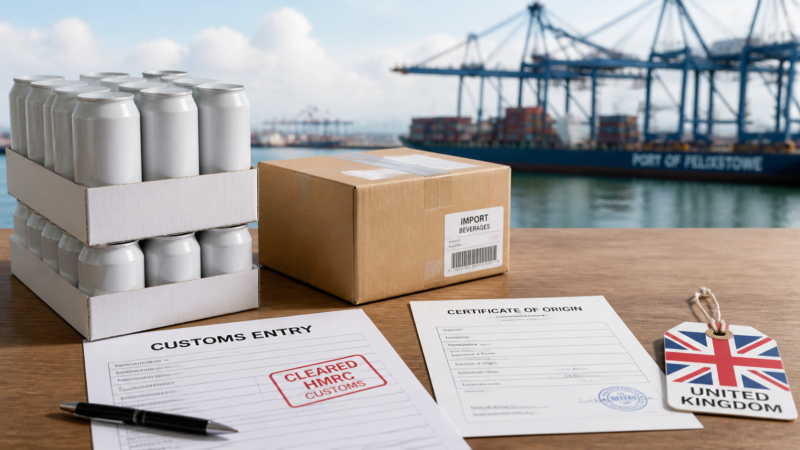
한국어To import beverages into the United Kingdom, define your product, ensure it is legal to sell, label it correctly, and clear customs via HMRC’s CDS. Expect at least 8 core steps, including obtaining a GB EORI, preparing a customs declaration, and meeting Food Standards Agency rules on safety and labelling.
This guide walks operationally through each step for non-alcoholic drinks, juices, waters and functional beverages entering Great Britain, with UK-specific systems such as HMRC’s Customs Declaration Service (CDS), Port Health controls, and FSA oversight clearly explained.
What are the steps to import beverages into the United Kingdom?
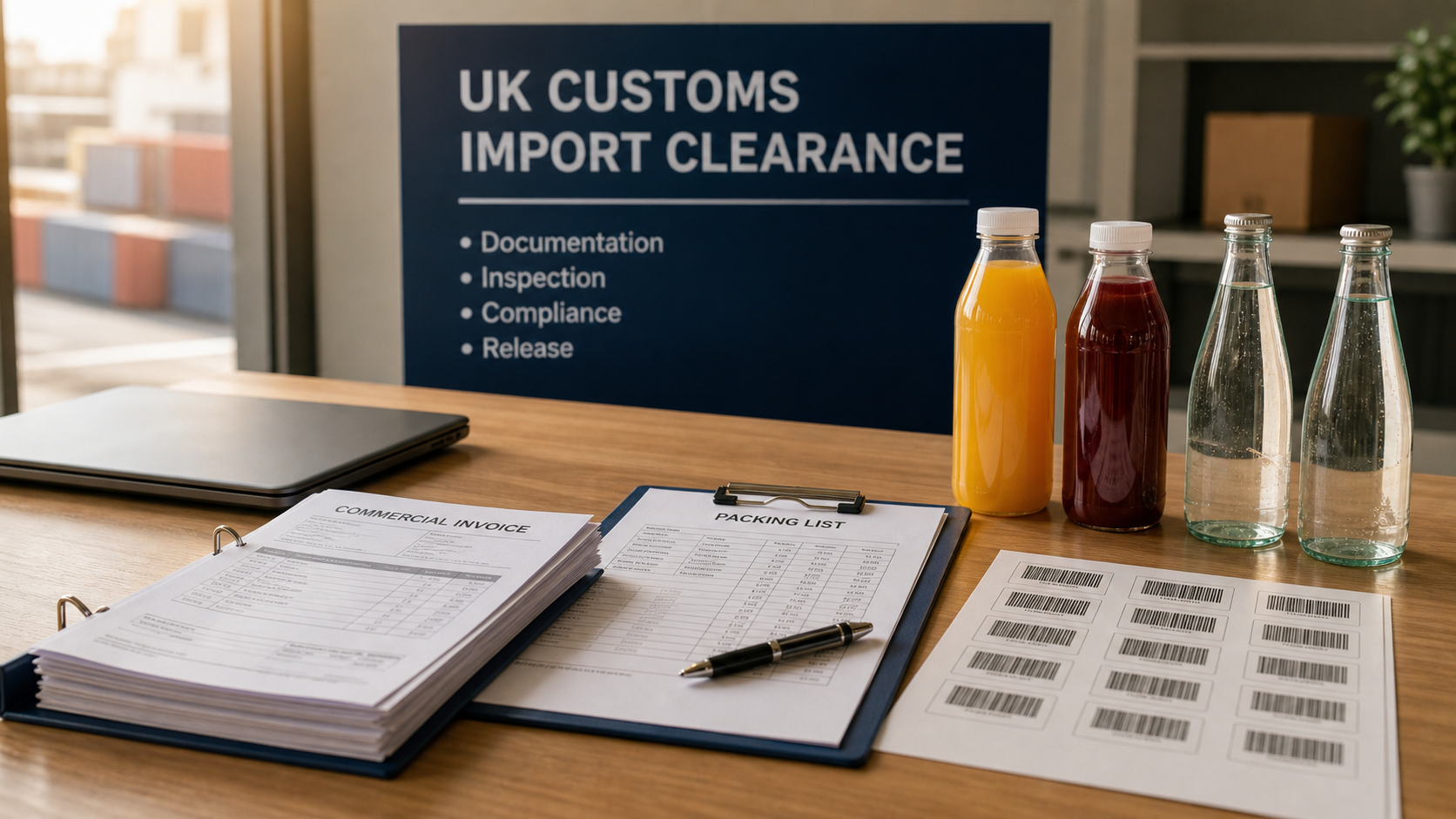
The process is sequential: determine the exact product and its tariff code, confirm ingredient legality and labels, secure a GB EORI, make your HMRC customs declaration in CDS, arrange any required sanitary checks, and keep traceability records. Below is a practical workflow import teams can execute.
- Define the beverage precisely and select the HS/commodity code.
- Classify by product type (e.g., 100% juice, nectar, flavored water, energy drink, dairy-based drink, or alcoholic beverage).
- Use the UK Integrated Online Tariff to find the correct commodity code; this drives duty, VAT, and any UK-specific measures.
- Decide the positioning: 100% juice vs nectar vs soft drink, presence of sweeteners, caffeine, or added botanicals.
- Check ingredient legality and additive permissions in Great Britain.
- Ensure additives, colors, sweeteners, and preservatives are permitted under UK law (retained EU additive framework as applicable in GB).
- Confirm whether any ingredient could be a novel food under the Food Standards Agency (FSA) regime; unapproved novel foods cannot be placed on the GB market.
- Energy drinks and beverages containing caffeine or quinine trigger specific labelling statements; verify wording before print.
- Resolve labelling early—your UK importer is the Food Business Operator (FBO) on the label.
- The FBO named and addressed on the label is legally responsible for GB market compliance. If the producer is outside GB, the UK importer usually appears as the FBO.
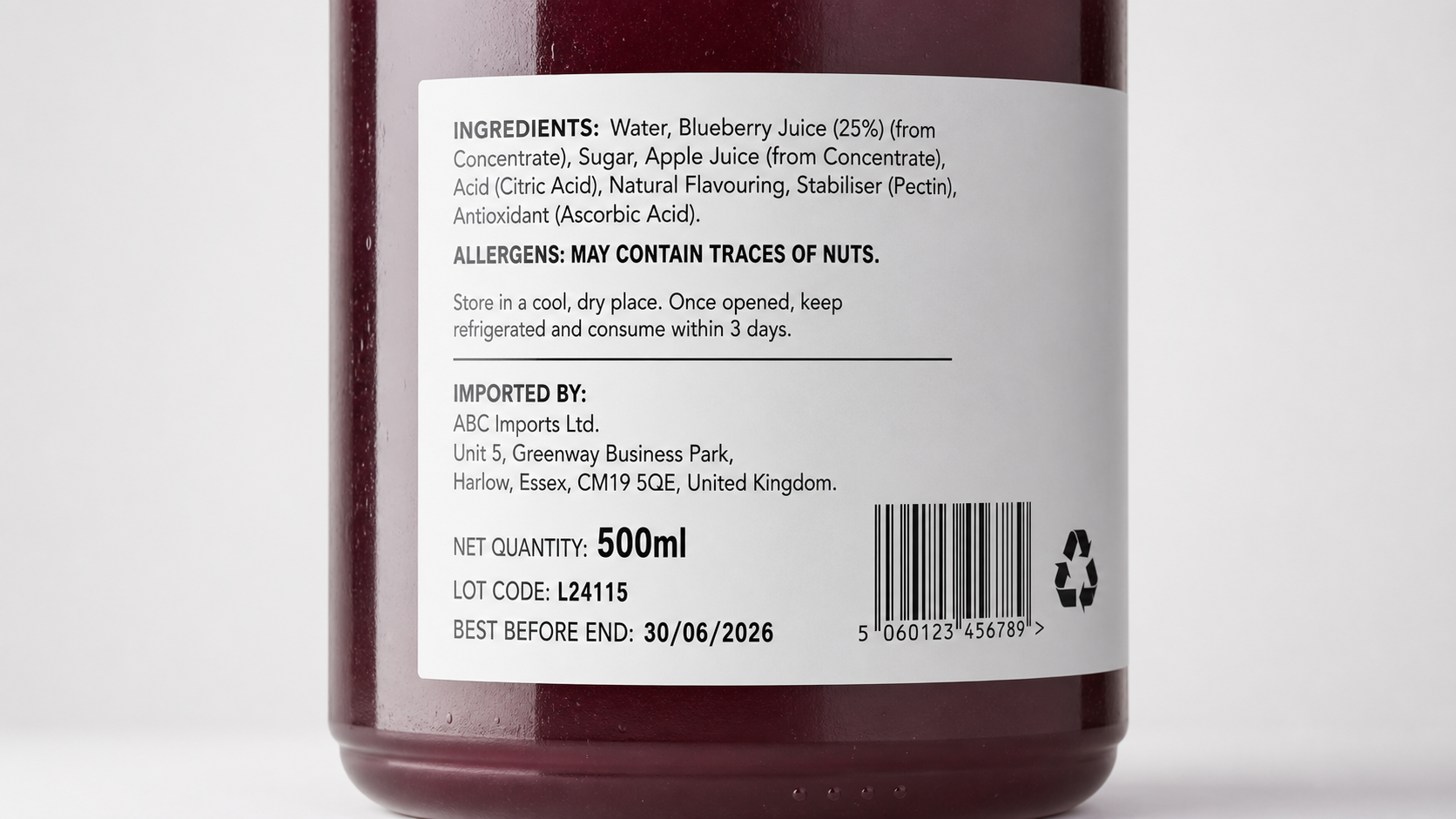
- Labels must be in English and include: name of the food, ingredients list with allergens highlighted, net quantity, durability date (best before/use by, as applicable), any special storage/usage conditions, business name & UK address, and batch/lot identification.
- Nutrition labeling typically applies to most prepacked beverages; ensure format and reference intakes follow GB requirements.
- Register the business appropriately and set up internal controls.
- Importers acting as food businesses should be registered with their local authority in the UK in line with FSA guidance.
- Implement supplier approval, specifications, and traceability from raw materials to finished goods; keep technical files and certificates.
- Obtain a GB EORI and prepare for HMRC’s Customs Declaration Service (CDS).
- Apply for a GB EORI (Economic Operators Registration and Identification) if you do not have one.
- Set up CDS access via your Government Gateway or appoint a customs agent who will declare on your behalf.
- Consider a Duty Deferment Account to streamline payments of import duty, VAT, and any levies.
- Confirm if SPS controls or port health checks apply; pre-notify when required.
- Most shelf-stable non-animal beverages are low risk; however, certain high-risk foods of non-animal origin (HRFNAO) and composite products can be subject to Port Health controls.
- Where required, pre-notify via IPAFFS (Import of Products, Animals, Food & Feed System) and ensure any necessary health certificates or attestations accompany the shipment.
- Set commercial terms and prepare shipping.
- Agree Incoterms, lead times, and palletization. Choose a UK port of entry that fits your routing, such as Felixstowe, London Gateway, or Southampton for deep-sea container traffic.
- Book reliable ocean or air freight and confirm container temperature/ventilation if needed for product stability.
- Assemble a complete document pack.
- Commercial invoice (with clear product description and—if claiming preferences—a statement on origin under applicable UK trade agreements).
- Packing list, bill of lading/air waybill, and certificates relevant to product claims or regulatory requirements.
- If organic, specific GB organic controls and documentation apply; confirm current rules before shipment.
- Make the import declaration in CDS and settle border charges.
- Your broker or in-house team submits the customs entry via CDS using the correct commodity code, customs value, and origin.
- Pay any customs duty, import VAT, excise (for alcohol), or other UK charges applicable upon import.
- Where in scope, the Soft Drinks Industry Levy (SDIL) can apply to drinks with total sugar at or above specified thresholds (e.g., 5 g/100 ml and 8 g/100 ml tiers). Importers are responsible for HMRC compliance if the product falls within scope.
- Clear Port Health (where applicable) and receive the goods.
- Respond promptly to any documentary or identity/physical checks requested by the Port Health Authority.
- Upon release, arrange inland haulage and storage under conditions matching label and safety requirements (e.g., chill chain if necessary).
- Place on the GB market with full due diligence.
- Keep specifications, test results, and traceability records that substantiate label and safety compliance.
- Retain samples and recall/withdrawal procedures. Monitor consumer feedback and incident management pathways per FSA guidance.
Product formats and typical UK compliance checkpoints
Different beverage formats trigger different UK checks. Use this qualitative overview to plan testing, labels, and declarations.
| Product type | Key checkpoints | Positioning & notes |
|---|---|---|
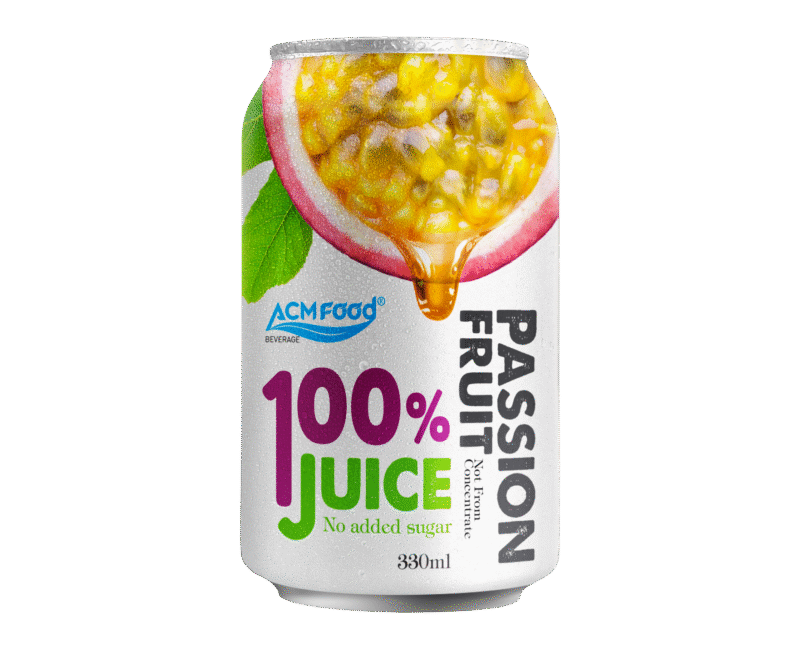
| 100% juice | Ingredients/processing, additive limits, juice naming conventions, nutrition label | Confirm fruit content claims and naming; watch for HRFNAO origins for certain fruits |
| Nectar & juice drink | Permitted sweeteners/additives, QUID for fruit content, allergens, claims control | Be clear on minimum juice content and sweeteners; ensure claim substantiation |
| Flavored or functional water | Additives, flavorings, mineral claims, nutrition labeling | Assess any botanicals for novel food status; ensure flavor/claim accuracy |
| Energy or caffeinated drinks | Specific caffeine statements, additives, nutrition | Prominent advisory statements; check marketing to appropriate audiences |
| Dairy-based beverages | Microbiological safety, cold chain, allergens, SPS rules | Confirm if additional import attestations apply; manage shelf-life closely |
| Alcoholic beverages | Excise, alcohol strength declaration, labeling | Separate duty regime applies; ensure robust tax classification and records |

UK beverage labelling essentials
Labels must let a UK consumer safely understand the product at purchase. In GB, this typically means English-language labels with the FBO’s UK name & address, full ingredient disclosure, and durability dates.
- FBO on label: If the manufacturer is outside GB, the UK importer named on the label is generally the FBO responsible for compliance and traceability.
- Mandatory particulars: Name of the food; ingredients list; allergens emphasized; net quantity in metric; best-before or use-by date; storage/usage instructions if needed; business name & UK address; lot/batch.
- Nutrition labeling: Per GB rules; check presentation and reference intakes for consistency.
- Claims: Nutrition and health claims are controlled; only use permitted nutrition claims where conditions are met. Health-related messaging must comply with GB law.
- Special statements: For example, caffeine-containing drinks require specific advisory text. Quinine and certain colorants/flavorings may require additional statements.
- Language and legibility: English required for GB; keep x-height, contrast, and placement readable throughout product life.
Customs declarations, taxes & levies
Declarations for GB imports are made through HMRC’s Customs Declaration Service (CDS). Commodity code, customs value, and origin drive duty and VAT. Alcohol excise and the Soft Drinks Industry Levy (where in scope) are additional UK-specific considerations.
- CDS declaration: Submit via CDS directly or through a customs agent. Ensure the commodity code precisely matches the drink’s formulation.
- Origin & preferences: If a UK trade agreement applies (e.g., with Vietnam), a valid statement on origin can reduce duty; maintain supplier origin statements on file.
- VAT: Determined at import based on product and valuation; confirm the correct treatment for your beverage category.
- Excise & SDIL: Alcoholic beverages attract excise. For certain non-alcoholic soft drinks, SDIL can apply at sugar thresholds defined by HMRC. Importers are responsible for registration and returns when in scope.
- Payments: Use a Duty Deferment Account for consolidated settlement or pay at clearance.
Logistics & ports of entry
Choose UK ports and routings that fit your origin and schedule. Deep-sea beverage imports commonly enter via Felixstowe, London Gateway, or Southampton, with Port Health Authorities overseeing food controls at the border.
- Ports: Port of Felixstowe (East of England), London Gateway (Thames Estuary), and Port of Southampton (South Coast) are major container gateways for beverages.
- Port Health: Port Health Authorities may conduct documentary, identity, or physical checks where controls apply; factor dwell time and fees into planning.
- Temperature & handling: Align shipping conditions with shelf-life and label storage instructions; insulate or chill where necessary.
- RoRo vs container: Roll-on/roll-off routes require different border models than deep-sea containers; consult your forwarder for the latest procedures.
Documents you will need
Prepare a consistent, audit-ready pack to speed approvals and border checks:
- Commercial invoice with product descriptions matching the tariff classification
- Packing list with weights and dimensions
- Bill of lading or air waybill
- Statement on origin or certificate of origin (if claiming preferential duty)
- Technical specification, ingredient breakdown, and additive list
- Labels or artwork proofs with UK FBO details and mandatory particulars
- Any SPS pre-notifications and supporting certificates if applicable
- Test results (microbiological, shelf-life) and quality certificates, where relevant
Common pitfalls to avoid
These recurring issues delay beverage imports and add cost:
- Incomplete FBO details on the label: Missing UK name & address exposes you to relabeling, detention, or withdrawal.
- Misclassification of the drink: A wrong commodity code can trigger under/overpayments and penalties.
- Unsubstantiated claims: Marketing copy not aligned with GB claim rules is a recall risk; validate every claim before print.
- Ignoring SDIL readiness: If sugar thresholds are met, ensure HMRC registration and records.
- SPS surprises: Some origins/ingredients are HRFNAO. Confirm pre-notification via IPAFFS and documentary needs before sailing.
- Poor shelf-life planning: Transit and customs dwell can consume durability; align production dates and logistics.
Information for beverage brands and buyers
Translating regulatory checkpoints into commercial plans reduces rework and speeds launches.
- Product definition drives everything: Agree up front on product type (100% juice, nectar, soft drink) and sugar strategy (with or without sweeteners). Align sensory targets (Brix, acidity, color) with UK claim and formulation options.
- Label once, correctly: Lock the FBO, mandatory particulars, and any advisory statements before mass printing. Keep print-ready artwork linked to the final specification and language checks.
- Plan for trend-led launches: Functional hydration and nature-forward recipes are growing. See the natural hydration innovation reshapes the market analysis, and explore the sea moss coconut water trend for formulation ideas that still pass UK checks.
- Benchmark and market fit: Review the top global juice brands to position pack sizes, flavors, and claims competitively in GB retail.
- Route-to-market timing: Build in time for CDS setup, any IPAFFS pre-notifications, and Port Health contingencies. Choose ports that fit your supply chain and distribution network in the United Kingdom market overview.
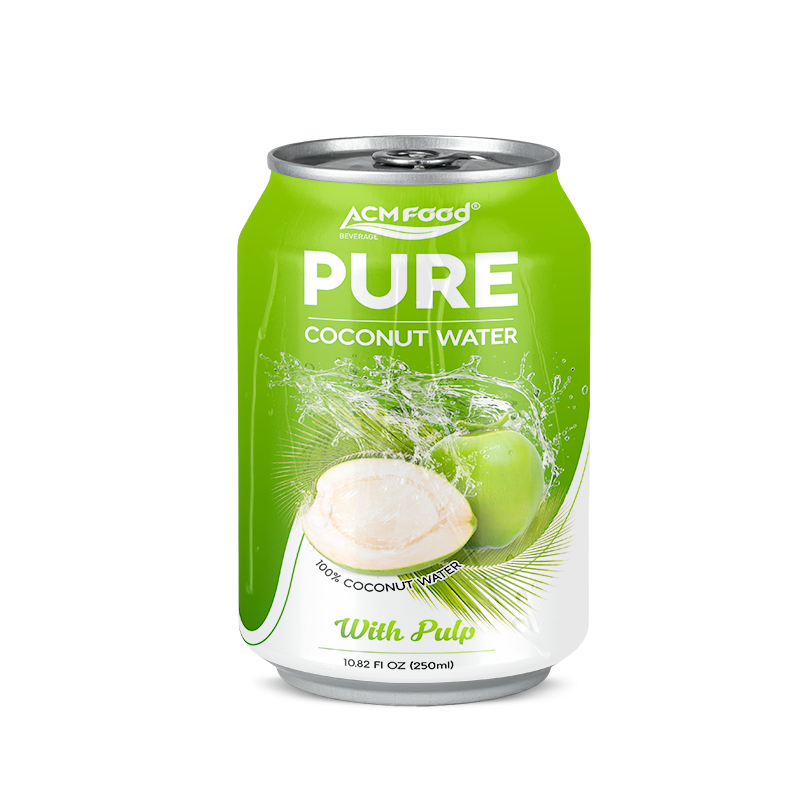
- Category-specific playbooks: As an example of supply-chain specifics from Asia, review importing coconut water from Vietnam for trade terms, documentation, and logistics considerations you can adapt to GB.
Finally, establish a compliance calendar (label audits, supplier re-approvals, claim reviews, and levy checks) and keep your customs data dictionary synchronized with product changes to avoid declaration errors.
For UK tariff rates, the UK–Vietnam FTA and the Soft Drinks Industry Levy in detail, see import duty and trade agreements for beverages entering the UK.
FAQ
Do I need a GB EORI to import beverages?
Yes. A GB EORI is required to lodge customs declarations in HMRC’s CDS. Without it (or an appointed broker with proper authorization), your shipment cannot be cleared for free circulation in Great Britain.
Which UK systems handle food checks and customs?
CDS is HMRC’s customs platform. The Food Standards Agency oversees food law. Where sanitary or phytosanitary controls apply, importers use IPAFFS to pre-notify and Port Health Authorities may conduct checks at the border.
Who must be named on the label as responsible?
The Food Business Operator shown on the label—commonly the UK importer when the manufacturer is established outside GB—is legally responsible for compliance and must include a UK name and address.
What about Northern Ireland?
Northern Ireland operates under a distinct regime compared with Great Britain. If you plan to supply NI, confirm the specific rules, documentation, and label responsibilities before shipping.
Sources
By following these steps and validating each UK-specific checkpoint, you can reliably import beverages into United Kingdom and sustain compliant, on-time launches.