


 Français
 Español
 العربية
 한국어
한국어Incoterms for a beverage import define who pays for transport, who bears risk at each stage, and which documents the seller or buyer must provide. Choosing FOB or CIF changes freight booking, insurance responsibility, and how much control you keep over your drinks shipment.
This guide explains Incoterms in plain language, compares FOB vs CIF for beverages, and shows how packaging, temperature control, and destination rules affect your choice. Details vary by route, product format, and contracts; use Incoterms alongside clear purchase orders and professional logistics support.
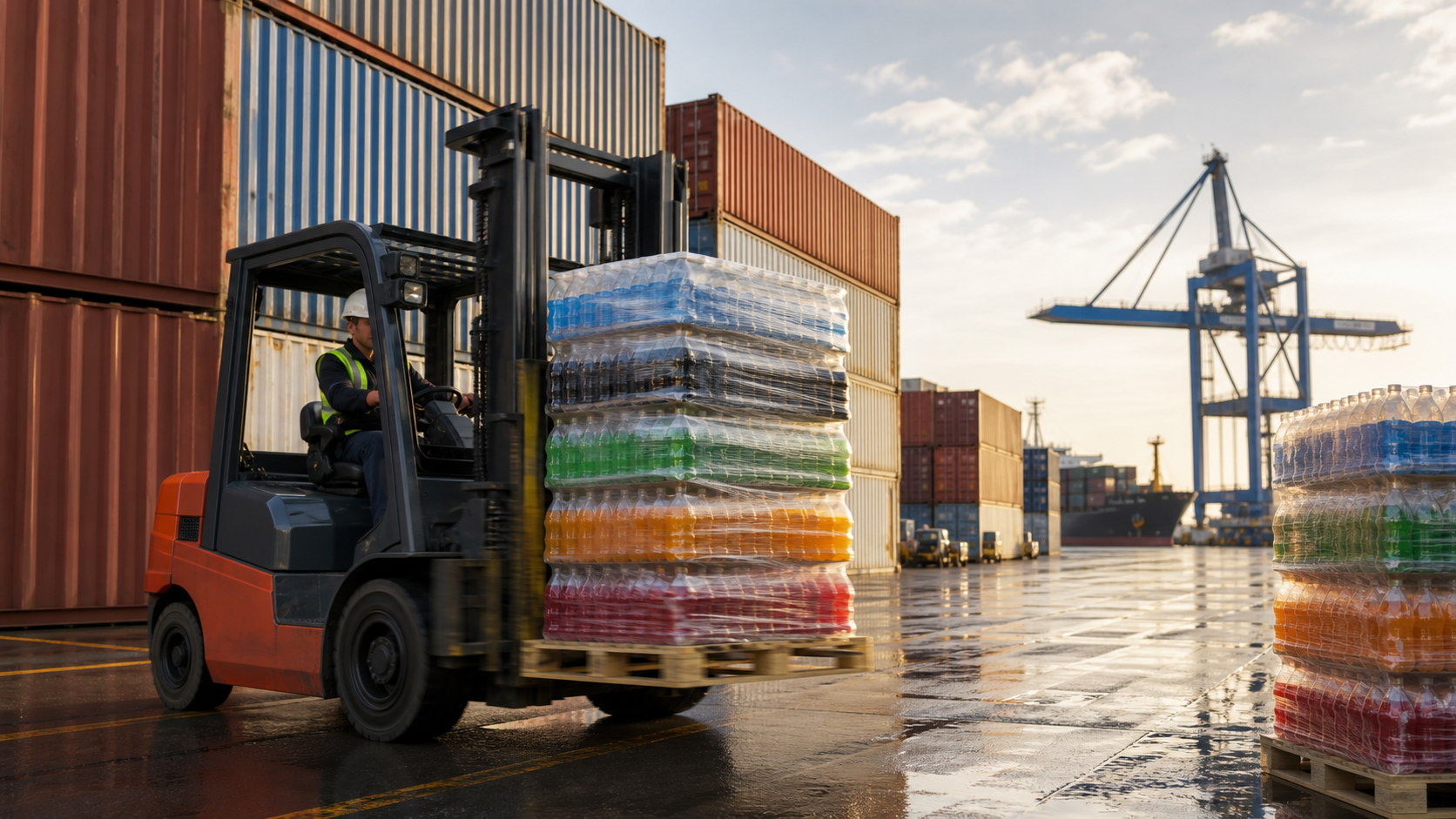
What are Incoterms and why do they matter in beverage imports?
Incoterms are standardized trade terms published by the International Chamber of Commerce that allocate costs, risks, and responsibilities between seller and buyer. For beverage imports, the right Incoterm clarifies freight booking, insurance, export formalities, and handover points, reducing disputes and hidden costs.
Incoterms do not set price or payment terms by themselves; they work together with the sales contract and purchase order. They also do not replace local import rules, sanitary regulations, or labeling laws—those still apply separately. For a broader shipment overview, see Export and Logistics.
FOB vs CIF for beverage shipments: what’s the difference?
FOB makes the buyer responsible for main carriage and insurance after the goods are on board the vessel, while CIF makes the seller responsible for booking the ocean freight and providing minimum marine insurance to the destination port. Control, cost transparency, and risk transfer differ significantly.
At a glance, here is how FOB and CIF compare for typical sea freight beverage shipments:
| Aspect | FOB (Free On Board) | CIF (Cost, Insurance & Freight) |
|---|---|---|
| Main carriage booking | Buyer books ocean freight | Seller books ocean freight |
| Insurance | Buyer arranges if desired | Seller provides minimum cargo insurance |
| Risk transfer | When goods are on board the vessel | When goods are on board; cost includes freight & insurance |
| Cost visibility | Freight costs shown in buyer’s contracts | Freight embedded in seller’s price |
| Forwarder choice | Buyer chooses forwarder/carrier | Seller chooses forwarder/carrier |
| Best for | Experienced importers needing control | Newer buyers seeking simplicity to port |
Important: Incoterms 2020 recommend using FCA instead of FOB for containerized shipments, because risk under FOB passes at the ship’s rail, which can be unclear for terminal-handled containers. Many markets still use FOB by custom—if you do, define who pays terminal handling clearly.
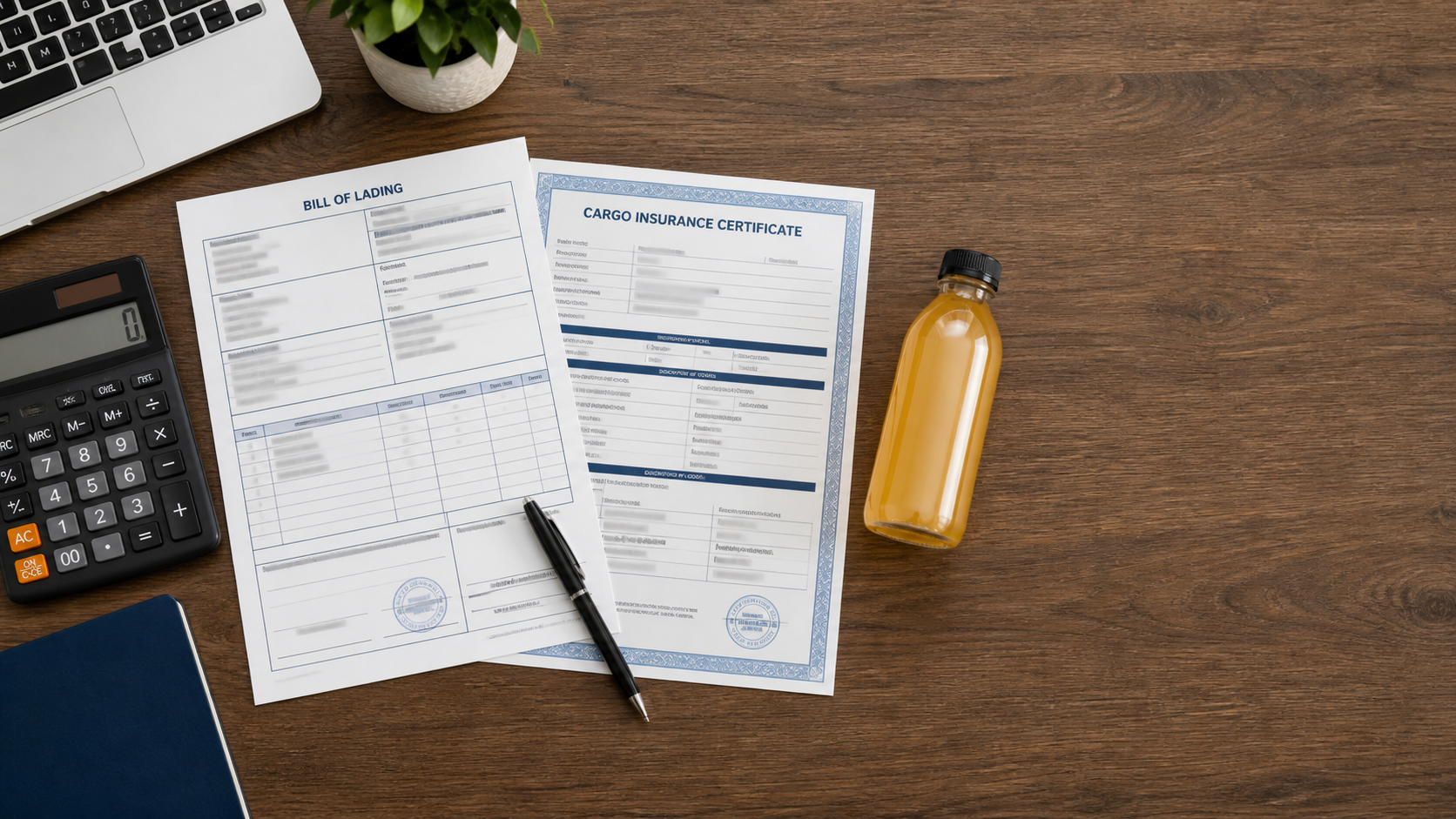
When should importers choose FOB for drinks?
Choose FOB when you want control over carrier selection, transit time, and surcharges, and you already work with a forwarder who understands beverage requirements. FOB can reduce surprises and help you optimize rates over time.
- Carrier & schedule control: You select routings, transit times, and service reliability, useful for shelf-life sensitive products.
- Transparent cost structure: Freight, insurance, and destination charges are in your own contracts, not folded into product price.
- Forwarder alignment: Your forwarder manages VGM, cutoff times, and reefer settings consistently across suppliers.
- Negotiation leverage: Easier to benchmark and consolidate volumes from multiple beverage suppliers.
When does CIF make more sense?
Choose CIF when you need a simpler landed-to-port arrangement and prefer the seller to handle ocean booking and minimum insurance. It can suit smaller, infrequent orders where your leverage with carriers is limited.
- Simplicity to destination port: One line item price including ocean freight can streamline purchasing.
- Limited internal logistics resources: Seller coordinates schedules and export steps with their local forwarder.
- Early-stage market tests: Useful for pilots before you build your own freight programs.
Remember that CIF covers freight and minimum insurance to the destination port, not import clearance, duties, or last-mile delivery. Destination charges like terminal handling, customs brokerage, duties/taxes, and delivery remain with the buyer.
Cost breakdown: what each party pays under FOB and CIF?
Under both terms, the seller is responsible for export packaging and export clearance. The split differs mainly on main carriage and insurance.
- FOB (seller typically covers): Export packaging, inland haulage to port or terminal, export customs, port handling up to loading, loading on vessel.
- FOB (buyer typically covers): Ocean freight, cargo insurance (optional but recommended), destination terminal handling, customs clearance, duties/taxes, delivery from port, storage/demurrage if any.
- CIF (seller typically covers): Everything up to and including ocean freight and minimum insurance to the named destination port.
- CIF (buyer typically covers): Destination terminal handling, customs clearance, duties/taxes, delivery from port, storage/demurrage if any.
Always specify the named place/port (e.g., CIF Los Angeles, FOB Ho Chi Minh City) and itemize any deviations such as who pays origin terminal handling or documentation fees.
Risk, insurance, and title: how are they transferred?
Risk transfers under FOB and CIF when the goods are on board the vessel at the named port of shipment. CIF requires the seller to procure minimum marine insurance for the buyer’s benefit; FOB leaves insurance to the buyer.
Incoterms address risk, not legal title. Title transfer depends on your sales contract and applicable law. If you need broader coverage than the CIF minimum, ask for higher insurance (Institute Cargo Clauses A) or arrange your own open policy under FOB.
Port specifics: FOB Ho Chi Minh City and Vietnam-origin beverage cargo
For Vietnam-origin shipments, buyers and sellers commonly cite FOB Ho Chi Minh City. In practice, containerized beverages move via terminals in the Ho Chi Minh City area. If you use FOB, clarify who pays origin terminal handling charges (THC), documentation, and VGM services to avoid overlap.
Because containers are delivered into a terminal before loading, Incoterms 2020 generally favor FCA for containerized cargo. If market norms require FOB, document the handover point and responsibilities in your contract to keep risk transfer unambiguous.
If you plan regular imports to North America or Oceania, review route-specific considerations in Shipping beverages to the United States and Shipping beverages to Australia.
Beverage-specific factors that influence Incoterm choice
Drinks shipments have constraints beyond general dry cargo. These factors often determine whether you need control (FOB) or simplicity (CIF):
- Temperature control: Juices, functional drinks, or products sensitive to heat may require reefer settings, pre-cooling, and power availability at transshipment ports. Control of routing can reduce thermal risk windows.
- Shelf life & lead time: Transit time and buffer for customs inspection matter where best-before dates are tight. Direct services and predictable ETAs can outweigh minor rate differences.
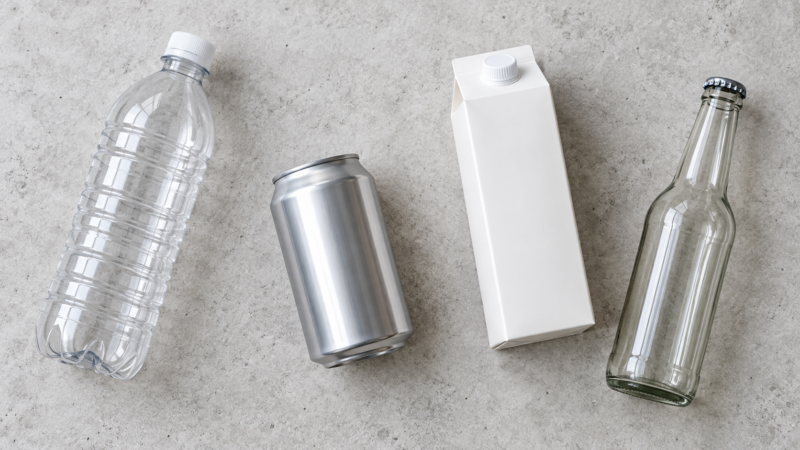
- Packaging & stability: Glass bottles, cans, and aseptic cartons have different stacking and dunnage needs. Proper blocking/bracing, humidity control, and slip-sheets should be defined in the contract.
- Documentation: Depending on destination, you may need commercial invoice, packing list, bill of lading, certificate of origin, test results, and possibly sanitary or phytosanitary paperwork. Roles should be explicit under the chosen Incoterm.
- Port congestion: Higher risk of demurrage/detention may push buyers toward FOB to control arrival windows and free time agreements.
- Consolidation: If you consolidate multiple suppliers, FOB often simplifies coordination through your forwarder.
Common misunderstandings and how to avoid them
Several recurring issues cause avoidable costs. Address them directly in your PO and contract.
- FOB for all containers: Many trades use FOB by habit; document terminal handling and cutoffs precisely, or consider FCA for containerized cargo.
- CIF covers everything door-to-door: It does not. CIF ends at arrival at the destination port. Destination charges and delivery are on the buyer.
- Insurance is automatic: CIF sets a minimum; it may not match your coverage needs. Confirm clauses, insured value, and deductibles.
- Title equals risk: Title transfer is a contract term; Incoterms only address risk and cost allocation.
- Unclear named place: Always specify the exact port (e.g., CIF Melbourne, FOB Ho Chi Minh City) to avoid disputes.
- Hidden origin/destination fees: List who pays for document fees, THC, handling, inspection, or fumigation if applicable.
Practical example: how a CIF vs FOB beverage shipment unfolds
While steps vary by lane and product, this high-level sequence shows how responsibilities differ.
- FOB flow (simplified): Seller packs and clears export → Delivers to terminal → Loads on vessel → Buyer’s forwarder manages ocean booking, tracking, and insurance → At destination, buyer’s broker clears cargo, pays duties, arranges delivery.
- CIF flow (simplified): Seller packs and clears export → Books and pays ocean freight → Obtains minimum insurance and provides policy/certificate → Risk still transfers on loading → At destination, buyer handles clearance and delivery.
If you are coordinating multiple SKUs or mixed-pallet shipments, share forecasts early with the booking party. Align on reefer set points, vent settings (if any), and stowage plans to reduce handling risks.
What to include in your PO and sales contract
Clear paperwork prevents cost and risk gaps. Alongside the chosen Incoterm and named port, consider adding:
- Product & packaging specs: Unit size, case pack, pallet pattern, height/weight limits, dunnage requirements.
- Container requirements: Reefer set point, airflow, vent settings, pre-trip inspection, and acceptable substitutes.
- Handover point & terminal: Exact terminal name, cutoff times, who pays THC and documentation fees.
- Carrier/routing preferences: Transit time targets, max transshipments, service level expectations.
- Insurance expectations: Coverage level (e.g., Institute Cargo Clauses), insured value basis, claims process and time limits.
- Documents & deadlines: Commercial invoice, packing list, bill of lading instructions, certificate of origin, any lab test results required by the destination.
- Demurrage/detention responsibility: Free time targets and who bears extra charges if delays occur outside either party’s control.
- Force majeure & dispute venue: Practical pathways for resolving delivery disruptions.
For supplier due diligence beyond logistics, see Supplier audit checklist for juice. If you are simultaneously developing a new SKU, align logistics with your OEM beverage manufacturing plan to synchronize timelines.
How to decide quickly: a simple framework
Use these prompts to match the term to your situation:
- Experience level: If you or your forwarder regularly manage beverages, FOB often yields better control; if not, CIF may simplify starts.
- Temperature & shelf life: Tighter constraints favor FOB to manage routing and ETD/ETA precision.
- Volume leverage: If you can negotiate strong rates, choose FOB; if volumes are sporadic, CIF may be pragmatic.
- Administrative capacity: If your team can handle bookings and claims, FOB fits; otherwise, CIF reduces touchpoints to arrival port.
- Market norms: Some lanes habitually use FOB; if you accept CIF, benchmark embedded freight so pricing stays competitive.
For lane-specific planning to North America or Oceania, review Shipping beverages to the United States and Shipping beverages to Australia.
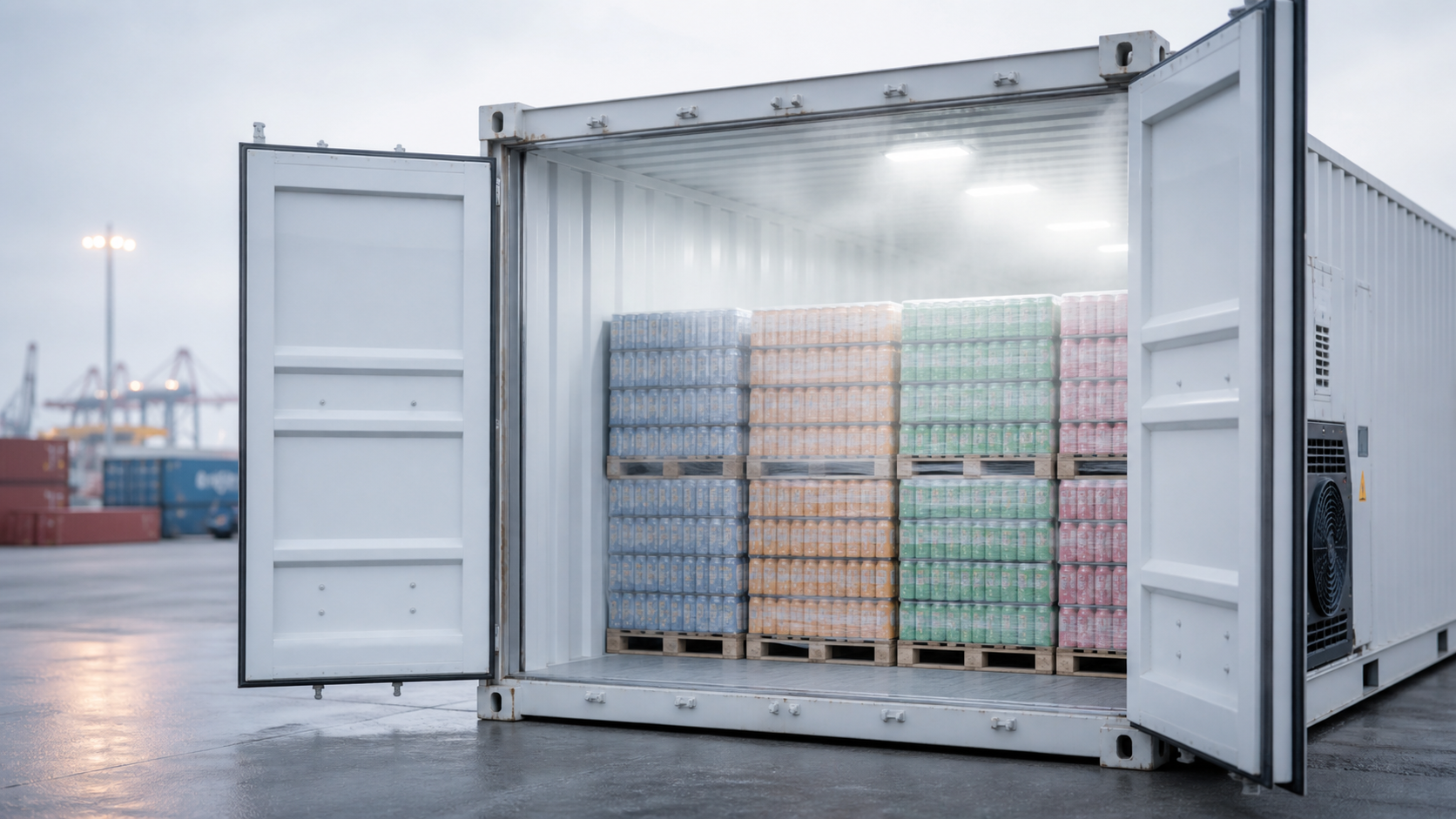
FAQ: Incoterms for beverage imports
Are Incoterms pricing terms?
No. Incoterms allocate cost and risk responsibilities but do not set the product price or payment timing. Price and payment belong in your contract.
Under FOB, who books the vessel?
The buyer typically books ocean freight under FOB, while the seller delivers and loads the goods on board at the named port of shipment.
Does CIF include customs clearance and delivery?
No. CIF covers cost, minimum insurance, and freight to the destination port. Import clearance, duties, taxes, and delivery from the port are on the buyer.
Can I use CIF for LCL or reefer shipments?
Yes, but confirm service levels, insurance coverage, and handover points. For containers, Incoterms 2020 generally favor FCA rather than FOB.
Who pays demurrage and detention?
Incoterms do not explicitly assign these. Your contract should define responsibility; absent that, they usually fall to the party controlling pickup and return.
Which is better for a new importer: FOB or CIF?
CIF can simplify early shipments to the port. As you gain experience or need more control over transit and insurance, FOB may become preferable.
Conclusion: choose the term that matches control, risk, and resources
FOB gives importers control of carriers, routes, and insurance—valuable for temperature-sensitive drinks and tight lead times. CIF can simplify early orders by bundling freight and minimum insurance to the destination port. Whichever you choose, specify the named port, document any exceptions (like THC), and align contract details with your logistics plan. Build your lane knowledge with Export and Logistics, then apply term-by-term checks as you expand to new markets.
Compliance and shipping at ACMFOOD
For the certificates and food safety systems buyers and customs ask us to produce, see certifications and food safety systems. For shipping terms, the document pack and container planning, see export and logistics. To discuss a specific market, request a quote.
Request a quote