


 Français
 Español
 العربية
 한국어
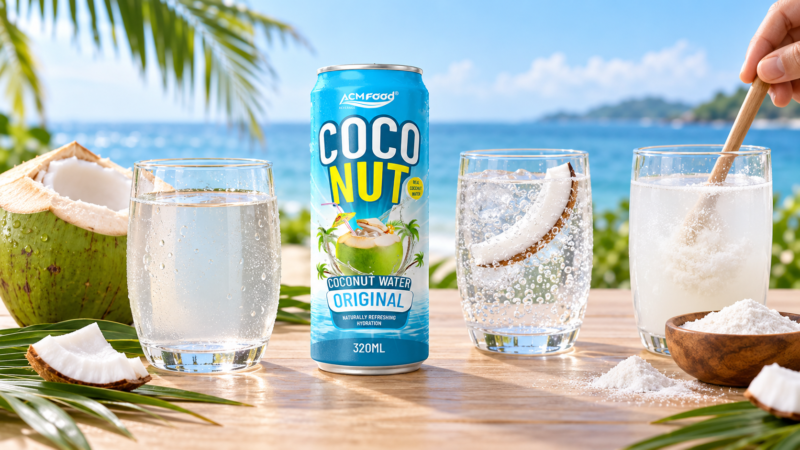
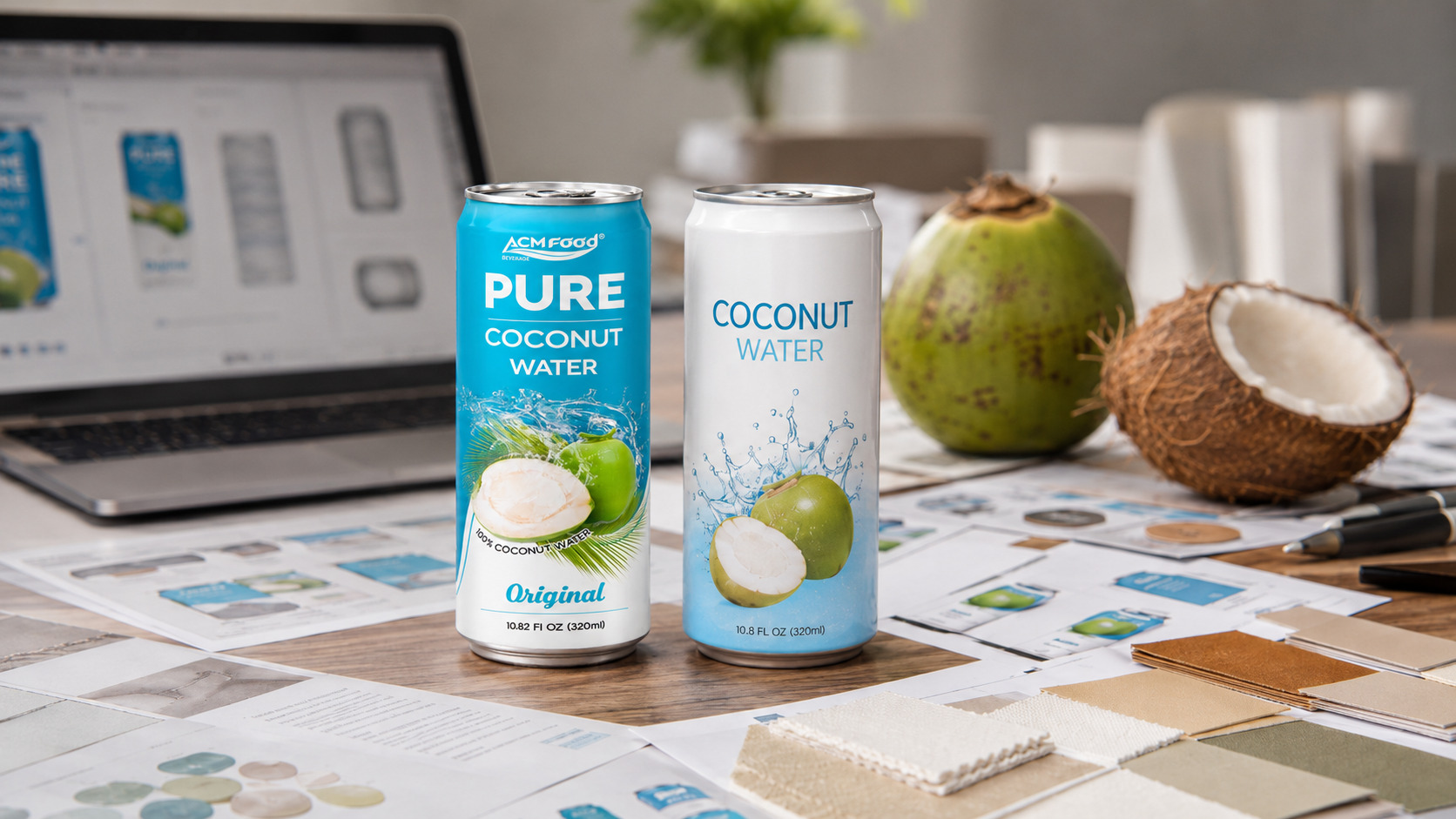
한국어The difference between organic and regular coconut water lies mainly in how the coconuts are grown and certified, not in the nutrition. Organic coconut water comes from coconuts grown without synthetic pesticides or chemical fertilisers and is certified to a standard such as USDA Organic or EU Organic; regular coconut water comes from conventionally farmed coconuts.
Both can be pure, unsweetened and hydrating. Organic costs more because of certification, lower yields and smaller production runs. For shoppers, the ingredient list usually matters more than the organic logo; for importers, organic certification is a positioning and compliance decision.
What is organic coconut water?
Organic coconut water is made from coconuts grown and processed under a certified organic scheme, which prohibits synthetic pesticides, synthetic fertilisers and genetically modified inputs. Farms and factories are inspected and must keep traceability records.
The most common schemes in export markets are USDA Organic for the United States and EU Organic for the European Union. Organic products are often also sold as clean-label, with an ingredient list of just “100% coconut water”, but organic certification itself is about farming and handling, not about sugar or additives.
What is the difference between organic and regular coconut water?
The key differences are farming method, certification and price. Nutrition and taste depend far more on coconut variety, maturity and processing than on whether the product is organic.
| Feature | Organic coconut water | Regular coconut water |
|---|---|---|
| Farming method | Certified organic farming | Conventional farming |
| Synthetic pesticides and fertilisers | Not allowed | May be used |
| Certification | USDA Organic, EU Organic or equivalent | None required |
| Traceability | Audited from farm to pack | Varies by supplier |
| Added sugar | Usually none | Depends on the product |
| Price | Higher | Lower |
| Market position | Premium, wellness retail | Mass market |
Is organic coconut water healthier?
Not necessarily. Organic coconut water reduces exposure to synthetic farming chemicals, but an unsweetened regular coconut water provides essentially the same water, natural sugars and electrolytes.
Coconut water naturally contains potassium, sodium, magnesium and calcium. According to USDA FoodData Central, a 240 ml serving of unsweetened coconut water provides roughly 600 mg of potassium, although values vary by product. What makes a bigger difference to the drink you buy is whether it contains:
- added sugar or sweeteners;
- added flavourings;
- preservatives;
- coconut water concentrate rather than not-from-concentrate juice.
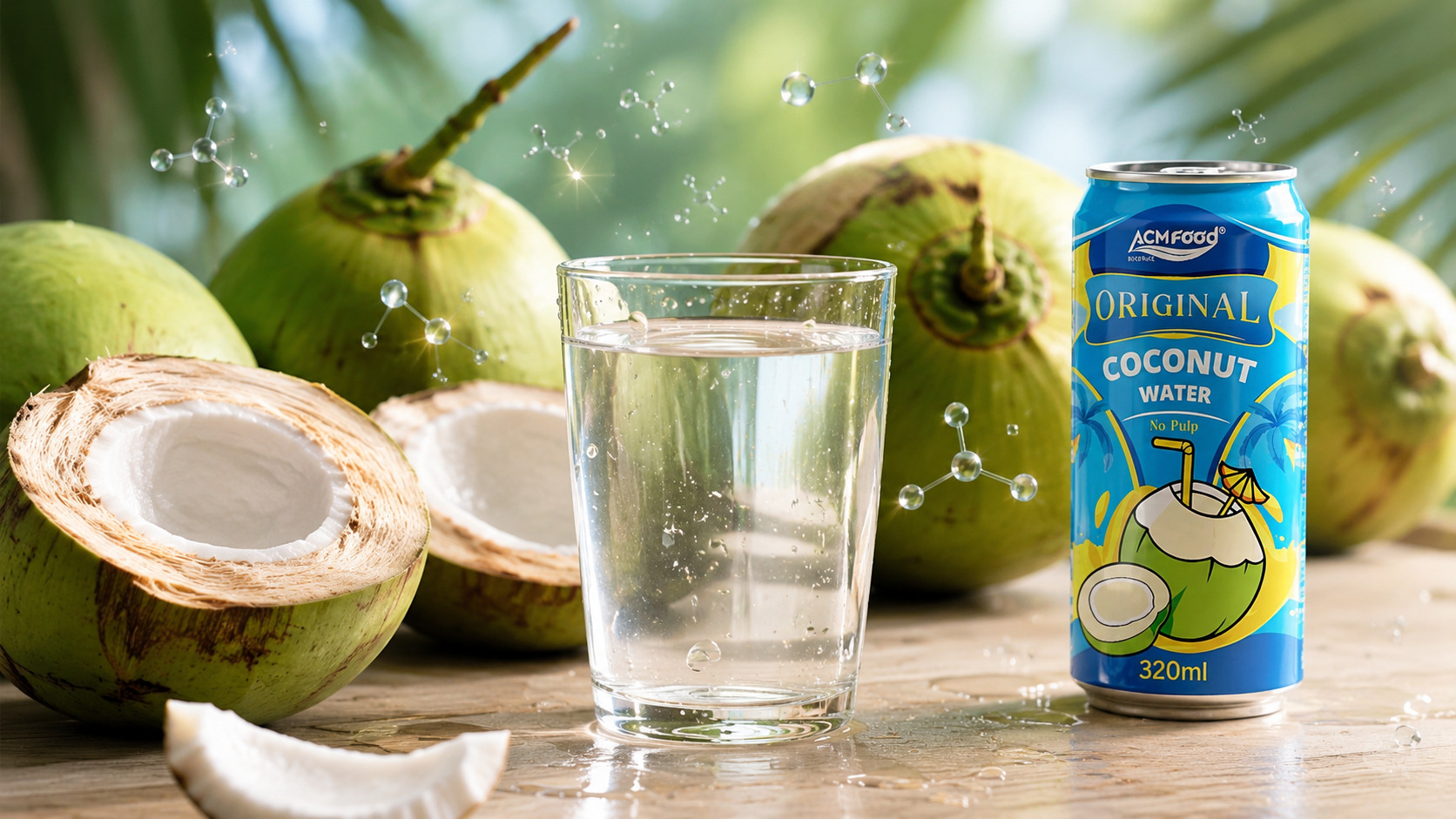
Why is organic coconut water more expensive?
Organic coconut water costs more because every step, from farm to pack, carries extra cost that conventional production does not.
- Farming: without synthetic inputs, yields are often lower and crop management needs more labour.
- Certification: farm inspections, processing audits, traceability systems and annual renewals all cost money.
- Scale: organic runs are smaller, so packaging, sourcing and logistics cost more per unit.
- Channel: organic products are sold into premium supermarkets and health stores that expect premium packaging.
Does organic coconut water taste better?
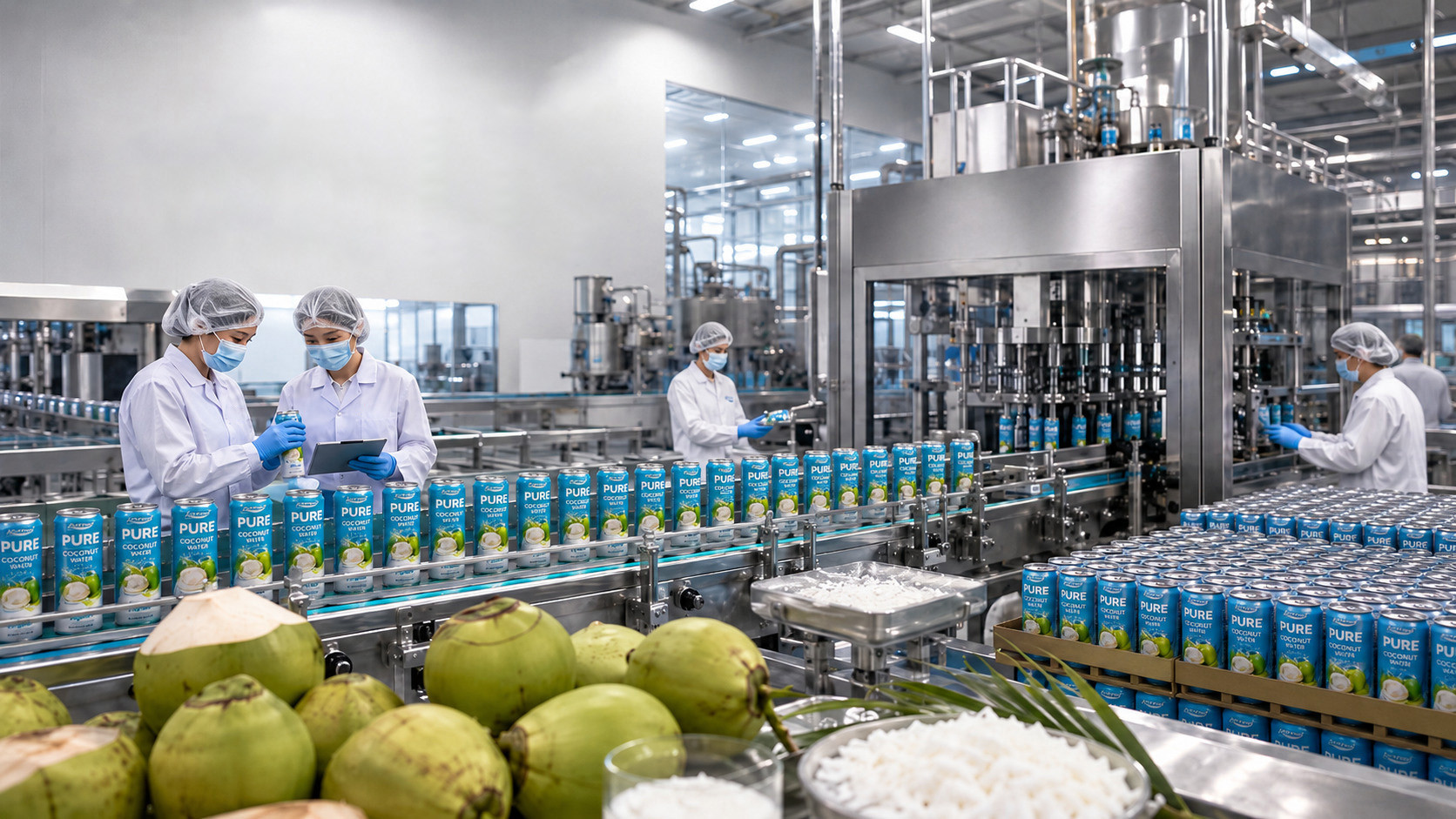
Not automatically. Taste depends mostly on coconut variety, maturity and processing. Good coconut water, organic or not, tastes light, fresh and naturally sweet; poorly processed coconut water can taste cooked, metallic, flat or overly sweet.
| Processing method | Typical effect |
|---|---|
| NFC (not from concentrate) | Fresher, more natural flavour |
| Cold-pressed with HPP | Fresh taste, short chilled shelf life |
| UHT processing | Long ambient shelf life, some cooked notes possible |
| From concentrate | Lower cost, flatter flavour |
How do you choose the best coconut water?
Read the ingredient list before the front label. The best choice for most people is 100% coconut water with no added sugar, whether or not it is organic.
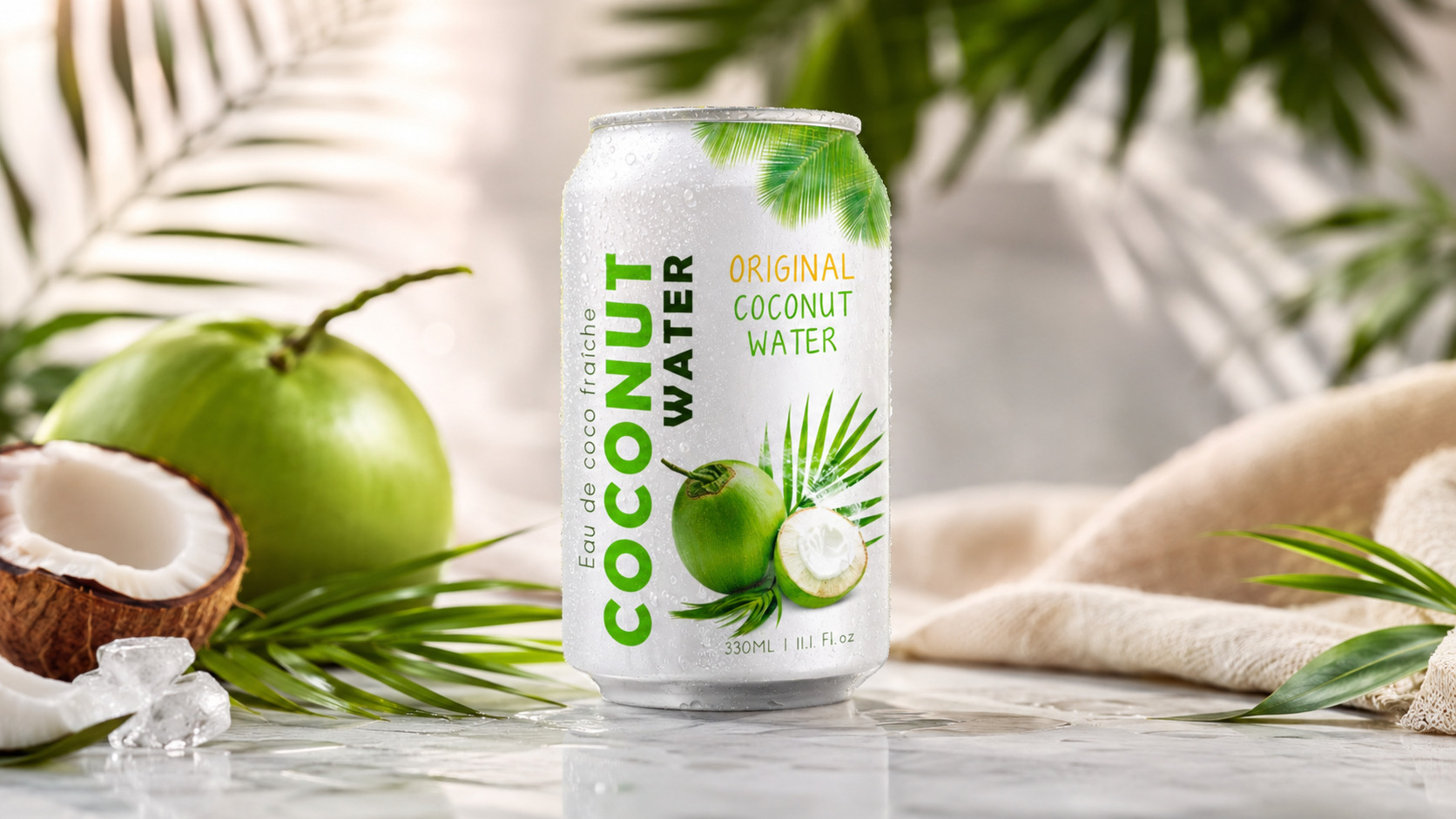
- Look for: “100% coconut water”, no added sugar, not-from-concentrate, and organic certification if that matters to you.
- Avoid: long ingredient lists, added sweeteners and flavours, and unclear sourcing.
- Packaging: cans and cartons protect flavour for ambient storage; glass signals a premium product.
Why is demand for organic coconut water growing?
Shoppers increasingly want drinks that are simple, plant-based and minimally processed, and market research firms such as Grand View Research report continued growth in the coconut water category. Organic variants appeal most in markets where shoppers pay a premium for certified products, including the United States, Canada, Germany and the Gulf states.
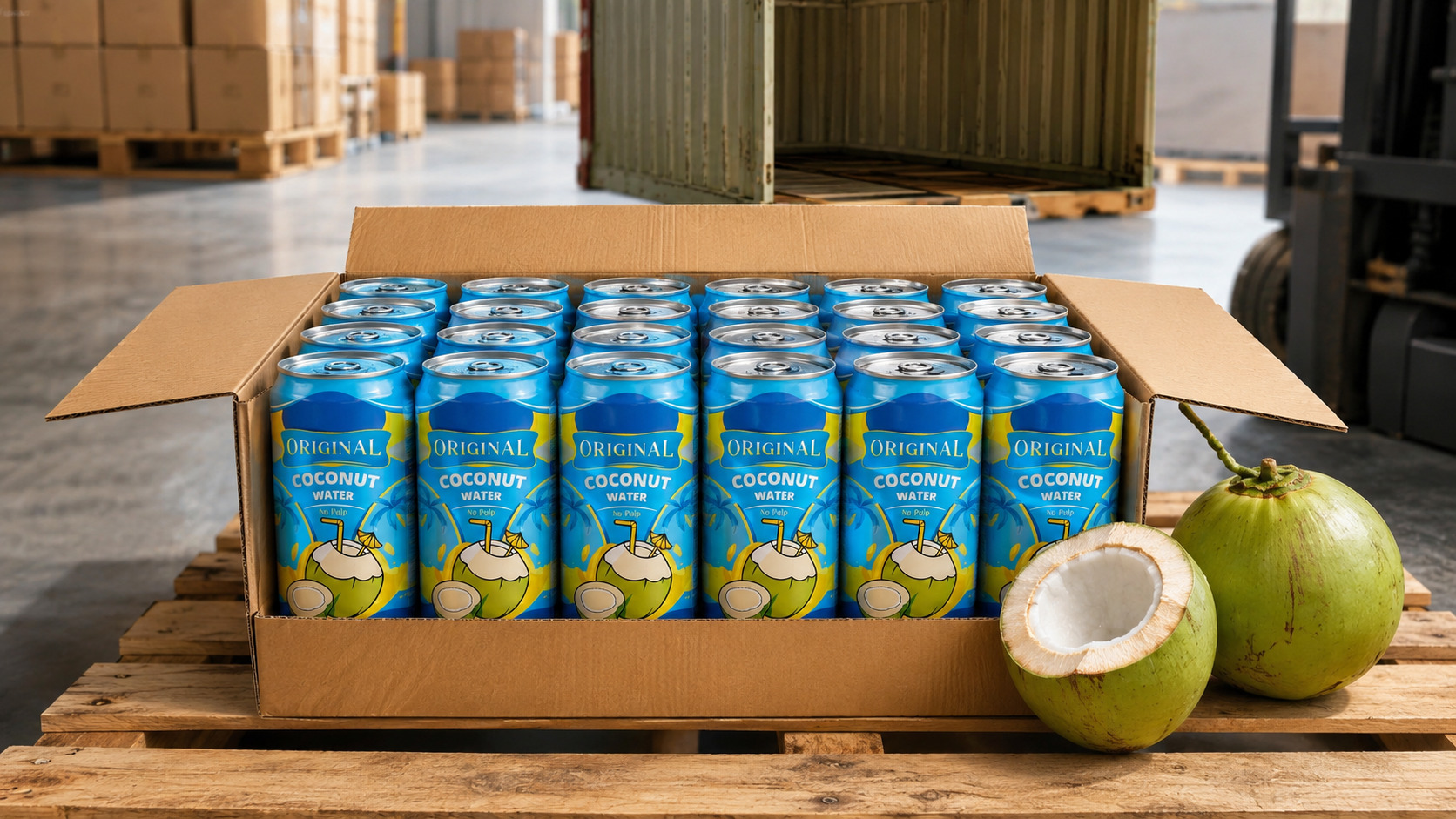
What should importers check before sourcing organic coconut water?
Importers should confirm that the certificate covers both the farms and the processing plant, that it is valid for the destination market, and that the supplier can keep the same coconut source year-round.
- Certificate scope: the organic certificate must name the product and the facility; USDA and EU schemes are not interchangeable.
- Raw material supply: consistent coconut sourcing keeps flavour stable across batches.
- Food safety: ask for HACCP, ISO 22000 or FSSC 22000, plus Halal or FDA facility registration where required.
- Label support: multilingual labels and correct organic claims for each market.
- Cost: expect a higher price per unit and plan retail pricing accordingly.
Frequently asked questions
Is organic coconut water healthier than regular coconut water?
Organic coconut water limits exposure to synthetic farming chemicals, but nutritionally an unsweetened regular coconut water is very similar. Added sugar and additives matter more than the organic label.
Why is organic coconut water more expensive?
Certification fees, lower farm yields, audited traceability, smaller production runs and premium packaging all raise the cost.
Is organic coconut water always free of added sugar?
No. Organic rules cover how ingredients are grown and handled. An organic product can still contain organic sugar, so check the ingredient list.
Is pure coconut water with no sugar good for hydration?
Yes. Pure coconut water is mostly water and naturally contains electrolytes such as potassium, which makes it a popular choice for light hydration.
Conclusion
Organic vs regular coconut water is a choice about farming and certification rather than nutrition. Organic is worth the price if you value certified farming practices; if your priority is a clean, hydrating drink, an unsweetened 100% coconut water, organic or not, does the job.
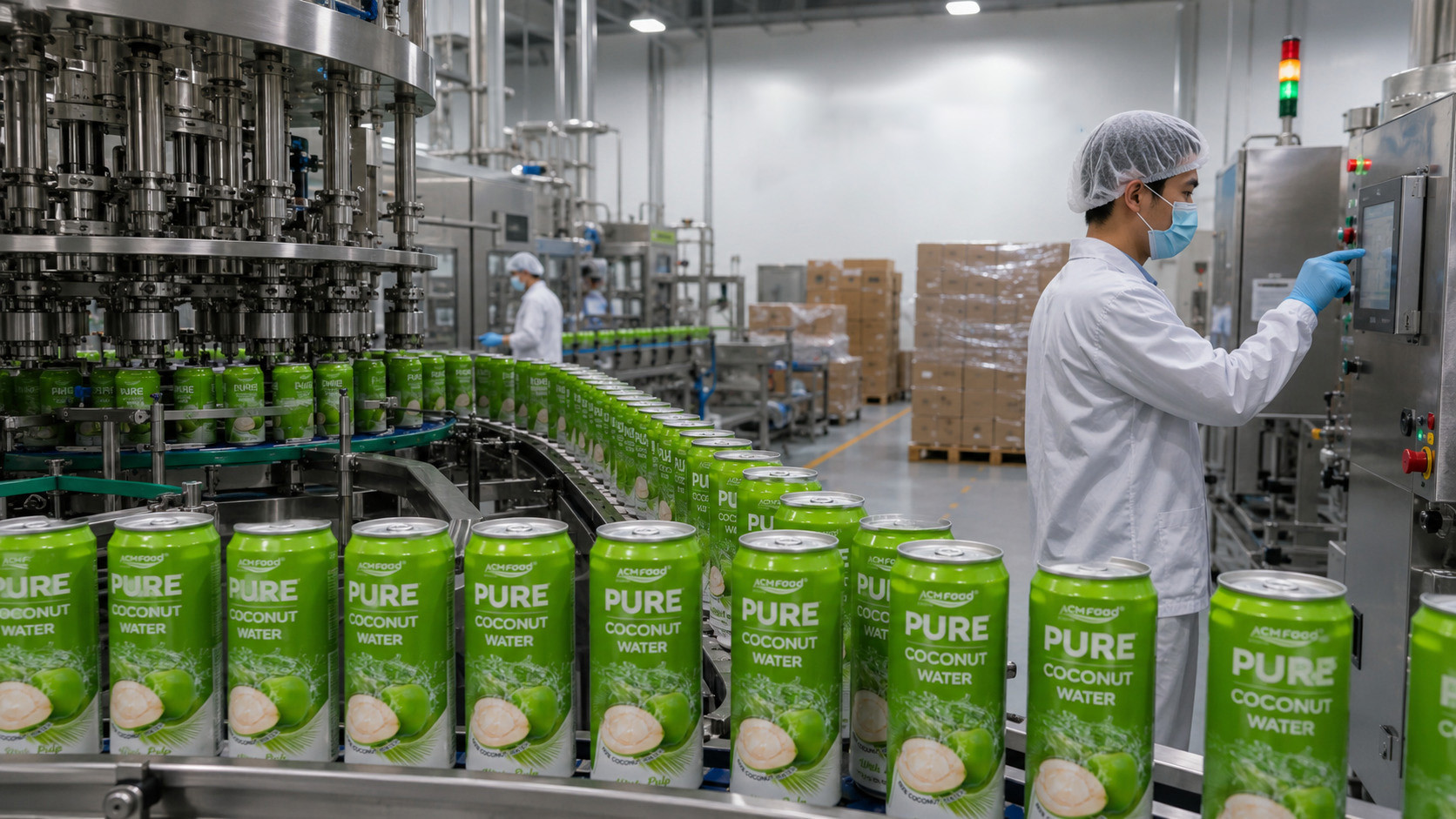
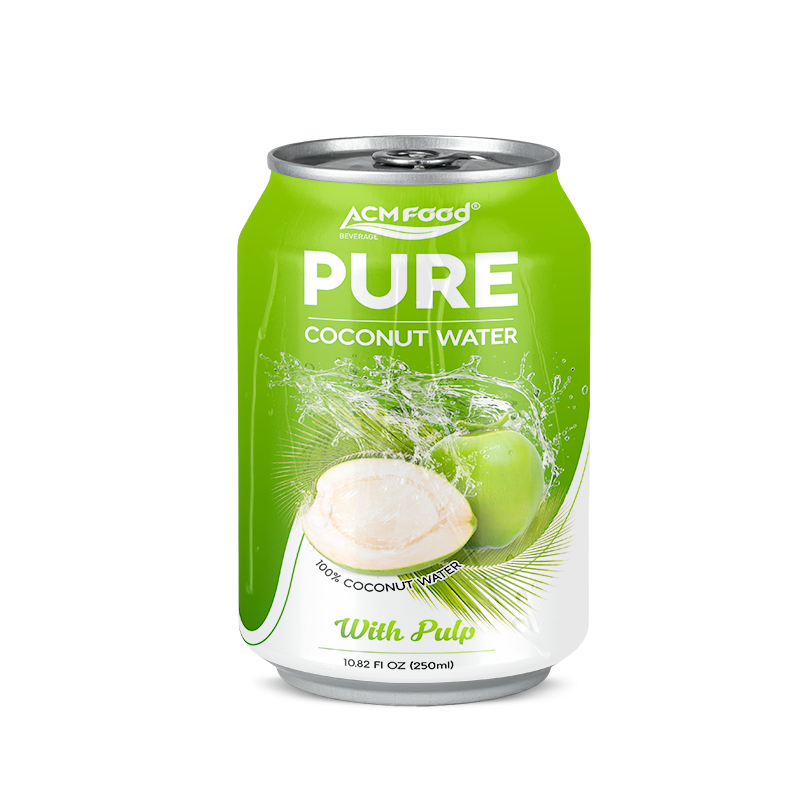
ACMFOOD is a Vietnamese coconut water manufacturer producing pure, no-sugar-added coconut water for OEM and private label brands, with HACCP, ISO 22000, Halal and US FDA facility registration. See our coconut water products, beverage product capabilities and private label beverages. Order minimums are set per SKU; see minimum order quantity. To discuss a specification, request a quote.
Request a quote